Alex Prager
Alex Prager's World Is Wonderfully Strange
Artist Spotlight · The Collection Editorial
“I want to create a sense of the uncanny, where something feels familiar but you cannot quite place it.”
Alex Prager, interview with The Guardian
In the autumn of 2022, Alex Prager's retrospective survey at the Fotografiska museum in New York reminded a new generation of visitors just how singular her vision had become. The exhibition gathered some of her most arresting large scale works alongside rarely seen early pieces, and the effect was total immersion into a world that felt simultaneously familiar and deeply, productively strange. Crowds gathered not merely to look at the photographs but to stand inside them, searching the faces of hundreds of strangers for some flicker of recognition. That feeling, of being lost and found at the same time, is Prager's great gift to contemporary photography.
Alex Prager
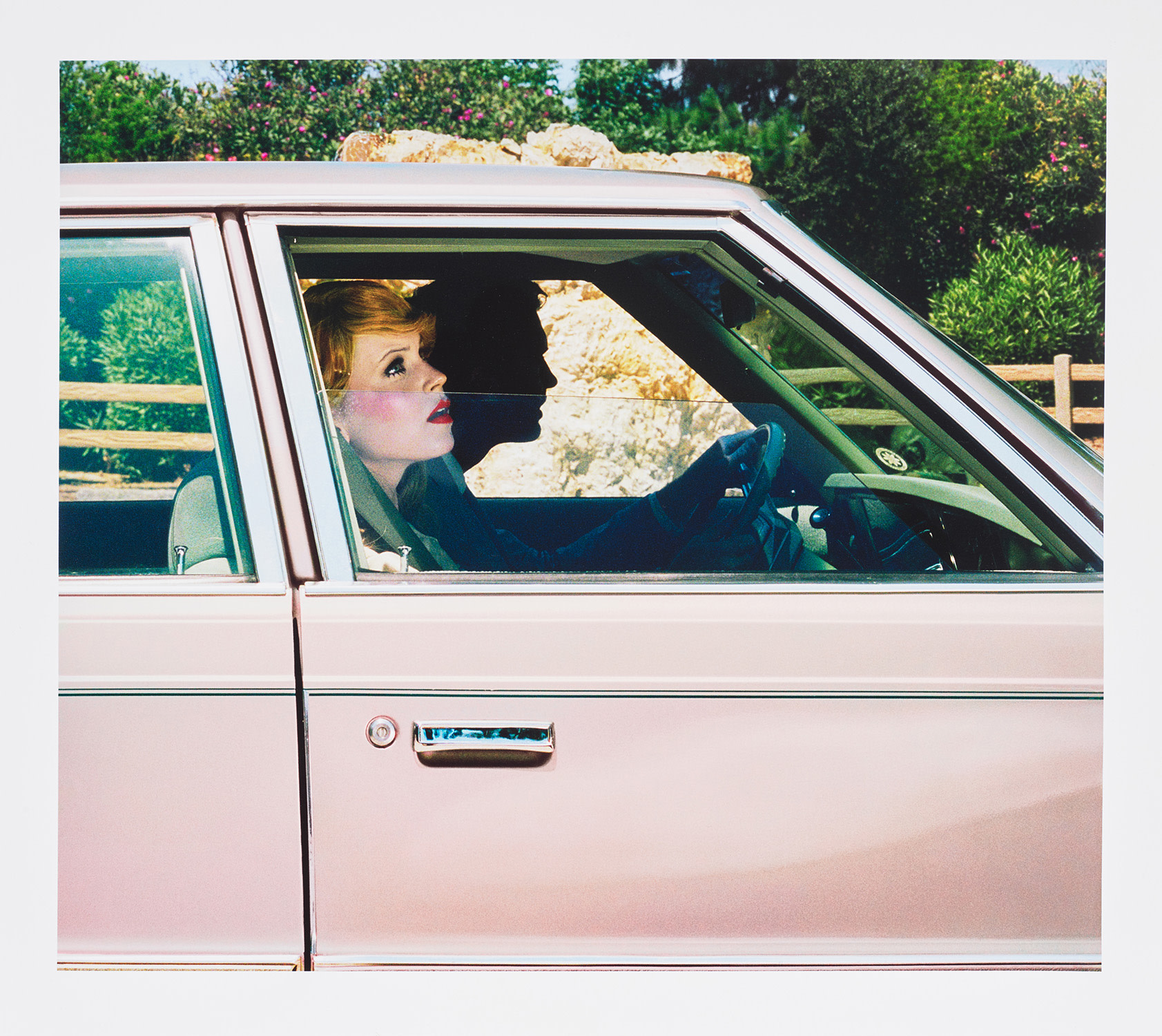
Anne, 2009
Prager was born in Los Angeles in 1979 and grew up amid the particular mythology that city generates about itself. She did not come to photography through formal academic training. Instead, she arrived at it laterally, through an intense self directed encounter with the history of cinema, color theory, and American vernacular imagery. Her early fascination with the films of Douglas Sirk, the saturated palette of Technicolor Hollywood, and the emotional grammar of midcentury advertising gave her a visual language before she even picked up a camera.
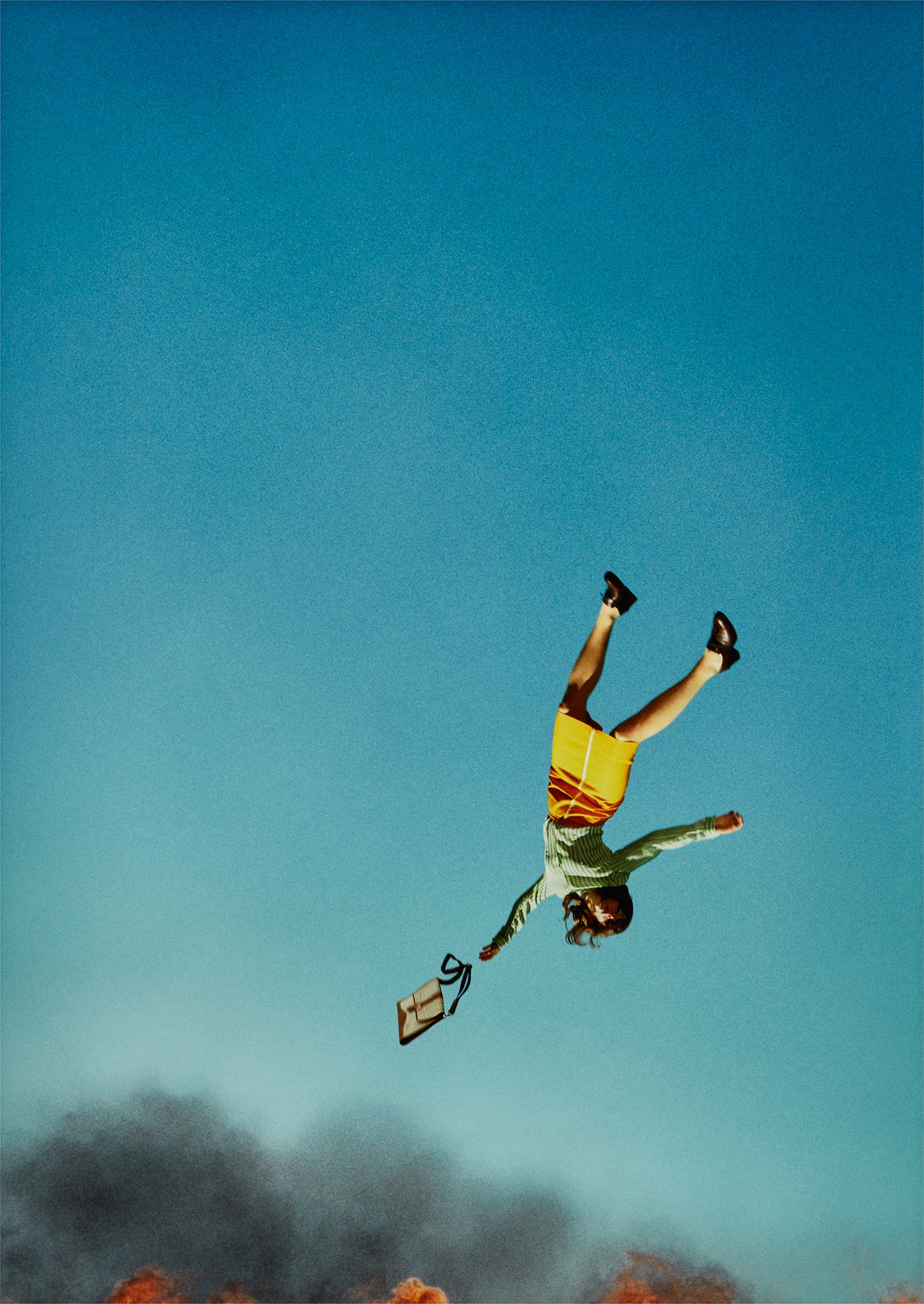
That foundation would prove to be everything. Her first significant series, Polyester, emerged in the mid 2000s and announced her approach with remarkable clarity and confidence. The works in that series, including standouts like Crystal from 2007 and Caroline from Polyester, featured lone women in vivid, almost chemically bright settings, their expressions hovering between distress and dreaming. Prager worked with a small team, controlling every element of costume, makeup, lighting, and set design with the precision of a film director on a closed lot.
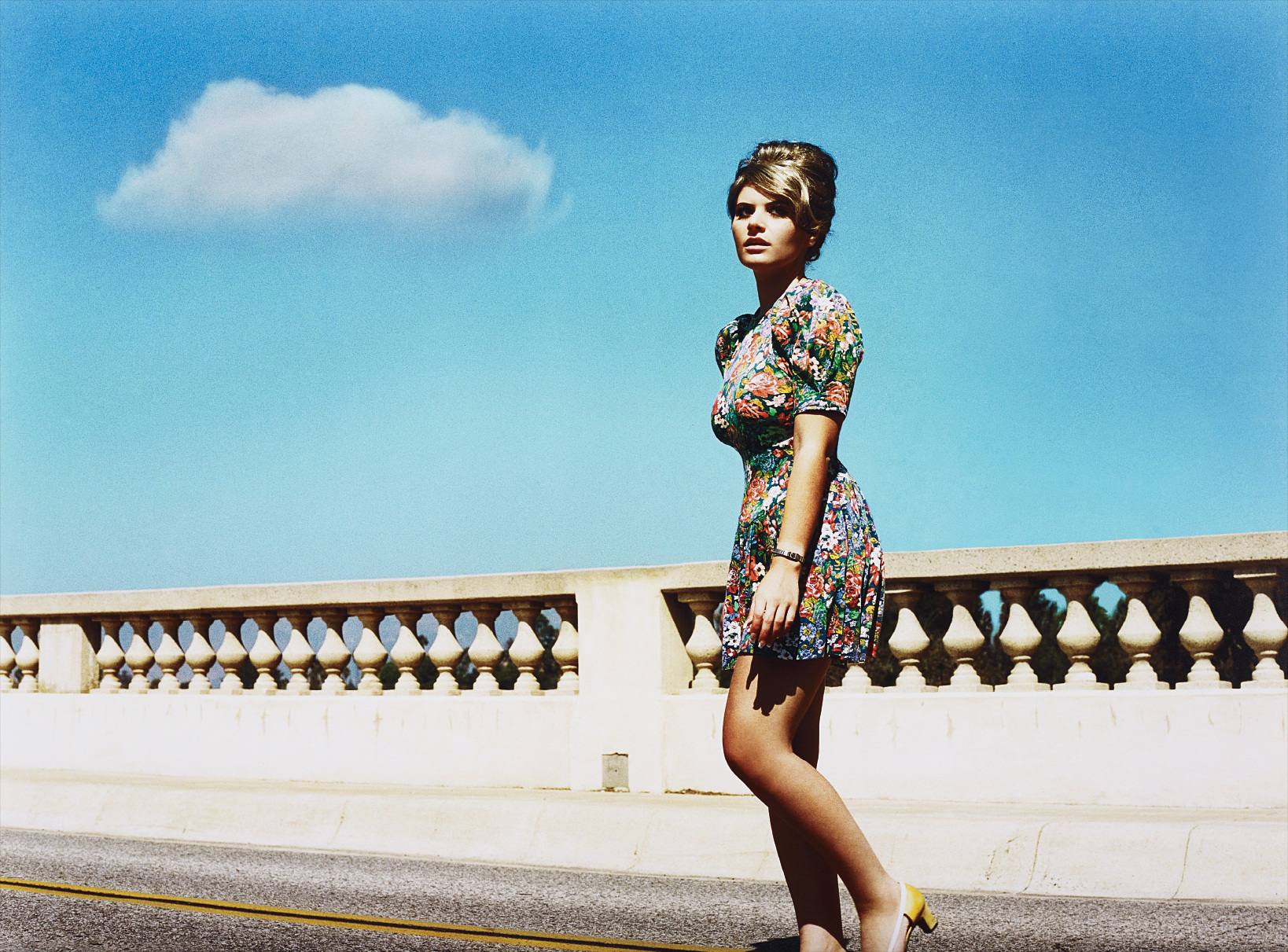
Alex Prager
June
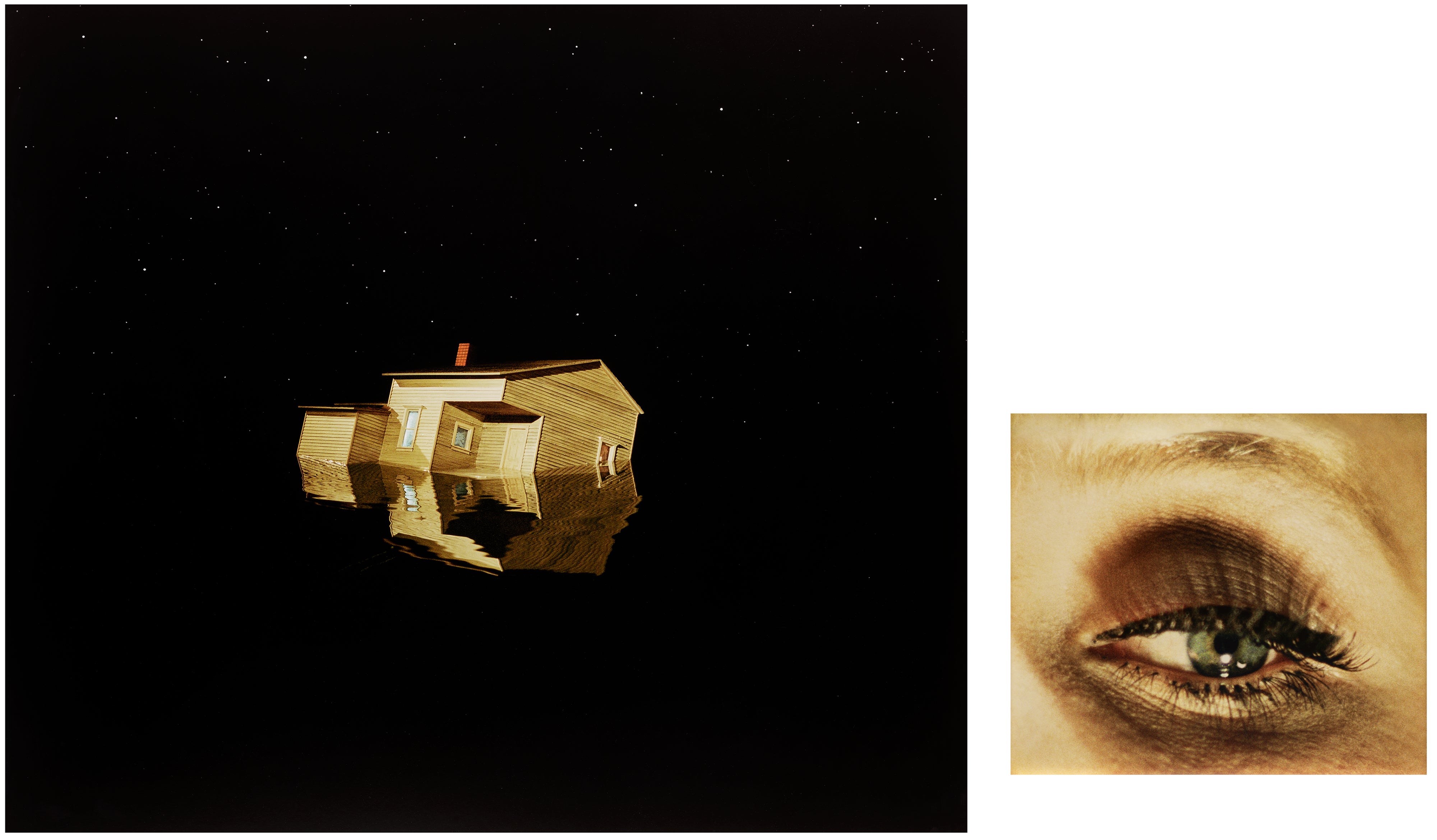
The results looked like stills from a movie that had never been made, which was precisely the point. She was excavating the emotional residue of a visual culture that had shaped generations of American women. The Polyester series gave way to Week End and then to the enormously ambitious large format works that would define her mature practice. Works such as Anne from Week End and the breathtaking diptych pairing 3:22 pm, Coldwater Canyon with Eye Number 5 (Automobile Accident) revealed a photographer operating at a genuinely cinematic scale.
The Eye series in particular demonstrated her willingness to push photography toward something more unsettling and more honest about the voyeuristic charge that lies at the heart of looking. A single enormous eye, rendered in close up, becomes a landscape, a world, a site of interior weather. These works are not simply beautiful objects, though they are emphatically that. They are arguments about perception itself.
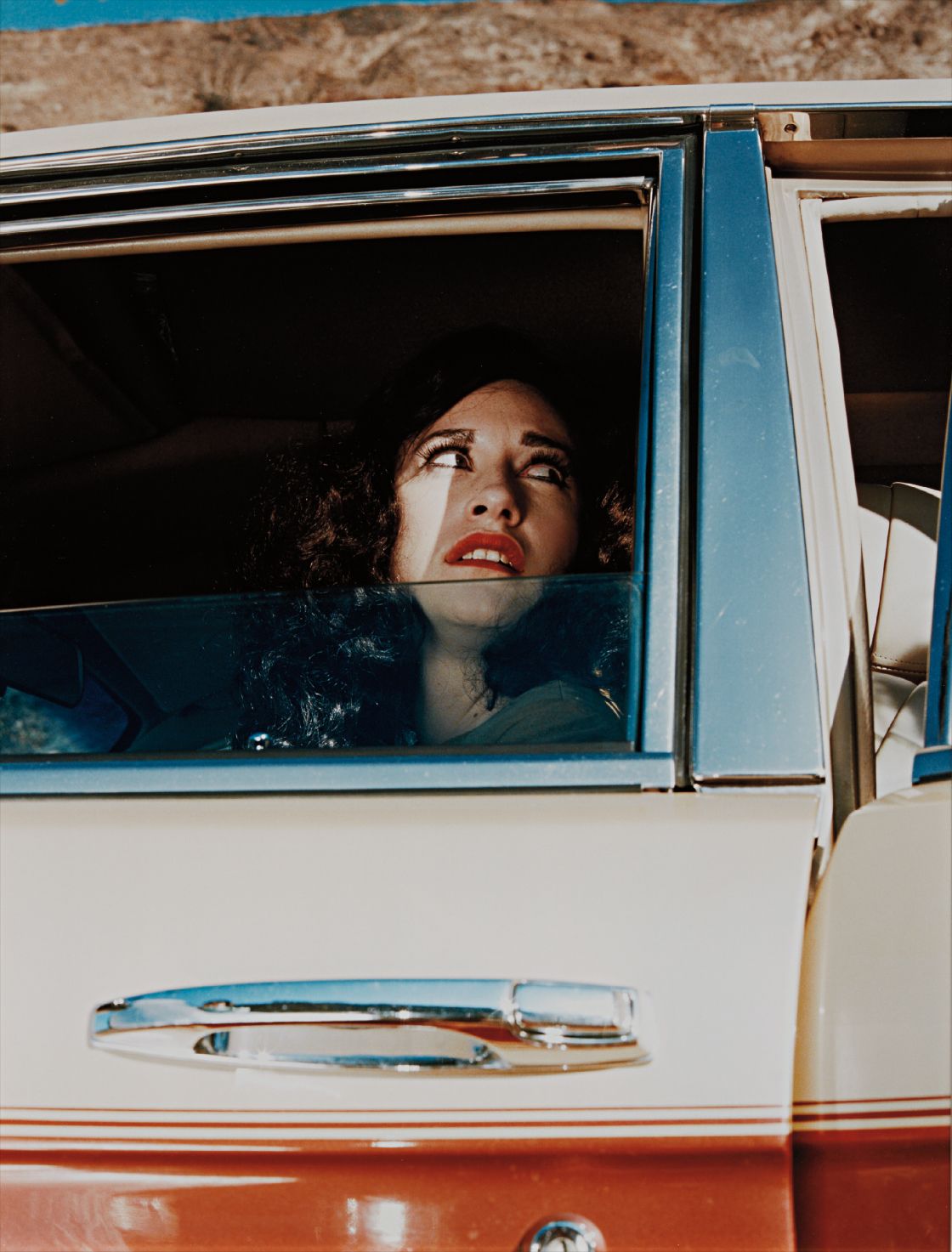
Alex Prager
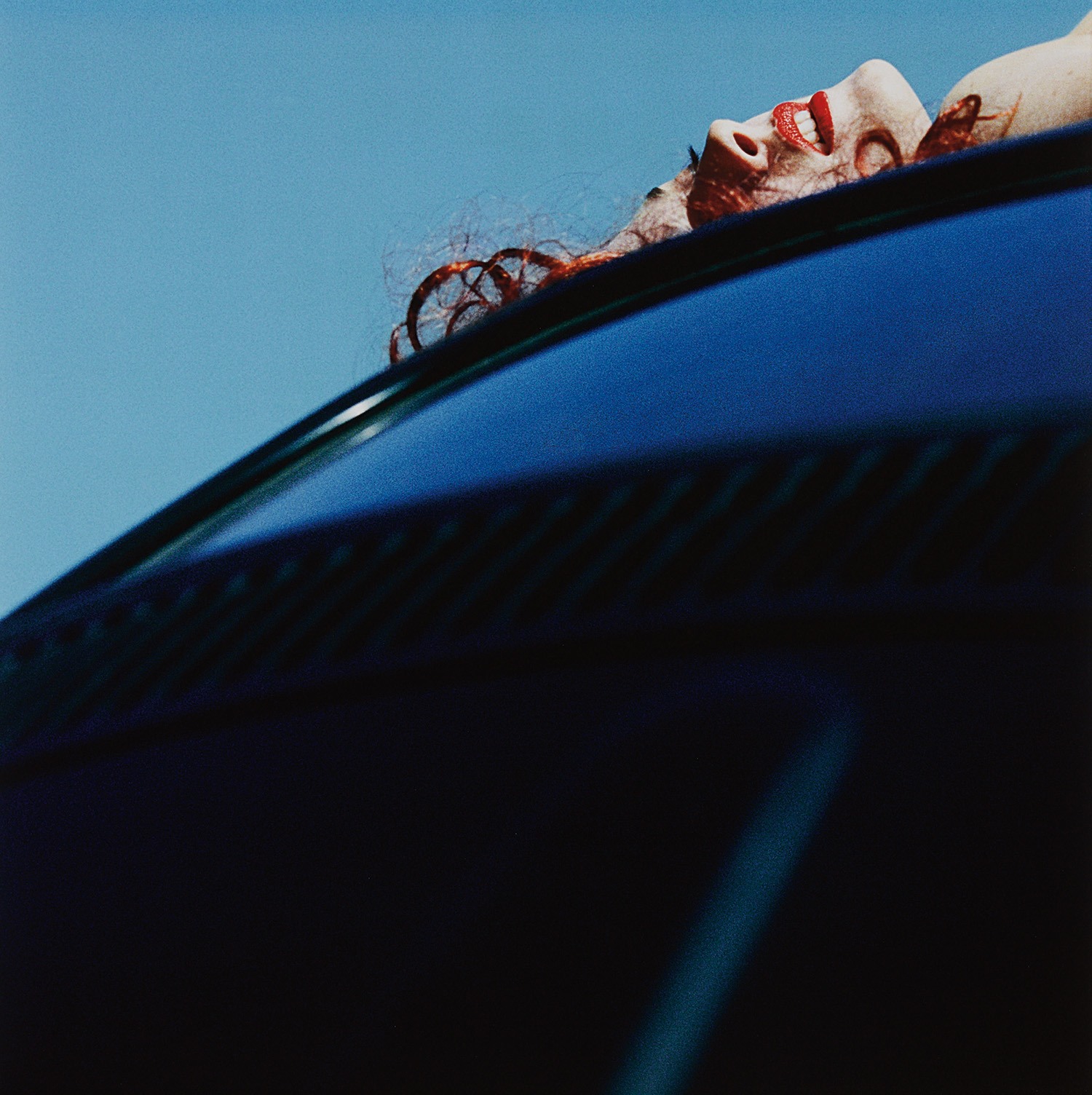
Sheryl from Week-End
The Crowd series, which she developed across the early 2010s, represented another leap entirely. To create these works, Prager staged enormous productions, casting and costuming hundreds of extras to populate urban spaces like airport terminals, beaches, and intersections. The resulting photographs, shown at the Yancey Richardson Gallery in New York among other venues, function as social portraits of collective anxiety. Individual faces bloom out of the mass with startling intimacy, each person seemingly caught in their own private drama within the churning public world.
The series drew immediate comparisons to the tableau photography of Gregory Crewdson and Philip Lorca diCorcia, artists who similarly treat the photograph as a space for psychological excavation, though Prager's references and sensibility remain distinctly her own. Prager's work is held in the permanent collections of the Museum of Modern Art, the Whitney Museum of American Art, and the Smithsonian Institution, a roster that reflects both the critical seriousness with which her practice is regarded and its broad cultural resonance. At auction, her large format chromogenic and archival pigment prints, particularly works from the Polyester, Week End, and Crowd series, have attracted consistent collector interest. Flush mounted prints command the strongest results, as the seamless presentation reinforces the cinematic quality that makes her photographs so distinctive.
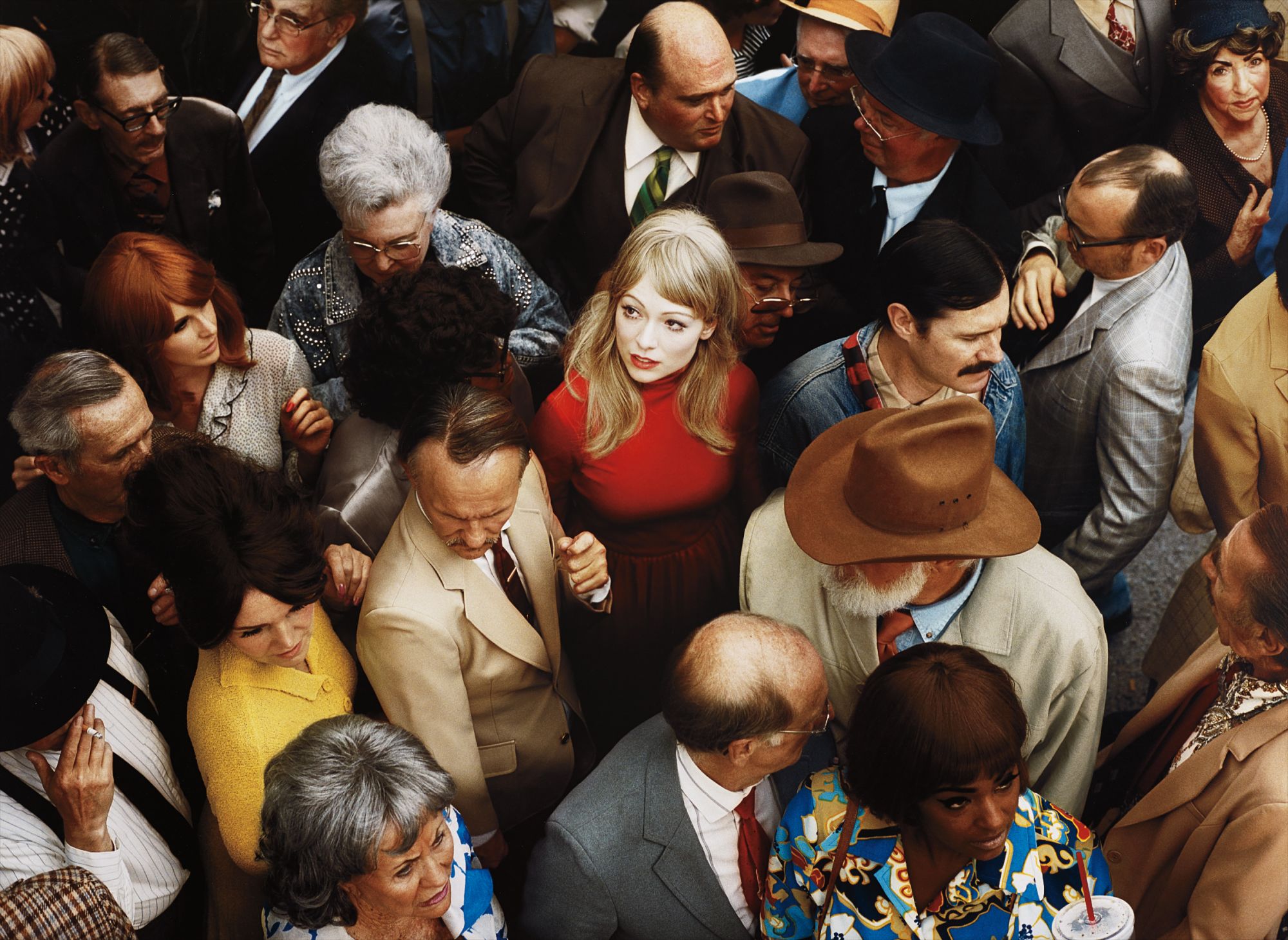
Alex Prager
Crowd #2 (Emma)
Collectors are drawn to her work not simply as decoration but as a form of sustained narrative engagement. A Prager on the wall does not settle. It continues to unfold. For collectors approaching her work through the secondary market, the early Polyester series offers a compelling entry point both historically and in terms of value.
Works like Lust Number 1 (Bobo) from 2007 and Hannah from Polyester represent the genesis of an immediately recognizable vocabulary. The Week End series works, including Lois and Marianne and Pat, show that vocabulary expanding in emotional range and technical ambition. Across all periods, condition is paramount given the flush mounted format, and provenance from reputable galleries strengthens confidence in edition integrity. To place Prager in art historical context is to understand how she bridges several important traditions.
She inherits the staged photography lineage that runs through Cindy Sherman, whose theatrical self portraiture redefined what a woman behind a camera could claim as subject matter, and through the large scale narrative photography of Andreas Gursky and Jeff Wall. She draws equally from the history of American cinema and from painters like Edward Hopper, whose lonely figures in lit windows feel like distant ancestors of Prager's isolated heroines. Yet her synthesis is genuinely original. The warmth of her color palette and the structural sophistication of her crowd compositions place her in a category she has largely invented for herself.
What makes Prager matter now, in a cultural moment saturated with image making of every conceivable kind, is her commitment to slowness and intentionality. Every Prager photograph is the product of months of preparation, hundreds of decisions, and a governing intelligence that never loses sight of the emotional experience she wants the viewer to have. In an era when images are produced and discarded at a speed that makes sustained looking feel almost transgressive, her work insists on attention. It rewards that attention with layer upon layer of meaning, beauty, and the particular kind of unease that only comes from something that is almost but not quite what it seems.
She is among the essential American artists of her generation, and her place in the longer story of photography is already secure.
Featured Works