Ai Weiwei

Ai Weiwei: Art as an Act of Love
Artist Spotlight · The Collection Editorial
“Everything is art. Everything is politics.”
Ai Weiwei
In the spring of 2024, Ai Weiwei mounted "Giants," a sweeping exhibition at the Kunsthaus Zürich that brought together monumental sculpture, documentary film, and intricate handcraft in a meditation on displacement, power, and the endurance of the human spirit. The show drew tens of thousands of visitors and reminded a global audience of something that collectors and curators have long understood: Ai Weiwei is not simply one of the most important living artists, he is one of the most morally and aesthetically necessary voices working anywhere in the world today. His practice spans six decades and every medium imaginable, and yet it never feels scattered. It is always, unmistakably, the work of a single unified intelligence.
Ai Weiwei
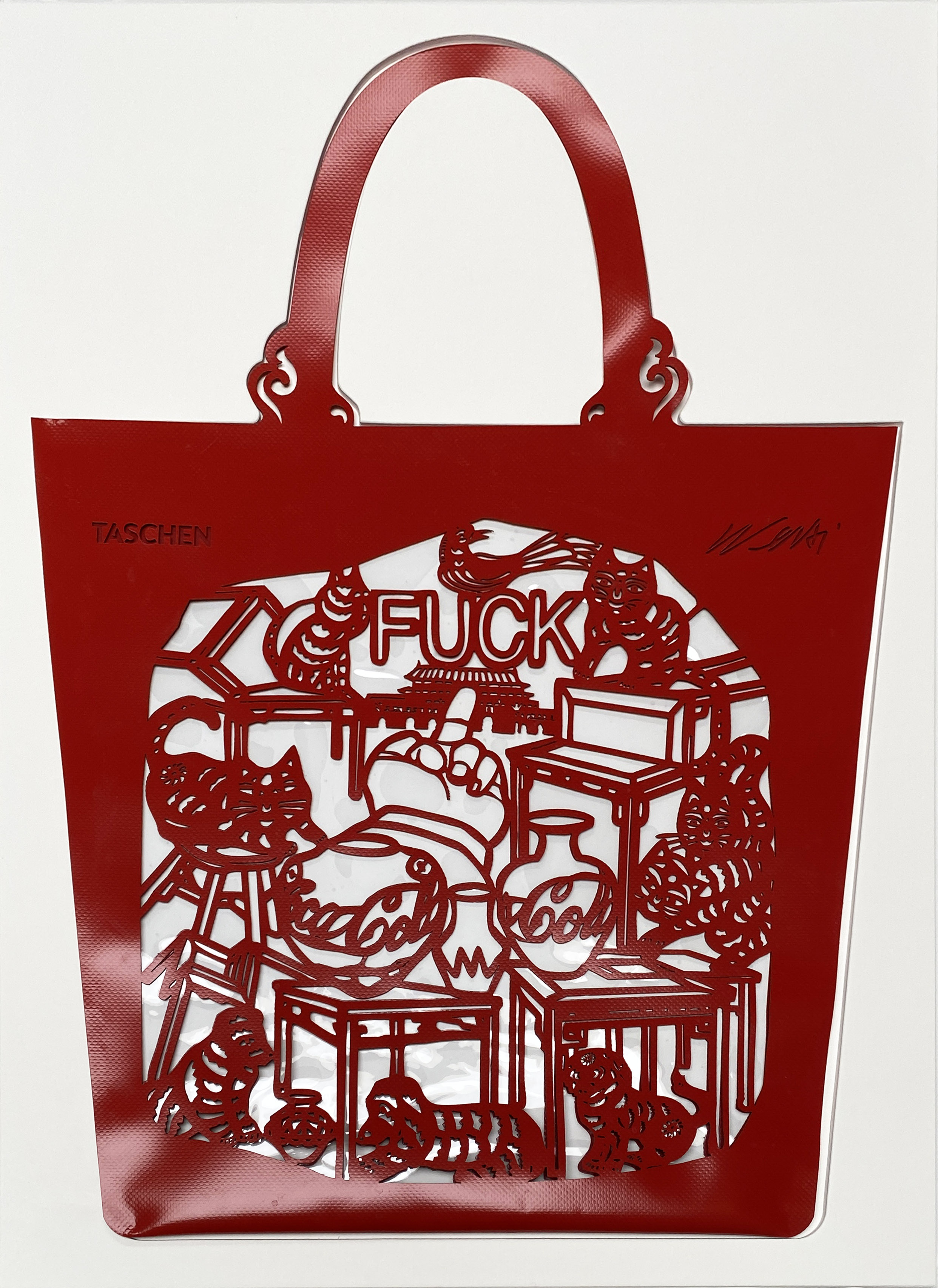
The China Bag Cats and Dogs, 2019
Ai Weiwei was born in Beijing in 1957, the son of Ai Qing, one of China's most celebrated poets. When Ai Weiwei was just one year old, his father was condemned as a rightist during the Anti Rightist Campaign and the family was sent into internal exile, first to the northeastern labor camp of Beidahe and then, far more brutally, to Xinjiang province in the far northwest, where they would remain for nearly two decades. The young Ai grew up watching his father clean public toilets as a form of state punishment, an image of dignity under humiliation that would become central to his understanding of art and resistance. This formative experience of state cruelty and familial endurance gave him something no art school could: a lived understanding of what is at stake when authority goes unchecked.
After the Cultural Revolution ended and the family returned to Beijing, Ai Weiwei studied animation at the Beijing Film Academy before making a decision that would permanently alter the course of contemporary art history. In 1981 he moved to New York City, where he would spend the next twelve years absorbing everything the city had to offer. He studied at the Art Students League and later at Parsons School of Design, but his real education came from immersion in the downtown scene, in the work of Marcel Duchamp, Andy Warhol, Jasper Johns, and the broader legacy of Dada and conceptual art that was reshaping what art could mean and do. New York gave him permission to think beyond medium and genre, to understand that an idea rigorously pursued is itself a work of art.
Ai Weiwei
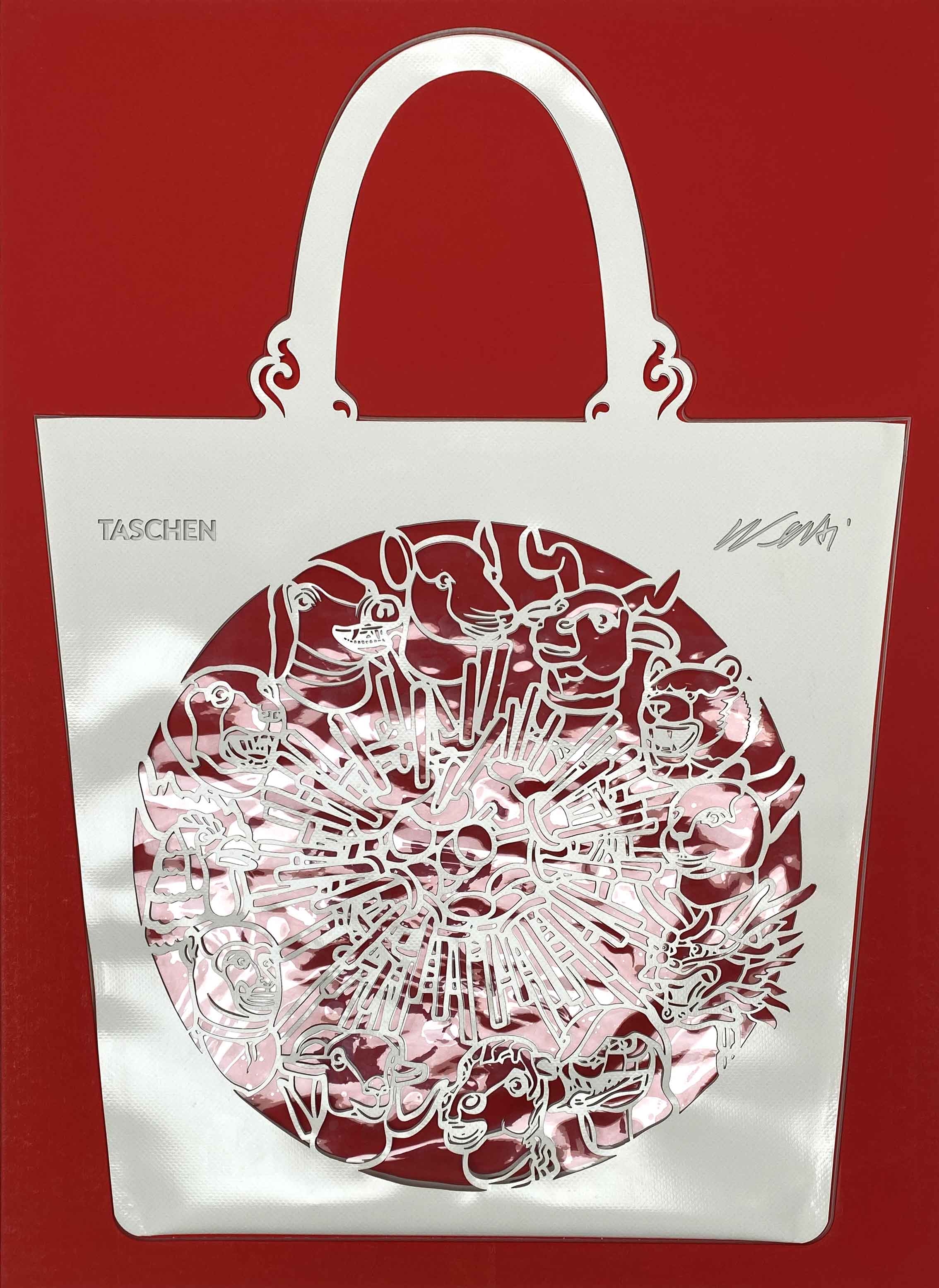
China Bag Zodiac
Ai Weiwei returned to Beijing in 1993 to care for his ailing father, and the decade that followed was one of extraordinary creative and intellectual ferment. He cofounded the experimental art group China Avant Garde and co edited three influential volumes of documentary photography and writing that chronicled the underground art scene. His own practice in this period was fiercely material, working with ancient Chinese furniture and artifacts that he would disassemble, recombine, or destroy in gestures that honored and interrogated Chinese cultural heritage simultaneously. Works like "Dropping a Han Dynasty Urn" from 1995, documented in a triptych of photographs, shocked audiences and established the provocations that would define his public persona.
“I make the useful become not useful. It is a basis for dealing with perception.”
Ai Weiwei in conversation with Jacques Herzog, Parkett No. 81, 2003
The gesture was not nihilistic but philosophical, asking who owns history, who has the right to preserve it, and what is lost when culture becomes ideology. His international reputation solidified in the 2000s through a series of monumental installations that demonstrated his capacity to work at every scale at once. He served as artistic consultant on the iconic Bird's Nest stadium for the 2008 Beijing Olympics, a collaboration that he later publicly disavowed in protest over the Chinese government's exploitation of the games. In 2010 his installation "Sunflower Seeds" filled the Tate Modern Turbine Hall with 100 million hand painted porcelain seeds, each one crafted by artisans in the city of Jingdezhen.
Ai Weiwei
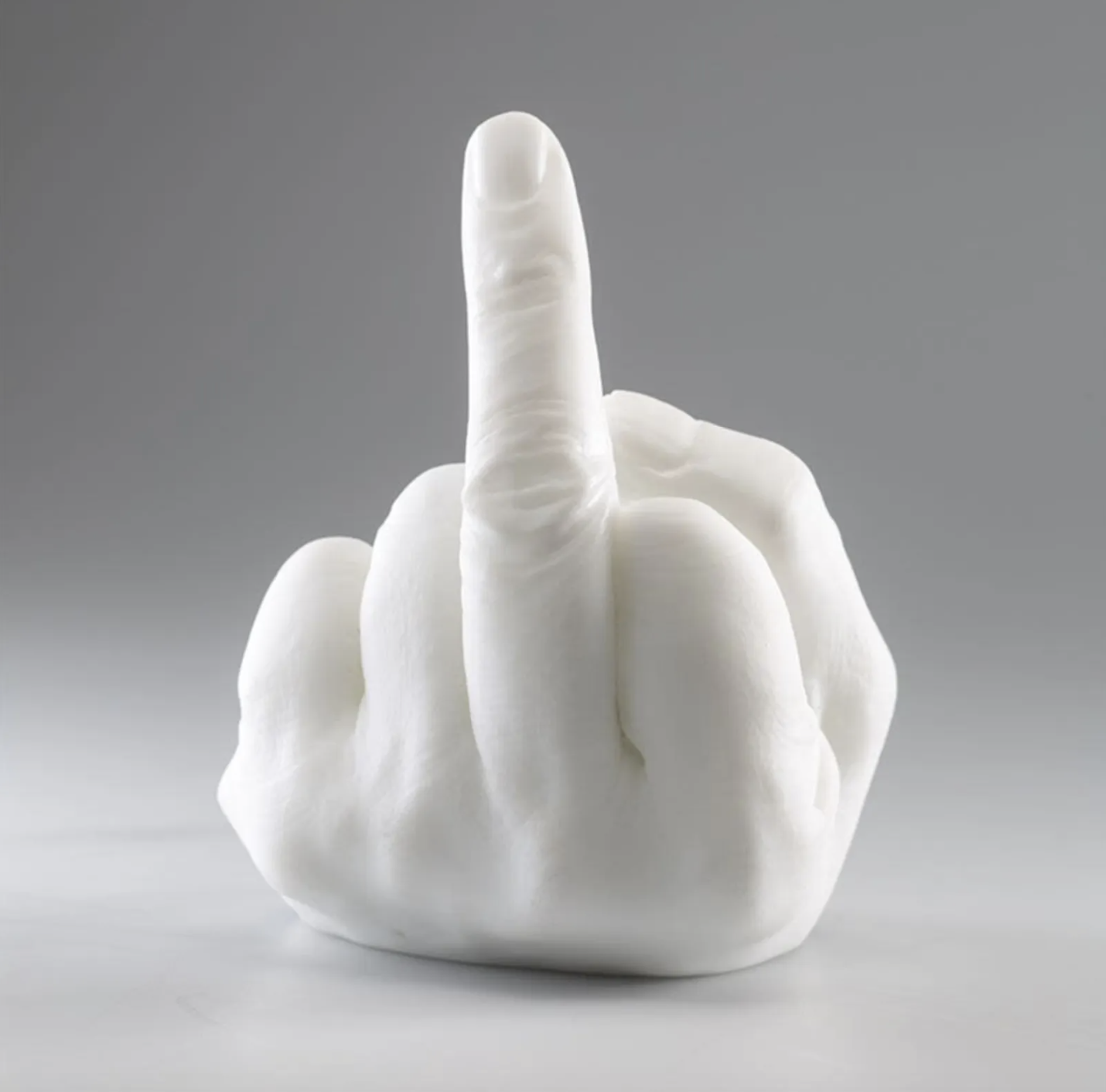
Study of Perspective in Glass (Opaline White)
The work was ravishing and conceptually inexhaustible, a meditation on mass production, individual labor, collective identity, and the relationship between China and the West. It remains one of the definitive artworks of the 21st century. His 2017 "Law of the Journey" at the National Gallery Prague, a 70 meter inflatable boat carrying 258 faceless refugee figures, brought the global refugee crisis into the visceral space of art with a force that journalism alone could not achieve. For collectors, Ai Weiwei's work offers something rare: aesthetic and intellectual pleasure that is inseparable from moral seriousness.
“A small act is worth a million thoughts.”
Ai Weiwei
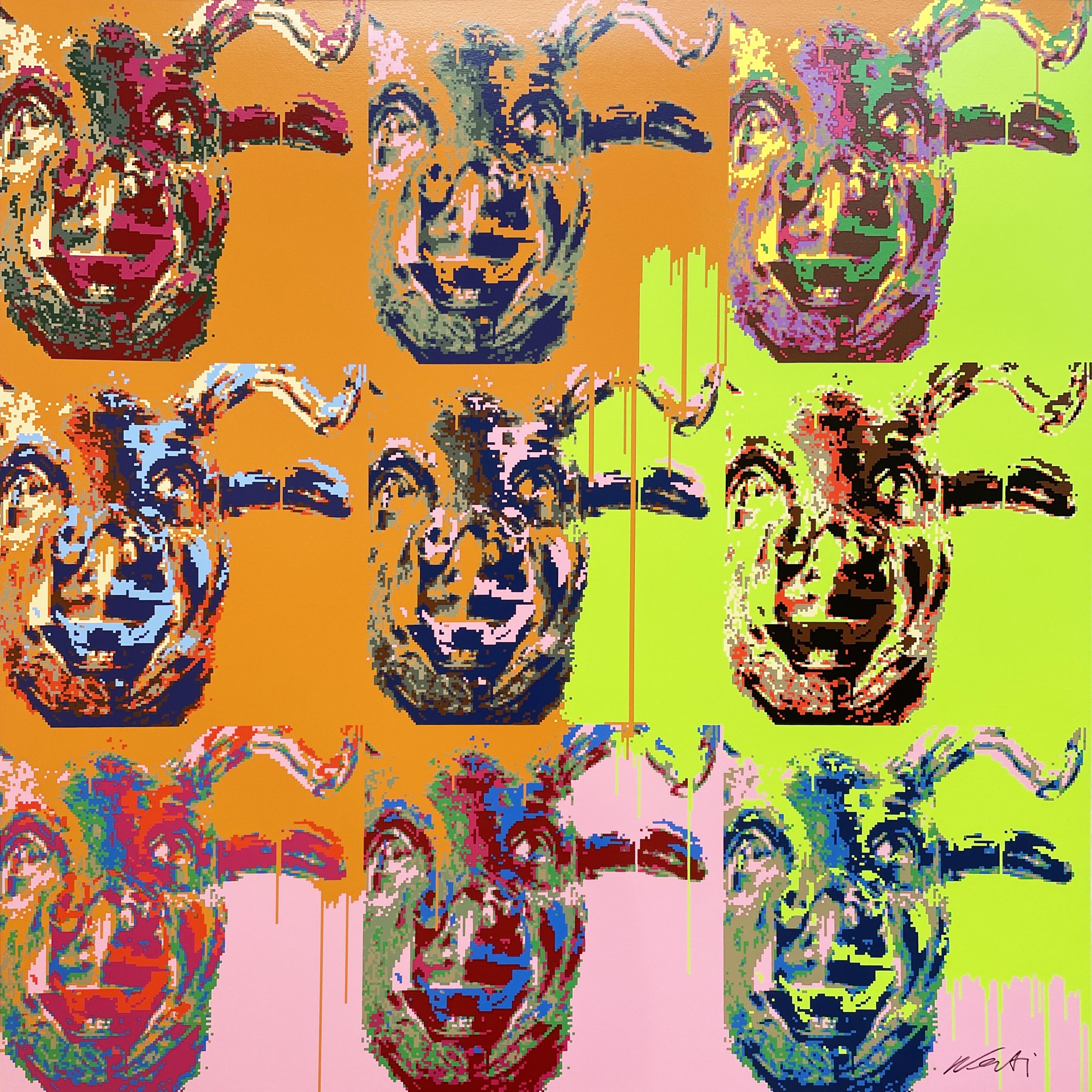
His editions and multiples are among the most thoughtfully conceived in contemporary art. Works like "Grapes" from 2010, in which dozens of traditional Chinese stools are joined together in an organic cluster, demonstrate his ability to transform humble materials into objects of astonishing formal beauty. His screenprints, including the luminous "Year of the Ox" from 2021, carry his visual intelligence into a more accessible register without any loss of depth. The cast Murano glass works, extraordinary objects that exist at the intersection of artisanal tradition and conceptual inquiry, are particularly notable for collectors who appreciate the long arc of craft history within contemporary practice.
Ai Weiwei
Year of the Ox, 2021
His inkjet prints on Hahnemüle paper, including works like "Bomb," reward close looking with their balance of graphic clarity and layered meaning. Ai Weiwei's position in the market reflects his stature. His works appear regularly at Christie's, Sotheby's, and Phillips, with major pieces consistently achieving strong results at auction. But it is perhaps in the edition and multiple market where his presence is most democratic and most generous, allowing a broad range of collectors to engage with his vision.
In this sense he resembles artists like Louise Bourgeois, Barbara Kruger, and Kara Walker, all of whom use the edition as a form of genuine outreach rather than mere commerce. His closest peers in terms of the intersection of formal ambition and political engagement might include Kara Walker, Doris Salcedo, and the late On Kawara, artists for whom the ethical stakes of art making are never separate from the aesthetic ones. What Ai Weiwei has built over the course of his career is nothing less than a new model for what an artist can be in the world. He has spent years in exile, survived an 81 day secret detention by Chinese authorities in 2011, and rebuilt his practice across multiple continents, living and working variously in Berlin, Cambridge, and Lisbon.
Through it all his curiosity has never narrowed, his formal intelligence has never dimmed, and his commitment to those who suffer at the hands of power has never wavered. To collect his work is to participate in a conversation that stretches from the Tang Dynasty to the present moment, from a labor camp in Xinjiang to the grandest halls of international museums. It is, in the deepest sense, a privilege.
Explore books about Ai Weiwei
Ai Weiwei: The Fake Case
Ai Weiwei
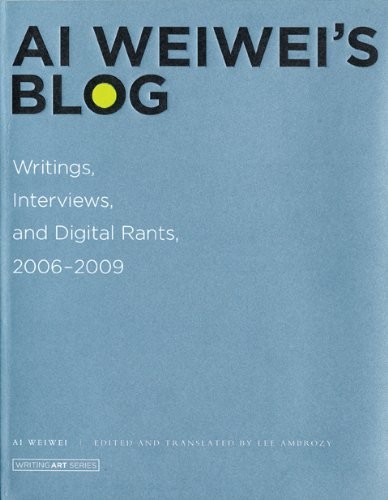
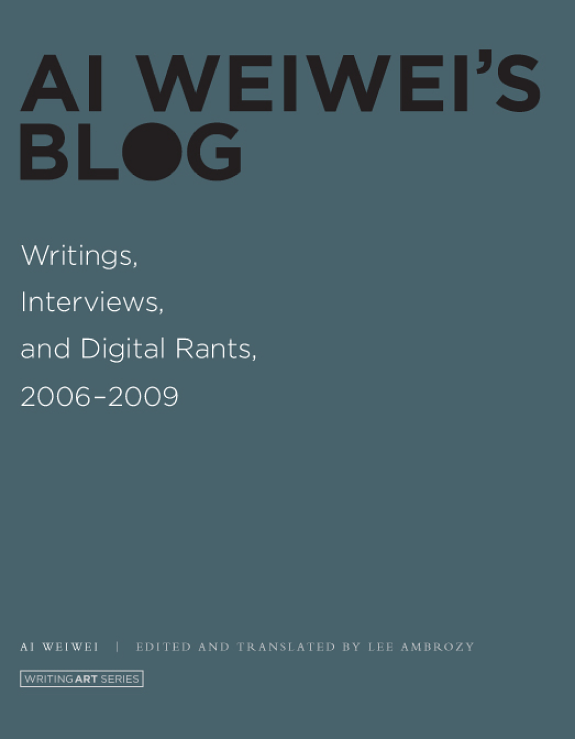
Ai Weiwei's Blog: Writings, Interviews, and Digital Rants
Ai Weiwei

Ai Weiwei: Spatial Matters
Ai Weiwei, Barbara Pollack
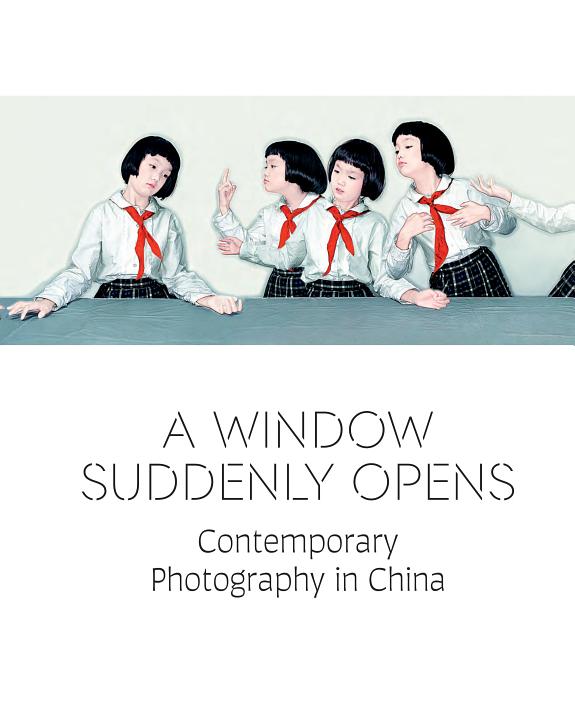
Ai Weiwei: According to What?
Melissa Chiu, Zheng Shengtian
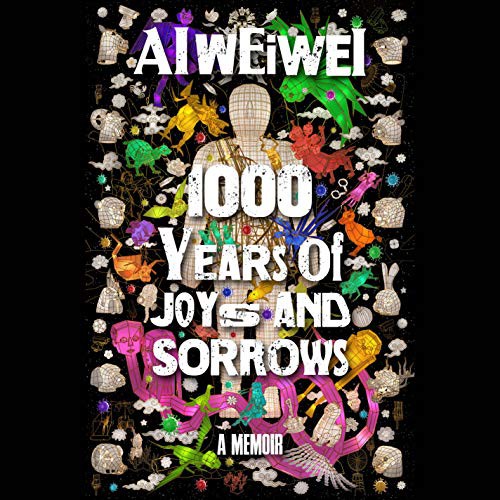
1000 Years of Joys and Sorrows
Ai Weiwei
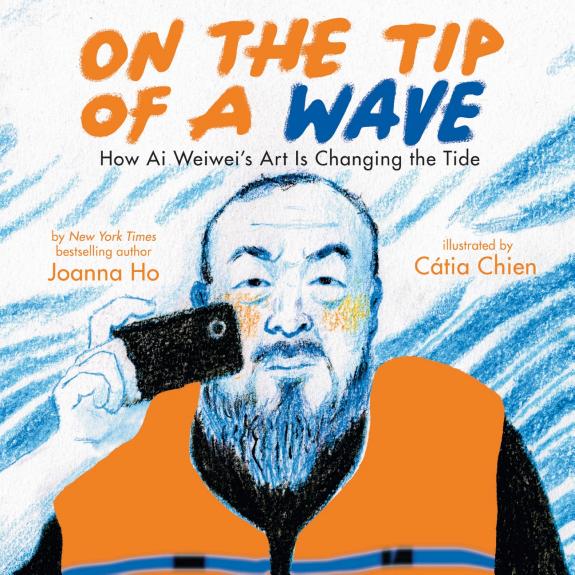
Ai Weiwei: A Life
Barnaby Martin
Ai Weiwei: Beijing Photographs 1993-2003
Ai Weiwei
Ai Weiwei: Breaking Silence
Ai Weiwei