Adriana Varejão
Adriana Varejão: Brazil's Most Vital Visionary
Artist Spotlight · The Collection Editorial
“I use the tile as a skin. It is a colonial skin, a borrowed skin, and underneath it something else is always happening.”
Adriana Varejão
In the galleries of the Guggenheim Bilbao, visitors have paused before Adriana Varejão's monumental canvases with something approaching disbelief. The surfaces appear to crack open, to bleed, to breathe. Tiles that seem rooted in centuries of Portuguese and Iberian decorative tradition suddenly fracture to reveal visceral, fleshy interiors, as if history itself were a wound that refuses to close. That Varejão achieves this with paint, plaster, and an almost virtuosic compositional intelligence makes the encounter all the more astonishing.
Adriana Varejão
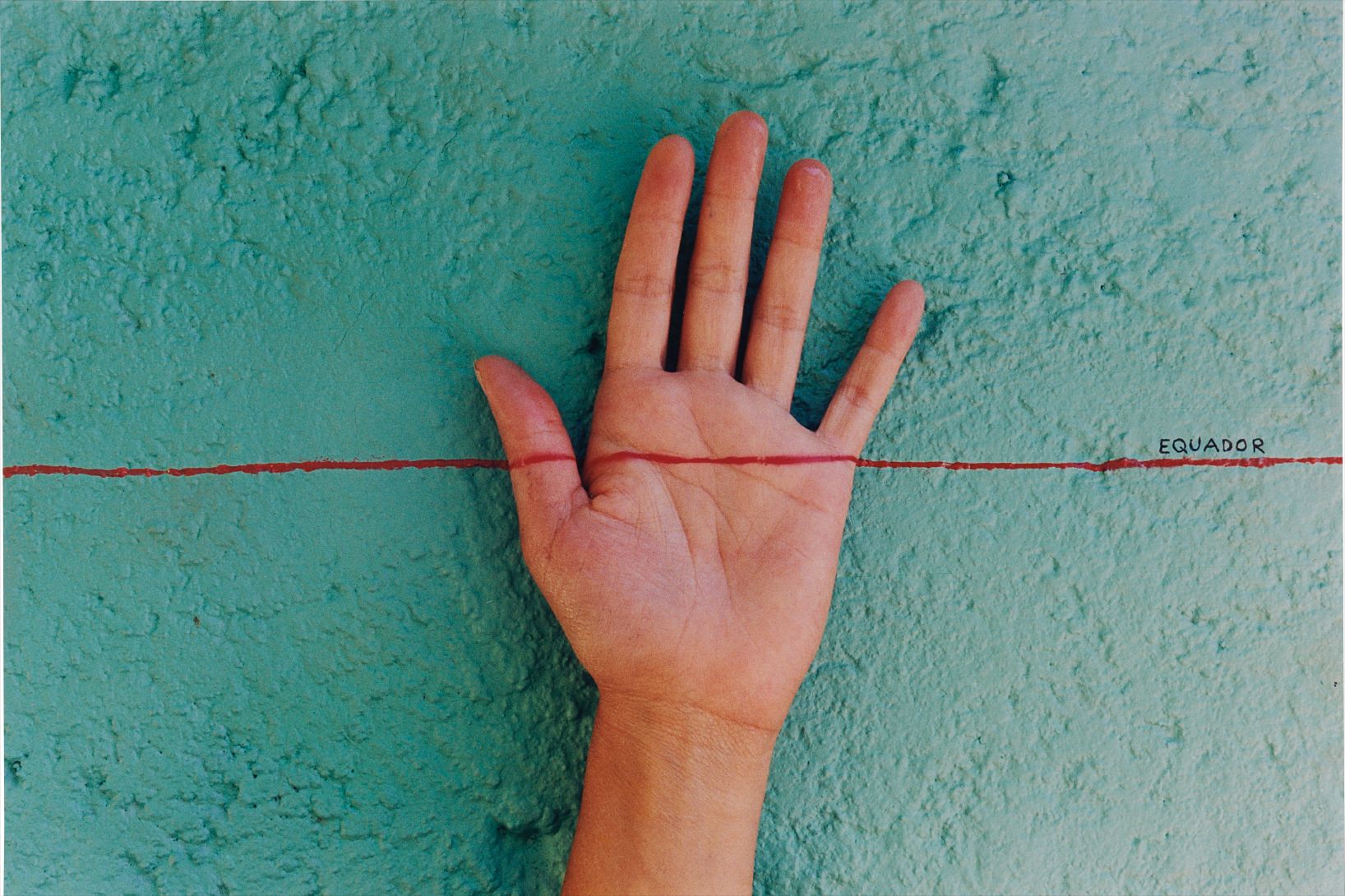
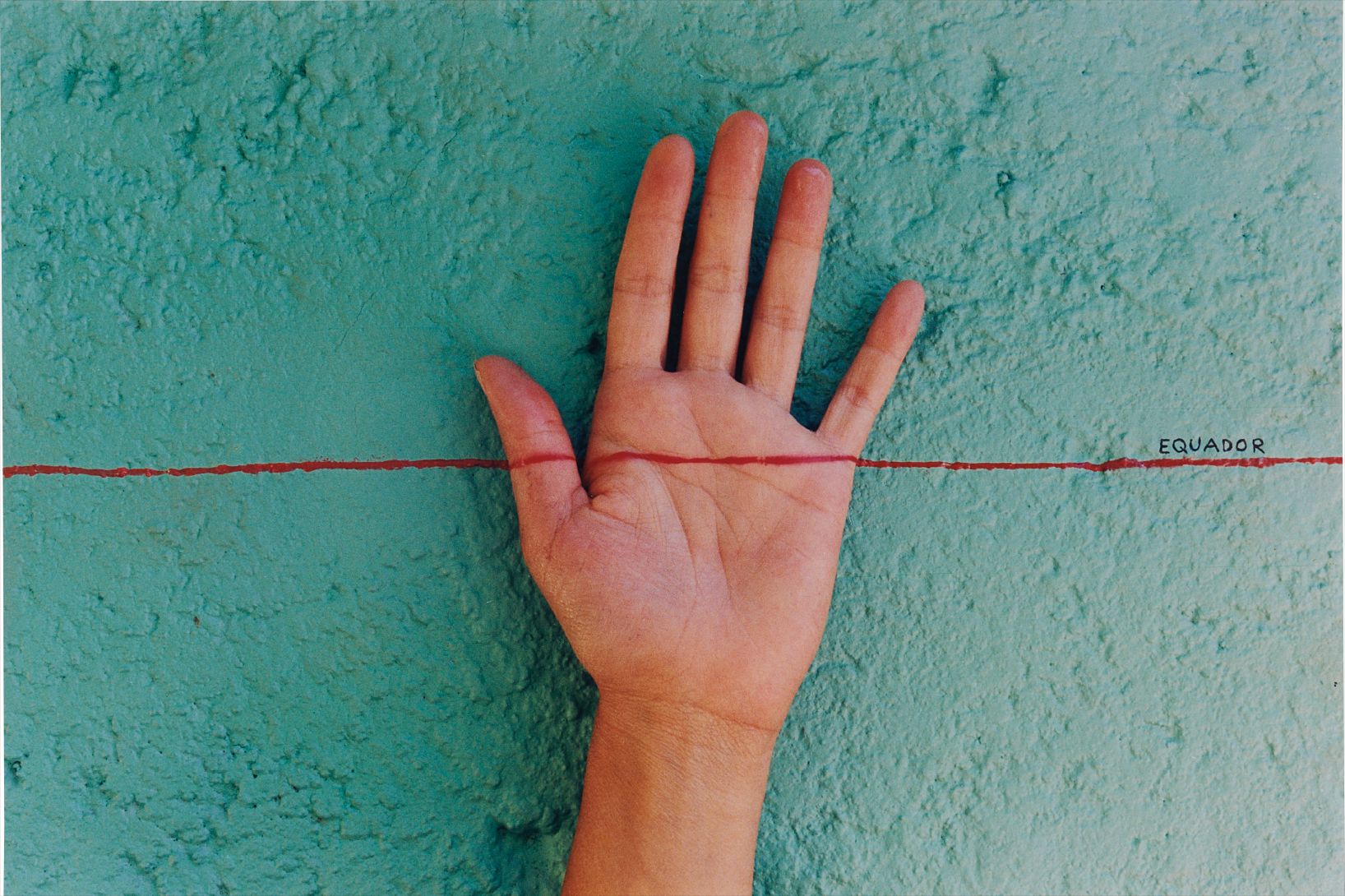
Contingente- Linha do Equador
She is, without question, one of the most important painters working anywhere in the world today. Born in Rio de Janeiro in 1964, Varejão came of age in a Brazil grappling with the long aftermath of military dictatorship and the persistent, often suppressed legacies of colonialism. She studied at the Escola de Artes Visuais do Parque Lage in Rio, a vibrant and intellectually permissive institution that in the 1980s was nurturing a new generation of Brazilian artists hungry to engage with both conceptual rigor and material richness. The city itself, with its layered architectures of colonial grandeur and postcolonial rupture, became a kind of living text that Varejão would spend her career annotating and interrogating.
Growing up surrounded by the visual language of azulejo tiles, those blue and white ceramic panels introduced to Brazil by Portuguese colonizers, she absorbed an iconography that would become central to her entire practice. Her early breakthroughs in the late 1980s and into the 1990s established her as an artist willing to go to difficult and uncomfortable places in service of historical truth. Where other painters might use the decorative as an escape from content, Varejão deployed it as a trap, a beautiful surface beneath which the violence of conquest and the complexity of cultural hybridity lay coiled. Works from this period demonstrated her command of the history of painting, drawing on Baroque sensibility, Catholic iconography, and the visual rhetoric of the colonial archive, while simultaneously dismantling those traditions from within.
Adriana Varejão
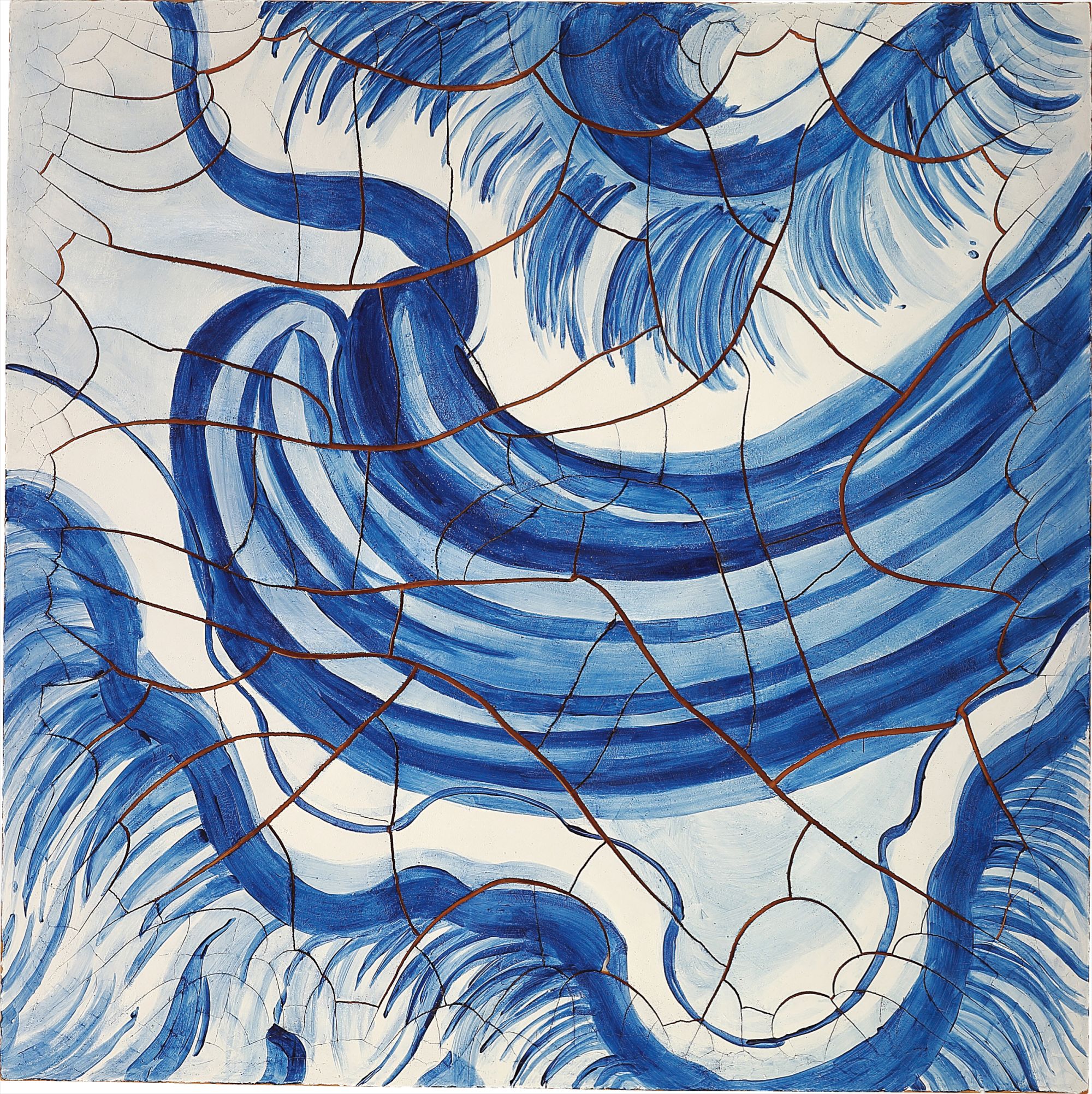
A Grande Curva
She was not simply quoting art history; she was putting it on trial. The work that brought her to sustained international attention was rooted in this collision of the seductive and the brutal. Her canvases from the 1990s began to introduce the device that would define her signature aesthetic: the opened or ruptured surface. In pieces such as "Extirpação do mal por punção" (1994), oil paint and acupuncture needles on canvas, Varejão made literal the metaphor of penetration and extraction that runs through colonial history.
The needles pierce the painted surface in a gesture that is simultaneously medical, ritualistic, and accusatory. It is a work that demands to be seen in person, where its formal precision and its conceptual stakes become fully apparent. Collectors who encountered it in the mid 1990s understood they were looking at something genuinely new. Her ongoing engagement with the azulejo tradition deepened across the following decade into something increasingly architectural and immersive.
Adriana Varejão
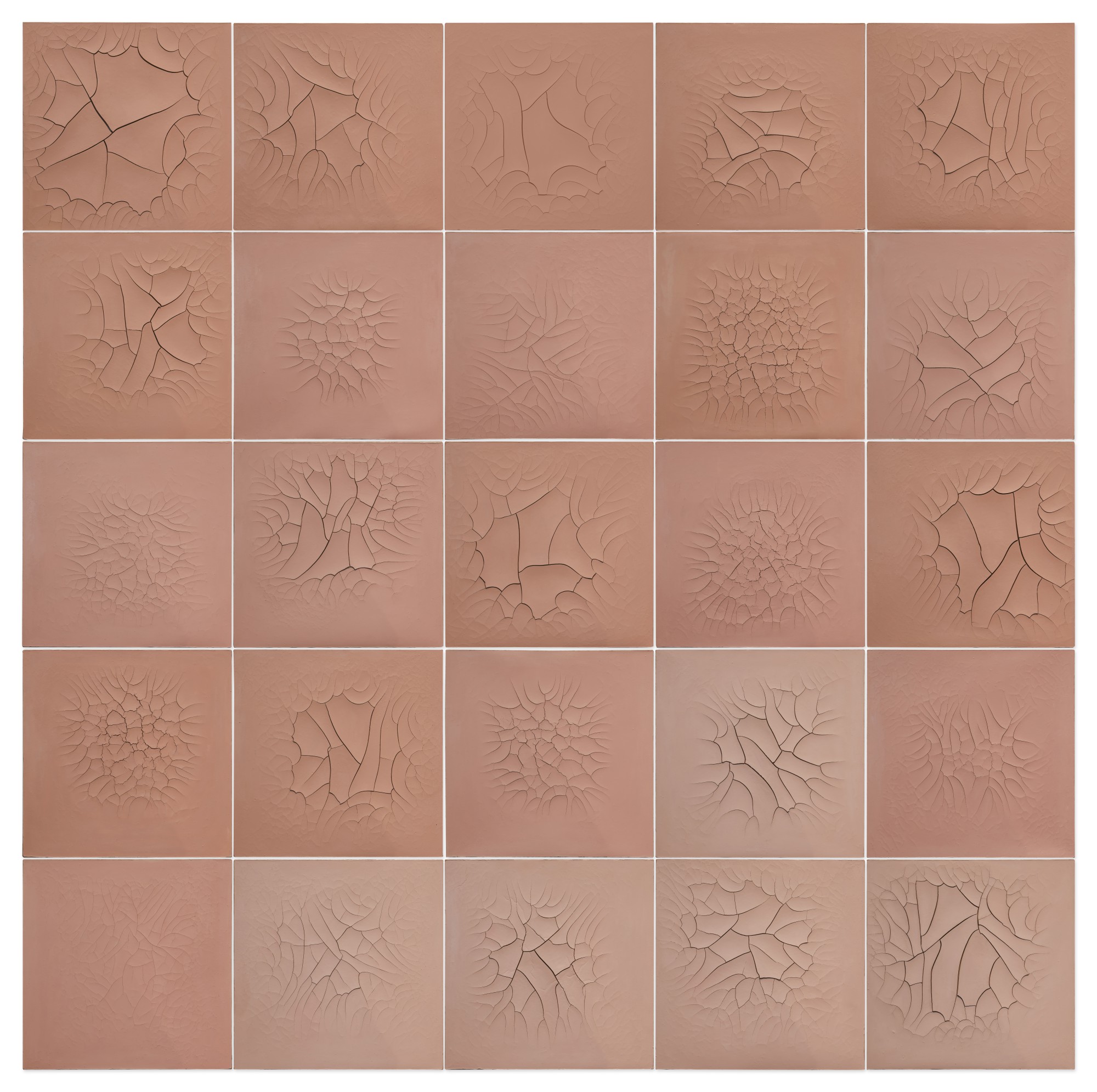
《澳門牆(赤陶土)1-25》, 2001
Works such as "A Grande Curva" and "Contingente: Linha do Equador" exemplify the grandeur and ambition of her mature practice. In these large scale oil and plaster works on canvas, entire rooms seem to tile themselves into existence before the eye, only to split apart and reveal cavities filled with what can only be described as the body of history: raw, wet, insistently present. The Macau Wall series, including the 2001 work rendered in plaster and oil on canvas, extended this inquiry to China's own colonial encounters with Portuguese culture, demonstrating the reach and nuance of Varejão's historical imagination. She is never merely a Brazilian artist making work about Brazil; she is a thinker about empire, about skin, about what survives translation across centuries and oceans.
Her "Saunas" series and ceramic works added yet another dimension to a practice already remarkable for its formal range. These installations simulate archaeological excavation sites, rooms where tiles are half recovered from the earth or partially collapsed, evoking the ambiguous dignity of ruins. They invite the viewer into a space that feels simultaneously ancient and urgently contemporary, a meditation on what cultures bury and what insists on surfacing. The Fondation Cartier for Contemporary Art in Paris has been among the international institutions to present her work, and her presence in major museum collections across Europe, North America, and Latin America confirms a critical consensus that has been building for three decades.
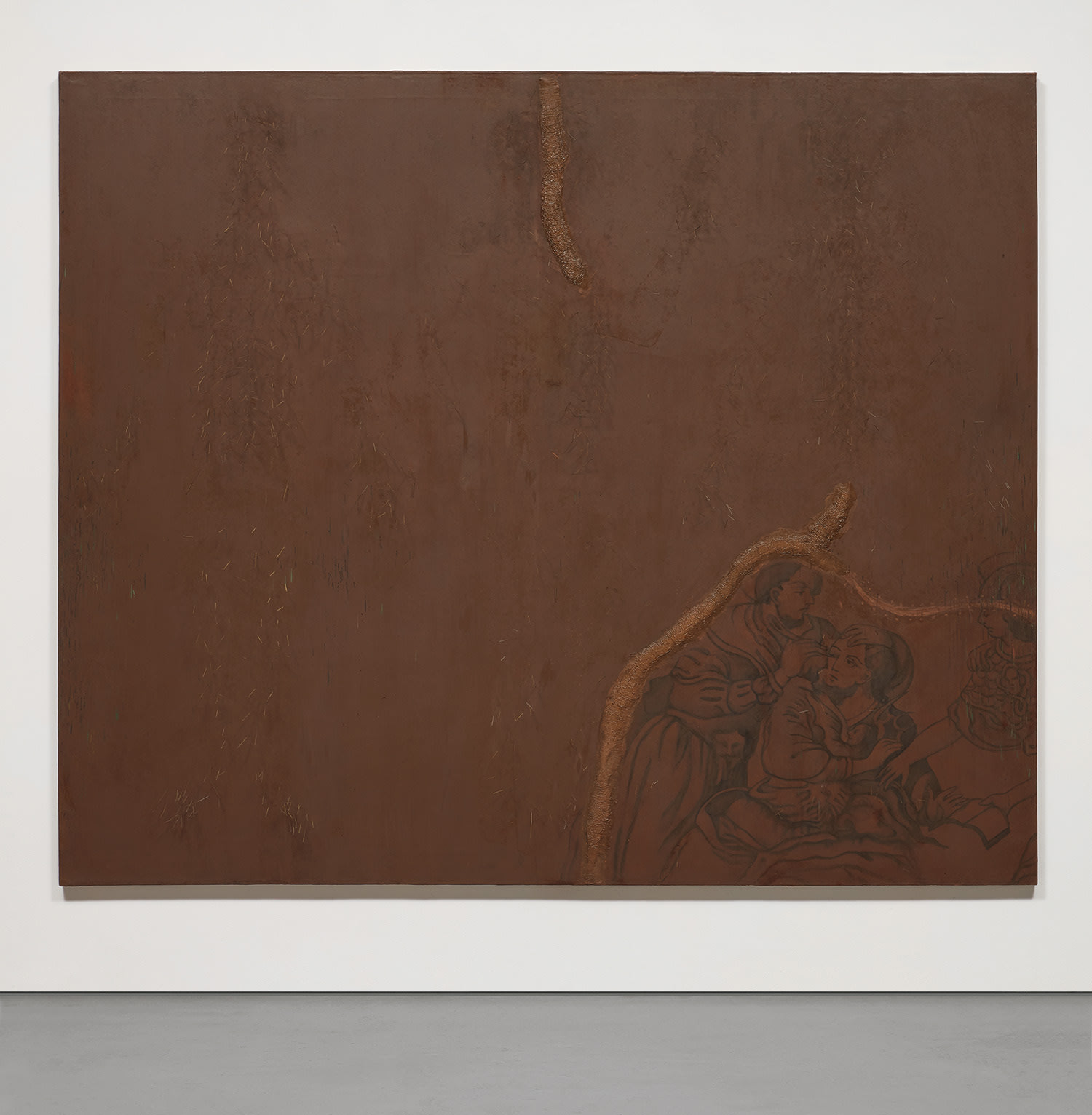
Adriana Varejão
Extirpação do mal por punção, 1994
From a collecting perspective, Varejão represents one of the most compelling propositions in contemporary art today. Her market has grown steadily and thoughtfully, reflecting genuine institutional interest rather than speculative enthusiasm. Major works appear at auction through Sotheby's and Christie's with increasing frequency, and prices for significant canvases have risen substantially as her international profile has expanded. For collectors entering the market now, works on paper and smaller scale paintings offer meaningful access to her visual language, while the monumental canvases and plaster works remain among the most coveted objects in serious contemporary collections.
What draws discerning collectors to Varejão, beyond the sheer formal beauty of the work, is its density: each canvas repays years of looking and thinking. In the broader context of art history, Varejão's closest points of reference are figures who used the language of painting to excavate political and historical violence. One thinks of Cy Twombly's engagement with antiquity, of Anselm Kiefer's archaeological impulses, of Sigmar Polke's layered surfaces. Yet Varejão's sensibility is distinctly her own and distinctly Latin American in its fusion of the corporeal and the conceptual, its refusal to separate beauty from accountability.
Among her Brazilian contemporaries and successors, she stands alongside figures such as Cildo Meireles as an artist whose work has reshaped international understanding of what Brazilian art can be and do. The legacy Varejão is building is one of rare integrity and ambition. She has never simplified her work for ease of consumption, never retreated from its most challenging implications. At a moment when questions of colonial history, cultural memory, and bodily sovereignty are more urgent than ever in global discourse, her paintings feel not like artifacts of the past but like necessary instruments for understanding the present.
To live with a Varejão is to live with a work that continues to open, to reveal, to demand something in return. That is the rarest quality in art, and it is why collectors, curators, and institutions around the world continue to look to her with such sustained and admiring attention.
Explore books about Adriana Varejão
Adriana Varejão
Museum of Modern Art, New York
Adriana Varejão: A History of Violence
Fundação de Serralves
Adriana Varejão: Transatlantic Histories
Guggenheim Museum
Adriana Varejão: The Gaze of the Medusa
Instituto Tomás y Valiente
Adriana Varejão: Trajectories
MAM Rio