Adolphe Braun
Adolphe Braun: Light Made Permanent and Beautiful
Artist Spotlight · The Collection Editorial
Stand before a mammoth carbon print by Adolphe Braun and something quietly remarkable happens. The image does not feel like a document. It feels like a memory, one held with extraordinary tenderness and precision, as though the world itself paused to be understood. In a century when photography was still arguing for its place among the arts, Braun made the argument with his hands, his eye, and an almost obsessive commitment to technique.
Adolphe Braun
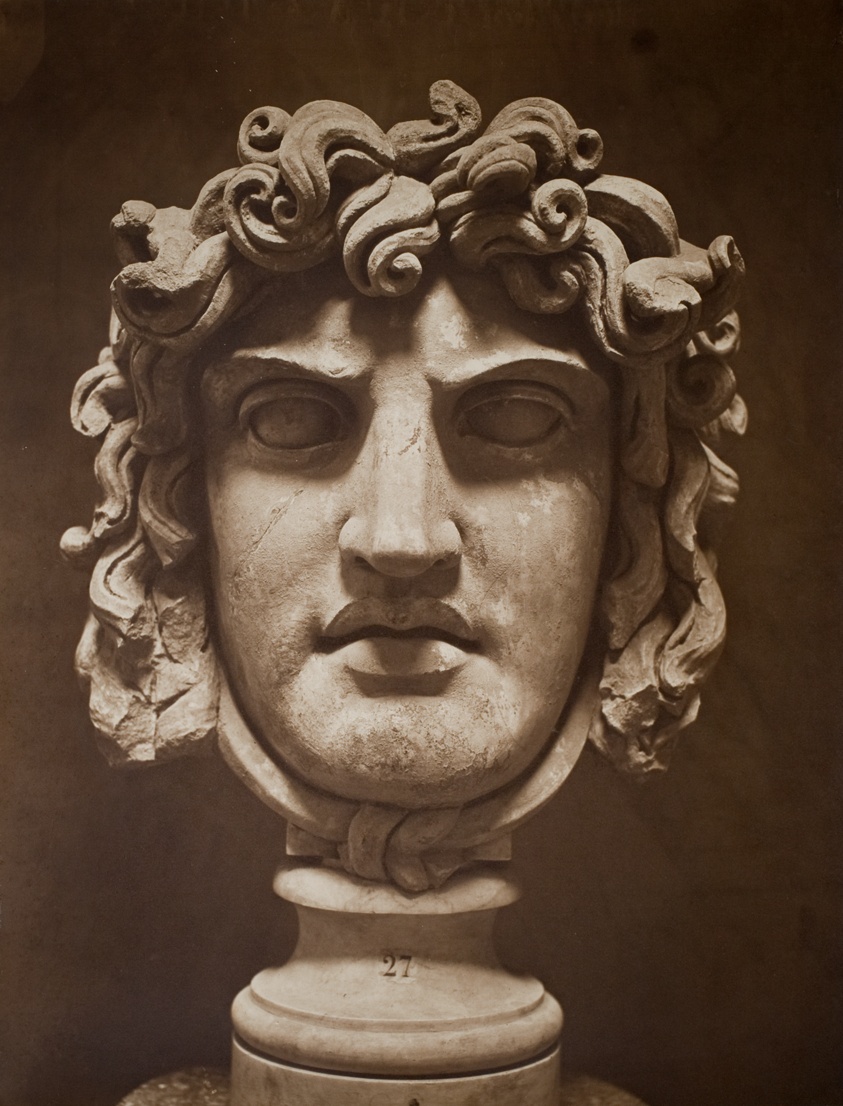
Mask of Medusa (Masque de Méduse), 1862
Today, as institutions from the Victoria and Albert Museum to the Metropolitan Museum of Art count his prints among their permanent holdings, the case he made feels not only won but luminous. Braun was born in Mulhouse, in the Alsace region of France, in 1812, a time when the industrial and the decorative were locked in productive tension across Europe. Mulhouse was a textile center, prosperous and design conscious, and the young Braun trained as a designer before his attention turned toward the emerging science of photography. That background in pattern, ornament, and applied beauty was never discarded.
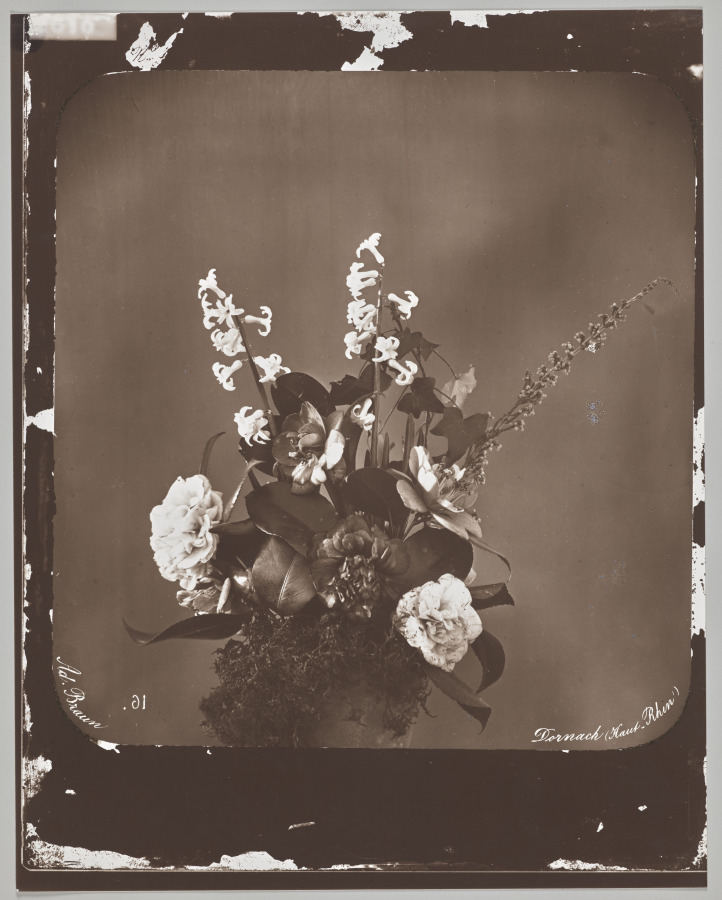
It shaped everything he would later do with a lens, giving his compositions a structural confidence that sets them apart from the exploratory, often haphazard work of his contemporaries. He understood arrangement before he understood chemistry, and when the two came together the results were exceptional. Braun opened his photographic studio in Dornach, near Mulhouse, in the 1850s, initially producing studies of flowers and decorative arrangements intended as reference material for textile designers and artists. His early albumen prints of flower arrangements, such as the extraordinary untitled bouquet study from around 1850 now held in several institutional collections, were among the most technically accomplished botanical images of their era.
Adolphe Braun
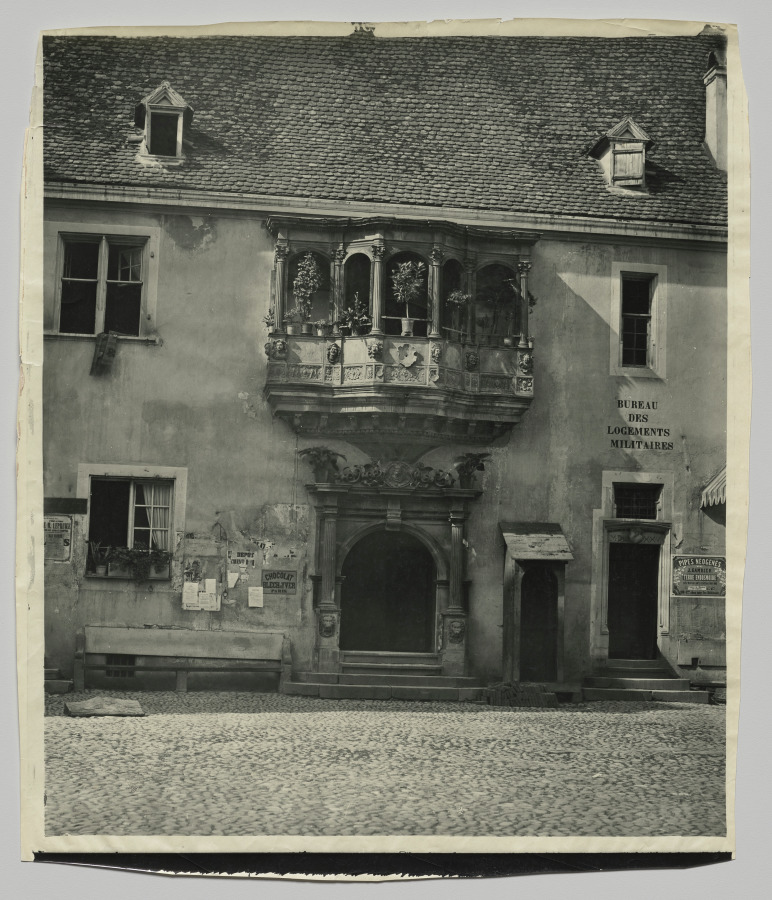
Façade Alsacienne, Corps de Garde à Colmar, 1870
They were also, unmistakably, works of art. The flowers are arranged with a painter's eye for volume and light, and the tonal range of the albumen process is pushed to its practical limits. These were not mere specimens. They were celebrations.
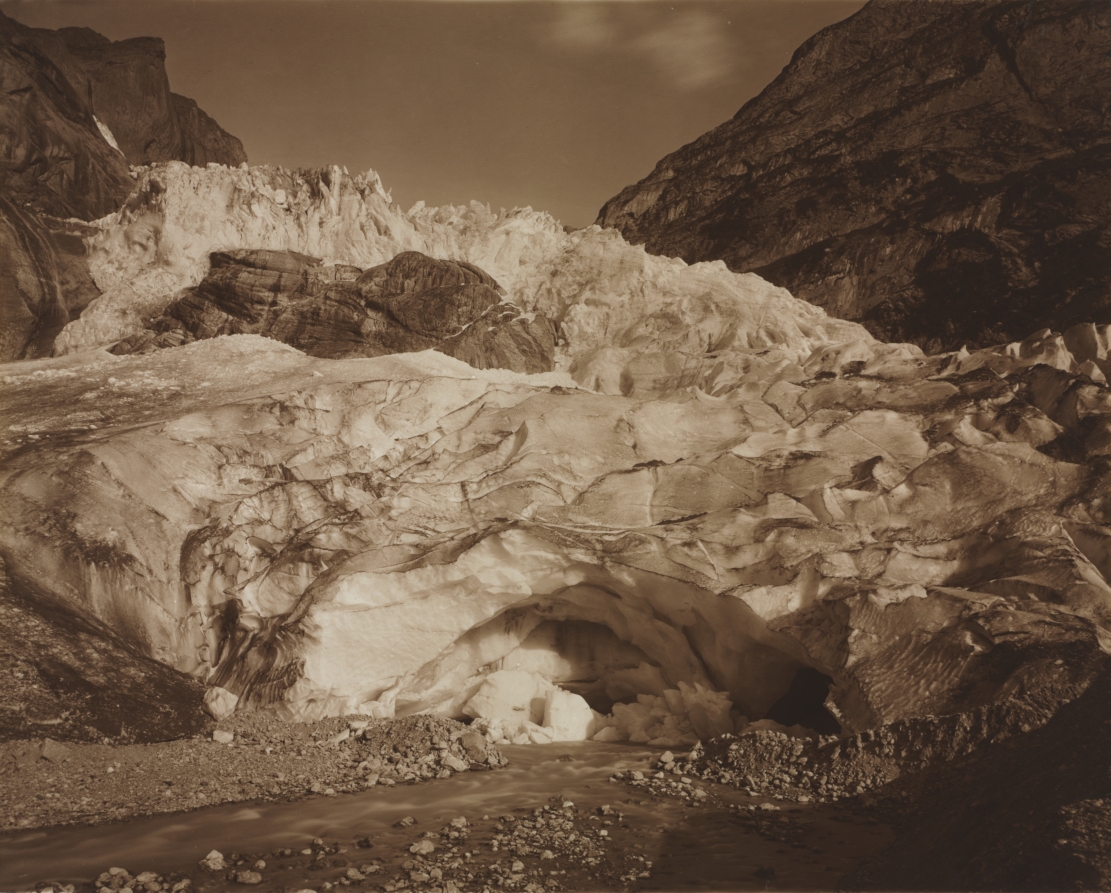
As the 1860s arrived, Braun's ambitions expanded dramatically. He turned to landscape on a grand scale, photographing the Swiss Alps with a thoroughness that bordered on devotion. His stereo cards of glaciers and mountain valleys, including the stunning view of the Glacier d'Oberaar from 1865, brought the sublime geography of central Europe into the parlors and studies of collectors across the continent. The stereo format demanded technical mastery and compositional symmetry in equal measure, and Braun delivered both.
Adolphe Braun
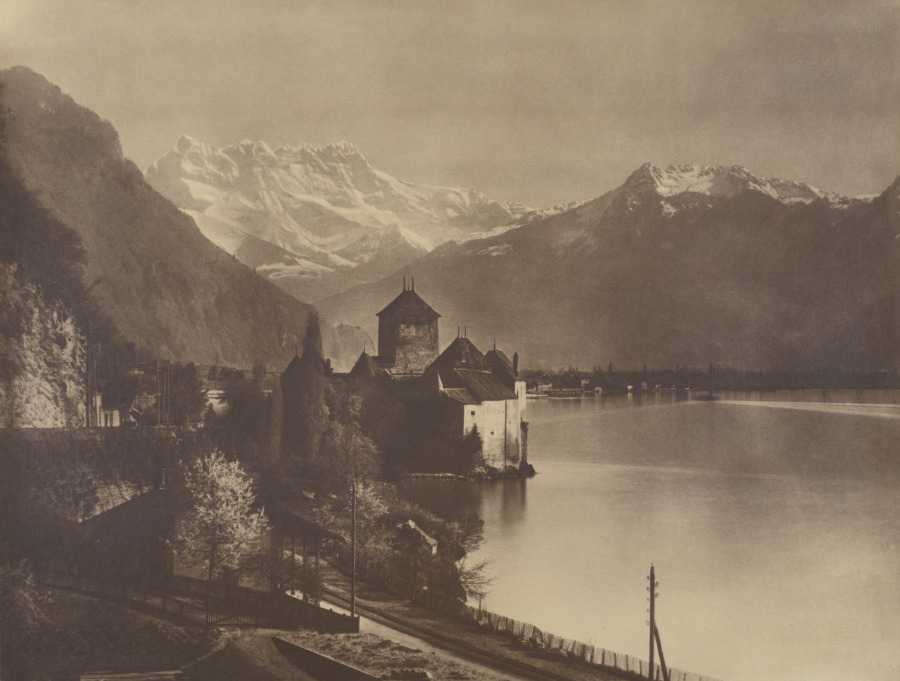
Château de Chillon, 1870
He was also an early and enthusiastic adopter of the carbon printing process, which offered far greater permanence and tonal richness than albumen alone. Carbon prints do not fade in the way that silver based photographs do, and Braun recognized immediately that this mattered enormously, both aesthetically and commercially. The works from 1870 represent a kind of apex. The mammoth untrimmed carbon print of Kenilworth Castle in Warwickshire demonstrates what Braun could achieve when scale and process aligned with subject.
The ruined castle rises from its English landscape with a gravitas that recalls the Romantic painters, Turner and Constable among them, yet the photographic detail is precise and unflinching. Similarly, the carbon print of the Château de Chillon from the same year captures the famous lakeside fortress of Lake Geneva in a light so carefully observed that it reads as a study in the philosophy of duration, in what it means for a human structure to endure. The façade study of Alsatian architecture at Colmar, also from 1870, shows his documentary instincts working in perfect harmony with his aesthetic ones. These are records, yes, but they are also arguments about beauty.
Adolphe Braun
Untitled (flower arrangement), 1850
Braun's engagement with classical art deserves particular attention. His 1870 carbon print of sculptures from the Parthenon, made at the British Museum in London, belongs to a tradition of photographic reproduction of masterworks that Braun helped to define. He was among the first photographers to systematically document European museum collections, creating high quality reproductions of paintings and sculptures that gave scholars, students, and collectors access to works they could never otherwise see. His reproduction business, Adolphe Braun and Company, distributed images across Europe and North America, and in doing so he helped to reshape how art history was taught and understood.
The 1862 albumen print of the Mask of Medusa is another example of this instinct, a mythological subject rendered with such tonal control that the ancient stone seems to breathe. For collectors, Braun's work occupies a genuinely exciting position in the market for nineteenth century photography. His prints appear at auction through major houses including Christie's and Sotheby's, and they consistently attract serious bidding from both dedicated photography collectors and those approaching from a broader fine art perspective. The carbon prints in particular command attention for their condition, since the process Braun favored is among the most stable in photographic history.
A well preserved Braun carbon print from the 1870s can look today almost exactly as it did when it left his studio, which is more than can be said for much of the silver based photography of the period. Collectors should look closely at the panoramic alpine views and the architectural studies, both of which represent his technical and compositional gifts at their most fully realized. Within the broader history of photography, Braun stands in productive company. His commitment to landscape and to the elevation of photography as a fine art connects him to contemporaries such as Gustave Le Gray, whose seascapes from the same era share Braun's extraordinary tonal ambition.
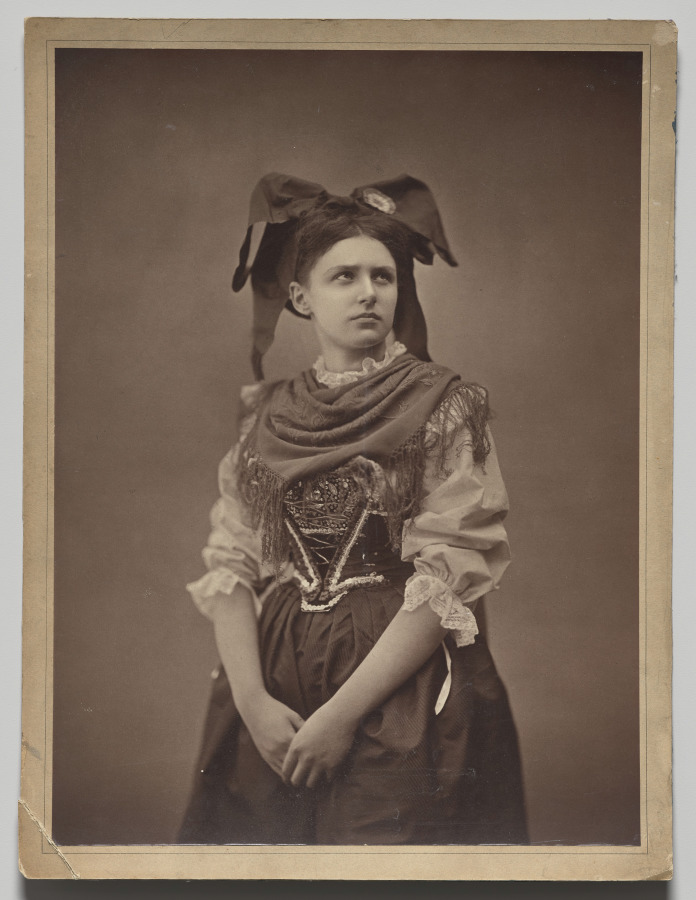
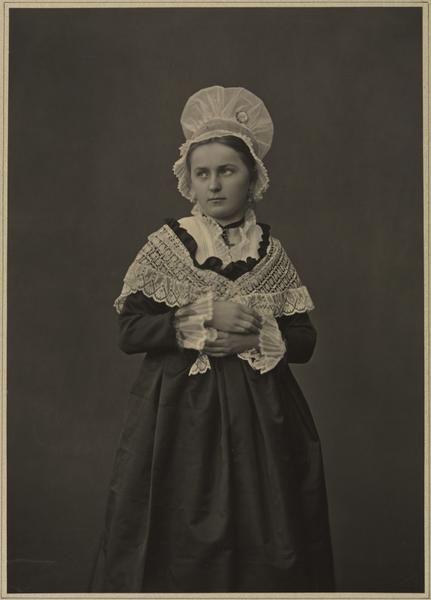
The Bisson brothers, also active in the Alps during the 1860s, pursued similar subjects with comparable technical seriousness. In England, Roger Fenton's architectural and landscape work offers another point of comparison. What distinguishes Braun from all of them, perhaps, is the sheer breadth of his practice, from flower studies and genre portraits such as the tender 1860 carbon print of a woman in traditional Lorraine dress, to glacier panoramas and classical sculpture, all executed with consistent excellence. Adolphe Braun died in 1877, but the studio and business he founded continued under family management well into the twentieth century, a testament to the foundations he laid.
His legacy is one of genuine pioneering, not in the sensationalized way that word is sometimes applied, but in the quiet and lasting sense of a person who understood what a new medium could do and then did it, with rigor, with grace, and with an artist's unshakeable faith in the value of looking carefully at the world. To collect Braun is to hold a piece of that faith in your hands.
Featured Works