Adam McEwen
Adam McEwen Makes the Everyday Immortal
Artist Spotlight · The Collection Editorial
There is a particular kind of attention that Adam McEwen demands from the world, and right now the world is returning it in full. Over the past several years, McEwen has moved from a position of cult critical fascination to something approaching institutional inevitability, with his graphite sculptures and conceptually charged works appearing across major international galleries and steadily deepening their presence in serious private collections. His practice, which has always trafficked in the uncanny weight of ordinary things, feels more urgent than ever in an era defined by questions about what is real, what has value, and what disappears. That the art market has caught up to what conceptually minded collectors have known for years is a satisfying development, and one that makes this an ideal moment to look closely at the full arc of his remarkable career.
Adam McEwen
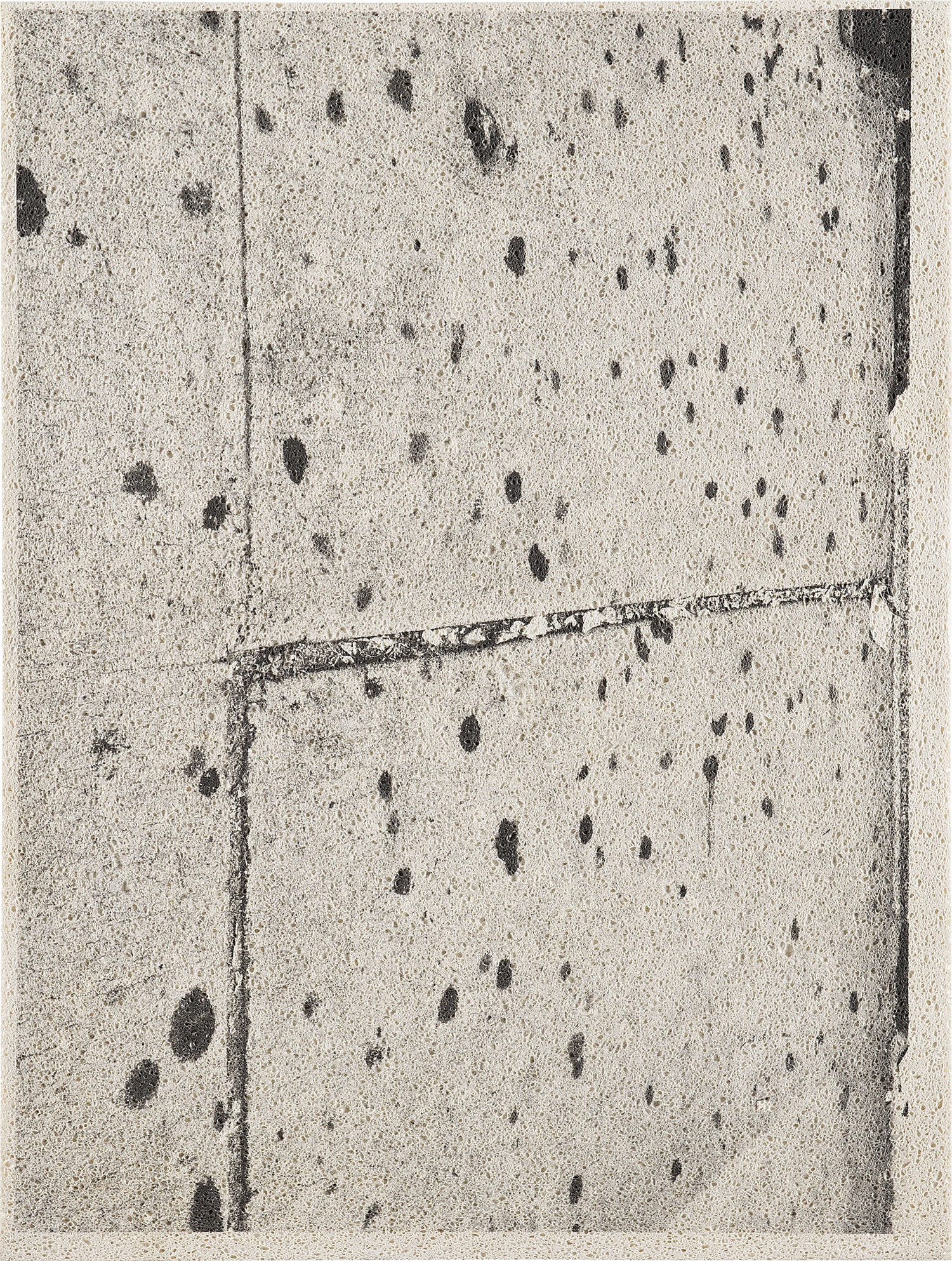
inkjet print on cellulose sponge, 2013
McEwen was born in Britain in 1965, and his formation as a thinker and maker took a route that distinguishes him from many of his peers. Before he became an artist of international standing, he worked as a copywriter and as an obituary writer for a major newspaper, a biographical detail that is not merely interesting but genuinely formative. The obituary work, in particular, planted seeds that would bloom into some of his most recognized and unsettling gestures. Writing the deaths of living people as a professional exercise gave McEwen an intimate familiarity with the mechanics of how culture processes loss, how language frames mortality, and how the public record both preserves and flattens a life.
That sensibility saturated everything he would eventually make. His transition into the visual arts brought him into contact with a generation of British and American artists grappling with consumer culture, institutional critique, and the aesthetics of the everyday. McEwen settled in New York, where his practice found its footing and where the visual language of American commercial abundance became as much a material as graphite or canvas. His early work with pre written obituaries for living celebrities and public figures drew immediate attention, sitting somewhere between conceptual provocation and genuine elegiac feeling.
Adam McEwen
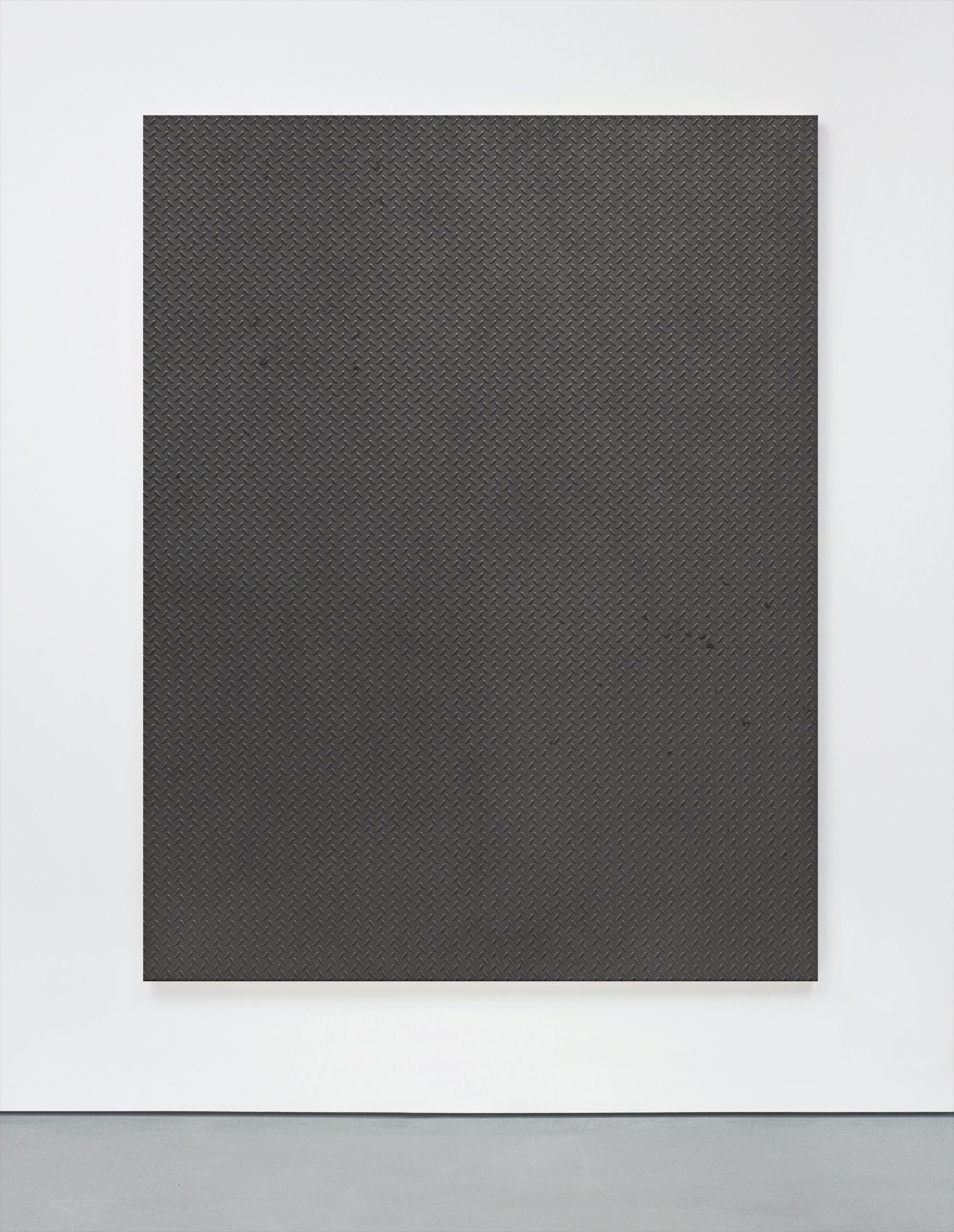
Rite Aid
They were not cruel works. They were meditations on legacy, on how we anticipate loss, and on the strange way that public figures exist as cultural objects before they exist as human beings. The critical community recognized in these pieces a mind shaped by both literary precision and genuine philosophical seriousness. The graphite sculptures represent the body of work for which McEwen is perhaps most widely celebrated, and they reward the kind of sustained looking that great art always asks of us.
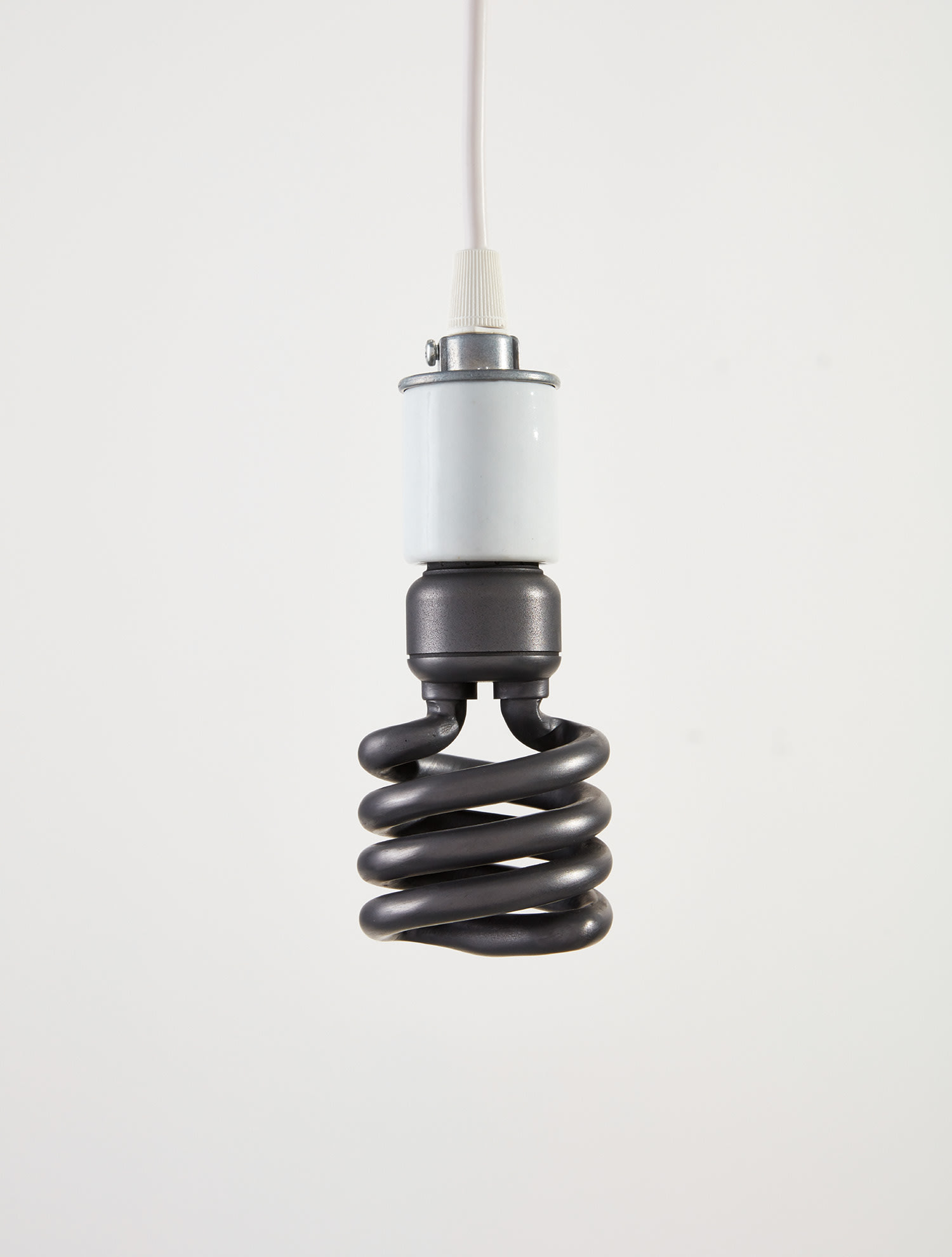
Works such as Energy Saving Bulb from 2010 demonstrate his method at its most quietly devastating. McEwen takes a commonplace object and replicates it in graphite with a fidelity so painstaking it initially reads as the object itself. Then the material asserts itself. The grey, dense, mineral presence of graphite transforms the familiar into something geological, ancient, and somehow funereal.
Adam McEwen
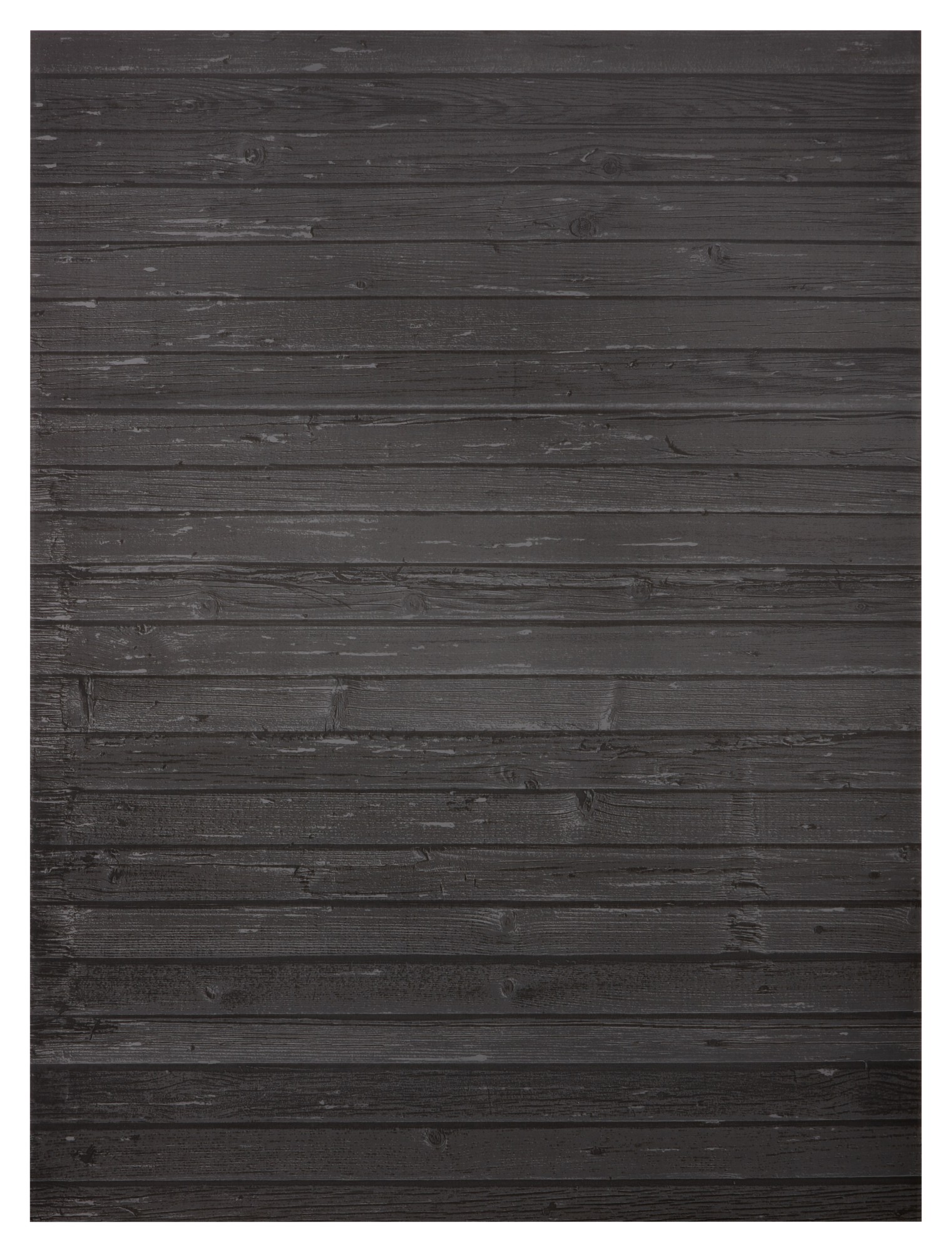
Untitled
A light bulb rendered in graphite is no longer capable of giving light. An inkjet print reproduced on cellulose sponge, a work from 2013, performs a similar alchemy on a different substrate, asking what happens to information and image when the medium becomes absorbent, yielding, domestic. These are not tricks. They are inquiries.
The breadth of McEwen's output ensures that collectors encounter a genuinely varied practice beneath the conceptual coherence. Works on paper, including his graphite drawings on graph paper housed in artist's frames, bring the same philosophical weight to a more intimate scale. The graph paper ground is itself loaded with meaning, evoking measurement, rationality, and systems of order against which McEwen's marks push quietly but firmly. His paintings, such as Commission Number 2 referencing the German Romantic painter Caspar David Friedrich, extend his practice into dialogue with art history, asking how inherited images of nature and transcendence translate when filtered through a contemporary consciousness shaped by advertising, loss, and the relentless reproduction of imagery.
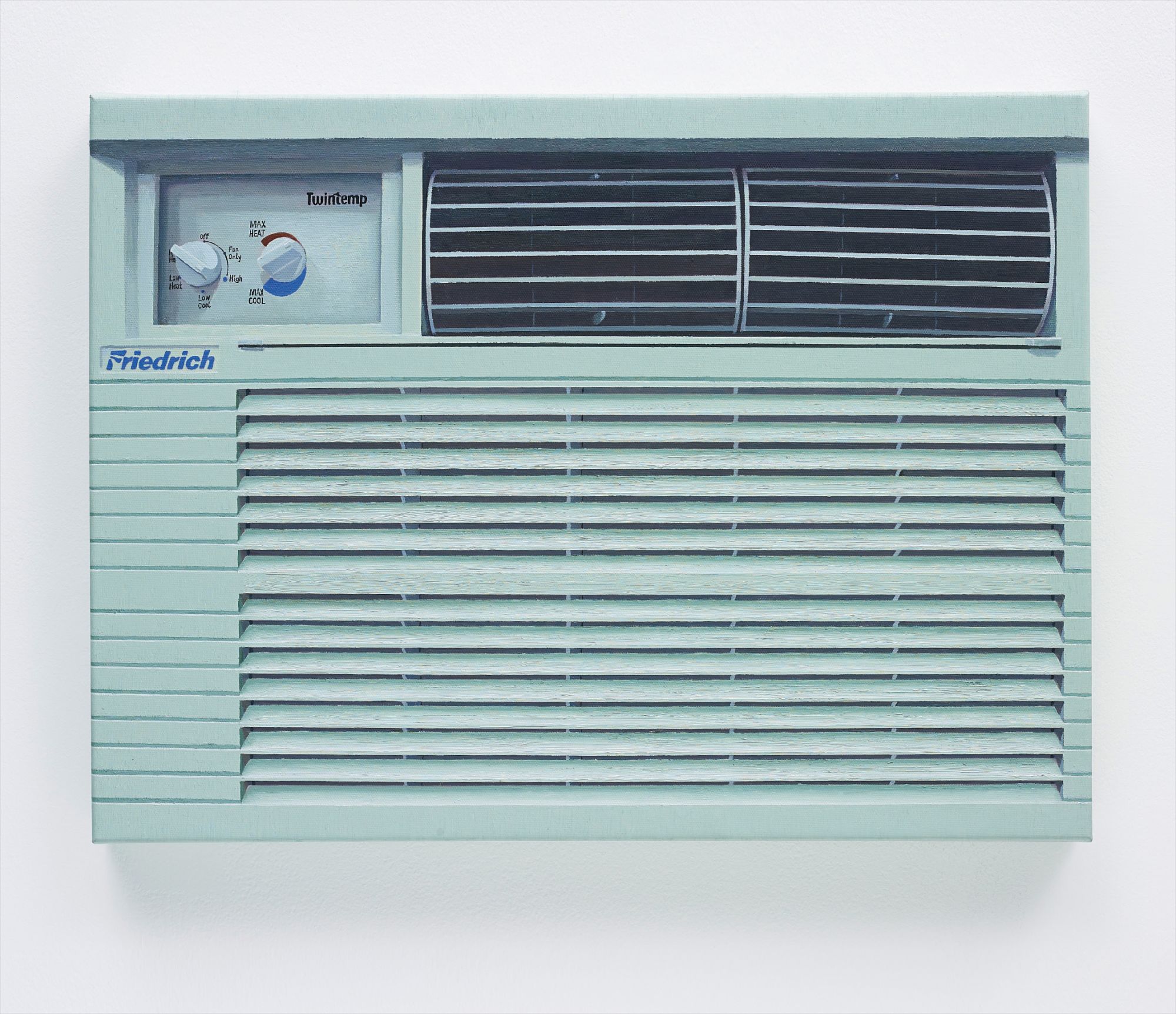
Adam McEwen
Commission #2 (Friedrich)
A work like Sorry, Joey Ramone, a screenprint on vinyl, reaches toward popular music and subcultural memory with characteristic tenderness, treating punk legacy with the same seriousness he brings to any subject. And Atomkraft in grey acrylic on canvas nods toward political imagery and the visual culture of protest, reminding us that McEwen's conceptual range is genuinely expansive. From a collecting perspective, McEwen occupies a position that is both accessible in its material intelligence and genuinely distinguished in its critical standing. He has been represented by galleries including Gagosian, which speaks to the institutional confidence placed in his work, and his pieces appear in collections assembled by people who value rigor alongside aesthetic presence.
The graphite sculptures in particular have attracted collectors who understand that the most interesting art often sits at the edge of discomfort, where beauty and unease are not opposites but collaborators. Works from the late 2000s and early 2010s represent a particularly strong period, and the consistency of his practice means that works across different media reinforce rather than dilute one another. Collectors building a position in McEwen are building exposure to a practice with genuine historical legs. In the broader context of contemporary art, McEwen is productively understood alongside artists who treat the material world as a site of philosophical investigation.
His engagement with consumer objects and corporate visual language places him in conversation with the legacies of Pop Art and with artists such as Haim Steinbach and Charles Ray, who have similarly used the aesthetics of the everyday to unsettle assumptions about value and presence. His conceptual rigidity and interest in text and language connect him to artists working in the tradition of institutional critique, while his formal seriousness as a sculptor and painter insists on craft in ways that distinguish him from purely idea driven work. He occupies, productively, a position that resists easy categorization. What makes McEwen matter in the present moment is the quality of attention his practice models and demands.
In a cultural landscape saturated with images, objects, and information moving at a speed that discourages looking, McEwen builds work that slows the eye and unsettles the assumption. His graphite objects ask us to reckon with the weight of the things we ignore. His obituaries ask us to reckon with the weight of the lives we take for granted. His paintings and works on paper extend a practice that is now spanning decades with remarkable coherence and ongoing vitality.
For collectors and institutions paying attention, the invitation is clear, and it is one very much worth accepting.