Edition
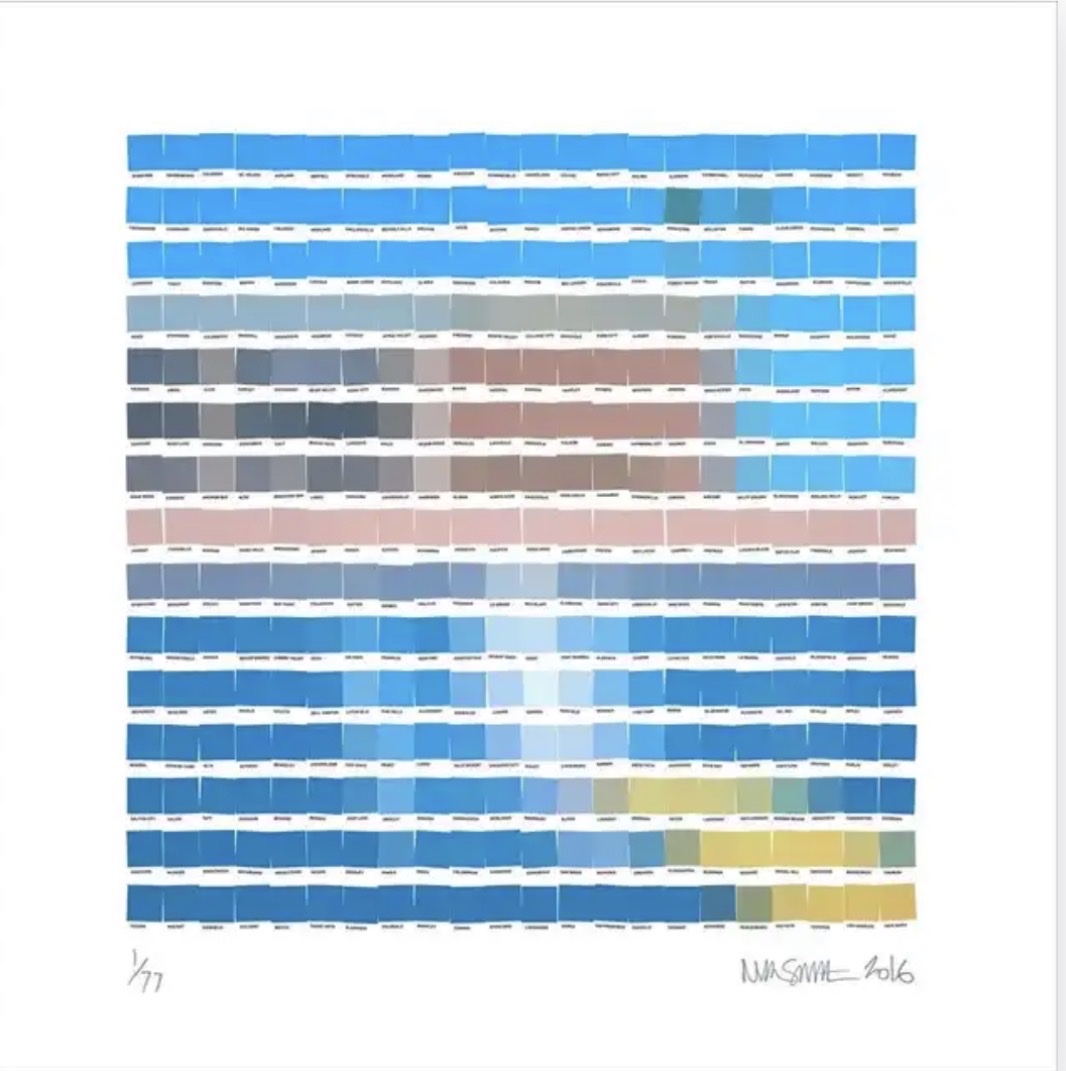
Nick Smith
Untitled



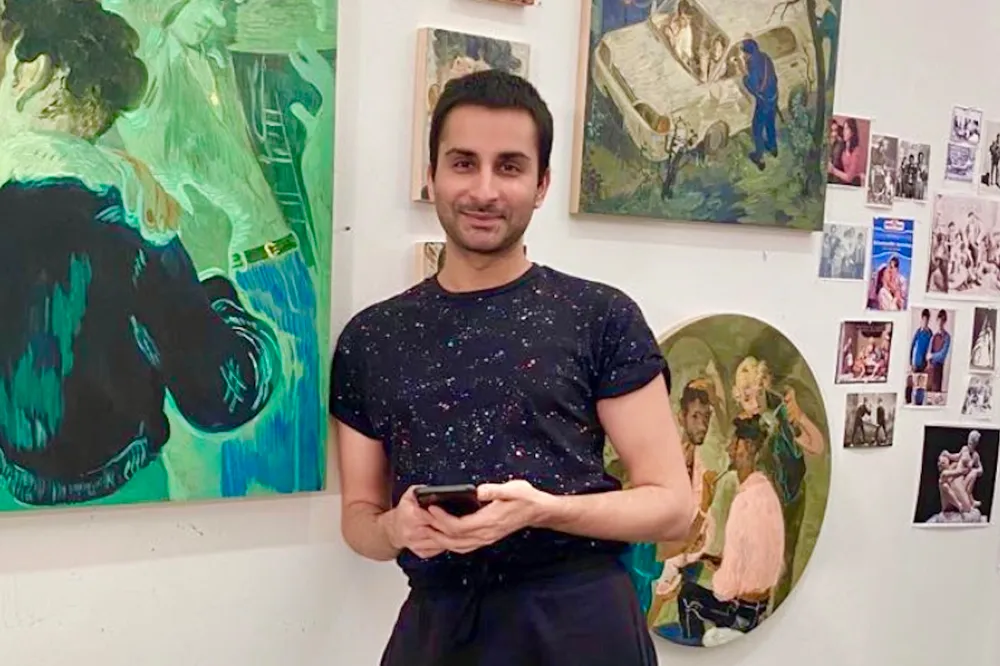

The Edition Is Never Just a Copy
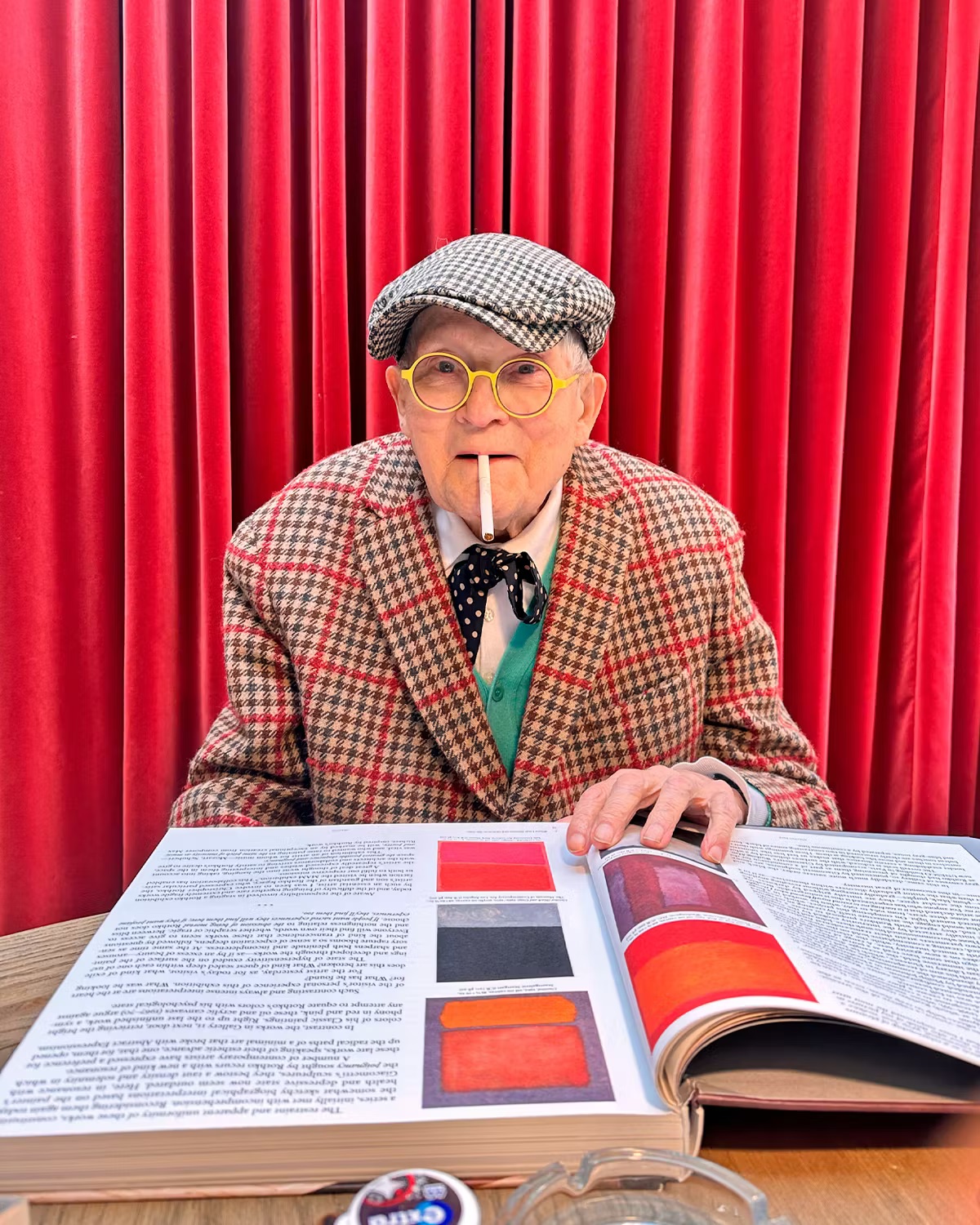
There is a particular pleasure in owning a print or edition that has nothing to do with consolation. Collectors who come to editions seriously do not arrive there because they cannot afford a unique work. They arrive because editions offer something distinct: a direct, often intensely considered relationship between an artist's idea and a specific medium. When David Hockney sits down with a printer at Gemini G.
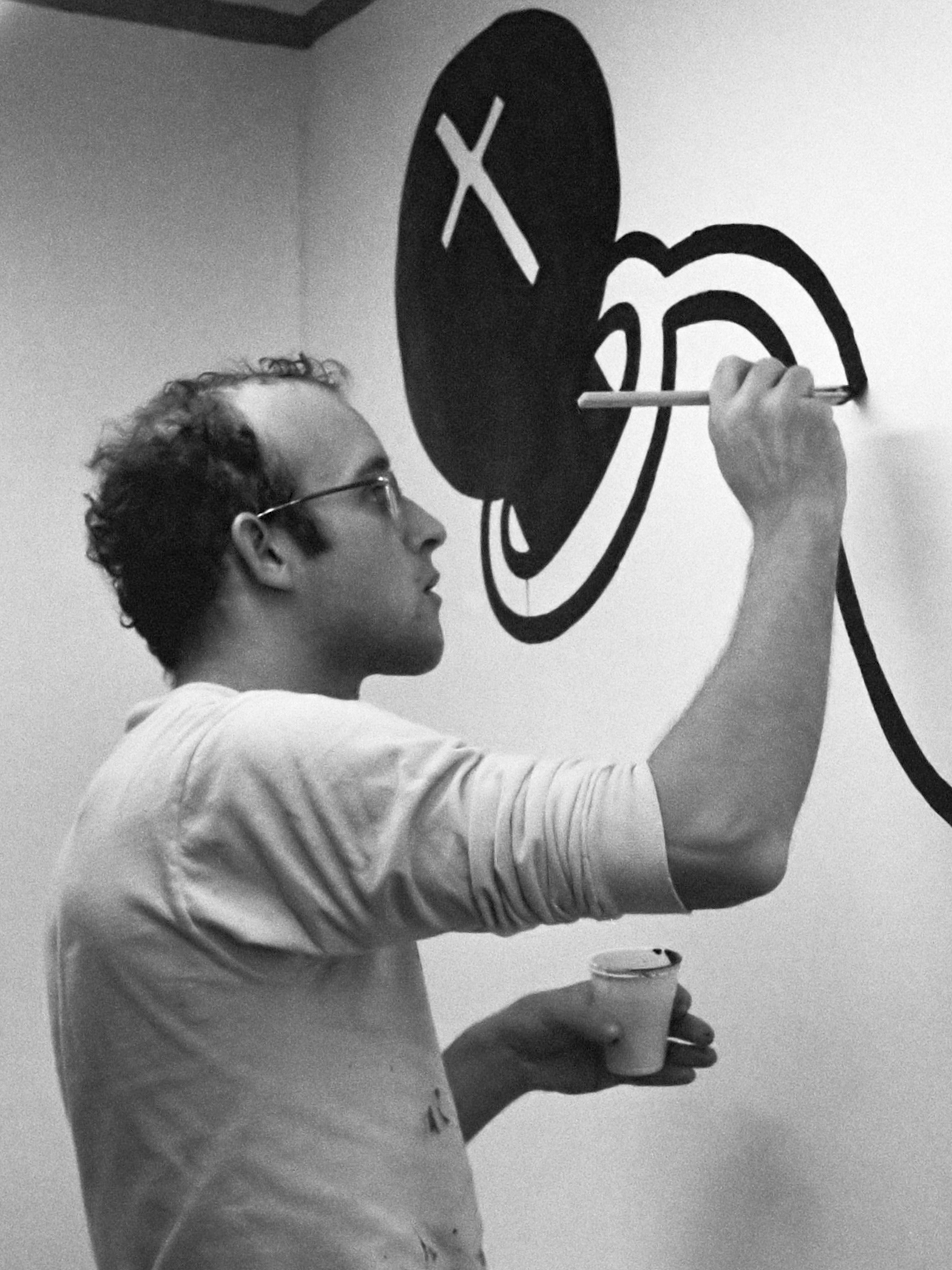
E.L. or when Keith Haring works with a screenprinter to push ink through a mesh, decisions are being made that have no equivalent in painting. The process demands a different kind of attention from the artist, and that attention is visible in the result.
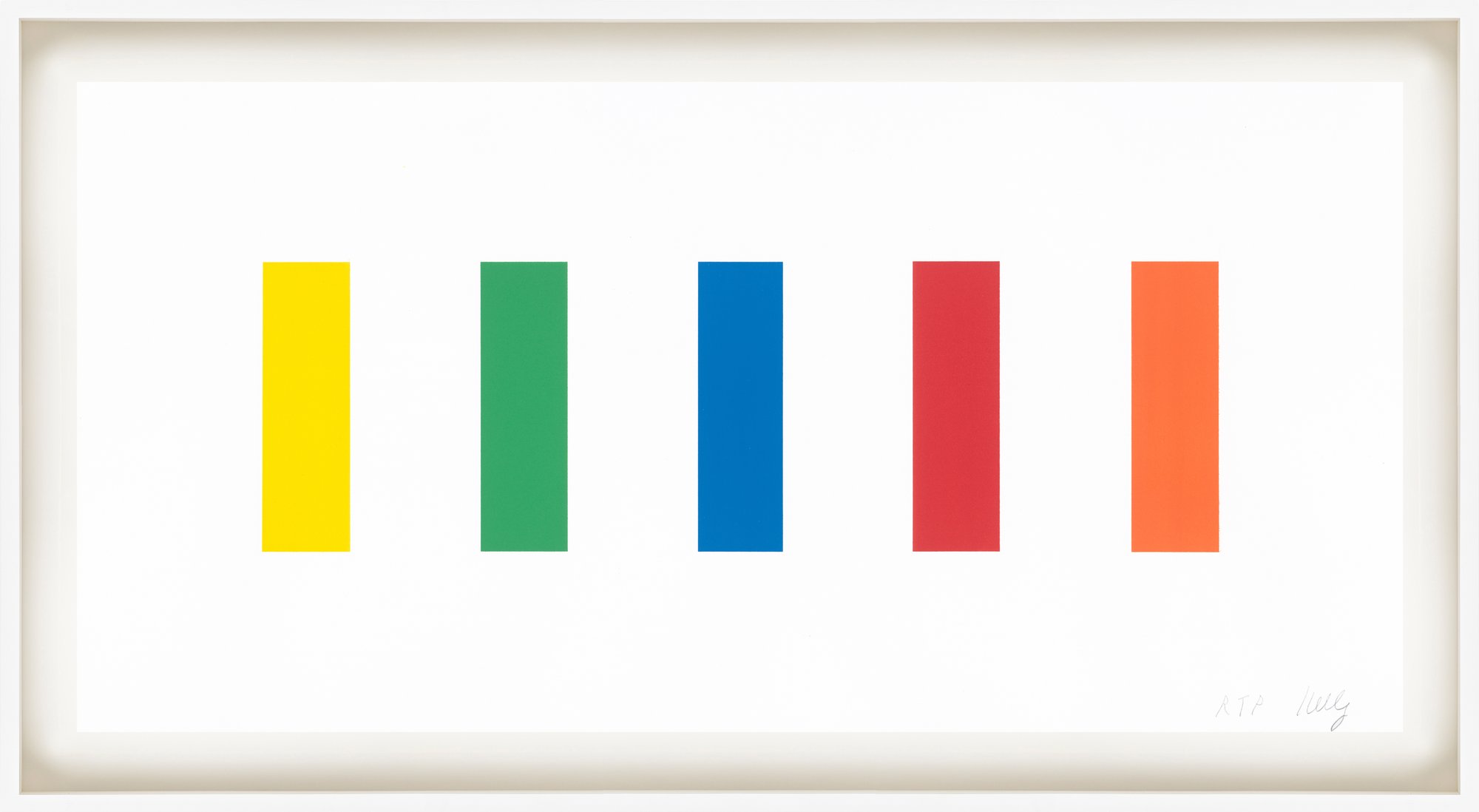
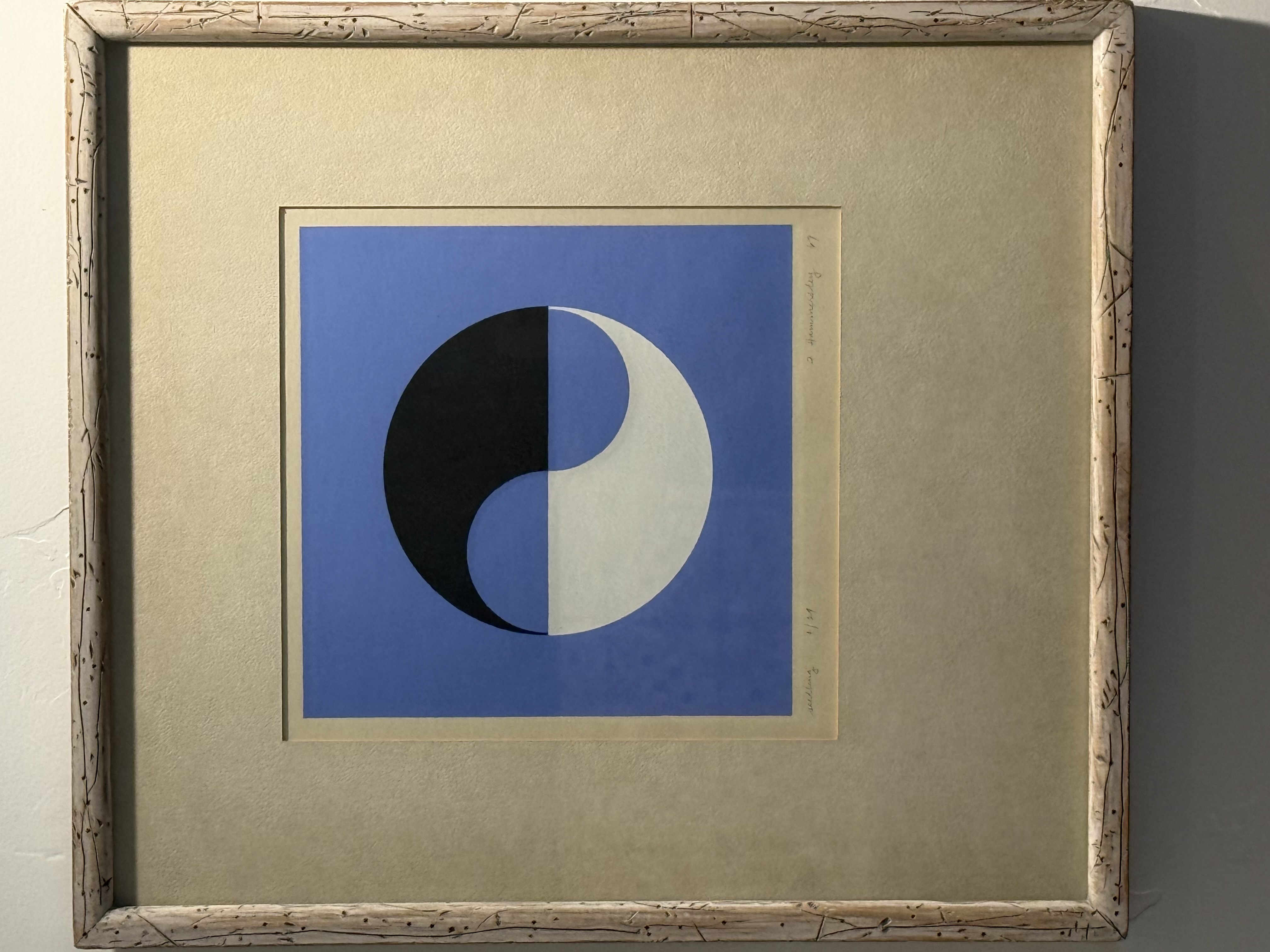
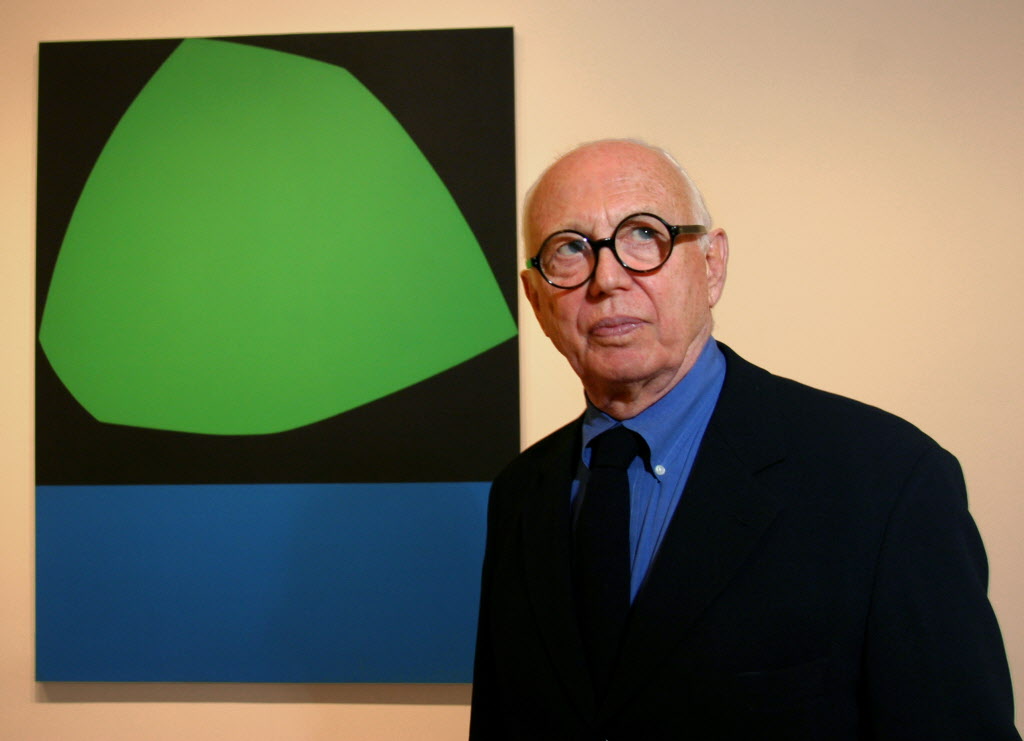
Ellsworth Kelly
Dartmouth, 2011
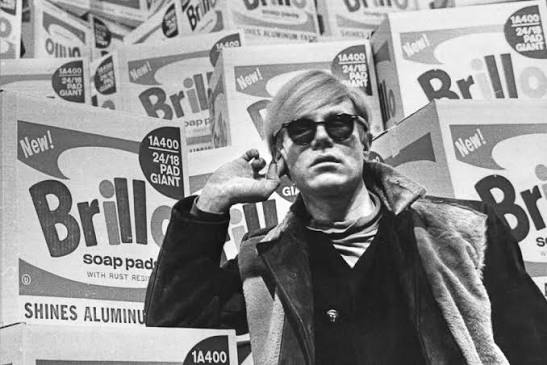
Living with a great edition is living with a work that was made to be exactly what it is. What draws collectors to editions is also, frankly, access. The secondary market for unique paintings by artists like Andy Warhol or Roy Lichtenstein has moved into territory that only a narrow band of institutional or ultra high net worth buyers can navigate comfortably. Editions democratize without diminishing.
A signed and numbered screenprint from Warhol's Endangered Species series or a Lichtenstein from his Entablatures portfolio carries genuine art historical weight. These are not merchandising exercises. They are works that the artists themselves considered significant extensions of their practice, conceived in close collaboration with master printers and often developed over months of proofing and revision. Knowing what separates a good edition from a great one is the first real skill a collector in this space develops.
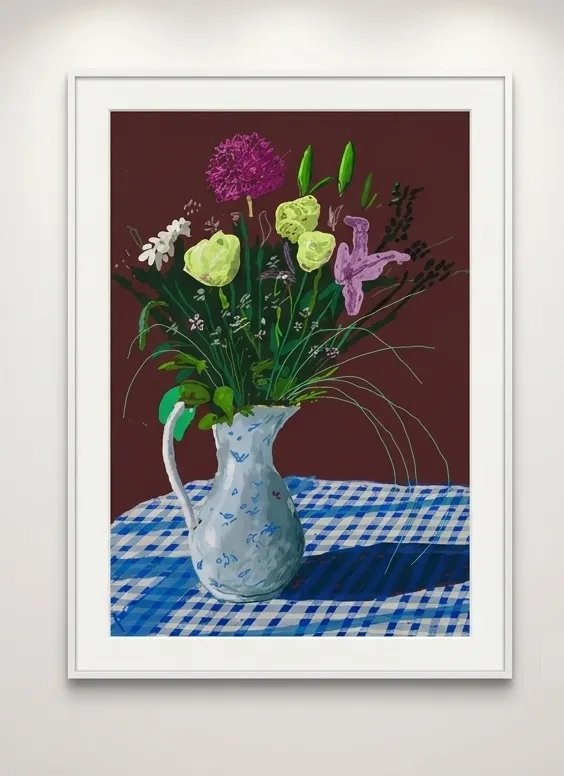
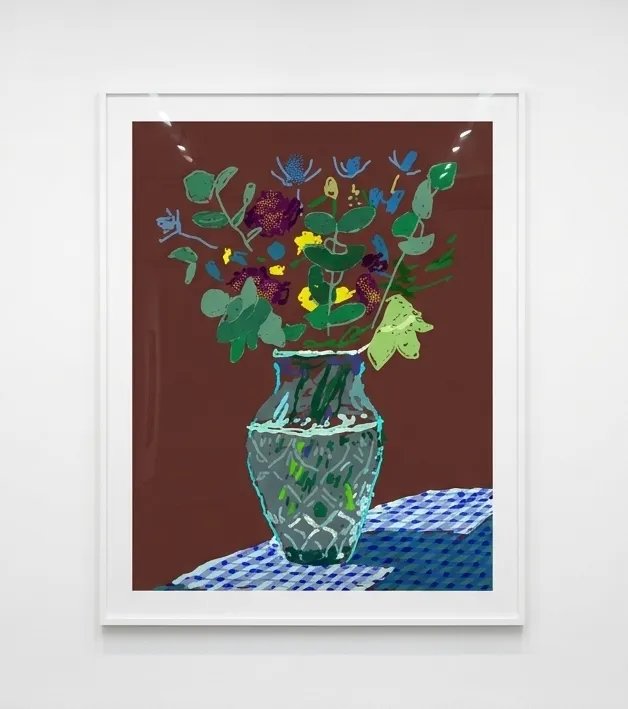
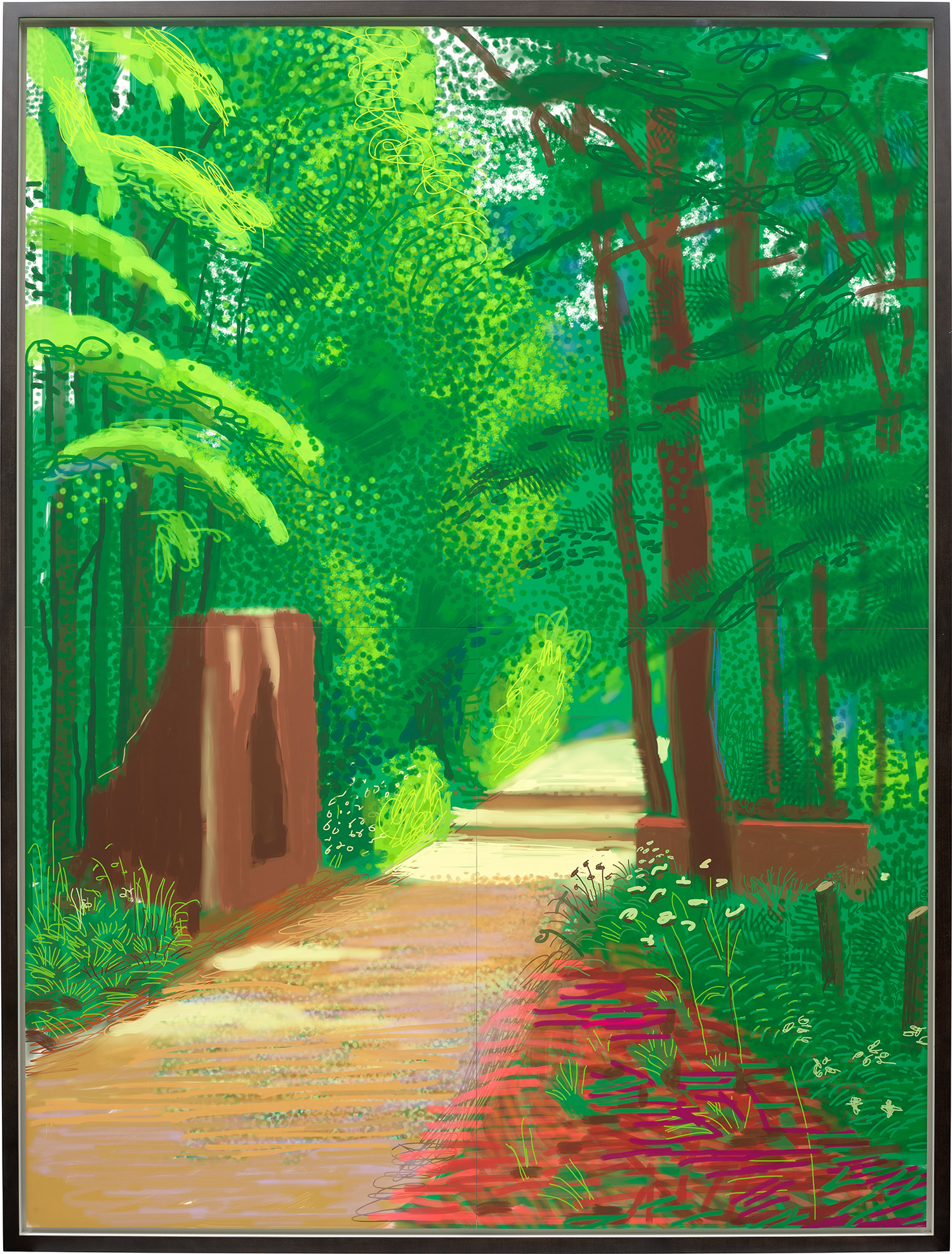
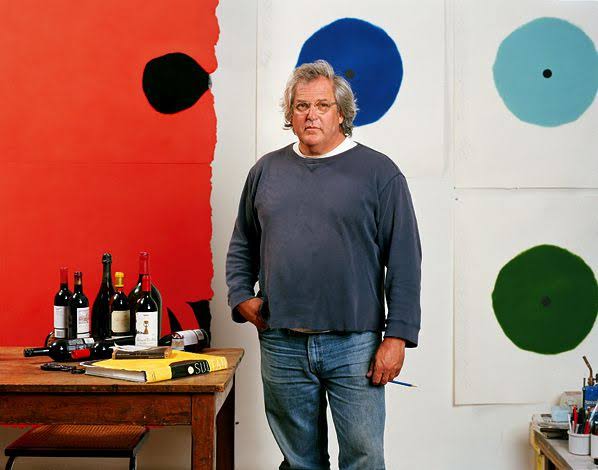
David Hockney
20th February, Jug with Flowers, 2021
Edition size matters, but it is not the only thing that matters. A print from an edition of 250 by a canonical artist can vastly outperform a print from an edition of 10 by a lesser name. What you are looking for is the intersection of artistic ambition, technical quality, and provenance clarity. Signed works outperform unsigned ones with meaningful consistency at auction.
Printer's proofs and artist's proofs, which sit outside the numbered edition and are typically retained by the studio, often carry additional desirability. When you are looking at a work by Ellsworth Kelly or Robert Motherwell, the question to ask is whether the print feels like a translation of their larger practice or a genuine statement in its own right. The best editions feel like the latter. Among the artists well represented on The Collection, several stand out as particularly strong positions for collectors thinking about long term value.

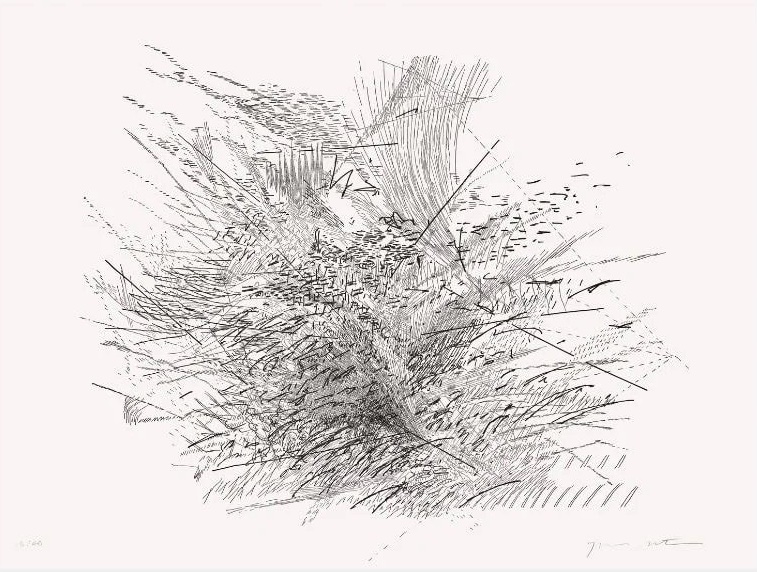
David Shrigley
Serpent, 2020
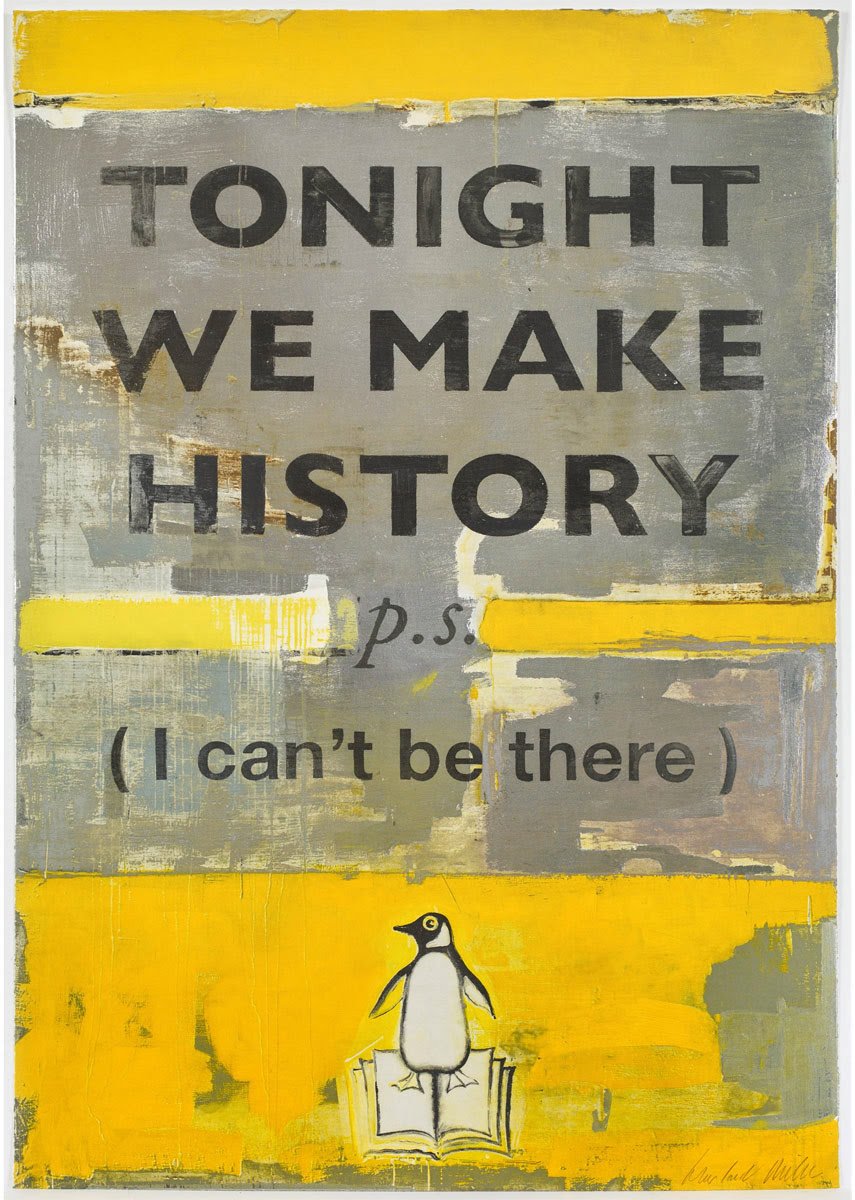
Yayoi Kusama's editions have performed with remarkable consistency over the past decade, driven by sustained global demand and a body of print work that genuinely reflects the obsessiveness of her studio practice. Damien Hirst's spot print editions, produced with Other Criteria, generated controversy about their volume but have proven resilient in the secondary market for the strongest examples. David Shrigley occupies a compelling position as an artist whose editions are still accessible relative to his cultural footprint, and his wit translates exceptionally well to print. Harland Miller is another name worth watching closely.
His large scale prints riffing on Penguin paperback covers have built a serious collector base in the UK and are gaining traction internationally, with auction results that have climbed steadily since his editions first appeared in the mid 2000s. For collectors willing to look slightly beyond the established names, there are genuinely interesting opportunities emerging. Salman Toor, whose paintings of queer South Asian life have attracted serious critical attention and strong institutional support, has begun producing editions that extend the intimacy of his studio practice into multiples. His prints reward close looking and are priced at a level that feels significantly undervalued relative to where his primary market is heading.
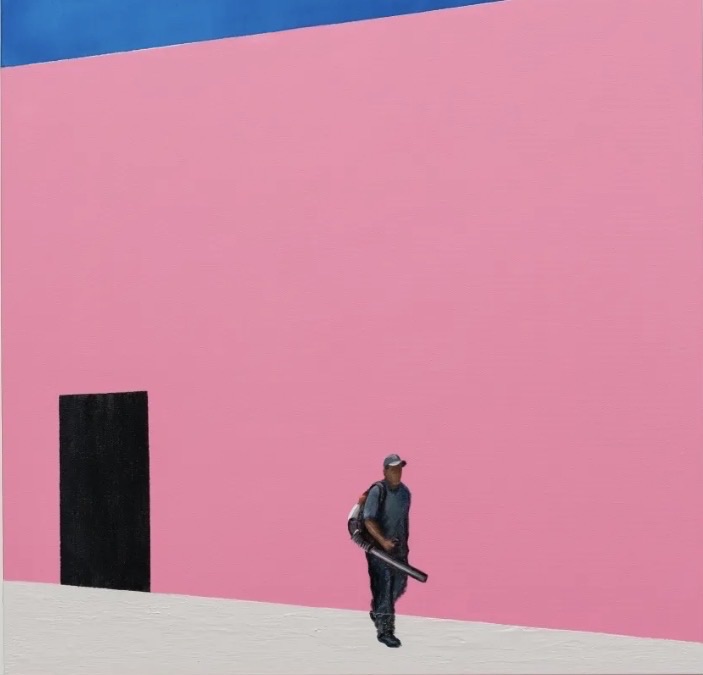
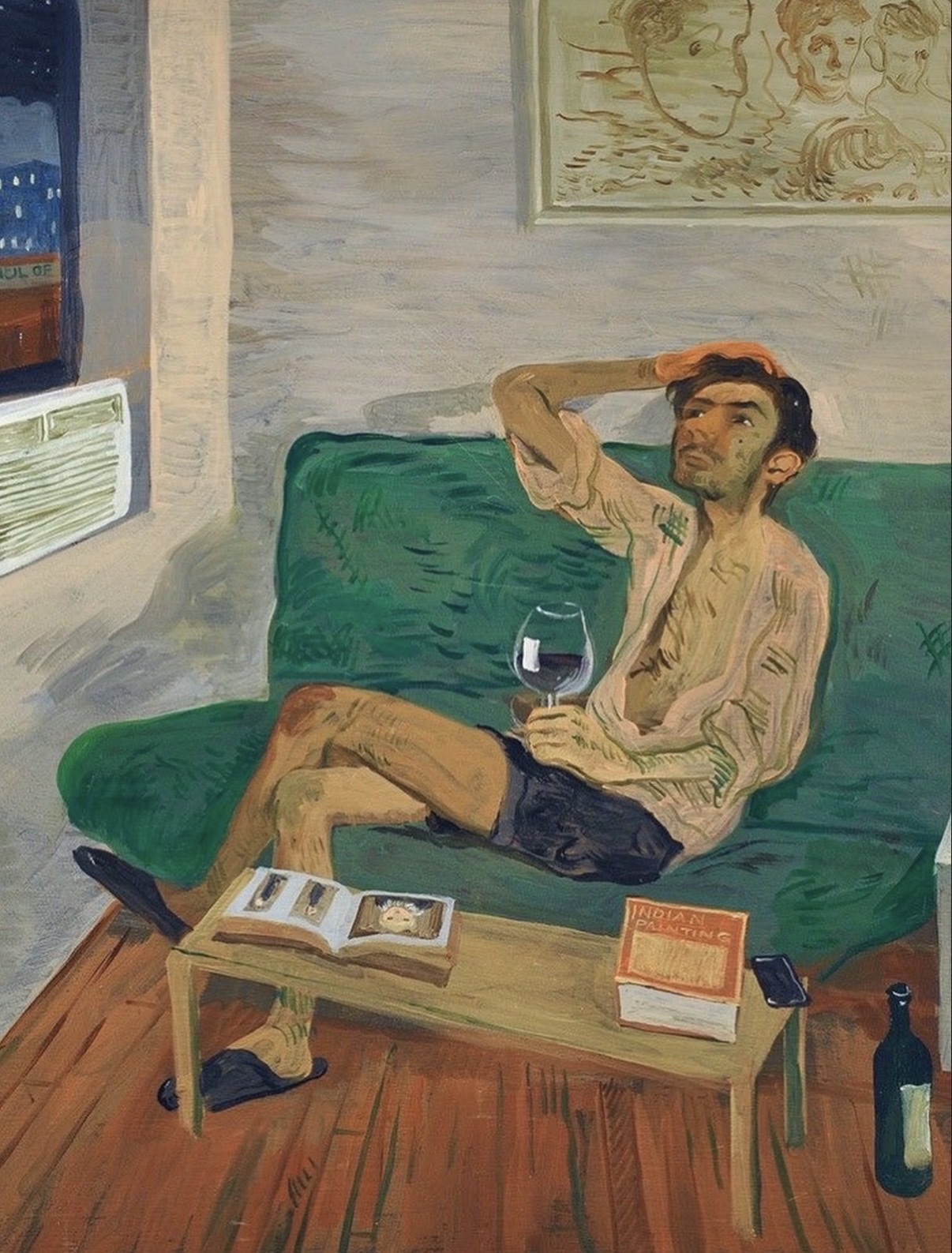
Nick Smith
Untitled
Artists like Nick Smith, who works with pixelated text and image to create prints of genuine formal sophistication, represent the kind of under the radar position that rewards collectors who do their own research rather than following auction headlines. At auction, editions occupy a fascinating position. They have a transparency that unique works do not, because comparable sales are genuinely comparable. If you are buying a print from a well documented series, you can research exactly what similar impressions have achieved at Christie's, Phillips, or Bonhams over the past five years.
This makes editions excellent learning ground for newer collectors and a sharp tool for experienced ones. The secondary market for prints and editions has deepened considerably since the early 2010s, with specialist sales at major houses now generating results that would have seemed improbable two decades ago. Takashi Murakami's editions, for example, have moved from novelty territory into genuine blue chip auction performance, reflecting both the breadth of his global following and the seriousness with which his studio approaches each print project. Practically speaking, condition is everything in the editions market in a way that it is almost uniquely so.
A unique painting can absorb certain restoration interventions without catastrophic value loss. A print with foxing, fading, or handling marks is a fundamentally different proposition from a fresh impression in pristine condition. Always ask for a condition report, and always look at the work in person or under strong light before committing. Framing matters too.
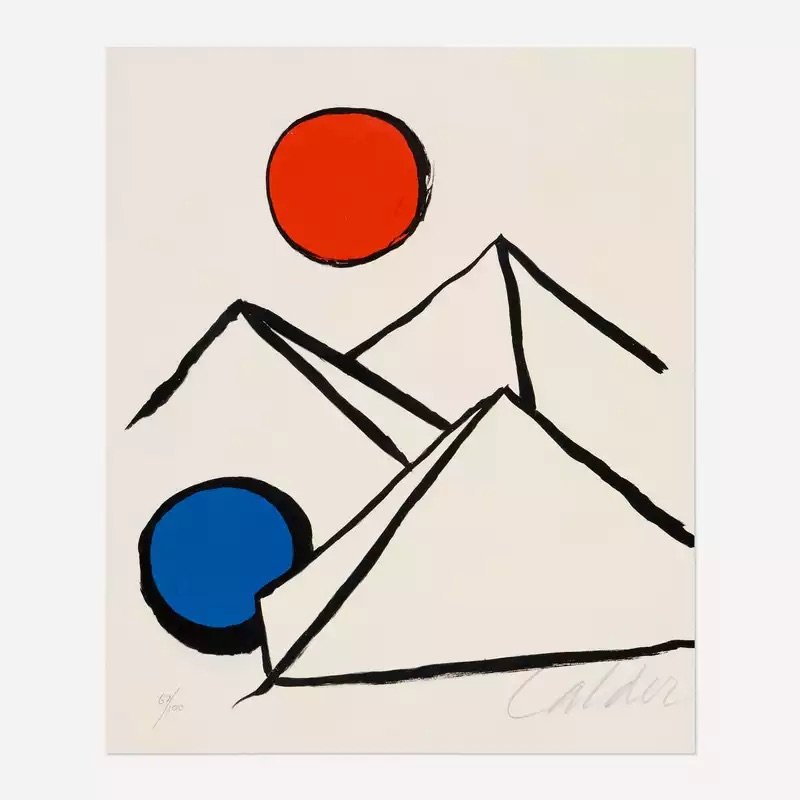
Acid free mounting and UV protective glazing are not optional considerations. When approaching a gallery, ask specifically about the impression number, whether the edition is sold out, and whether certificates of authenticity are included and linked to a recognized authentication body for that artist. For works by Alexander Calder or Robert Rauschenberg, where the market for fakes and misattributions is real, provenance documentation is not bureaucratic tedium. It is the foundation of what you are buying.
The most important thing to understand about collecting editions is that the category rewards genuine engagement with art history and process. The collector who understands why a Jasper Johns lithograph required a particular technical solution, or who reads the notes in a catalogue raisonné of prints, is the collector who makes better decisions. Editions are not a shortcut. They are a specific and demanding field that has produced some of the most significant works of the past seventy years.
Approached with the same seriousness you would bring to any other area of collecting, they offer remarkable rewards, both aesthetic and financial, for those willing to look closely.