Coastal Landscape
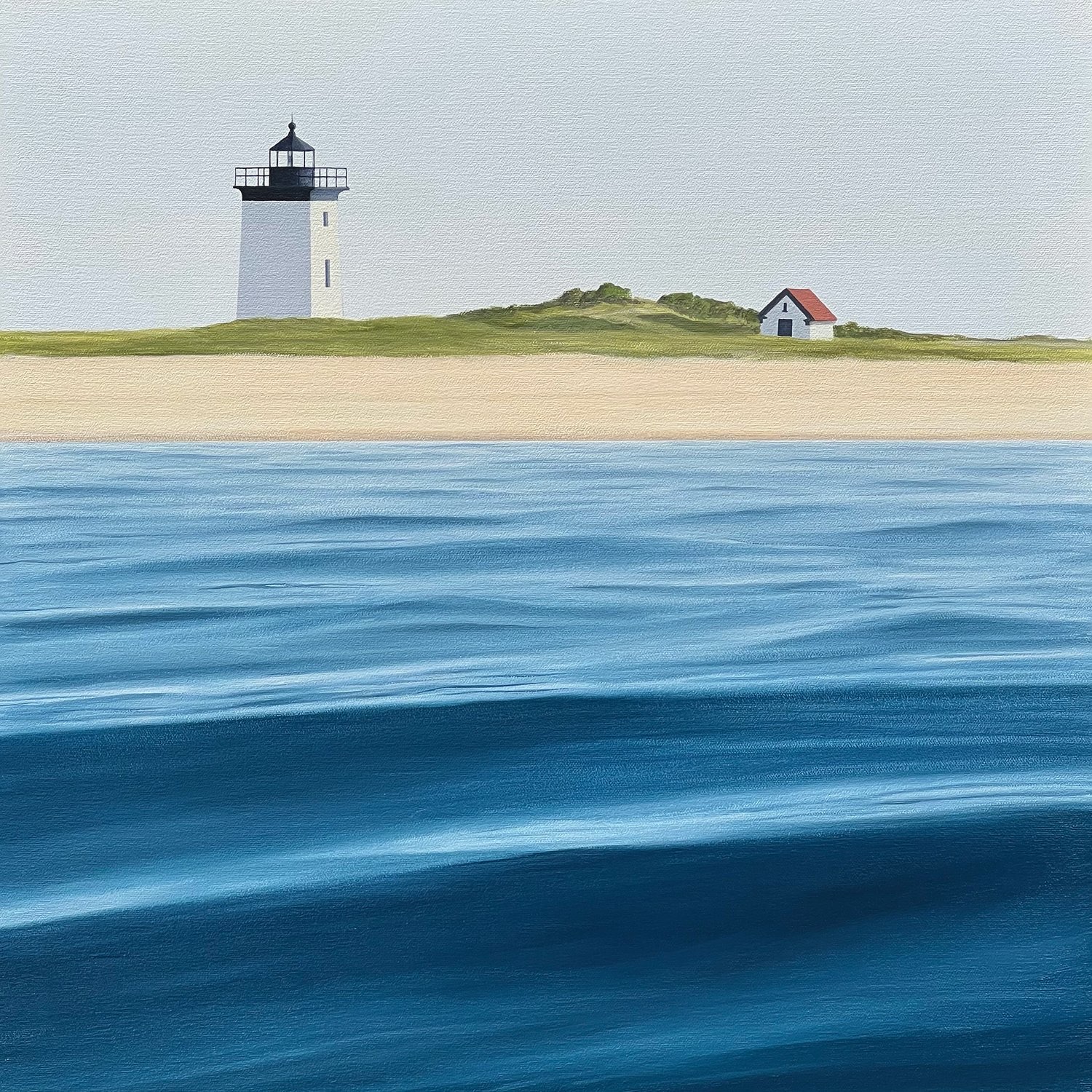
Derek Macara
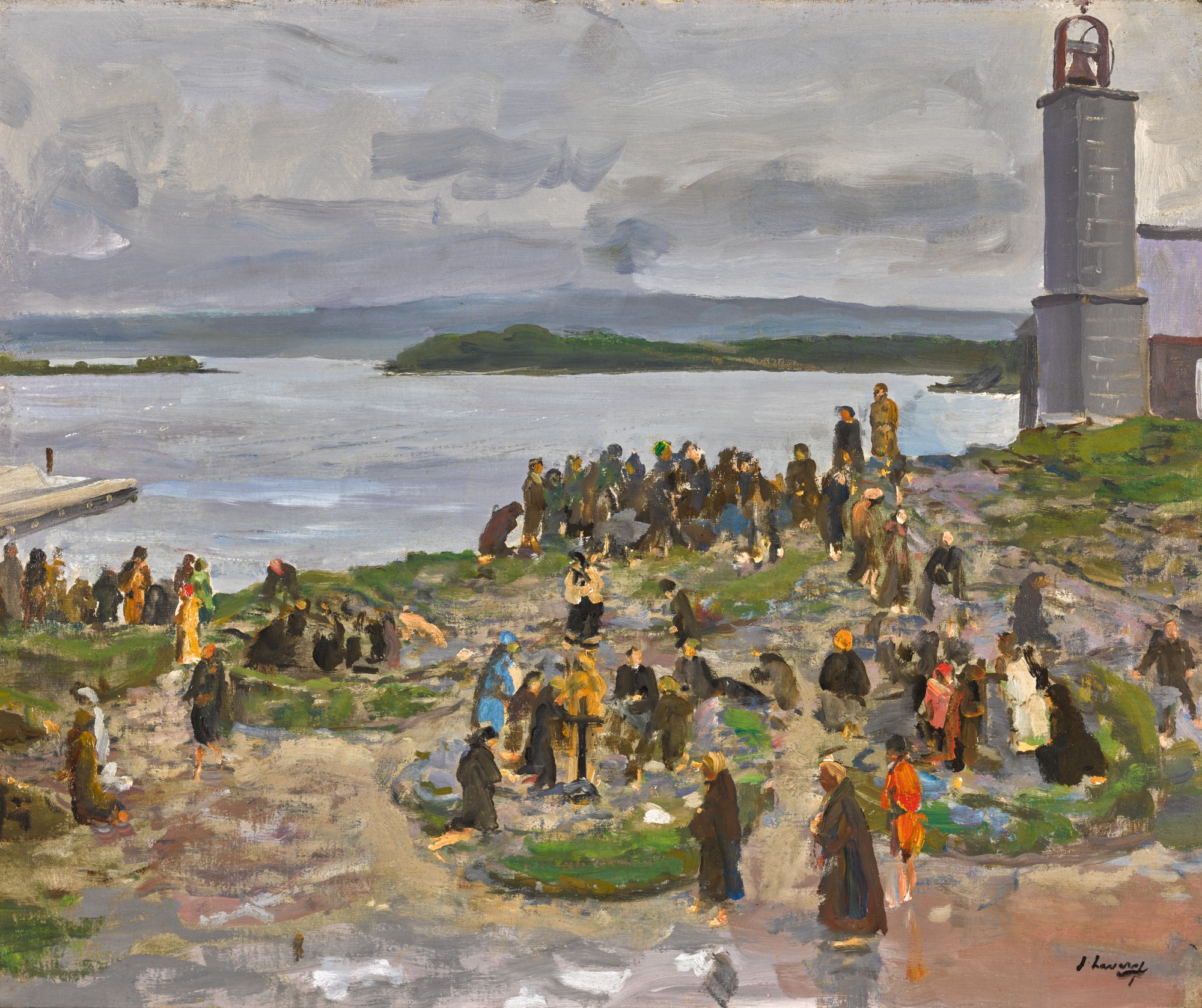
Late Afternoon At Long Point
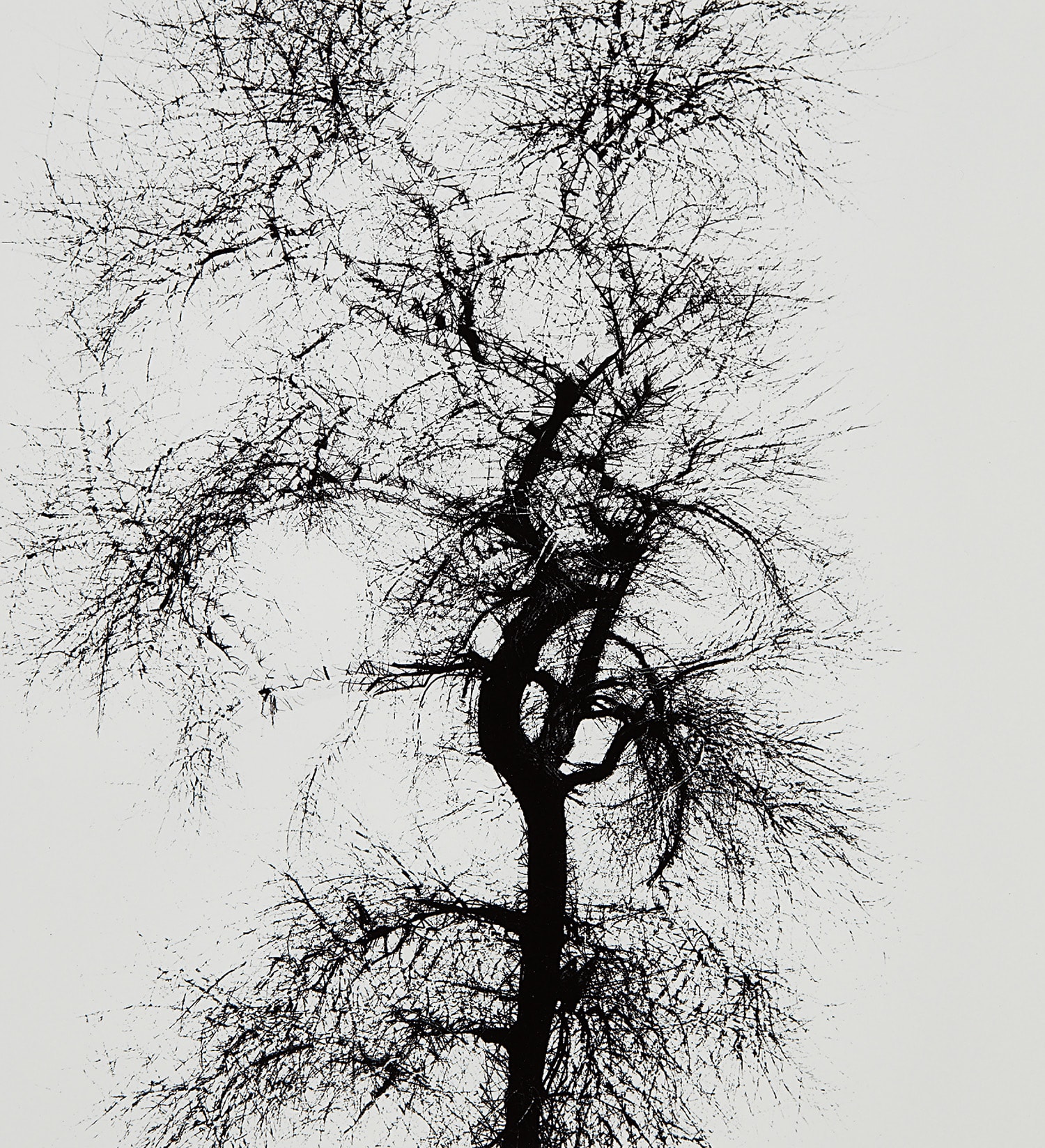
The Shore Holds Everything We Need
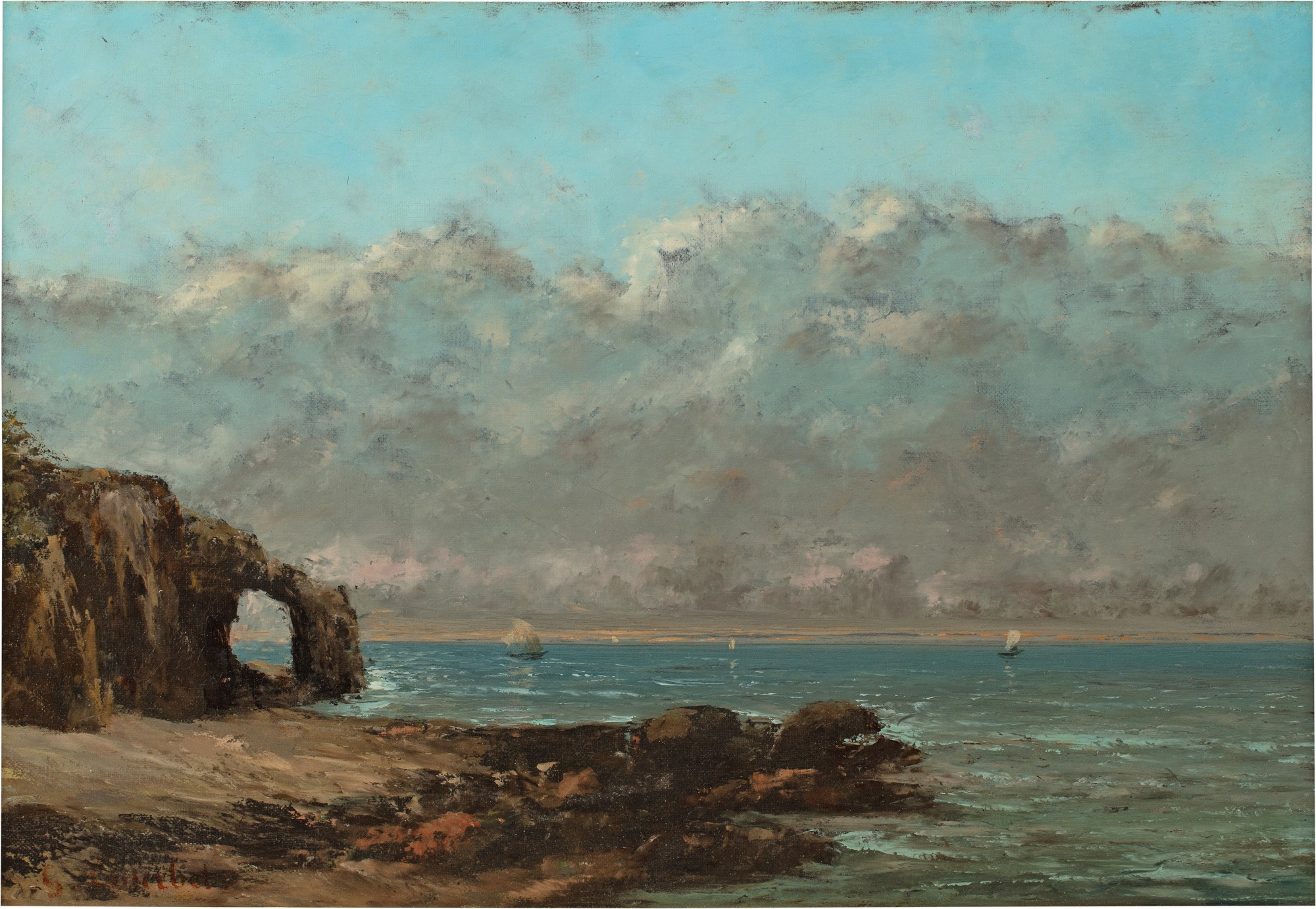
When Christie's brought a major Gustave Courbet seascape to auction in recent years, the room went quiet in that particular way that signals genuine desire. Courbet's coastal paintings occupy a strange and powerful place in the market, works that feel simultaneously rooted in nineteenth century materiality and completely contemporary in their blunt emotional force. The result exceeded estimate by a meaningful margin, and the conversation afterward was less about the money and more about what the painting did to the people who stood in front of it. That is the thing about coastal landscape as a category right now.
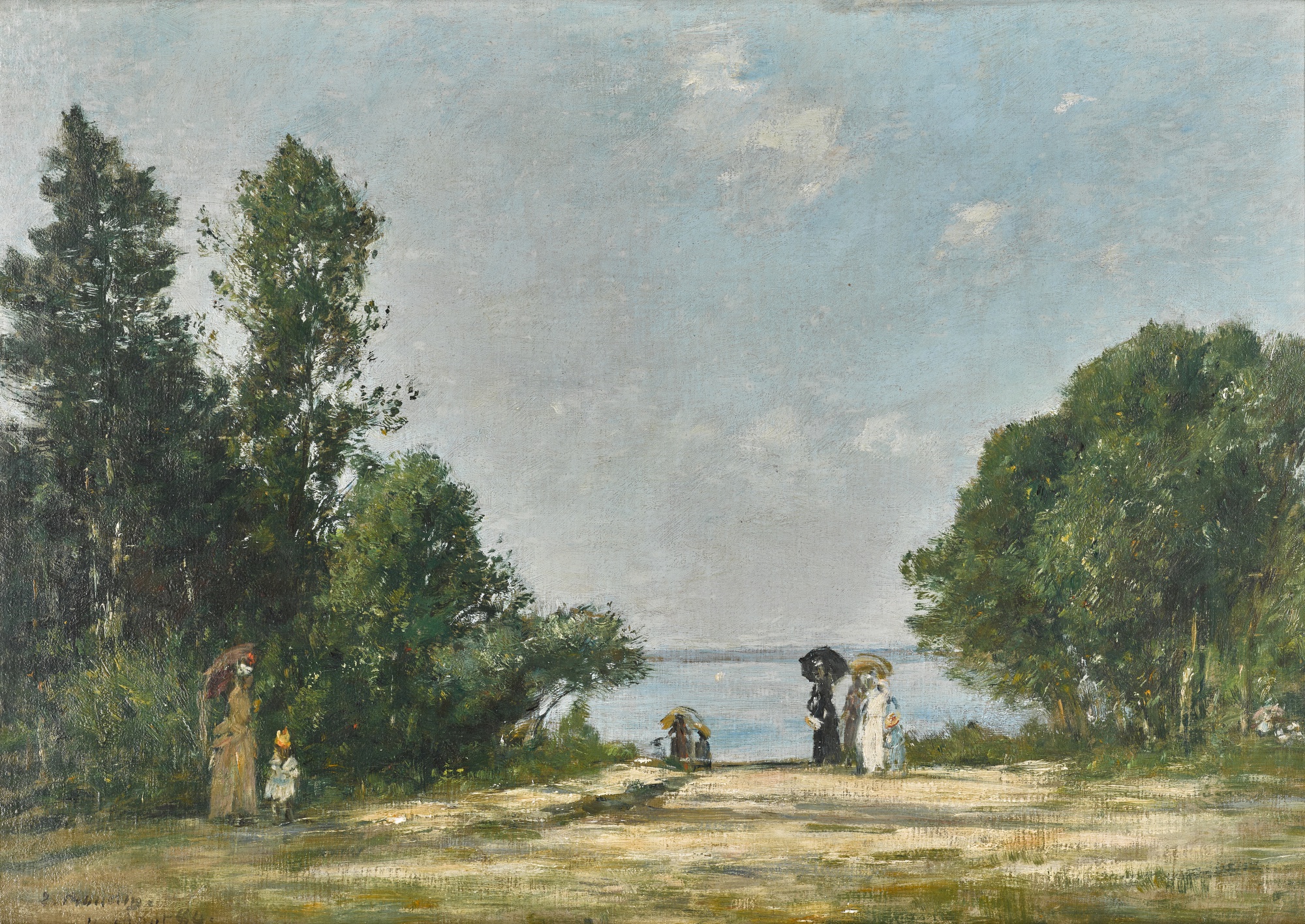
It is not simply performing well. It is doing something to people. The critical rehabilitation of artists who worked at the edge of land and water has accelerated considerably over the past decade. Eugène Boudin, long treated as a charming precursor to Impressionism rather than a serious figure in his own right, has been reexamined with genuine rigor.
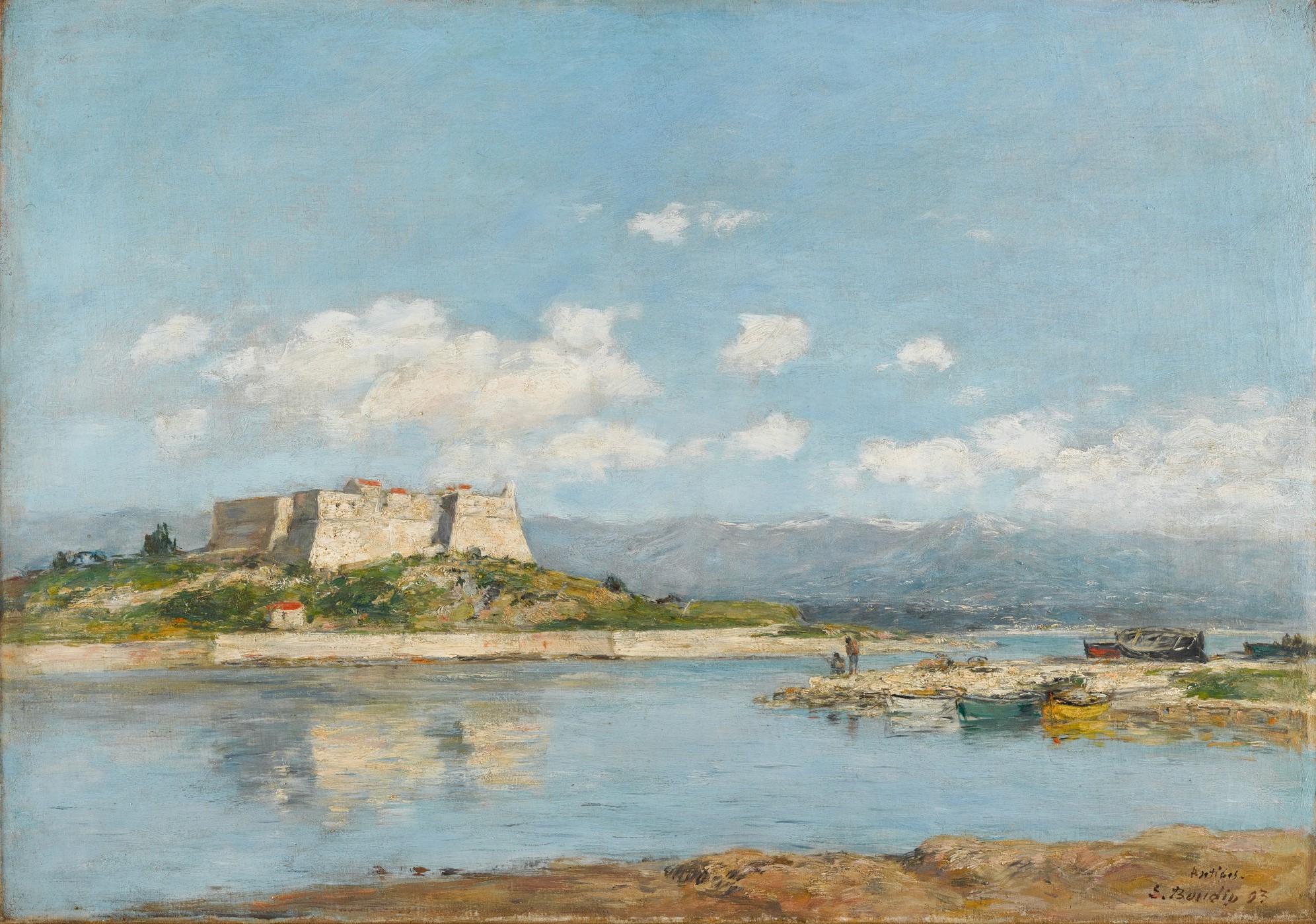
Eugène Boudin
Antibes, Le Fort Carré
The Musée Eugène Boudin in Honfleur has done important work here, and broader retrospectives have helped curators articulate what made his sky obsessed canvases so formally radical. Similarly, the scholarly attention paid to Hendrik Willem Mesdag, whose panoramic vision of the North Sea at Scheveningen remains one of the most audacious acts of coastal representation in the nineteenth century, has nudged collectors toward a more nuanced understanding of the Dutch tradition beyond its Golden Age peaks. Maurice Prendergast is perhaps the most compelling case study in what market enthusiasm for coastal subject matter actually looks like when it reaches sustained intensity. Well represented on The Collection, Prendergast built much of his career around the social theater of beaches and promenades, particularly in New England and along the Venetian waterfront.
His works have found consistent buyers at major houses, with prices for strong examples reaching well into six figures and occasionally beyond. What collectors respond to in Prendergast is the way he makes leisure feel genuinely complex. His figures are not simply enjoying themselves. They are arranged, observed, almost choreographed, and the water behind them is never merely decorative.
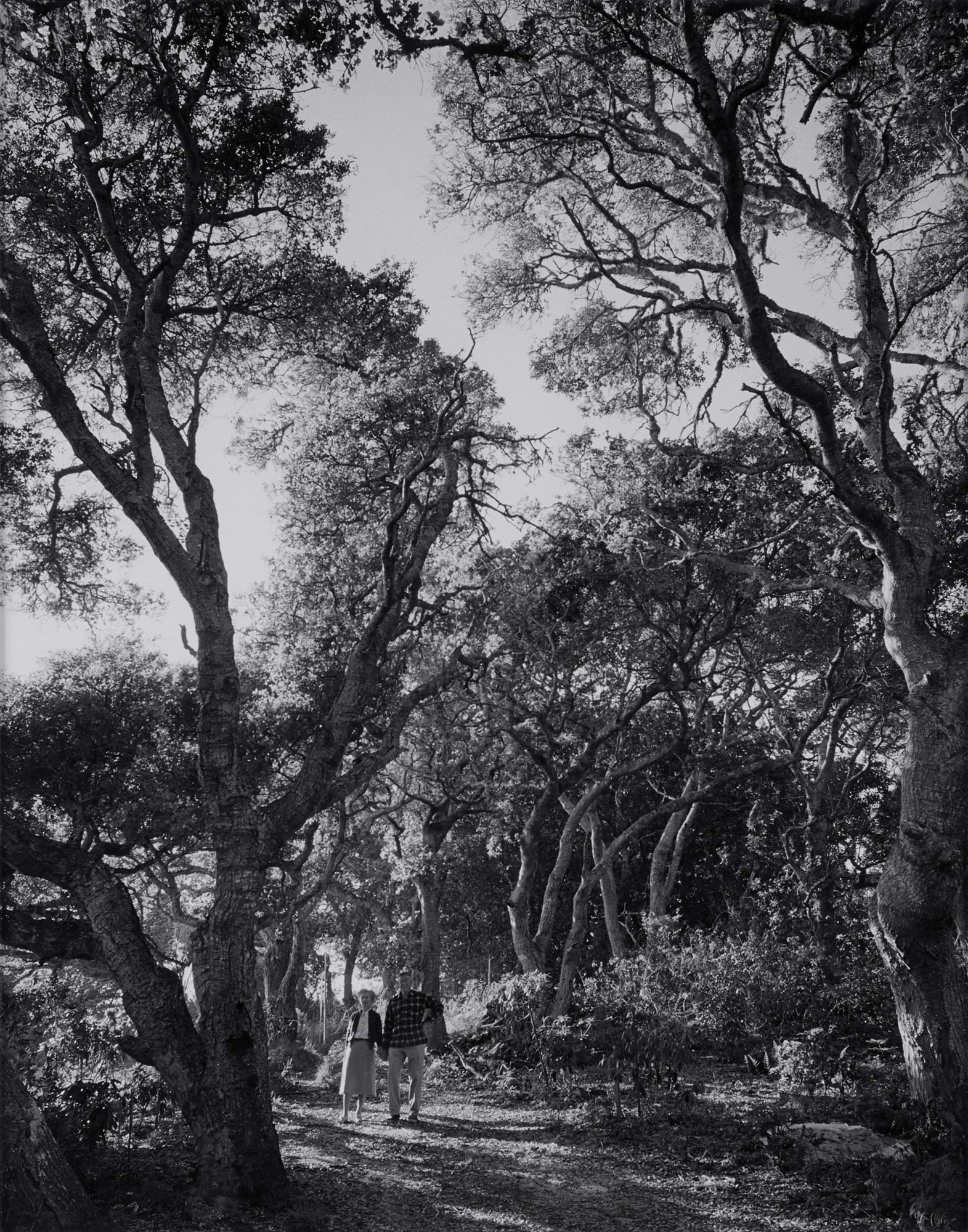
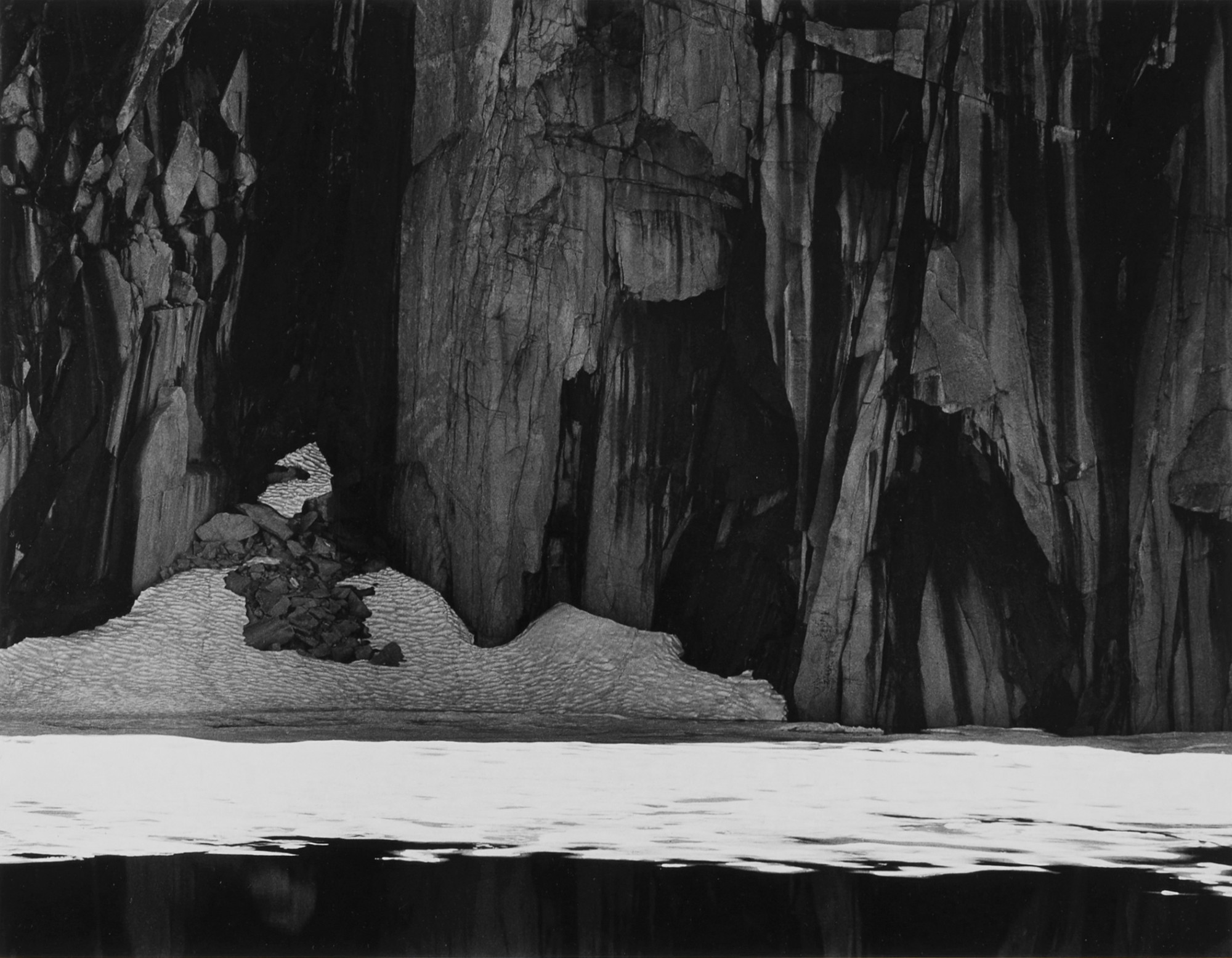
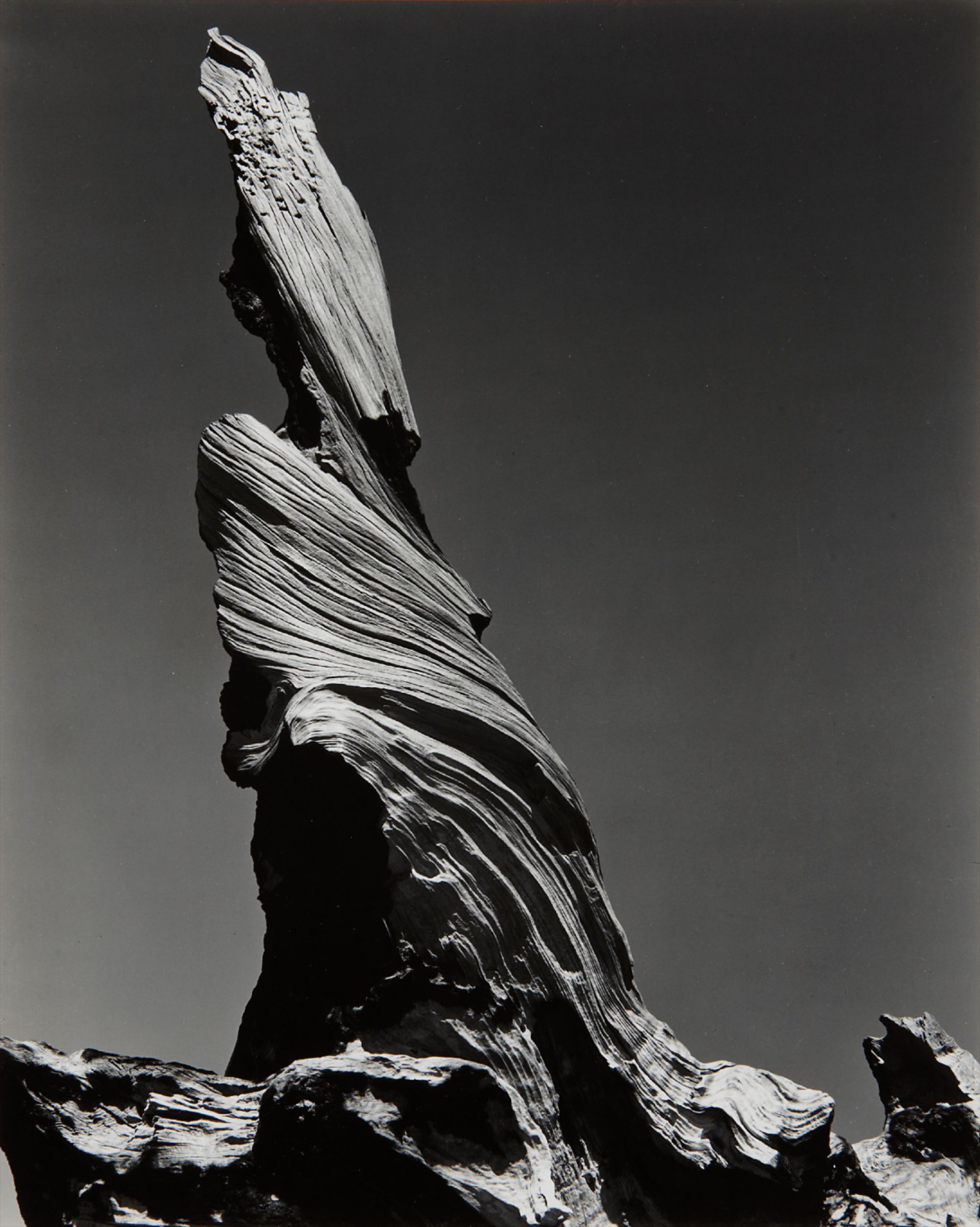
Ansel Adams
'Big Sur' (Mr. and Mrs. William E. Colby, Coastlands, Monterey County Coast)
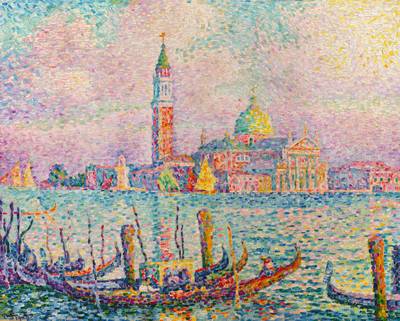
Paul Signac commands serious attention in this space as well. His pointillist approach to harbor scenes and Mediterranean coastlines produced some of the most formally rigorous coastal paintings of the Post Impressionist era, and the market has rewarded that ambition. Works by Signac that come to auction with clean provenance and strong exhibition history tend to attract competition from European and American institutions alike. André Derain, whose Fauvist period produced extraordinary coastal canvases of L'Estaque and Collioure, sits in a similar register.
Both artists ask buyers to consider the coast not as subject but as structural problem, a place where color and light refuse to behave the way they do inland, and where painterly convention gets tested against something genuinely unruly. Photography's relationship to coastal landscape is its own rich thread, and institutions have been pulling at it with real seriousness. The Getty and the San Francisco Museum of Modern Art have both mounted significant programs around photographers who worked with water, shore, and horizon as primary material. Edward Weston's Point Lobos work and Ansel Adams's coastal California images represent a particular strain of American landscape photography that treats the shoreline as a space of almost spiritual reckoning.
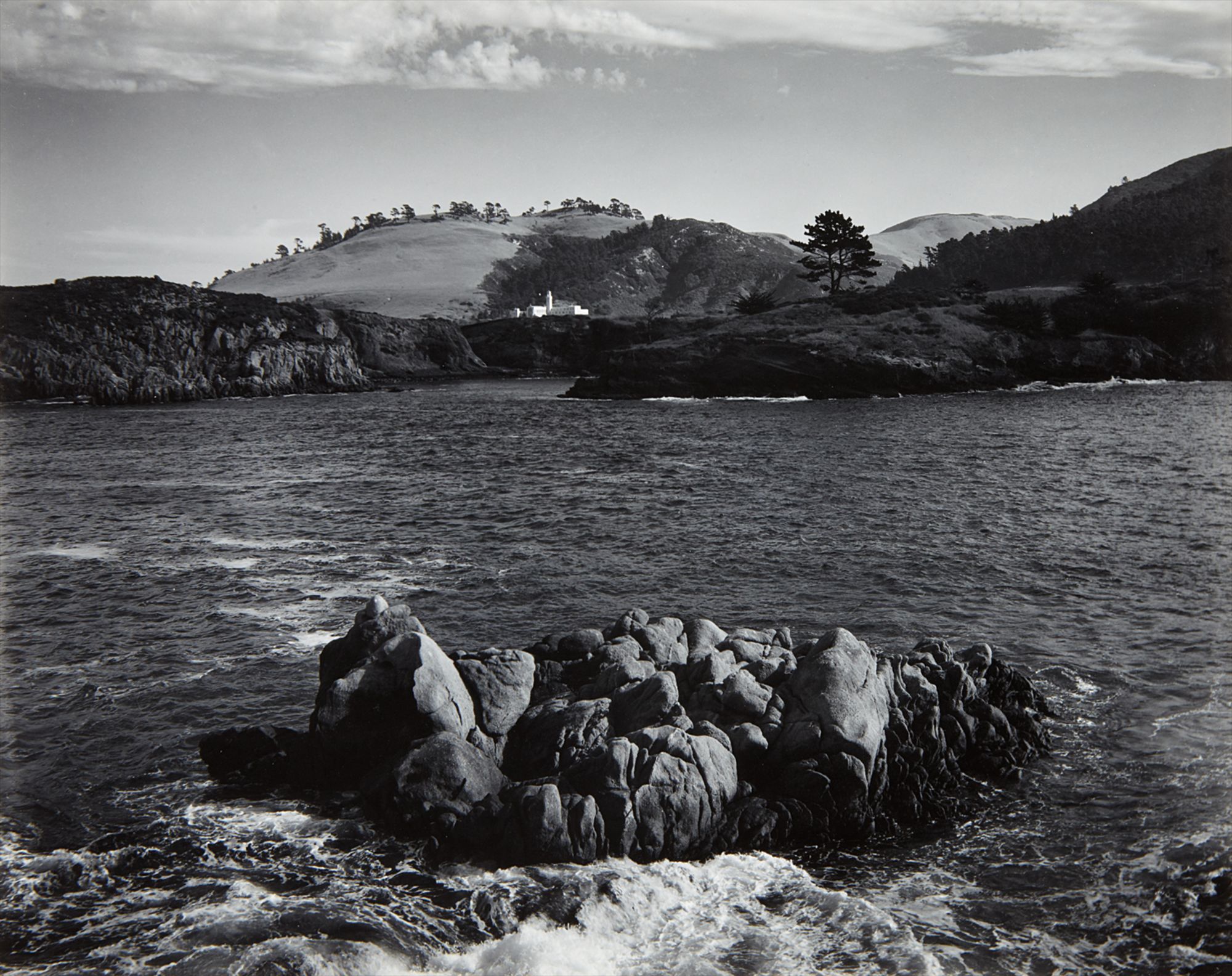
Edward Weston
From Point Lobos
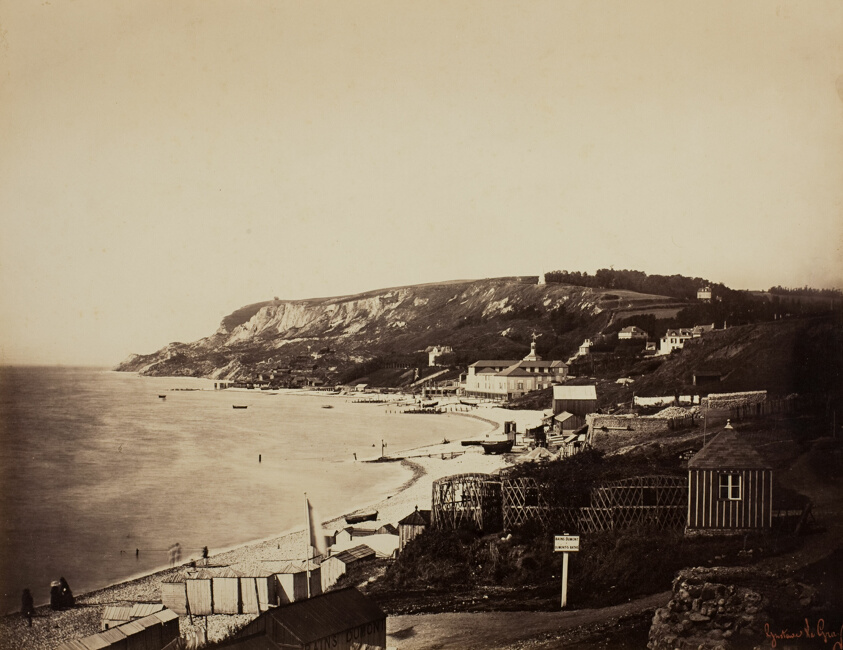
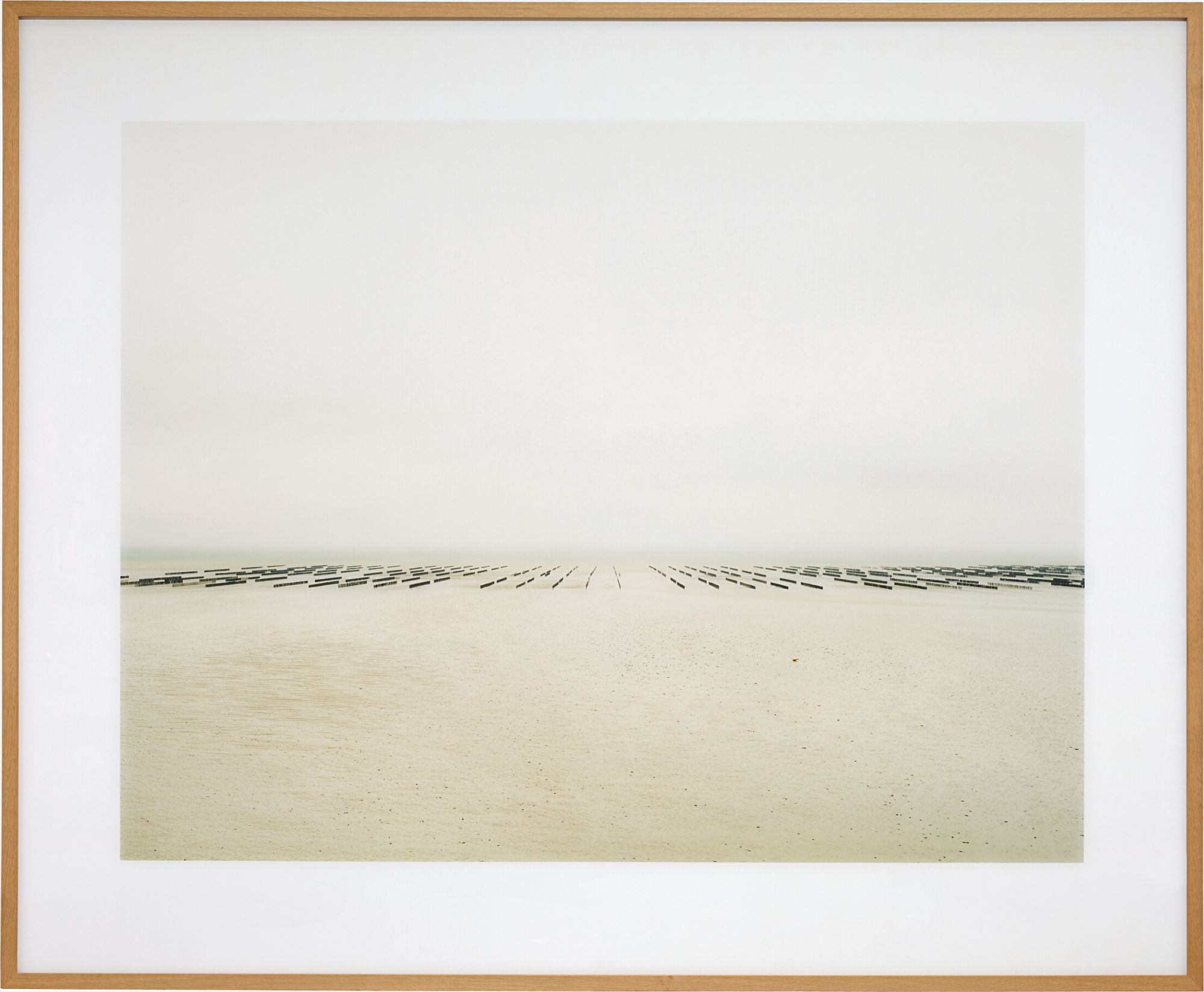
More recently, the work of photographers like Chris Killip, whose images of the Northumberland coast carry an almost unbearable social weight, and Harry Callahan, whose elemental reductions of beach and sky feel close to abstract painting, have pushed the conversation toward what coastal photography can hold beyond the picturesque. Karl Struss and Gustave Le Gray, both represented on The Collection, offer earlier anchors for this lineage, with Le Gray's seascapes from the 1850s standing among the most technically daring photographs of their era. Institutions collecting in this space right now are sending clear signals about what they believe coastal landscape means culturally. The acquisition of works by artists like Elger Esser, whose large scale photographs of European coastlines and waterways blur the boundary between photography and painting, by major European museums suggests a sustained interest in how the genre migrates across media.
Isca Greenfield Sanders, whose work engages with light and surface in ways that feel genuinely connected to the long tradition of plein air coastal painting while remaining firmly contemporary, has attracted institutional interest that tracks this same appetite. The conversation is not nostalgia for the impressionist beach. It is something more restless than that. Critically, writers like T.
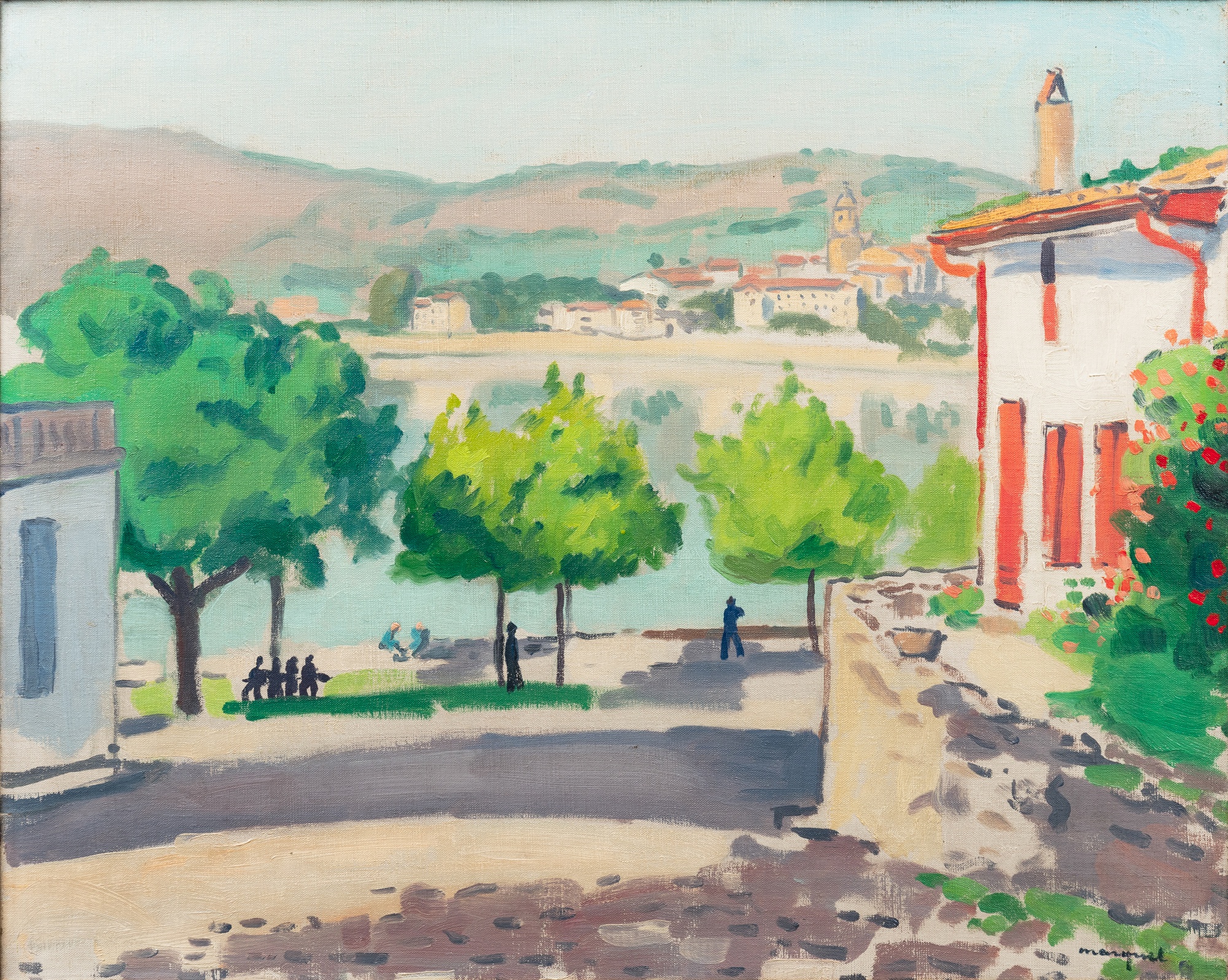
Albert Marquet
Hendaye, La promenade, 1926
J. Clark have done foundational work in framing the social dimensions of leisure and landscape, work that has given curators intellectual permission to treat coastal scenes as something more than pleasant topography. The journal October and publications like Frieze have published significant pieces on the politics of coastal representation, particularly around questions of who gets to inhabit these spaces in paintings and photographs and whose labor makes leisure possible. Albert Marquet, whose quiet harbor paintings have sometimes been undervalued precisely because of their quietness, is overdue for the kind of critical reassessment that restores complexity to seemingly simple work.
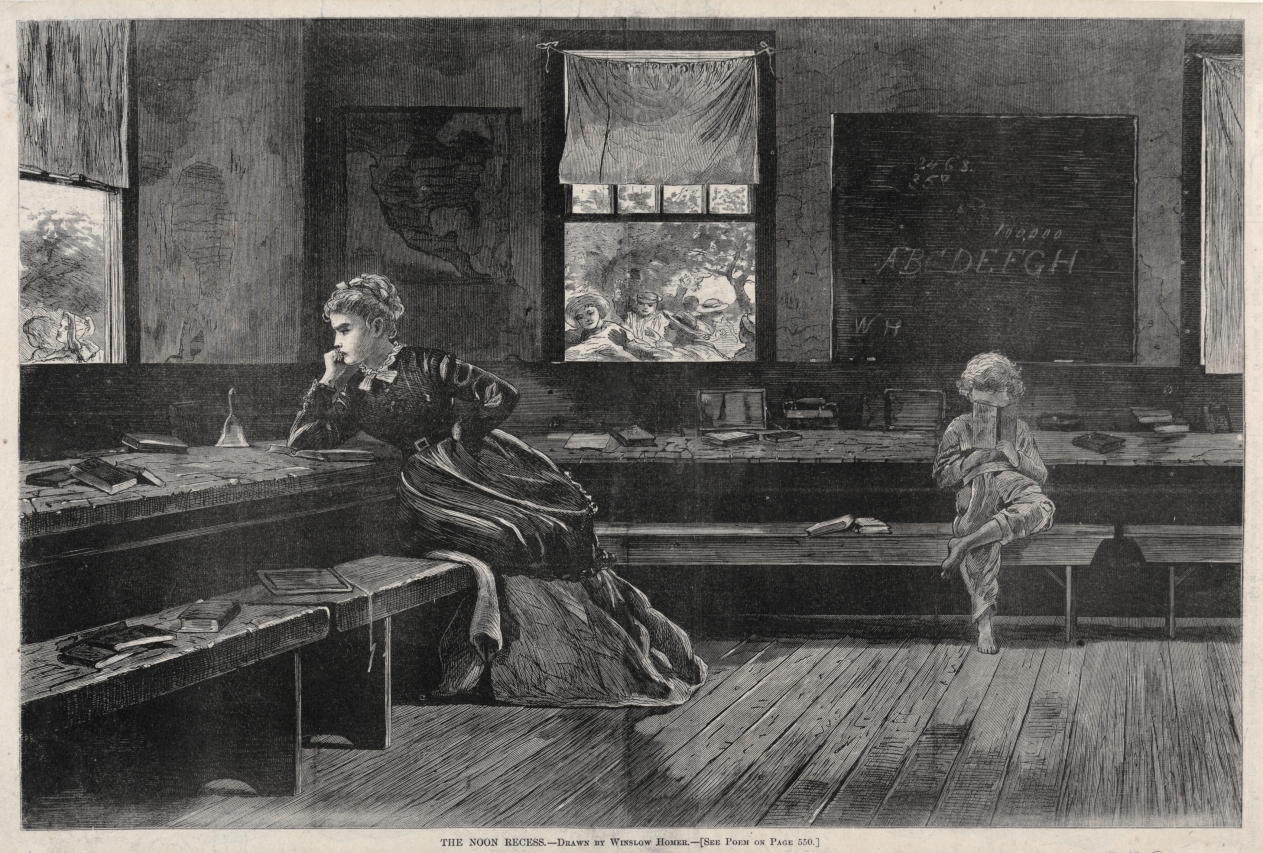
Jean Metzinger's approach to coastal subject matter through a Cubist lens similarly deserves more sustained attention than it typically receives outside specialist circles. What feels alive in this category right now is the intersection of environmental urgency and art historical reckoning. Collectors and curators are returning to coastal works with an awareness that these images document spaces under genuine threat, and that awareness changes how the paintings and photographs are read. A Winslow Homer seascape is not simply a formal achievement or a historical artifact.
It is evidence of something, a record of a particular shore at a particular moment, made by an artist who understood the sea as adversarial, indifferent, and magnificent in equal measure. That charge is not diminishing. If anything, it is intensifying, and the market is beginning to reflect what the culture already knows. The edge of the land is where we go to think about what remains.