Digital Photography
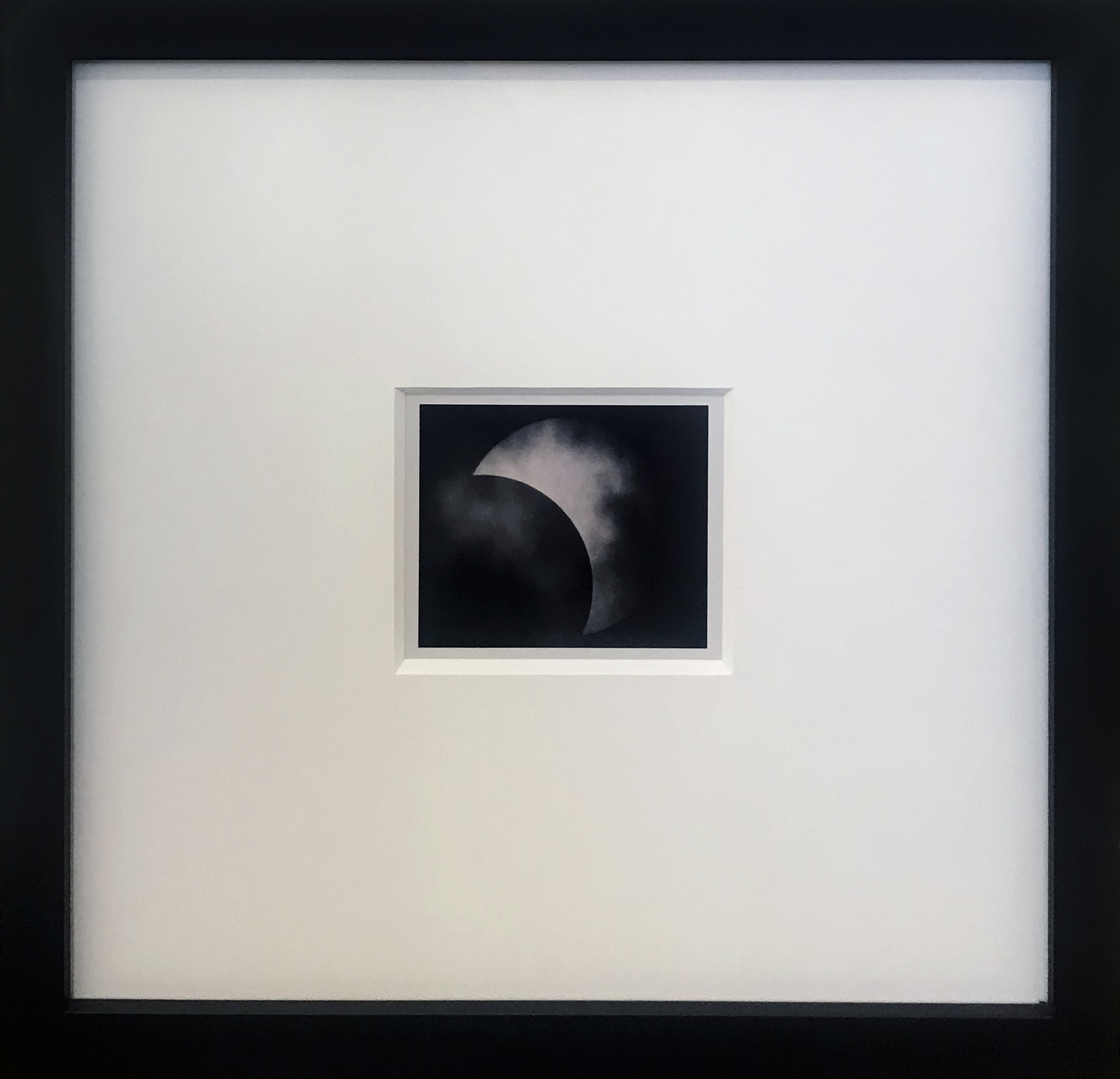
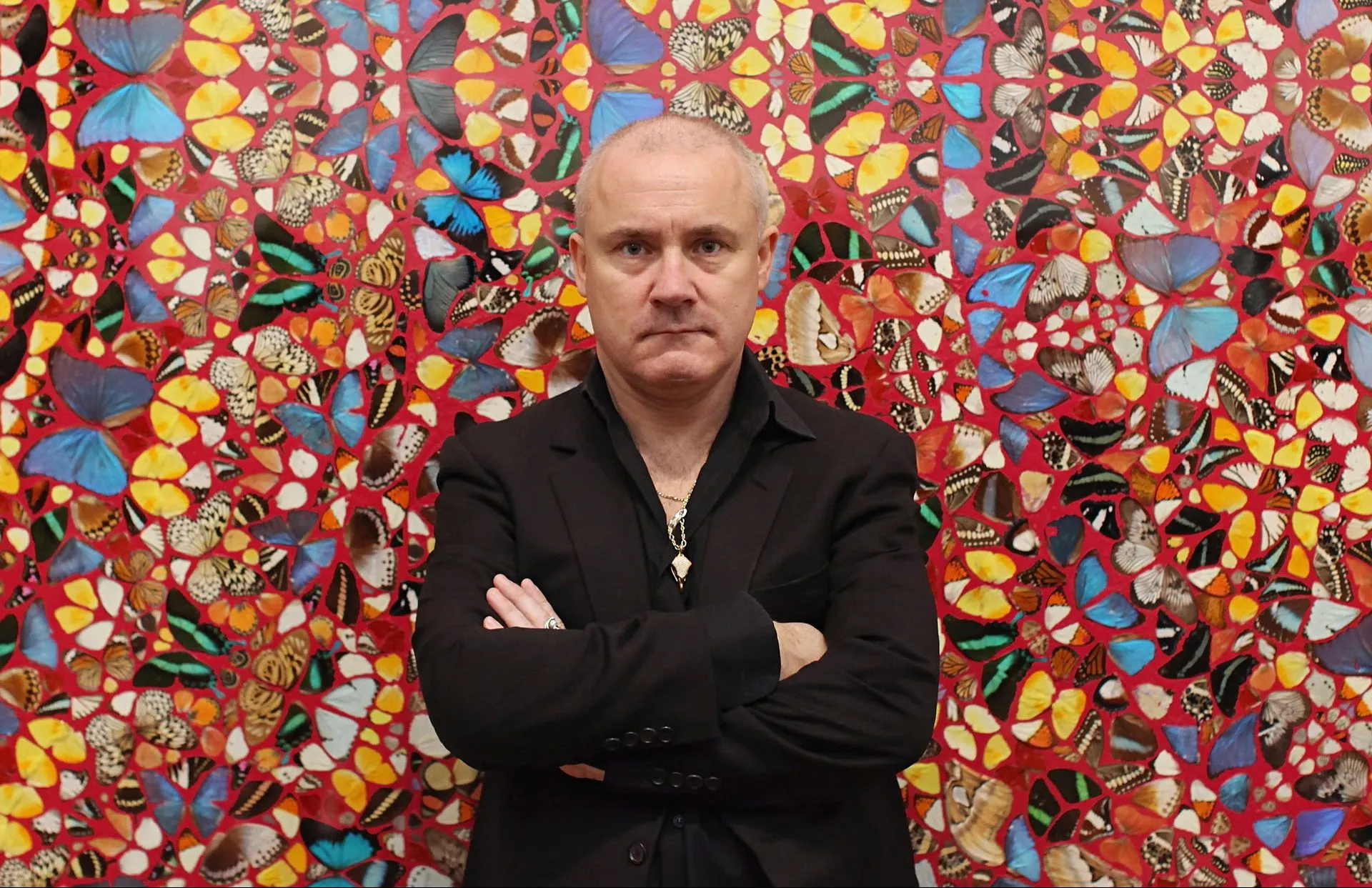
Thomas Ruff
Eclipse, 2004






The Pixel Proves It Was Always Real
When Andreas Gursky's Rhine II sold at Christie's New York in November 2011 for just over four million dollars, setting a world record for a photograph at auction, the art world took a breath. Not because the price was surprising in retrospect, but because of what the image represented: a vast, digitally manipulated stretch of riverbank stripped of almost everything except color, geometry, and quiet. There were no people, no distractions, no accidents. The photograph had been carefully edited to remove a dog walker and a factory building, leaving something that felt more like a painting by a Minimalist than a document of the world.
That sale announced, loudly, that digital manipulation was not a contamination of photographic truth. It was a new kind of truth entirely. The critical conversation around digital photography has matured considerably in the years since. What once provoked anxiety, questions about authenticity, about whether a manipulated image could still be called a photograph, now feels like settled territory in the best sense.
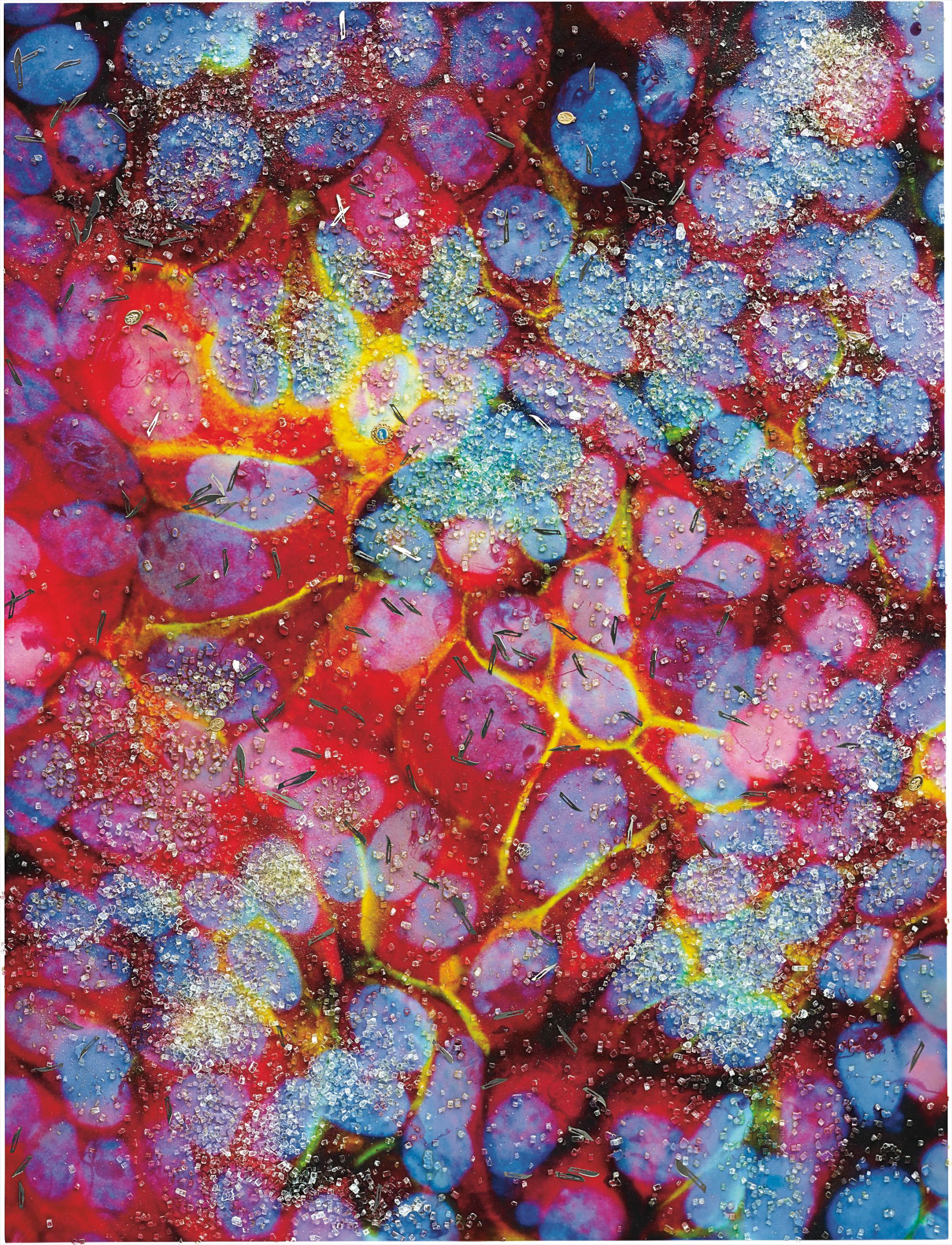
Thomas Ruff
Eclipse, 2004
Artists such as Thomas Ruff, who has worked across decades to interrogate the photographic image itself, have long understood that every photograph is a construction. Ruff's ongoing exploration of found imagery, archival material, and digitally generated pictures consistently asks what we mean when we say an image is real. His work appears in significant depth on The Collection, and it rewards careful attention precisely because it refuses comfortable answers. Museum exhibitions have played an enormous role in shaping how collectors and critics understand this field.
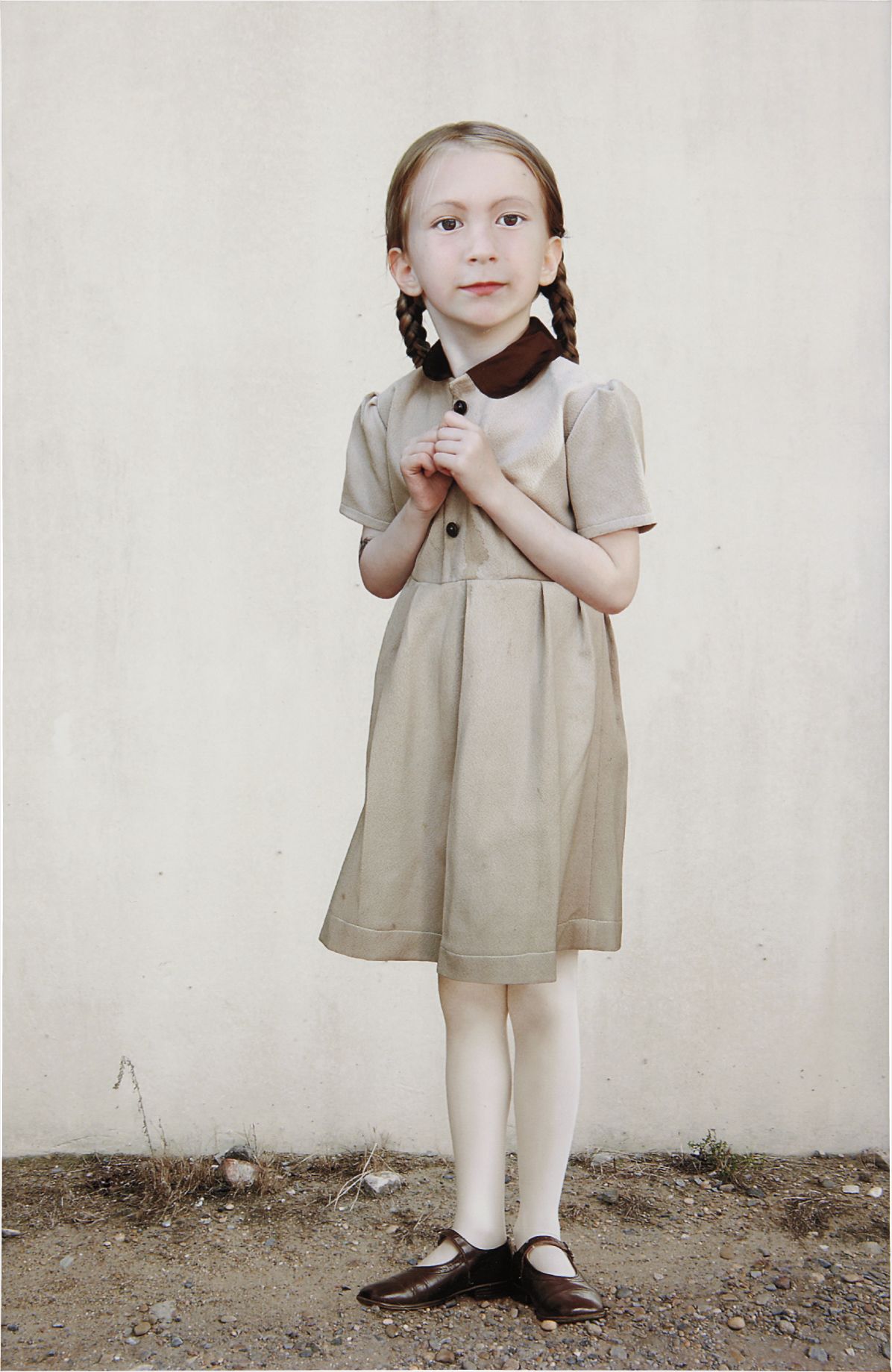
The Museum of Modern Art in New York has returned to photography and digital image making repeatedly in its programming, and institutions like the Foam Photography Museum in Amsterdam and the Fotomuseum Winterthur in Switzerland have mounted shows that take digital practice seriously as both aesthetic and philosophical territory. Exhibitions dedicated to the work of Loretta Lux, whose meticulously constructed images of children occupy an unsettling space between painting and photography, helped establish her reputation in the early 2000s and continue to draw scholarly attention. Her small, exquisitely rendered works carry prices that reflect genuine rarity and sustained critical regard. The market appetite for digital photography is nuanced in ways that reward patient collectors.
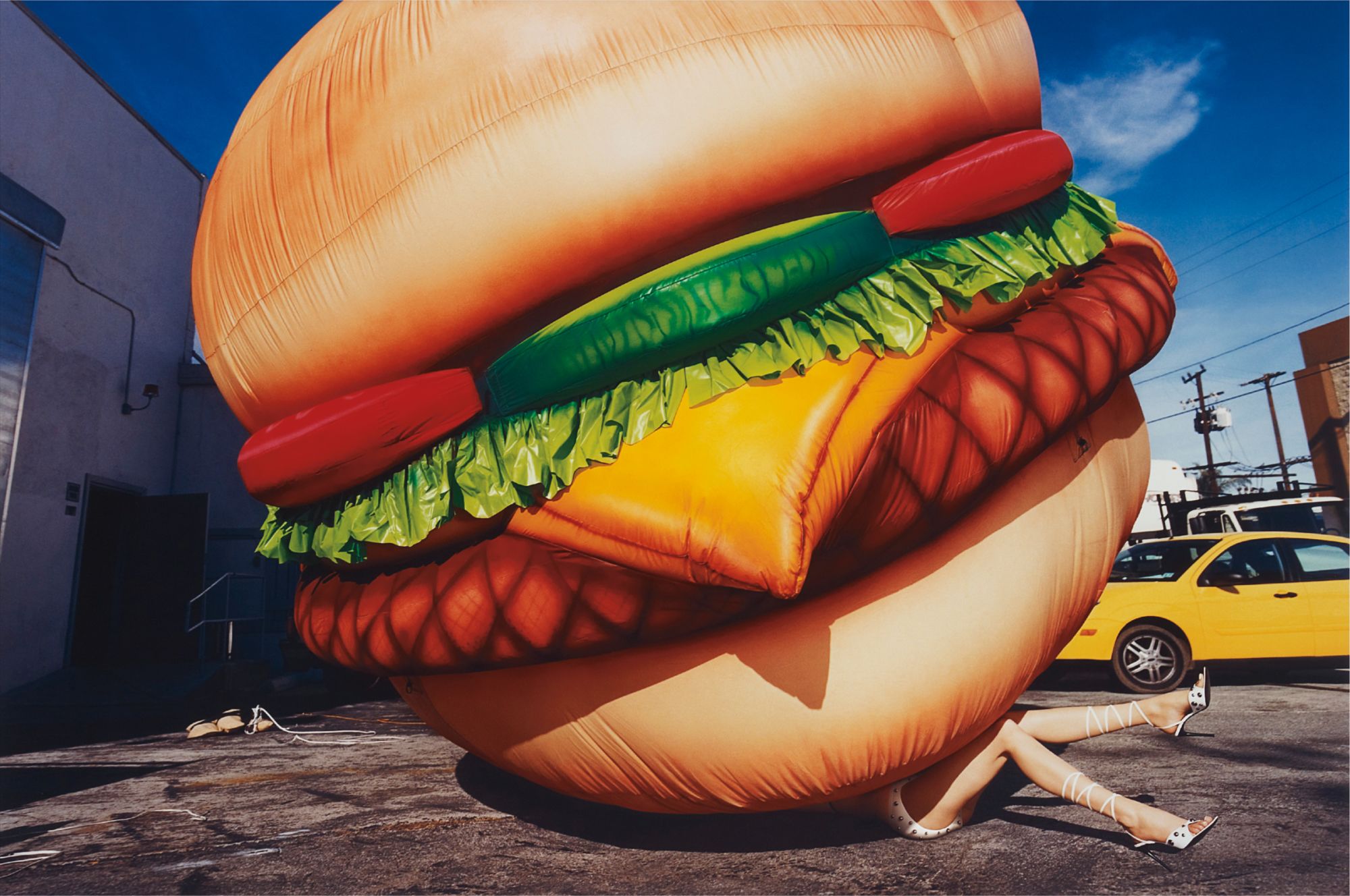
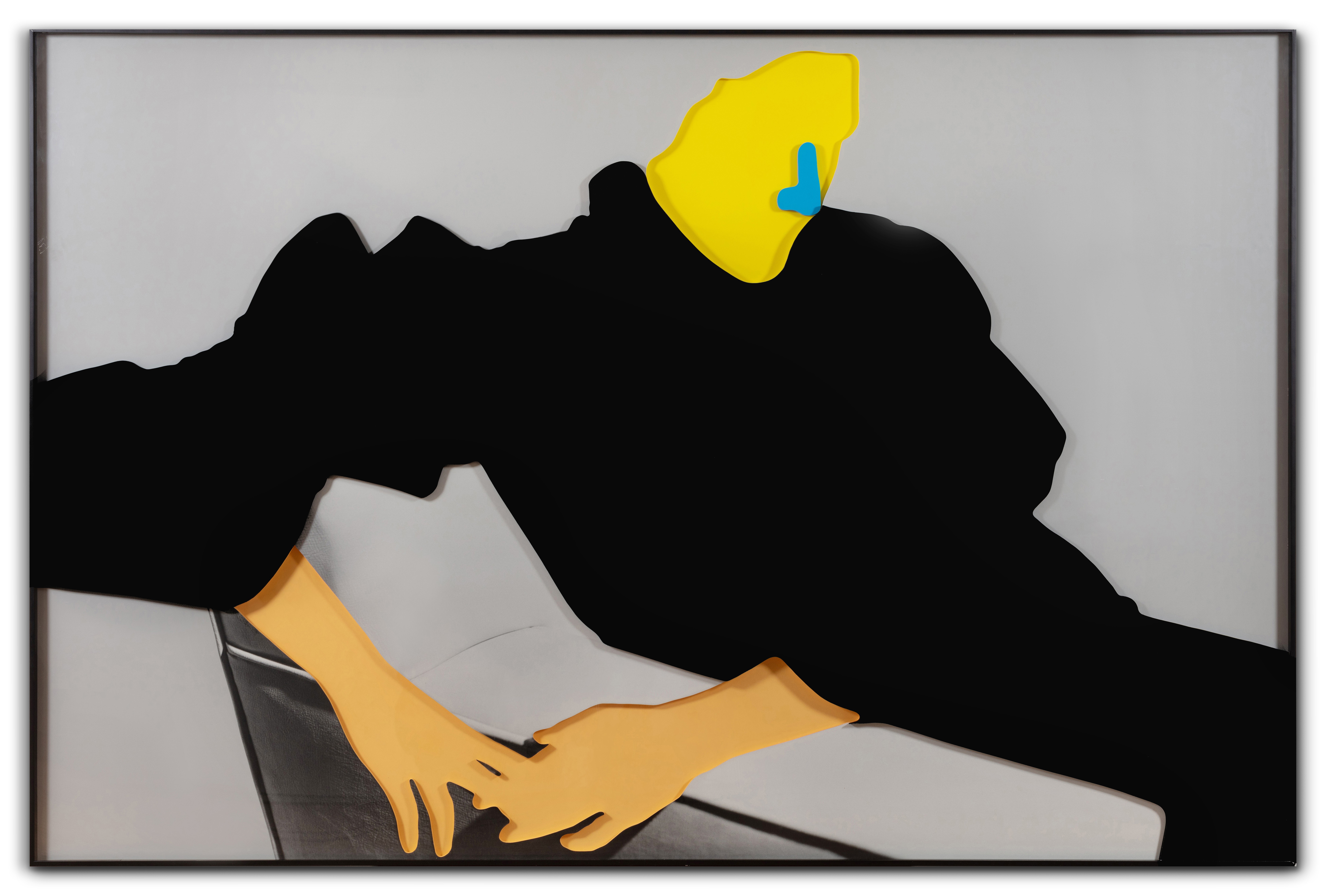
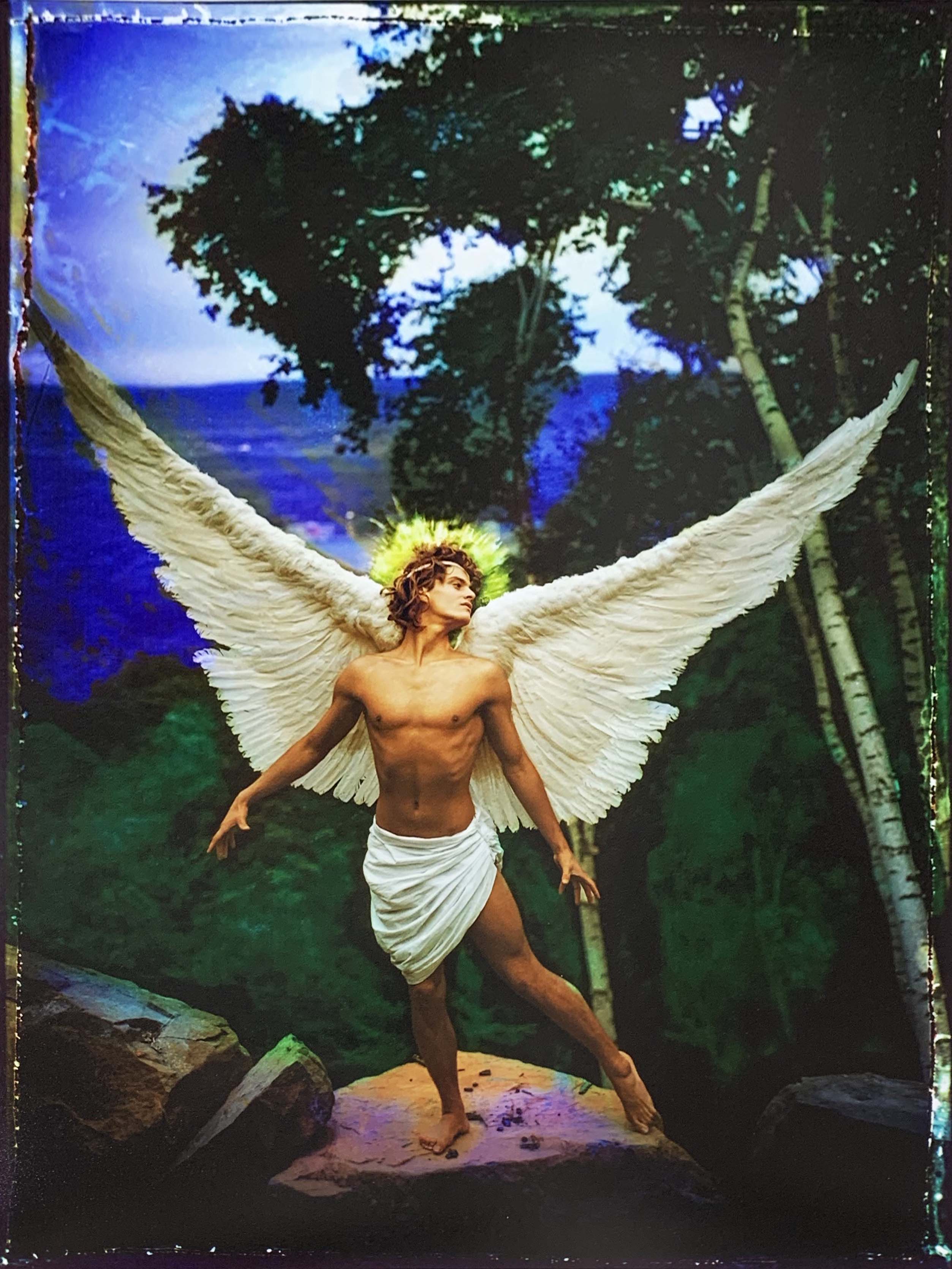
David LaChapelle
Death by Hamburger
Artists who made the move to large format digital printing early and who worked with labs capable of exceptional output have held their value well. Ruud van Empel, whose composite images of children in fantastical natural settings blur the line between photography and digital painting, commands serious prices at auction. David LaChapelle, whose work sits at the intersection of commercial spectacle and fine art ambition, has been the subject of major retrospectives including a touring exhibition that brought his saturated, elaborate tableaux to audiences across Europe and the United States. His prices reflect both his popular recognition and the genuine scale and production complexity of his prints.
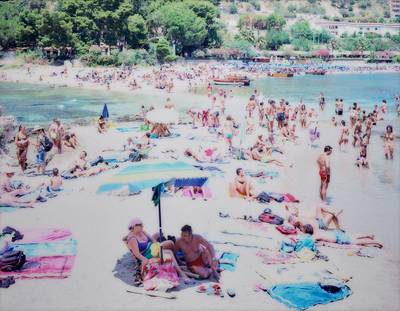
Desirée Dolron's work, luminous and painterly in its handling of light, has drawn comparisons to Dutch Golden Age painting and found a devoted collector base willing to pay accordingly. Institutional collecting in this space has become a meaningful signal of critical seriousness. The Tate Modern, the Guggenheim, the San Francisco Museum of Modern Art, and the Los Angeles County Museum of Art have all built significant holdings in digital and digitally manipulated photography. When a work enters a major institutional collection it changes its market position in ways that are real and lasting.
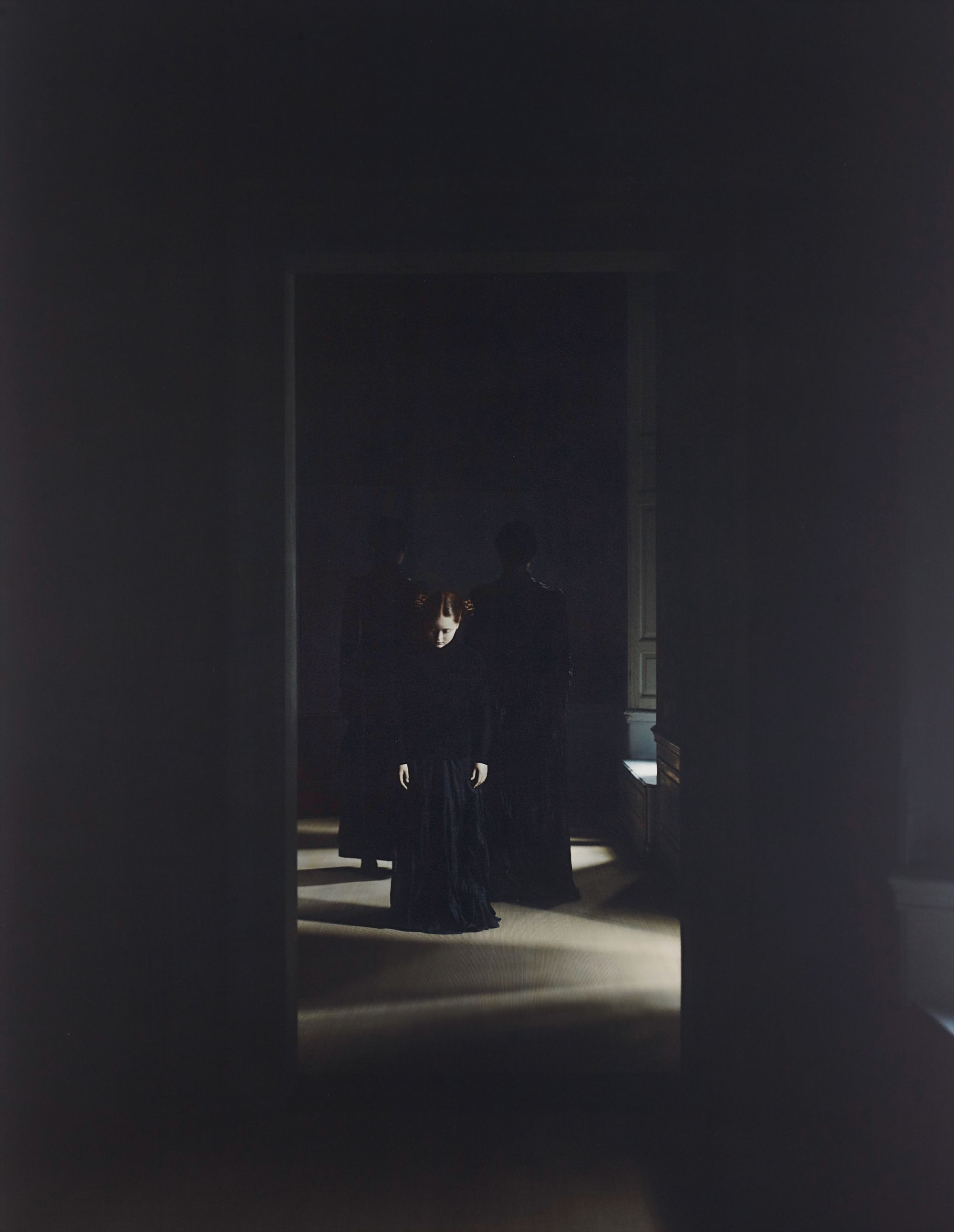
Desirée Dolron
Xteriors I
Collectors paying attention to acquisition announcements at these institutions have found useful guidance. The presence of artists like Lorna Simpson and Paul Mpagi Sepuya in major museum collections speaks to the expanding conversation around whose image making is considered central to the history of photography, and the market has followed that critical recalibration with increasing conviction. The critical literature shaping how we understand digital photography draws from a usefully wide range of sources. The essays of Geoffrey Batchen, who has written thoughtfully about photography's relationship to memory and materiality, remain essential.
The work of curator and writer Charlotte Cotton, particularly her book The Photograph as Contemporary Art, gave many collectors a framework for understanding why so much contemporary practice resists easy categorization. Publications including Aperture, Foam Magazine, and the photography sections of Frieze and Artforum have consistently elevated artists working in this mode. Vik Muniz, whose work involves elaborate reconstructions of images from unusual materials before being photographed, has benefited from sustained critical attention in precisely these venues, and his work engages with questions of reproduction and value that feel urgently contemporary. What feels alive right now is the conversation happening around photography, technology, and the body.
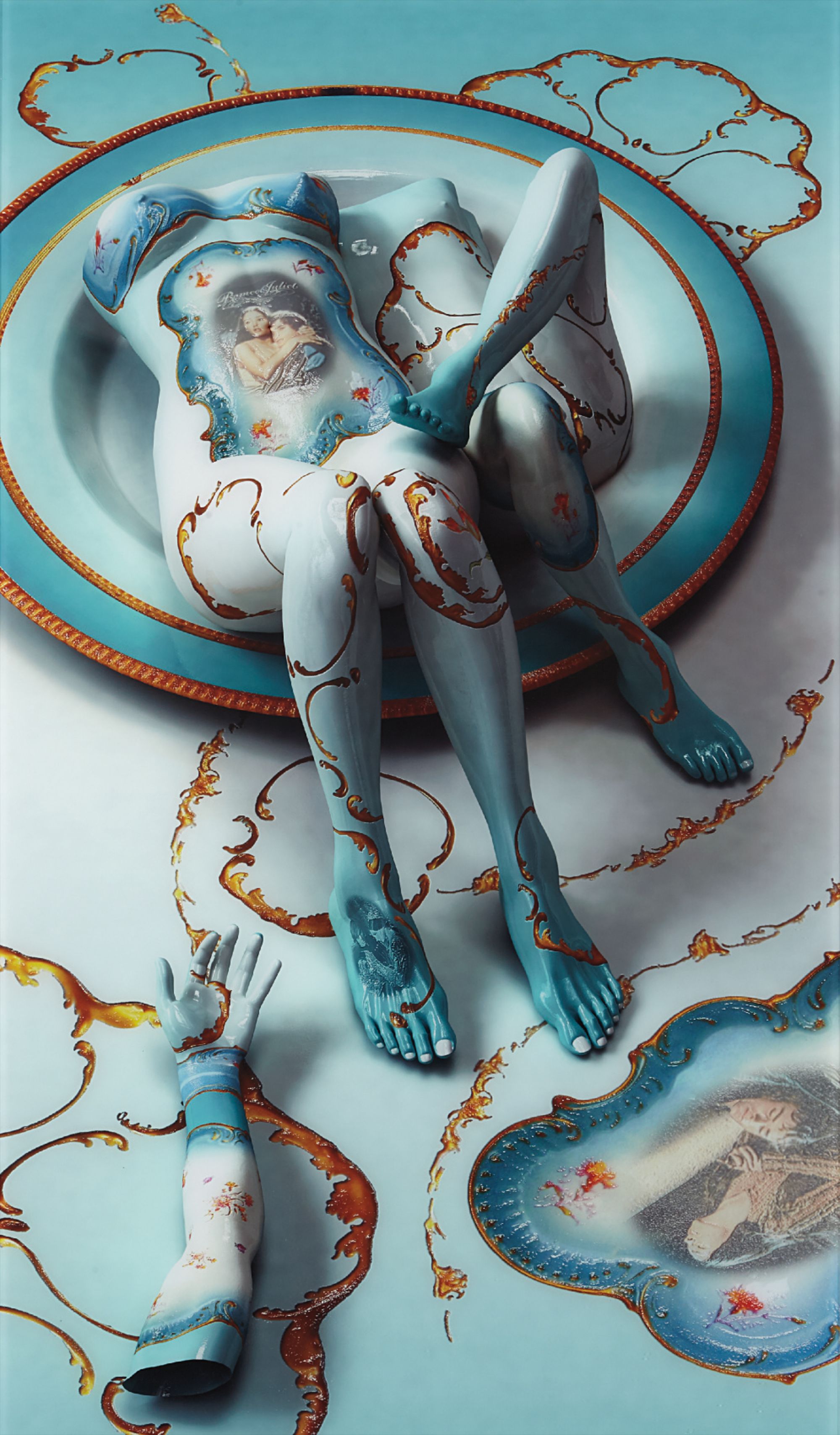
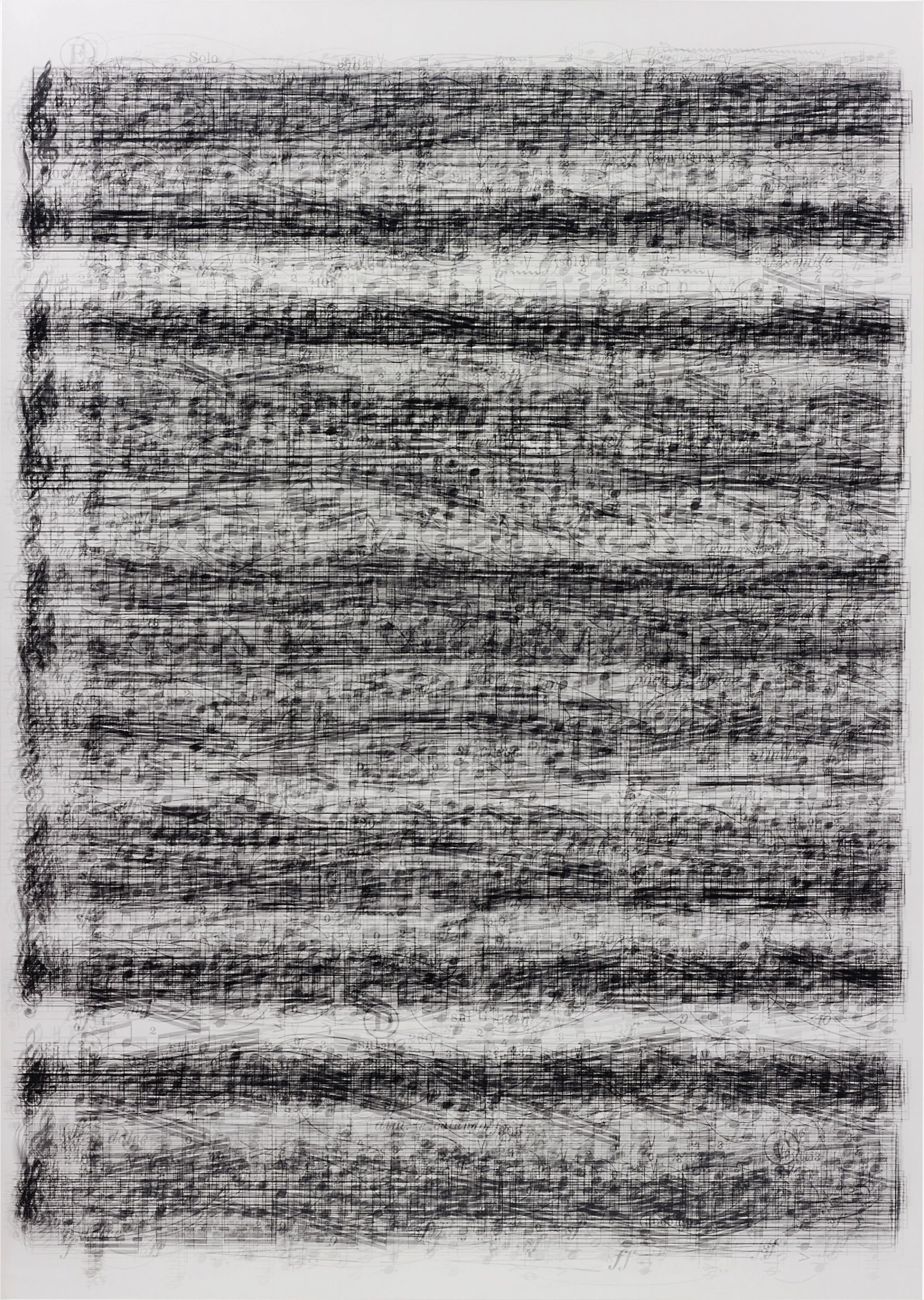
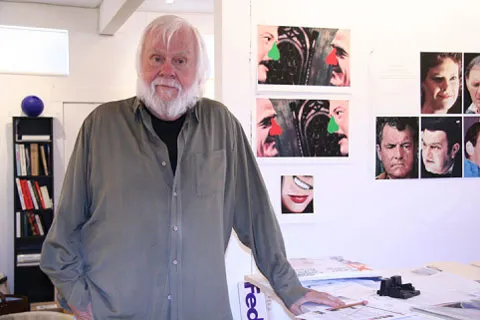
Kim Joon
Golden Hour- Romeo & Juliet
Artists like Richard Mosse, who has used military grade thermal imaging and infrared film to document humanitarian crises, are pushing the question of what digital imaging is ethically capable of and responsible for. Tyler Mitchell's photographs, warm and enveloping and indebted to a particular tradition of depicting Black life with joy and visual pleasure, have entered collections at extraordinary speed, and his debut exhibition at the ICP in New York confirmed what many already suspected. Kim Joon's digitally layered images, which map consumer culture and tattoo imagery onto the body, and Florian Maier Aichen's quietly strange landscapes occupy different ends of the same spectrum: images that look like photographs but feel like something else. The surprising development coming into clearer focus is the reassessment of work made in the 1990s and early 2000s, when digital tools were new and artists were using them with a kind of speculative energy that the market has not yet fully rewarded.
Works from that period by artists now considered canonical are appearing at auction with more frequency, and the prices are moving. Collectors who understand the history and who can identify the works that genuinely pushed the medium forward will find themselves in an interesting position. Digital photography is no longer new, which means it can finally be properly understood as a history rather than just a horizon.