Neon
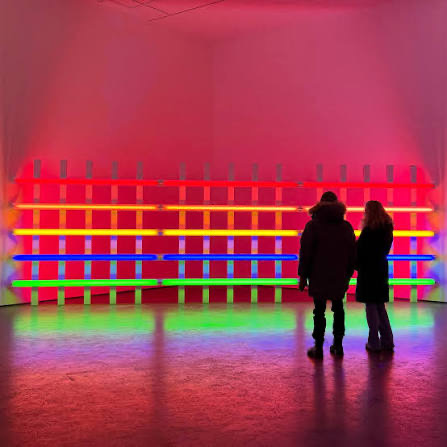
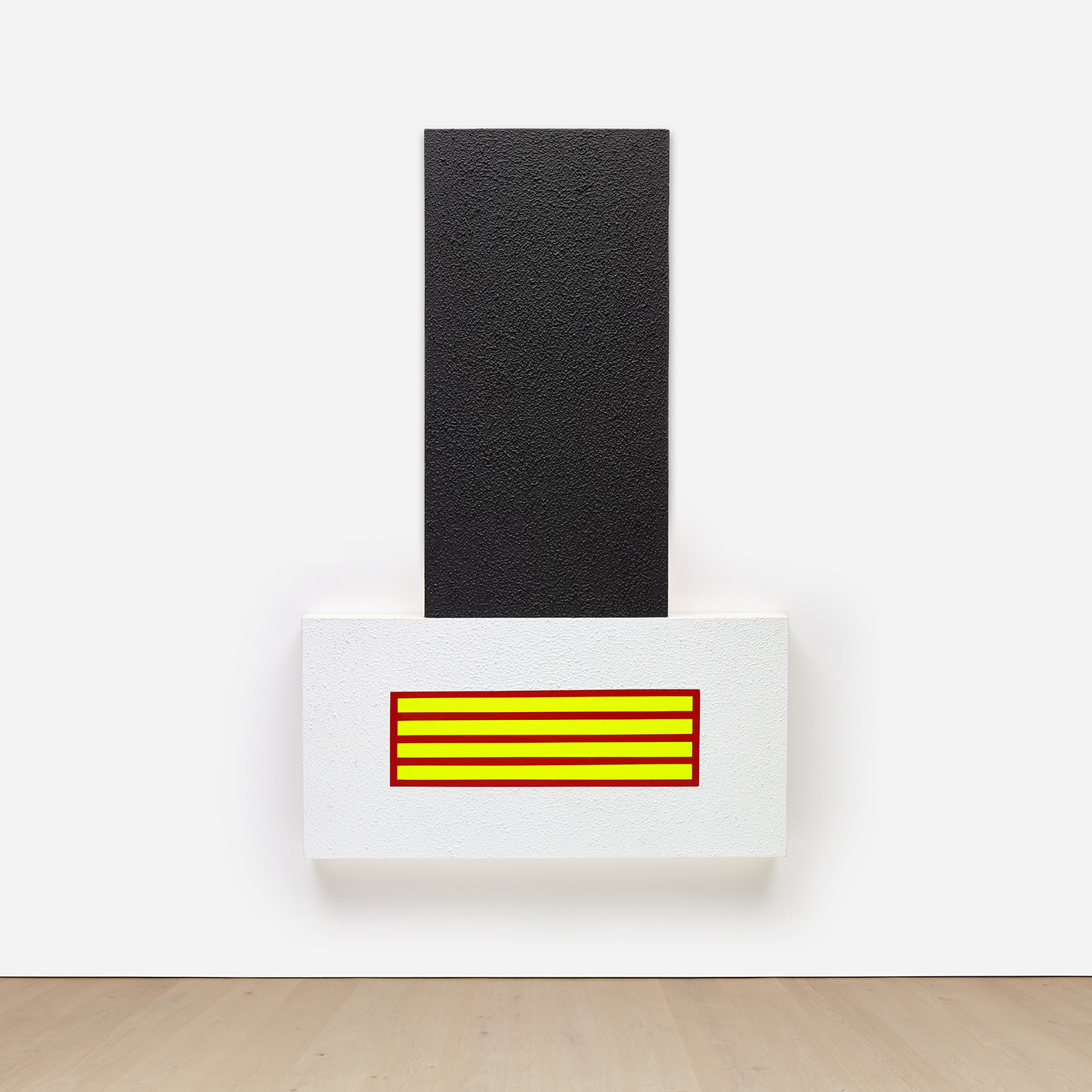
Dan Flavin
Grid, 2026




Neon's Glow Never Really Goes Cold
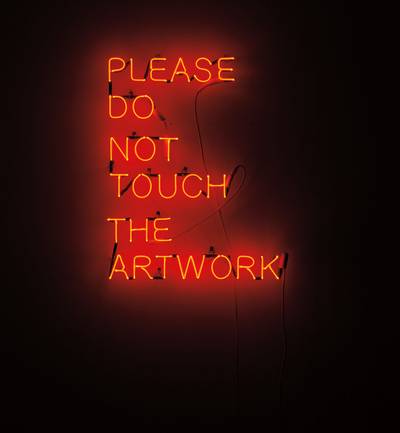
There is something almost primal about the draw of neon and light based work in a collection. You notice it in the way a room changes the moment a piece is switched on, how the atmosphere shifts, how guests stop mid conversation and turn toward the source. Collectors who live with light based art describe it differently from living with painting or sculpture. It breathes.
It occupies time as well as space. That quality, the sense of an artwork being genuinely alive in your home or your institution, is rare in any medium and nearly impossible to replicate. The appetite for this category has grown steadily over the past three decades, but it has never felt like a trend in the way that, say, zombie formalism did. Light work has roots in rigorous conceptual practice and in the materiality of industrial fabrication, which gives it a kind of durability as a collecting category.
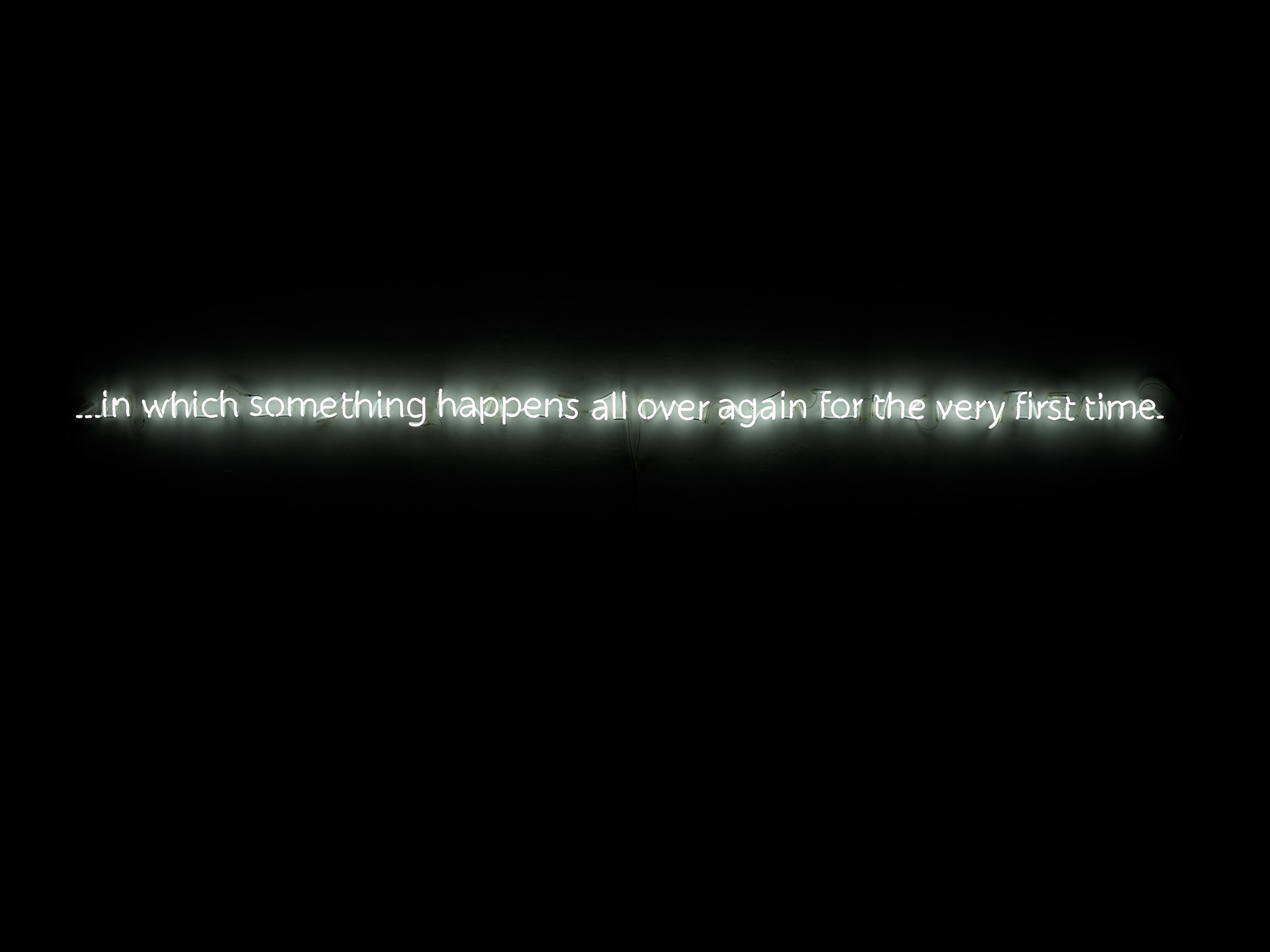
Joseph Kosuth
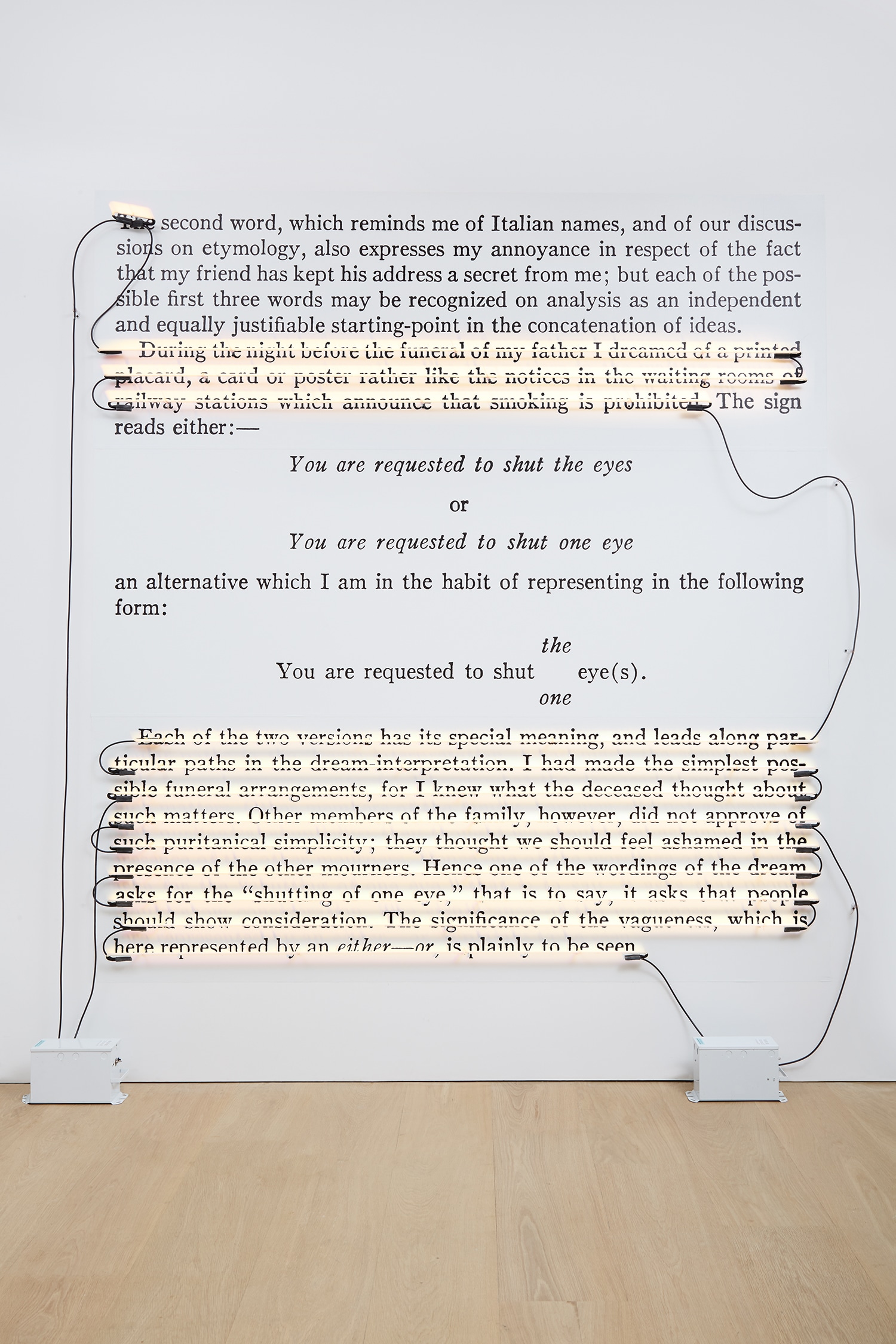
Word, Sentence, Paragraph (Z. & N.) #16
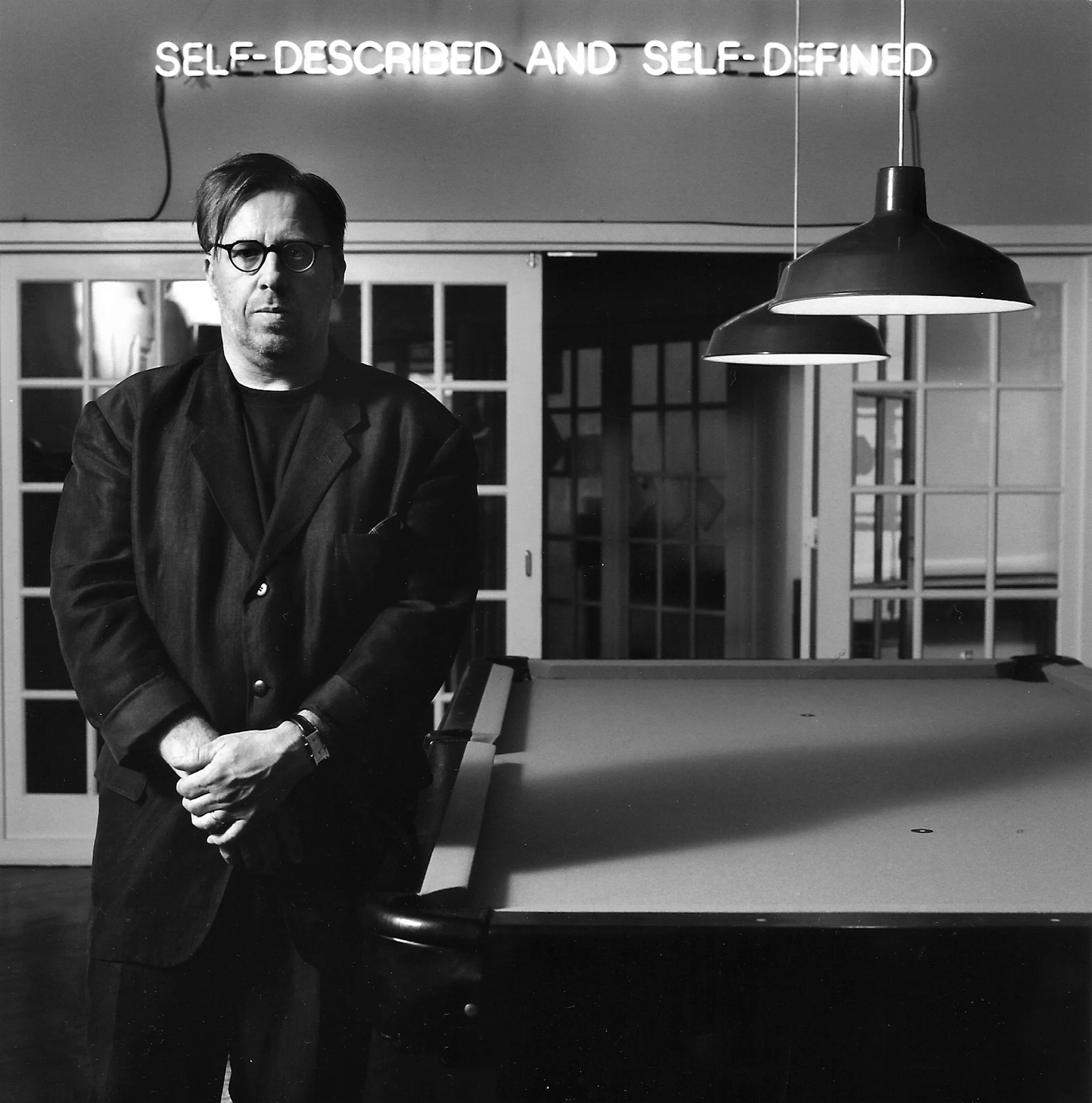
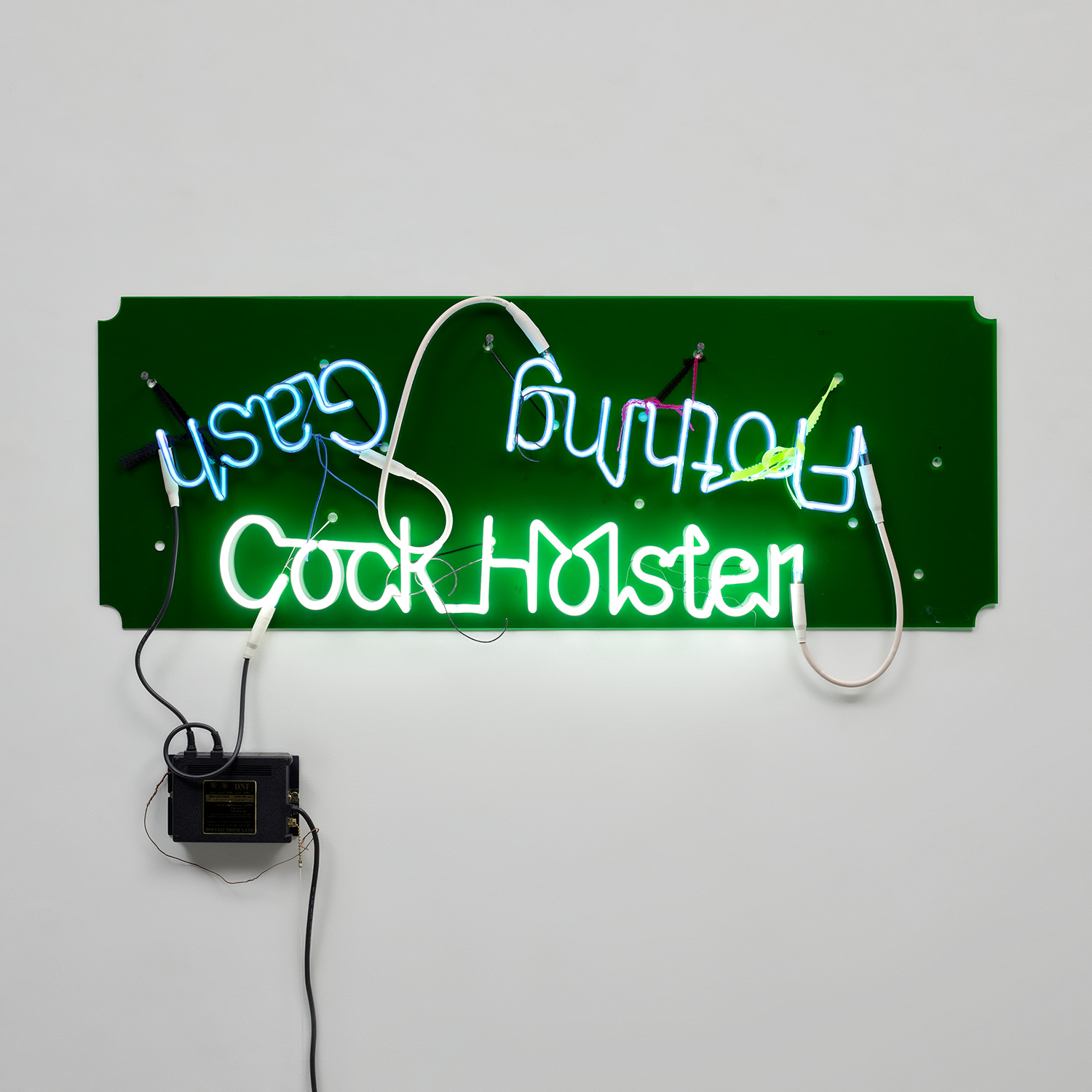
Collectors who came to it through Dan Flavin's cool fluorescent structures or through the language based neons of Joseph Kosuth found themselves returning again and again, broadening outward to artists whose work is formally and philosophically adjacent. Once you understand what electrified glass tubing can hold conceptually, the medium becomes almost inexhaustible. What separates a good neon work from a great one is almost always the same thing that separates good work from great work in any medium: the degree to which form and idea are inseparable. A great neon piece is not a slogan made luminous, not decoration with a voltage.
The light has to be doing conceptual work. In Cerith Wyn Evans's practice, for example, the text and structural forms he deploys in neon feel genuinely necessary to the inquiry, not illustrative of it. Similarly, Tavares Strachan uses light as a medium of cosmological thinking, linking illumination to ideas about visibility, knowledge, and who gets to be seen. When you are evaluating a work, ask yourself whether the piece could exist in any other medium and still mean the same thing.
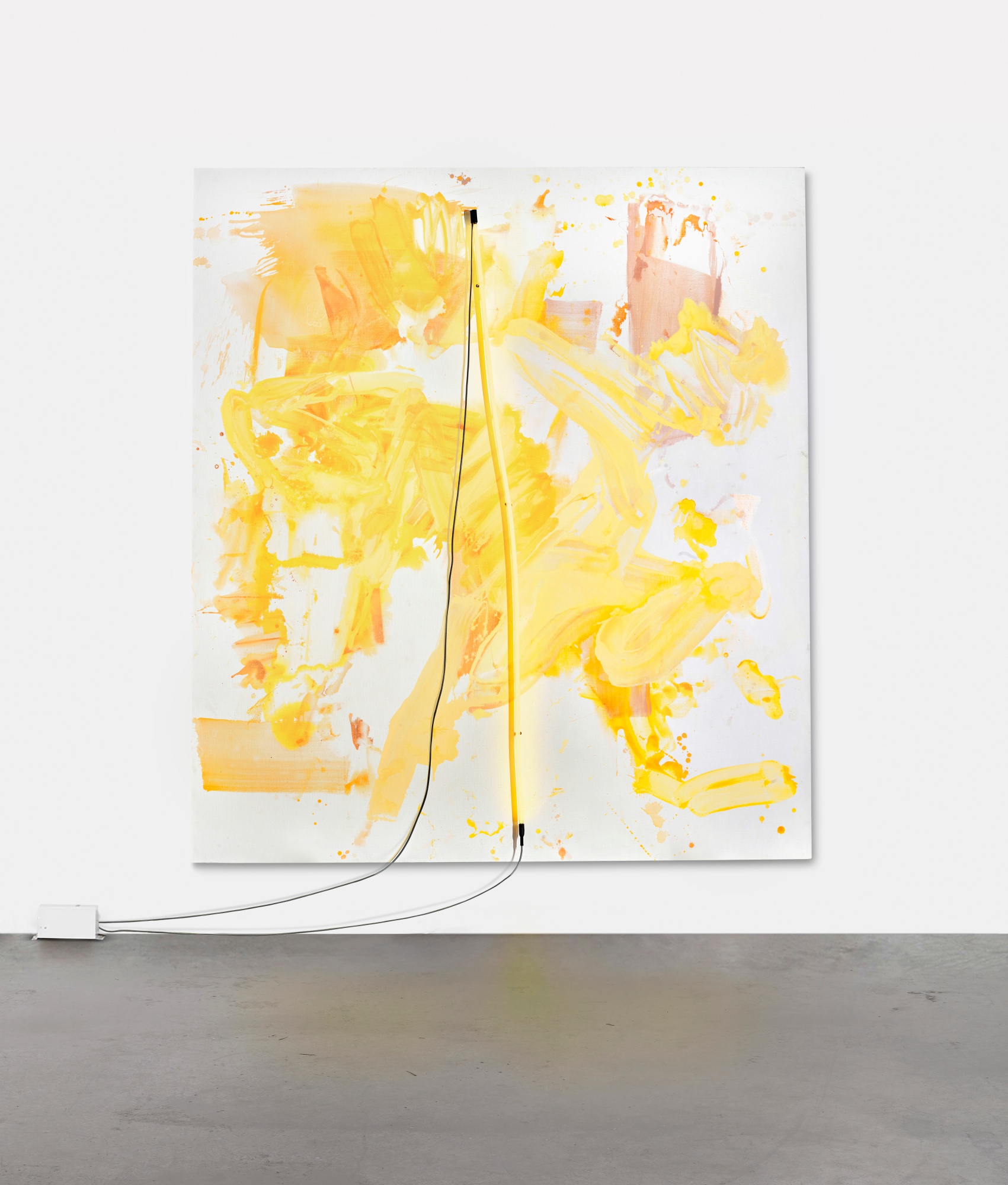
Martin Creed
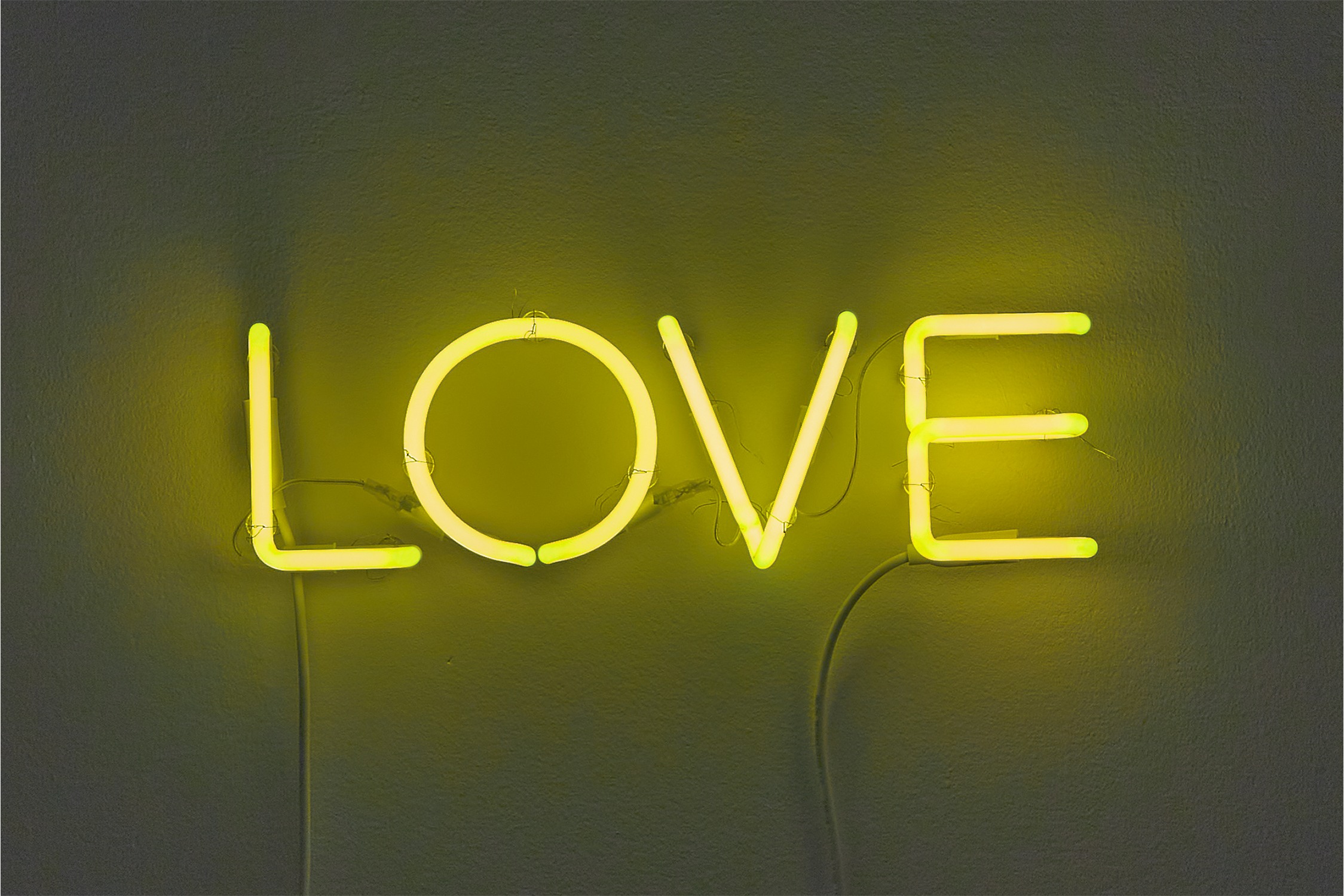
Work No. 379; LOVE, 2004
If the answer is yes, think carefully before committing. Within the artists well represented on The Collection, a few stand out as particularly strong long term propositions. Bruce Nauman's neon works occupy a position in art history that is essentially unassailable. His pieces from the late 1960s onward, including the famous window or wall sign works, set the terms for much of what followed in text based neon art.
Holding even a single Nauman neon from his mature period is the kind of foundational move that serious collections are built around. Glenn Ligon's neon pieces extend his long investigation into language, race, and legibility into an electrified register that feels urgent in every political climate, not just the present one. His works tend to hold value with impressive consistency on the secondary market, and demand from institutional buyers keeps the floor firm. Martin Creed's neon works, often deceptively simple in their verbal construction, reward prolonged attention.
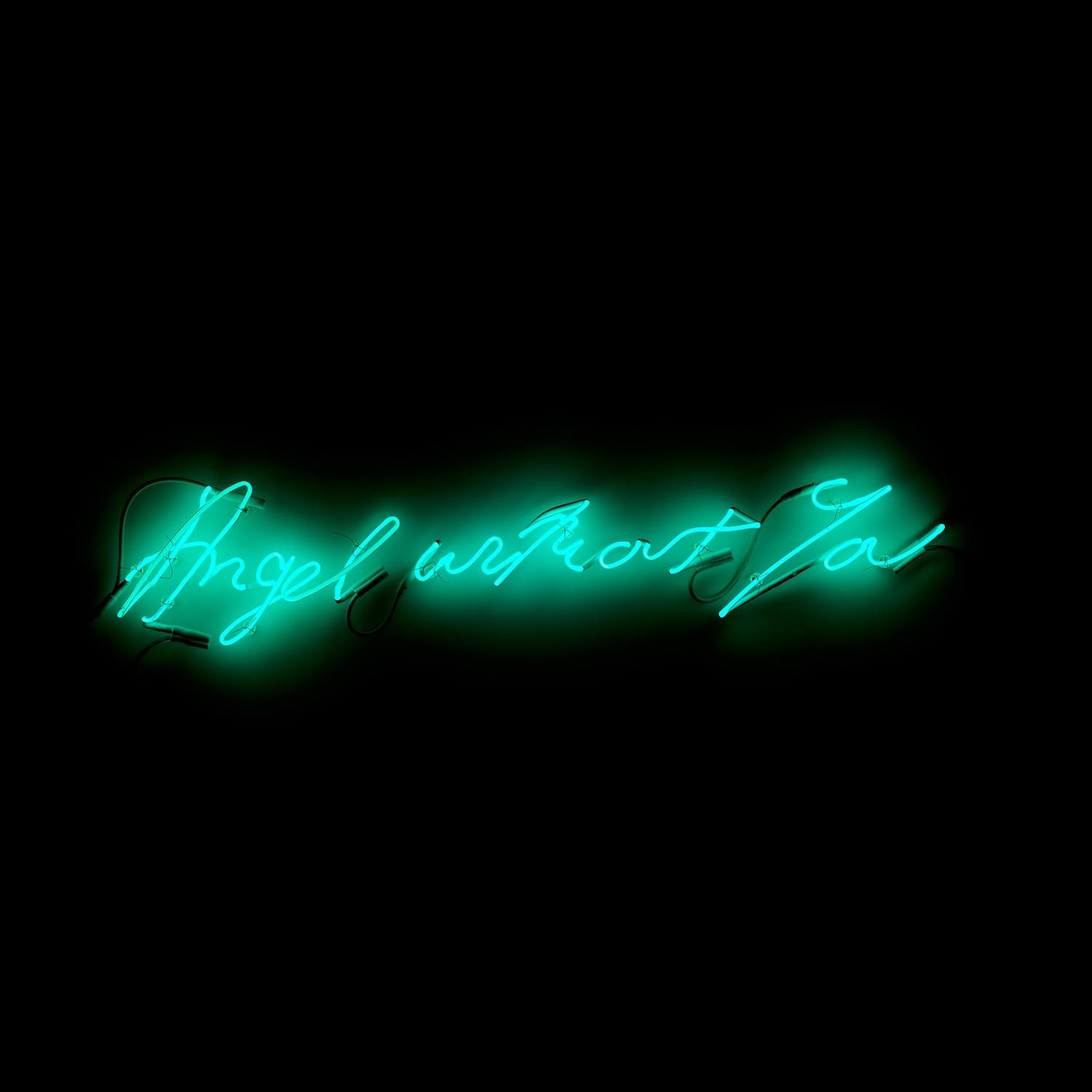
Iván Navarro
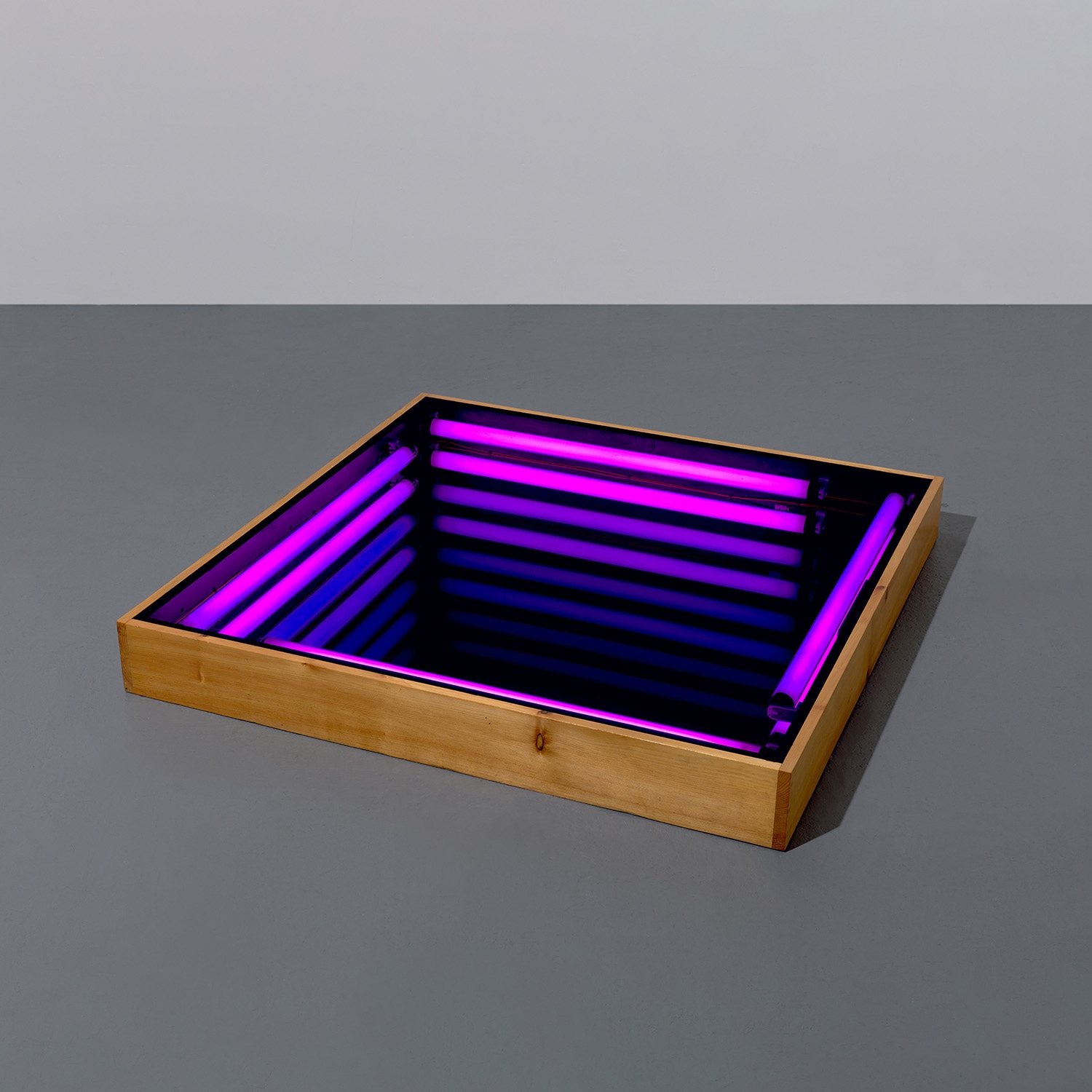
Black Hole of Light
The apparent simplicity is the point, and experienced collectors have learned to trust that quality. For collectors looking further along the risk and reward spectrum, Iván Navarro is a genuinely compelling proposition. His mirror and neon structures create vertiginous illusions of depth that feel absolutely singular, and while his market has developed considerably, there remains room for appreciation as institutional recognition deepens. Jeppe Hein occupies a different but equally interesting space, bringing a participatory quality to light based installation that connects him to relational aesthetics while keeping the work formally disciplined.
Chris Bracey, who spent decades fabricating neon signs for the entertainment industry before his work entered the gallery context, produced pieces that carry a kind of found cultural memory alongside genuine formal invention. His estate continues to manage a limited body of work, and scarcity alone gives collectors reason to pay attention. At auction, light based works behave in ways that require some particular literacy to navigate. Condition is everything, and provenance matters more here than in almost any other medium because the fabrication history of a piece is part of its value.
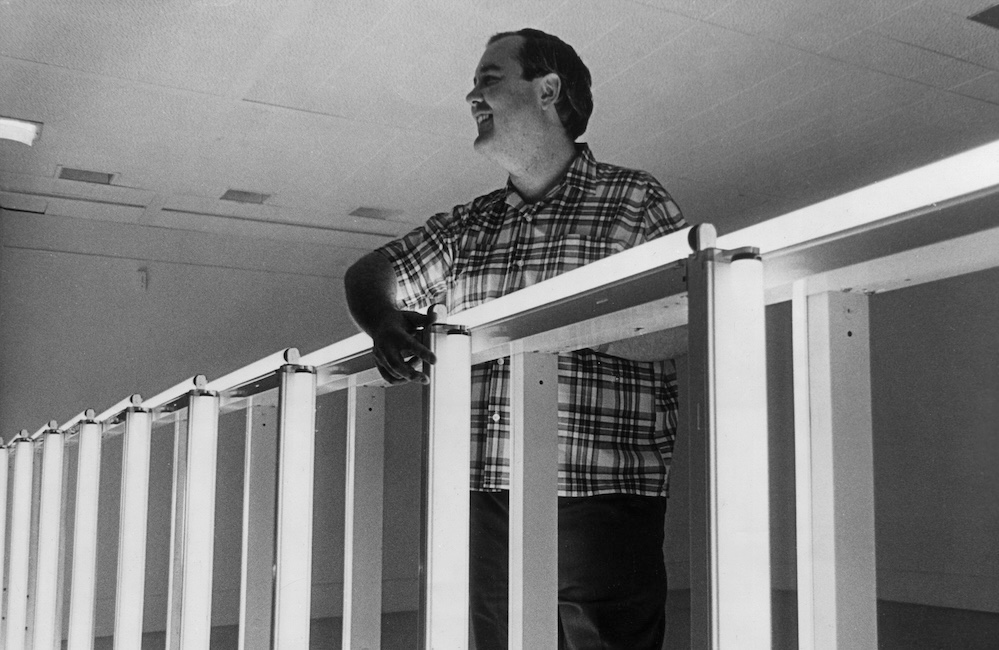
Dan Flavin
Grid, 2026
Neon tubes degrade over time and require servicing, which sounds like a liability but is actually manageable if the work comes with proper documentation. Before acquiring any neon or light based work, ask the gallery or auction house for a full condition report that includes the age of the tubes, whether they have been replaced, and whether the replacement was carried out by the original fabricator or an authorized studio. An original Dan Flavin installation, for instance, must use period appropriate fluorescent tubes, and the Flavin estate has historically been particular about this. Understanding that framework protects your investment.
Editions require their own kind of scrutiny. Many neon artists work in small editions, often with artist proofs, and the number in an edition affects resale dynamics significantly. A work from an edition of three sits in a very different market position than one from an edition of ten, and unique works sit above both. When speaking to a gallery, ask specifically about edition size, the total number of works including proofs, and whether any works from the edition have appeared at auction already and at what price.
This secondary market data, when it exists, is the most honest measure of where a work is trading. Display considerations are more complex with light based work than collectors sometimes anticipate. Most neon and LED based pieces require professional installation, and electrical requirements vary significantly. Wall depth, cable management, and the color temperature of ambient lighting in the room all affect how a work reads.
Some pieces are designed to be the sole light source in a space; others require darkness to achieve their intended effect. Knowing this before you hang the work is the difference between a transformative installation and a confused one. The best galleries and artist studios will provide an installation guide, and if they do not offer one, you should ask for it directly. The experience of living with a great light based work, one that shifts your sense of a room every time it powers on, is genuinely one of the more remarkable things collecting can offer.