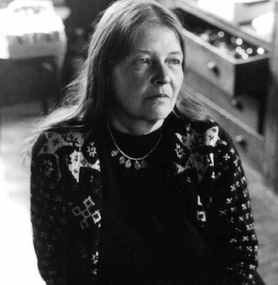
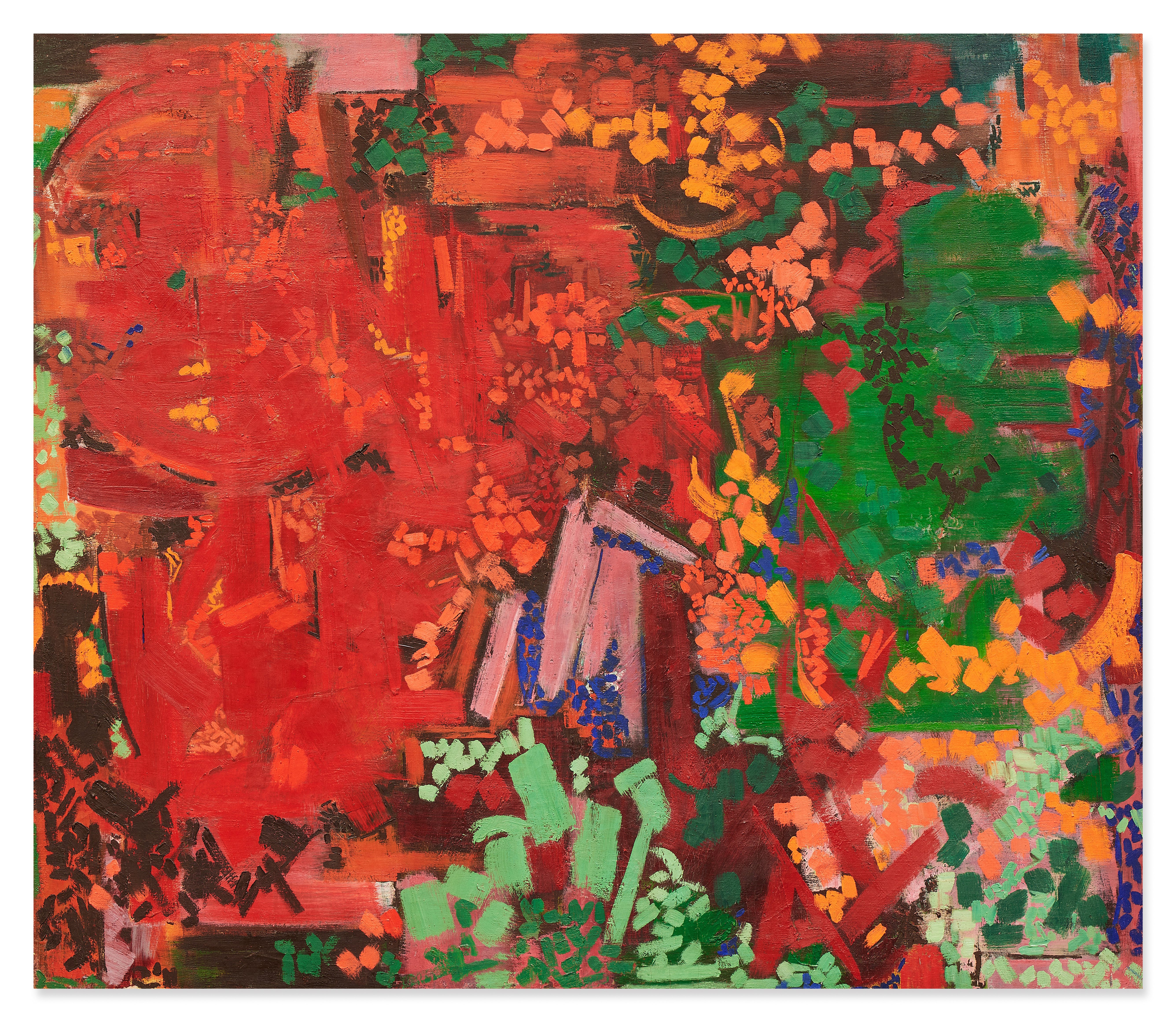
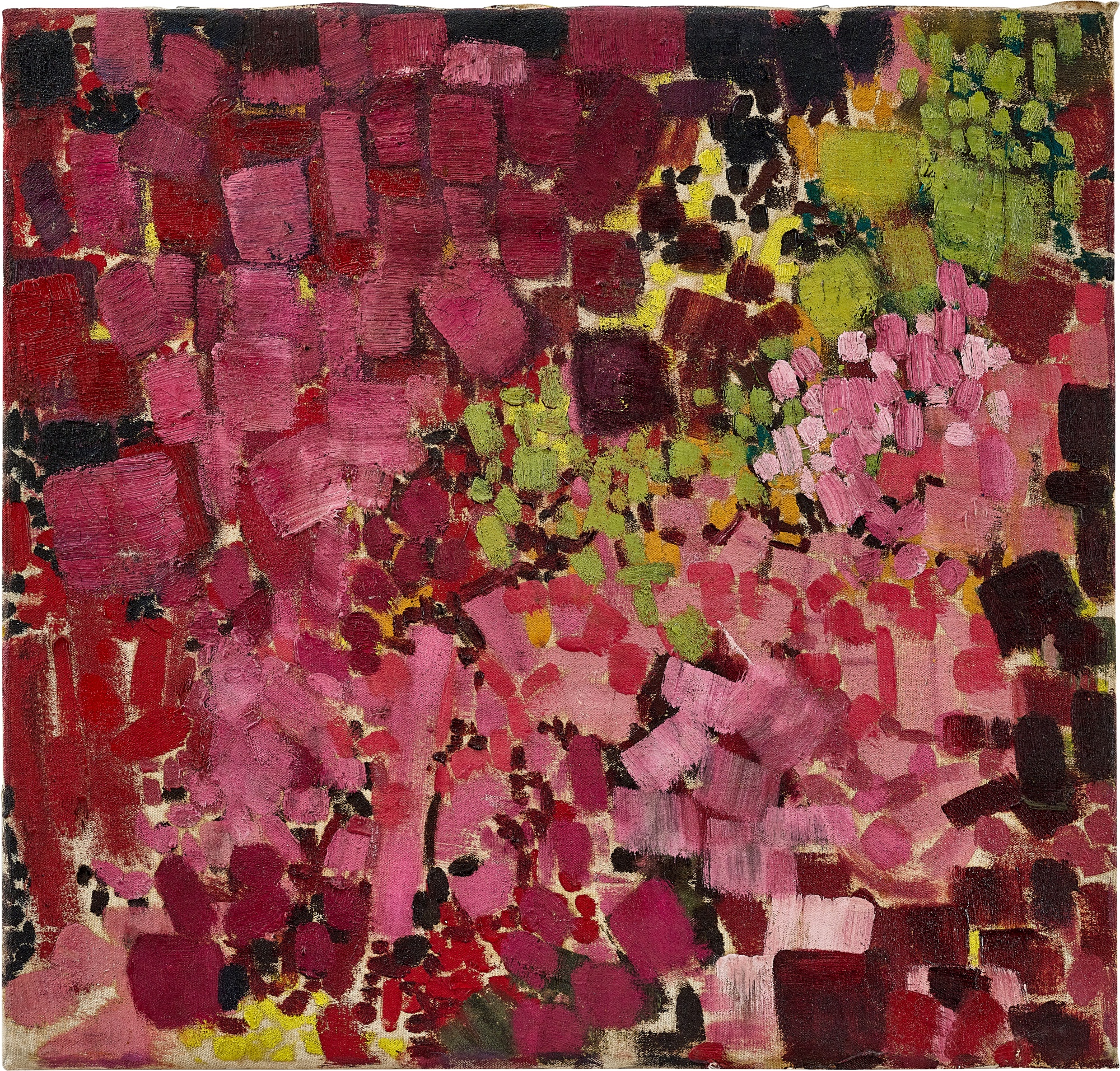
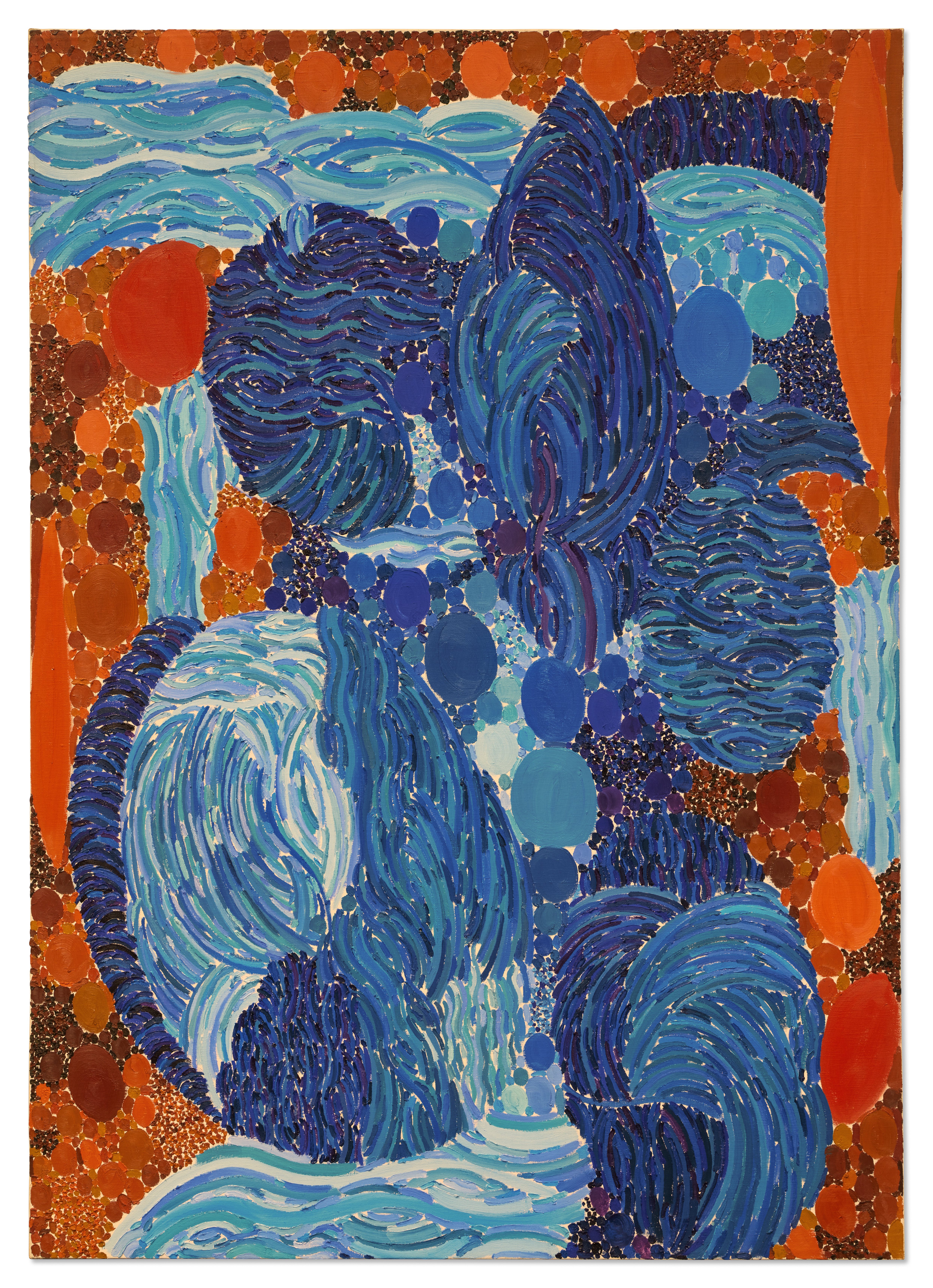
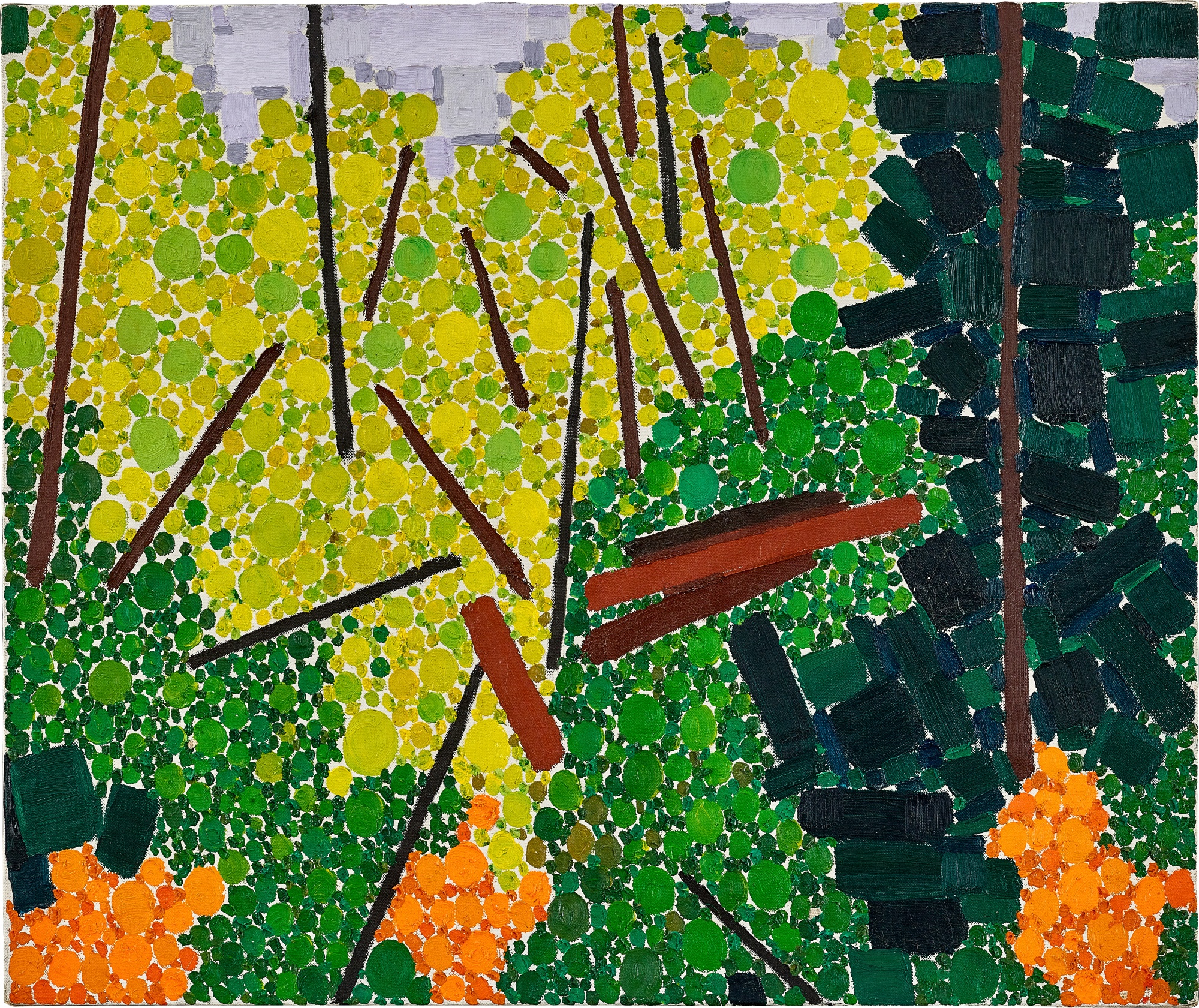
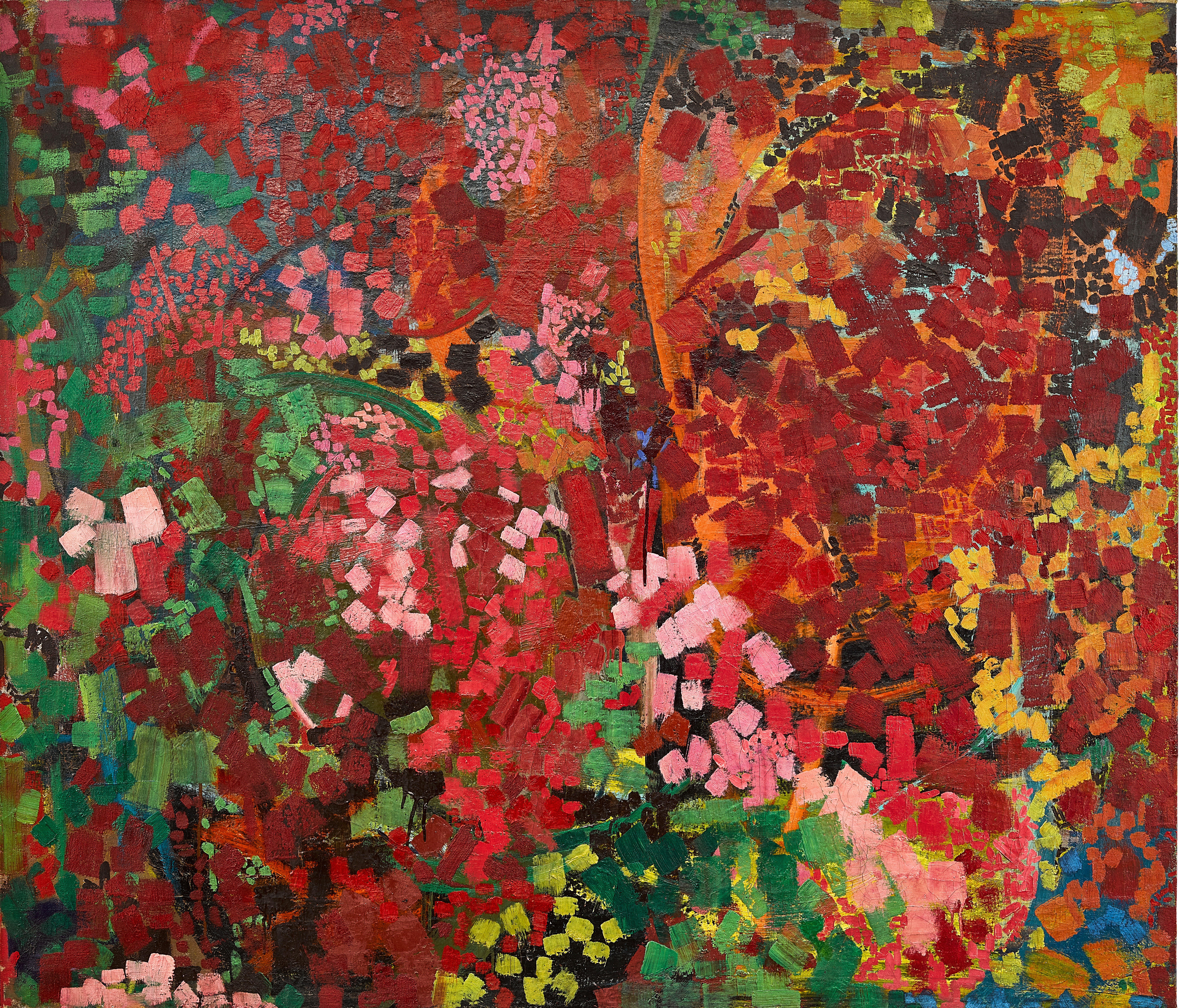
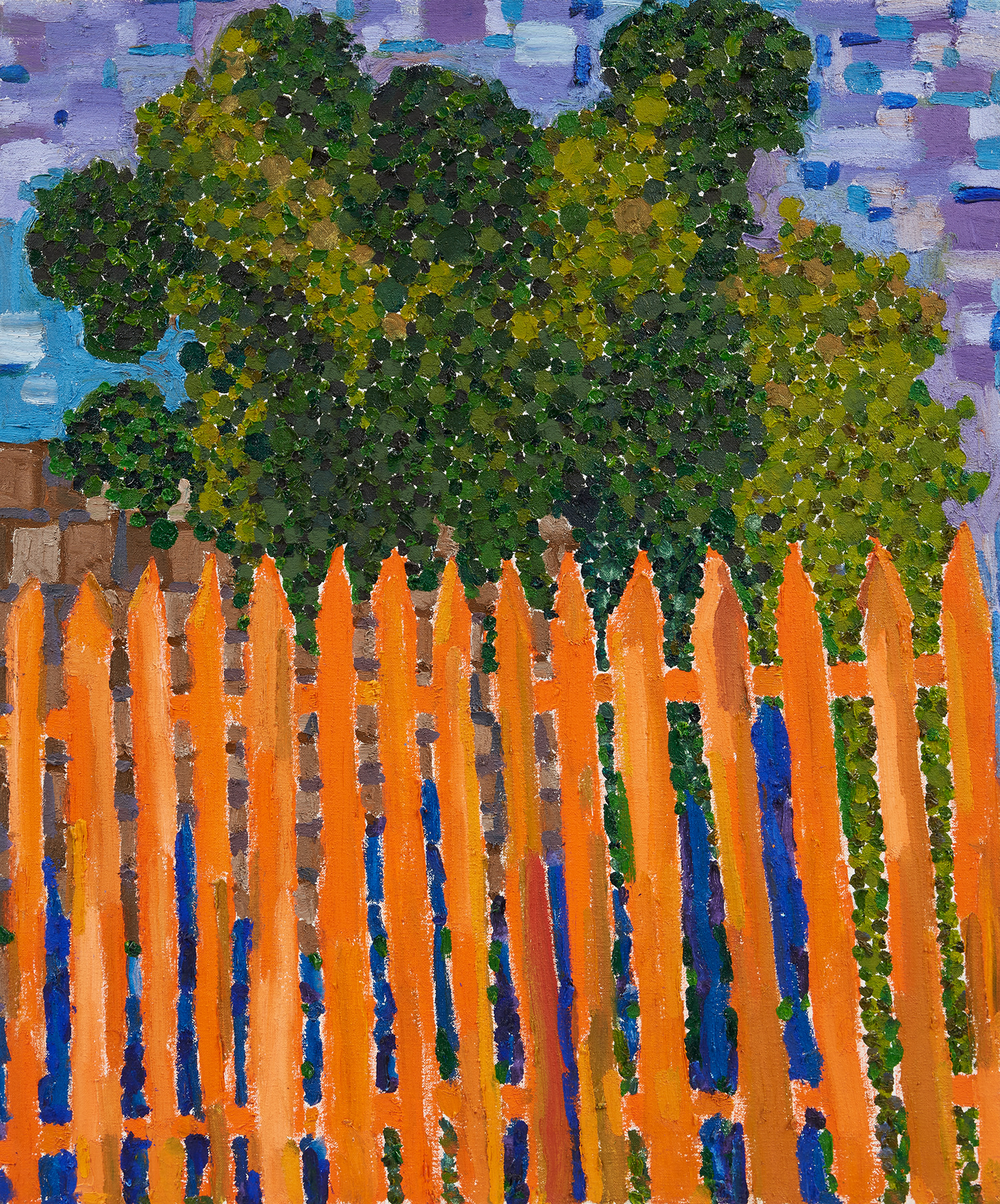
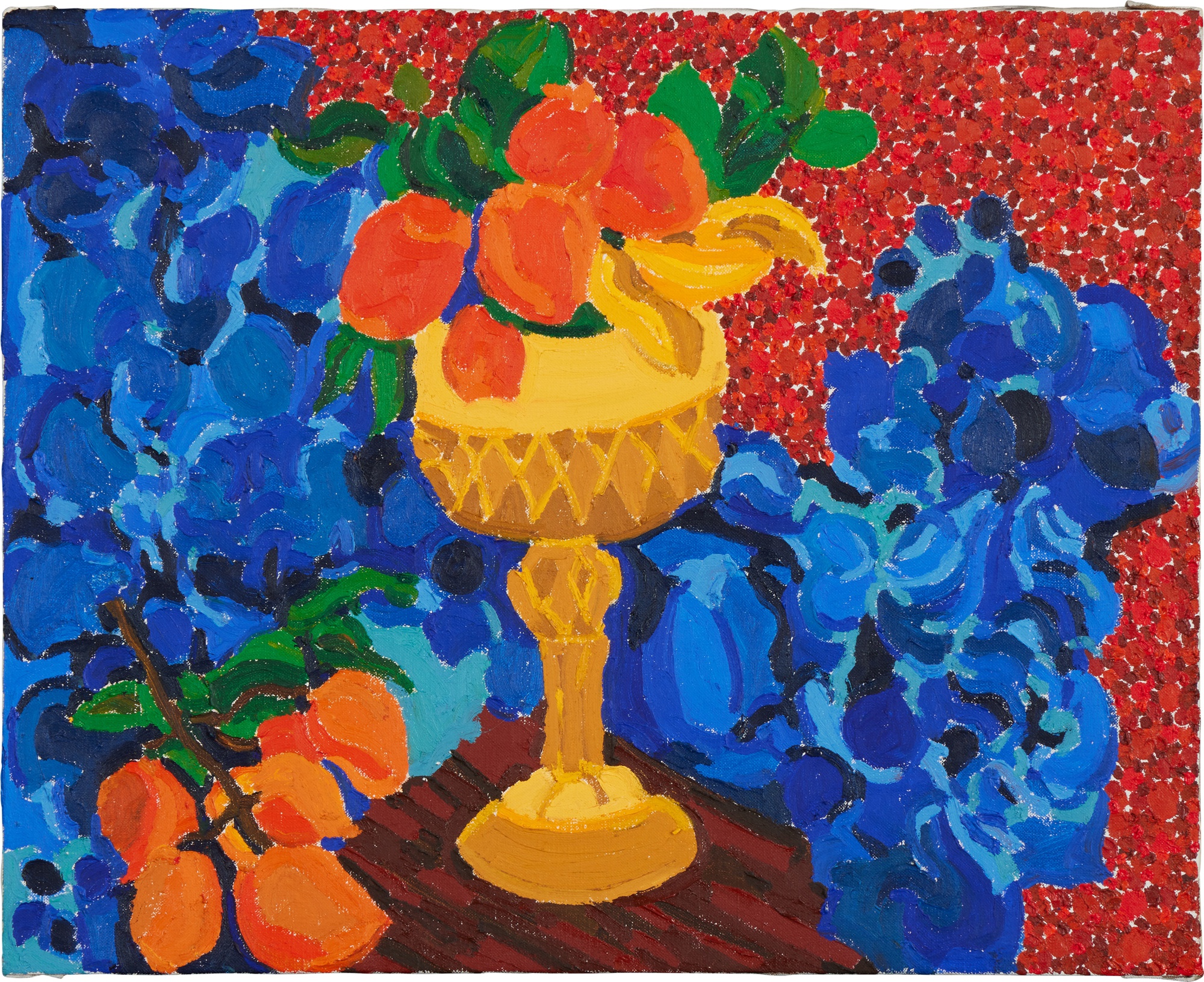
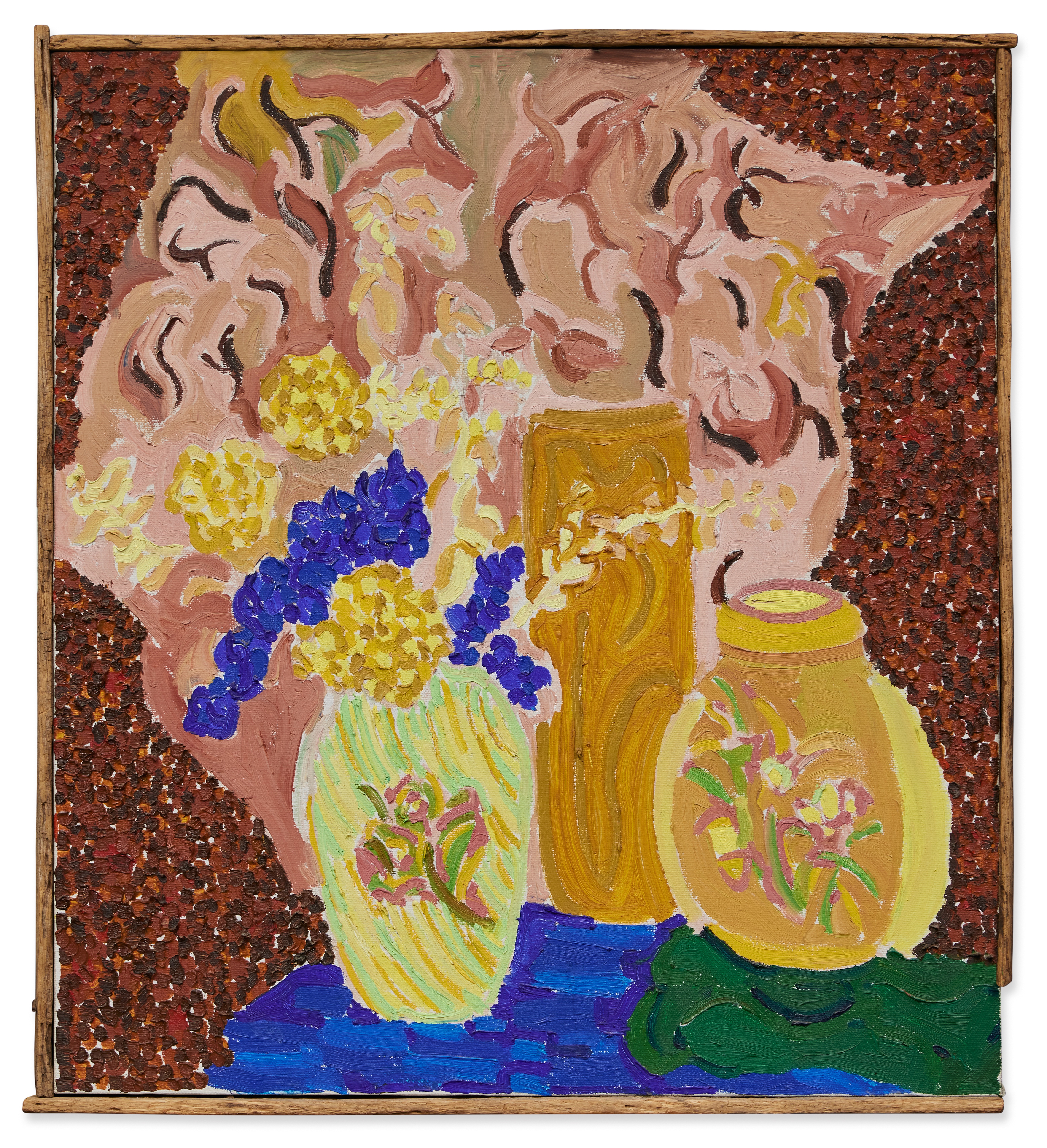
There is a particular kind of justice that arrives quietly, carried on the momentum of a market finally catching up to what a painting has always known about itself. In 2022 and 2023, auction houses including Christie's and Sotheby's began placing Lynne Drexler's canvases in front of rooms full of serious collectors, and the response was electric. Works that had long circulated in relative obscurity began achieving results that confirmed what a small circle of devoted admirers had understood for decades: Drexler was one of the most genuinely original colorists of mid century American abstraction, and the conversation around her legacy was only just beginning. Lynne Drexler was born in 1928 in Newport News, Virginia, a coastal city whose particular quality of light, the way sun fractures across tidal water and marsh, feels like a premonition of everything her paintings would eventually become. She studied at the College of William and Mary before making her way to New York, where she enrolled at the Art Students League and later pursued study under Hans Hofmann at his celebrated school. It was a formative alignment. Hofmann, the German born master who became one of the great teachers of American abstraction, was famously devoted to the concept of push and pull, the idea that color relationships create spatial tension and movement on a flat surface. Drexler absorbed this lesson with a thoroughness and personal intensity that would define her entire practice. What Drexler did with Hofmann's teachings was not imitation but transformation. Where Hofmann's own canvases often worked through bold rectangular planes of color, Drexler developed a vocabulary built from thousands upon thousands of small, individual brushstrokes, each one a discrete unit of pure pigment laid against its neighbors in dense, shimmering accumulation. The result was something that defied easy categorization. Her surfaces vibrate in ways that recall the late Impressionism of Monet's water lily series, but the structural intelligence underneath is unmistakably rooted in mid century American modernism. She was working in a space between traditions, fully belonging to both and reducible to neither. The arc of her development across the 1950s through the 1980s is extraordinary to trace. Early works such as New Kent and Matoaka Aflame, both from 1959, show an artist already in confident command of her sensibility, building luminous, intense fields of color from the landscapes and tidal environments of Virginia that she knew in her bones. By the 1970s, works like Reddish from 1970 demonstrate how fully she had internalized and then surpassed her influences, producing paintings that operate entirely on their own internal logic. Later canvases from the 1980s, including Sheets from 1981, Sunned Forest from 1988, and Material Background from 1989, reveal an artist deepening rather than repeating herself, finding new densities and rhythms within a practice she had built with extraordinary patience and commitment. On paper as well as canvas, Drexler's work rewards close attention. Works on paper from the early 1960s, including gouache compositions and works in wax crayon, demonstrate that her touch was just as assured at an intimate scale. These works matter to collectors not only for their beauty but for the insight they offer into her process, the way color relationships were discovered and tested before being carried into larger formats. A gouache on paper from 1960 or a wax crayon on construction paper from the same period is not a minor work in any meaningful sense. It is a window into the intelligence that powered everything else. For collectors entering this market now, the landscape is genuinely exciting. Drexler spent much of her later life on Monhegan Island, the remote Maine island that has long attracted painters drawn to its dramatic light and rugged landscape. Her relative withdrawal from the New York art world during these years contributed to her underrecognition during her lifetime, a circumstance that the current critical and market reassessment is vigorously correcting. Prices for strong examples of her oil paintings on canvas have moved meaningfully upward as a new generation of collectors and institutions has recognized the depth of her achievement. Works from the late 1950s and the 1980s in particular represent important moments in her development and appear with increasing frequency in serious private collections. In terms of art historical context, Drexler belongs to a generation of American painters whose contributions were obscured for too long by the dominant critical narratives of their era. Artists such as Joan Mitchell, Sonia Gechtoff, and Deborah Remington were working in adjacent territories, building rigorous, emotionally ambitious abstract practices that the market and the critical establishment were slow to honor. The broader reassessment of women painters from this generation has created both the critical language and the collector appetite to understand Drexler on her own terms, and the results of that reassessment have been thrilling. She stands comfortably in the company of the most important abstract painters of her generation. What ultimately makes Drexler matter, and what makes her paintings so compelling to live with, is the combination of intellectual rigor and genuine joy that pulses through every canvas. Her work does not ask to be admired from a distance. It asks to be stood before, slowly, until your own visual system begins to participate in the shimmer and the rhythm she constructed with such extraordinary care. For a collector who has the patience to look and the courage to trust their own response to a field of color, a Drexler is not simply an acquisition. It is a long conversation with one of the most singular sensibilities in American painting, one that rewards attention for as long as you are willing to give it.