Metallic
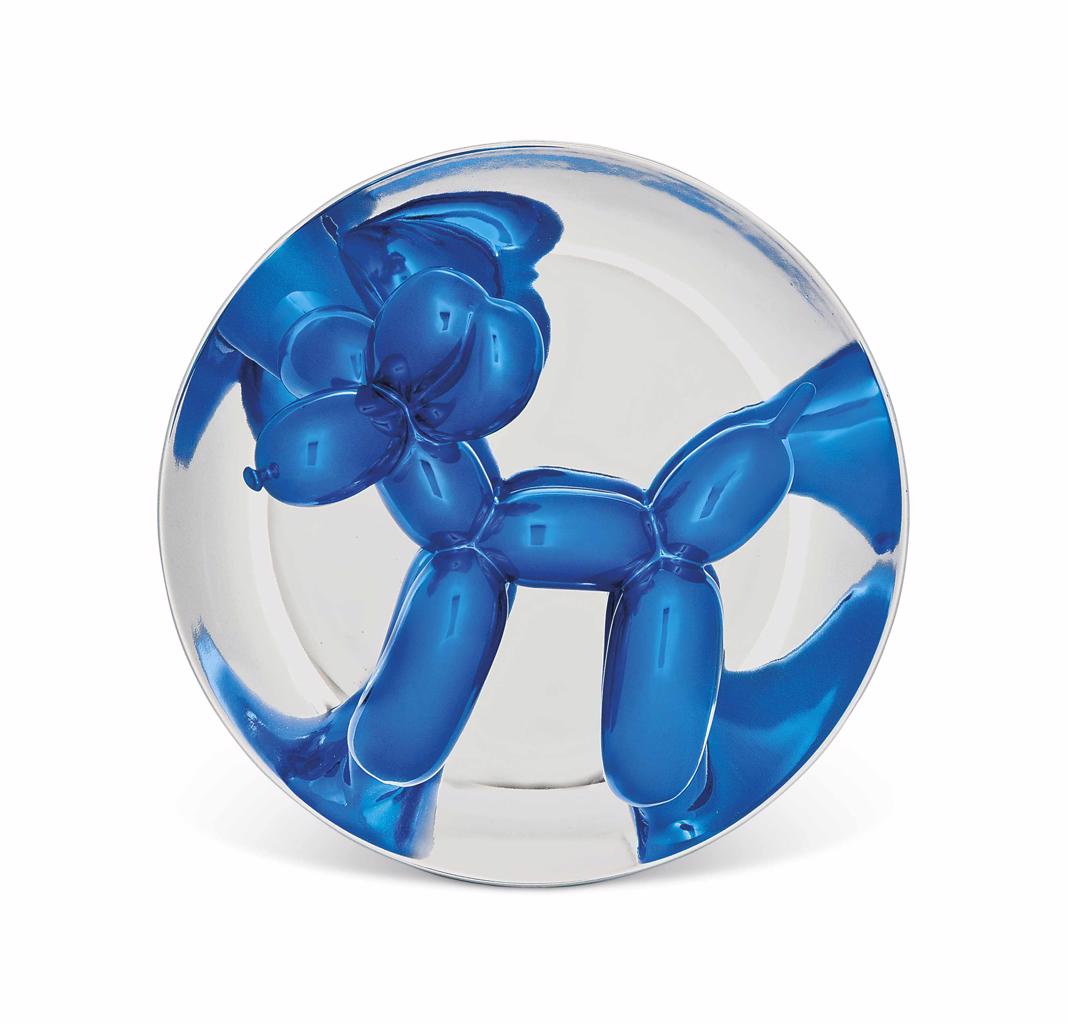
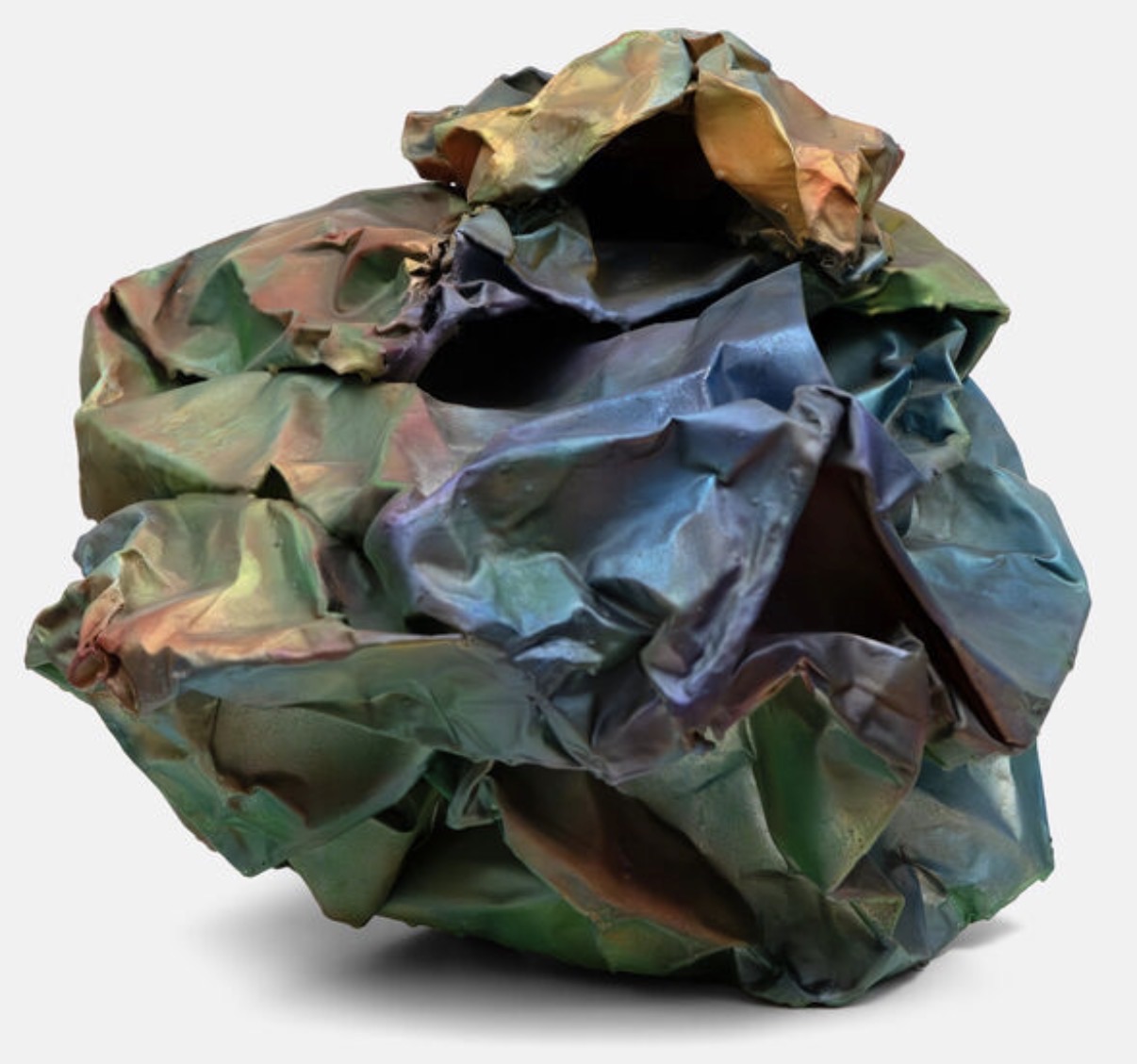
Jeff Koons
Blue Balloon Dog, 2002
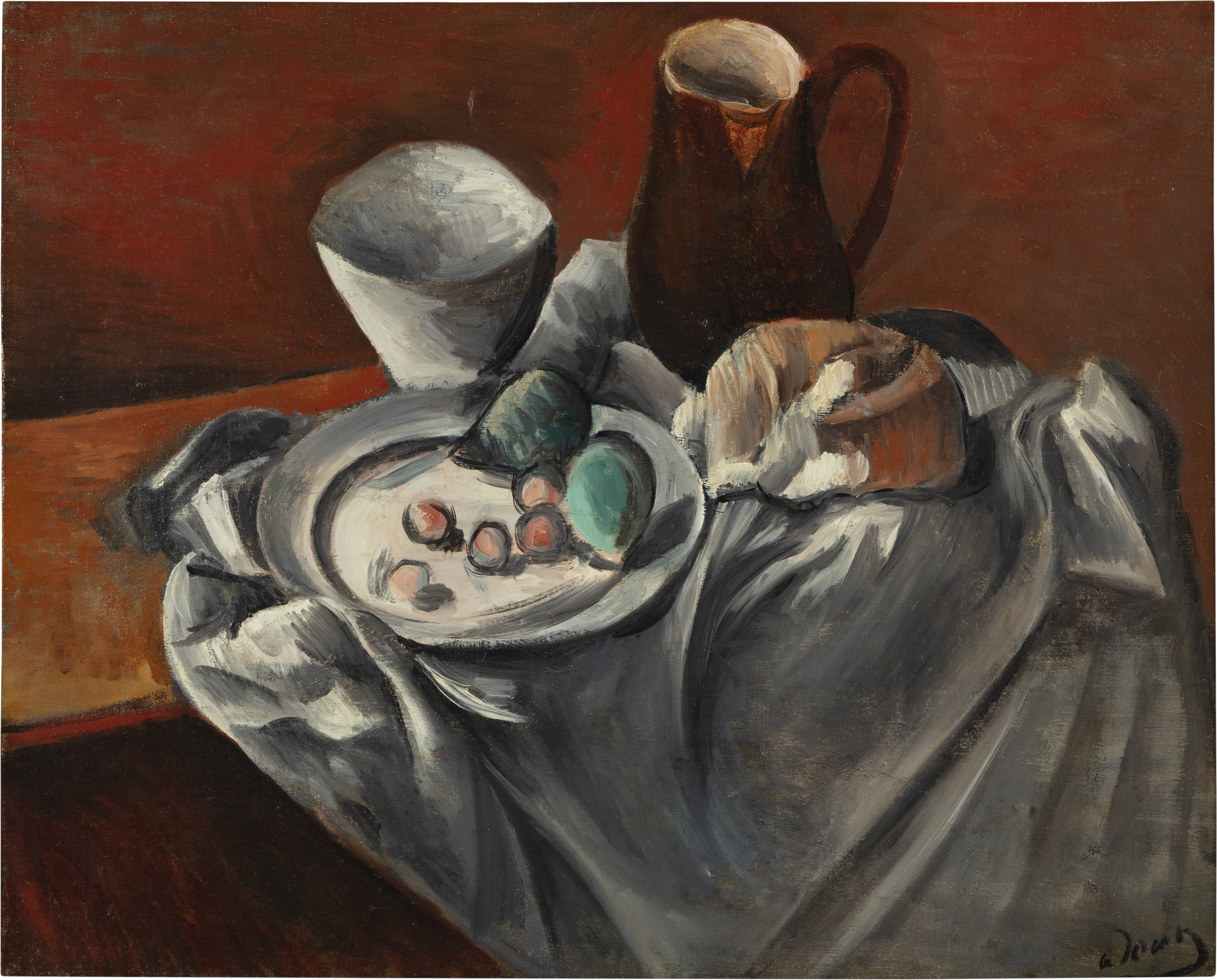

The Gleam That Changed Everything
There is something almost primordial about the pull of reflective surfaces. Long before art historians had language for it, human beings were burying polished bronze mirrors with their dead, hammering gold into ceremonial masks, and reading the future in still water. The metallic in art is not a trend or a movement so much as a persistent hunger, one that keeps resurfacing in new forms across centuries because it touches something we cannot quite rationalize away. It speaks to desires that are simultaneously spiritual and deeply material, and that tension is precisely what makes it so generative for artists working across every conceivable medium and era.
The story of metallic art as a conscious aesthetic project rather than a byproduct of craft tradition arguably begins to crystallize in the twentieth century, though its roots run much deeper. Ancient Greek bronze casting produced objects of extraordinary formal sophistication, and the tradition of the large scale bronze figure remained culturally central for millennia. What shifted in the modern period was the arrival of industrial metals as a subject in themselves, not just a material to be worked but a signifier of a new world being built around machines, speed, and mass production. The Futurists in Italy after 1909 were among the first to theorize this explicitly, celebrating the gleam of steel and the roar of engines as legitimate subjects for a new art.
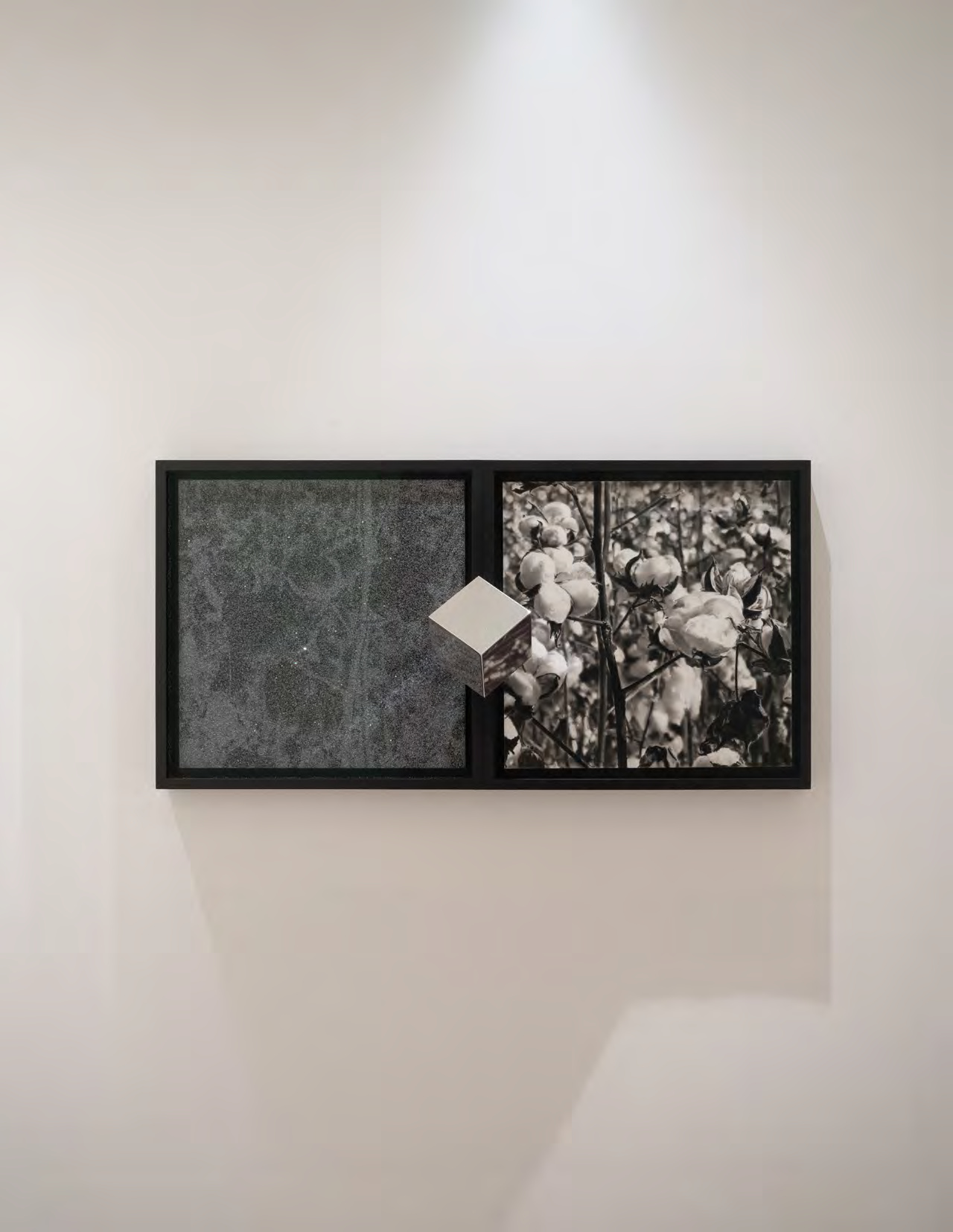
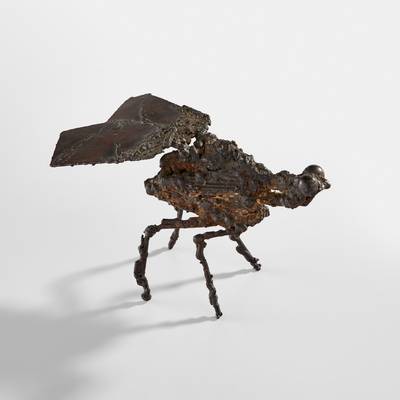
Robert Longo
Maquette for Wolf, 2025
By midcentury, sculpture had absorbed this industrial inheritance and begun to push it in directions the Futurists could not have anticipated. Artists like Alberto Giacometti were using bronze not for its mechanical associations but for its capacity to hold the trace of the human hand, its rough and luminous surfaces catching light in ways that made existential fragility visible. Meanwhile, Arnaldo Pomodoro was developing his extraordinary globe and sphere works through the 1950s and 1960s, casting bronze surfaces that appeared simultaneously ancient and ruptured, as though civilization itself were breaking open from within. His work remains among the most emotionally complex engagements with metal as a philosophical medium, where the gleam of polished bronze is always interrupted by what lies beneath.
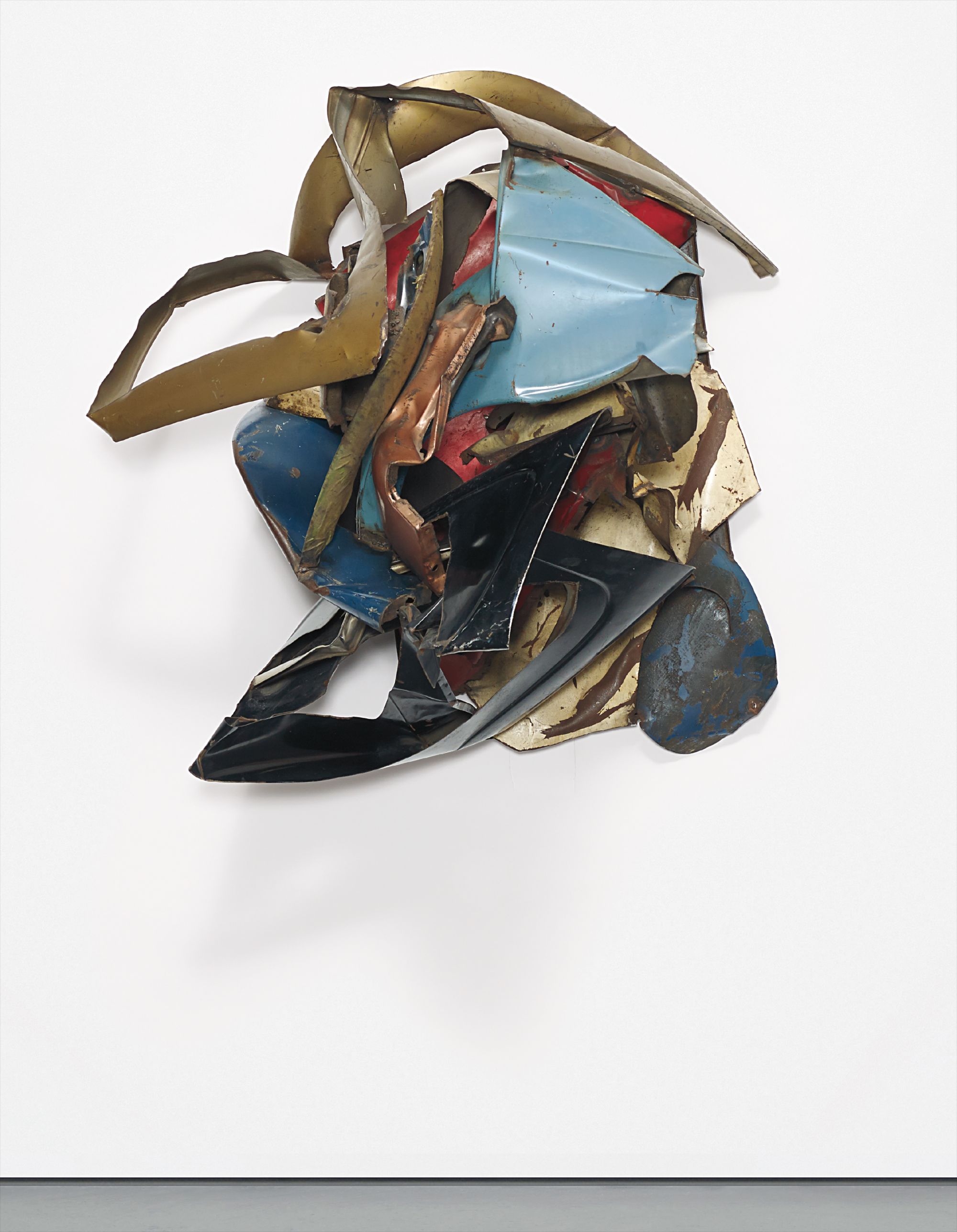
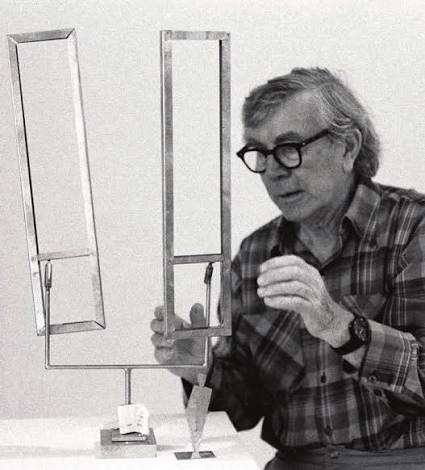
John Chamberlain arrived at his signature practice from a different direction entirely, crushing and welding automotive steel into sculptural forms that carried the chromium and lacquer of American consumer culture directly into the gallery. His first major works in this mode appeared around 1959 and immediately reframed what collage and assemblage could mean when the material was already loaded with the particular glamour of postwar prosperity. George Rickey took a more kinetic approach, creating stainless steel sculptures that moved with the air and caught light as they turned, their surfaces functioning almost like mirrors for the surrounding environment. Both artists understood that industrial metal brought with it a complex social history that could not be bracketed out, only worked through.
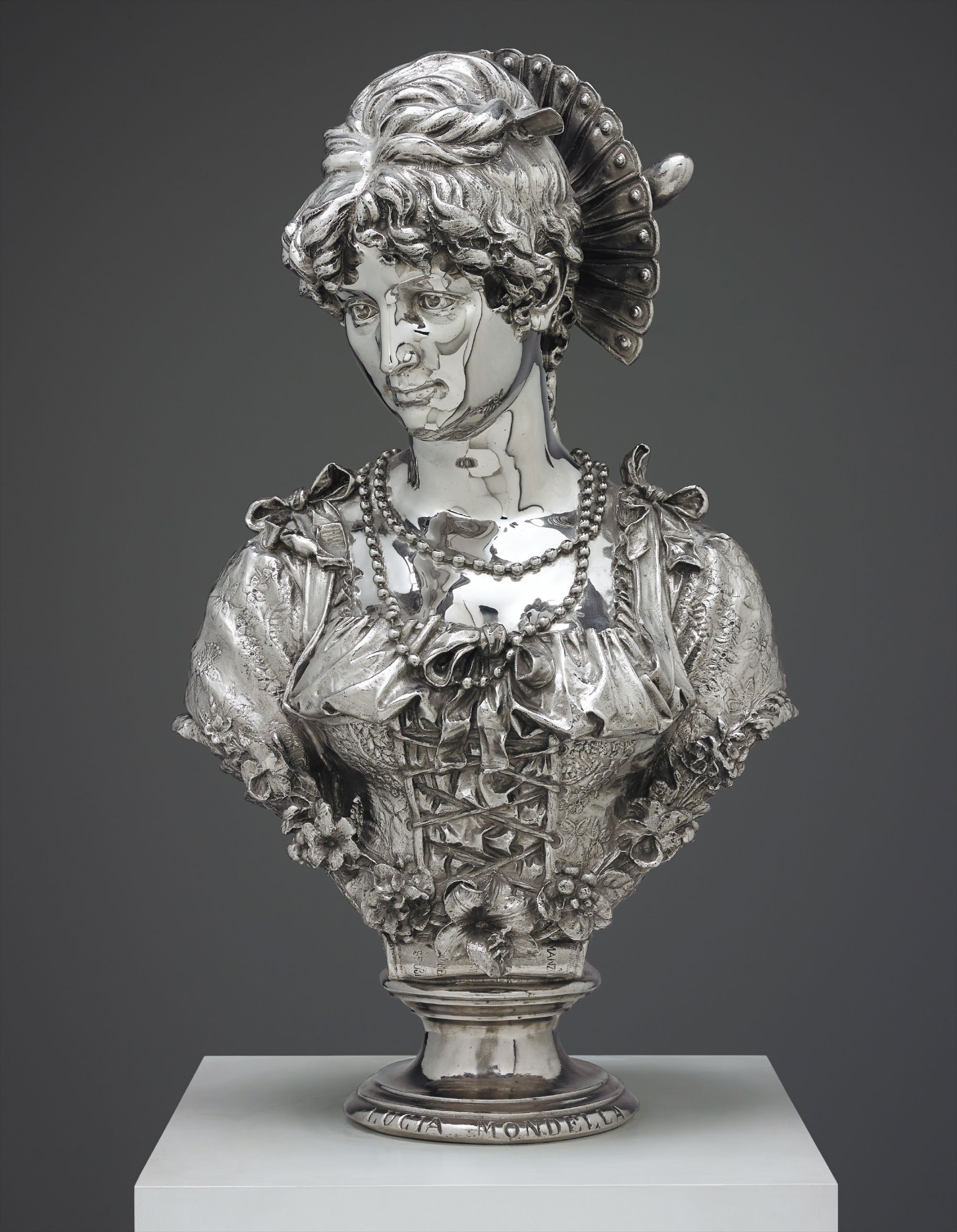
Jeff Koons
Italian Woman, 1986
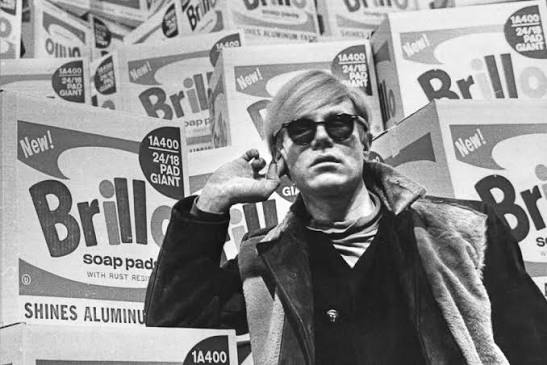
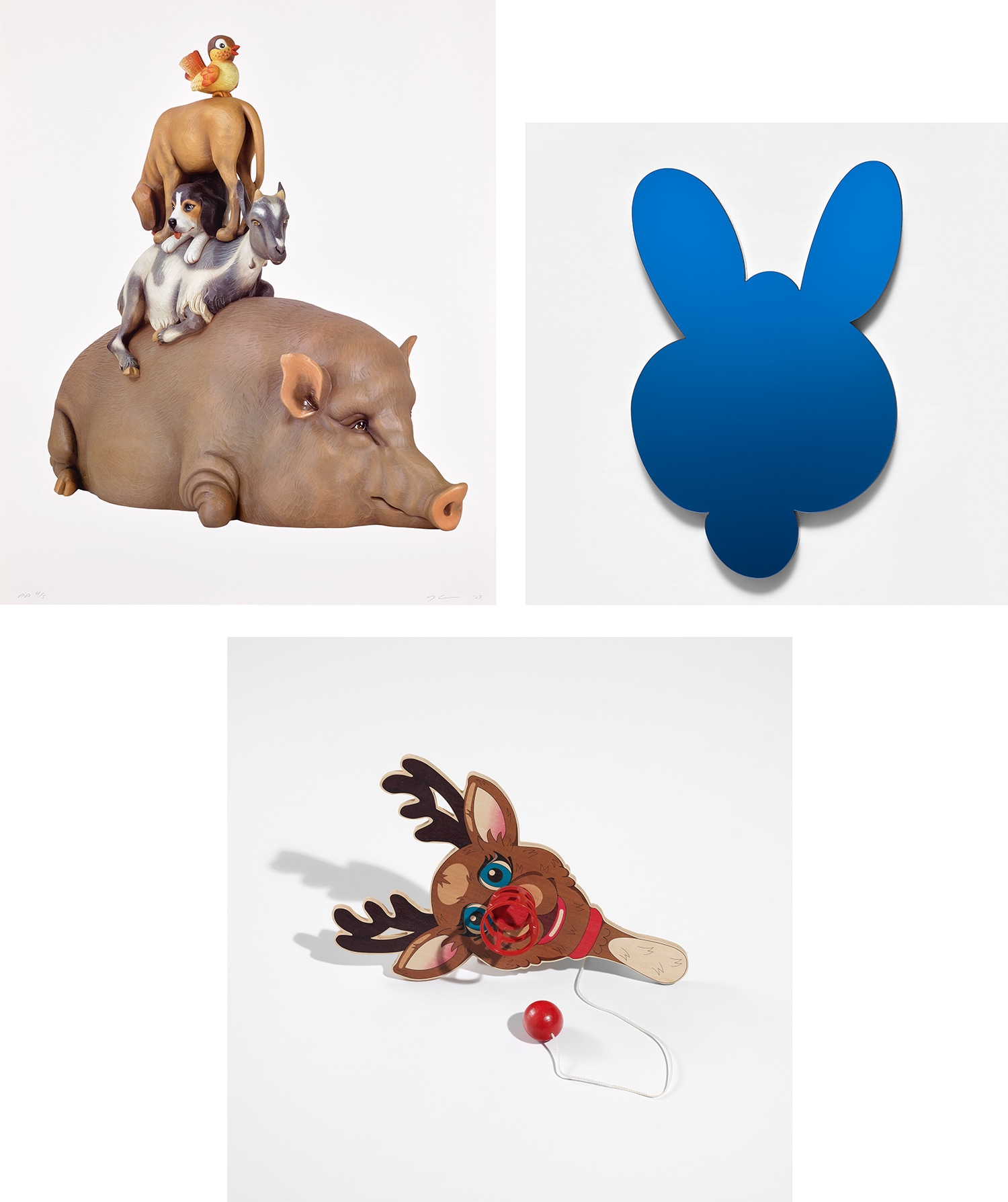
The Pop generation transformed the conversation again by introducing a kind of deliberate, knowing seduction. Andy Warhol's metallic wallpapers and his use of silver in the Factory environment during the 1960s elevated reflectivity to an atmosphere, a mood, a statement about surfaces and celebrity and the impossibility of authenticity. Jeff Koons took this inheritance and amplified it to an almost unbearable pitch, his mirror polished stainless steel objects from the late 1980s onward functioning as both supreme luxury goods and philosophical jokes about desire, value, and the viewer's own complicity. When you stand in front of a Koons and see yourself distorted in its surface, you are completing the work, and that implication has never quite lost its discomfort.
The French sculptor César was working in compressed metal as early as the 1960s, his Compressions transforming actual automobiles into dense, gleaming cubes that preserved the original metal's colors and textures while annihilating the object's function. There is something almost ritualistic about this gesture, turning the machine back into raw material through an act of violent compression, and César's work sits fascinatingly between industrial process and fine art object. Similarly, Arman's accumulation works used metal components and found objects to build up dense, obsessive collections that spoke to abundance, waste, and the sheer weight of manufactured culture. In more recent decades, the metallic has found new conceptual territory through artists who use reflective surfaces to complicate questions of identity, memory, and perception.

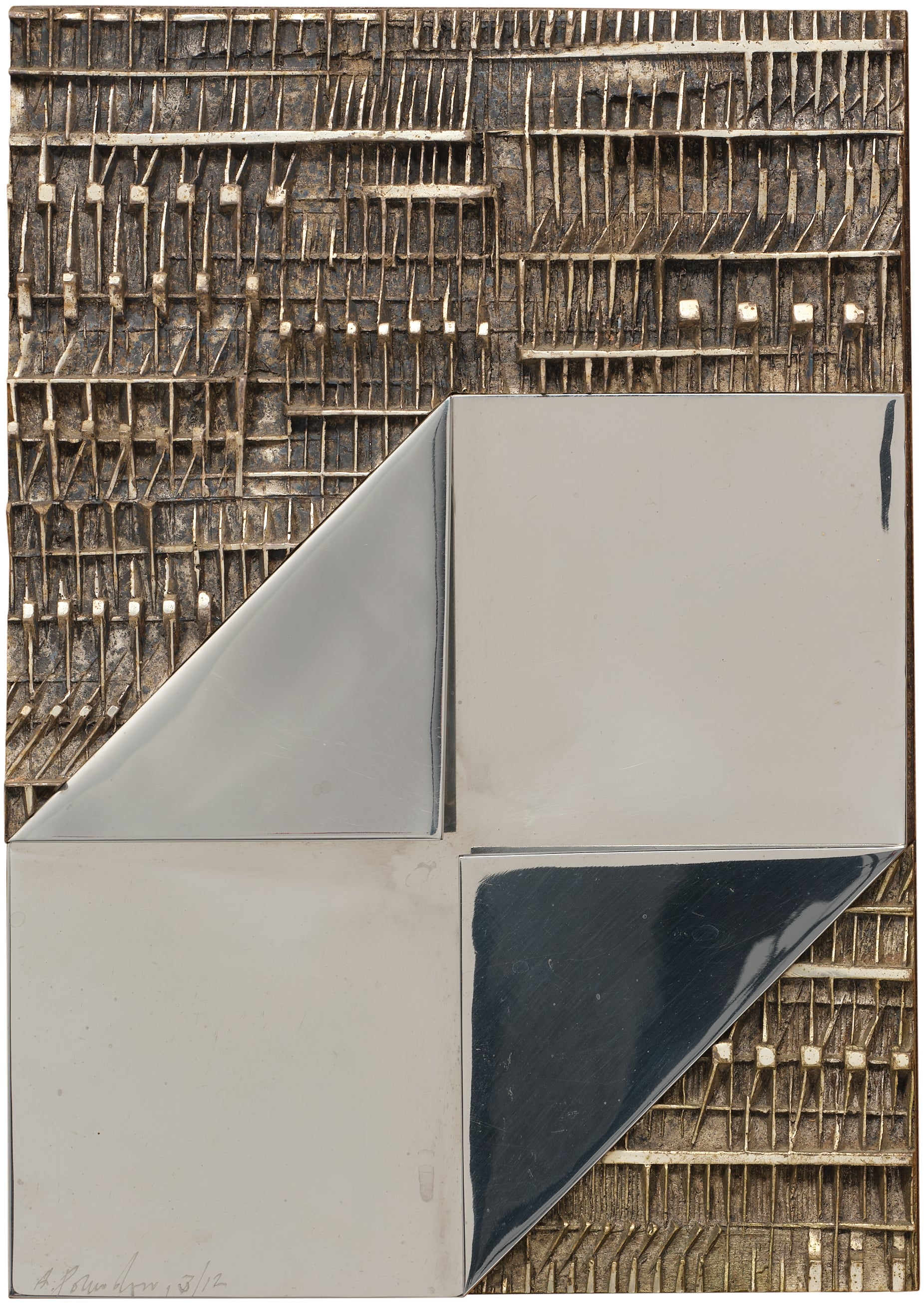
Michelangelo Pistoletto
Pagina Di Specchio (Mirrored Page)
Michelangelo Pistoletto's mirror paintings, begun in the early 1960s, remain among the most elegant and demanding works in this lineage, placing the viewer inside the pictorial space in a way that collapses the boundary between art and life. Jacob Kassay's silver deposit paintings, which emerged to considerable attention around 2010, revived these questions for a younger generation, his process of electroplating pigment onto canvas creating surfaces that shift between painting and mirror depending on the light and the viewer's position. Anish Kapoor has spent decades investigating what highly polished concave and convex surfaces do to perception and to the body's sense of its own scale and location. The reach of the metallic extends beyond sculpture and painting into fiber, ceramic, and installation.
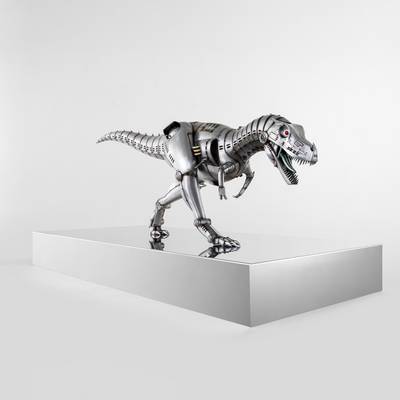
El Anatsui's extraordinary woven works, made from bottle caps and aluminum foil collected across West Africa, use metallic materials to carry the weight of postcolonial history and the ingenuity of repurposing. Olga de Amaral incorporates gold leaf into her woven textiles, creating works that hover between painting, sculpture, and pure shimmer. Hajime Sorayama's chromatic renderings of idealized robotic bodies push the metallic into questions of desire, technology, and the posthuman in ways that feel increasingly urgent. What unites such a diverse constellation of artists and practices is not a shared style but a shared recognition that metallic surfaces do something no other material quite does.
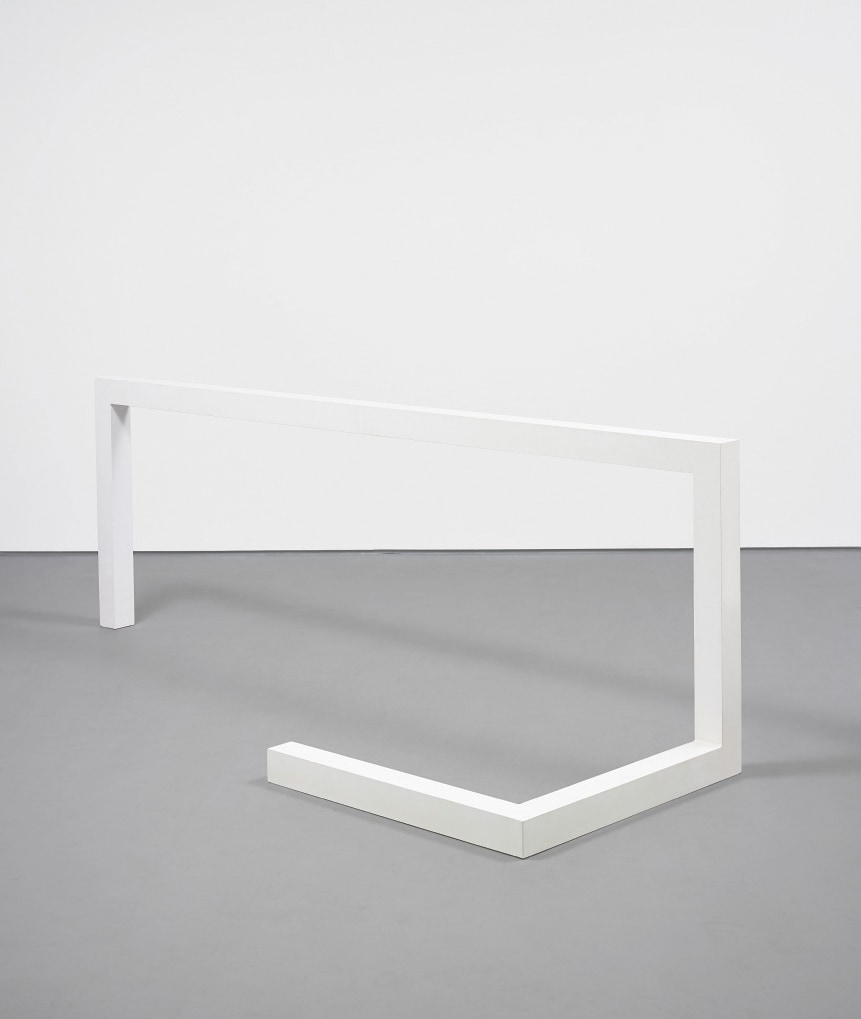
Jonathan Monk
Altered to Suit (Sol LeWitt Incomplete Open Cube 5/9, 1974), 2004
They are simultaneously opaque and transparent, solid and evanescent, ancient and futuristic. They catch the light of the present moment and hold it for an instant before letting it go. In an art world that is continuously negotiating between the digital and the physical, between value as spectacle and value as substance, the metallic remains one of the most honest and most complicated registers available. The works gathered on The Collection that engage this tradition represent not a category so much as a conversation, one that has been ongoing for millennia and shows no sign of resolution.