Forest
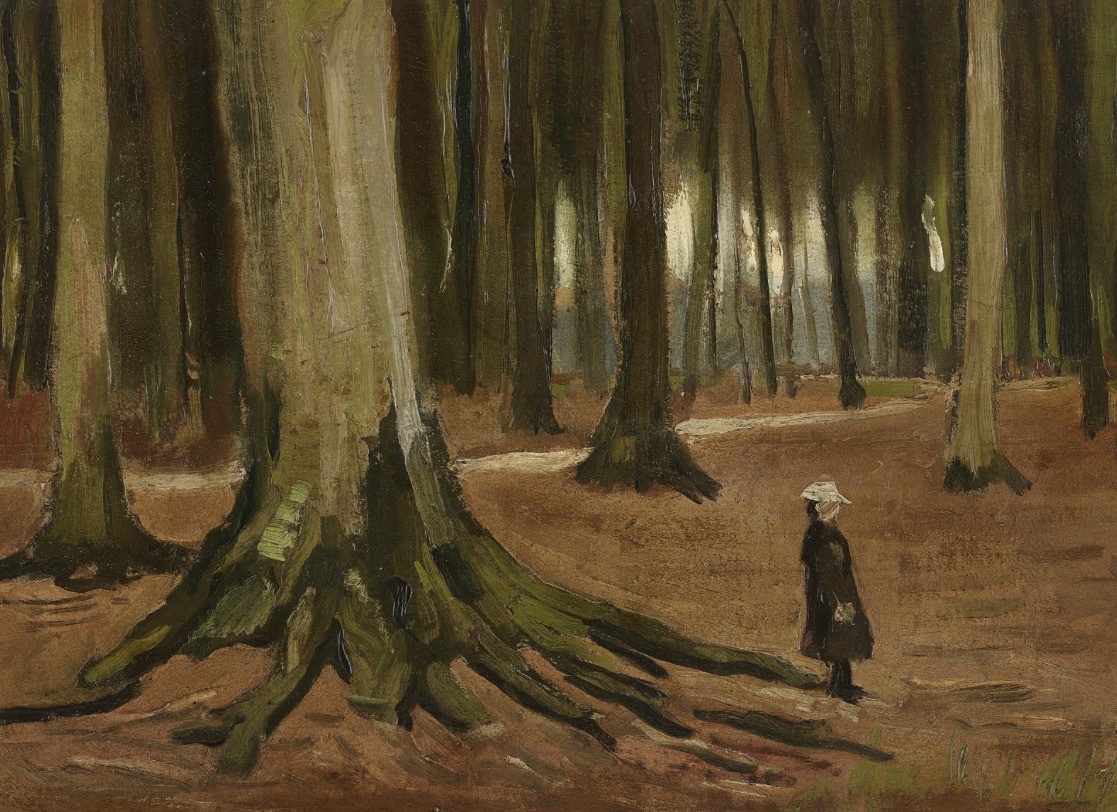
Vincent van Gogh
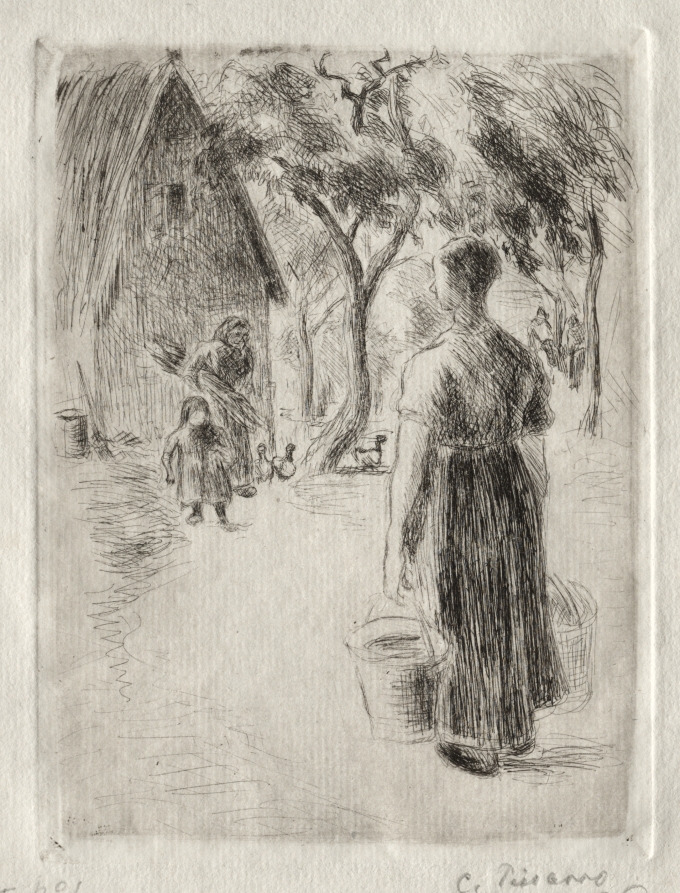
Meisje in het bosch (A Girl in a Wood), 1882




Into the Woods: Art's Most Enduring Obsession
There is something the forest does to us that no other landscape can replicate. It closes around you, absorbs sound, filters light into something almost sacred. Artists have understood this for centuries, and the history of forest imagery in Western and non Western art alike is really a history of what humans have most feared, most revered, and most urgently needed to articulate about their relationship with the natural world. To look at forest art across the span of art history is to watch civilization processing its own origins.
The forest entered serious artistic consideration in Europe during the early nineteenth century, when Romanticism made wilderness not just a backdrop but a protagonist. Before this, landscape painting was largely decorative or allegorical, forests serving as settings for mythological scenes rather than subjects worthy of study in themselves. The shift was seismic. Artists began moving into actual woodlands with sketchbooks, making direct observation the foundation of their practice.
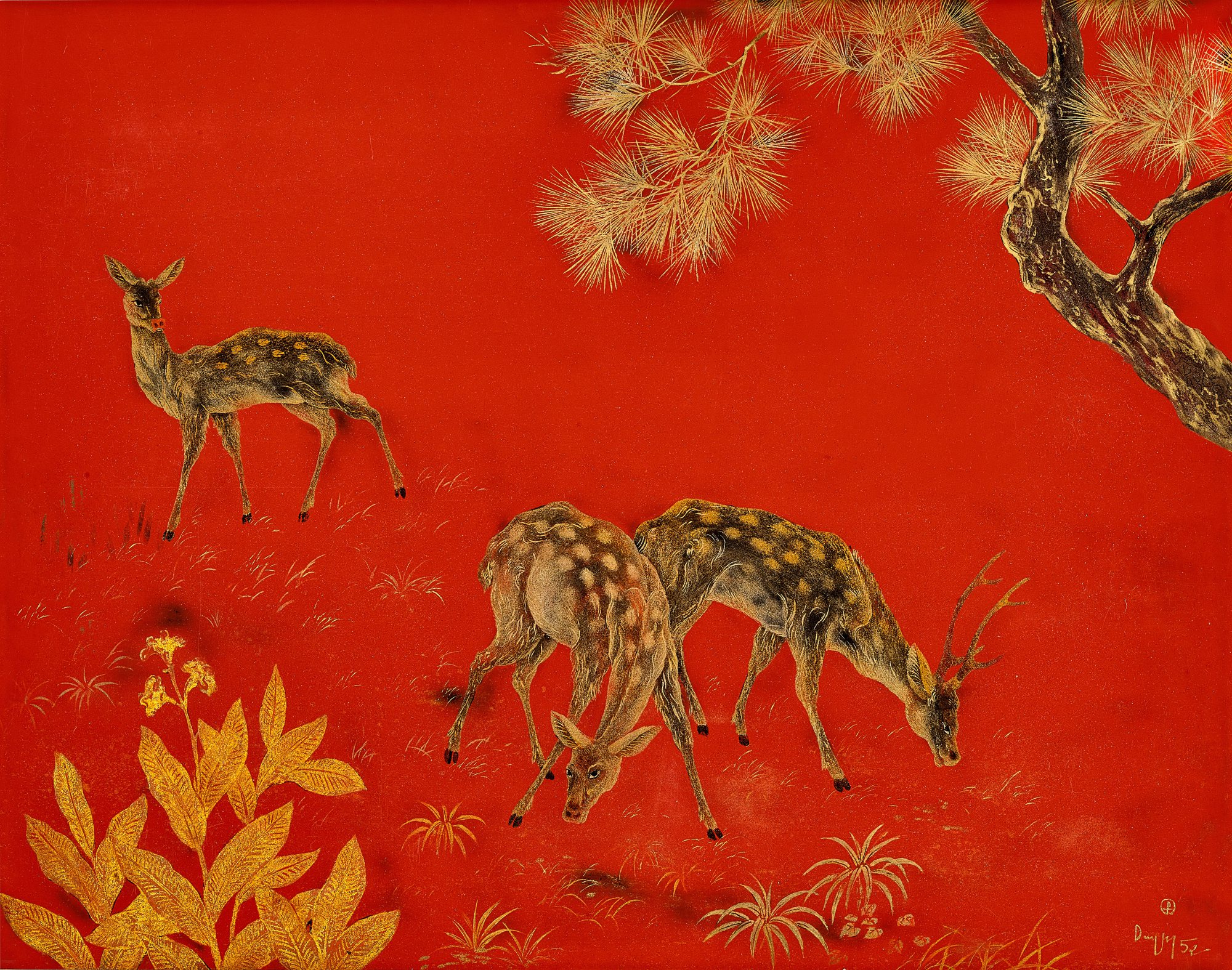
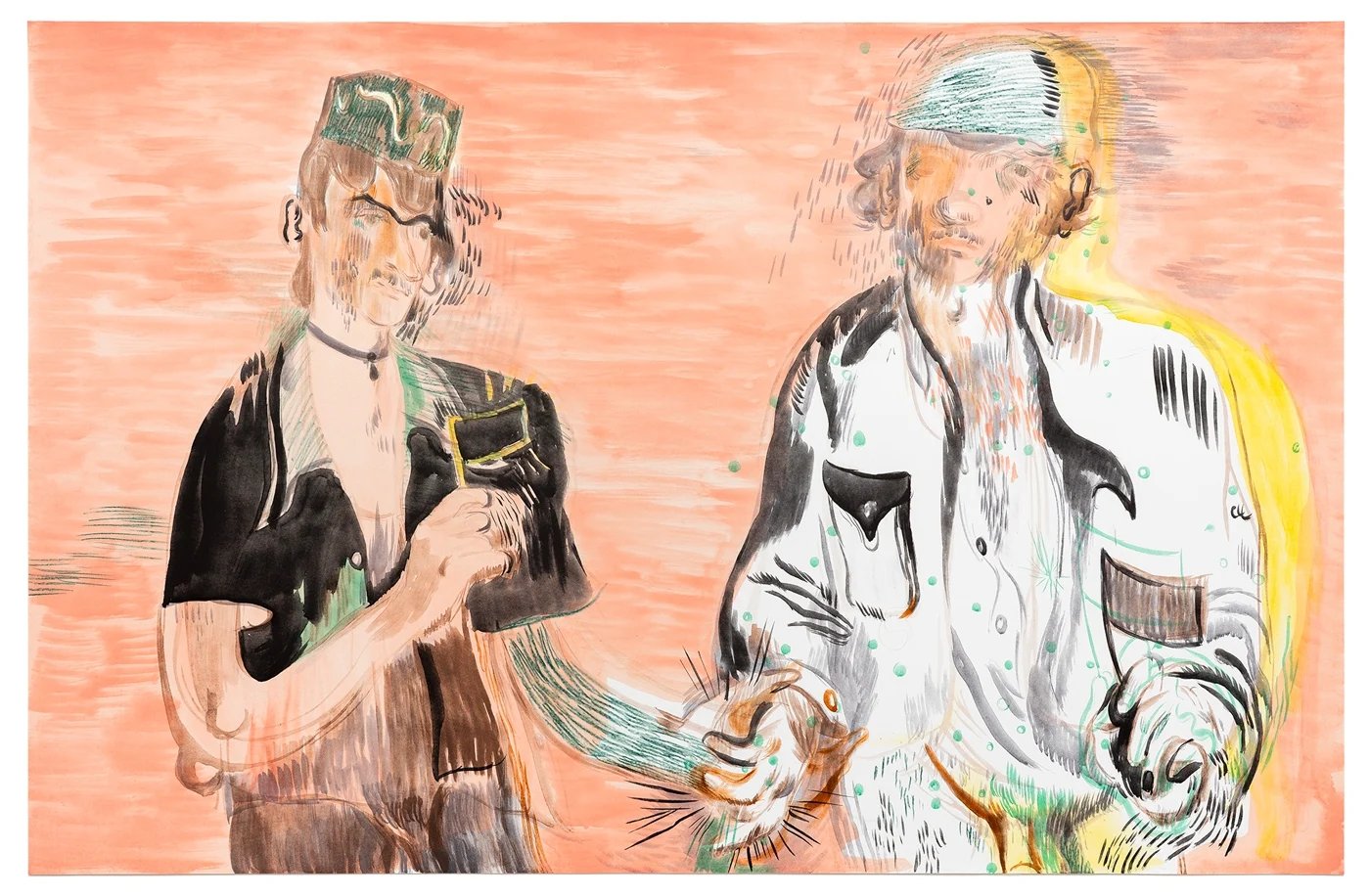
Tran Phuc Duyen
Deer in a forest 林中鹿, 1952
In France, the Forest of Fontainebleau became the crucible for this transformation, drawing painters away from the studio and into the undergrowth throughout the 1830s and 1840s. What emerged was not just a new subject matter but a new way of seeing. The Barbizon School codified this sensibility, and its influence on the forest as a subject cannot be overstated. Jean Baptiste Camille Corot, whose works appear in The Collection, was among the most lyrical practitioners of this approach.
His forest scenes possess an atmospheric delicacy, a sense that light itself is the subject and the trees are simply its instruments. Working alongside him in spirit if not always in person was Eugène Cuvelier, a photographer whose images of Fontainebleau from the 1860s brought a new kind of attention to the forest floor, the tangle of roots, the particular weight of shade. Cuvelier is sometimes overlooked in favor of the painters he moved among, but his photographs are extraordinary documents of a moment when two mediums were learning simultaneously how to describe the same wild place. Also present in this world was Charles Marville, whose photographs of wooded areas and transitional landscapes capture a France on the edge of profound modernization, the forest standing as a counterargument to the city Marville would later document so thoroughly.
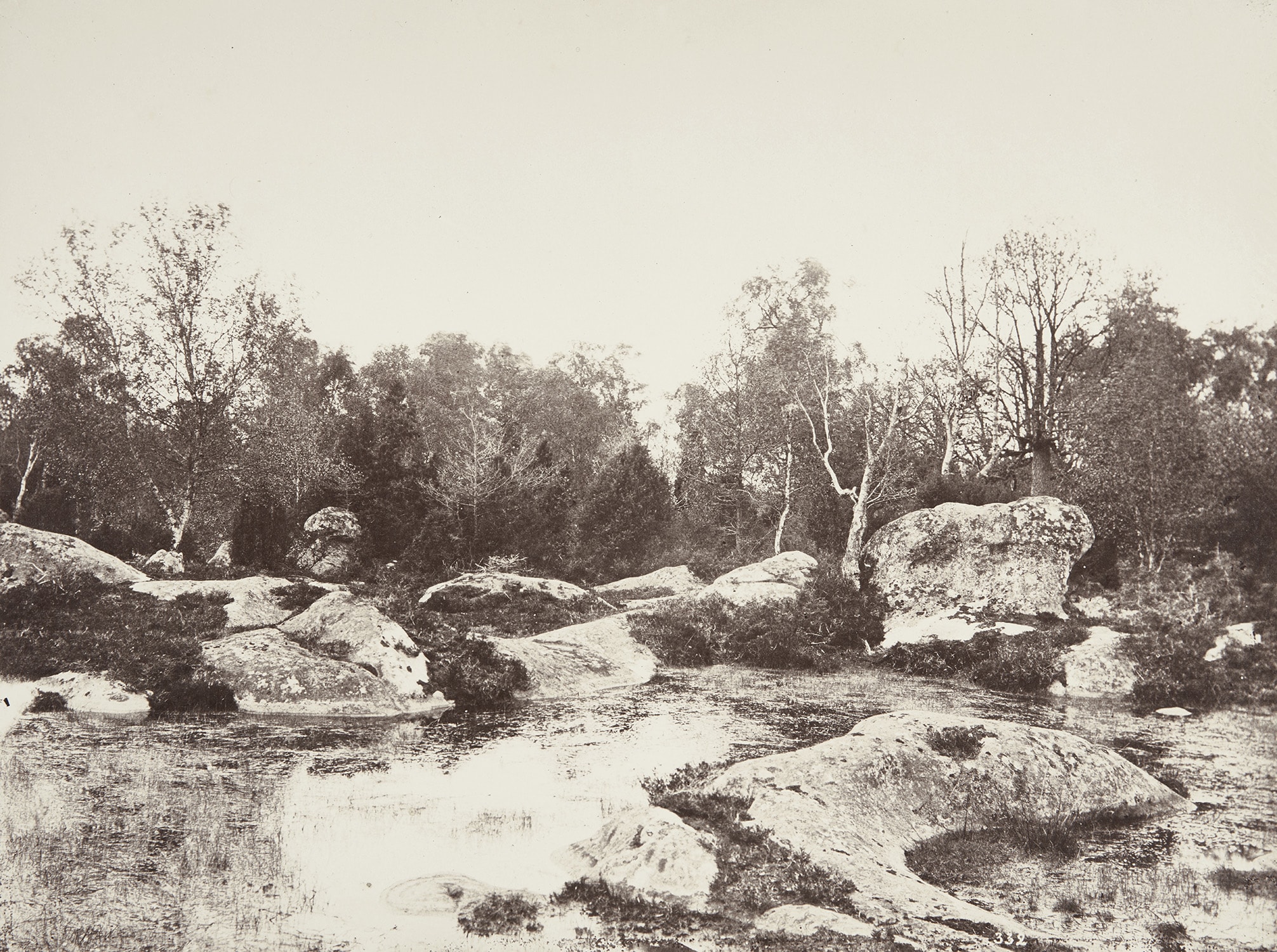
Eugène Cuvelier
Belle-Croix, Forest of Fontainebleau
The printmaker Auguste Louis Lepère brought yet another sensibility to the forest, one rooted in the traditions of woodcut and etching. His work, well represented in The Collection, demonstrates how the graphic medium is peculiarly suited to forested subjects. The density of hatched lines, the contrast of black ink against white paper, the way light must be carved out of darkness rather than applied to it: these are formal properties that rhyme with the actual experience of being in a forest, where illumination feels like an exception rather than a rule. Lepère understood that the forest is fundamentally about structure, about verticals and diagonals, about the geometry hiding beneath apparent chaos.
Across the Atlantic, the forest carried different cultural weight. For American artists in the nineteenth century it was bound up with questions of national identity and the mythology of an unspoiled continent. Winslow Homer, whose work appears in The Collection, moved to the Adirondacks and Maine coastline later in his career and brought a frankness to forested and wilderness subjects that had little of the European pastoral about it. His forests feel inhabited by weather and effort rather than reverie.
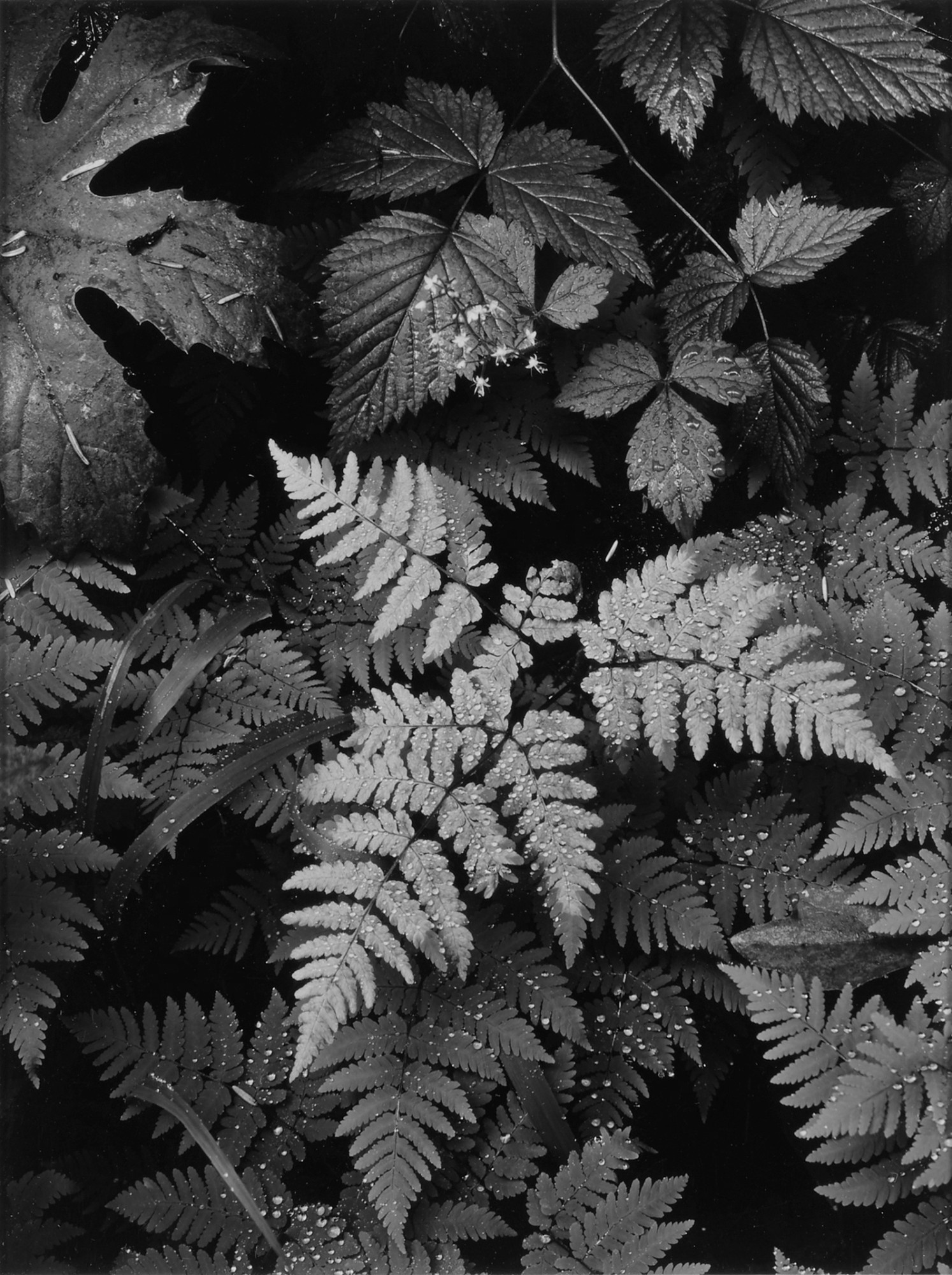
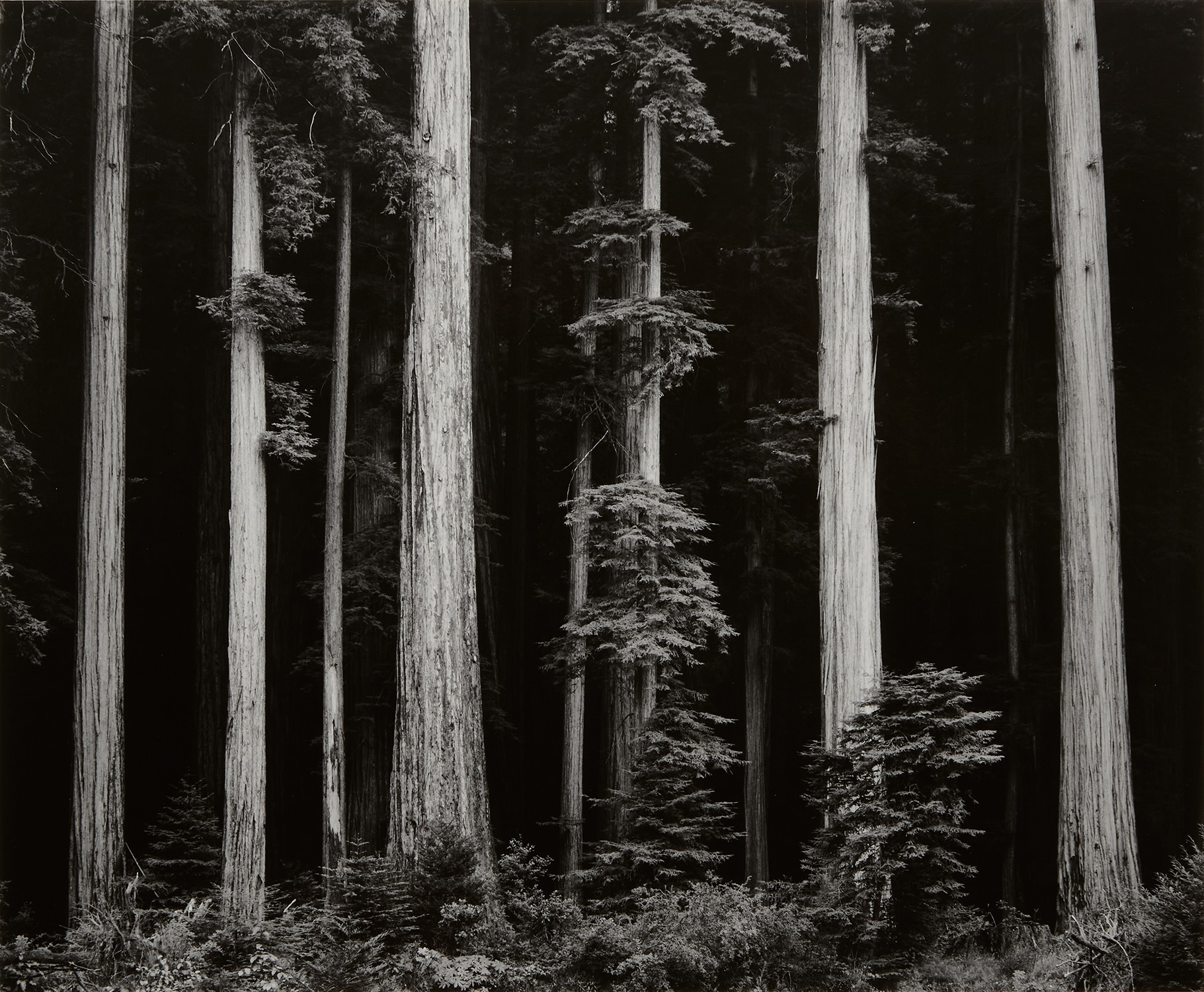
Ansel Adams
Forest Detail, Mount Rainier National Park, Washington
In the twentieth century Ansel Adams translated this tradition into photography, making forests and ancient trees into monuments of a specifically American sublime. His large format work in redwood groves and the Sierra Nevada set a standard for the forest as a subject of almost geological seriousness. Surrealism opened an entirely different door into the forest. For Max Ernst, whose works appear in The Collection, the forest was not a place of beauty or national myth but of psychological density and threat.
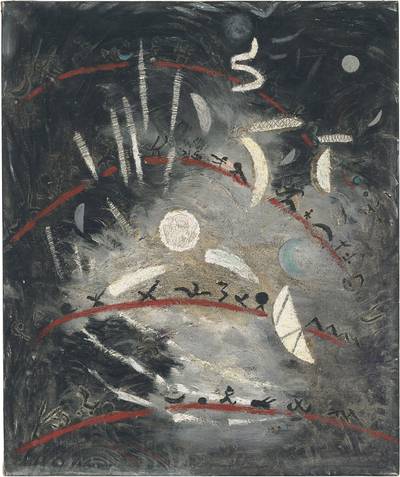
His Forest series of paintings from the 1920s and 1930s transforms woodland into something barely navigable, the trees becoming walls, the light collapsing inward. Ernst developed a technique called grattage, scraping paint across textured surfaces to produce the accidental, organic forms that populate his painted forests. These are interiors as much as landscapes: they describe the unconscious as readily as any actual woodland. Alice Rahon, the Surrealist poet and painter also represented in The Collection, shared this instinct for the natural world as a site of dream logic rather than pastoral comfort.
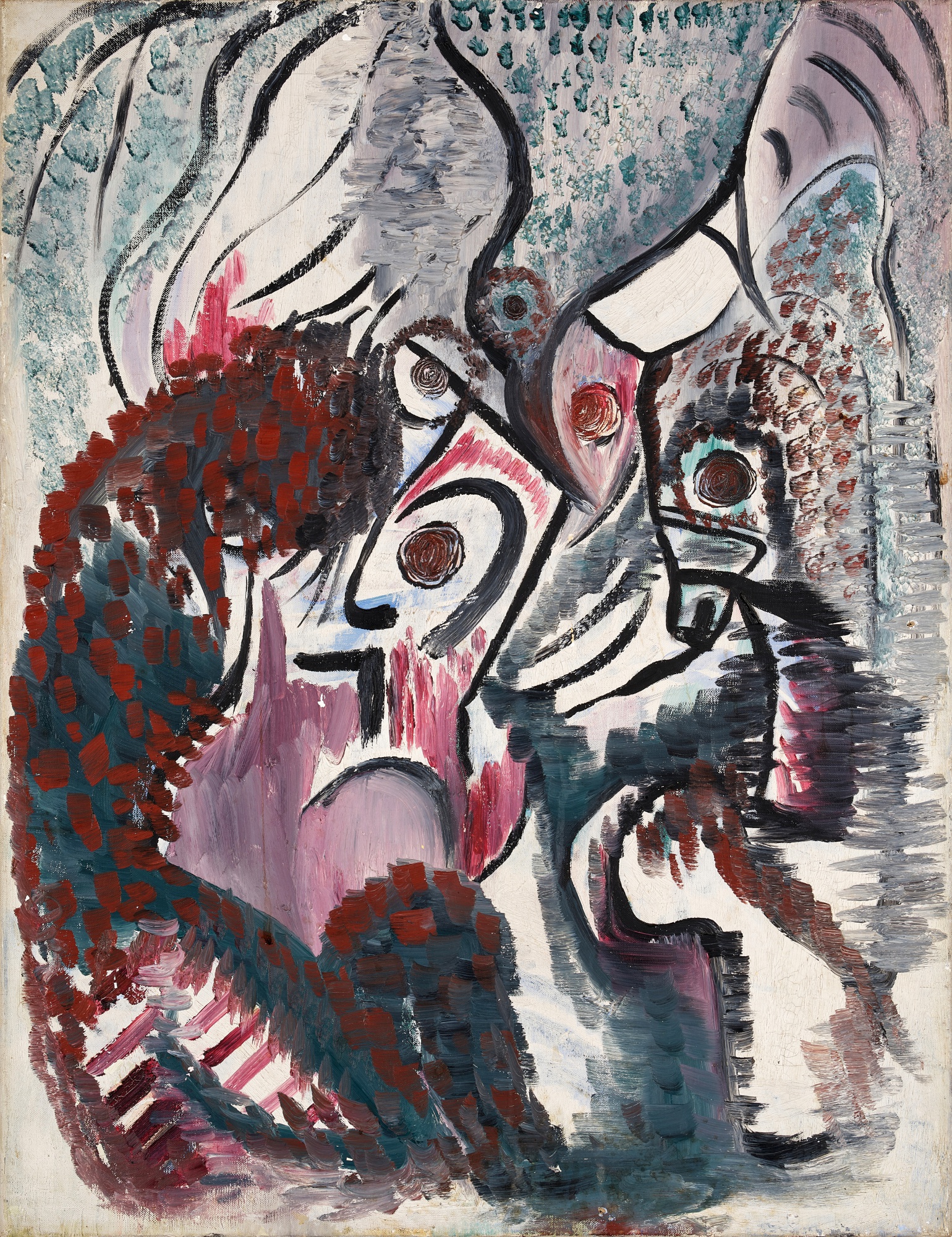
Alice Rahon
Dans le forêt no. 6, 1942
More recent artists have complicated the forest further, making it a space for reflection on memory, colonialism, time, and perception. Peter Doig's paintings, two of which appear in The Collection, use the forest and its reflections in water to create scenes of almost cinematic suspension, moments caught between recognition and strangeness. Rodney Graham, the Vancouver conceptual artist, has returned repeatedly to forest imagery across photography, film, and installation, including his famous upside down photographs of trees that ask the viewer to question the basic orientation of vision itself. Wolfgang Tillmans has photographed forests with the same democratic attention he gives to bodies and nightclub floors, insisting that trees and branches photographed close up and slightly out of focus belong to the same visual conversation as everything else he touches.
What the forest offers art, ultimately, is scale. Not just physical scale, though the height of old growth is genuinely humbling, but temporal scale. A forest that is centuries old exists in a different relationship to time than almost any human made thing. Artists have sensed this across every era and responded with their best and most searching work.
The artists gathered in The Collection across this theme span more than a century and a half of practice, dozens of mediums, and at least four continents. What connects them is not style or period but the same gravity that draws anyone who has ever walked into a forest and felt, for a moment, properly small.