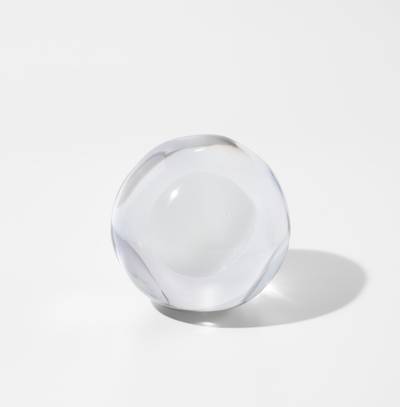
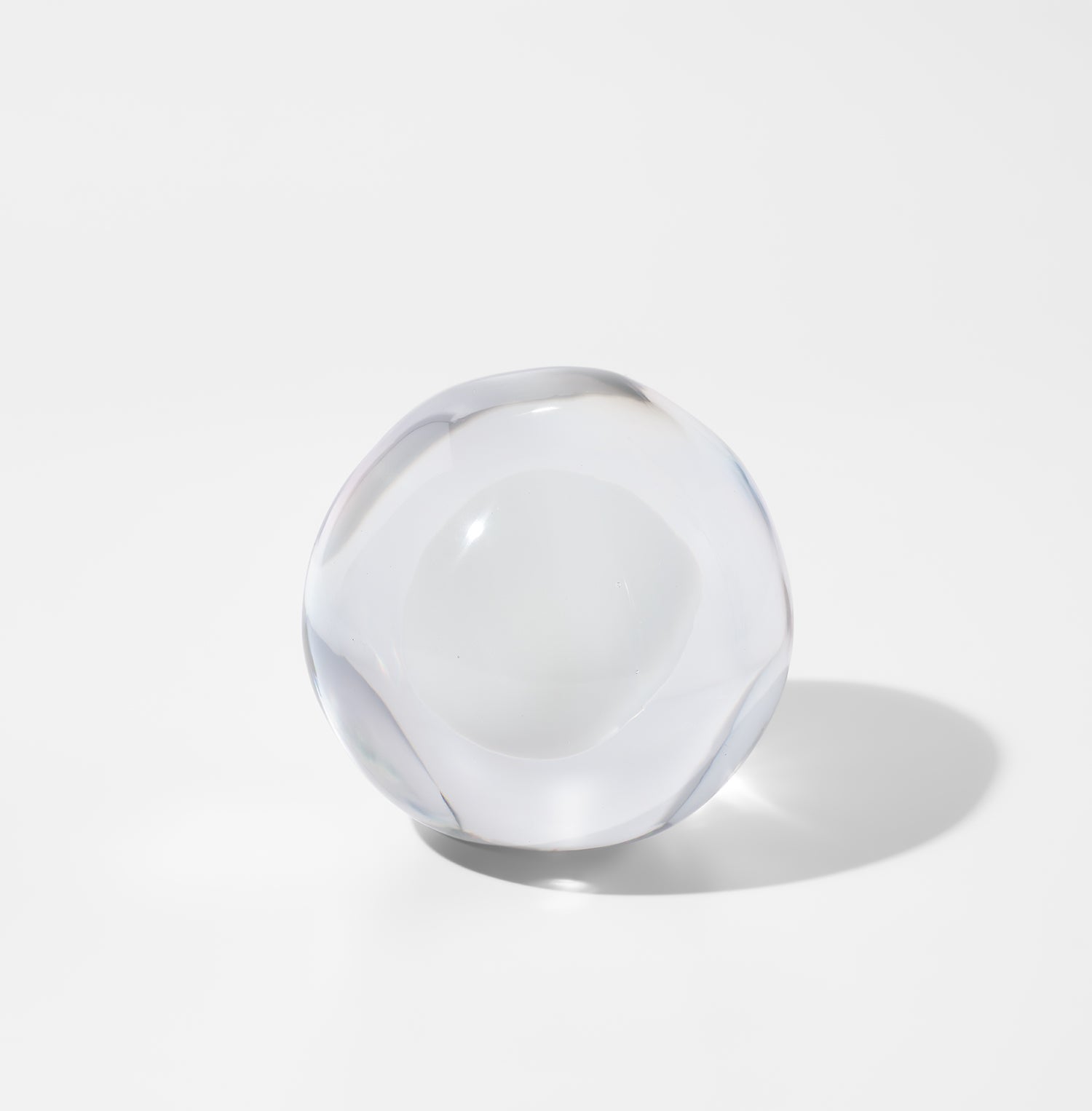
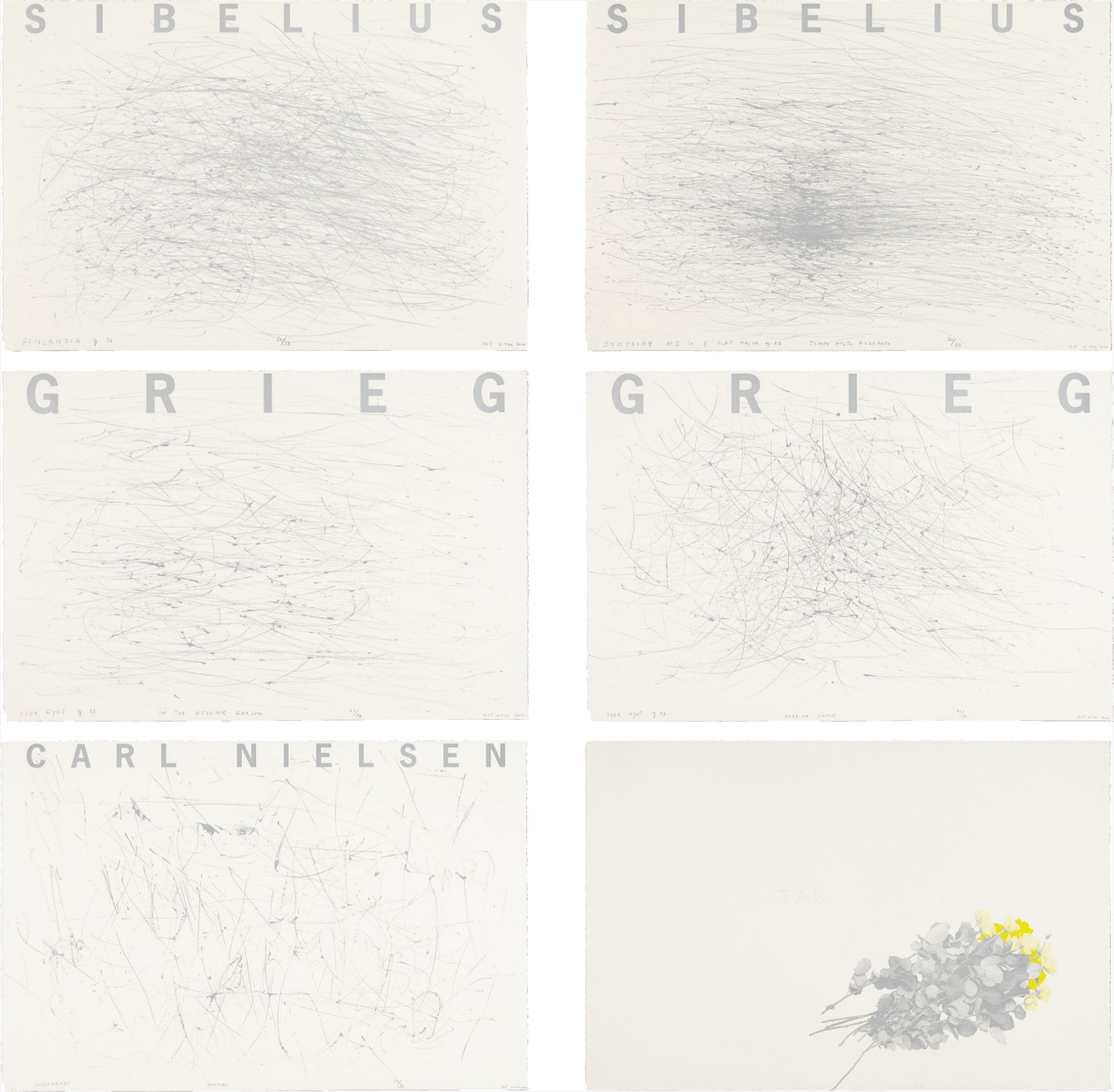
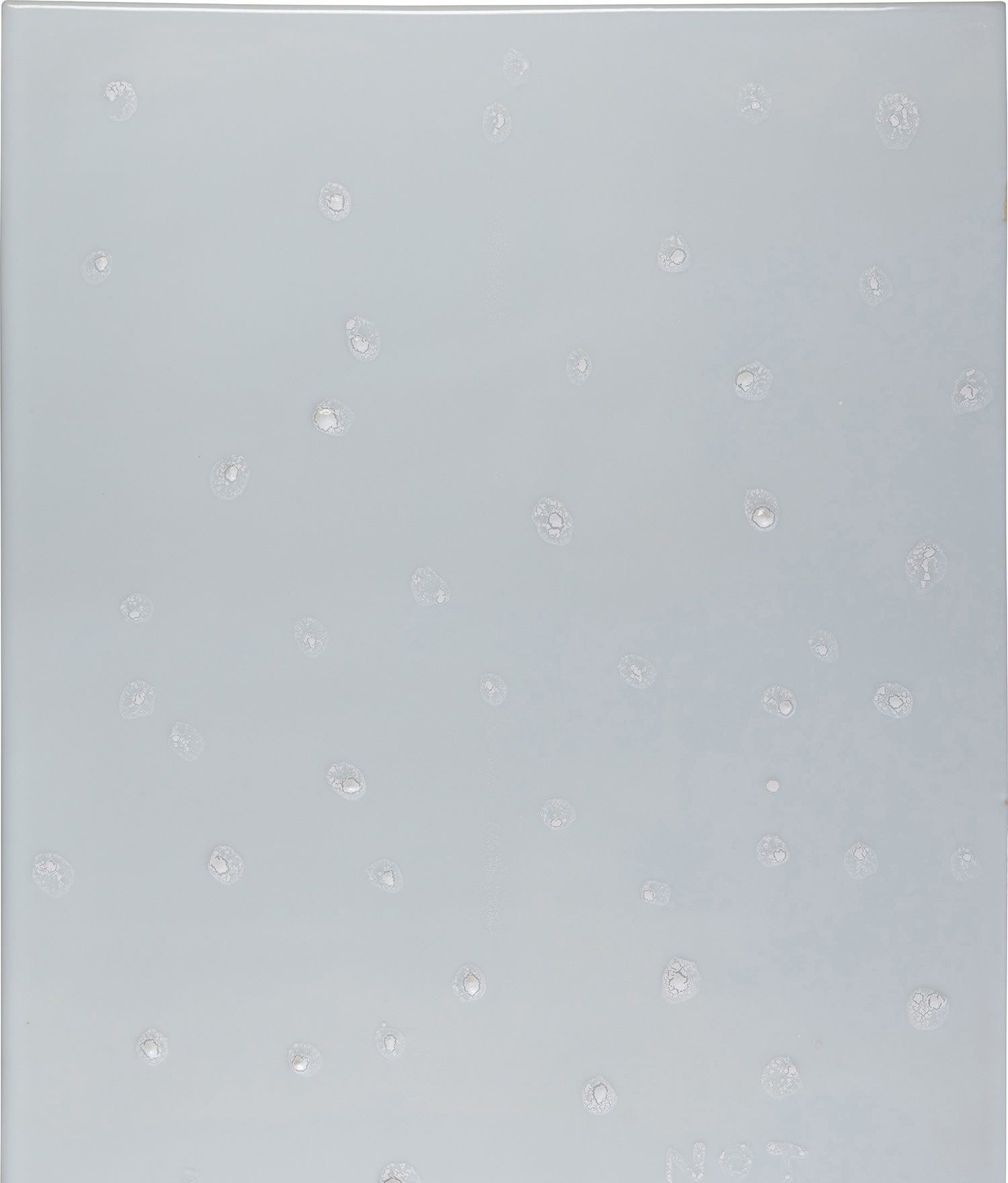
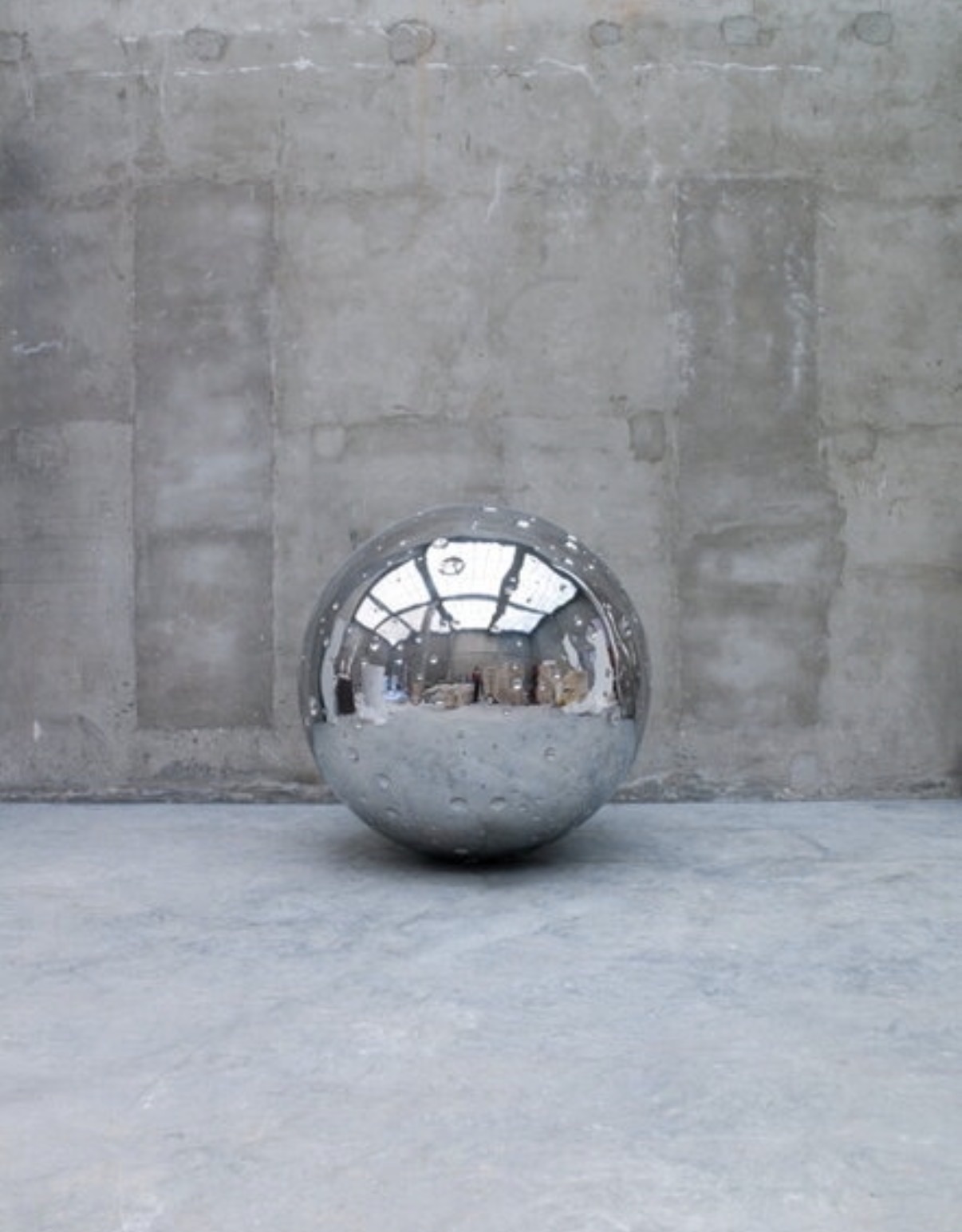
Few artists alive today have constructed a life as genuinely global as Not Vital, the Swiss sculptor whose practice spans continents, climates, and centuries of material tradition. In recent years, his work has commanded serious attention at institutions from the Leeum Samsung Museum of Art in Seoul to the Kunsthaus Zürich, and his monumental outdoor installations continue to attract devoted pilgrimages from collectors and curators alike. There is a growing sense, particularly in European and Asian collecting circles, that Vital represents something rare in contemporary art: an artist whose ambition is matched equally by his discipline and his wanderlust. Vital was born in 1948 in Sent, a small village in the Engadin valley of the Swiss canton of Graubünden. That landscape, austere and breathtaking in equal measure, left a permanent imprint on the artist. The Romansh culture of the region, one of Europe's most ancient and linguistically distinct communities, gave Vital an early understanding of what it means to inhabit a world at the margins of dominant culture, a sensibility that would later inform his deep engagement with communities in Niger, Chile, and rural China. He studied at the Art Students League of New York and later in Paris, encounters that broadened his visual language without ever fully displacing the alpine rigour he carried from home. The development of Vital's practice is inseparable from his decision to build studios and exhibition spaces in some of the most remote and culturally distinctive places on earth. His compound in Agadez, Niger, built in traditional mud brick architecture, became both a working studio and a testament to his belief that art making is also a form of cultural inhabitation. In Patagonia, in the high deserts of Chile, and in the mountains of China, Vital has established a network of spaces that allow him to work with local materials and local craftspeople, producing sculptures that bear the mark of their landscape of origin. This is not tourism or appropriation; it is a sustained commitment to the idea that place and form are inseparable. Vital's signature works demonstrate a mastery of material transformation that is quietly astonishing. His stainless steel Moon, created in 2010, encapsulates much of what makes his practice so compelling: a simple, elemental form, almost architectural in its clarity, that nonetheless carries enormous emotional weight. The reflective surface of the steel draws the surrounding landscape into the object, making the work change constantly with light and weather. His Snowball series similarly takes a form of absolute simplicity and charges it with unexpected resonance, the snowball being at once a childhood memory, a natural phenomenon, and an abstract geometric proposition. These works do not shout. They wait, with confidence. Perhaps the most remarkable demonstration of Vital's creative intelligence is found in his Dirigerer series, works executed using the actual batons of symphony conductors. With the music of composers including Sibelius, Grieg, and Carl Nielsen filling the studio, Vital dipped the tips of the batons in ink and conducted the symphonies himself, drawing directly on lithograph stones. The resulting works are a record of pure physical response to music, a performance captured in mark making. There is something deeply moving about this process: the translation of sound into gesture into image, filtered through the memory and personality encoded in a conductor's own baton. It is the kind of conceptual elegance that only a sculptor with a poet's instincts could devise. From a collecting perspective, Vital represents an opportunity that sophisticated buyers are beginning to recognise with greater urgency. His work sits at a productive intersection of minimalism, land art, and cultural anthropology, drawing comparisons with artists such as Richard Serra for his command of scale and material, and with Andy Goldsworthy for his attentiveness to natural form and site. Yet Vital's range across media, from monumental bronze and stone to delicate ceramics and works on paper, means that entry points exist for collectors at various stages of their journey. His glazed ceramics in particular offer an intimate counterpoint to the large scale outdoor works, and they reward close and sustained looking. The art historical context in which Vital belongs is a distinguished one. His generation of European sculptors, shaped by the legacy of Alberto Giacometti and Constantin Brancusi and energised by the conceptual freedoms of the 1970s, sought to reconnect sculpture with the physical and cultural world beyond the gallery. Vital pursued this more radically than most, actually relocating his life to the places that interested him rather than simply referencing them from a distance. In this sense he belongs to a tradition of artist explorers that includes figures such as Donald Judd, who built his permanent installation in the Chihuahuan Desert, and Joseph Beuys, whose practice was inseparable from his mythologised biography. What ultimately makes Not Vital matter so much right now is the quality of sustained attention his work demands and rewards. In an era of rapid image consumption and algorithmically driven taste, his sculptures insist on being experienced in person, in their environments, over time. They do not resolve quickly. A Vital work tends to open gradually, revealing new dimensions as the light shifts or as the viewer's own understanding deepens. For collectors who want their collection to grow with them intellectually as well as materially, Vital is a singular proposition. His practice is a reminder that art at its best is not a commodity or a status signal but a form of knowledge, hard won and generously shared.