
Kylie Manning
4
Works
1
Followers
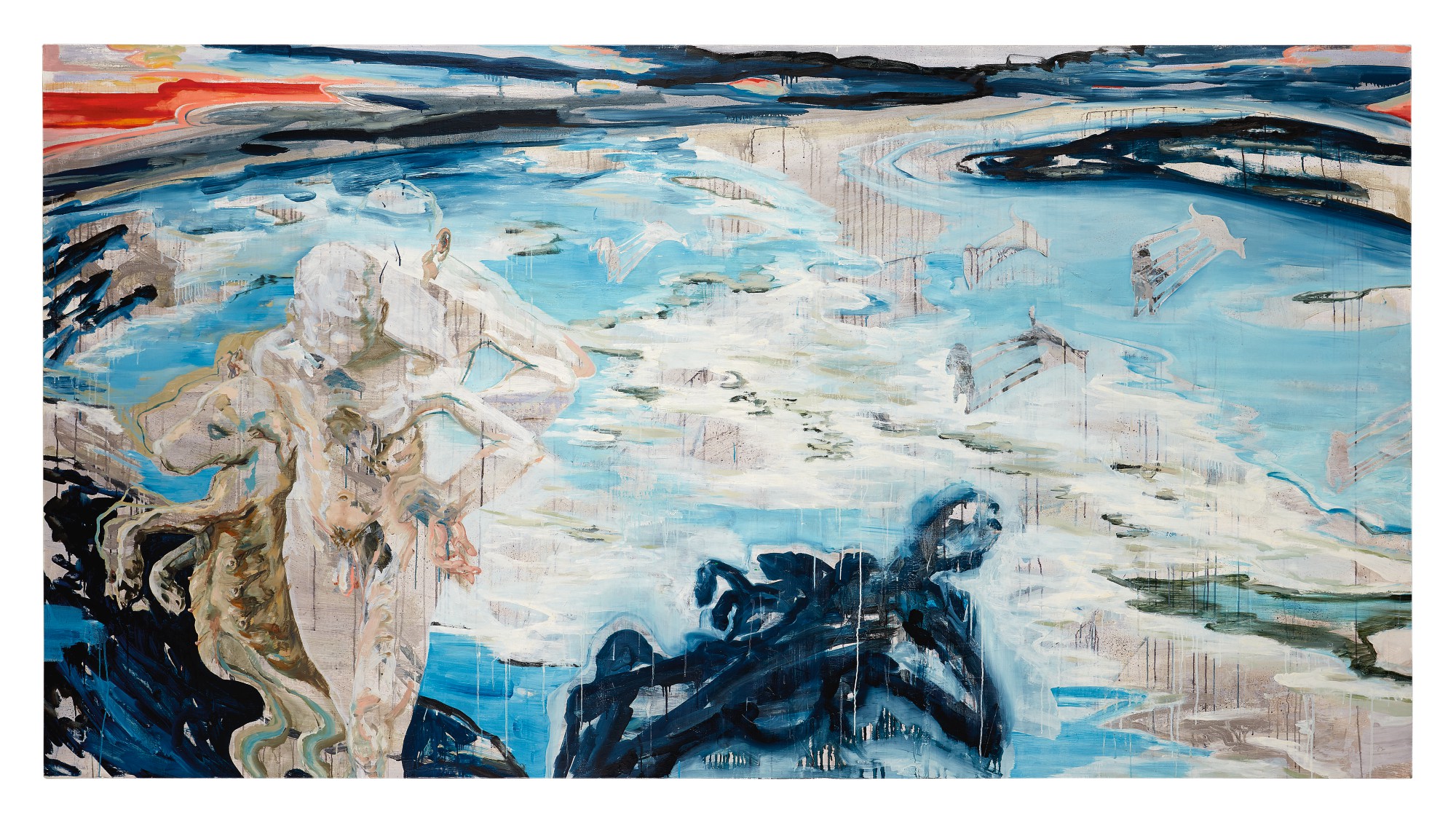
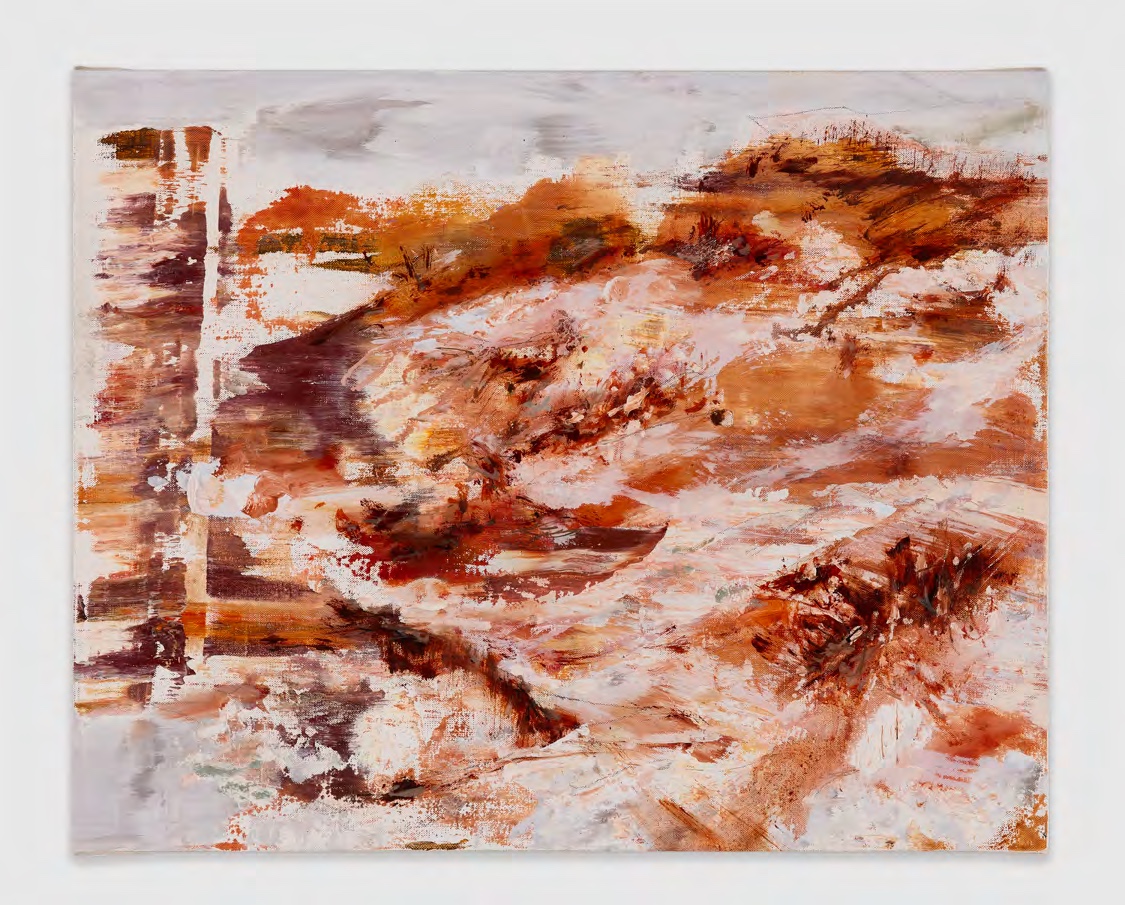
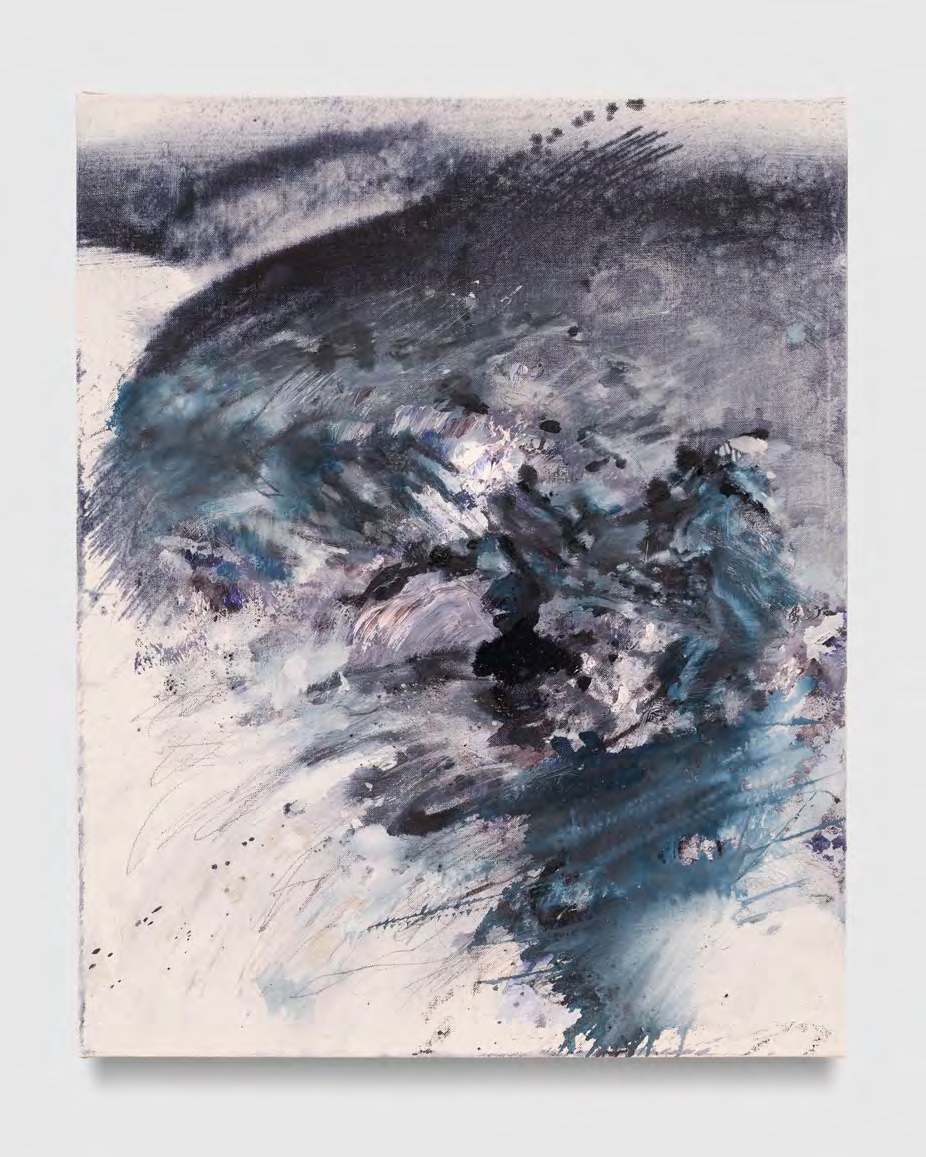
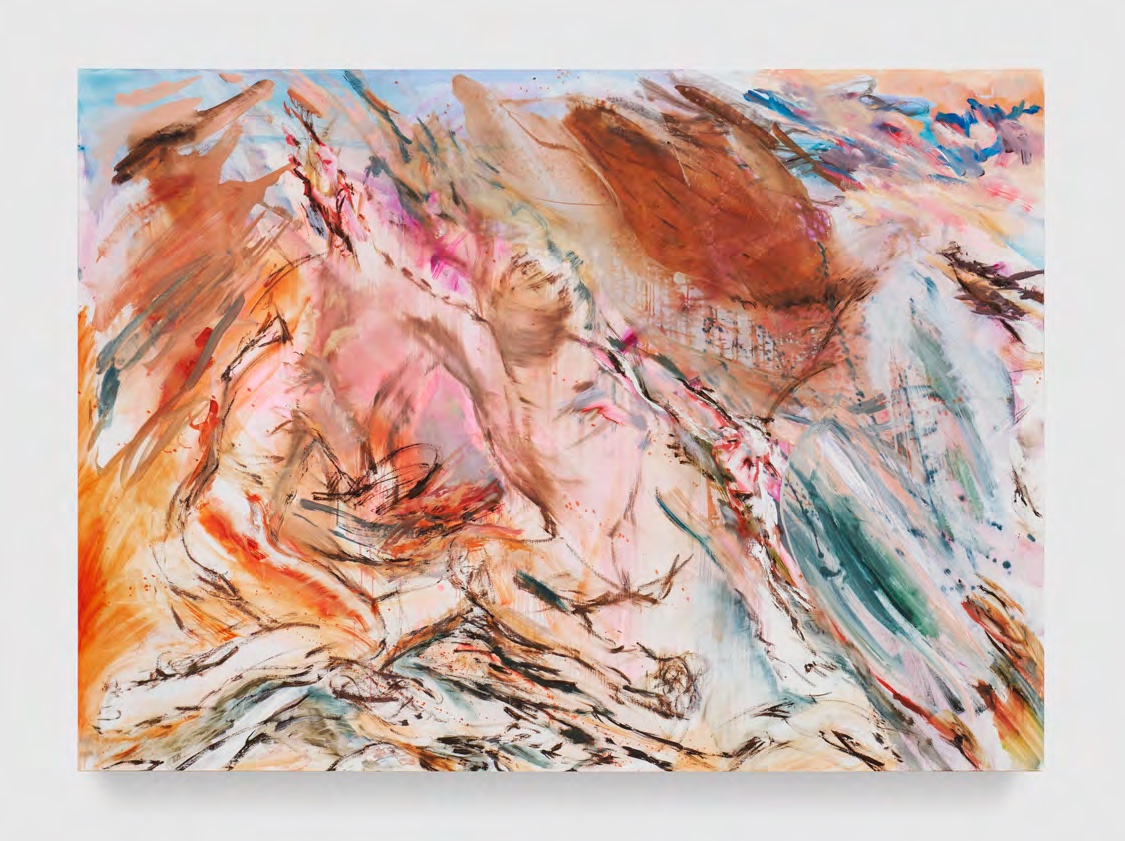
Kylie Manning is an American contemporary painter known for her vibrant, emotionally charged figurative works that explore themes of femininity, identity, and the human form. Her bold use of color and expressive brushwork have earned her recognition in the contemporary art market, with works appearing at major auction houses. Manning's paintings often feature abstracted figures rendered in richly layered pigments that blur the line between representation and abstraction.
Spotted by

Artists in conversation

Cecily Brown
Brown's paintings similarly merge figuration and abstraction through loose expressive brushwork and richly layered pigments, often centering on the human body and charged emotional energy. Collectors drawn to Manning's vibrant figurative canvases frequently pursue Brown's work for its comparable sensual intensity and painterly freedom.
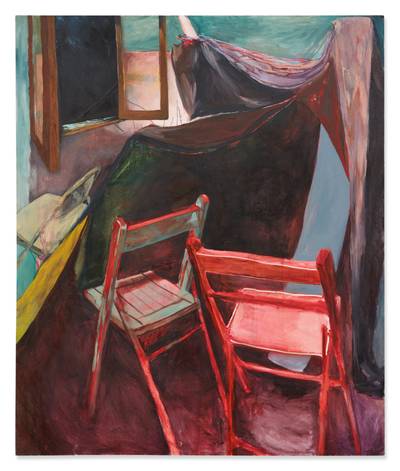
Jennifer Packer
Packer shares Manning's commitment to emotionally resonant figurative painting that privileges bold color relationships and gestural mark making over strict representation. Both artists treat the figure as a site for exploring vulnerability and identity, appealing to the same contemporary collector base.
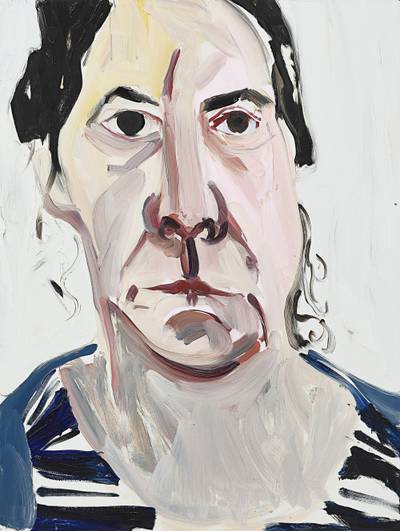
Chantal Joffe
Joffe's large scale figurative portraits of women use expressive, almost raw brushwork and vivid color to probe femininity and psychological interiority in ways that closely parallel Manning's thematic and formal concerns. A collector of Manning would recognize in Joffe the same emotional directness and unidealized celebration of the female form.
Artists who inspired them

Joan Mitchell
Mitchell's Abstract Expressionist canvases demonstrated how color and gestural brushwork could carry intense emotional weight without literal representation, a lesson visible in Manning's richly layered, chromatic surfaces. Manning draws on Mitchell's example of a woman painter working at monumental scale with unapologetic expressive force.
Maria Lassnig
Lassnig's body awareness paintings, which distort and abstract the figure to register subjective bodily sensation, anticipate Manning's interest in using the human form as a vehicle for psychological and emotional investigation. Manning's approach to identity and femininity through the painted body reflects Lassnig's pioneering fusion of figuration, feeling, and paint materiality.

Philip Guston
Guston's late career return to raw, cartoonish figuration embedded in thick impasto paint opened a path for later painters to combine expressive mark making with representational imagery, a balance Manning pursues in her own layered figurative canvases. His willingness to let paint remain visibly physical while still reading as a body is a precedent directly relevant to Manning's practice.