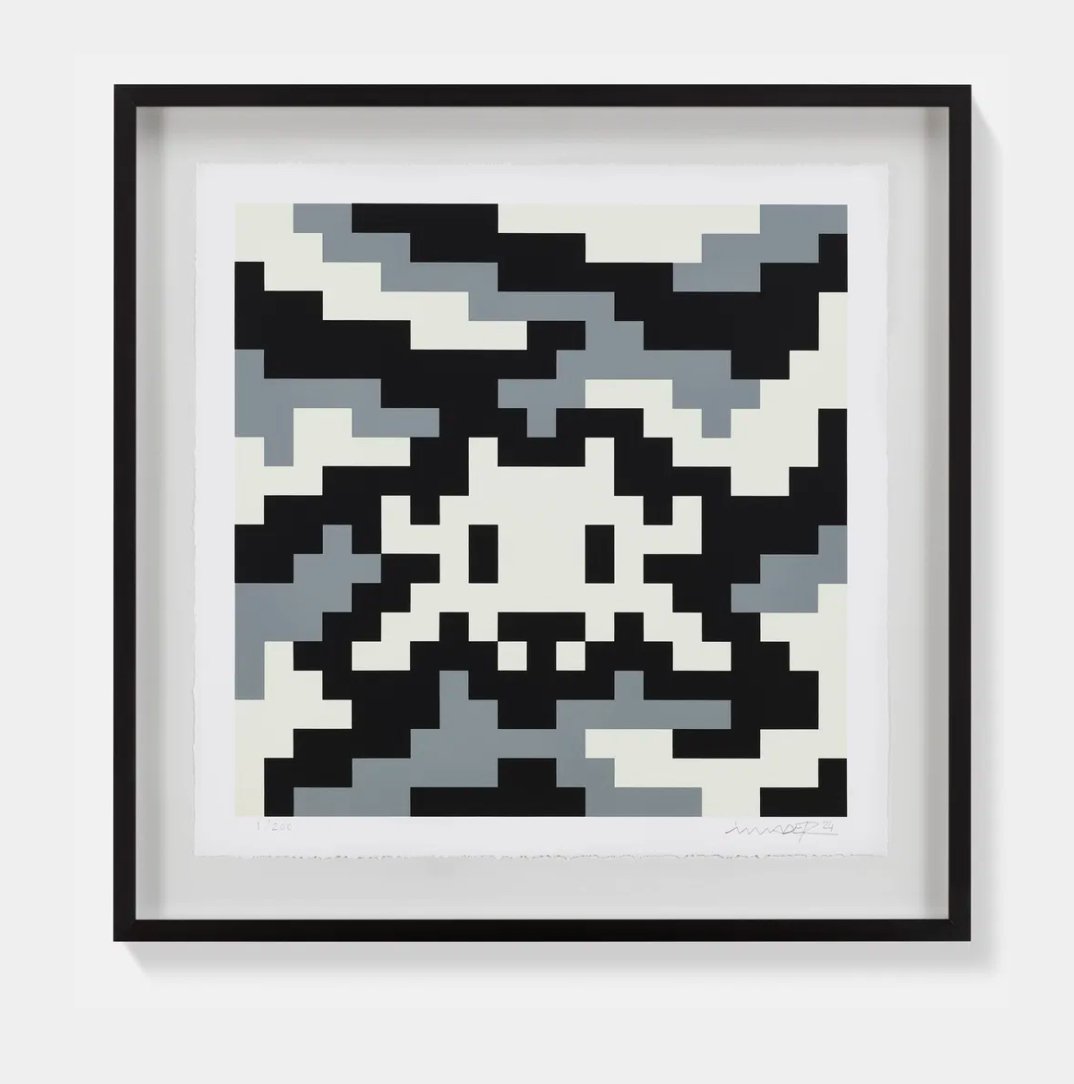
Emerging
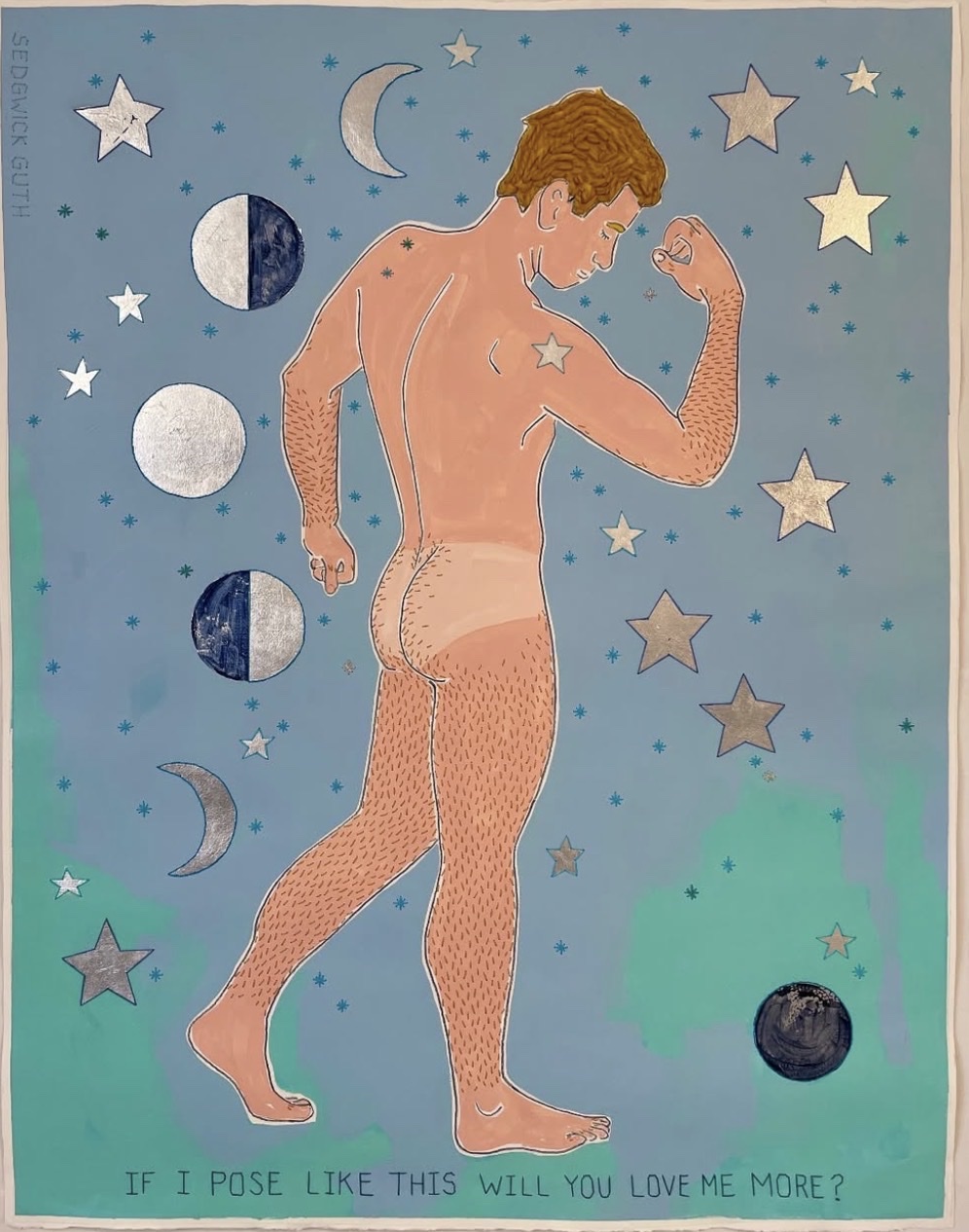
Sedgwick Guth
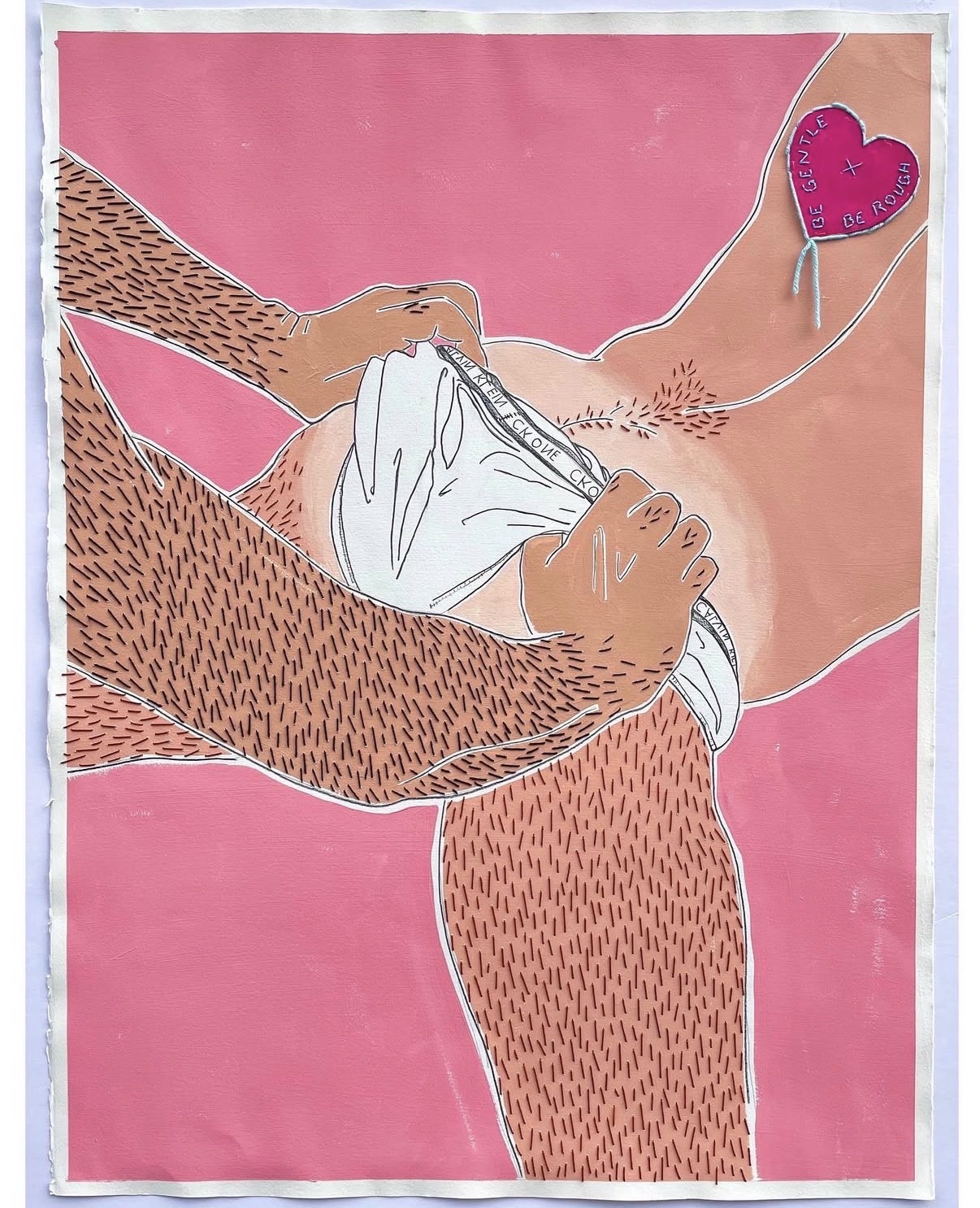
If I Pose Like This Will You Love Me More?
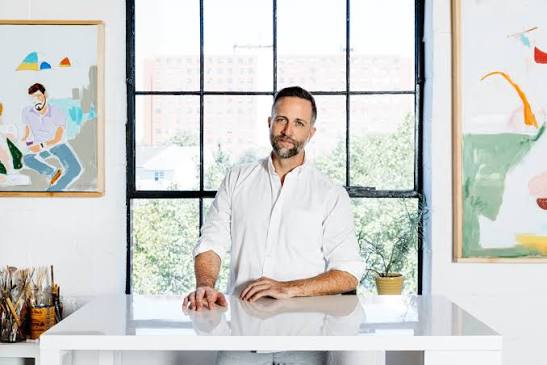
Before the World Catches On: Collecting Emerging Art
There is a particular kind of attention required when looking at work by an artist who has not yet been claimed by consensus. No auction record to anchor your judgment, no museum retrospective to frame the biography, no critical apparatus to tell you what to think. Just the painting, the photograph, the drawing, and the slow work of your own eye. This is the territory of the emerging artist, and it has always been one of the most charged and generative spaces in the history of collecting.
The idea of the emerging artist as a distinct cultural category is relatively recent. For much of Western art history, artists entered the world through academies, guilds, and patronage systems that smoothed the path from apprentice to recognized master. The Romantic era began to disrupt this, elevating the self taught outsider and the visionary misfit, but it was the twentieth century that truly institutionalized the idea of newness as value. By the 1950s and 1960s, dealers like Leo Castelli in New York and Konrad Fischer in Düsseldorf were building careers and movements around artists who had produced almost nothing yet, betting on potential and sensibility rather than proven output.
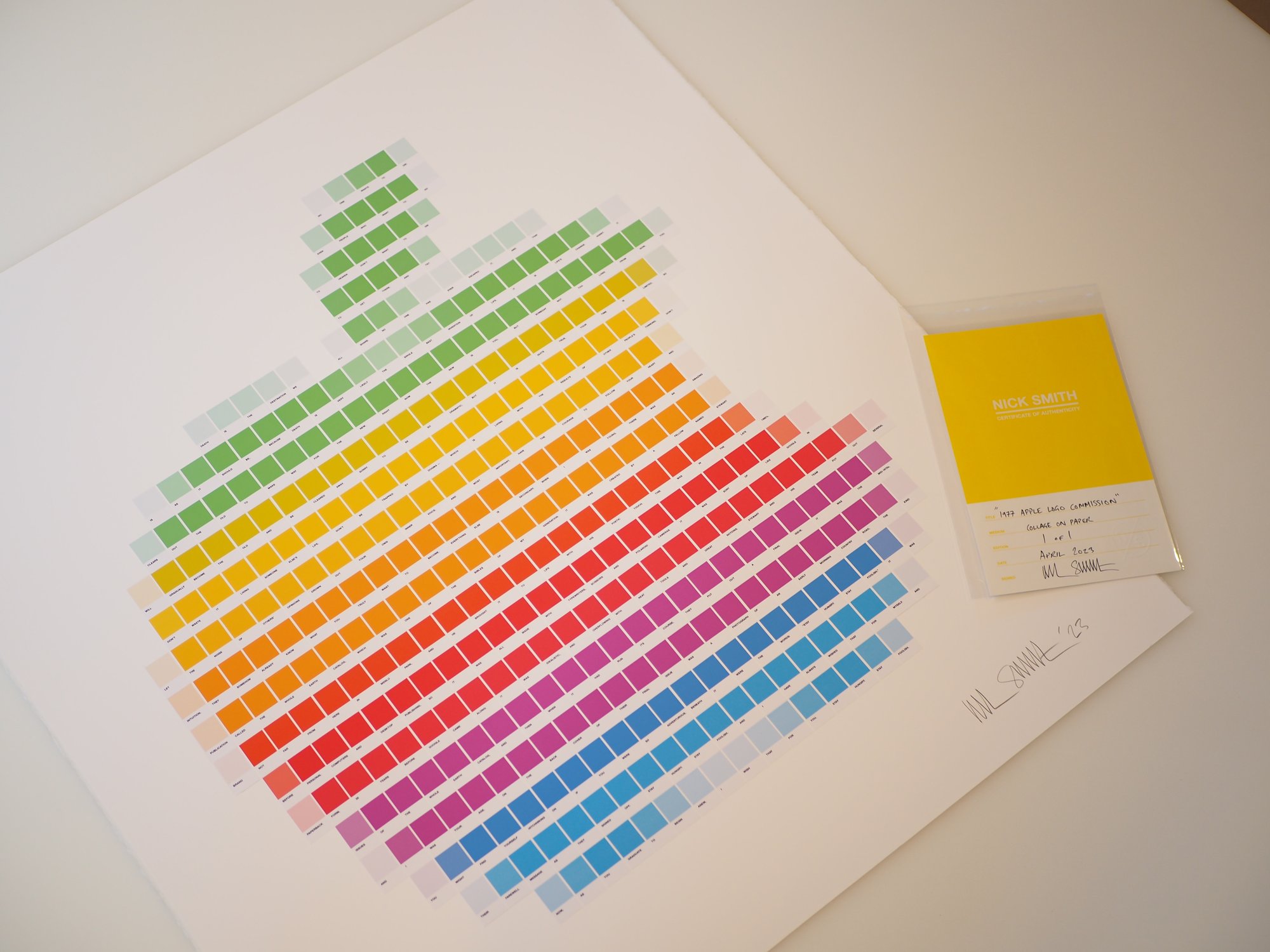
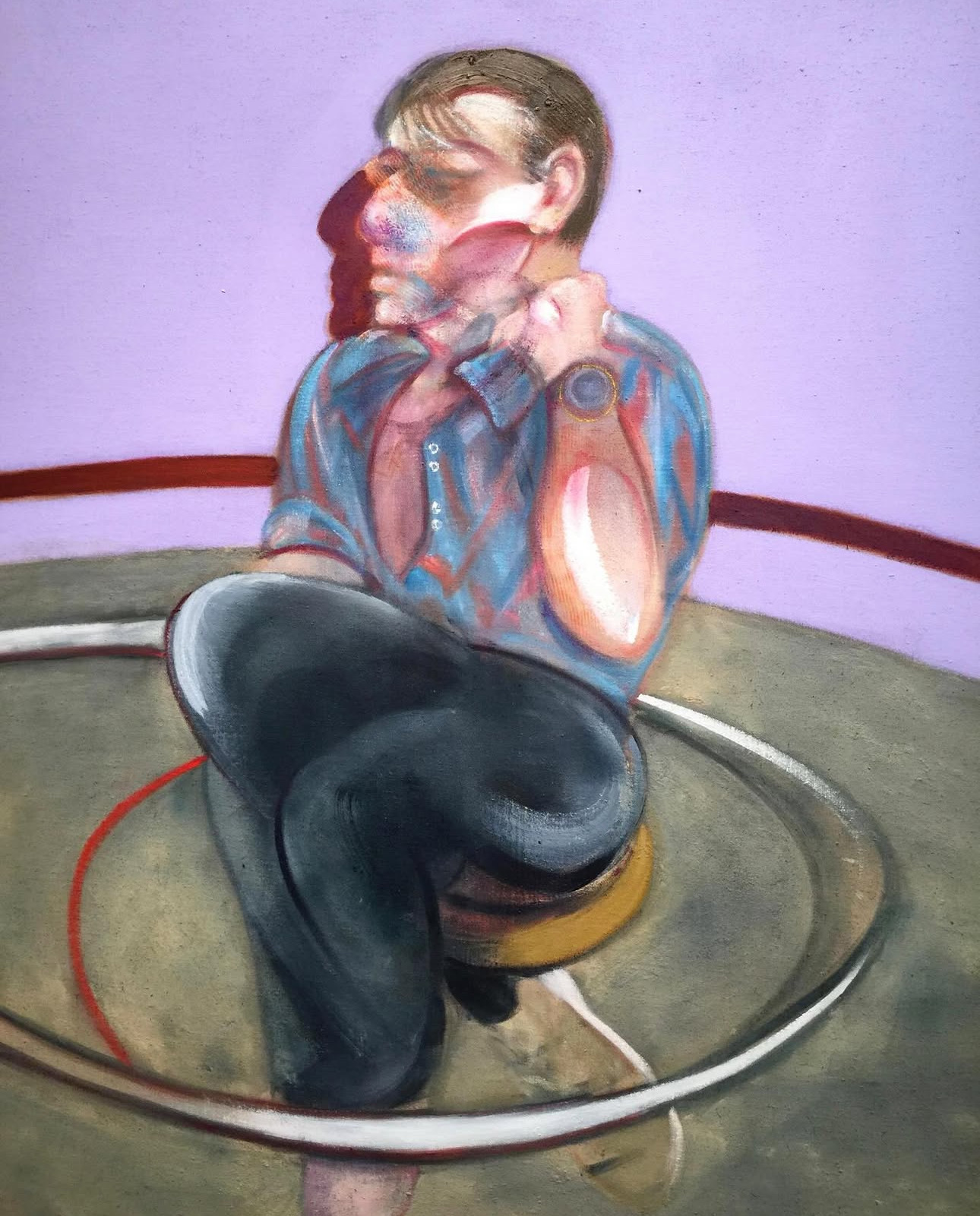
Nick Smith
Apple 1977 Logo Commission, 2023
Castelli signed Jasper Johns after seeing work in his studio in 1958. That kind of early conviction became its own art form. The art fair boom of the 1990s and early 2000s accelerated the machinery of emergence considerably. Frieze London launched in 2003 and almost immediately became a venue where younger galleries could present new painters and photographers to a globally connected audience.
Art Basel Miami Beach, which opened in 2002, added a second seasonal pulse to the market. Sections like NADA, which began in 2002 as a fair explicitly dedicated to newer voices, gave institutional form to a conversation that had previously happened only in studios and back rooms. Emerging stopped being a vague aspiration and became a legible market position. What actually defines emergence is harder to pin down than the infrastructure around it suggests.
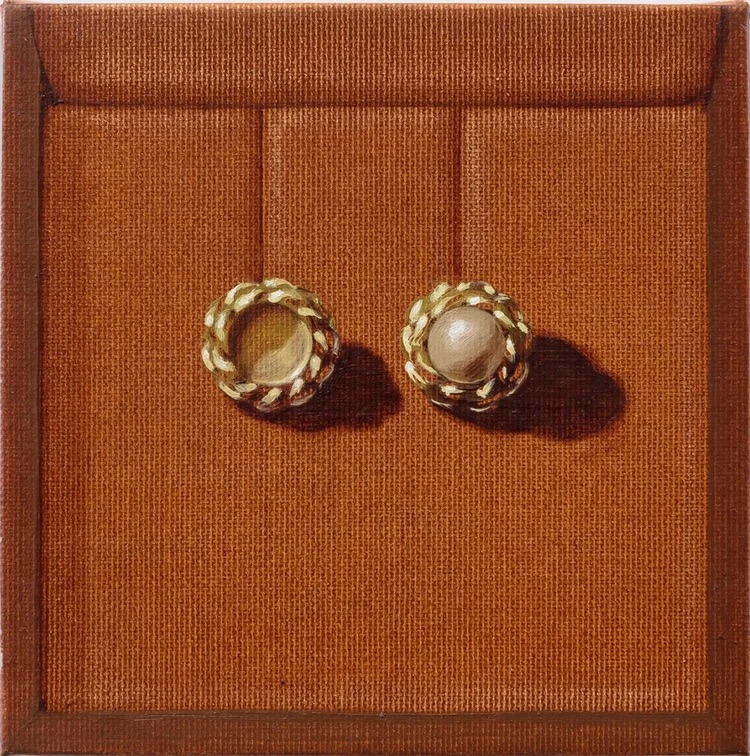
Anna Weyant
Untitled, 2021
It is not simply youth. Some artists work quietly for decades before the world adjusts to their frequency. It is closer to a condition of unresolved potential, work that is developing its own logic in real time. The paintings of Anna Weyant, whose work has appeared in prominent collections and generated significant attention in recent years, carry this quality.
Her figures are rendered with a technical fluency that draws on Old Master traditions while remaining unmistakably of the present moment, uncomfortable and tender and alive with ambiguity. Louis Fratino brings a similar historical literacy to work that is deeply personal, drawing on the language of early modernism to describe queer intimacy and domestic life with warmth and precision. Both artists arrived in the broader conversation relatively recently, and both have accumulated serious critical and collector attention in short order. The painters and image makers well represented on The Collection demonstrate how wide the territory of emergence actually is.
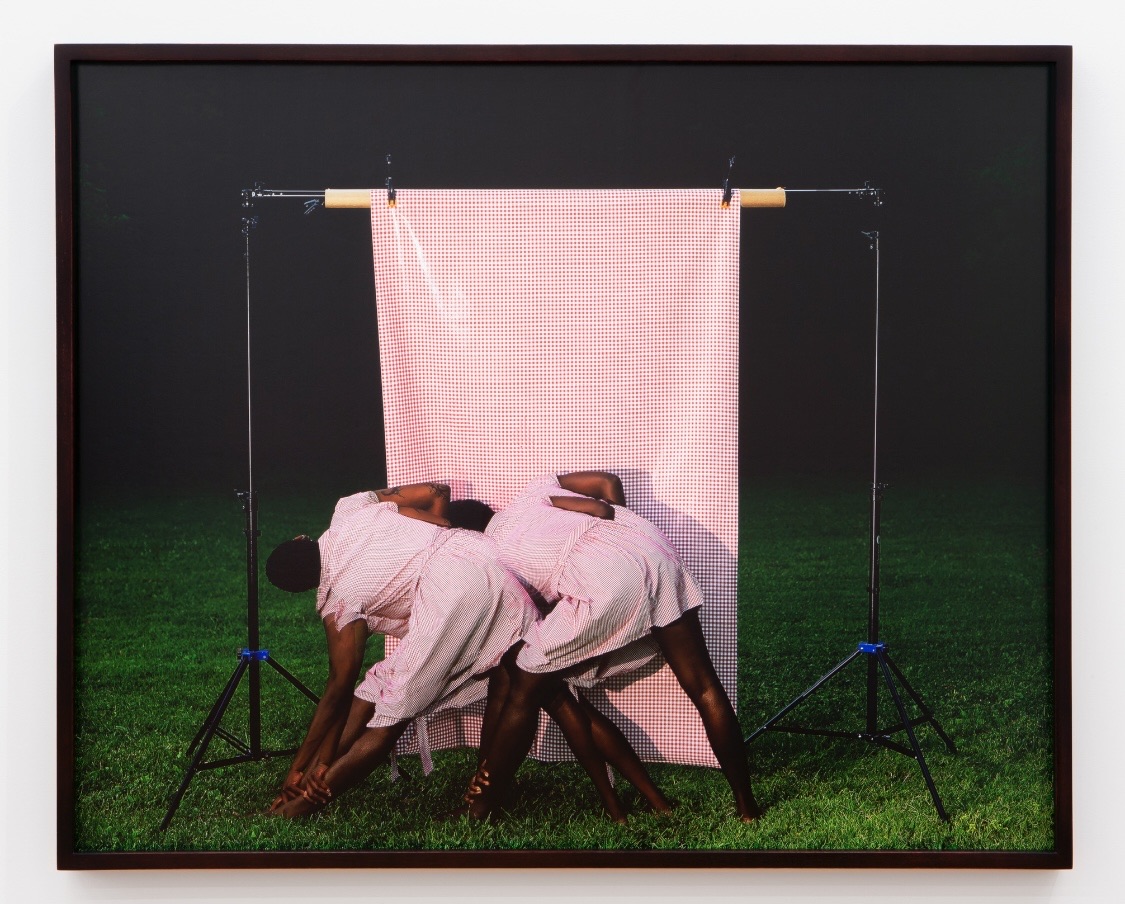
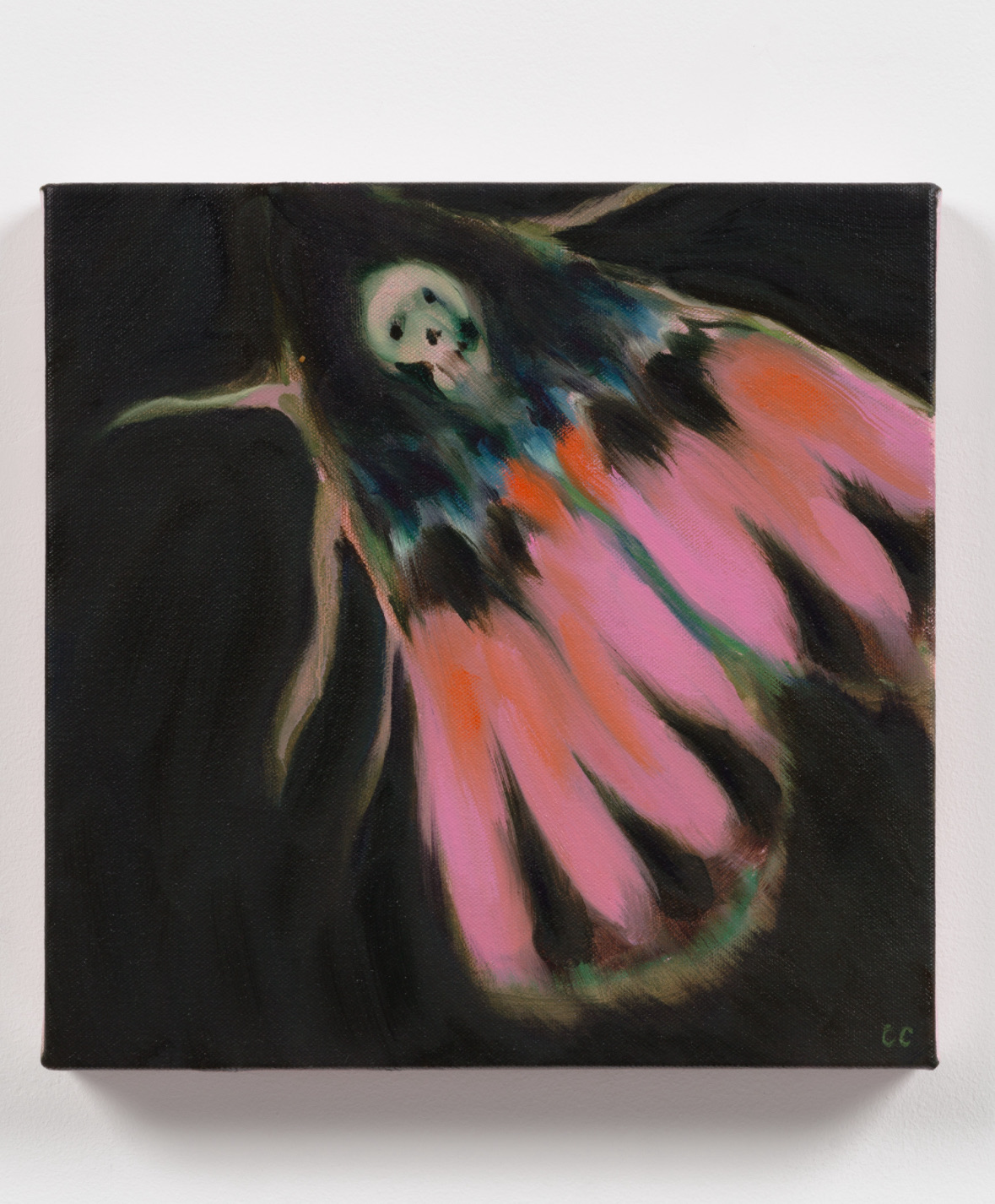
Widline Cadet
Untitled
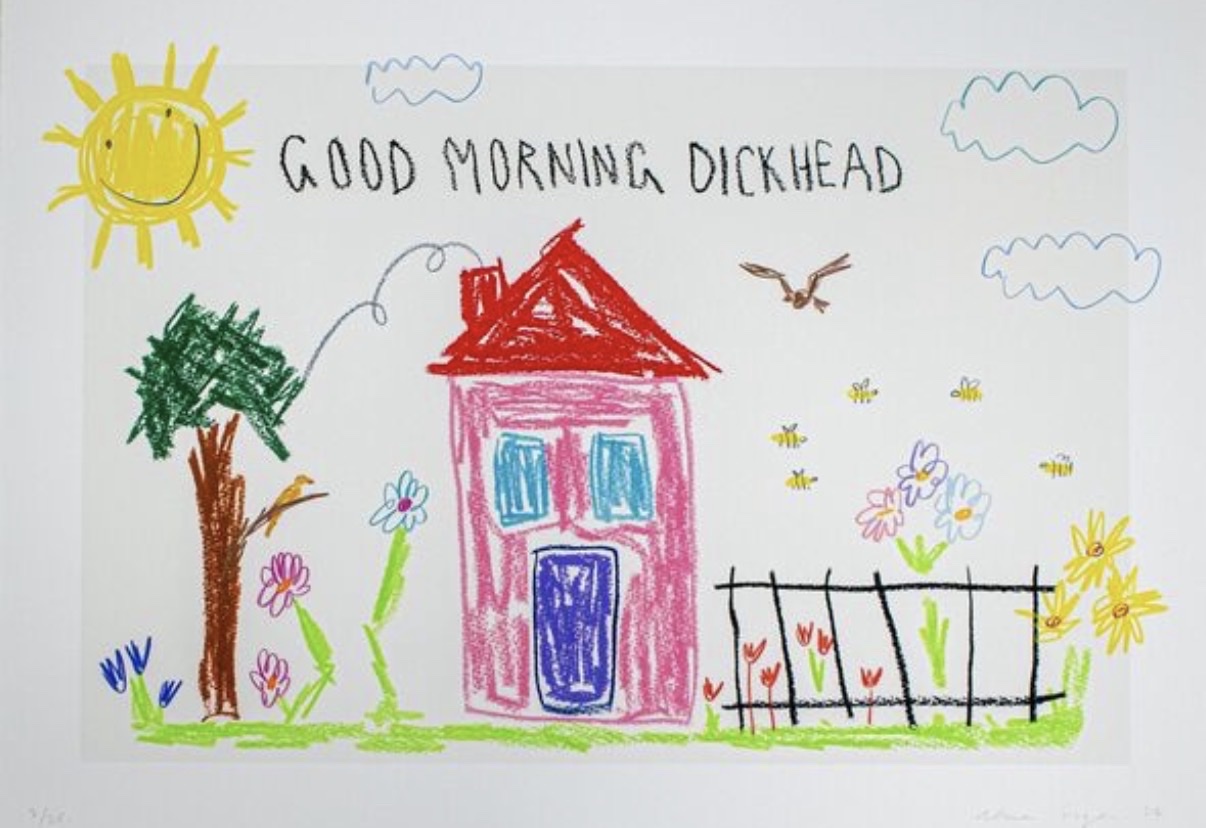
Widline Cadet works in photographic collage, layering imagery and material to examine memory, diaspora, and the representation of Black womanhood with extraordinary formal intelligence. Tyler Mitchell, who made history as the first Black photographer to shoot a cover for American Vogue in 2018, brings a cinematic softness to images of Black joy and freedom that feel at once politically charged and visually luxurious. Alma Singer works with a rawness and psychological directness that recalls the best of the East Village scene of the 1980s while belonging entirely to her own moment. Maria Guzman Capron brings vibrant, densely patterned surfaces to figurative work that draws on Latin American textile traditions and the history of decorative art.
These are not artists working in the same mode or toward the same ends. Emergence is not a style. It is a developmental stage that can be inhabited by almost any sensibility. Technically, work by emerging artists tends to carry the evidence of its own becoming.
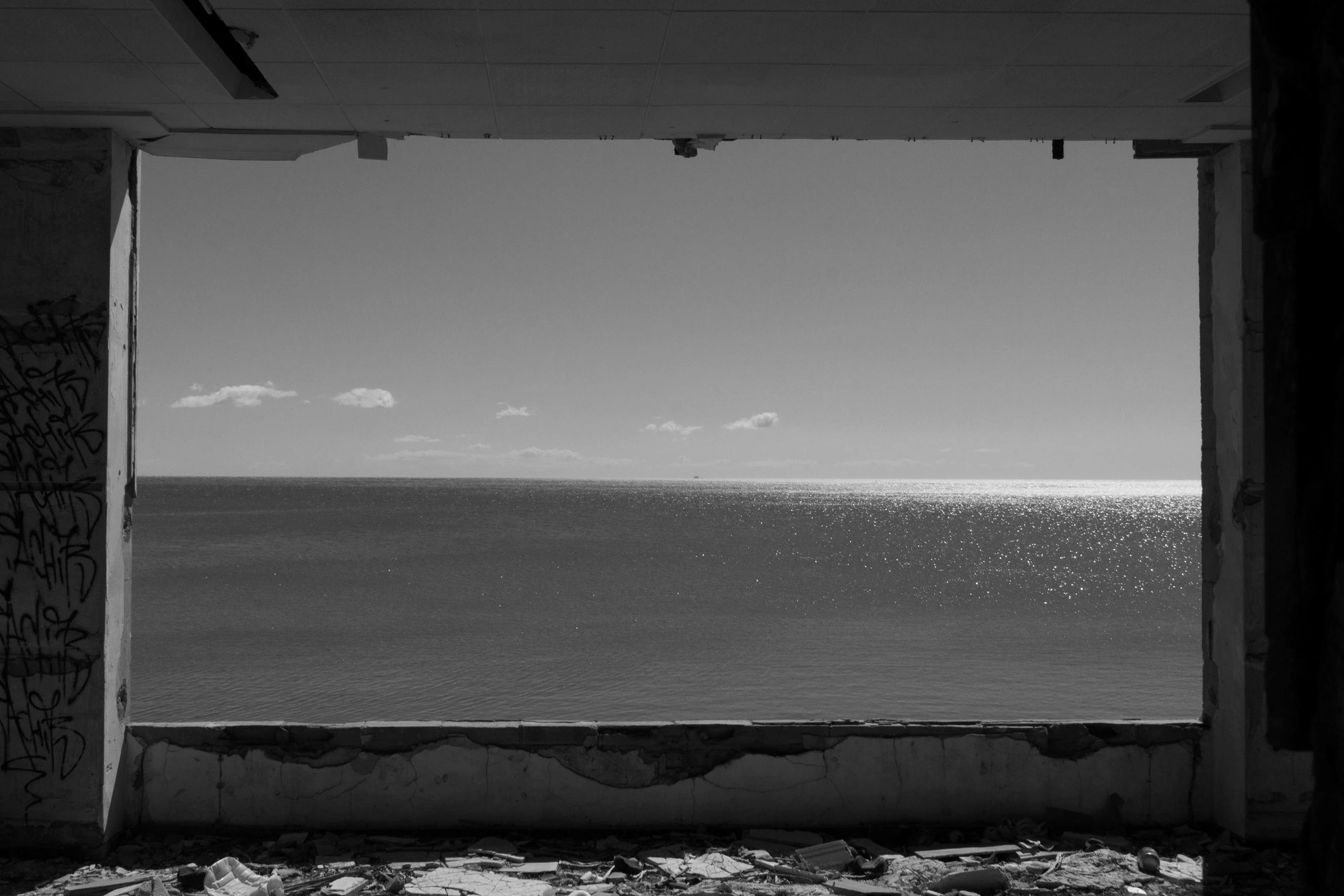
Ruben Tomas
Ocean Land
You see the decisions. A painter like Keegan Hall or Chase Langford leaves visible the negotiation between representation and abstraction, the brushwork showing where the image was found rather than planned. This is part of the attraction for collectors who engage seriously with the work. You are not buying a fully resolved argument.
You are buying into an ongoing investigation, and the best emerging work makes you a participant in that inquiry rather than a passive recipient of its conclusions. Kenny Riviero and Ruben Tomas both demonstrate this quality, their surfaces dense with marks that reward sustained attention in ways that a reproduction simply cannot communicate. The cultural significance of collecting emerging work extends well beyond the financial speculation that tends to dominate popular conversation about it. When a collector acquires work at this stage, they are often sustaining a practice at a moment when external validation is scarce.
The relationship between early collectors and emerging artists has shaped the history of modern and contemporary art in ways that are still being written. The Steins collecting Matisse and Picasso in the early 1900s, Dorothy and Herbert Vogel building their extraordinary collection of minimal and conceptual work on a postal worker's salary in New York from the 1960s onward, these are not just collecting stories. They are stories about belief and its material consequences. What the current moment offers is a breadth of perspective that earlier eras rarely managed.
Artists like Atsushi Kaga working from Japan, Xevi Solà from Spain, and Camilla Moberg from Scandinavia are part of a genuinely international conversation about painting and image making that no single city or scene can claim to own. The Collection reflects this dispersal. The works gathered here do not resolve into a single narrative about what painting or photography or drawing is supposed to be doing right now. They are in productive disagreement with each other, which is precisely what a vital moment in art looks like from the inside.
To collect emerging work well is to be comfortable with that uncertainty and to find in it not anxiety but possibility.