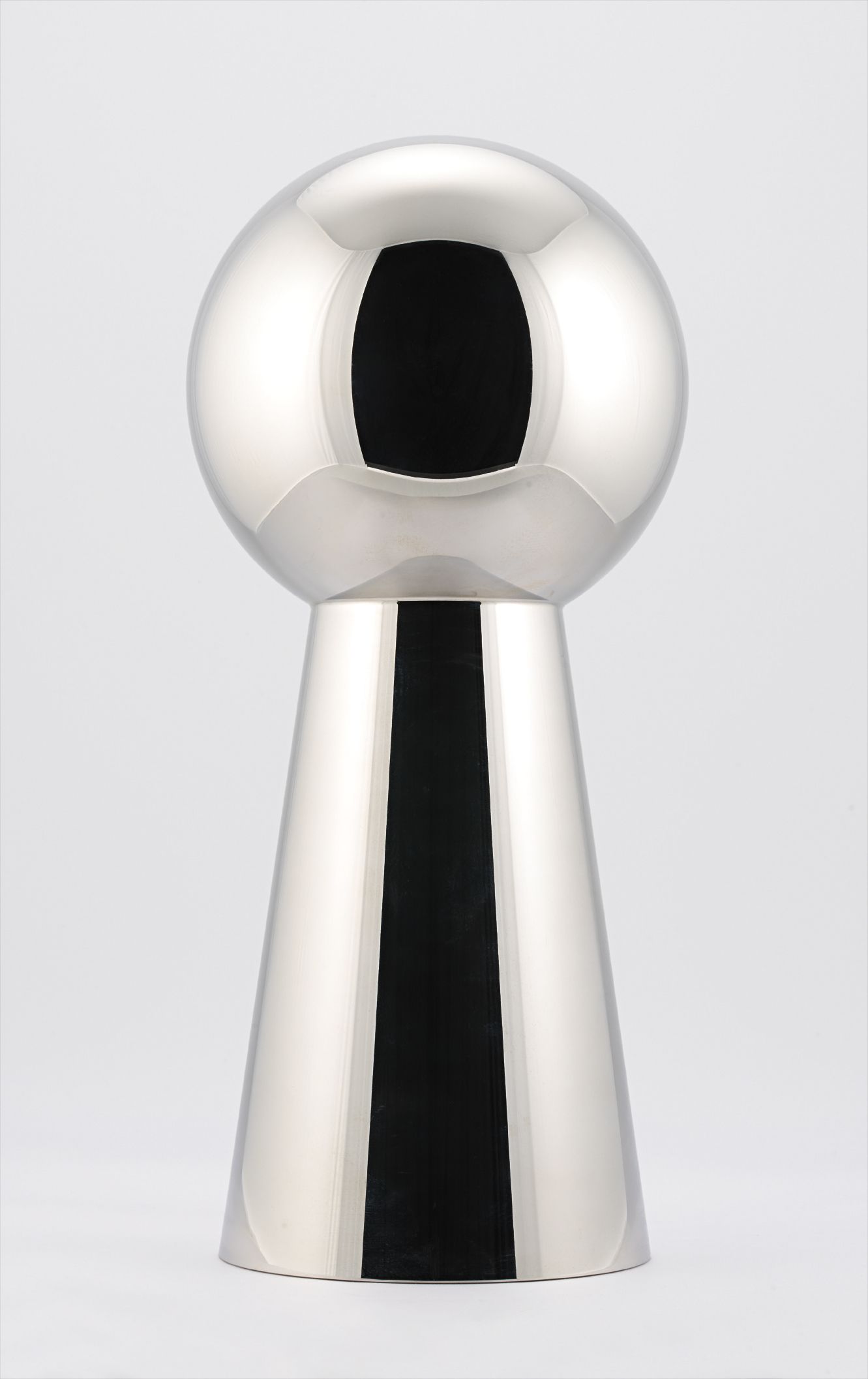
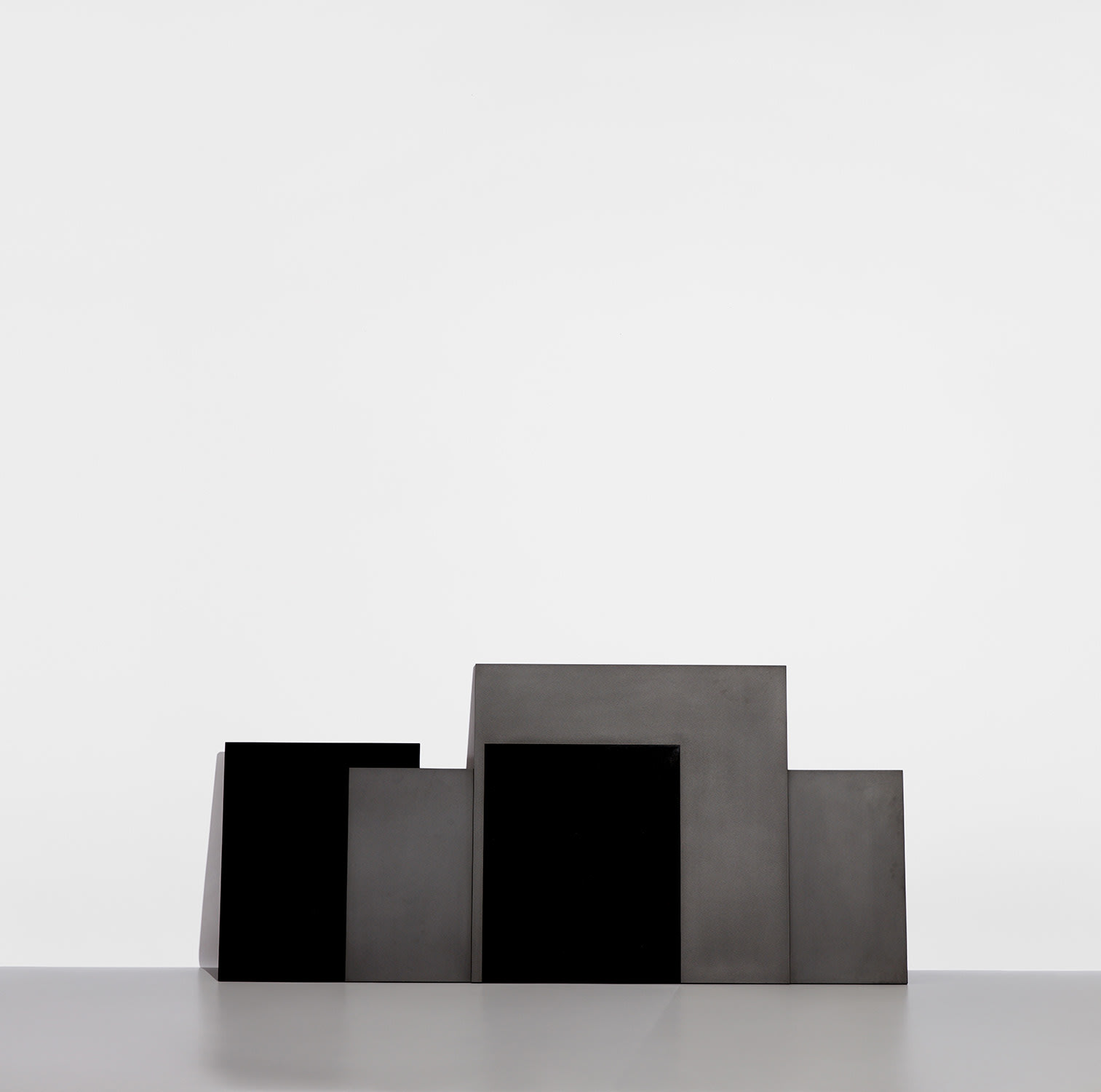
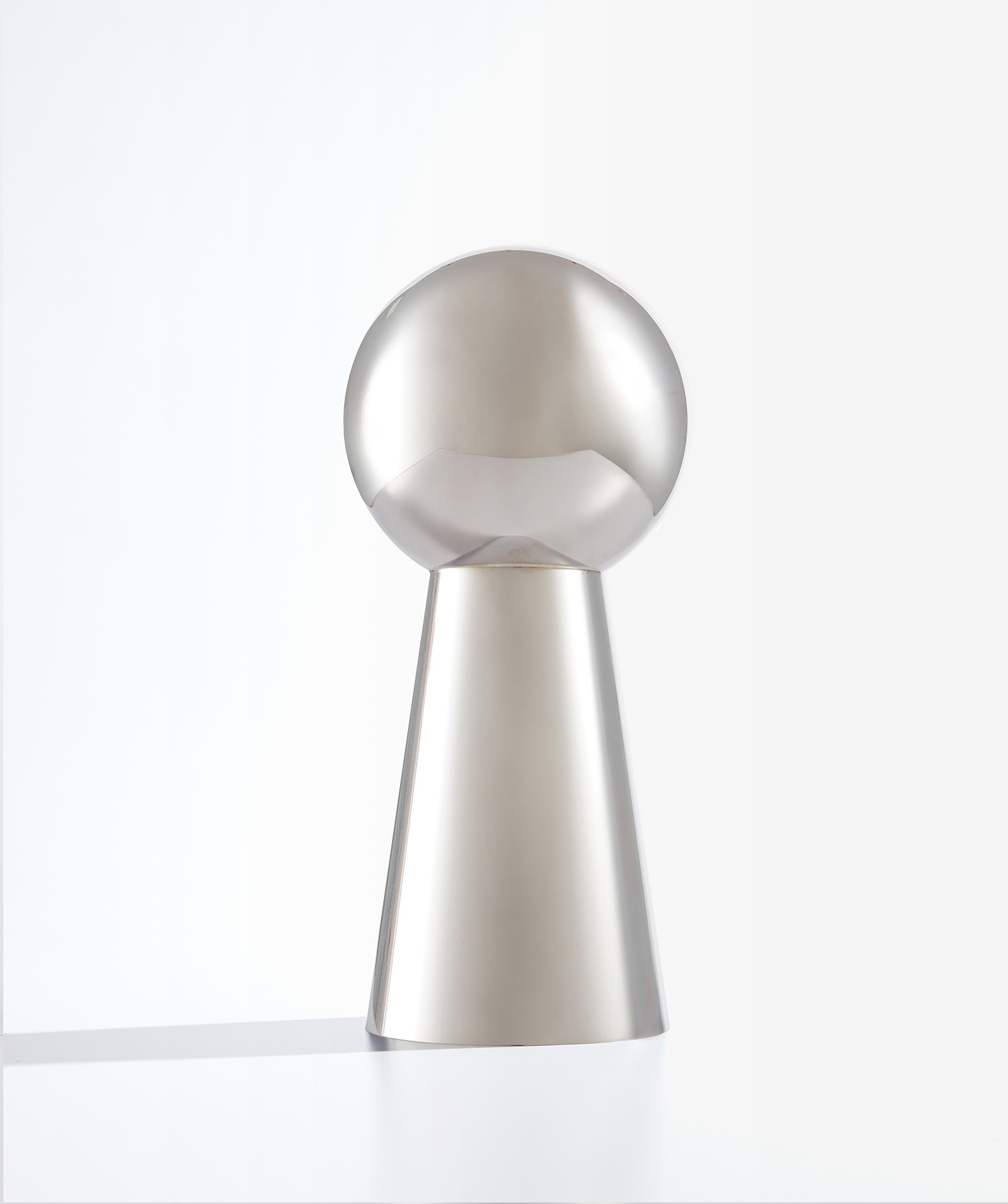
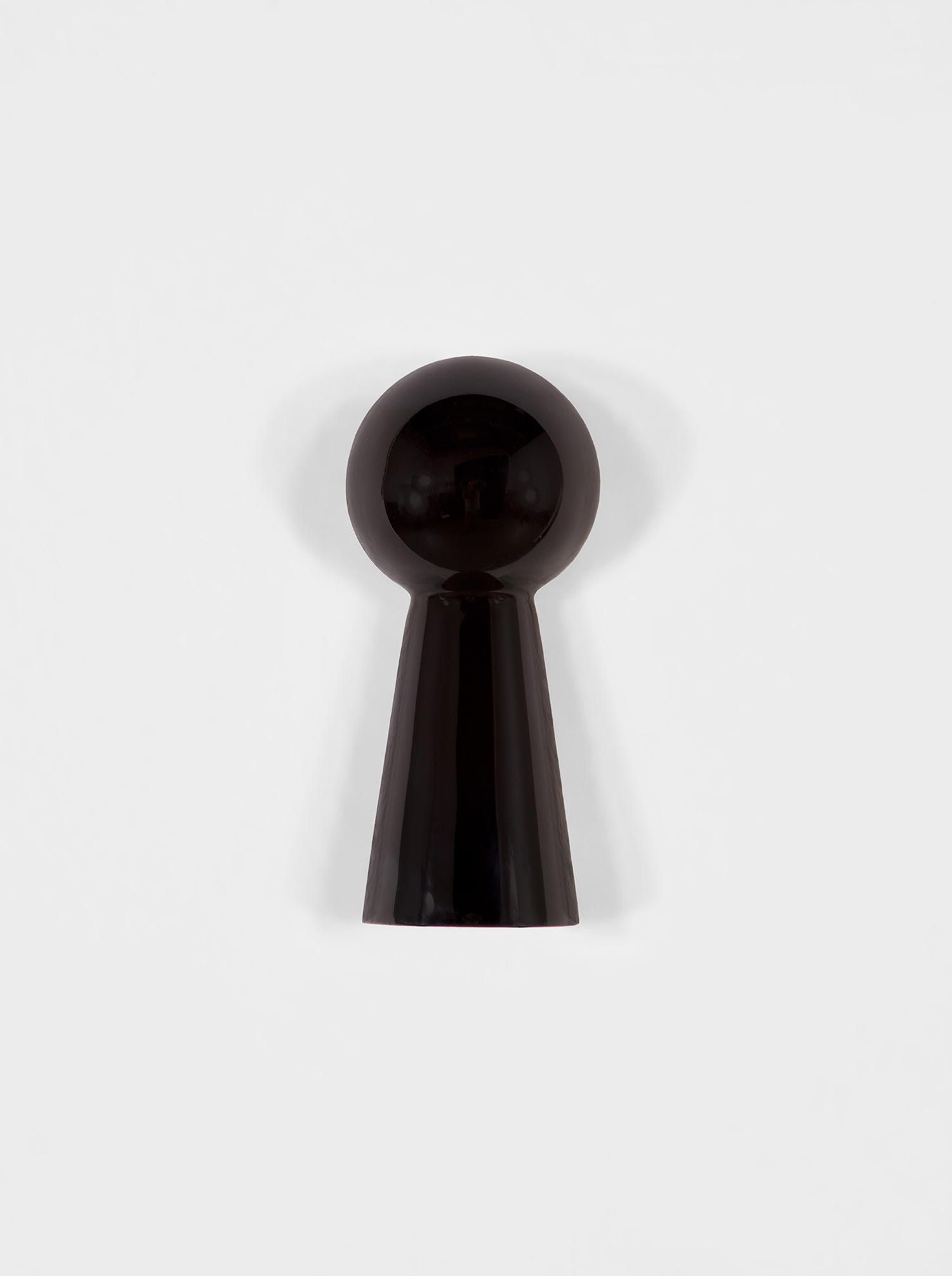
In the quietly commanding world of contemporary Brazilian art, few artists command the same degree of reverent attention as Iran do Espírito Santo. His recent inclusion in major institutional surveys across Latin America and Europe has brought renewed focus to a practice that rewards slowness, attention, and a willingness to look twice. Galleries in São Paulo and New York have seen sustained collector interest in his work, and the secondary market has responded with growing enthusiasm, confirming what admirers have long known: this is an artist whose objects carry an almost gravitational pull. Born in 1963 in Mococa, in the interior of São Paulo state, Iran do Espírito Santo came of age in a Brazil alive with artistic ambition and conceptual energy. The legacy of the São Paulo Bienal, which had long served as a crucible for international dialogue, was part of the cultural atmosphere he inherited. He studied at the Fundação Armando Álvares Penteado in São Paulo, one of the most rigorous art schools in Brazil, where the intellectual traditions of Brazilian Concrete and Neo Concrete art formed a bedrock for his thinking. Artists such as Hélio Oiticica, Lygia Clark, and the poet and theorist Ferreira Gullar had already reimagined what art could be and do in Brazil, and their ideas about perception, participation, and the dissolution of the boundary between art and life left a lasting mark on the generation that followed. Do Espírito Santo moved to New York in the early 1990s, a decisive step that brought him into contact with the international conceptual art scene without ever severing his deep roots in Brazilian visual culture. Living and working between New York and São Paulo, he developed a practice that drew equally on the cool intellectual rigor of minimalist sculpture and the warm, sensory intelligence of the Neo Concrete tradition. This transatlantic positioning gave his work a particular kind of tension, at once universally legible in the language of contemporary art and unmistakably shaped by a specifically Brazilian way of thinking about objects and the body. He has been represented by Sean Kelly Gallery in New York, one of the most respected platforms for rigorous conceptual work in the United States, and by Galeria Fortes Vilaça in São Paulo, now known as Fortes D'Aloia and Gabriel. The signature gesture of his practice is a kind of loving estrangement. Do Espírito Santo selects ordinary objects, things so familiar they have become invisible, and subjects them to a process of material transformation that returns them to full visibility. A keyhole, a lightbulb, a cardboard box, a drain: these are the raw materials of a quietly radical art. His celebrated Buraco de Fechadura series, in which keyholes are rendered in polished stainless steel at a scale that hovers between the intimate and the monumental, exemplifies this approach with particular elegance. The stainless steel surface reflects the viewer back at themselves, implicating the act of looking in the object being looked at. There is something tender and slightly witty about these works, an acknowledgment that the keyhole is itself an instrument of vision, a frame for seeing what lies on the other side of a threshold. The Lâmpada series, in which lightbulbs are cast in stainless steel and resin, carries a similar charge. The bulb is perhaps the most universally recognized symbol of the idea, the flash of insight, the moment of illumination. By translating it into inert, reflective metal, do Espírito Santo empties it of its symbolic content and gives it back as pure form. The result is an object that feels both deeply familiar and strangely new, as if seen for the first time. His drawings, including works from the Crtn series, bring the same sensibility to paper: meticulous, almost devotional renderings of mundane containers and surfaces that elevate the overlooked to the level of the iconic. More recent works such as Supplement from 2013 and Black Restless 01 from 2009 demonstrate an ongoing willingness to expand his vocabulary while maintaining the essential discipline that defines the practice. For collectors, the appeal of do Espírito Santo's work is both immediate and accumulating. On first encounter, the objects seduce through their sheer physical presence: the mirror surfaces, the perfect proportions, the uncanny familiarity of the subject matter. Over time, they reveal themselves as objects of genuine philosophical substance, works that continue to ask questions about perception, representation, and the nature of value. The market for his work has developed steadily rather than spectacularly, reflecting the seriousness of the collecting base drawn to his practice. Buyers tend to be thoughtful, committed collectors with an interest in the broader traditions of conceptual and minimalist art, and works in his secondary market consistently attract attention from collections with strong holdings in artists such as Felix Gonzalez Torres, Cildo Meireles, and Haim Steinbach. Within art history, do Espírito Santo occupies a genuinely singular position. He bridges two great traditions: the rigorous object based thinking of the Anglo American minimalist and post minimalist lineage, associated with artists from Donald Judd to Robert Gober, and the more phenomenologically oriented, body conscious tradition of Brazilian Neo Concretism. His work also invites comparison with the Italian Arte Povera movement in its attention to humble materials and the poetics of the everyday, as well as with the conceptually driven sculpture of artists like Juan Muñoz and Katharina Fritsch. Yet the work never feels derivative. It has a character that is entirely its own: Brazilian in its sensory warmth, minimal in its formal economy, and quietly radical in its insistence on the profound strangeness of ordinary things. Iran do Espírito Santo matters today for reasons that go beyond market position or institutional recognition, though both are well established. He offers something rarer: a reminder that attention is itself a form of art, that the act of looking carefully at the world is both a discipline and a gift. In an era saturated with images and overwhelmed by noise, his practice stands as a model of focused, unhurried seeing. To live with one of his works is to accept an ongoing invitation to pause, to look, and to find in the most familiar of forms something inexhaustibly new.