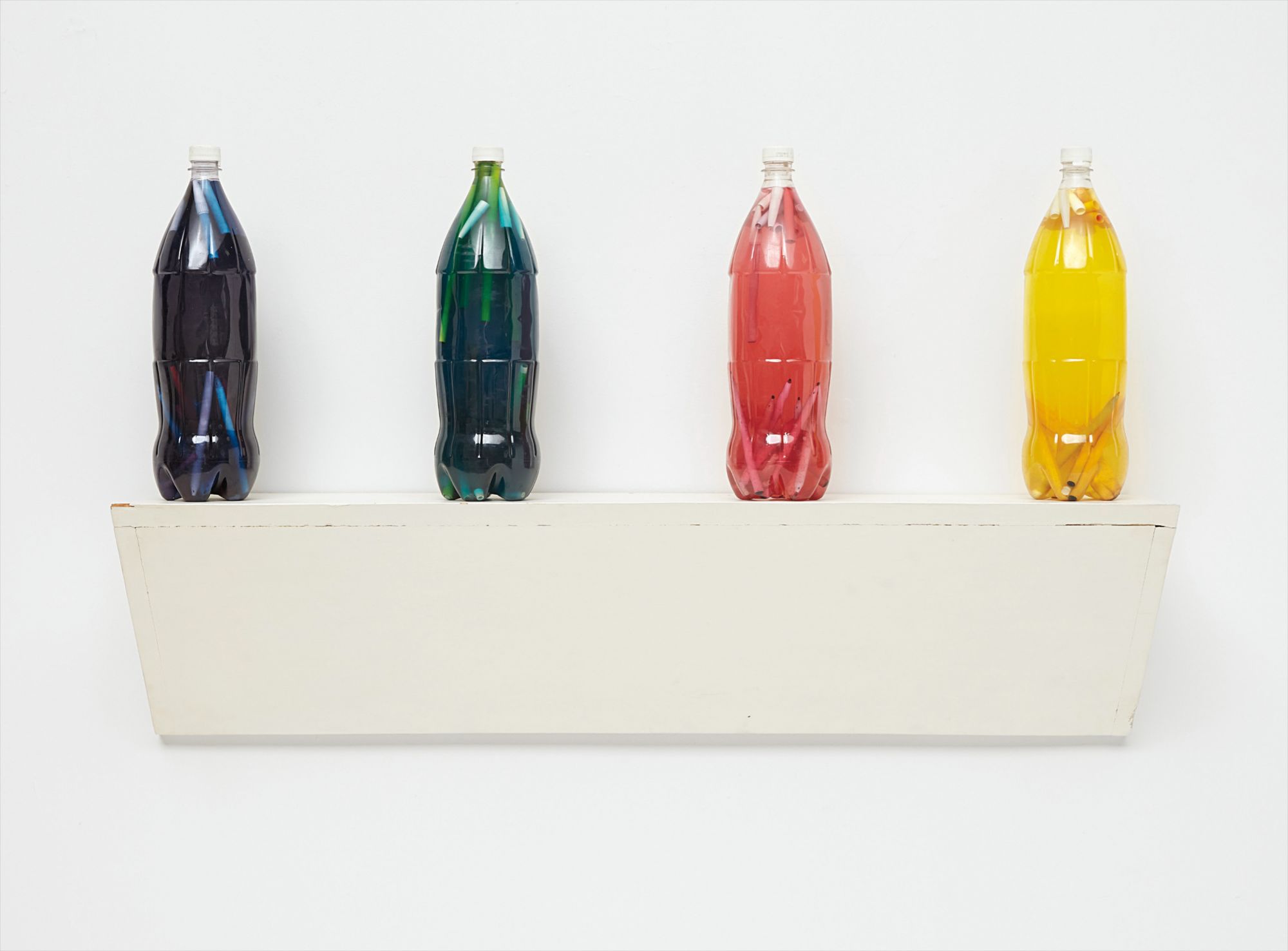
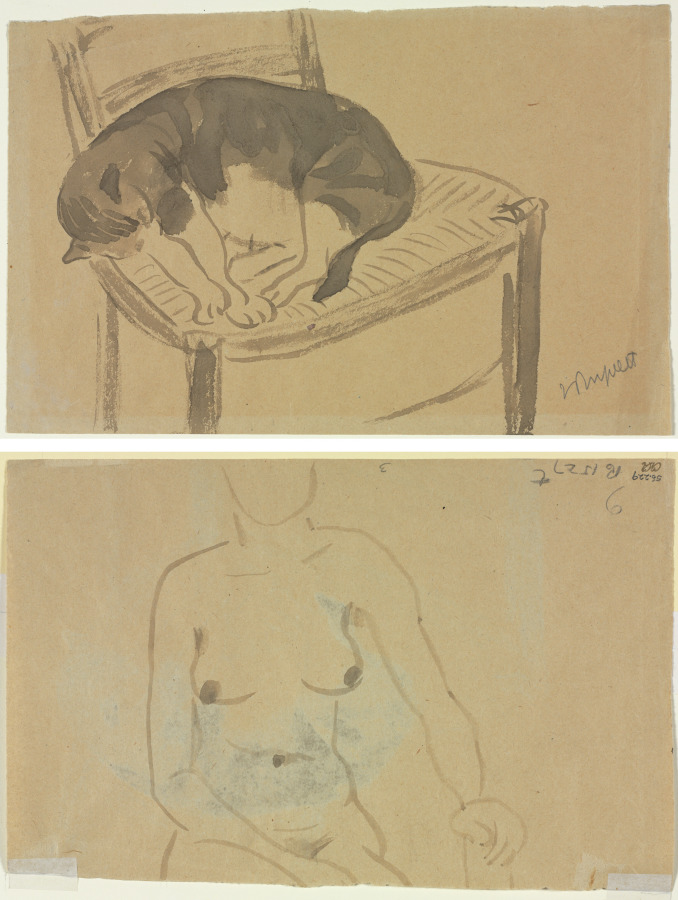
Recycled Materials
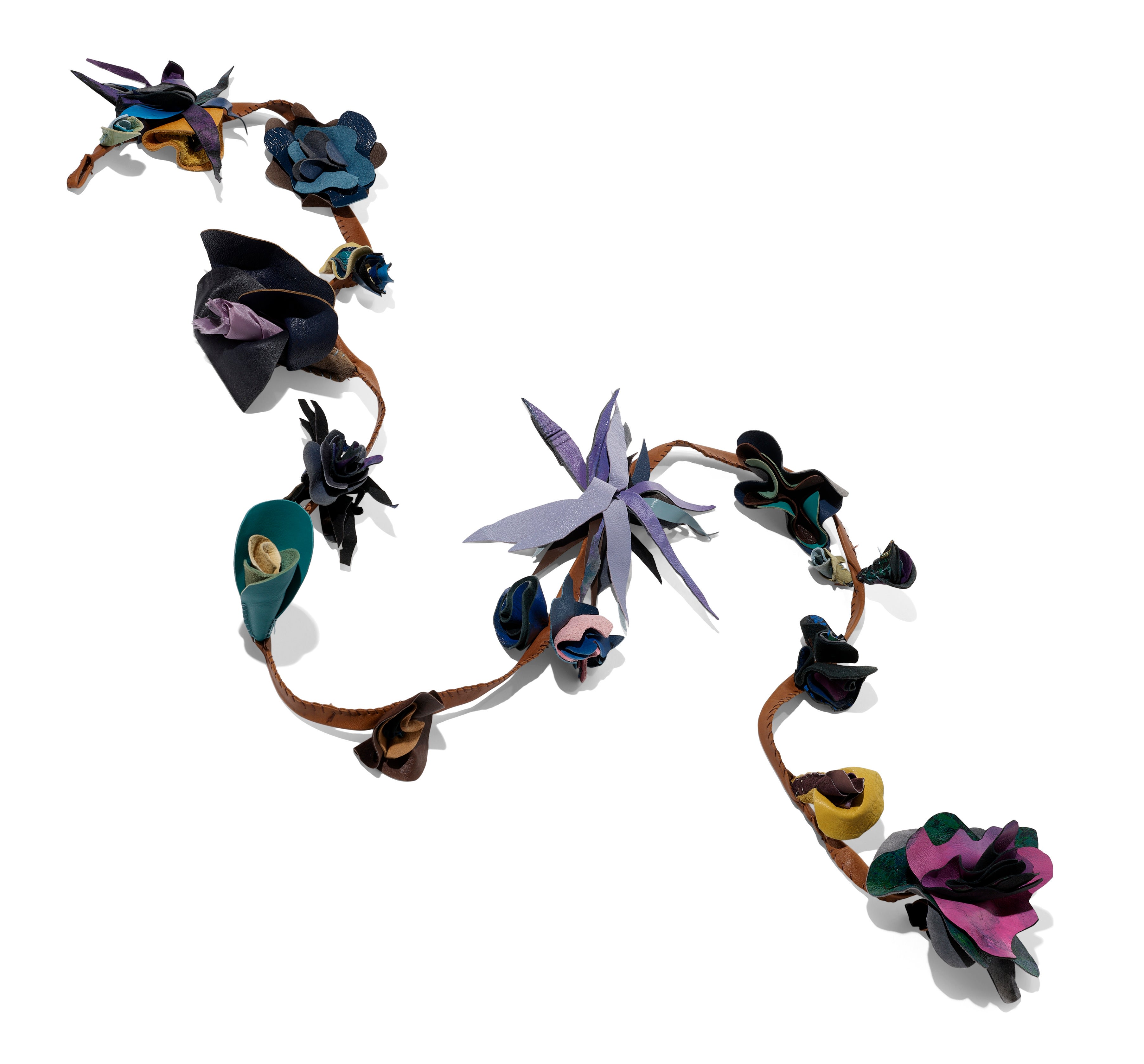
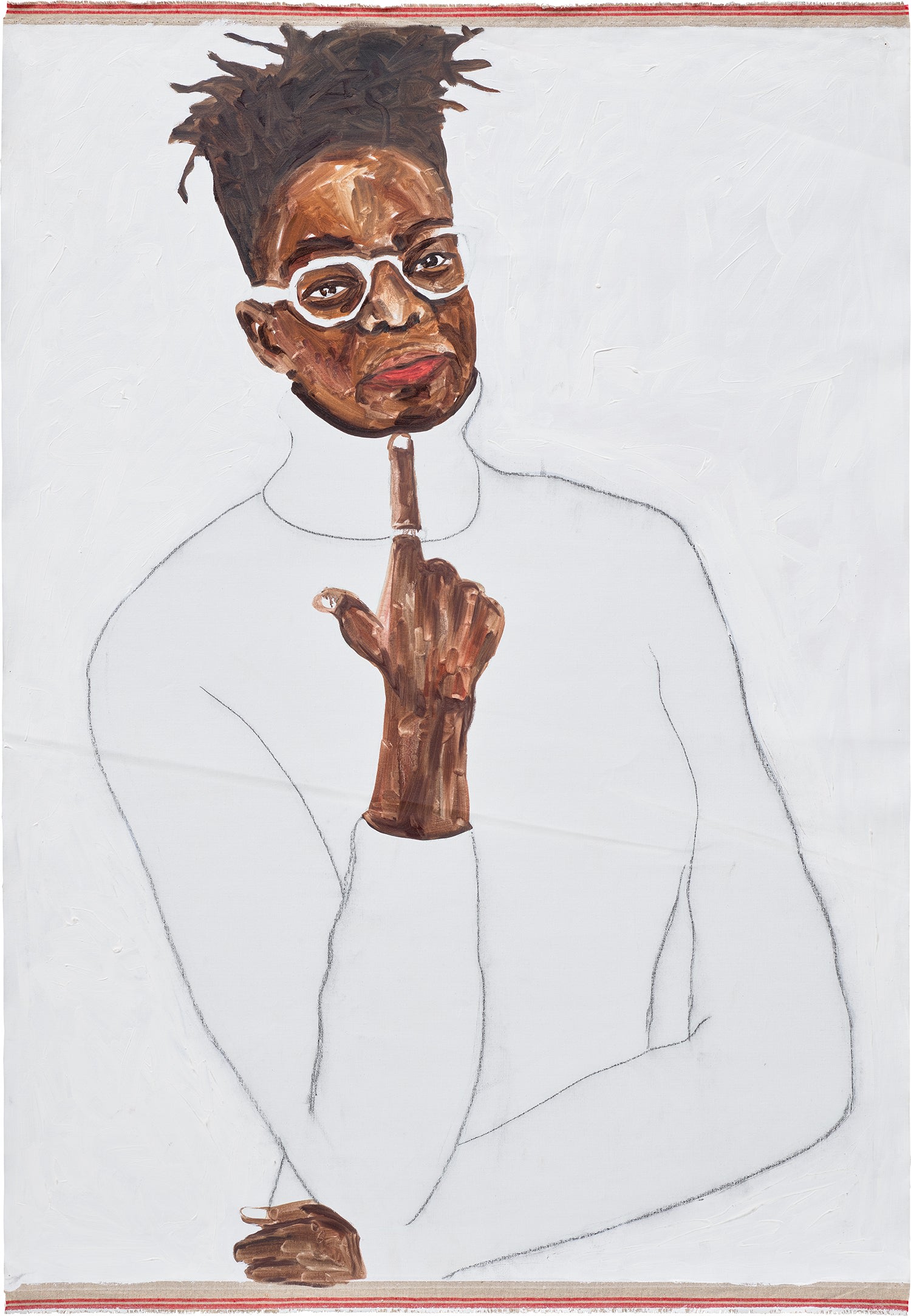
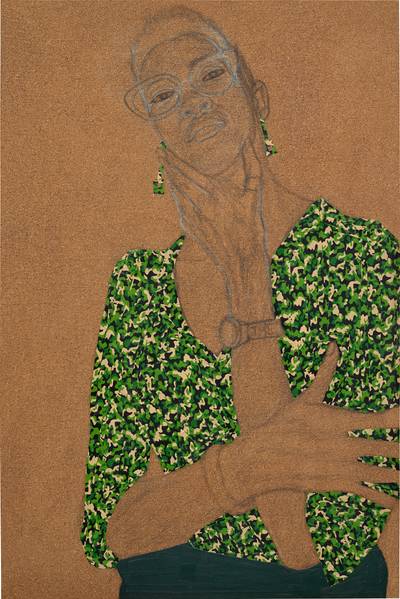
Tau Lewis
Saint Mozelle Vine #24, 2022



Trash Is the New Marble: Art's Material Revolution
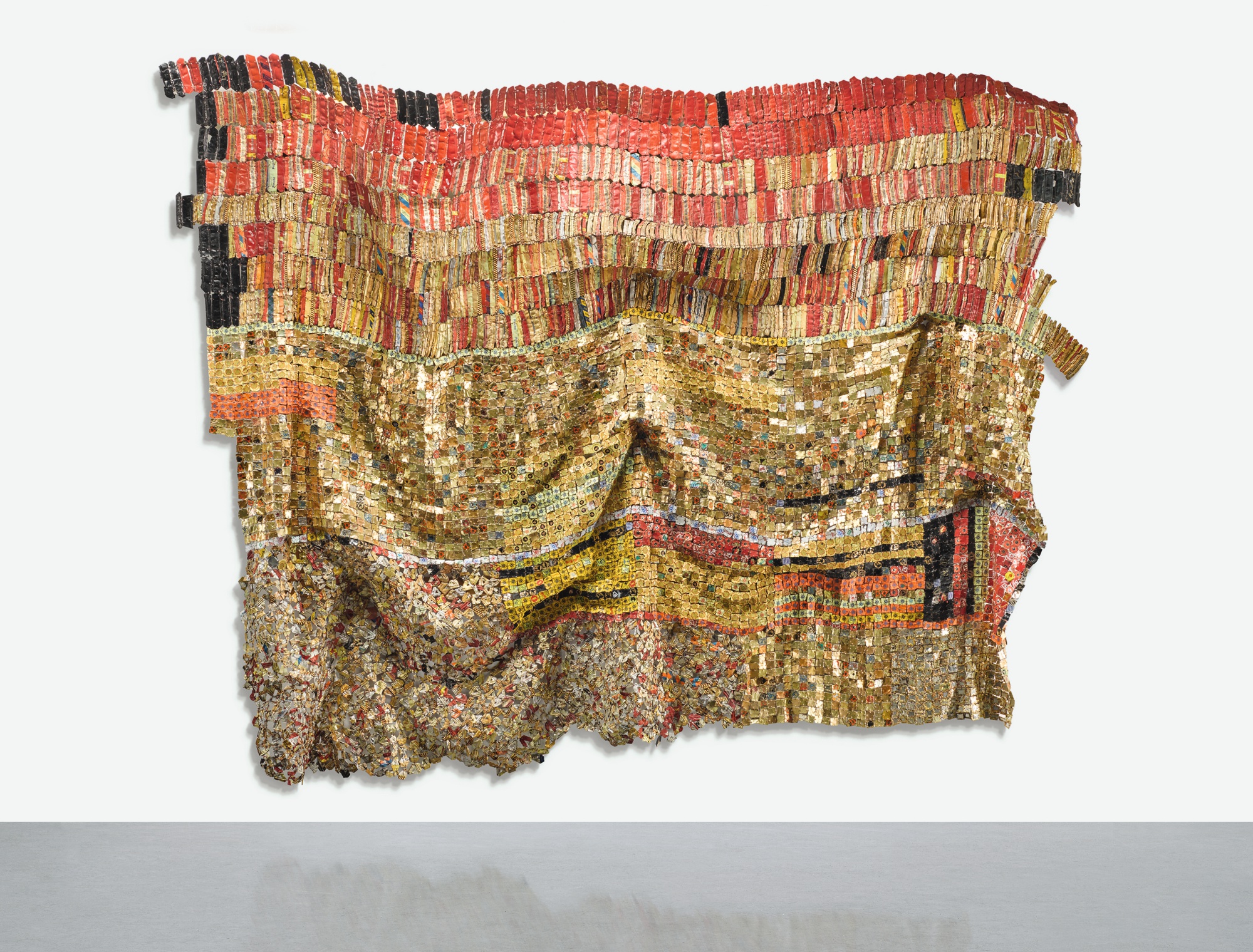
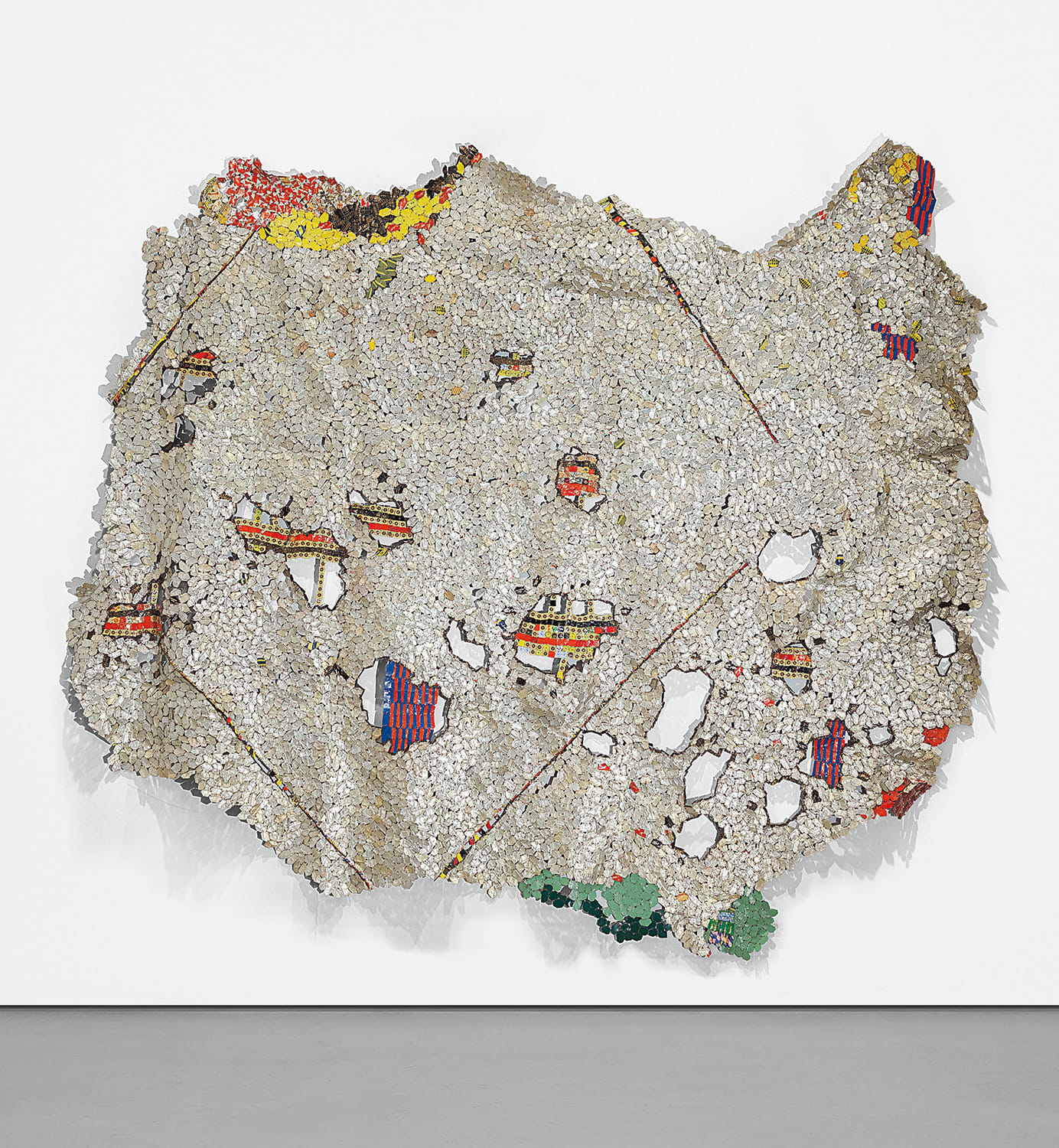
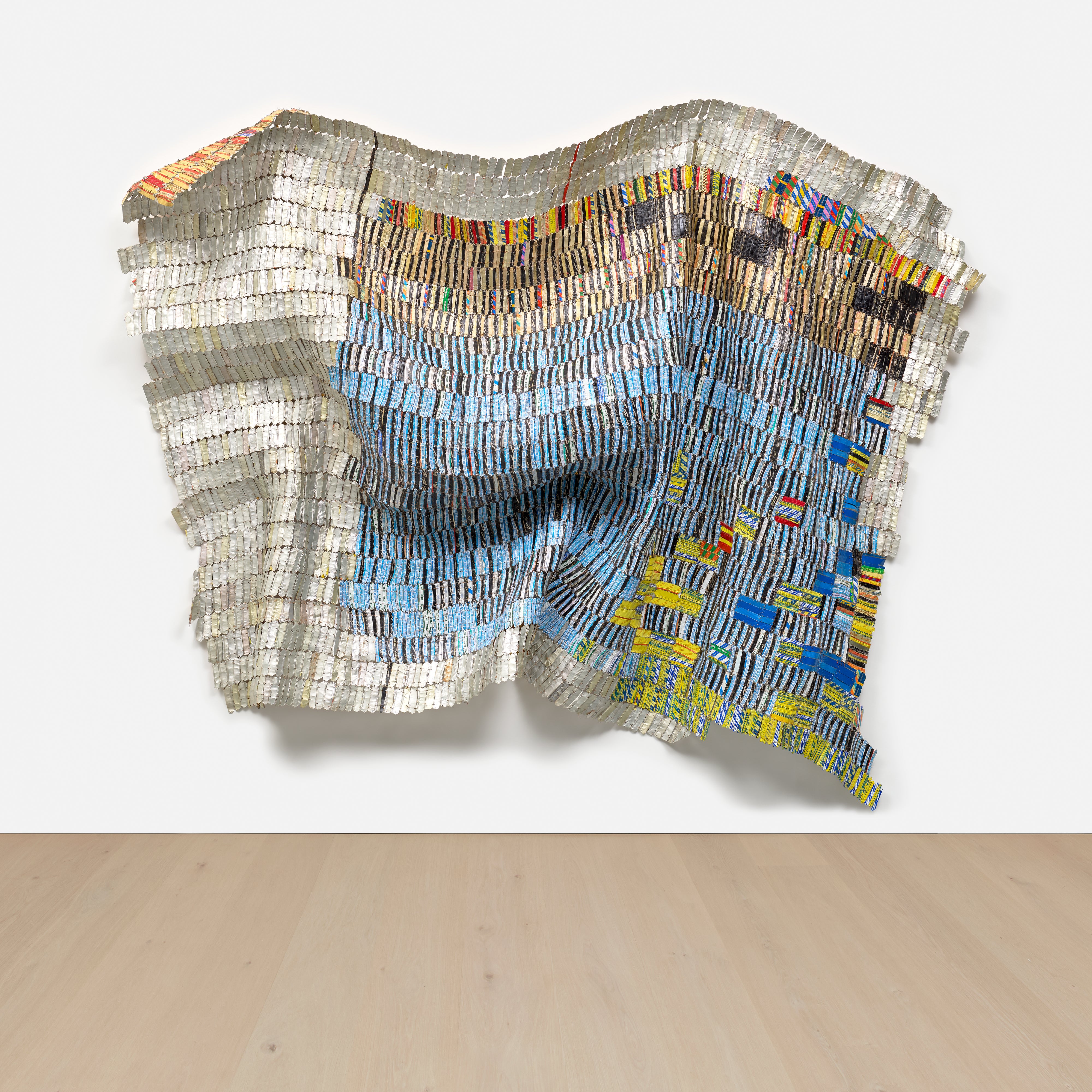
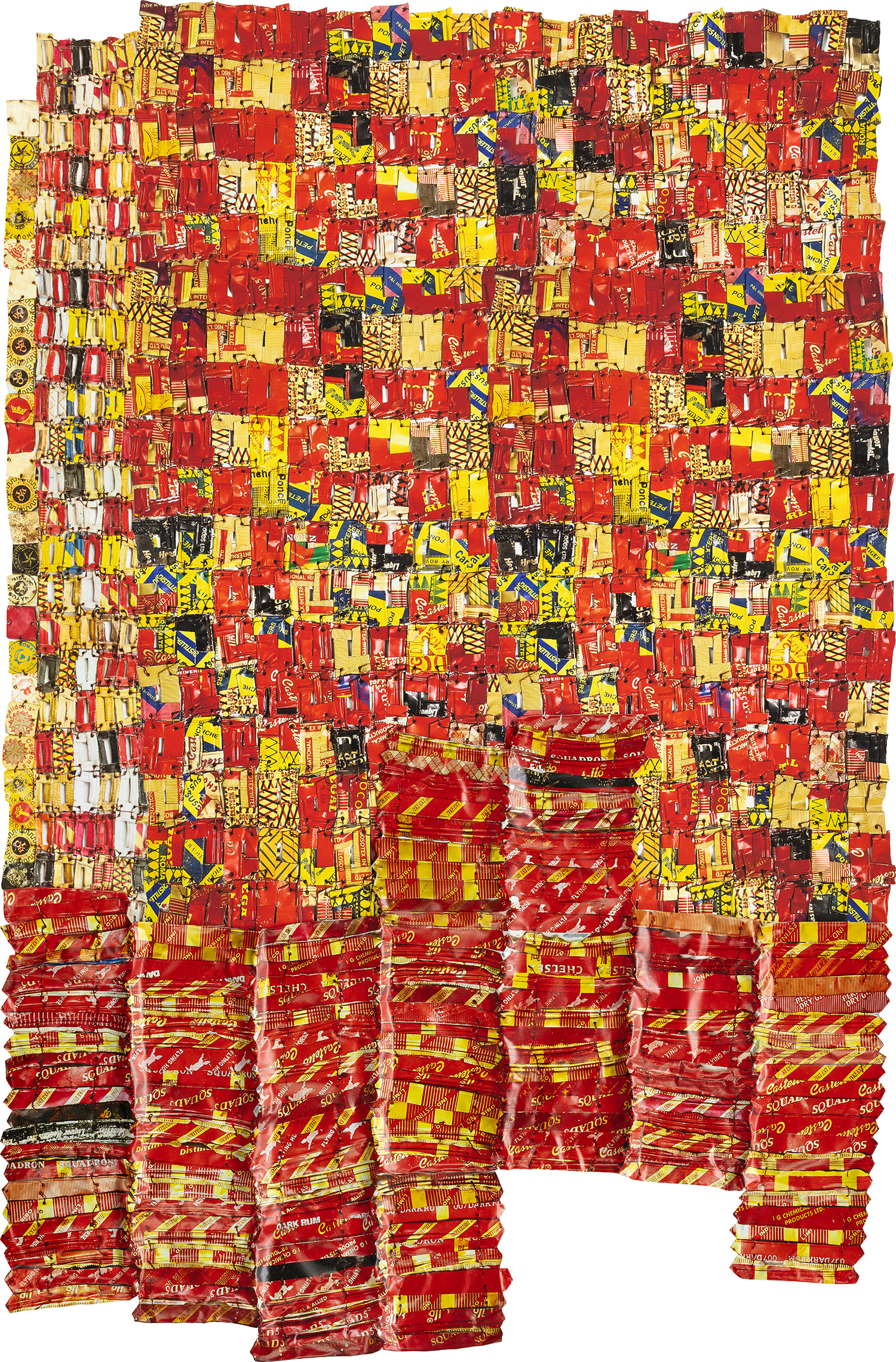
There is a moment, standing before a large work by El Anatsui, when the mind refuses to accept what the eyes are seeing. What registers first as a shimmering tapestry of bronze and gold, something that could hang in a medieval court or drape across an ancient ruin, resolves gradually into bottle caps and aluminum scraps, the debris of consumption pressed and wired together by dozens of hands. That moment of recognition is not incidental. It is the whole point, and it places you squarely inside one of the most intellectually alive conversations happening in contemporary art today.
The impulse to make art from what others discard is not new. Artists have been salvaging, scavenging, and reassembling since at least the early twentieth century, when Pablo Picasso and Georges Braque began incorporating newspaper clippings into their collages around 1912. Kurt Schwitters pushed this further with his Merz constructions throughout the 1920s, building entire room environments from ticket stubs, wire mesh, and urban detritus. His practice was both a formal experiment and an act of poetry, insisting that beauty lived in the overlooked and the thrown away.
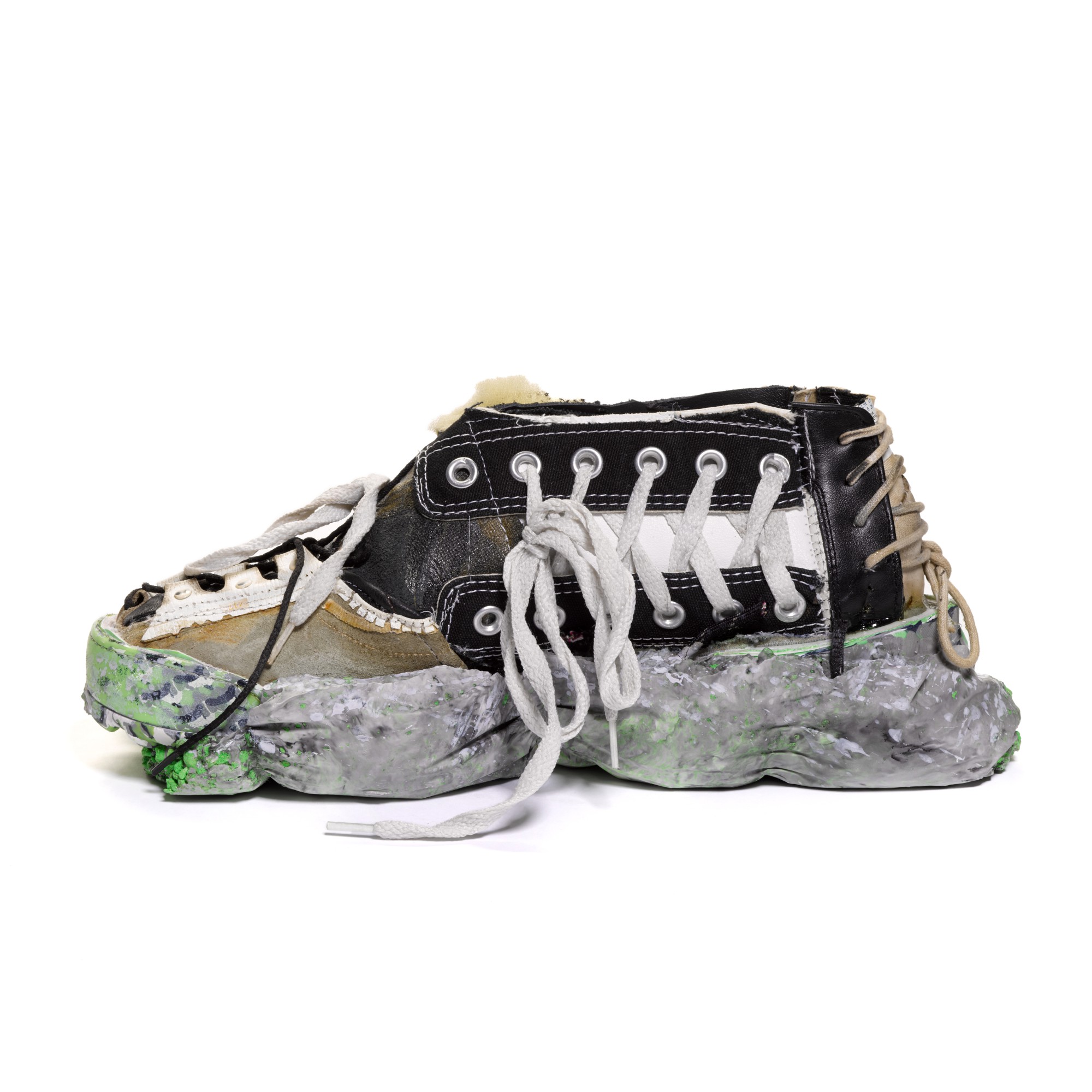
Troy Abbott
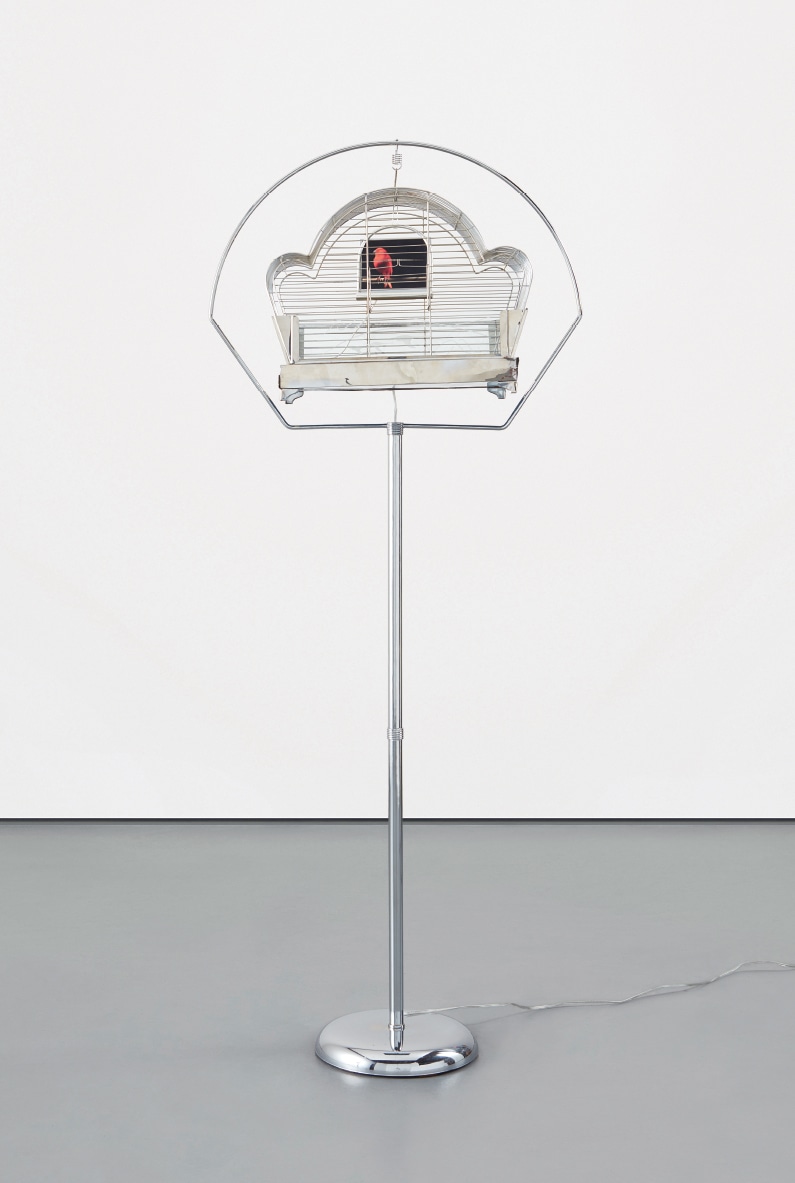
Deco Cage (Red Bird), 2013
These early gestures planted a seed that would flower dramatically in the decades that followed. The postwar period accelerated everything. The Nouveau Réalisme movement, formalized in Paris in 1960 by critic Pierre Restany and artist Yves Klein, brought artists like Arman and Jean Tinguely into focus. Arman filled gallery spaces with accumulations of broken violins, crushed automobiles, and mountains of consumer refuse.
Tinguely built kinetic machines from scrap metal that performed their own destruction. Across the Atlantic, Robert Rauschenberg was pulling discarded materials into his Combines, those works from the mid 1950s onward that refused the boundary between painting and sculpture by incorporating tires, stuffed animals, and street finds into their surfaces. The conversation was international and urgent, and it has never really stopped. What drives the most compelling work in this tradition is rarely nostalgia for found materials or a simple environmental message, though ecology is never far from the surface.
Vik Muniz
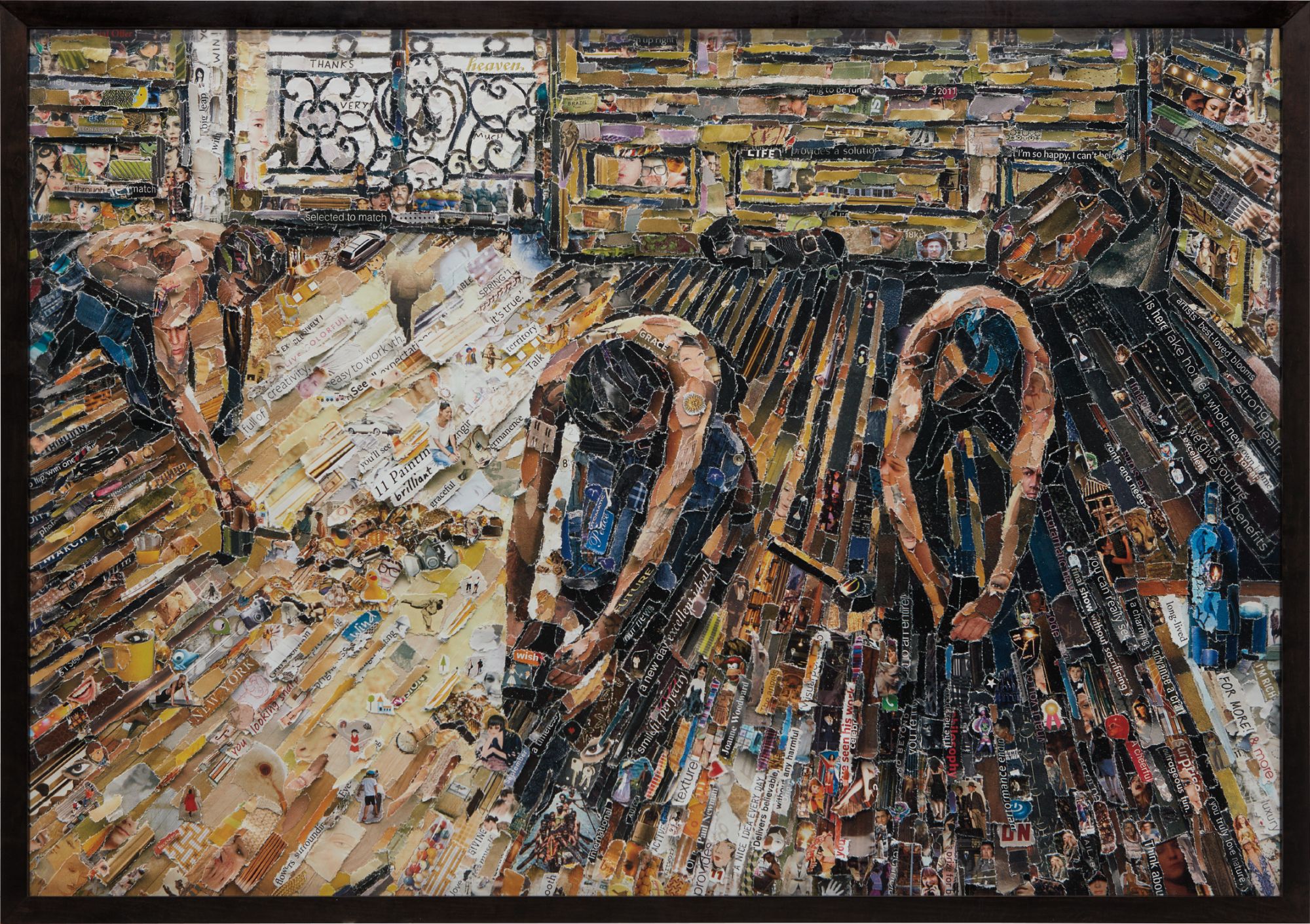
Floor Scrapers, after Gustave Caillebotte from Pictures of Magazines 2, 2011
The deeper force is transformation. Vik Muniz, the Brazilian artist whose work is well represented on The Collection, has built a career around the moment when one thing is revealed to be another. His Pictures of Garbage series, made in collaboration with the catadores, the waste pickers of Jardim Gramacho outside Rio de Janeiro, produced monumental photographic portraits assembled from the very trash that sustained the workers who helped make them. The project earned an Academy Award nominated documentary in 2010 and brought the question of labor, dignity, and representation into every conversation about the work.
With Muniz, material is never innocent. El Anatsui, working between Ghana and Nigeria, operates at a different scale and with a different vocabulary, though his concerns rhyme deeply with those of Muniz. His use of liquor bottle caps and aluminum printing plates speaks directly to histories of trade, colonialism, and the movement of goods and people across the African continent. The works are assembled in his studio with teams of assistants and then loosened so they drape and fold differently with every installation.
El Anatsui
Striped Flags
There is no fixed form, no authoritative reading. The work breathes. Serge Attukwei Clottey, the Ghanaian artist who extends this lineage beautifully, works with the yellow gallon containers used to transport water across Accra, cutting and stitching them into large paintings and wearable sculptures that address water scarcity, labor, and postcolonial economies all at once. Both artists remind us that the choice of recycled material is always a choice about where things come from and who has carried them.
The North American artists working in this vein bring their own distinct preoccupations. Chakaia Booker has spent decades building dense, wall mounted sculptures from sliced and twisted rubber tires, creating forms that pulse with bodily energy and carry the weight of industrial labor and race in America. Tony Cragg, the British sculptor who won the Turner Prize in 1988, spent much of the 1970s and 1980s arranging fragments of colored plastic into silhouettes on gallery floors, works that looked archaeological, as if they were the fossils of a consumer civilization. Tau Lewis, the younger Canadian artist, works with found leather, synthetic hair, and salvaged textiles to build figural works that are simultaneously tender and confrontational, pulling questions of the Black body and ancestral memory through the language of assemblage.
Tau Lewis
Saint Mozelle Vine #24, 2022
The conceptual frameworks that hold all of this together are worth examining carefully. One is indexicality, the idea that the material carries the trace of its previous life. When Tenant of Culture uses polyester fill, foam, and synthetic textiles sourced from the fashion industry, those materials do not arrive neutral. They come loaded with the fast fashion economy, with global supply chains, with the bodies that made and wore them.
Another framework is abundance as critique. Francesca Pasquali, the Italian artist, builds immersive environments from straws, springs, and synthetic fibers, turning the logic of mass production back on itself through sheer overwhelming accumulation. The pleasure and the discomfort arrive together. The environmental stakes of this work have grown more acute with every passing year, and the art world has taken notice in ways both genuine and performative.
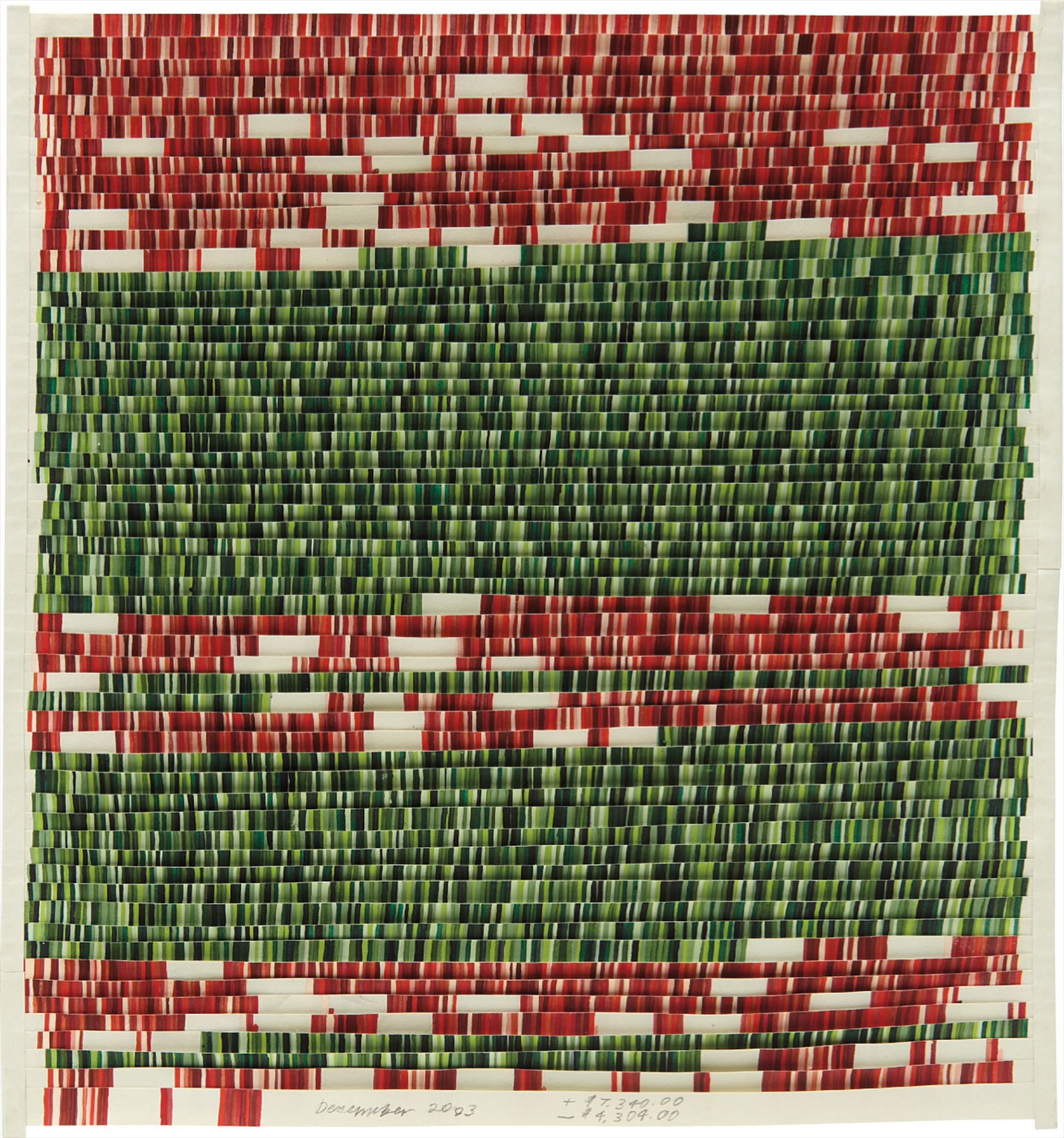
Kcho, the Cuban artist, builds poetic boat and raft constructions from found oars, bottles, and wooden debris, works that carry the specific weight of migration and crossing. Fernando Palomar brings a quieter sensibility, finding geometry and stillness in salvaged materials. Danica Phelps traces economic transactions in meticulous detail, making the flow of money and material visible. Tejo Remy, the Dutch designer, built his celebrated Chest of Drawers from twenty different collected drawers bound together with a moving strap, a work that sits comfortably in both design and fine art conversations and asks whether the categories matter.
What the works on The Collection make visible, taken together, is that recycled materials in art have never been simply about thrift or environmentalism, though they touch both. They are about attention. About looking again at what we have declared finished and finding it still alive, still carrying meaning, still capable of becoming something astonishing. That is a practice with ancient roots and a very urgent present.