Philosophy
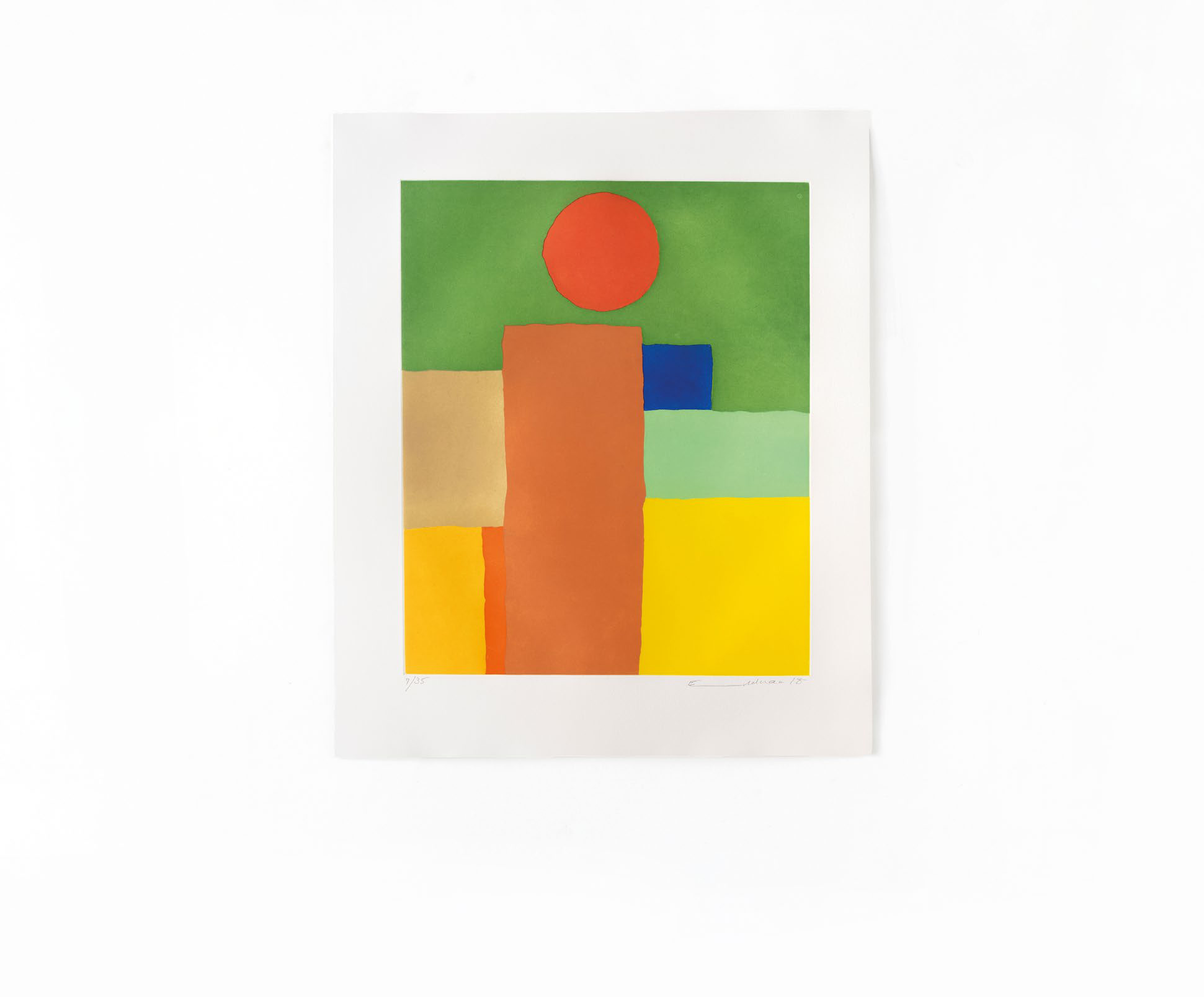
Etel Adnan
équilibre, 2018
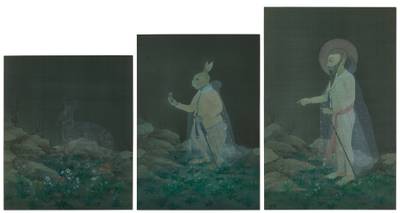
Art That Asks: What Do We Actually Know?
There is a particular kind of vertigo that comes from standing in front of a work of art that refuses to be merely looked at. It demands to be thought through, argued with, lived inside. This is the territory of philosophical art, a tradition as old as image making itself but one that found its most radical and self conscious expression in the twentieth century, when artists began turning the very apparatus of meaning, language, and perception into their primary subject matter. To collect in this space is to invite genuine intellectual discomfort into your home, and that is precisely the point.
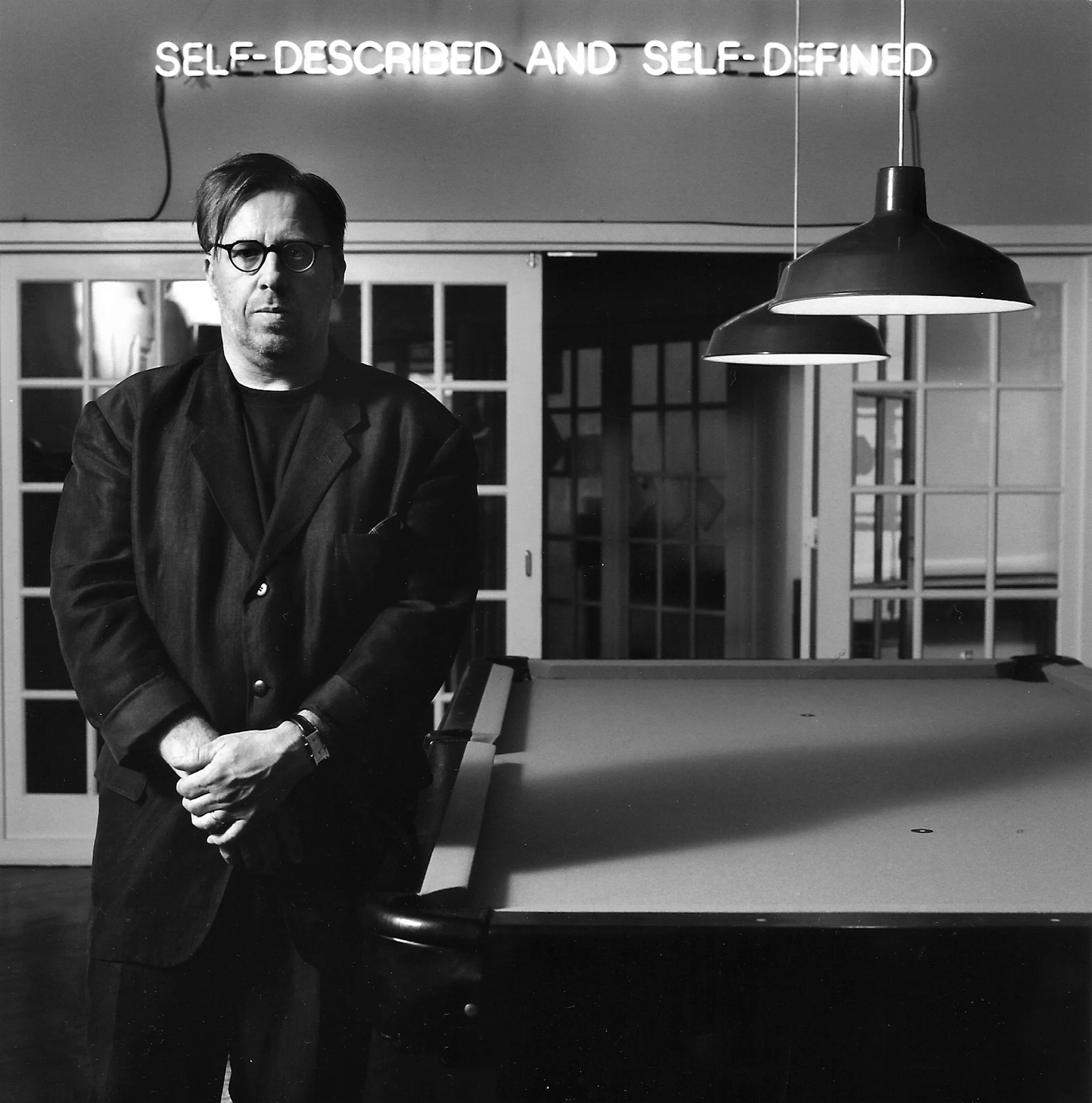
The roots of philosophy as a driving force in visual art stretch back further than Conceptualism's canonical 1960s birthdate. One could trace the impulse to the Symbolists, who believed art should gesture toward the ineffable rather than describe the visible. Or further still, to Plato's allegory of the cave, which artists have been illustrating and interrogating ever since. But the moment when philosophy stopped being a backdrop for art and became its actual material is generally located around 1965, when Joseph Kosuth began making works that placed the definition of a concept, its physical manifestation, and a photograph of that manifestation side by side.
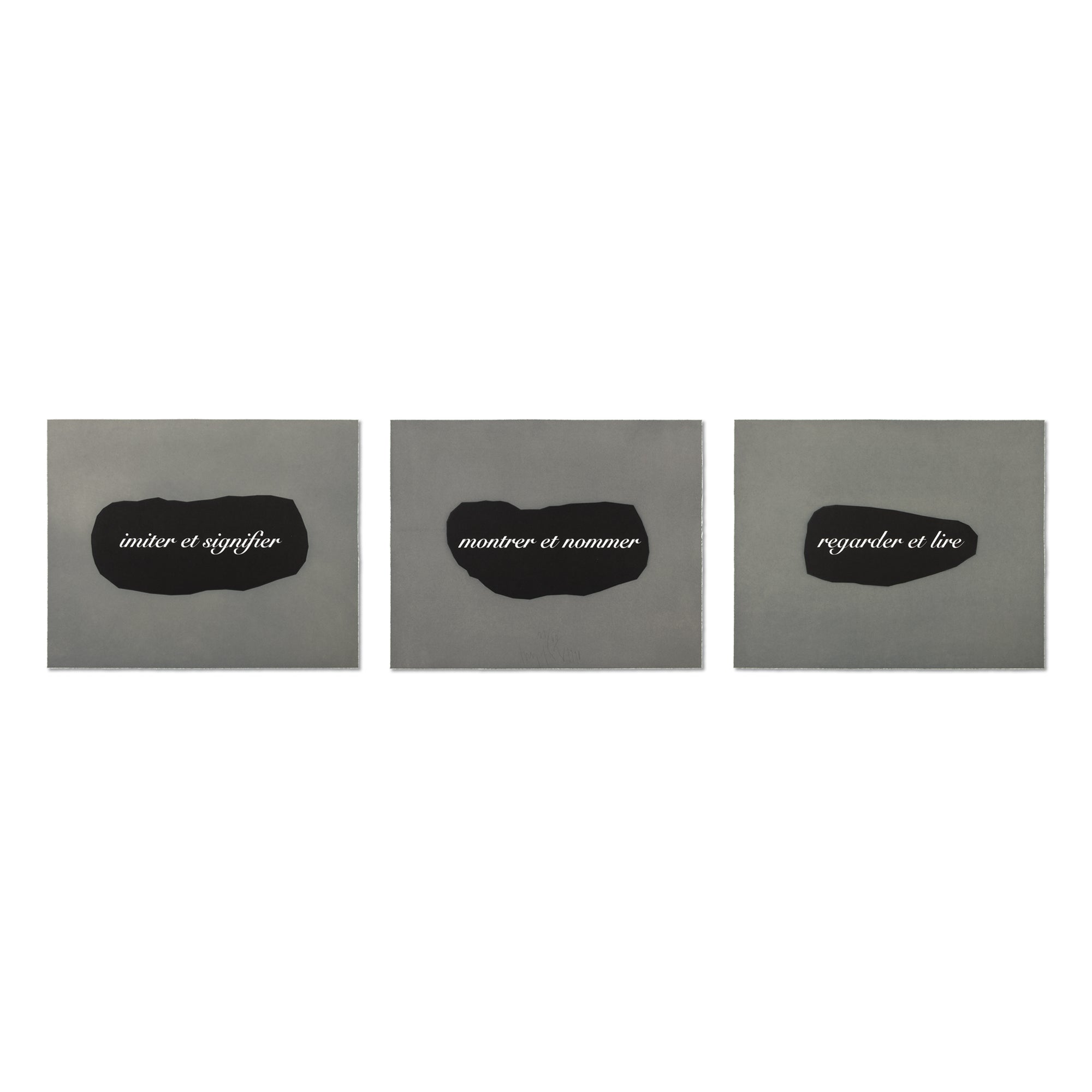
Joseph Kosuth
L'Essence de la rhétorique..., 1998
His 1965 piece "One and Three Chairs" essentially asked whether a thing and its representation could ever be the same, and the question has not stopped reverberating since. Kosuth, whose work is well represented on The Collection, belongs to a lineage of artists for whom the artwork is less an object than an ongoing proposition. What emerged from this period was Conceptual Art proper, a movement that declared the idea sufficient unto itself. The exhibition "When Attitudes Become Form," mounted at the Kunsthalle Bern in 1969 and curated by Harald Szeemann, became a watershed moment, gathering artists who were dismantling the notion that art needed to be beautiful, permanent, or even particularly visible.
The questions driving the work were epistemological ones: What counts as art? Who decides? What is the relationship between language and the world it supposedly describes? John Baldessari, whose work appears on The Collection, was asking exactly these questions from his base in Los Angeles, layering text onto photographic imagery to expose the gap between what we say and what we see.
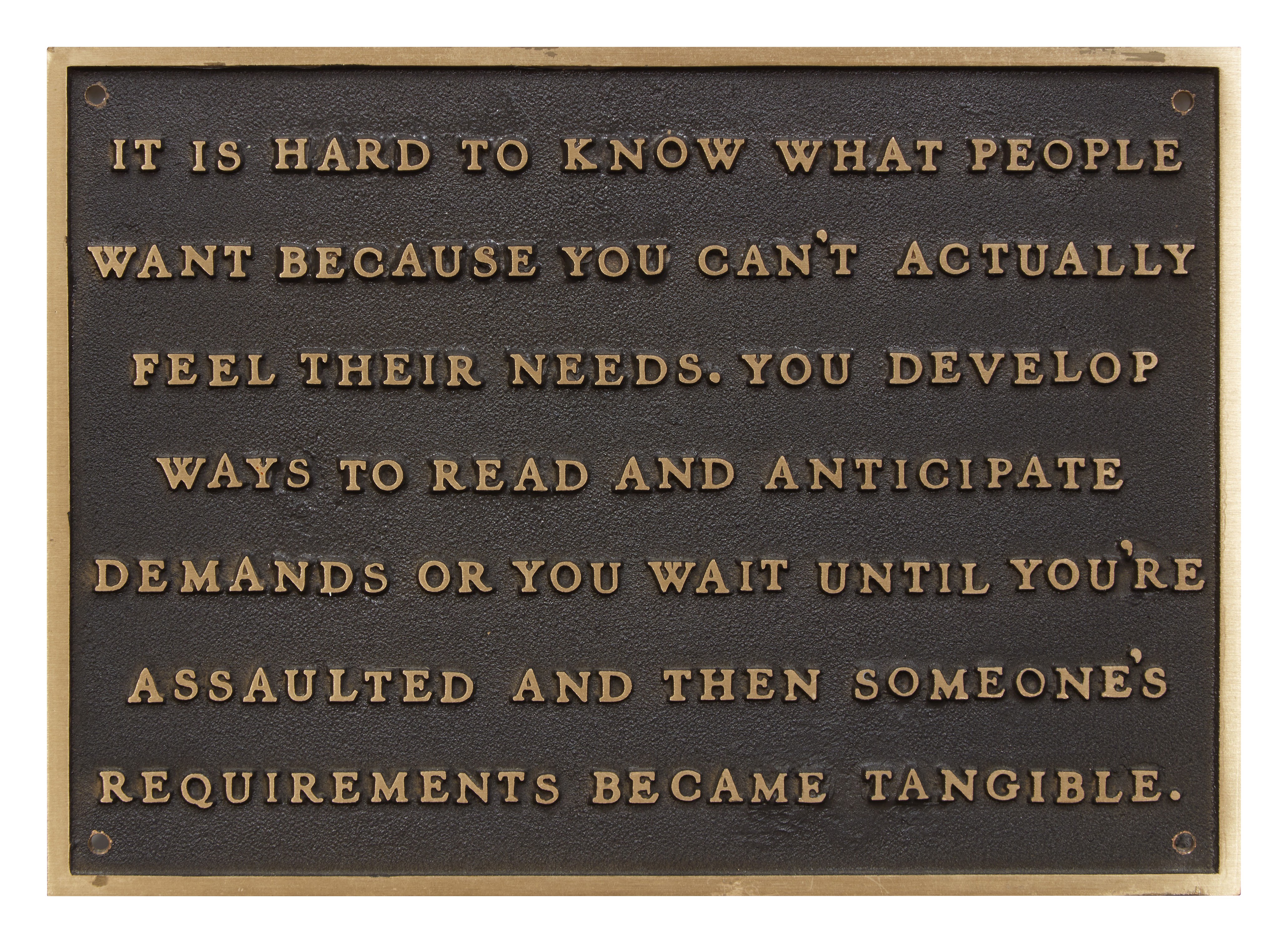
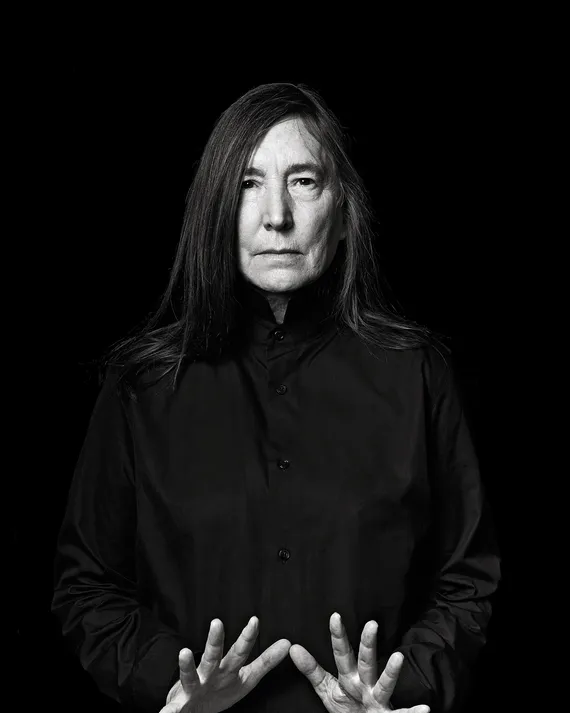
Jenny Holzer
Selections from the Living Series: It is hard to know what people want..., 1980
His 1971 "I Am Making Art" video is almost comic in its directness, but the philosophical stakes are entirely serious. Language became a central tool precisely because it is the medium in which philosophy itself operates. Jenny Holzer understood this with a kind of visceral clarity, embedding aphorisms and provocations into the fabric of public space: on LED signs, marble benches, building facades. Her "Truisms," begun in 1977, were not statements of belief so much as tests of how we receive statements of belief.
When a phrase like "Abuse of power comes as no surprise" appears in glowing letters in Times Square, is it journalism, poetry, or philosophy? The answer matters less than the question, and Holzer, extensively represented on The Collection, has spent five decades making sure we cannot stop asking it. Barbara Kruger, also present on The Collection, pursued a parallel investigation through the visual grammar of advertising, commandeering the rhetoric of power to critique power itself, a philosophical judo move of extraordinary elegance. Not all philosophical art announces itself through language.
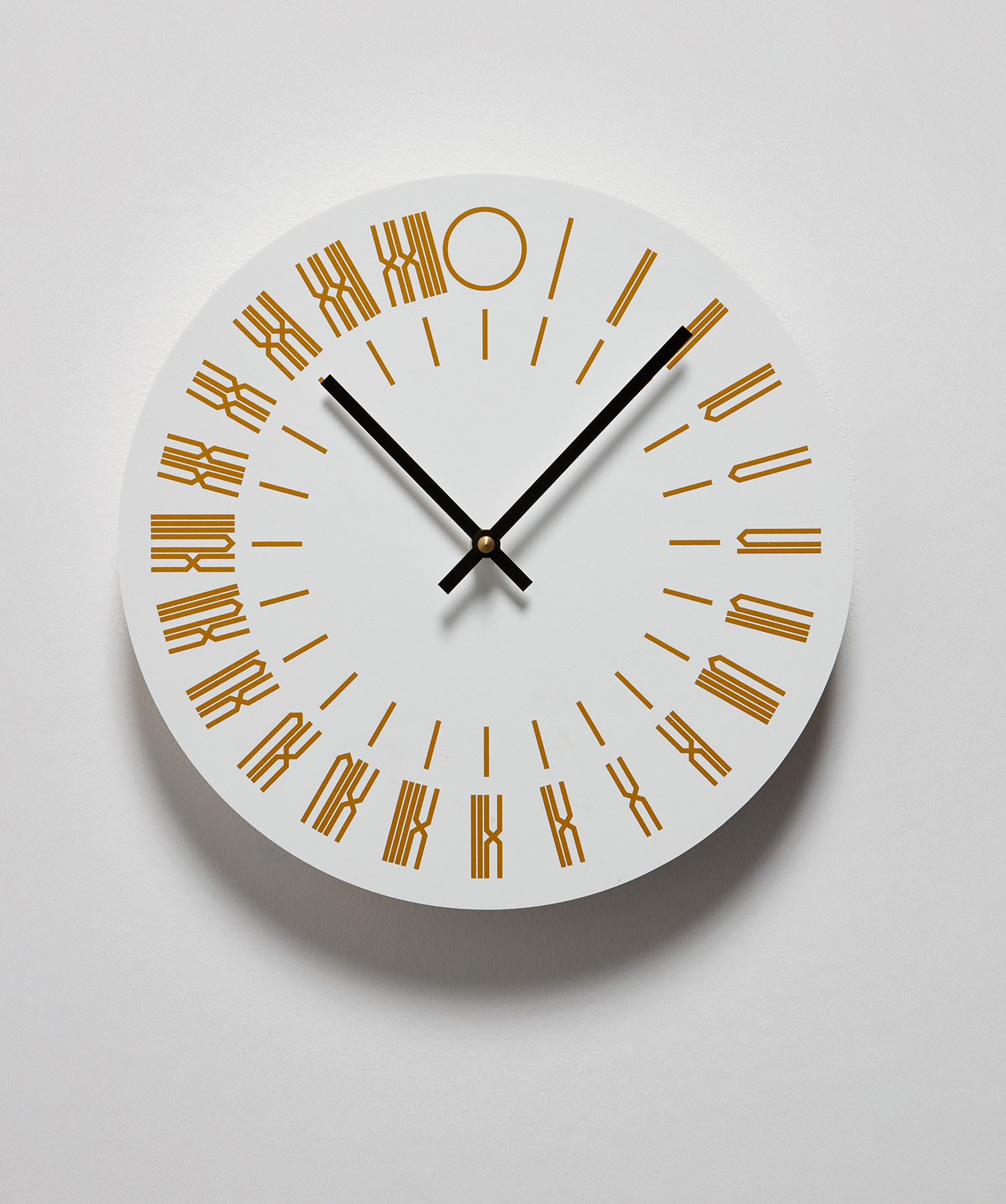
Tauba Auerbach
The Clock
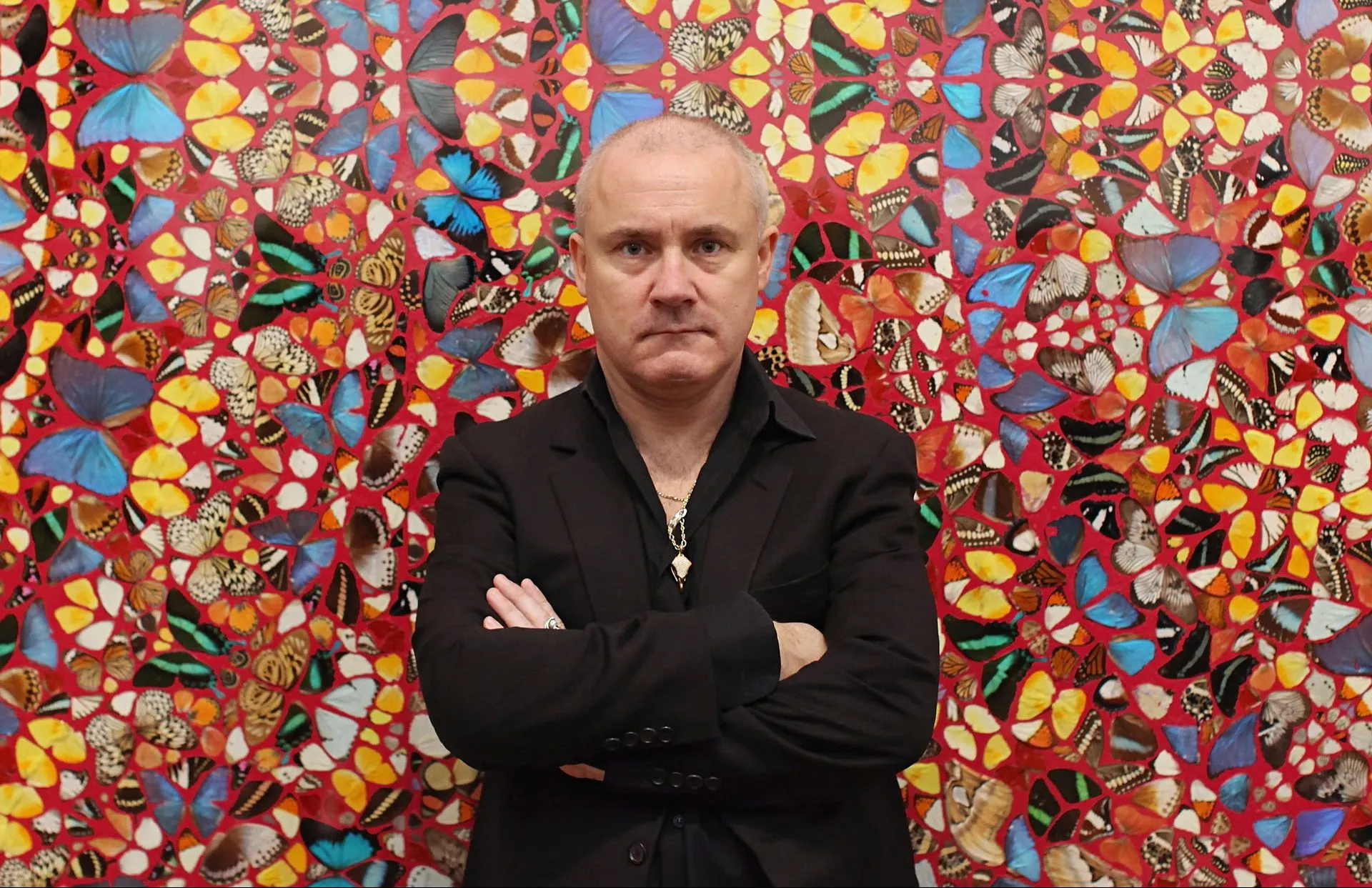
Tauba Auerbach approaches epistemology through mathematics and visual paradox, making paintings that interrogate how we perceive dimension, order, and pattern. Her works seem to fold back on themselves, as if the canvas is thinking about its own flatness. Damien Hirst's spot paintings, meanwhile, engage a different set of philosophical problems, those surrounding repetition, seriality, and the nature of originality. And then there is Maurizio Cattelan, whose practice is essentially philosophy conducted through provocation, each work a Socratic gadfly designed to expose the assumptions underneath our most confident institutions.
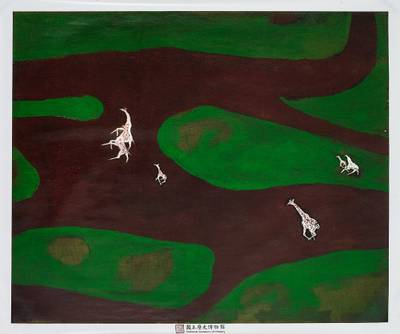
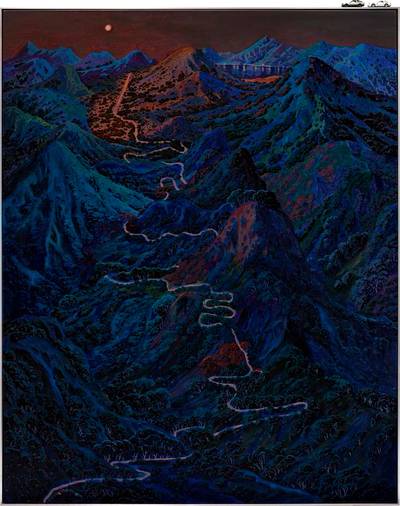
When Cattelan taped a banana to a wall at Art Basel Miami Beach in 2019, the joke was the argument, and the argument was devastatingly good. Eastern philosophical traditions have also shaped this terrain in ways that Western art history has sometimes been slow to fully acknowledge. Song Dong's work draws on Taoist thought and the Buddhist acceptance of impermanence, exploring themes of memory, materiality, and time. The practice of Irene Chou, rooted in Chinese ink painting but inflected by Zen thought, suggests that the division between abstract expressionism and meditative practice was always somewhat artificial.
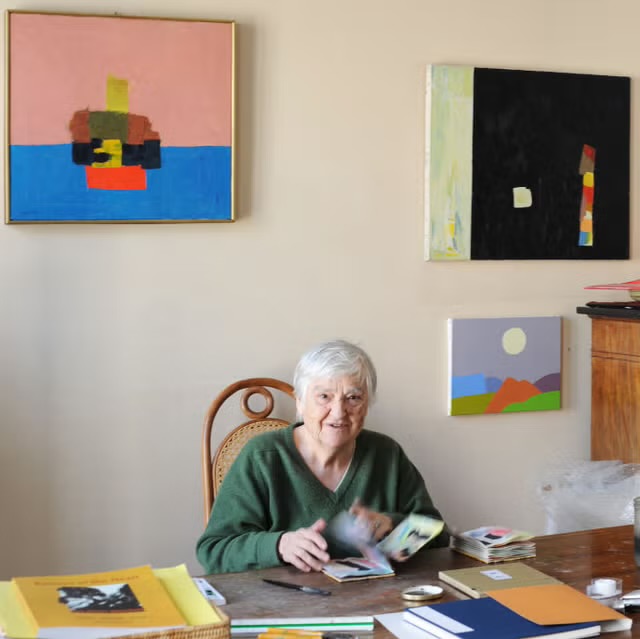
Etel Adnan
équilibre, 2018
Etel Adnan, the Lebanese poet and painter whose work appears on The Collection, spent decades exploring the relationship between written language and painted color, essentially asking whether philosophy could happen in a leporello book of accordion folds and pigment. Her answer was an emphatic yes. What unites these artists across cultures, generations, and mediums is a refusal to accept the given. Philosophy in art is not decoration with footnotes.
It is the work itself: the structure, the material choice, the decision about what to show and what to withhold. The conceptual frameworks vary enormously, from Kosuth's analytic rigor to Holzer's poetic directness to Adnan's lyrical meditation. But they all share a conviction that art is a form of thinking, not merely a record of thought. For collectors drawn to this tradition, each acquisition is less a purchase than a commitment to a question you agree to keep asking.
The works on The Collection that fall within this lineage reward exactly that kind of sustained attention. They do not resolve. They deepen. And in an era of accelerating noise and attentional fragmentation, the invitation to sit with genuine difficulty and find it beautiful may be the most radical proposition art has to offer.