Mexican
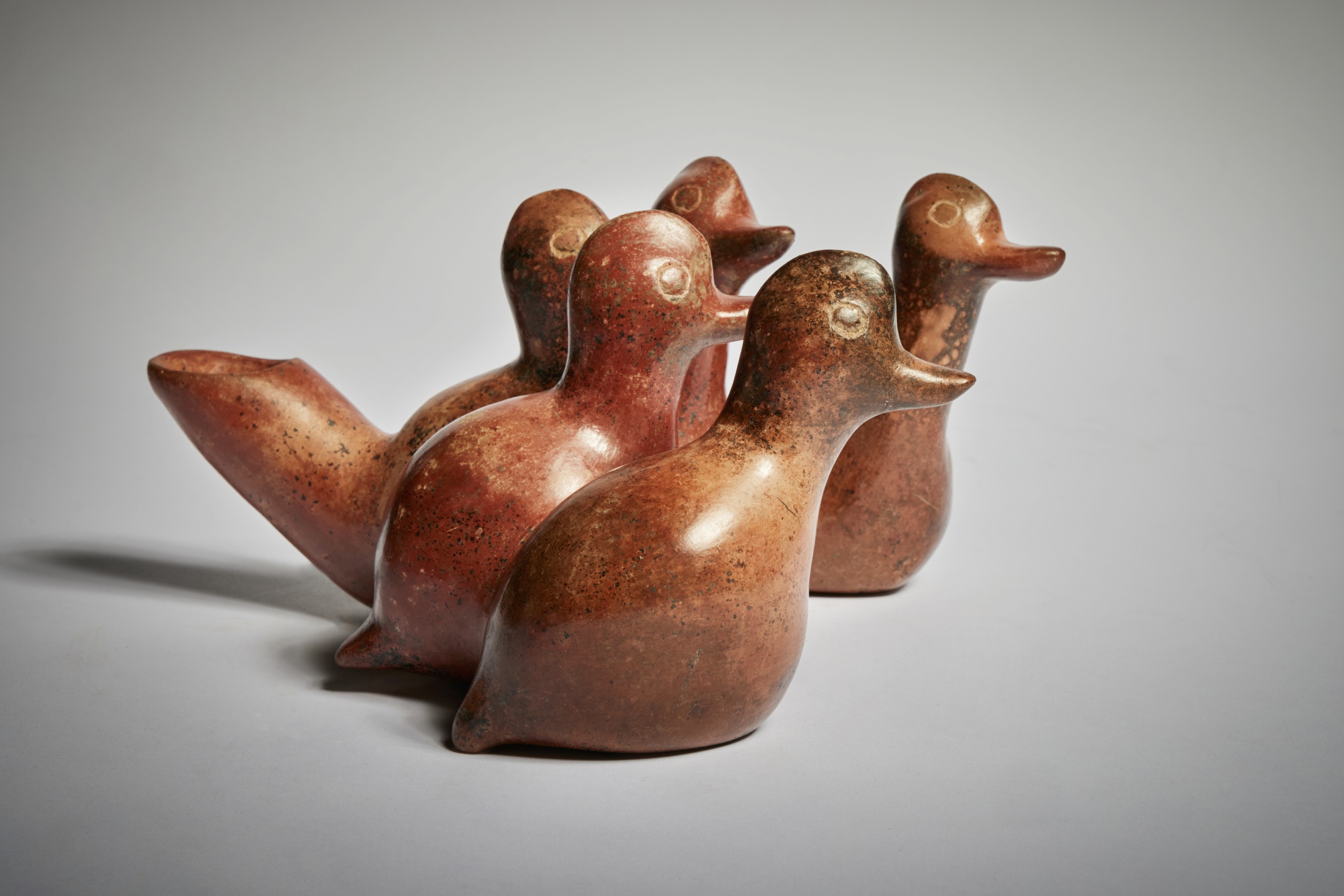
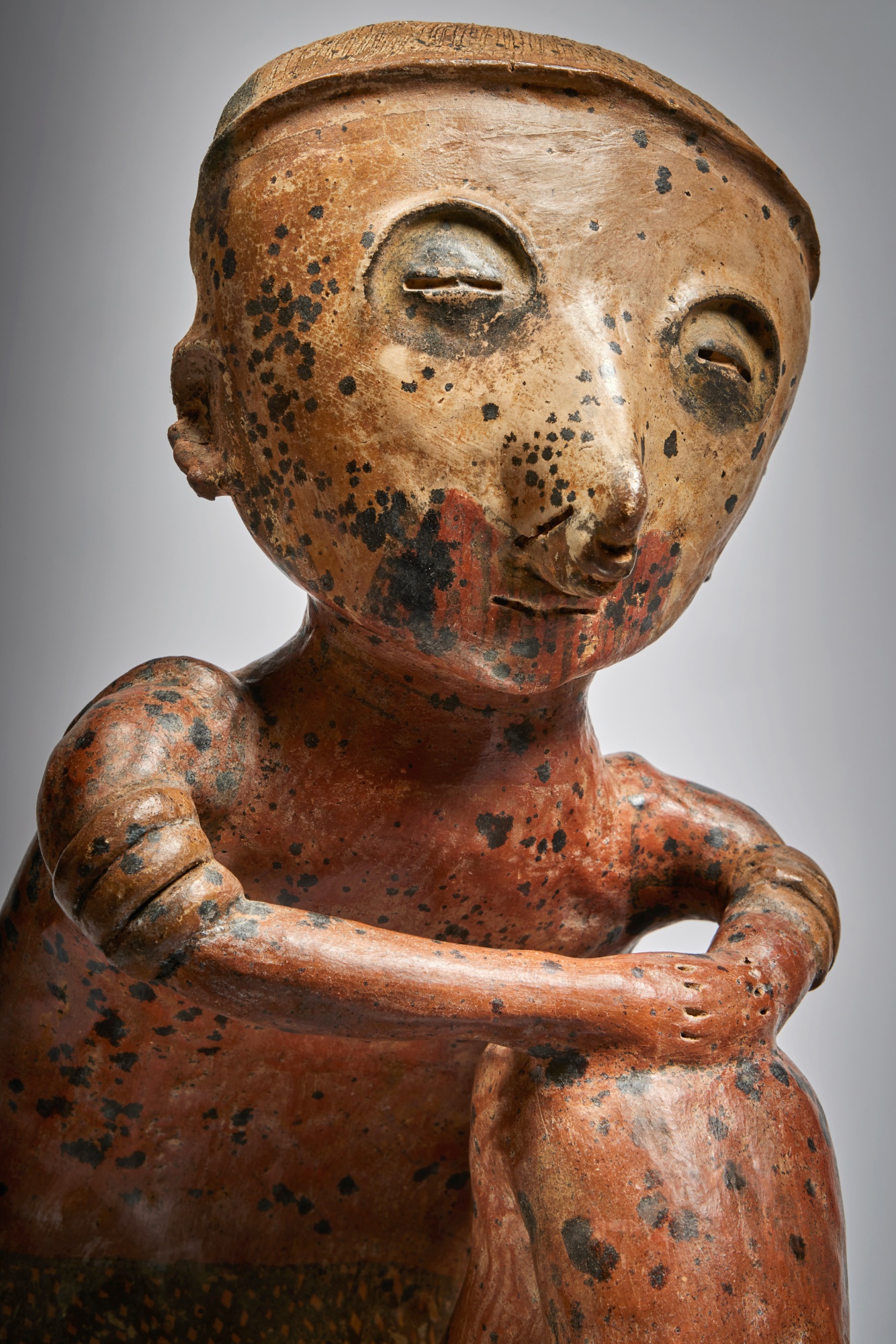
Five Colima Conjoined Ducks
Five Colima Conjoined Ducks

Mexico Is the Market's Most Compelling Open Secret
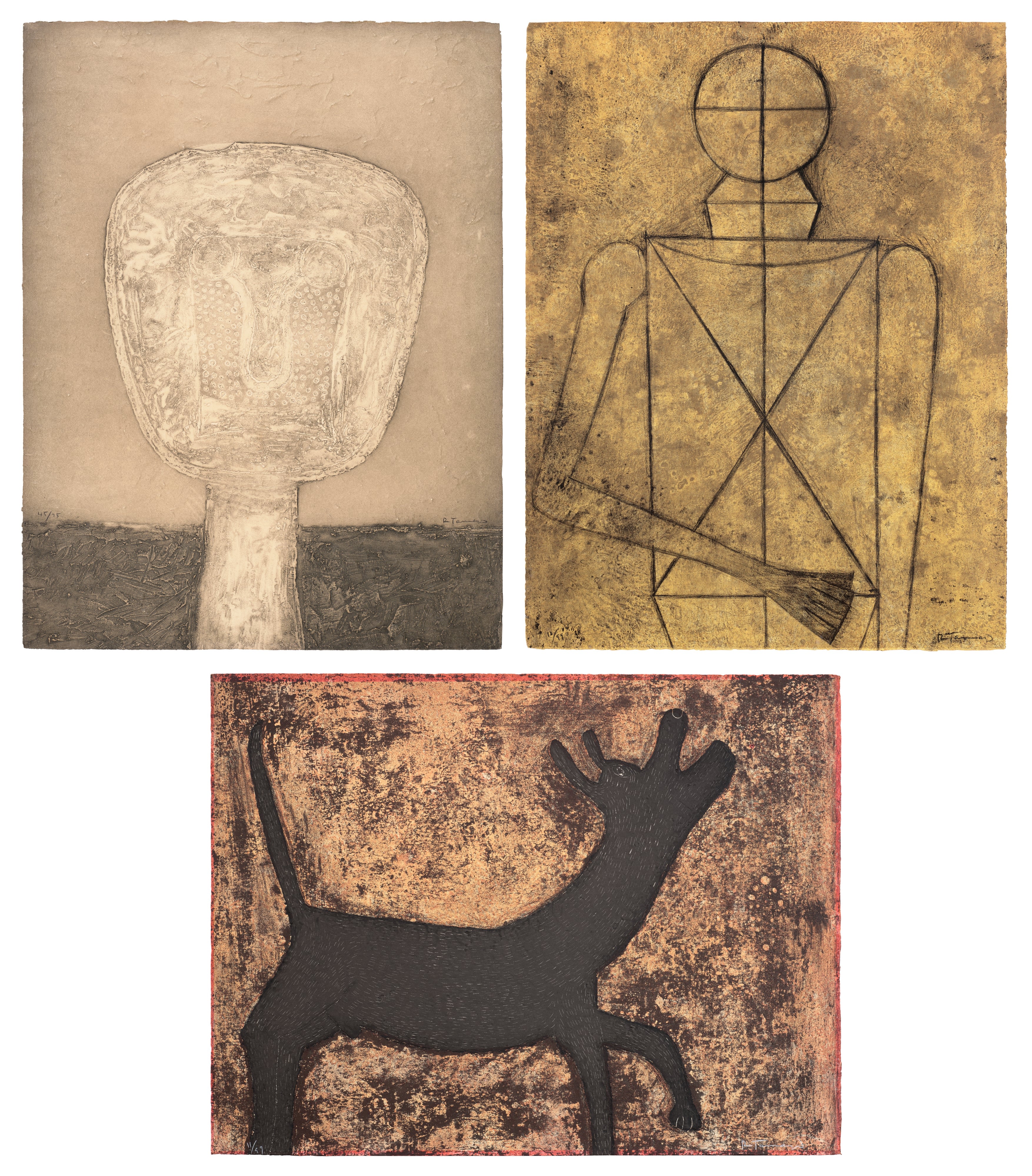
When Sotheby's New York brought a major Rufino Tamayo canvas to auction in recent years and watched collectors from three continents compete past every estimate, it confirmed something that serious buyers had understood for a while: Mexican modernism is no longer a regional enthusiasm or a specialist's corner of the market. It is a central conversation in global collecting, with prices, institutional attention, and critical energy to match. The moment felt like a signal flare, not a surprise. The exhibitions that have shaped this recent appetite span from Mexico City to London to Los Angeles.
The Museo Tamayo's ongoing stewardship of Rufino Tamayo's legacy has kept his formal innovations and his complex relationship to pre Columbian color in sharp focus. Meanwhile, the Museum of Modern Art's sustained engagement with artists like Gabriel Orozco, who had a landmark retrospective at MoMA in 2009 that later traveled to the Tate Modern, established a benchmark for how institutions in the north could reckon seriously with Mexican conceptualism. That show remains a reference point. More recently, the Getty Research Institute has invested meaningfully in the primary archive of Mexican photography, bringing sustained scholarly attention to figures like Manuel Álvarez Bravo and Graciela Iturbide, whose work rewards this level of institutional care.
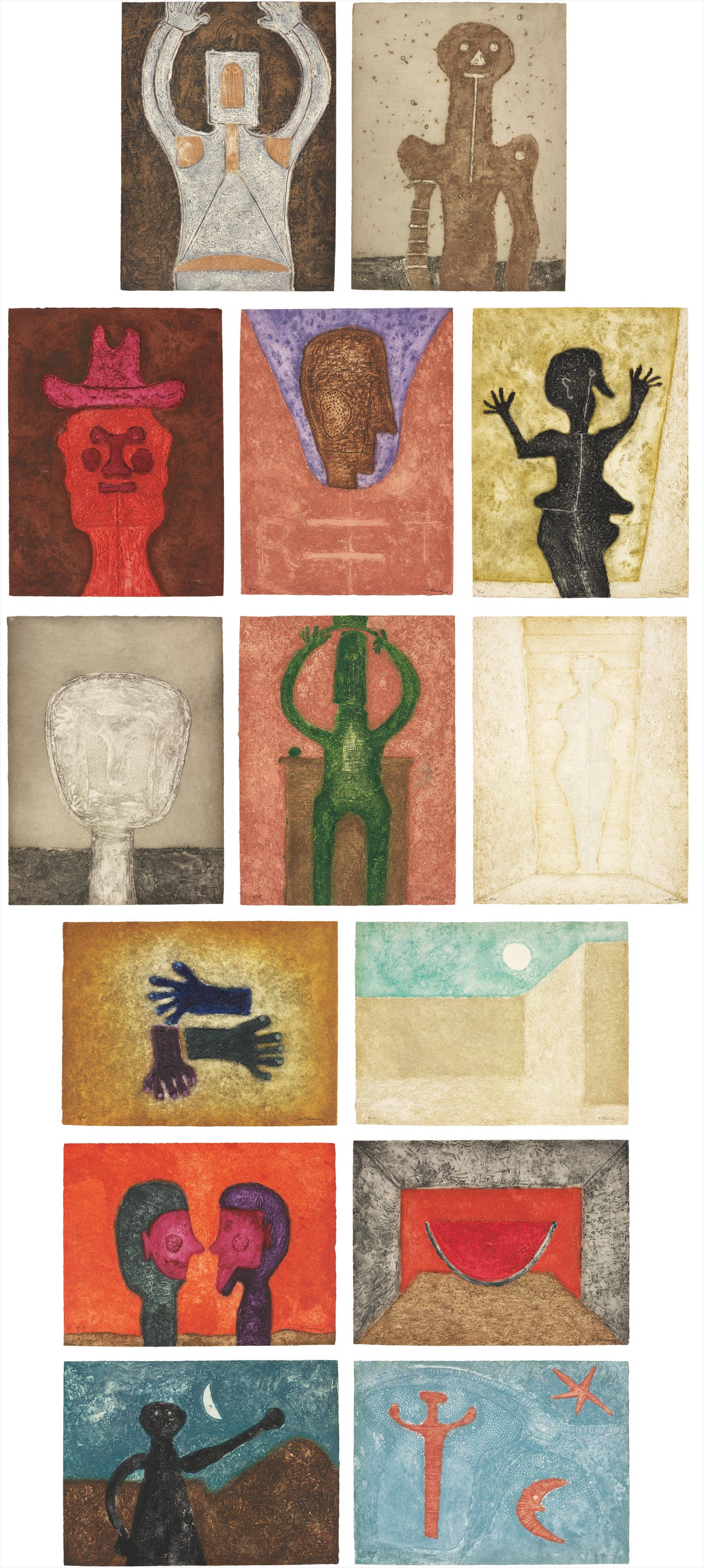
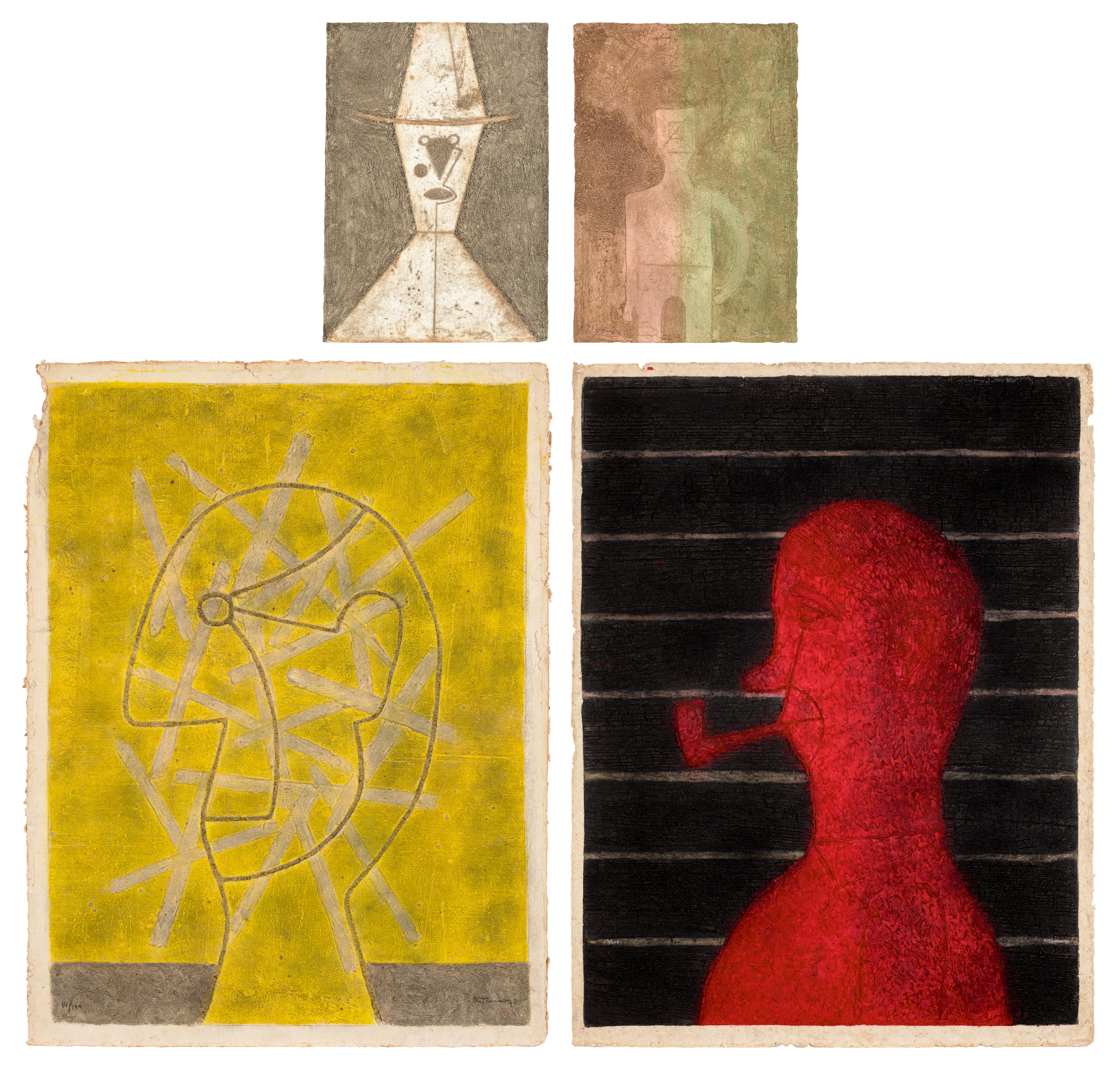
Rufino Tamayo
15 Aguafuertes: 14 plates
On the auction block, the hierarchy is instructive. Tamayo commands the highest prices among Mexican painters in the secondary market, with major works regularly reaching into the millions. Diego Rivera follows, though his market is more volatile, shaped heavily by subject matter and provenance. Frida Kahlo works appear rarely and sell at extraordinary premiums when they do, functioning almost as trophy objects for the highest tier of collector.
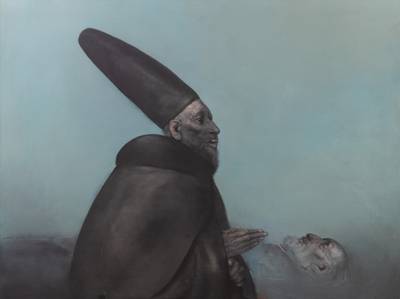
What is interesting about the current moment is that the conversation has meaningfully expanded beyond those three names. Collectors are now competing seriously for works by Gunther Gerzso, whose geometric abstractions occupied a fascinating space between Mexican muralism and European surrealism, and for the surrealist paintings of Remedios Varo, who arrived in Mexico as a refugee from Franco's Spain and made some of the twentieth century's most quietly astonishing pictures. Both are well represented on The Collection, and both have seen sustained price appreciation. The institutional collecting picture adds texture.
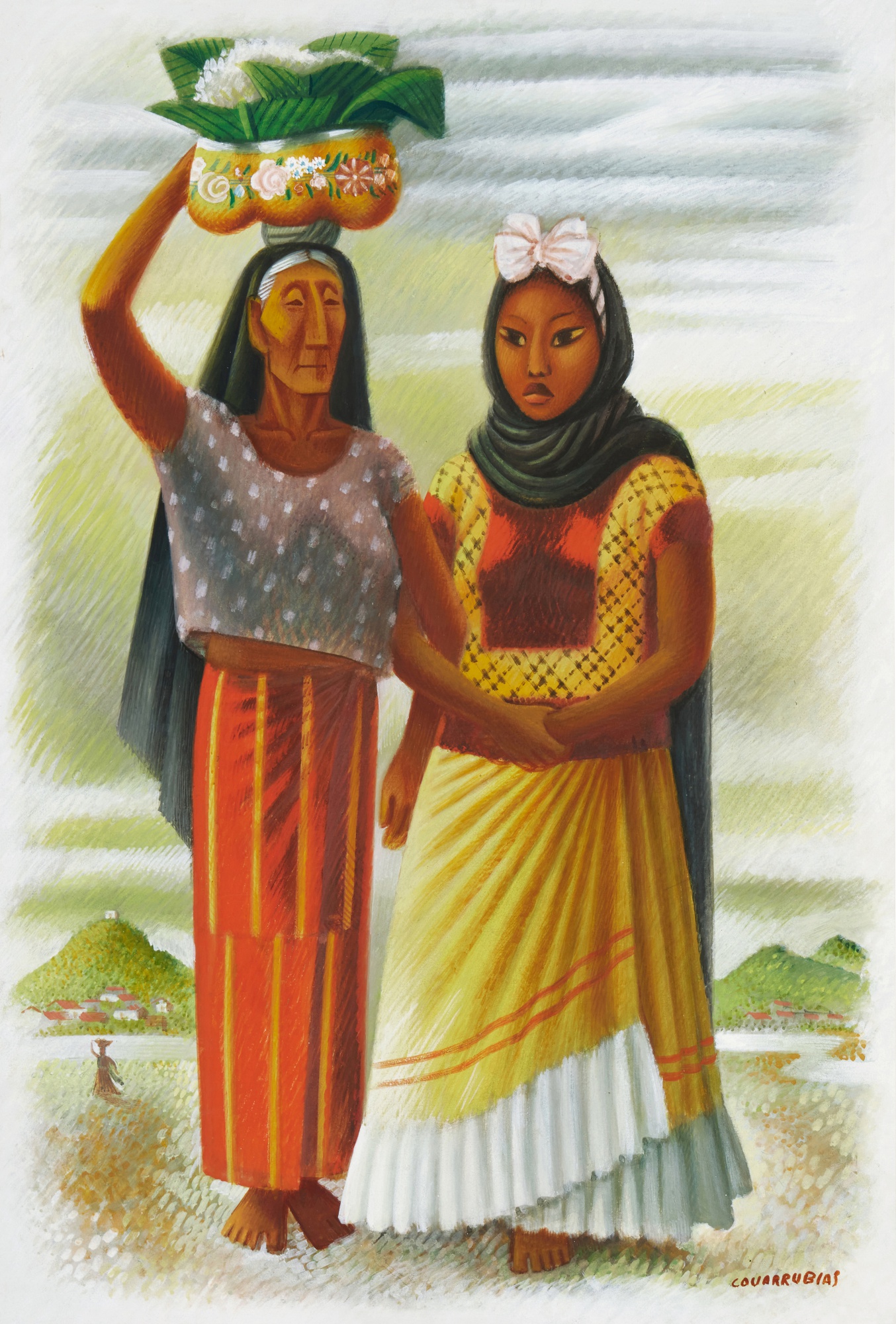
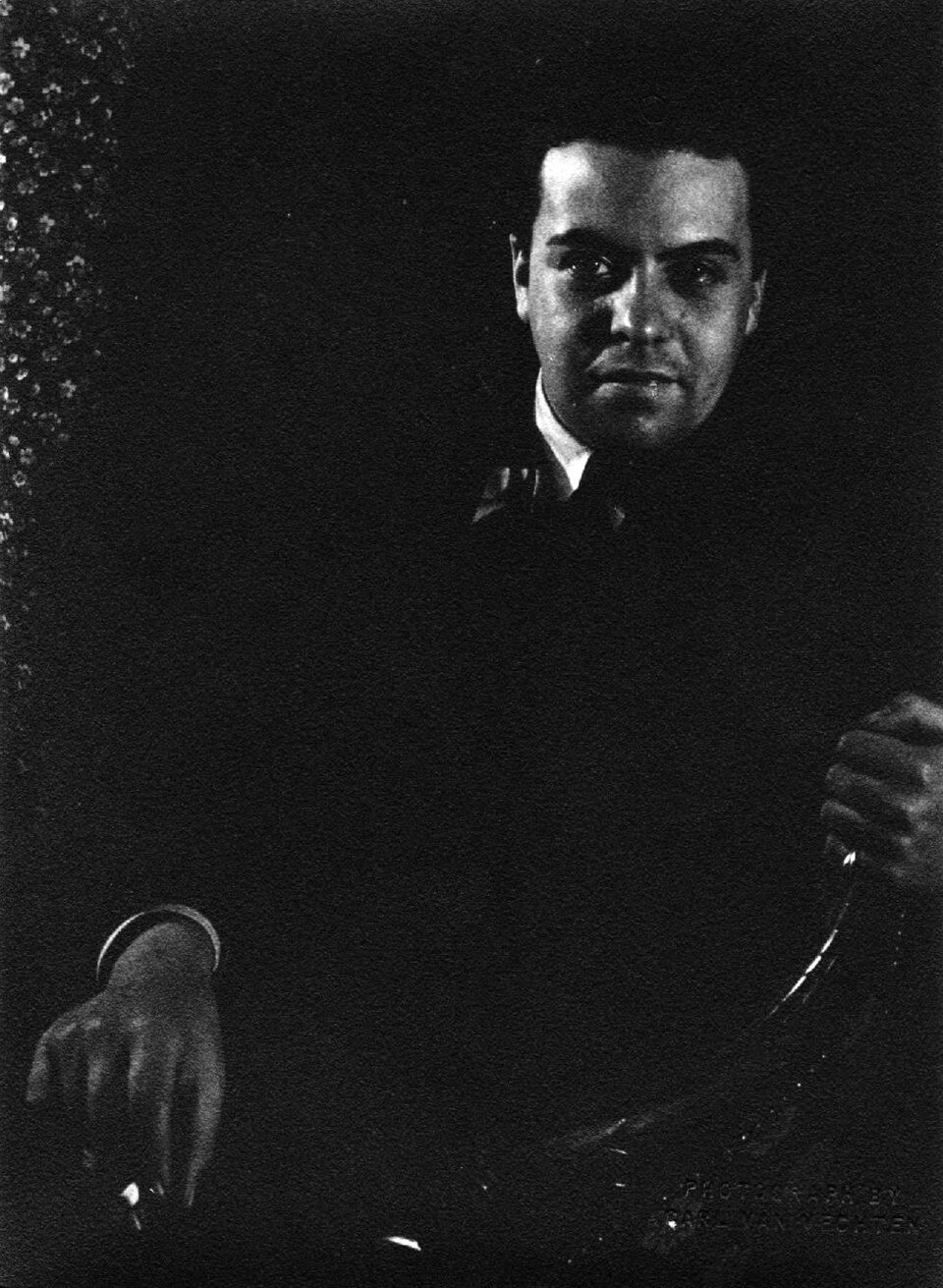
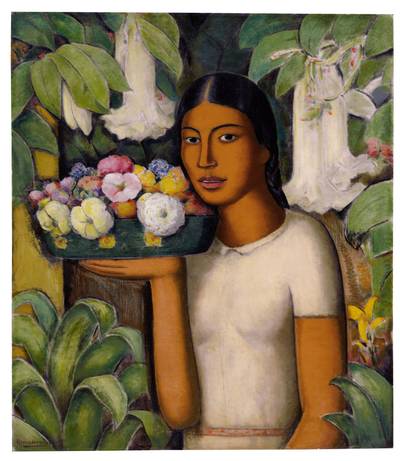
Miguel Covarrubias
Tehuanas, 1942
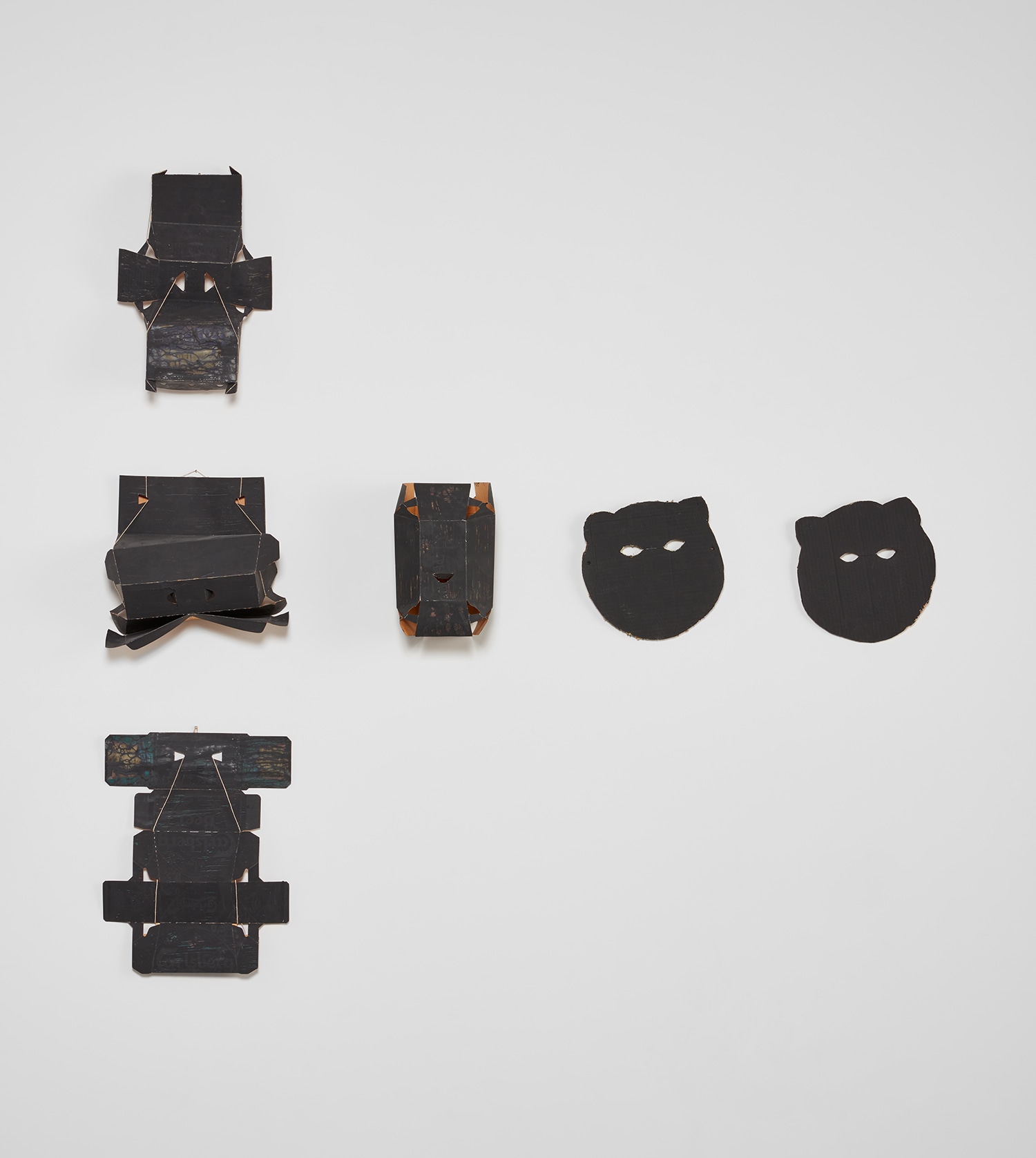
The Los Angeles County Museum of Art has one of the most significant collections of Mexican art outside Mexico itself, built over decades and recently expanded through gifts and acquisitions that include photography, printmaking, and contemporary work. The Philadelphia Museum of Art has deepened its holdings in this area as well. But the more telling development is what is happening in private foundations and newer institutions. Collectors who came to Mexican art through Rivera and Kahlo are now following curatorial guidance toward figures like Mathias Goeritz, the German born architect and sculptor who became a foundational presence in mid century Mexican culture, or Miguel Covarrubias, the astonishing illustrator, ethnographer, and cultural impresario whose work bridges popular and fine art in ways that feel genuinely fresh to contemporary eyes.
Both are represented on The Collection and both reward close attention. The critical writing shaping this space comes from several directions. Cuauhtémoc Medina, who served as curator at the Museo Universitario Arte Contemporáneo in Mexico City and has written with unusual precision about Mexican conceptualism, has been essential in framing how artists like Abraham Cruzvillegas and Damián Ortega belong to a longer tradition of material thinking rooted in Mexican culture without being reducible to it. The journal Terremoto, published out of Mexico City, has been consistently sharp in its coverage of younger and mid career artists working in and around Mexico.
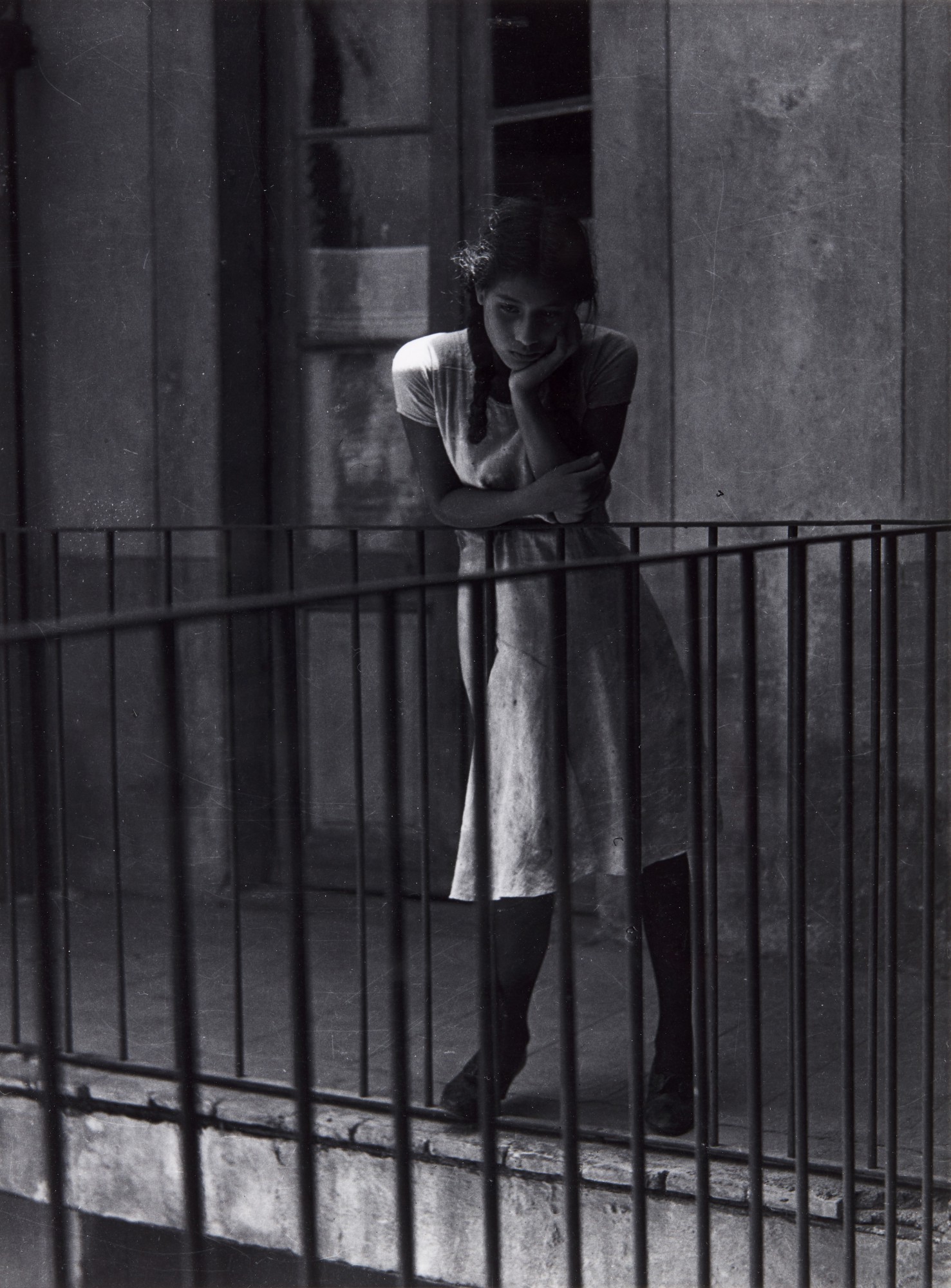
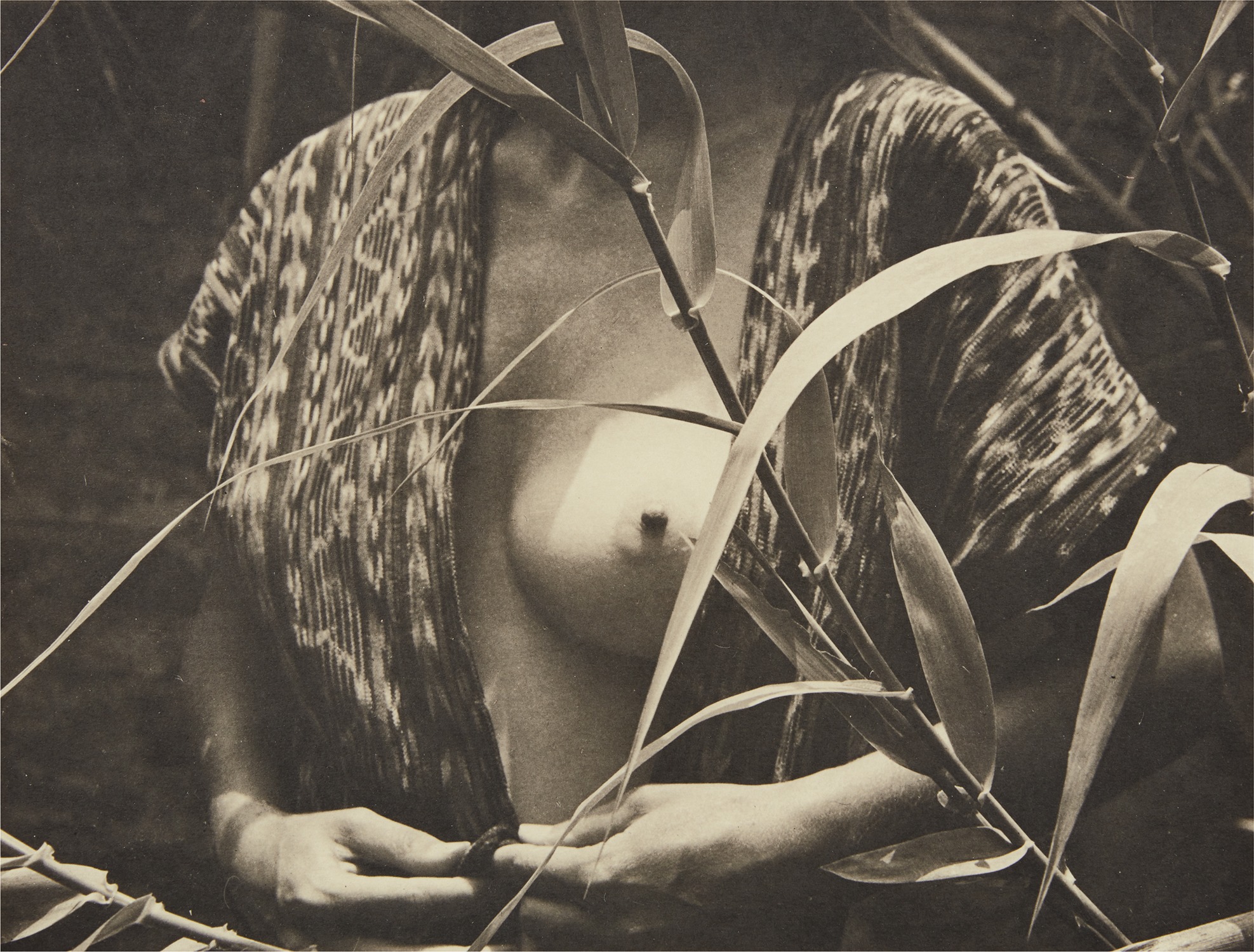
Manuel Álvarez Bravo
'El Ensueño', 1931
And the broader art press, from Artforum to Frieze, has increased its coverage meaningfully, recognizing that Mexico City operates as one of the hemisphere's most generative art ecosystems. Photography deserves its own note here, because it is where some of the most compelling collecting energy currently lives. Manuel Álvarez Bravo is the foundational figure, a photographer of such formal intelligence and such deep roots in Mexican visual culture that his prints feel inexhaustible. Graciela Iturbide extended his legacy into a more explicitly feminist and anthropological register, and her work has attracted serious institutional and private attention in recent years.
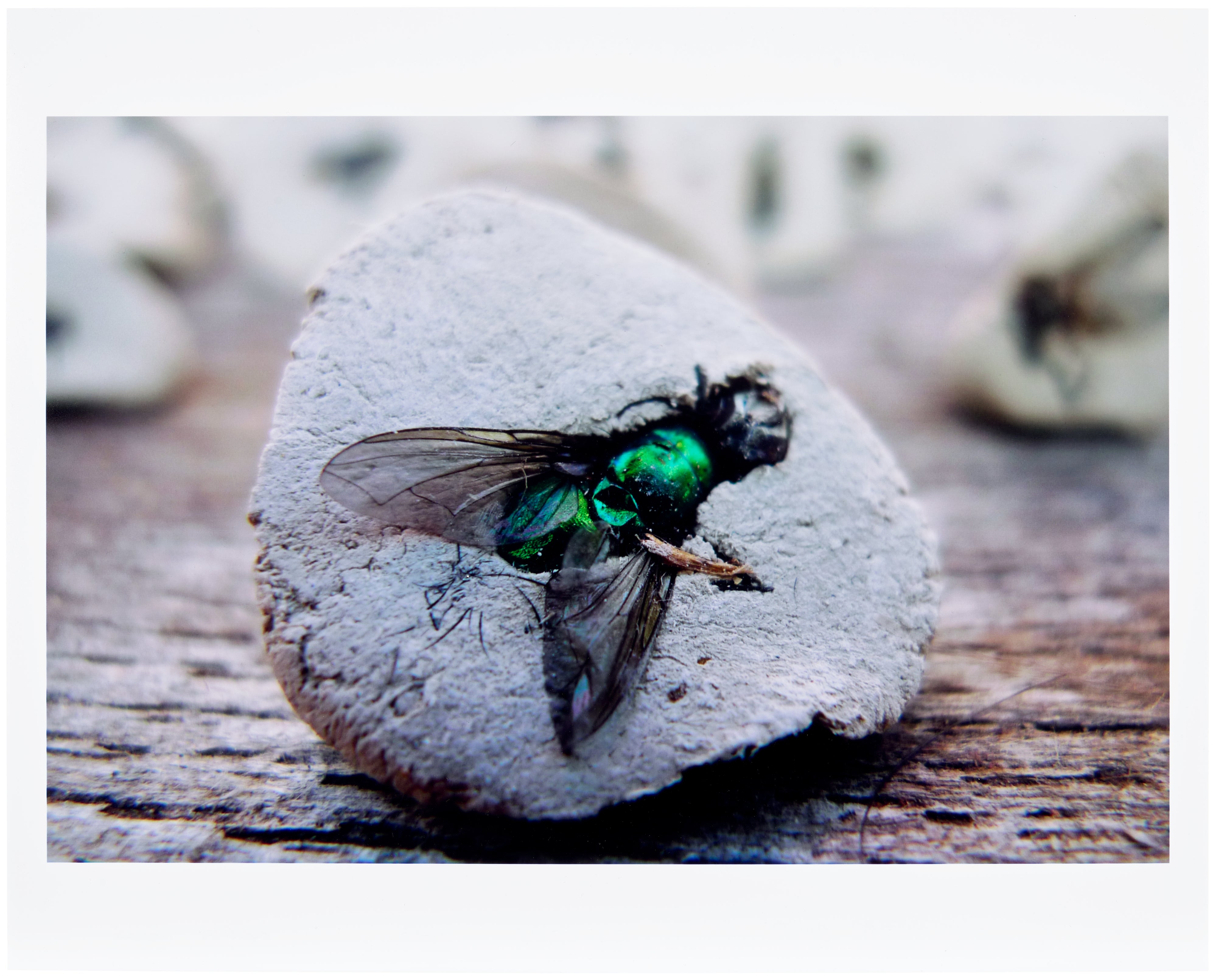
Flor Garduño occupies a related space, drawn to ritual, the body, and the natural world with an eye that is simultaneously documentary and lyrical. All three are on The Collection, and taken together they represent a photographic tradition that stands confidently alongside any in the world. What feels alive right now, beyond the established names, is a renewed interest in the artists who existed at the edges of the major movements. Nahui Olin, the poet and painter who moved through the orbit of the muralists but built something entirely her own, is being reconsidered with real seriousness after decades of marginal status.
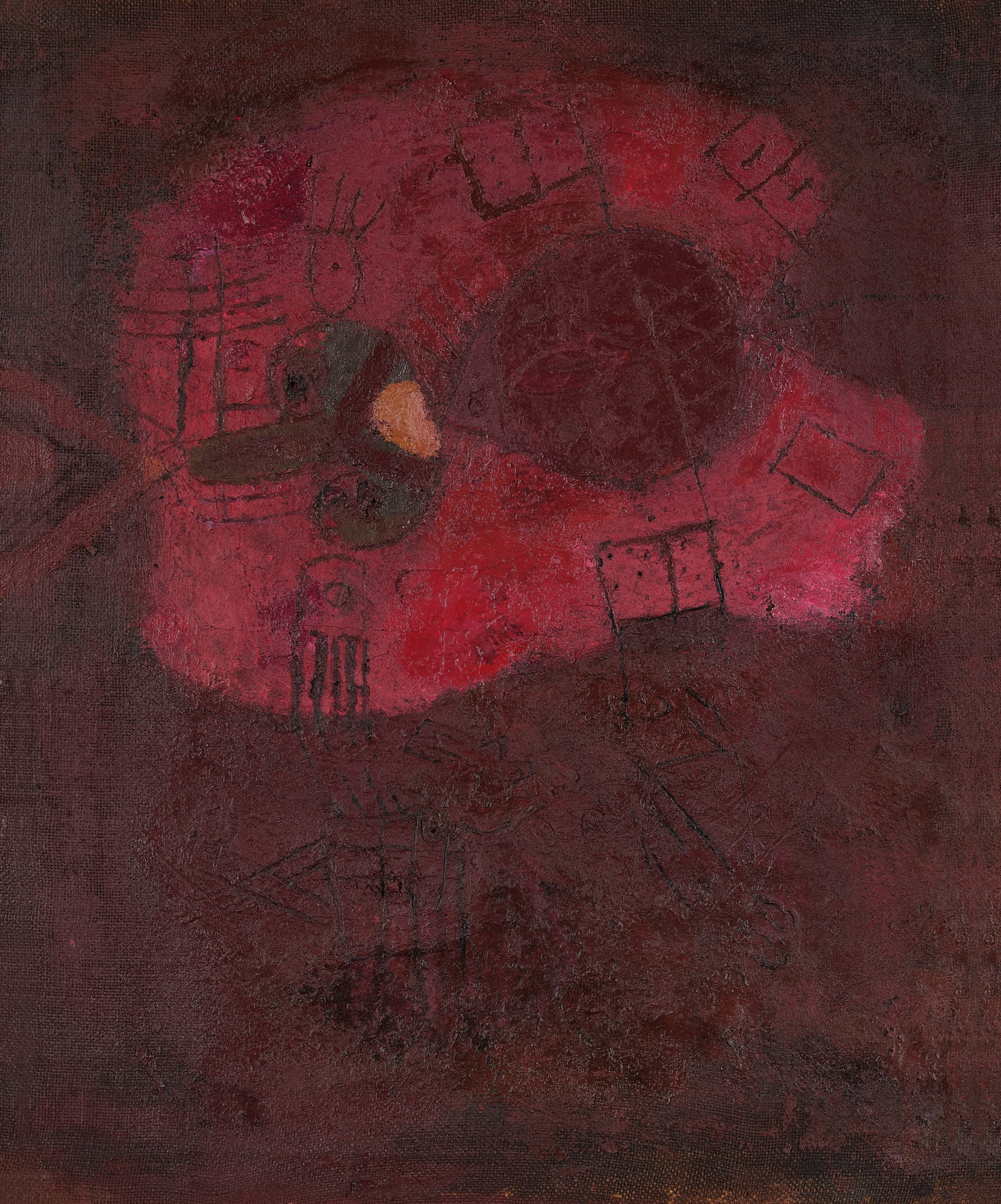
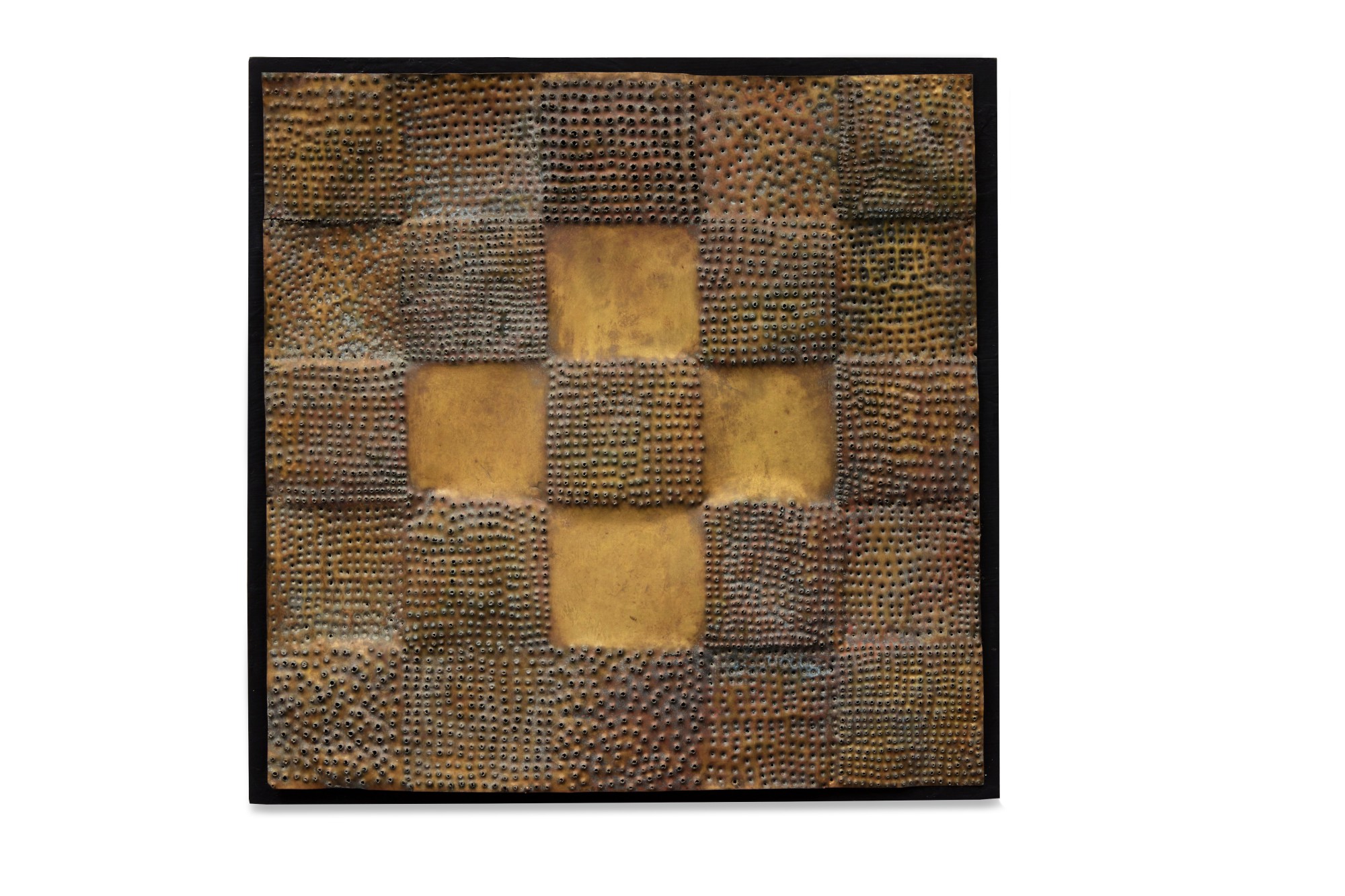
Francisco Toledo
Abstract, 1963
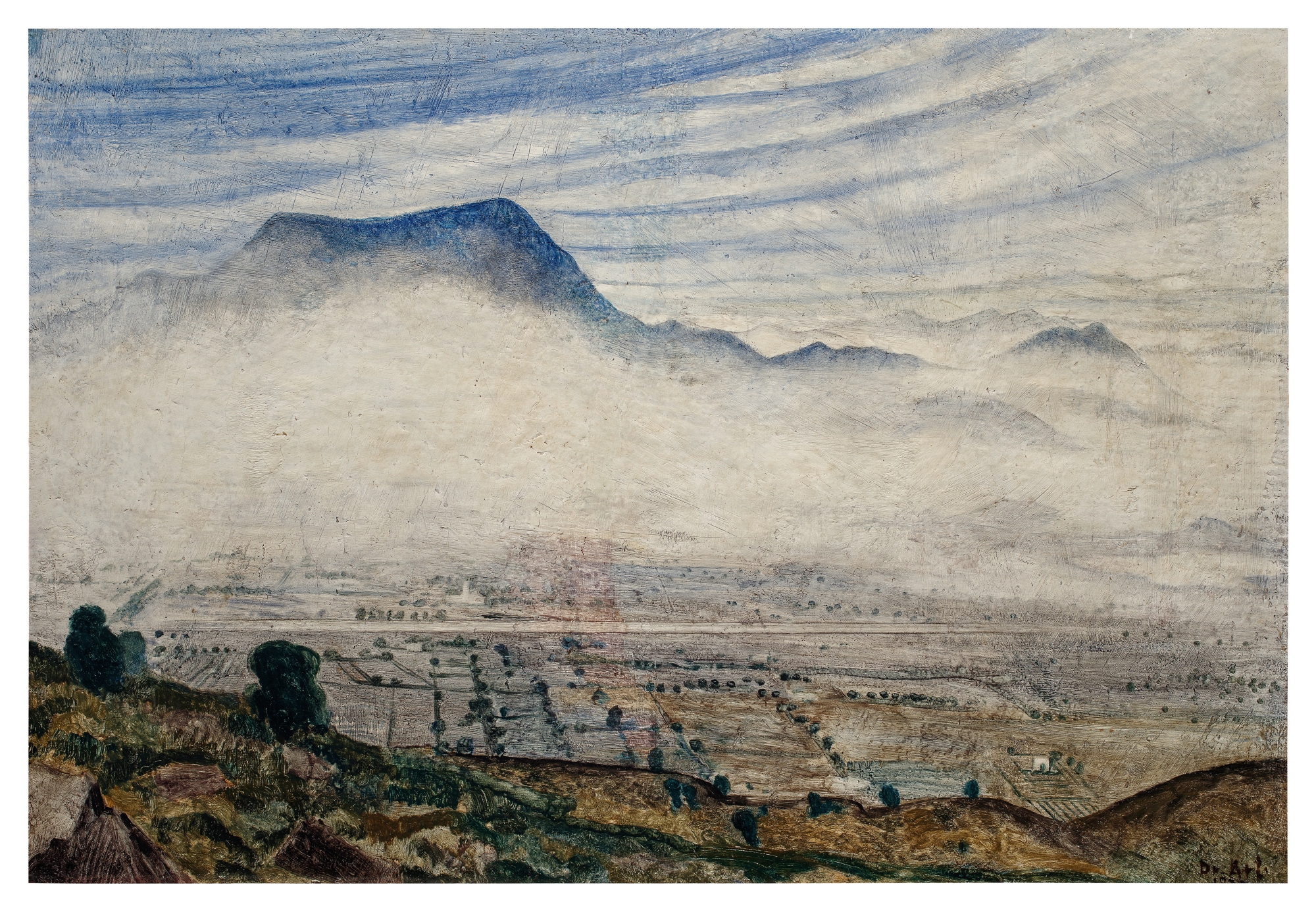
Alice Rahon, another European who found Mexico and made it her subject and her home, is being reassessed as her surrealist canvases reappear in major sales and museum shows. Dr. Atl, the volcanic polymath who shaped a generation of Mexican artists and whose landscapes carry an almost geological energy, remains undervalued by international collectors and thus represents genuine opportunity. Francisco Toledo, the Oaxacan master who refused every institutional embrace that might have compromised his independence, left a body of work of startling range and depth.
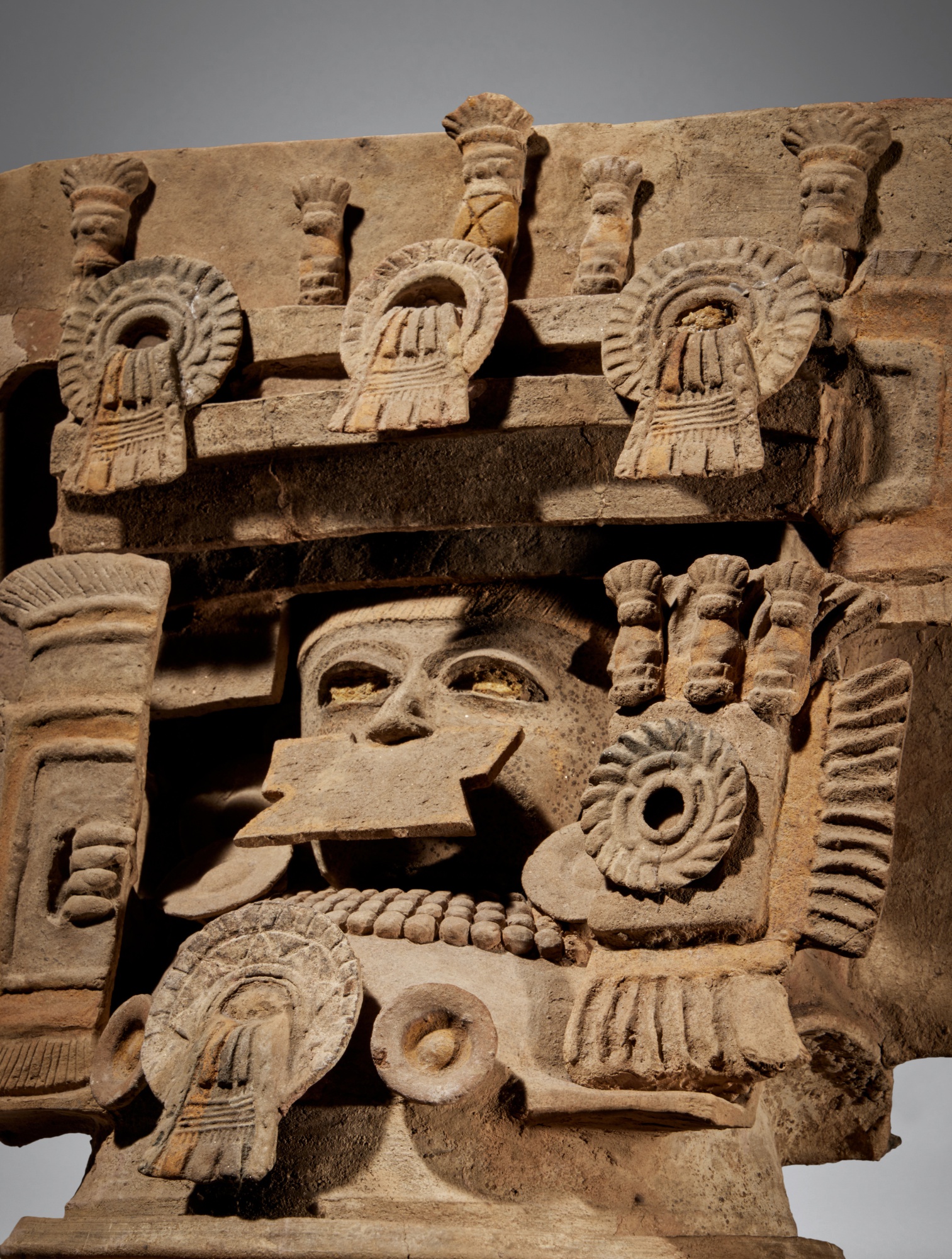
The surprise coming for collectors who have not been paying close attention is that the contemporary generation, artists like Bosco Sodi, Carlos Amorales, and Abraham Cruzvillegas, is earning not just market traction but the kind of sustained critical infrastructure that turns a generation into a canon. These artists are not riding the coattails of Rivera and Tamayo. They are in dialogue with those predecessors while building something genuinely new. The collection on this platform reflects exactly that arc, from the pre Columbian echoes in a Colima ceramic to the dry wit of a Damián Ortega sculpture.
Mexico has always been this capacious. The market is finally catching up.