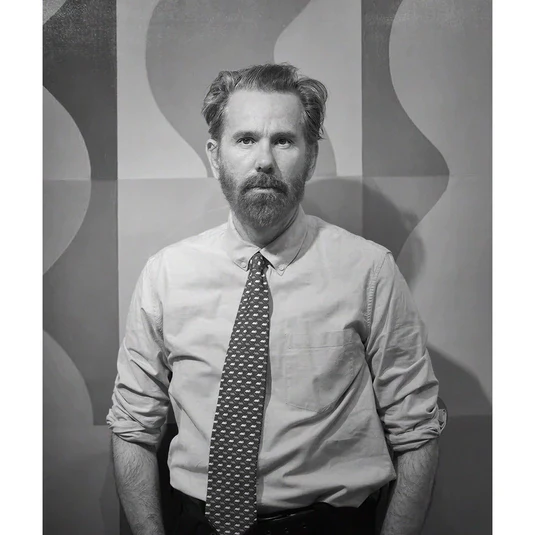
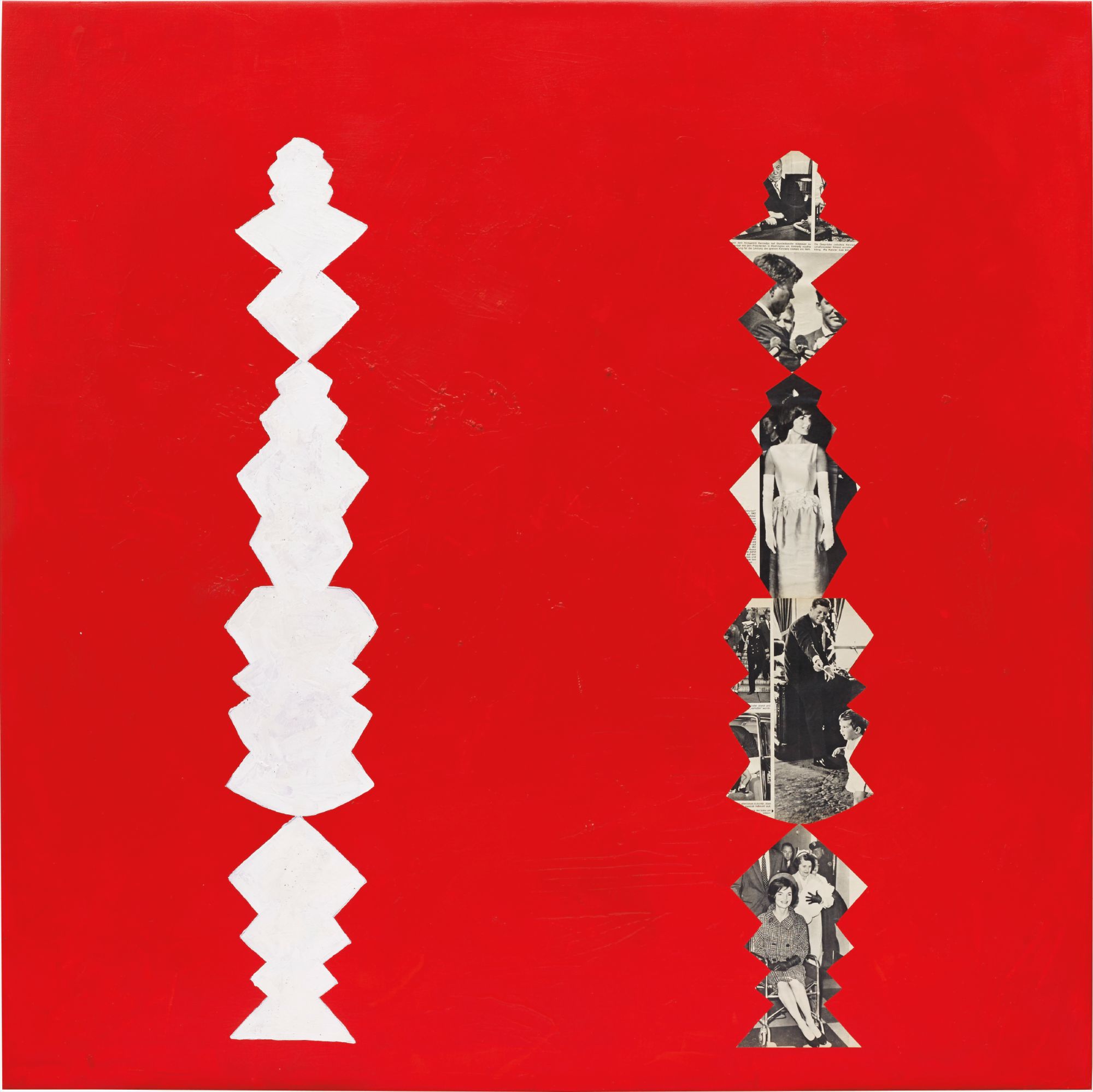
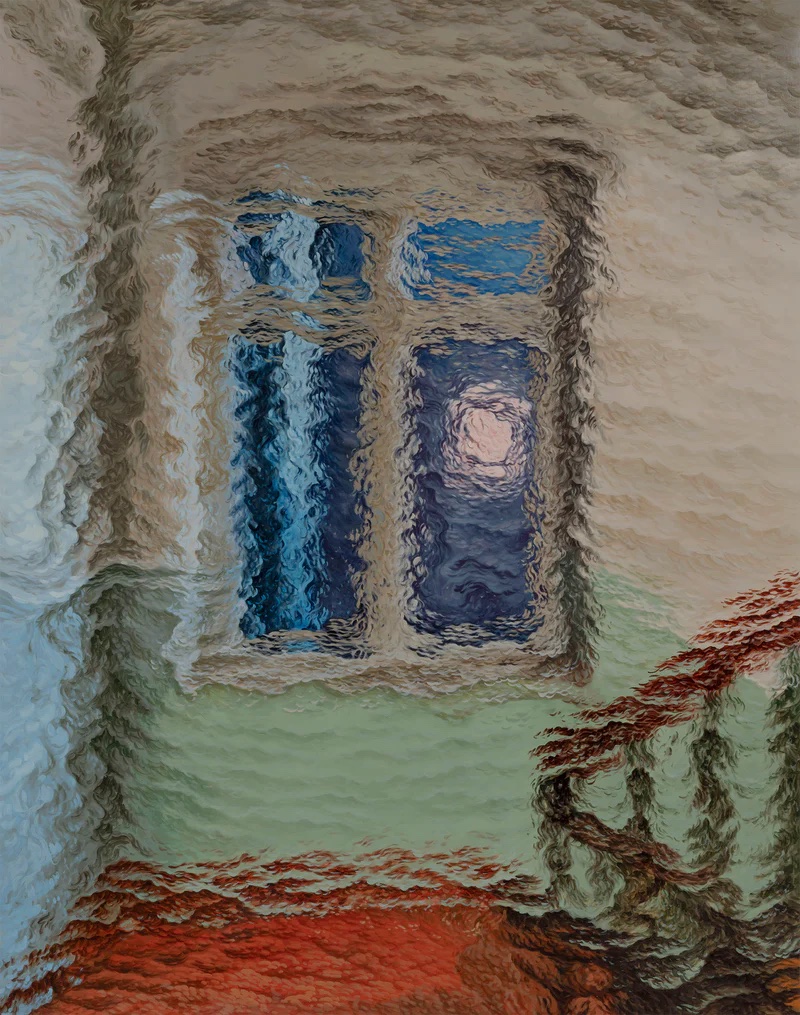
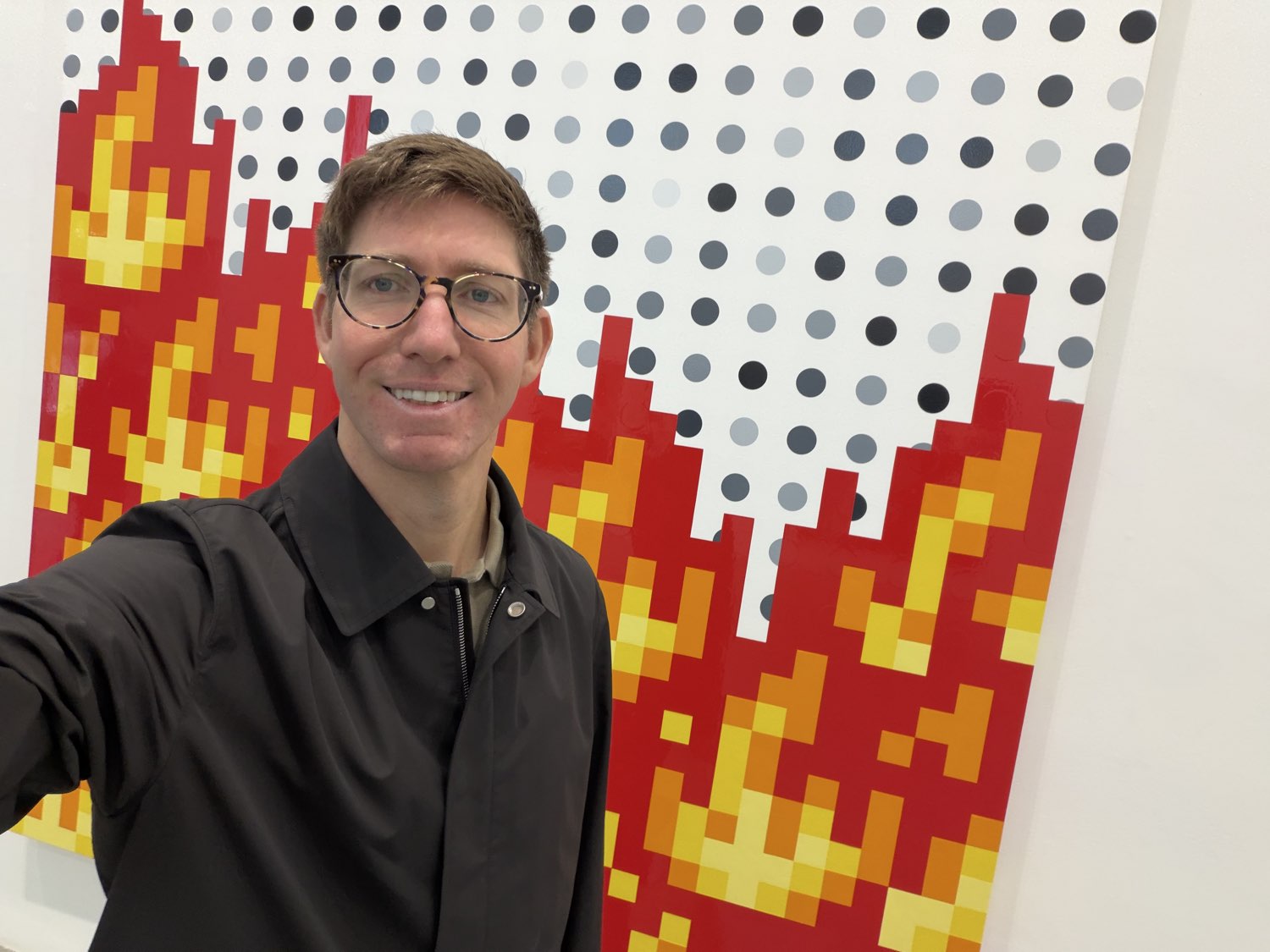
In recent years, Diango Hernández has moved with quiet but unmistakable momentum through the international contemporary art world, his work appearing in institutional contexts that affirm what perceptive collectors have known for some time: this is an artist whose vision is both singular and essential. His multidisciplinary practice, rooted in the emotional and political textures of displacement, has found increasingly wide resonance as global conversations around migration, identity, and collective memory have come to define so much of contemporary cultural life. Hernández occupies a rare position, one where personal biography and formal sophistication reinforce each other without either element overwhelming the other. The result is work that feels at once intimate and monumental. Hernández was born in 1970 in Sancti Spíritus, a city in central Cuba whose colonial architecture and layered revolutionary history would prove formative for an imagination attuned to the residue of ideology in everyday objects. He went on to study at the Instituto Superior de Arte in Havana, one of the most celebrated and architecturally extraordinary art schools in the world, housed in a complex of unfinished buildings designed in the early 1960s on the grounds of a former country club. The ISA, as it is known, produced a generation of Cuban artists who grappled seriously with the tension between socialist idealism and artistic freedom, and Hernández absorbed those contradictions deeply. His education there gave him both rigorous conceptual tools and an enduring sensitivity to the poetics of incompleteness. In the early 2000s, Hernández relocated to Europe, eventually settling in Düsseldorf, Germany, a city with its own weighty art historical legacy as the home of Joseph Beuys and the Kunstakademie that shaped so much of postwar conceptual and performance art. The move proved generative rather than disorienting. Distance from Cuba did not diminish his engagement with Cuban reality; if anything, it sharpened his perspective, allowing him to examine the textures of post revolutionary life with the clarity that only exile can provide. Düsseldorf also placed him within a rigorous intellectual community where ideas about sculpture, installation, and the social function of art were taken with the utmost seriousness. His practice spans painting, sculpture, installation, and drawing, and what unites these modes is a sustained meditation on how memory is stored, distorted, and transmitted through objects. Hernández is drawn to materials that carry their own histories: worn fabrics, salvaged furniture, paper, domestic items that once belonged to a world now inaccessible. He transforms these materials through processes of accumulation, fragmentation, and careful arrangement, creating works that feel archaeological without being nostalgic in any sentimental sense. His sensibility is closer to mourning that has been worked through and converted into something structurally alive. There is grief in his work, but it is grief that has been given form and therefore given dignity. Among his most discussed works is "The Column of Our Endless Mistake," a paper collage and acrylic on canvas work that exemplifies his ability to layer political and personal meaning within a formally resolved composition. The title alone carries enormous weight, suggesting both collective historical failure and the strange persistence of error across generations. The piece draws on the visual vocabulary of constructivism and geometric abstraction while remaining anchored in a specifically Cuban and Caribbean context, creating a productive friction between the universal language of form and the particularity of lived political experience. His 2022 print "Premonición" continues this conversation, its title invoking intuition and foreknowledge, qualities that feel especially resonant in work made by someone who left a country before its next chapter was fully written. For collectors, Hernández represents a compelling proposition that combines critical seriousness with genuine aesthetic pleasure. His works on paper and his canvases reward sustained looking, revealing formal decisions that become more remarkable the longer one spends with them. The geometric structures in his paintings speak to a tradition that includes Mondrian and Malevich but are inflected with a warmth and ambiguity that purely formalist work rarely achieves. Collectors drawn to artists such as Felix Gonzalez Torres, whose work also navigates loss and political consciousness through formal elegance, or to the Cuban diaspora tradition represented by figures like Kcho, will find Hernández a natural and rewarding point of entry. His work also invites comparison with European conceptualists working with archives and material culture, placing him in dialogue with artists like Christian Boltanski in his use of accumulated objects as vessels for historical feeling. Hernández has exhibited widely across Europe and beyond, with his work appearing in gallery contexts that have introduced him to serious institutional collectors as well as private enthusiasts seeking work that speaks to the present moment without sacrificing depth for legibility. His Düsseldorf base has given him close connections to the German gallery world, while his international profile continues to expand as curators increasingly recognize the importance of voices from the Cuban diaspora in any complete account of contemporary art. The critical language around his work consistently returns to words like rigor, tenderness, and complexity, descriptors that point toward an artist who refuses easy resolution. What makes Hernández genuinely important, beyond the market considerations and the institutional endorsements, is the quality of attention his work demands and rewards. He is an artist who believes that objects carry consciousness, that the political is always personal, and that form is not decoration but argument. In an era when so much contemporary art either aestheticizes difficulty without engaging it or engages difficulty without aesthetic commitment, Hernández manages to do both with evident intelligence and care. His practice reminds us that the best art does not explain the world so much as it expands our capacity to feel the weight of it. For collectors with a serious eye and an appetite for work that will continue to grow in meaning over time, Diango Hernández is an artist whose moment is very much now.