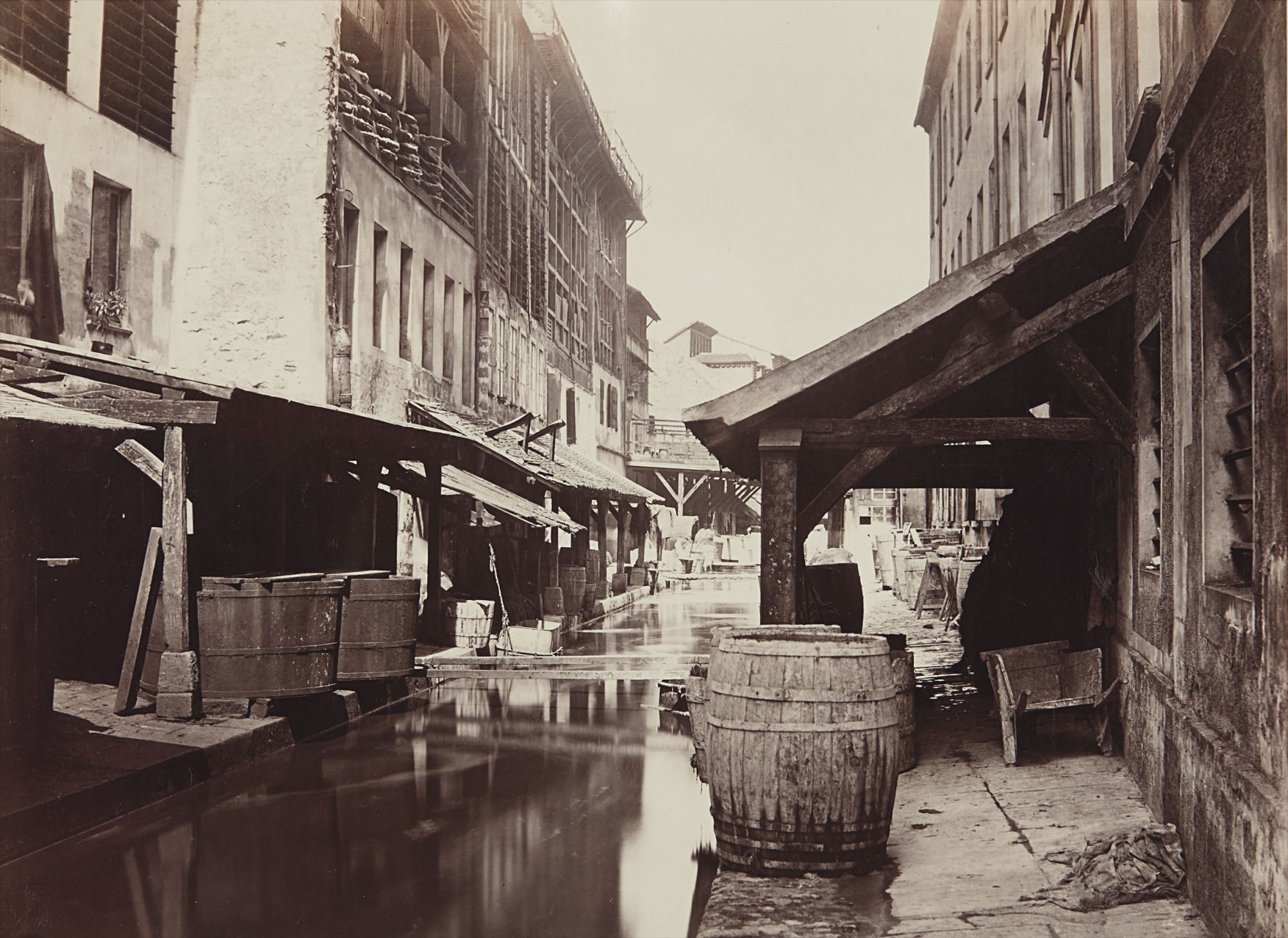
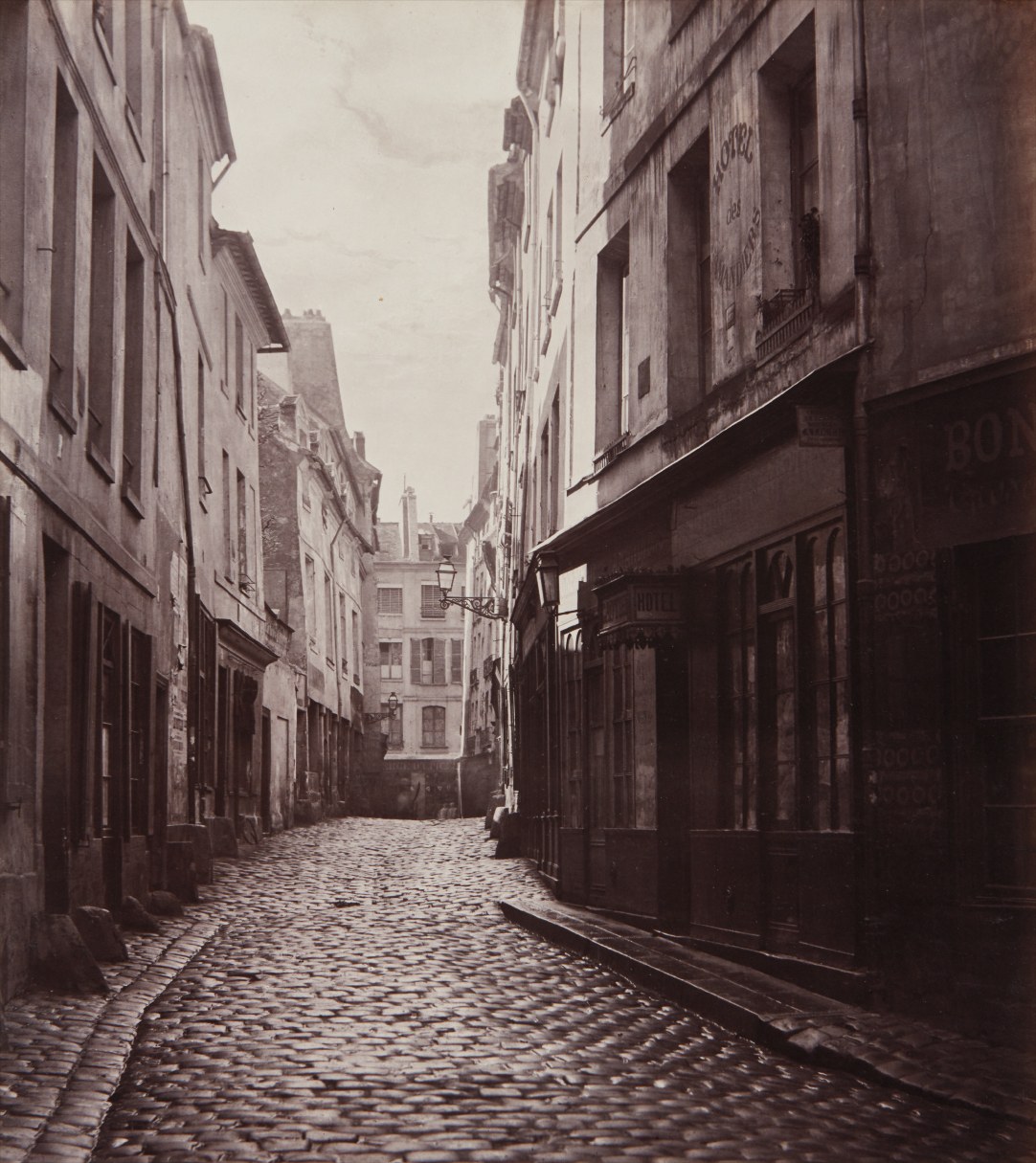
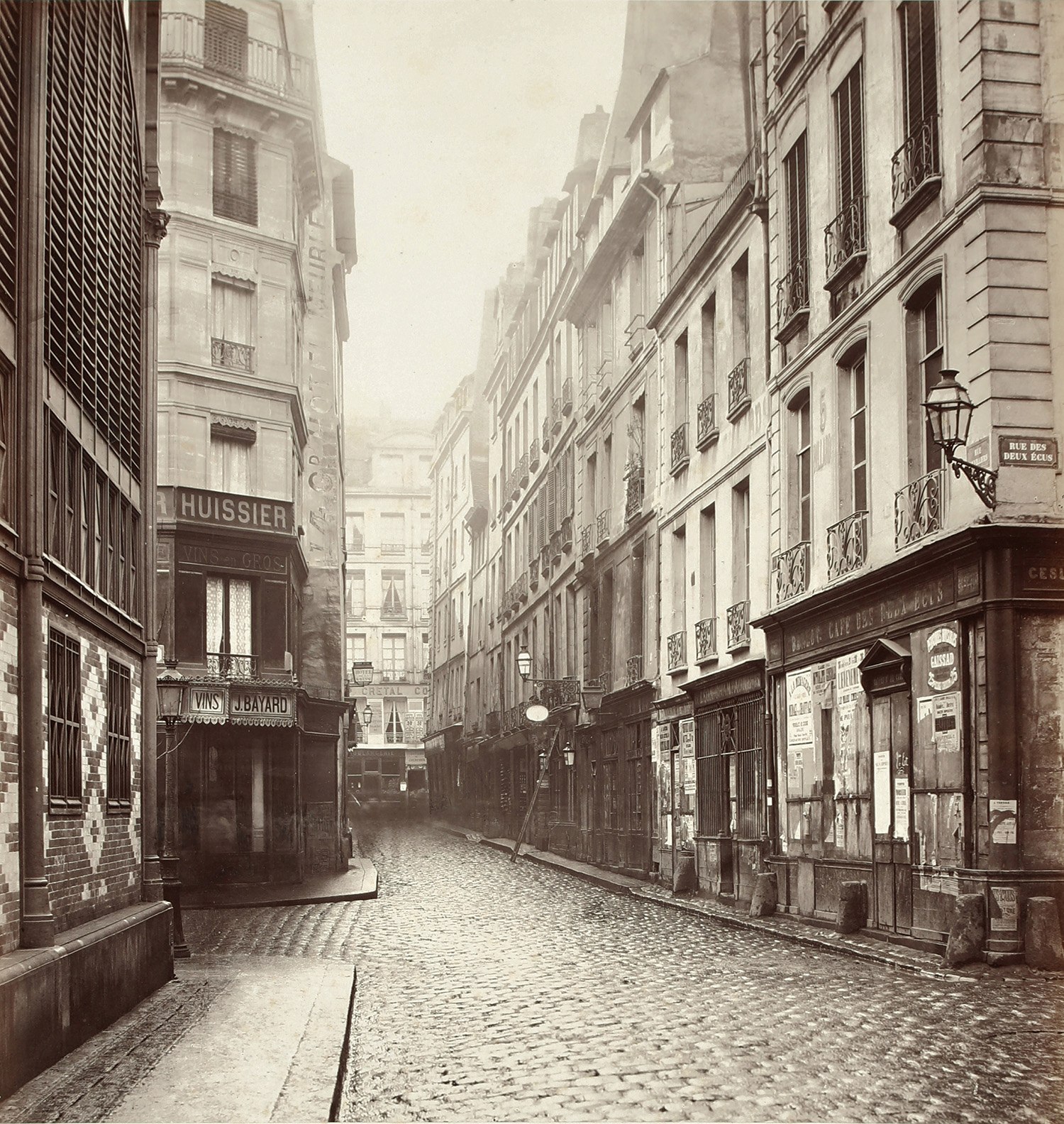
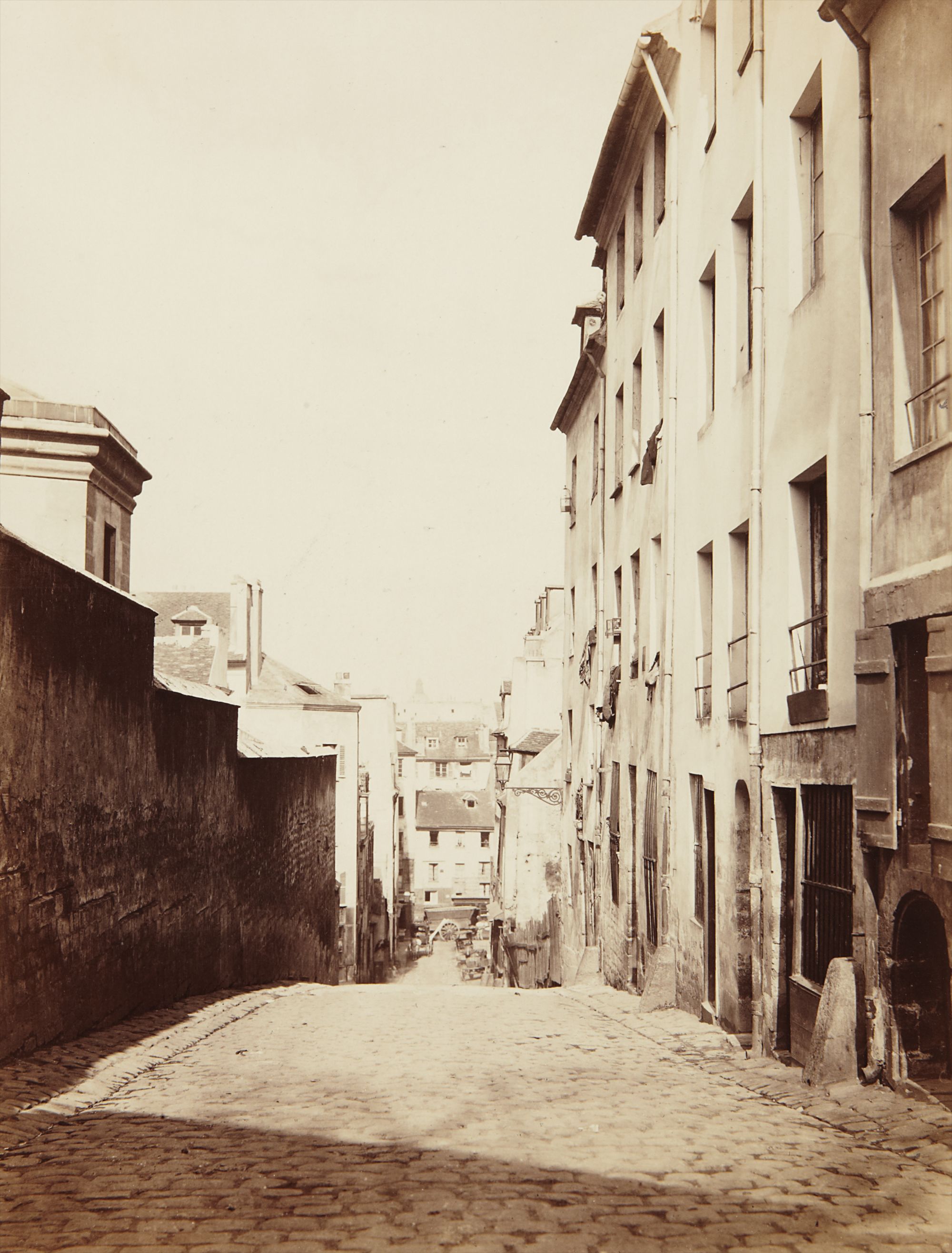
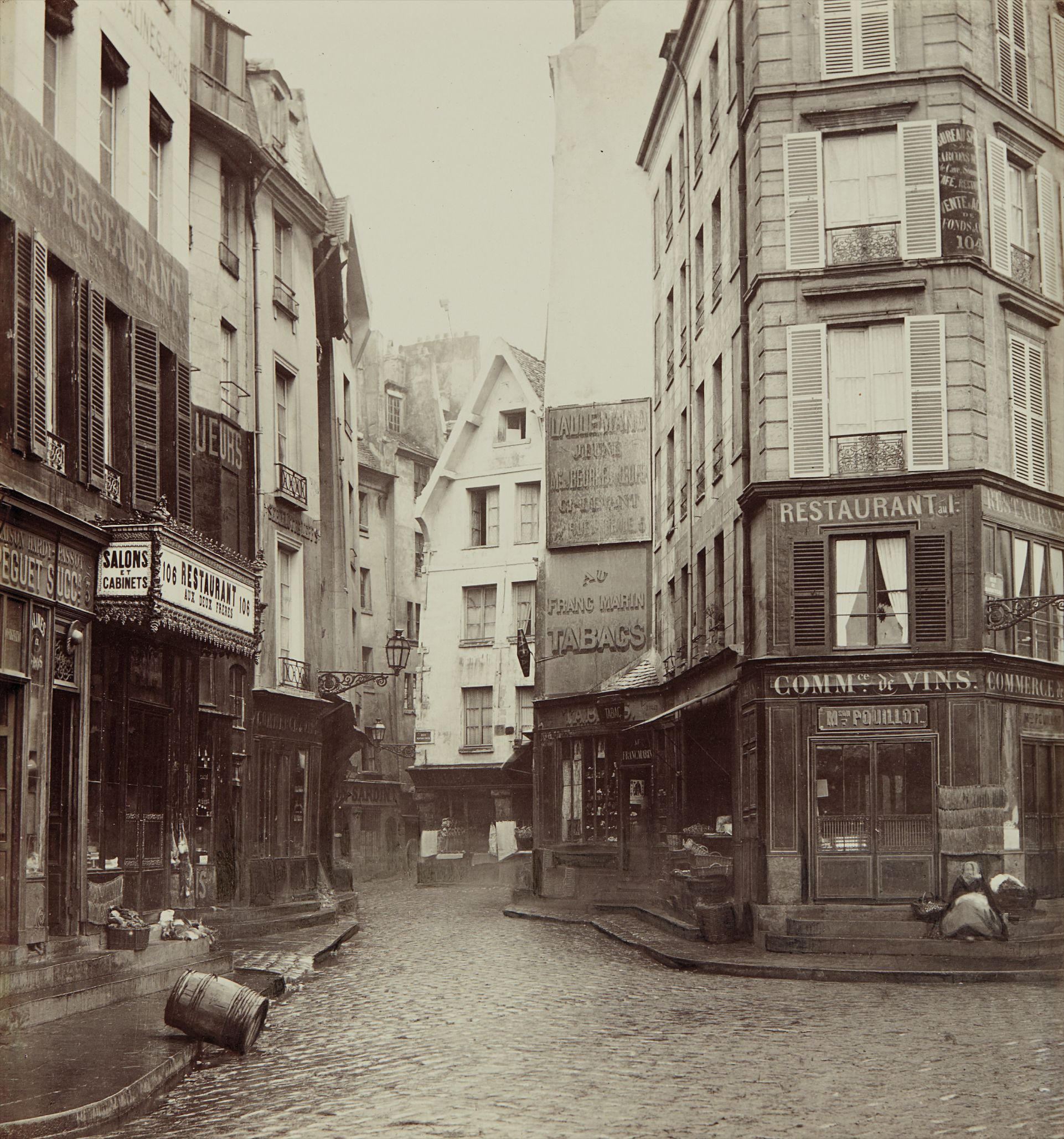
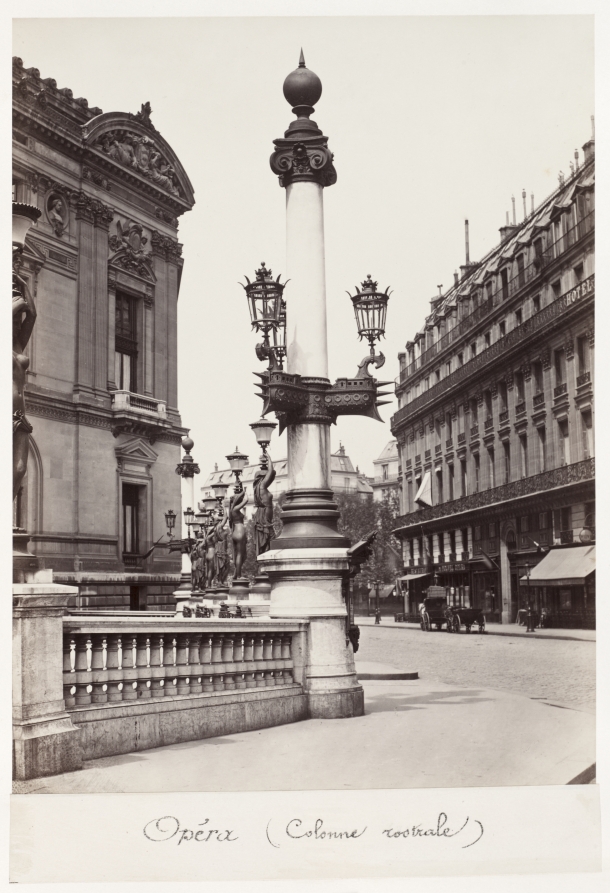
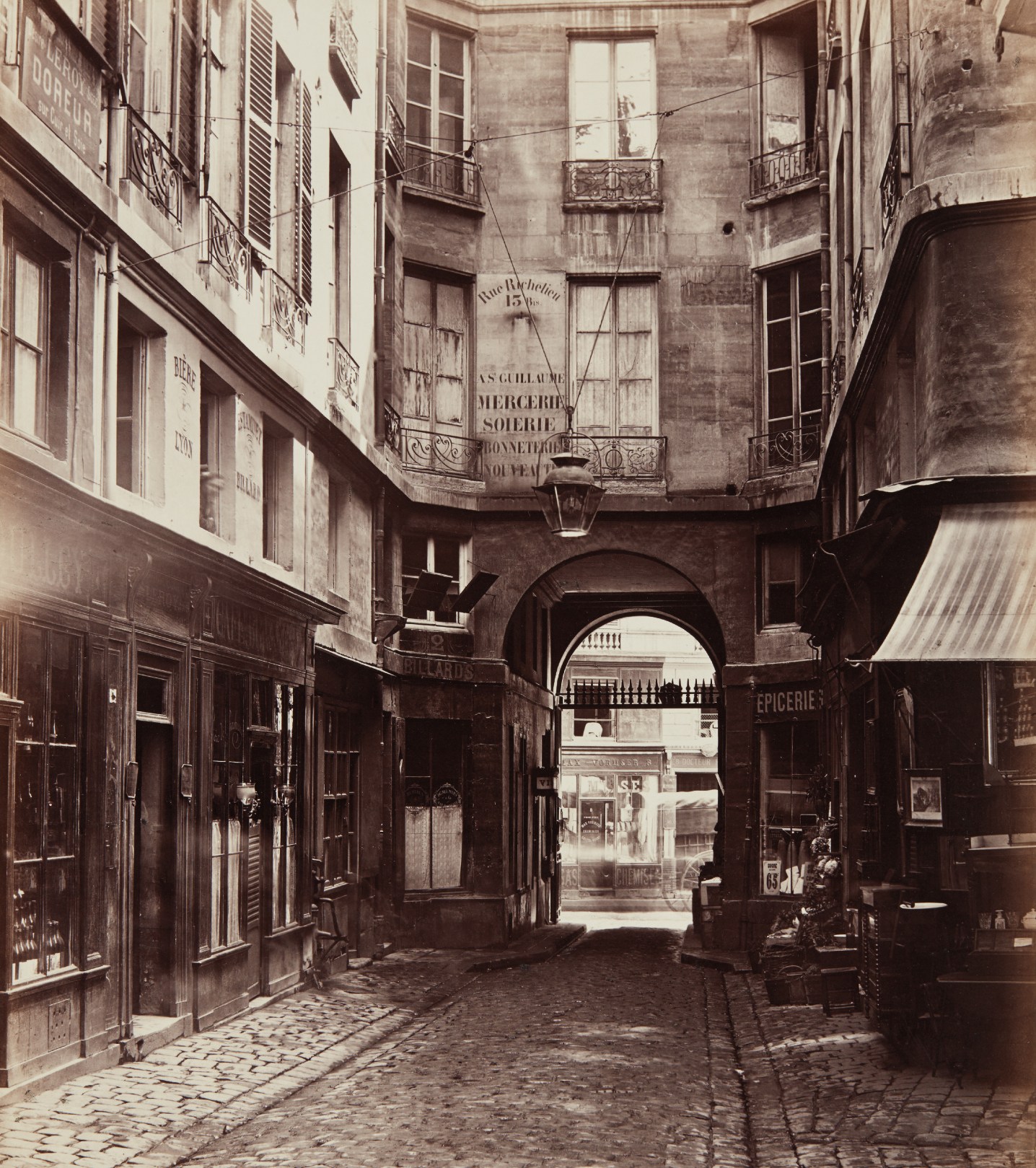
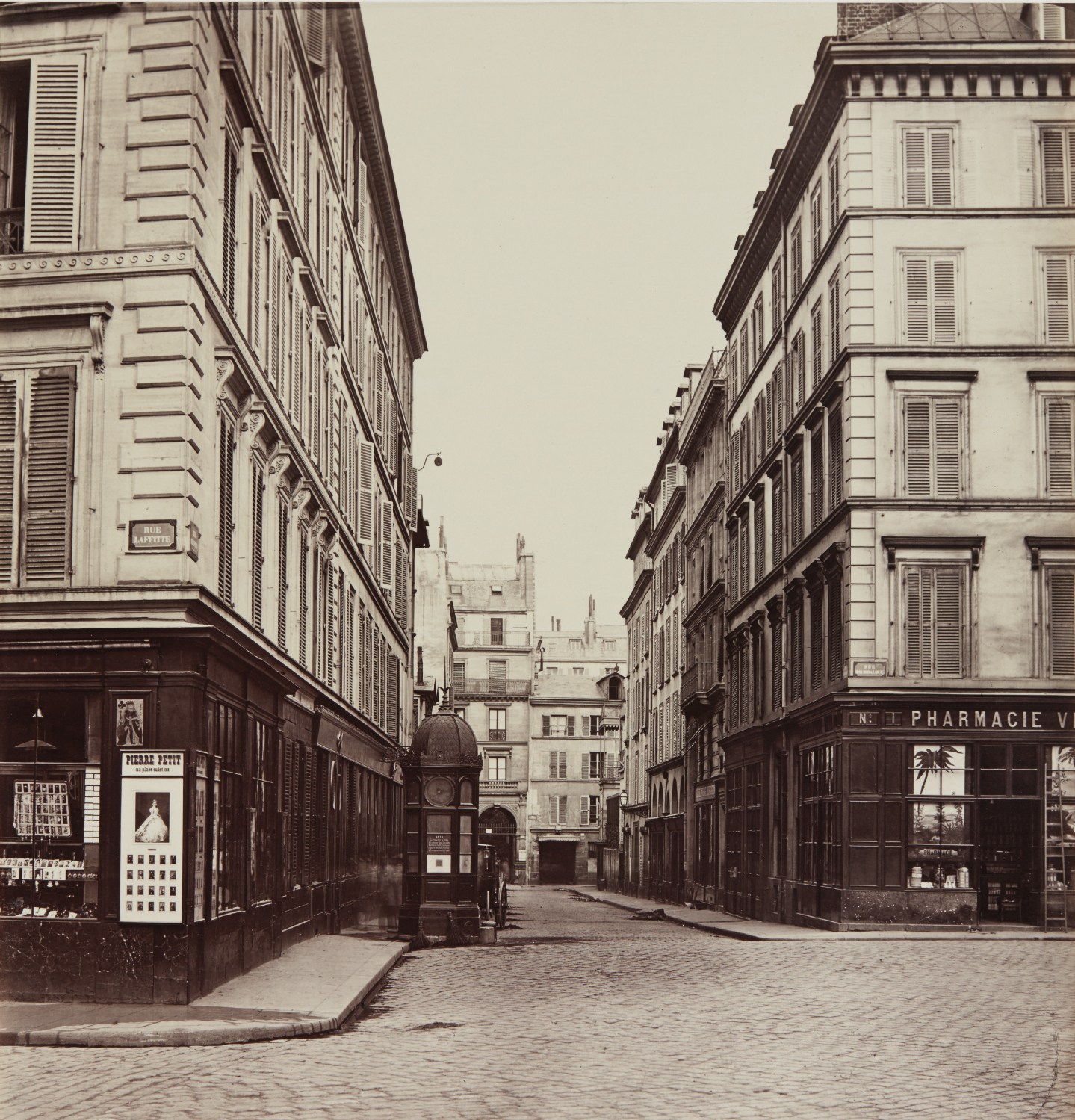
Imagine standing on a cobblestone street in 1865, the air thick with dust and the sound of pickaxes, watching an entire city dissolve before your eyes. Charles Marville was there, camera in hand, doing something that no one had quite done before: bearing witness with precision, patience, and an artist's sense of the irreplaceable. His photographs of old Paris, made in the decades before Baron Haussmann's sweeping urban renewal program erased centuries of medieval streetscapes, stand today as one of the most consequential bodies of documentary photography ever assembled. When the Musée Carnavalet in Paris devoted a landmark retrospective to his work, audiences lined up to see images that felt simultaneously like history lessons and elegies, proof that the camera, in the right hands, is also a form of love. Charles Marville was born Charles François Bossu in Paris in 1813, and his early years were shaped by the city he would later spend his career preserving in silver and light. He trained as an illustrator and engraver, skills that gave him an almost architectural eye for detail and composition that would distinguish his photographic practice from that of his contemporaries. The decision to adopt the pseudonym Marville remains one of the more intriguing mysteries of his biography, a quiet reinvention that suggests a man who understood the power of image, including his own. By the time he turned to photography in the early 1850s, he brought to the medium a craftsman's discipline and a draftsman's instinct for line. Marville's entry into photography coincided with a period of extraordinary technical development. The collodion wet plate process, introduced in 1851, made sharp, detailed negatives achievable in a way that the daguerreotype never quite allowed, and Marville embraced it fully. His early photographic work ranged widely, encompassing landscape studies, architectural documentation across France and beyond, and even early experiments in capturing natural phenomena. His 1856 albumen print "Sky Study, Paris" reveals a photographer already testing the limits of his medium, reaching beyond the merely descriptive toward something more contemplative. His 1858 series documenting the newly redesigned Bois de Boulogne, including the exquisite "View of the Small Grotto toward the Deer Pond," shows a photographer entirely at ease with both the technical demands of the wet collodion process and the compositional challenges of landscape photography. The appointment that would define his legacy came when Marville was named official photographer of the city of Paris, a designation that placed him at the very center of one of the nineteenth century's most dramatic urban experiments. Haussmann's transformation of Paris, commissioned by Napoleon III, was tearing out the city's ancient heart to build the grand boulevards, uniform apartment blocks, and modern infrastructure we recognize today. Marville was charged with photographing the old streets before they fell. What emerged from this commission is a body of work of staggering scope and emotional depth. Images such as "Rue de la Ferronnerie" from 1865 and "Rue des Amandiers" preserve not just architecture but atmosphere: the lean of worn buildings, the particular way light fell down a narrow lane, the ghost of daily life written into worn stone and muddy ground. He also held the title of Photographe du Musée Impérial du Louvre, a further mark of the institutional confidence placed in him. Beyond the street documentation, Marville proved himself a photographer of remarkable versatility. His 1862 albumen prints of the "Market of the Patriarchs" and the "Church of Villeneuve le Comte" in Seine et Marne demonstrate his command of both urban and rural French subjects, each image composed with the quiet authority of someone who has spent years thinking about how buildings occupy space and light. His 1863 study of the "Tympanum, Strasbourg Cathedral" is a masterclass in architectural photography, the carved stone rendered with such fidelity that scholars have used it as a reference document. His 1864 photograph of "La Belle Jardinière" captures a famous Parisian department store in the act of demolition, a single image that contains an entire argument about commerce, modernity, and loss. And his 1875 "Opéra (Rostral Column)" shows that even as Paris reinvented itself, Marville continued to find the monumental in its newest forms. For collectors, Marville's work occupies a compelling position in the nineteenth century photography market. His prints appear at major auction houses including Christie's and Sotheby's, where period albumen prints from his Paris documentation series consistently attract serious attention from both institutional and private buyers. What distinguishes a strong Marville is the quality of the printing: his best albumen prints from wet collodion negatives carry an extraordinary tonal range, with shadow detail and highlight delicacy that reward close inspection. The presence of his blindstamp on the mount, as seen on works such as "La Bievre" and "Rue des Amandiers," is a mark of authenticity that collectors rightly prize. Works from the core Paris documentation series, particularly those recording streets that no longer exist in any recognizable form, carry the greatest historical weight and tend to command the strongest collector interest. The relatively self contained nature of his practice, tied so specifically to a defined commission and a defined city, gives a Marville collection a coherent narrative arc that is genuinely satisfying to build. Marville belongs to a tradition of socially engaged, architecturally minded photographers that includes Eugène Atget, who would take up the mantle of documenting Paris's vanishing corners a generation later, and whose debt to Marville is both obvious and acknowledged. In the broader history of photography, he sits alongside figures such as Gustave Le Gray, whose technical innovations shaped the medium in the 1850s, and Francis Frith, whose documentary ambitions in Egypt paralleled Marville's in France. But where many of his contemporaries were drawn to the exotic and the picturesque, Marville fixed his gaze on the ordinary and the local, finding in the familiar streets of his own city a subject worthy of the most serious artistic attention. Charles Marville died in Paris in 1879, just as the city he had photographed so faithfully was settling into the form it largely retains today. His legacy is one of those rare cases where artistic merit and historical significance are perfectly fused. Without Marville, we would know the old Paris only through paintings, engravings, and written accounts. Because of him, we can see it, feel the light on its stones, and sense what it meant to walk those streets before the modern world arrived. That is a gift of enormous consequence, and it grows more precious with each passing decade. For any collector who believes that photography is capable of real artistic greatness and genuine historical service, Marville's work is not merely desirable. It is essential.