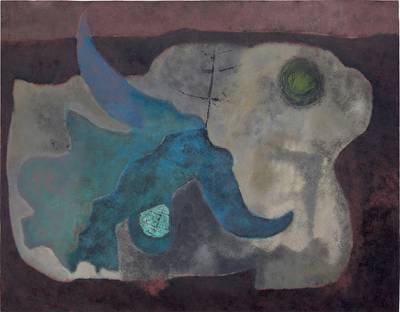
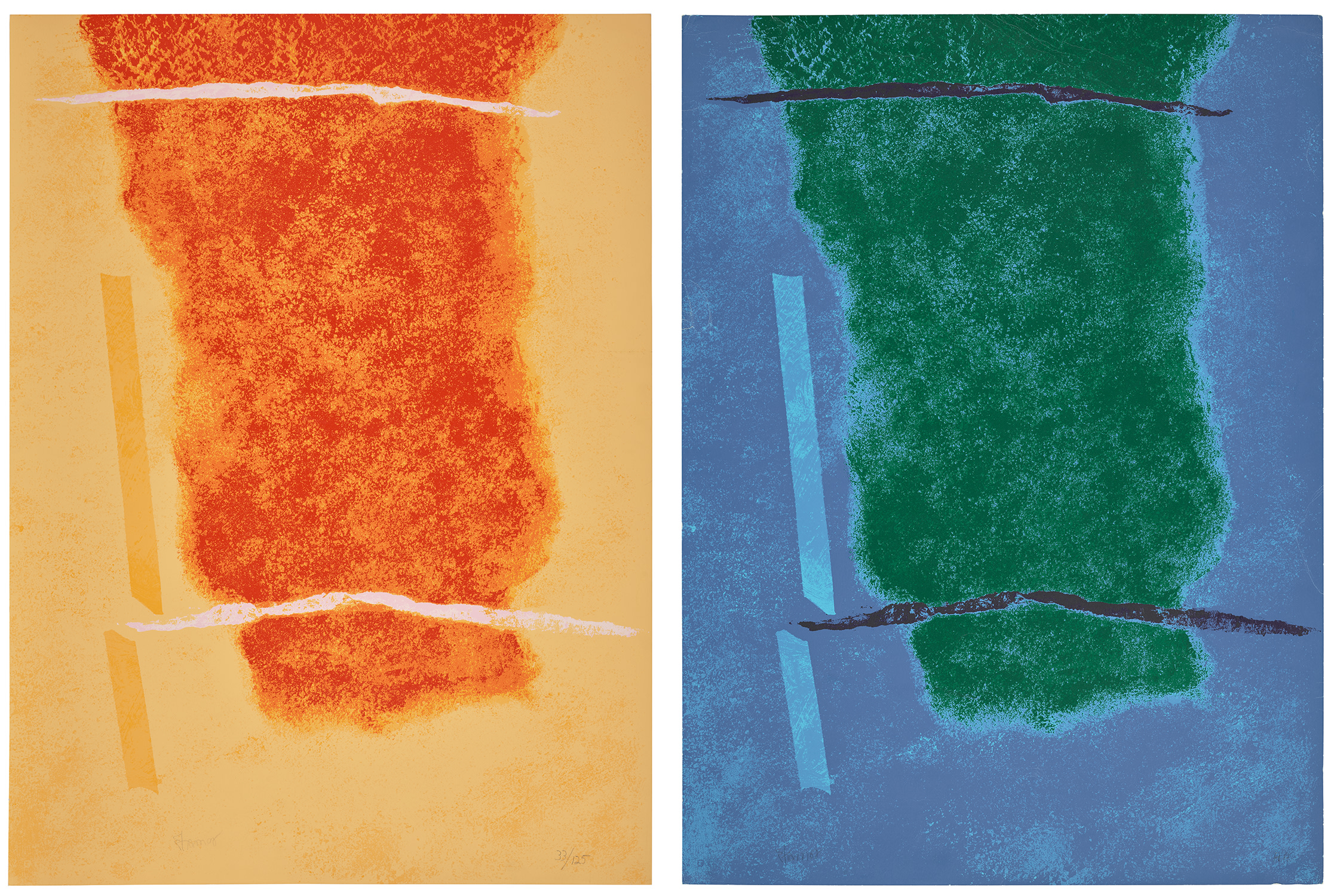
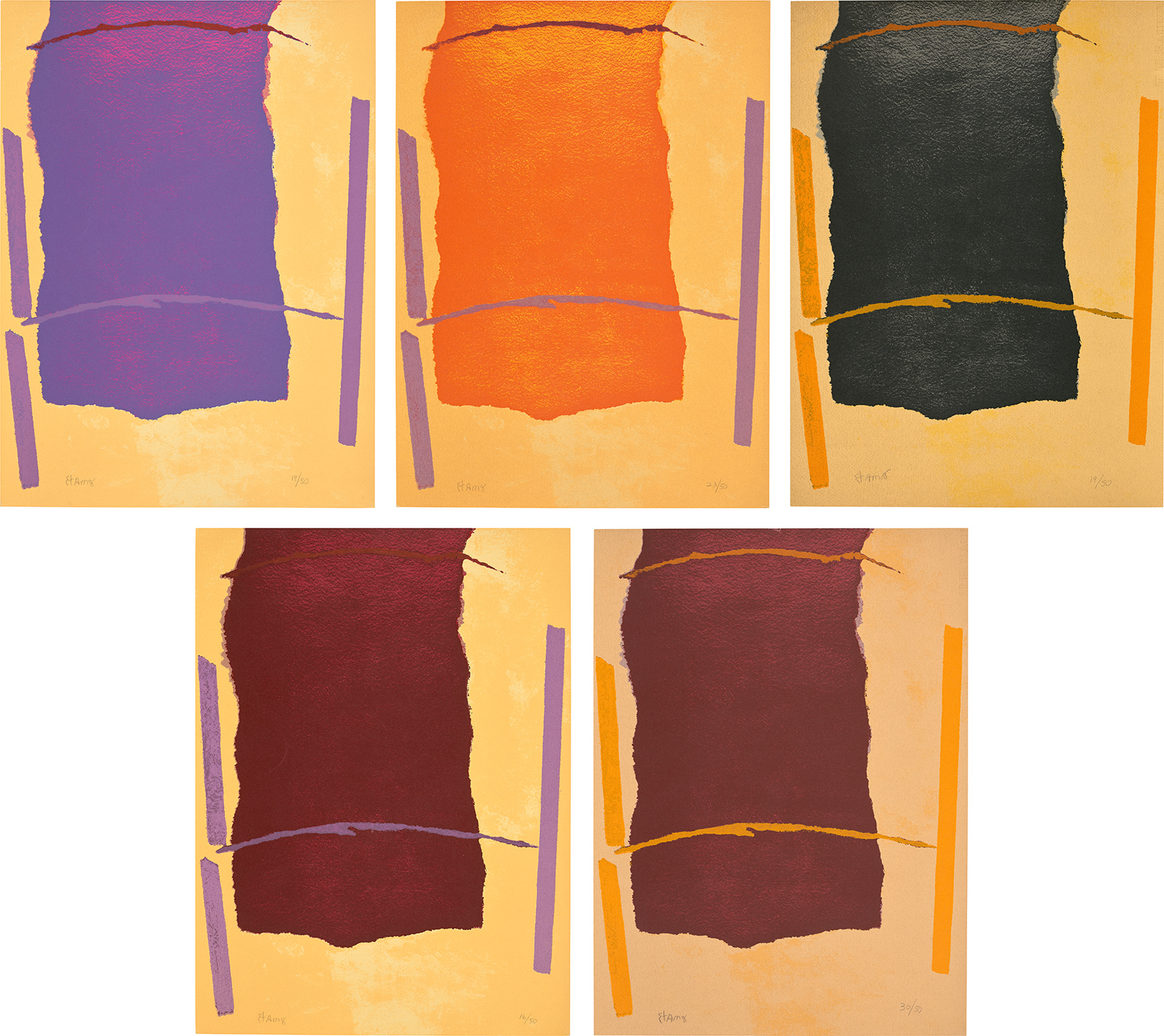
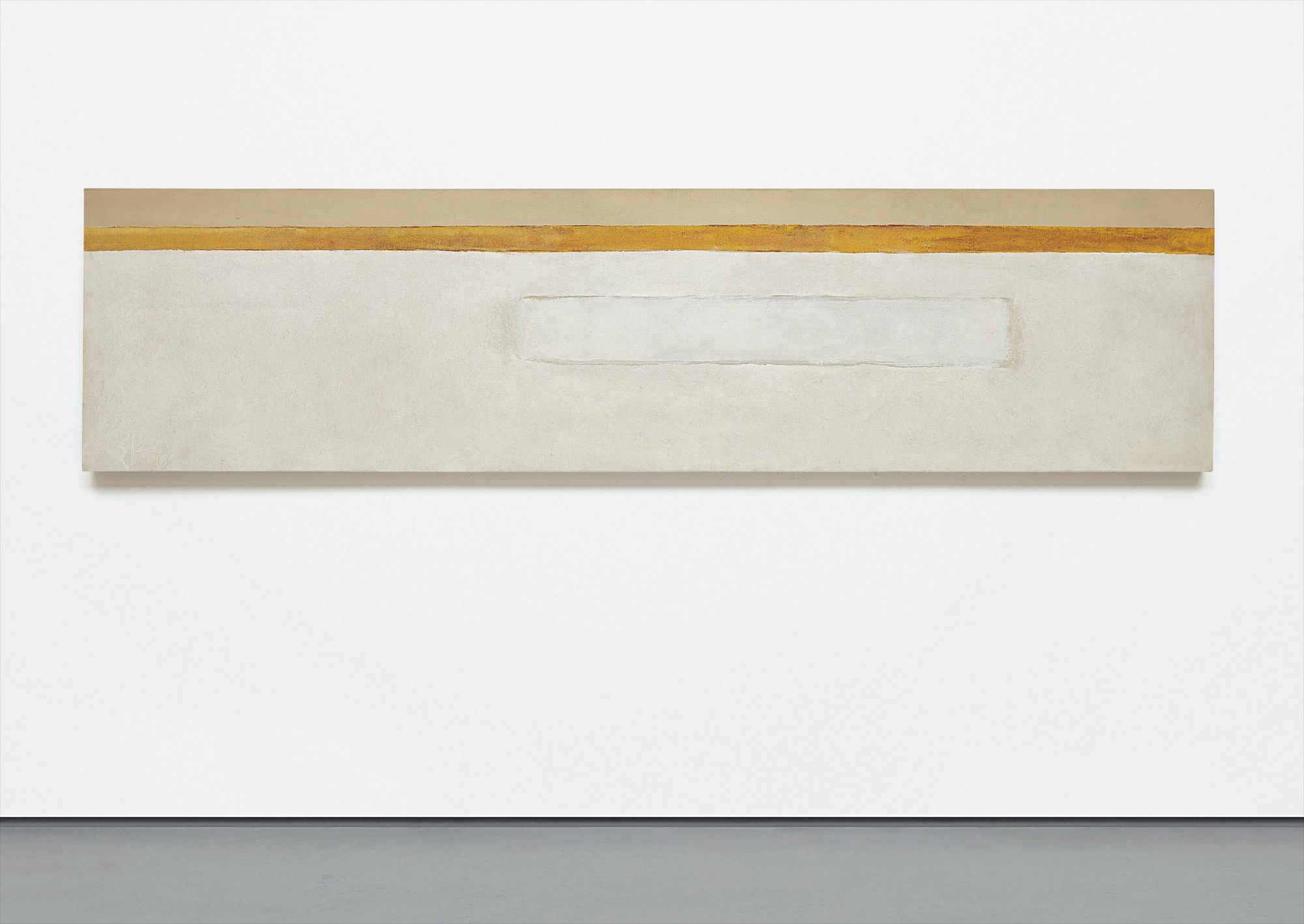
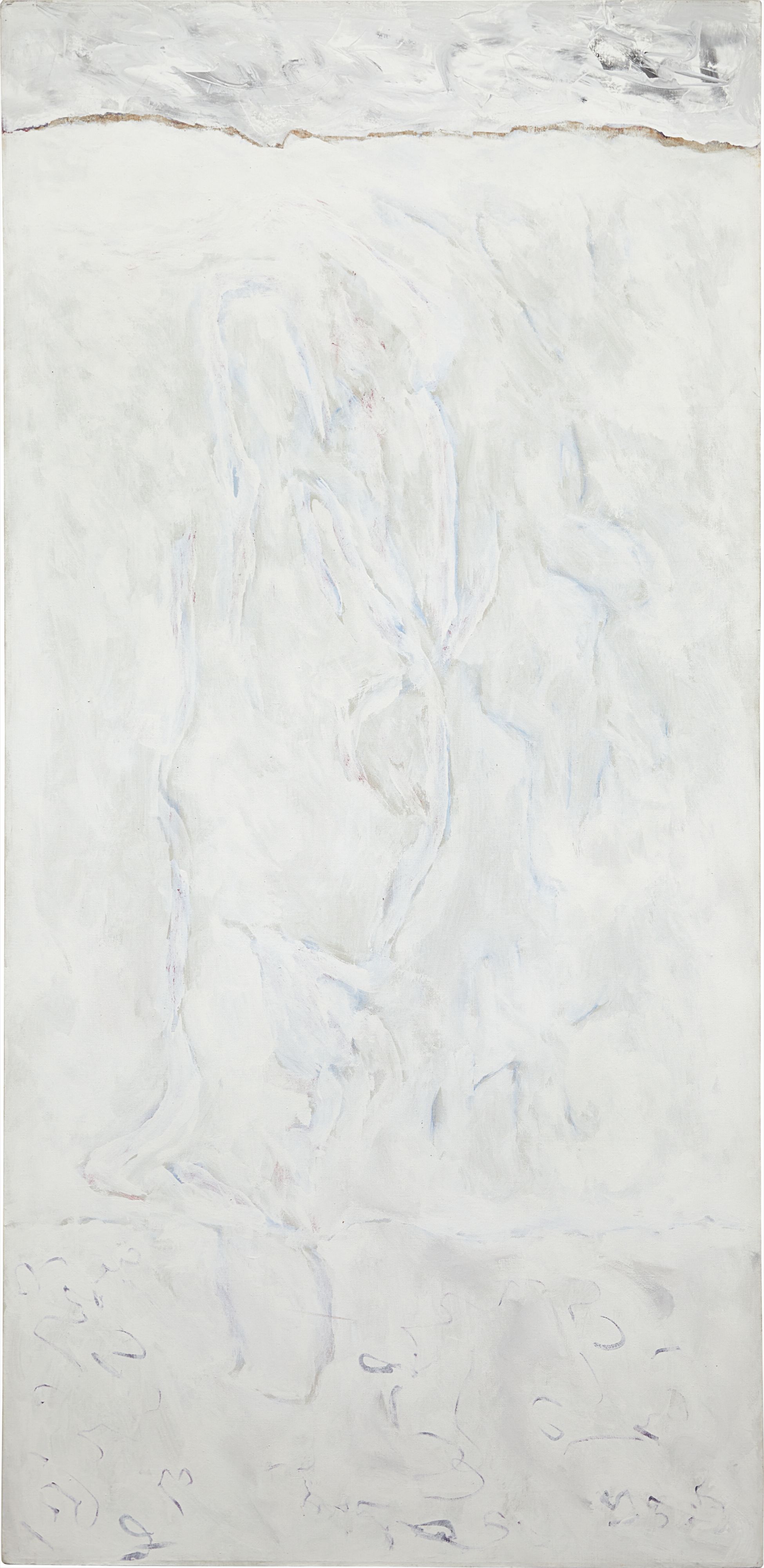
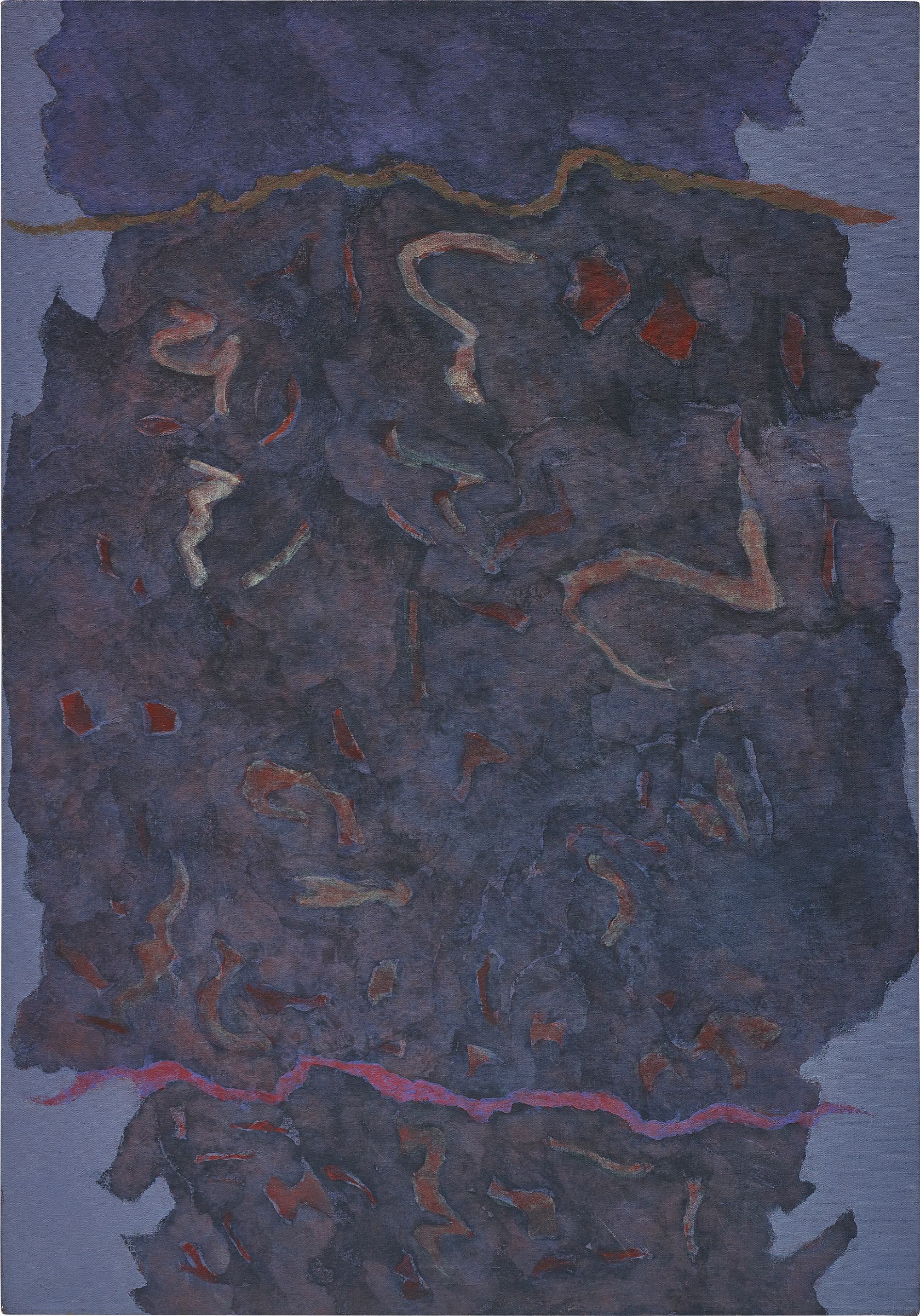
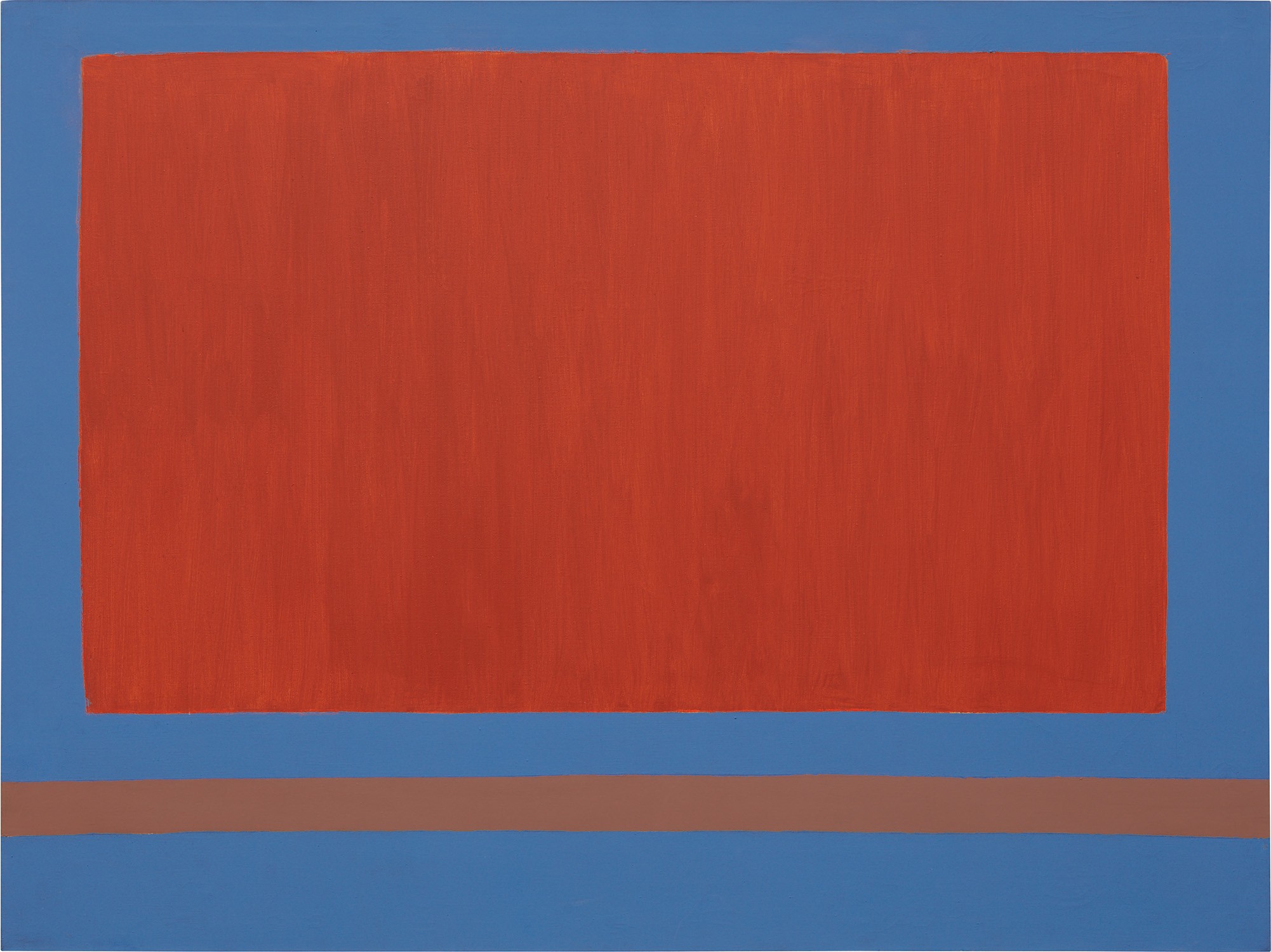
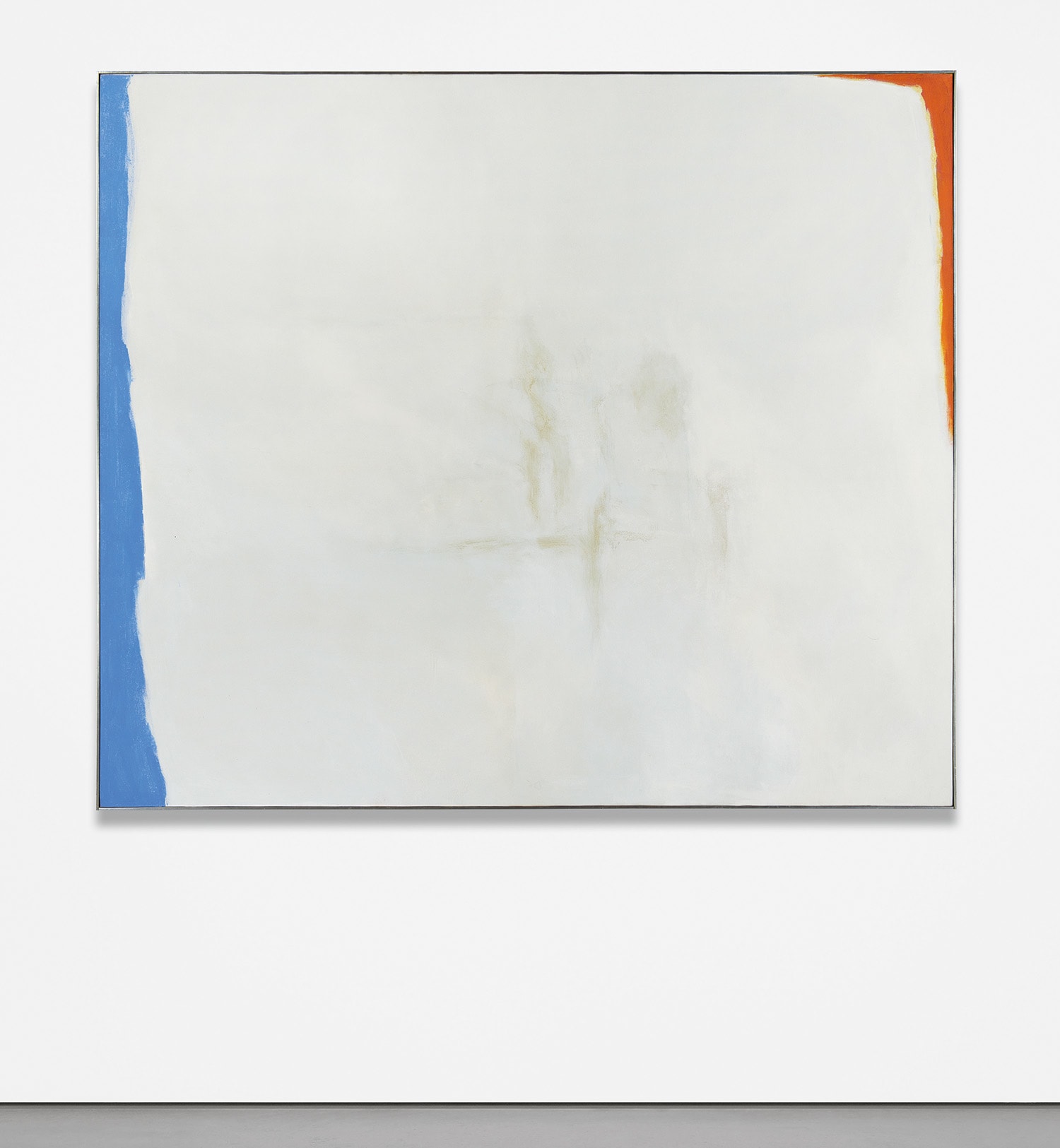
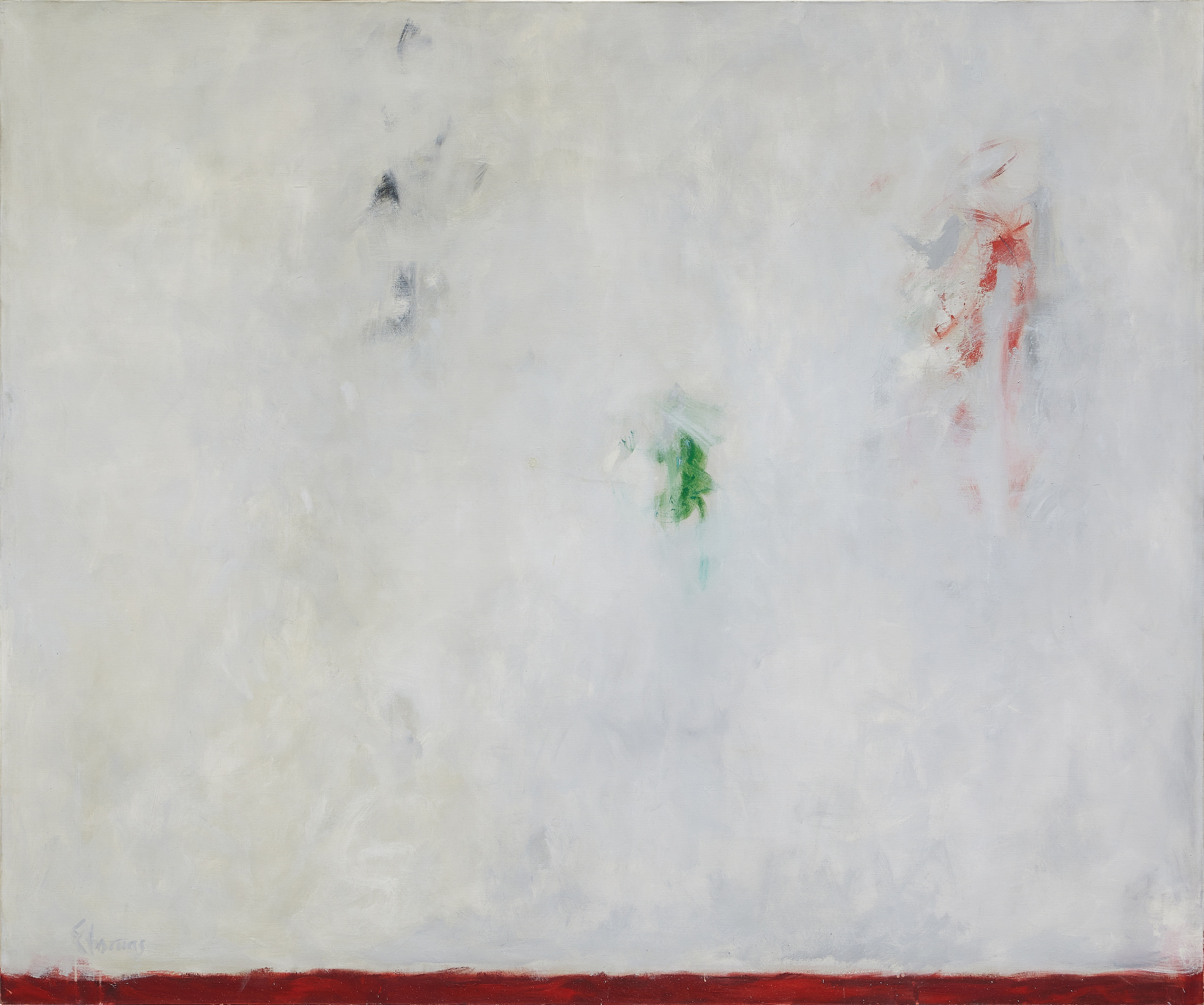
In the winter of 1950, a group of painters gathered outside the offices of Life magazine in New York City and made history without lifting a brush. The photograph that resulted, shot by Nina Leen and published in January 1951, has become one of the most reproduced images in the history of American art. Known forever after as the Irascibles, the fifteen painters who stared back at the camera represented the full flowering of Abstract Expressionism. Among them, the youngest by several years, stood Theodoros Stamos. He was twenty eight years old, and he had already arrived. Stamos was born in 1922 on the Lower East Side of Manhattan to Greek immigrant parents who had come from the island of Lefkada. Growing up in a household shaped by the textures and rhythms of another world, he absorbed a sensibility that was both deeply American and rooted in the ancient Mediterranean. He left school at fifteen and taught himself to sculpt, carve, and eventually to paint, finding his way to the American Artists School and later to the circles that gathered around Betty Parsons, whose gallery would become the spiritual home of the New York School. He was, in the truest sense, self made, and that fierce independence would define every canvas he ever touched. By his early twenties Stamos had already developed a visual language unlike anyone else working in New York. Where many of his peers moved toward pure geometry or sweeping gestural abstraction, Stamos carved out a more intimate territory, one rooted in the close observation of natural forms, tidal pools, shells, roots, and light falling across water. His earliest significant works, painted in the mid to late 1940s, carry an almost totemic quality, as though the biomorphic imagery of Surrealism had been filtered through the memory of a Greek shoreline. Jewel of Memory, completed in 1947 in oil on Masonite, is a luminous example of this early period: its layered forms suggest something organic and ancient, a relic of the natural world rendered with the hushed reverence of a sacred object. Through the 1950s Stamos refined his approach, moving steadily toward greater openness and luminosity. Works such as Star of Midnight Field from 1954 and Sun Edge of Field from 1957 reveal a painter gradually dissolving the boundary between figure and ground, between the contained form and the atmospheric field that surrounds it. The influence of Mark Rothko, with whom Stamos maintained a close and complicated friendship, is sometimes noted by critics, but the comparison flatters both without fully capturing either. Where Rothko built monumental, trembling walls of color, Stamos worked at a more intimate scale and with a more specific relationship to landscape and place. His surfaces have a tactile warmth, a sense of the painter's hand tracing something real even as the image dissolves into pure sensation. The Sun Box series, which occupied Stamos through the late 1950s and into the 1960s and beyond, marks the fullest expression of his mature vision. Paintings such as Sun Games No. 7 from 1960, Grand White Sun Box from 1964, Carthage Sun Box, and Classic Yellow Sun Box from 1968 gather light into a central luminous zone, pressing it against warm or cool surrounds until the canvas seems to breathe. The format is deceptively simple but endlessly variable. Each Sun Box is both a meditation and a landscape, a record of a specific quality of light filtered through decades of looking at the sea, the sky, and the ancient stones of Greece. These are works that reward sustained attention, revealing new depths the longer one stands before them. The Infinity Field series, begun in the 1970s and extending through the 1980s, represents Stamos returning explicitly to the landscapes of his heritage. Inspired by his long sojourns on Lefkada, the island his parents had left behind, these paintings expand the Sun Box vocabulary into something grander and more elemental. Infinity Field Jericho No. 3, painted in acrylic on canvas in 1984, carries the weight of a man who has spent a lifetime learning to look. The title gestures toward the biblical and the ancient, toward civilizations built on light and stone, while the image itself remains open, generous, and entirely present. The Infinity Field works on paper, published by Marlborough Graphics in New York as limited edition prints, brought this vision to a wider audience and remain among the most sought after works on paper from the period. For collectors, Stamos offers something genuinely rare: a painter of the first generation New York School whose work has never quite received the full institutional reckoning it deserves, and whose prices therefore remain accessible relative to peers of comparable historical significance. Works from the Sun Box series in particular represent strong collecting propositions, combining art historical importance with an immediate visual beauty that needs no explanation. The early Masonite panels, such as Jewel of Memory, are scarcer still and carry the additional interest of the artist's formative period. Collectors building collections around Abstract Expressionism and the New York School will find in Stamos a natural complement to holdings of Rothko, Clyfford Still, Barnett Newman, and Adolph Gottlieb, artists with whom he shared exhibitions, ideas, and the particular urgency of postwar American painting. Stamos died in Ioannina, Greece, in 1997, having spent his final years in the country that had always shaped his imagination even when he was painting in New York. His work is held by the Metropolitan Museum of Art, the National Gallery of Art in Washington, and the Whitney Museum of American Art, among many other institutions. Yet there is a sense, shared by many who know his paintings well, that Stamos is still in the process of being properly discovered. The luminous fields, the sun caught in its box of color, the slow dissolve of form into light: these are images that speak to something permanent and elemental in the experience of being alive in the world. To live with a Stamos is to live with a painter who understood that the job of art is not to explain nature but to let it breathe.