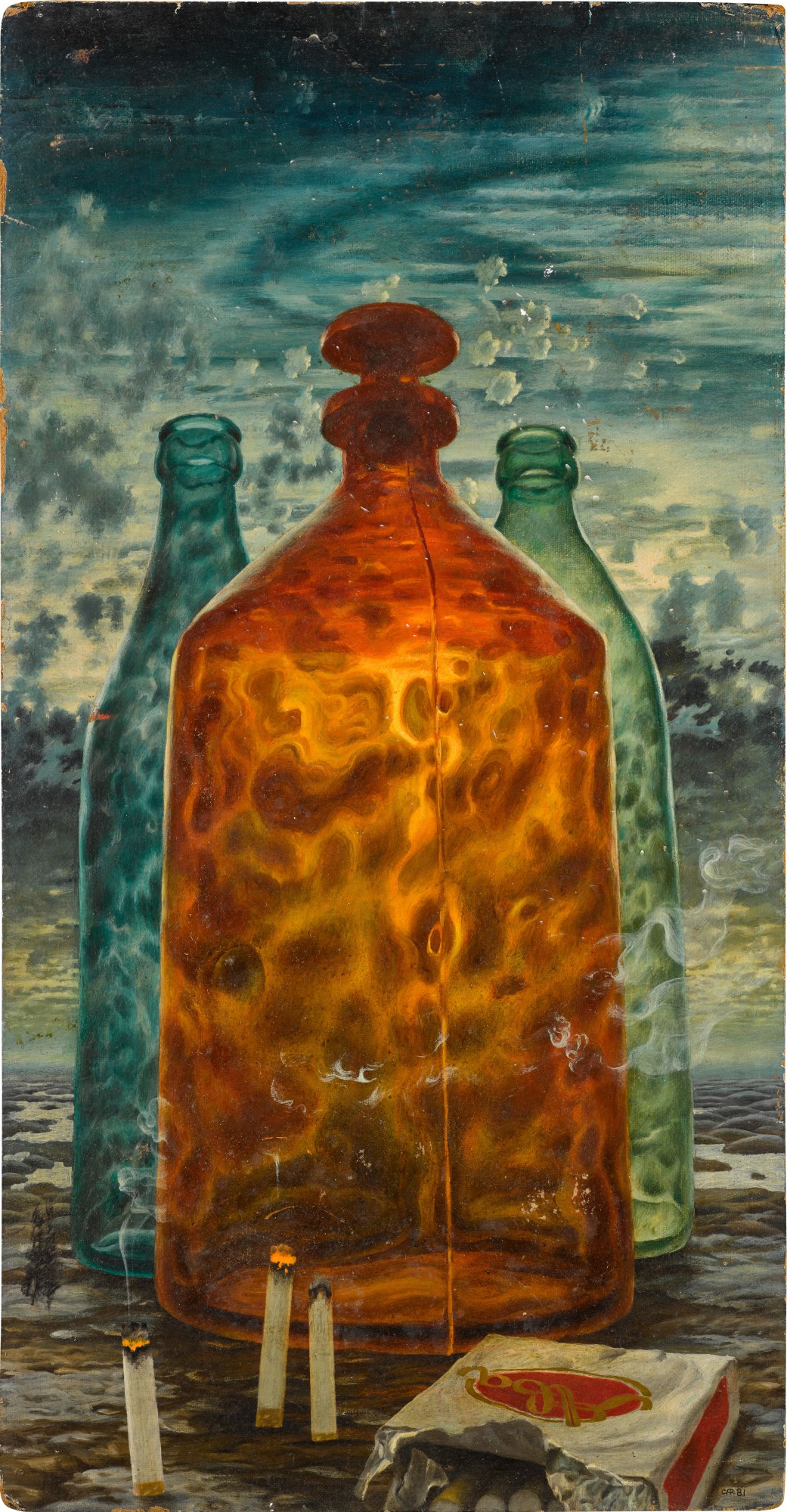
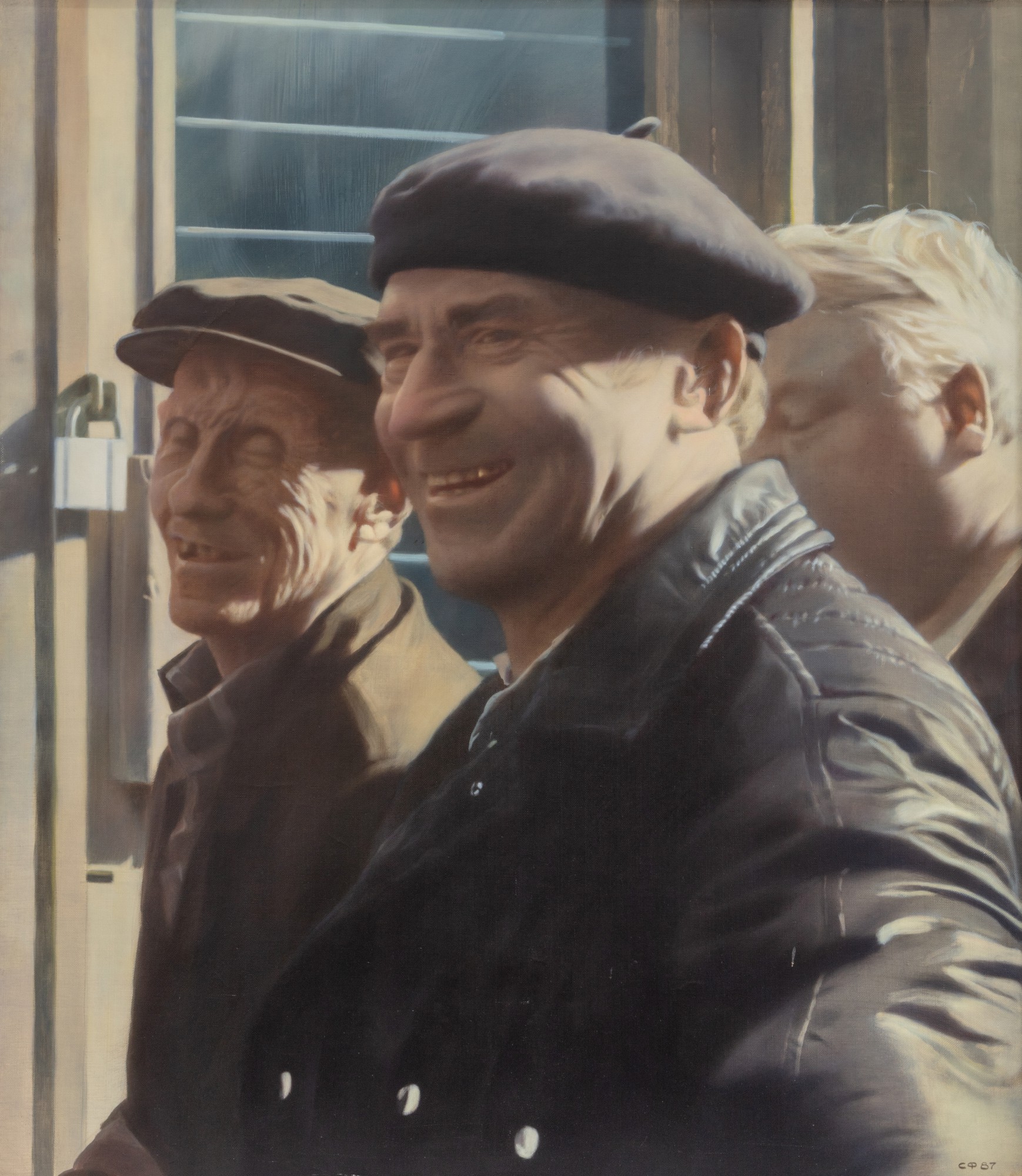
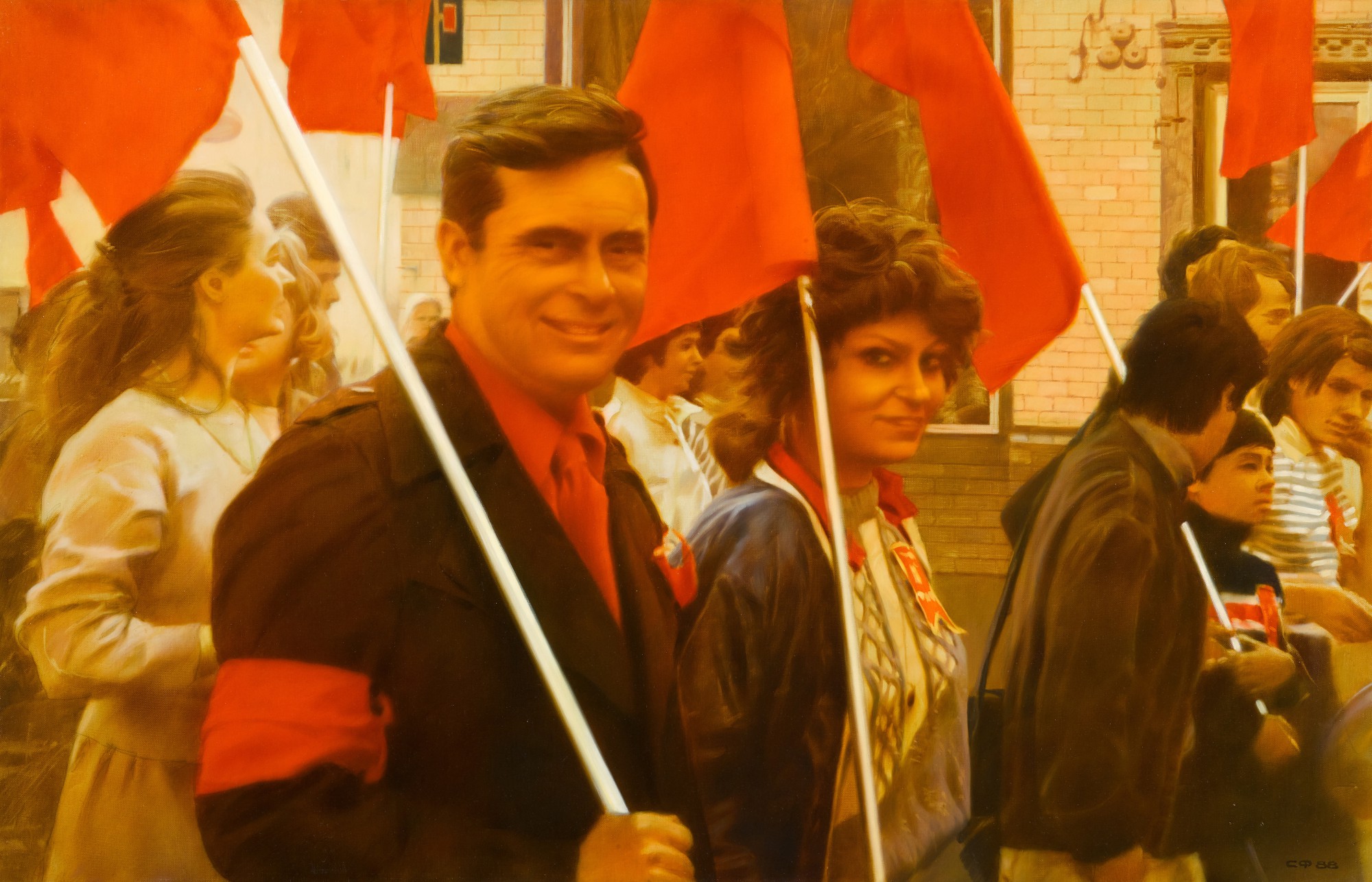
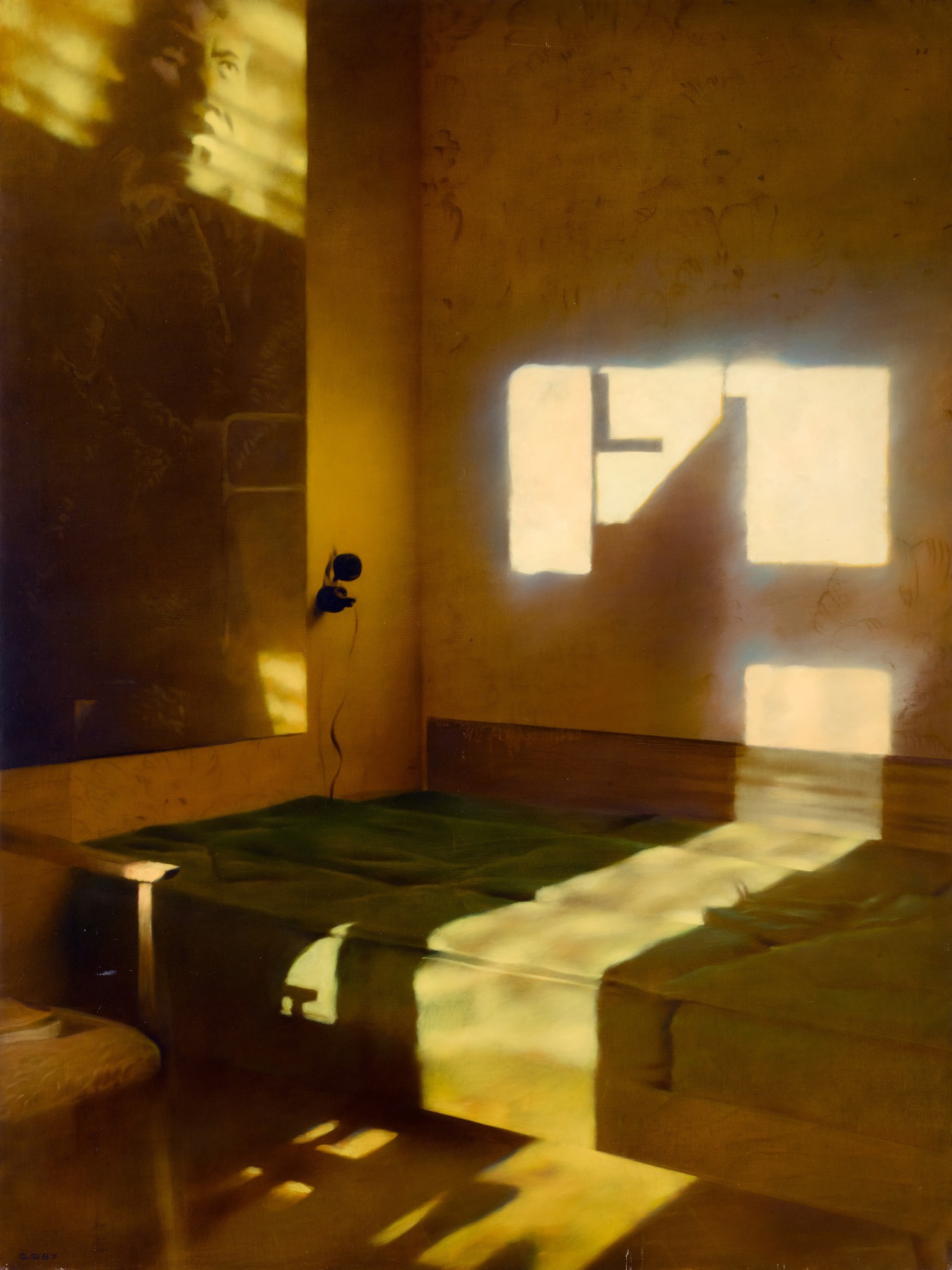
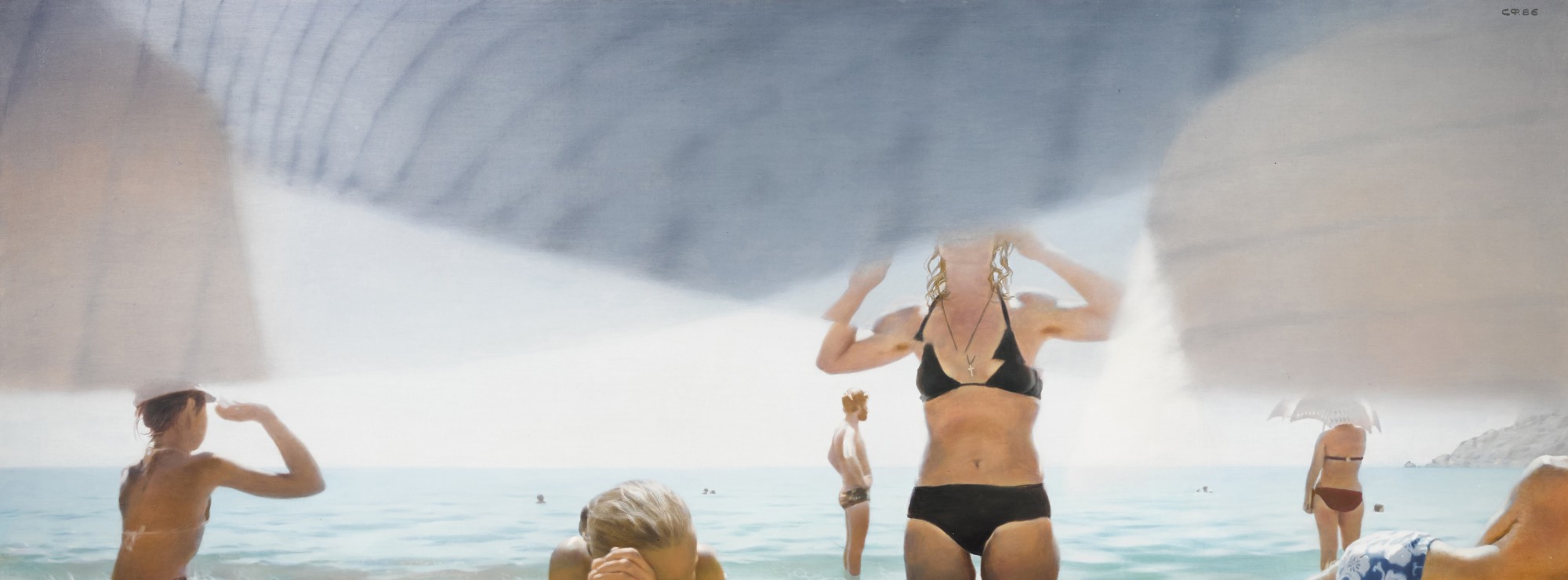
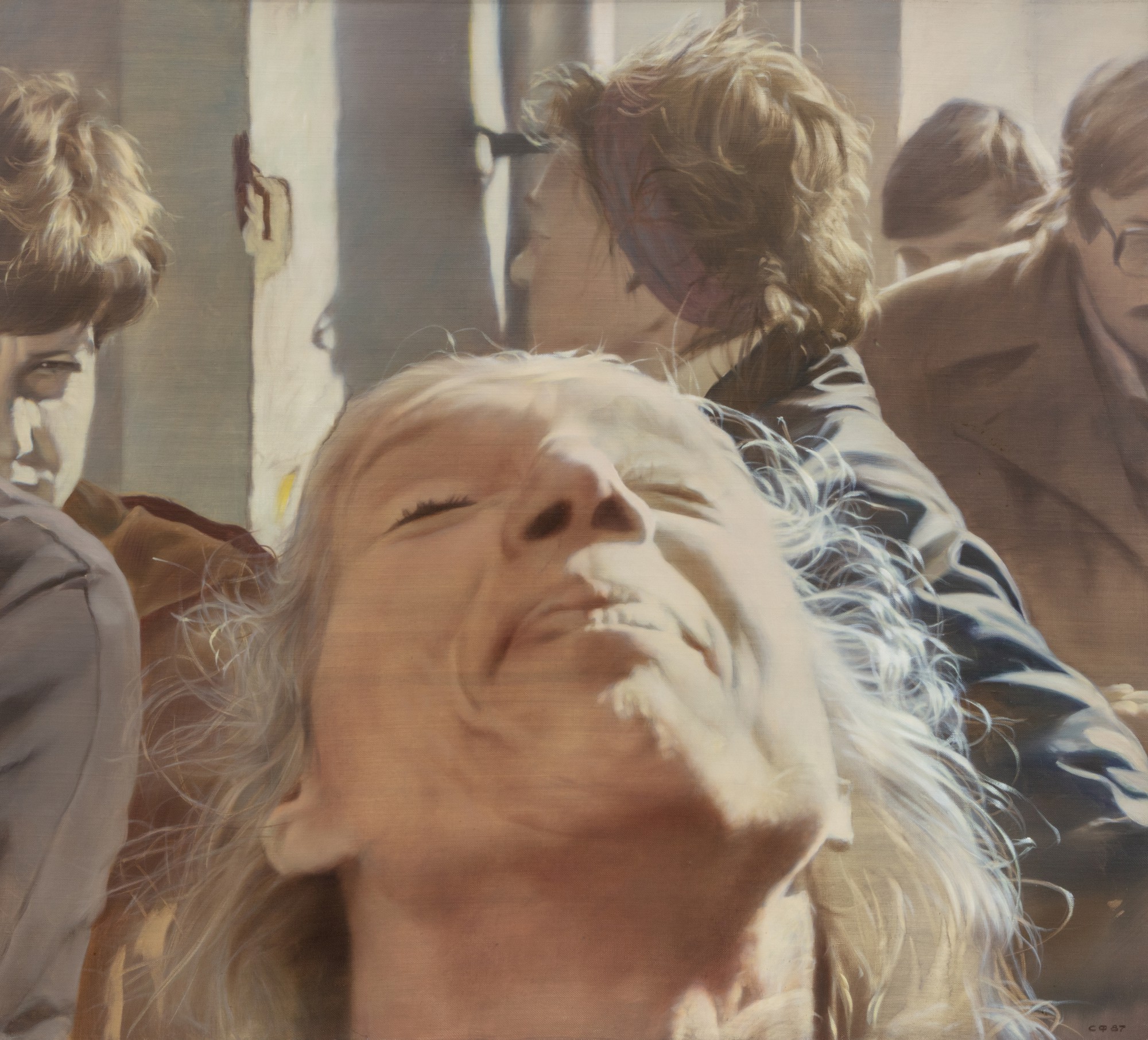
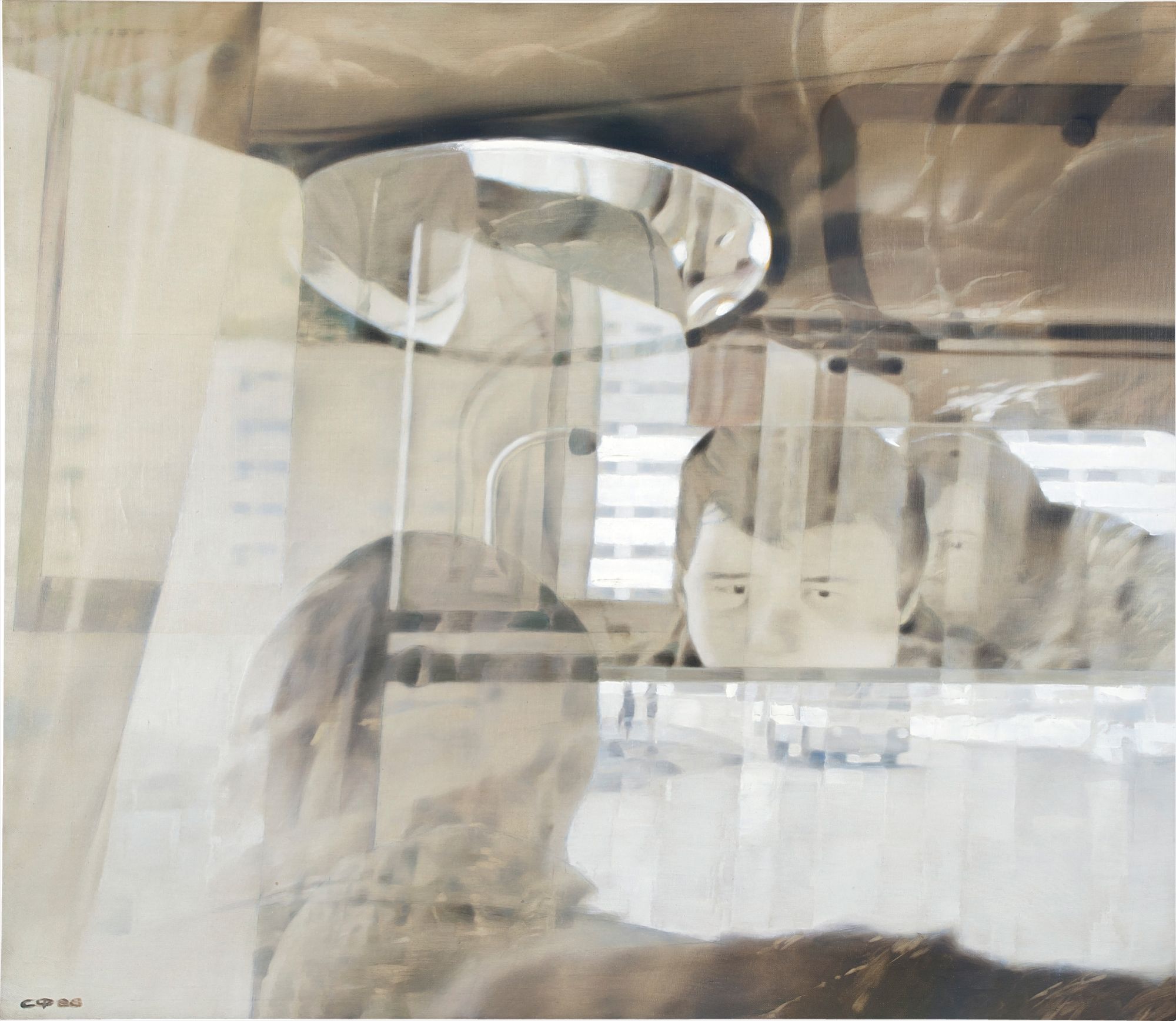
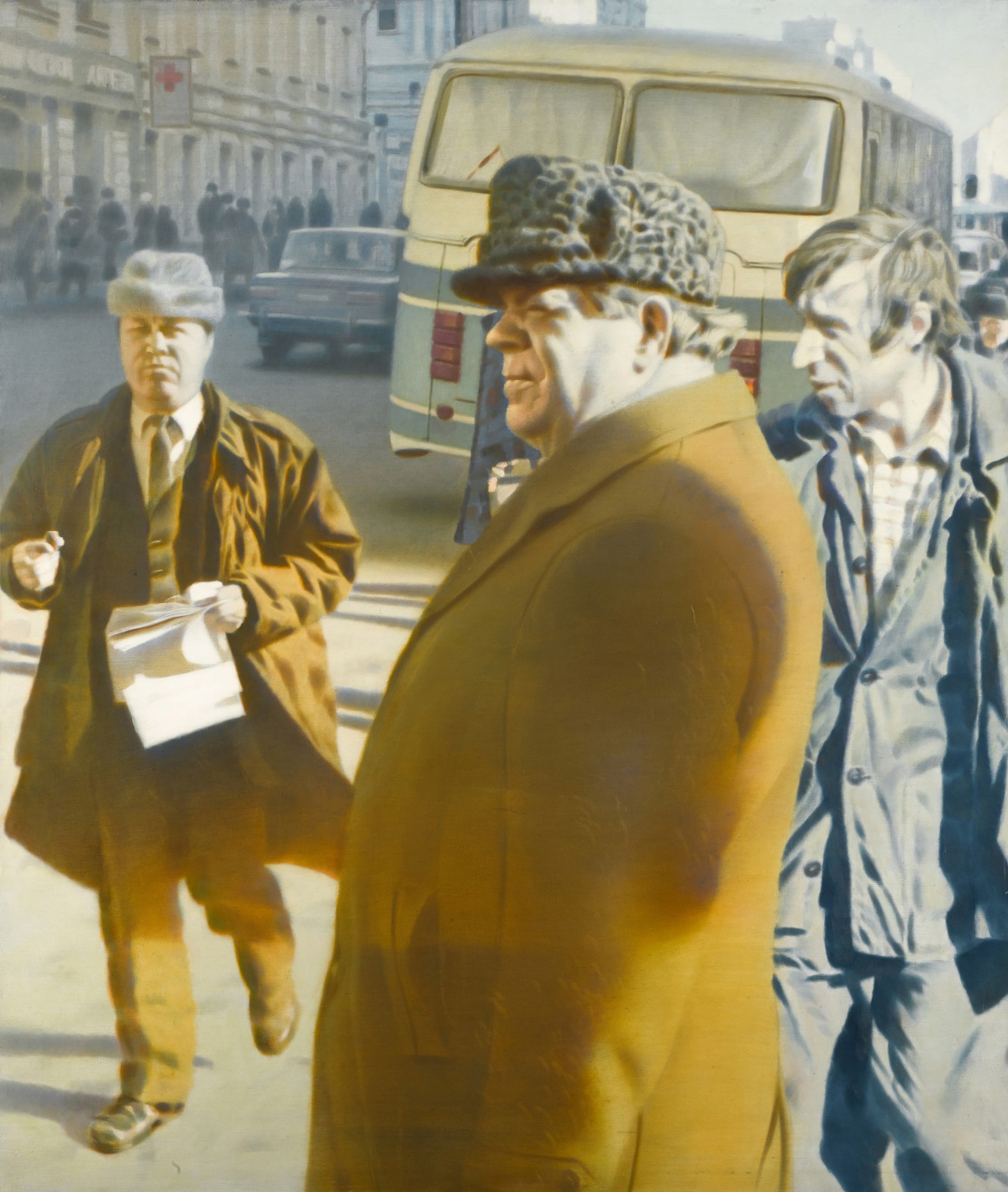
In recent years, Western institutions and collectors have turned with fresh urgency toward the art that emerged from the Soviet and post Soviet world, seeking to understand how painters working under extraordinary constraint managed to produce works of such profound humanity. Within that renewed conversation, Semyon Faibisovich stands apart. His large scale oil paintings, rendered with a photographic precision that borders on the miraculous, have been exhibited across Europe and Russia, and his reputation among serious collectors of Russian contemporary art has only deepened with time. To encounter his work now, whether in a Moscow gallery or through the growing international market for postwar and contemporary Russian painting, is to feel the force of an artist who refused to look away from the world as it actually was. Faibisovich was born in 1949, coming of age in a Soviet Union that shaped every dimension of daily life, from the architecture of public space to the emotional register of social interaction. Moscow was his city, and its streets, its crowds, its bus stops and queues and winter light became the raw material of his artistic vision. He trained within the Soviet system, absorbing its technical demands while quietly cultivating an inner resistance to its ideological imperatives. Where socialist realism called for heroism and uplift, Faibisovich was drawn to the ordinary, the tired, the anonymous. That tension between official culture and lived experience would become the engine of his entire career. His breakthrough as a distinct artistic voice came in the 1980s, a period of enormous creative ferment in unofficial Soviet art. Working in the tradition of hyperrealism, a movement that had flourished in the United States and Western Europe through artists such as Chuck Close and Richard Estes, Faibisovich adapted its tools to an entirely different social and moral purpose. Where American photorealism often celebrated consumer abundance and the seductive surfaces of modern life, Faibisovich turned his exacting eye toward scarcity, endurance, and the quiet dignity of people standing in line, riding public transit, gathering at the margins of official celebrations. The result was something genuinely new: a hyperrealism of the human interior, painted on the outside. His series works are among the most important achievements in late Soviet and post Soviet painting. The series Standing in Line for Wine, from which works such as Good Spirits and Shura emerge, captures the ritual absurdity and unexpected camaraderie of the Soviet queue with a warmth that never tips into sentimentality. These are not figures diminished by circumstance but people fully alive within it, their faces rendered with a detail that demands close looking. Similarly, the Workers Festive March series, including the remarkable Beauty, finds complex individual humanity within the spectacle of collective display. These paintings do not mock their subjects. They honor them through the seriousness of attention Faibisovich brings to every face, every gesture, every fold of clothing. Warning from the Soviet Health Ministry, executed in oil on masonite, demonstrates his willingness to engage with the visual language of official Soviet culture and quietly subvert it. The work deploys the graphic directness of state messaging while reframing it through the lens of personal and social observation, producing something that functions simultaneously as document and meditation. That Is the Question, one of his more philosophically charged canvases, and One More Glance at the Black Sea extend his range into more introspective territory, suggesting an artist whose formal mastery was always in service of something deeper than technical display. His Winter Day from the Shuttle Bus series shows his sustained commitment to the overlooked moments of urban transit life, scenes most painters would pass without a second thought elevated into something approaching the monumental. For collectors, Faibisovich represents a compelling opportunity within a market that has increasingly recognized the depth and importance of unofficial Soviet and contemporary Russian art. His works have appeared at major international auction houses, and the combination of their large scale, their technical ambition, and their historical significance makes them serious acquisitions. Collectors drawn to the tradition of socially engaged figurative painting, those who admire Lucian Freud's unflinching portraiture or Leon Golub's commitment to bearing witness, will find in Faibisovich a painter of equal moral seriousness and comparable formal accomplishment. His works in oil on canvas and oil on masonite have proven durable and well crafted, and their subject matter ensures they will only grow more historically resonant as the Soviet period recedes further into history. Within art history, Faibisovich occupies a fascinating position at the intersection of several traditions. He shares with the American photorealists a commitment to the camera as a tool for understanding rather than a crutch, using photographic source material to build compositions of extraordinary density and life. He connects to the tradition of European social realism, to painters who believed the ordinary person deserved the same intensity of artistic attention as the aristocrat or the mythological hero. And he belongs to a specifically Russian lineage of artists who maintained their integrity and their vision through periods of intense ideological pressure, a tradition that includes figures such as Ilya Kabakov in conceptual practice and Erik Bulatov in the engagement with Soviet visual culture. Faibisovich is, in this sense, part of a generation that transformed Russian art from within. The lasting power of Faibisovich's work lies in what it asks of the viewer. These are not paintings designed to comfort or to flatter. They ask us to look, with the same patience and care that the artist himself brought to their creation, at faces and figures we might otherwise overlook. In doing so they make a quiet but insistent argument about the value of every human life, about the moral obligation of attention. At a moment when figurative painting is again at the center of international art conversation, and when the history of twentieth century Russia is being revisited with new seriousness, Faibisovich emerges as one of the essential voices. His canvases are records of a world that no longer exists, rendered with such vividness that they feel urgently, unmistakably alive.