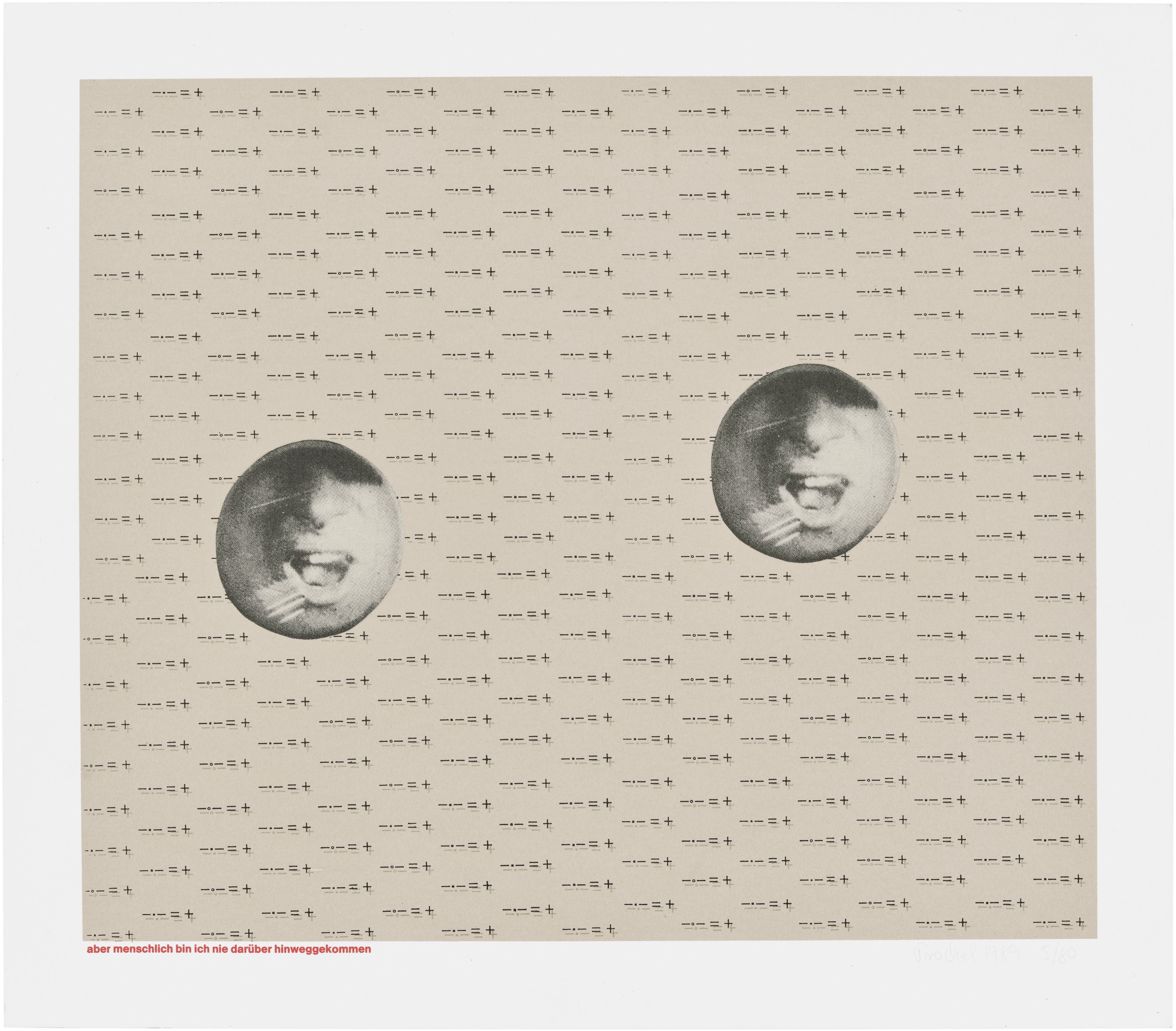
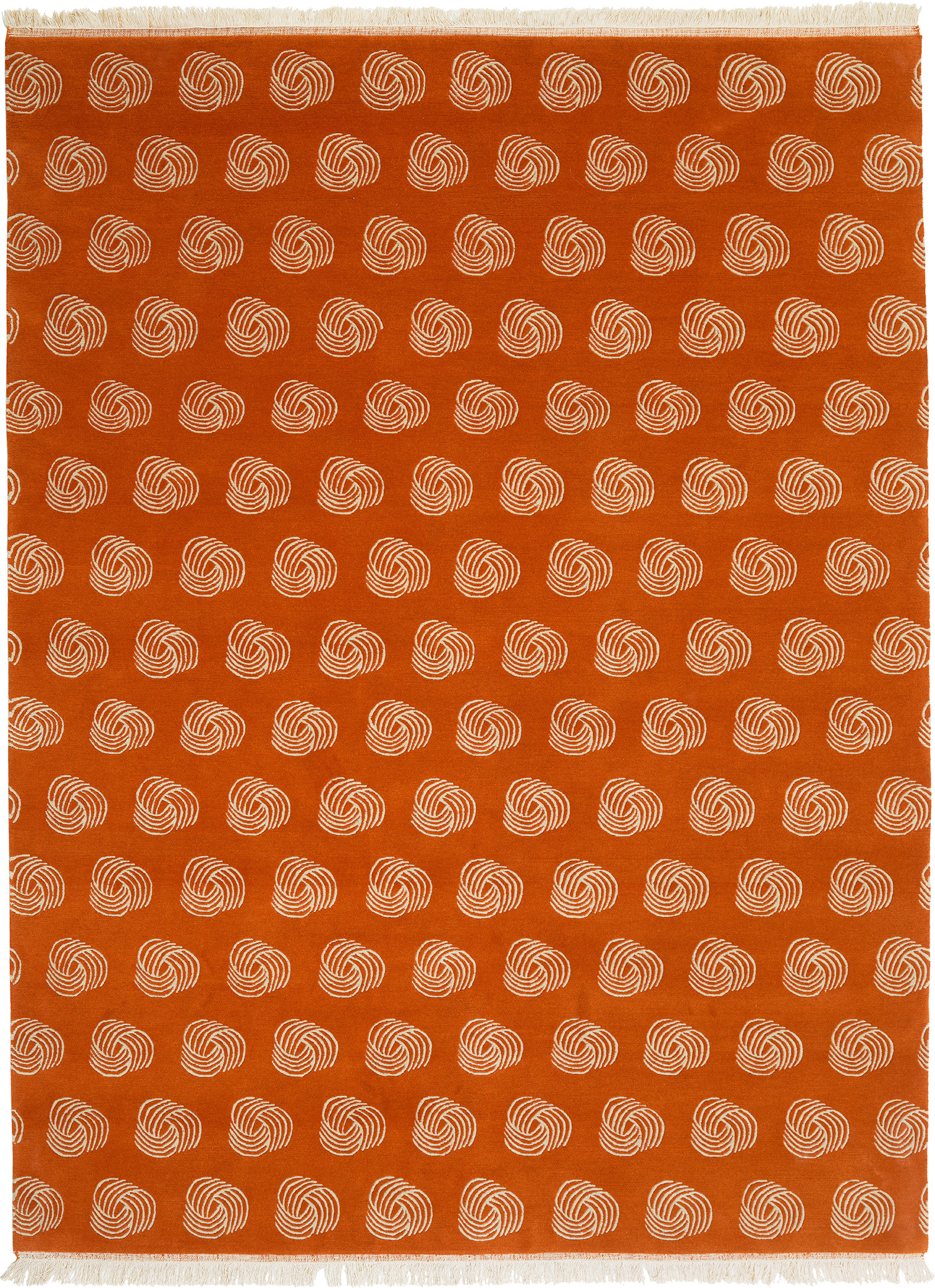
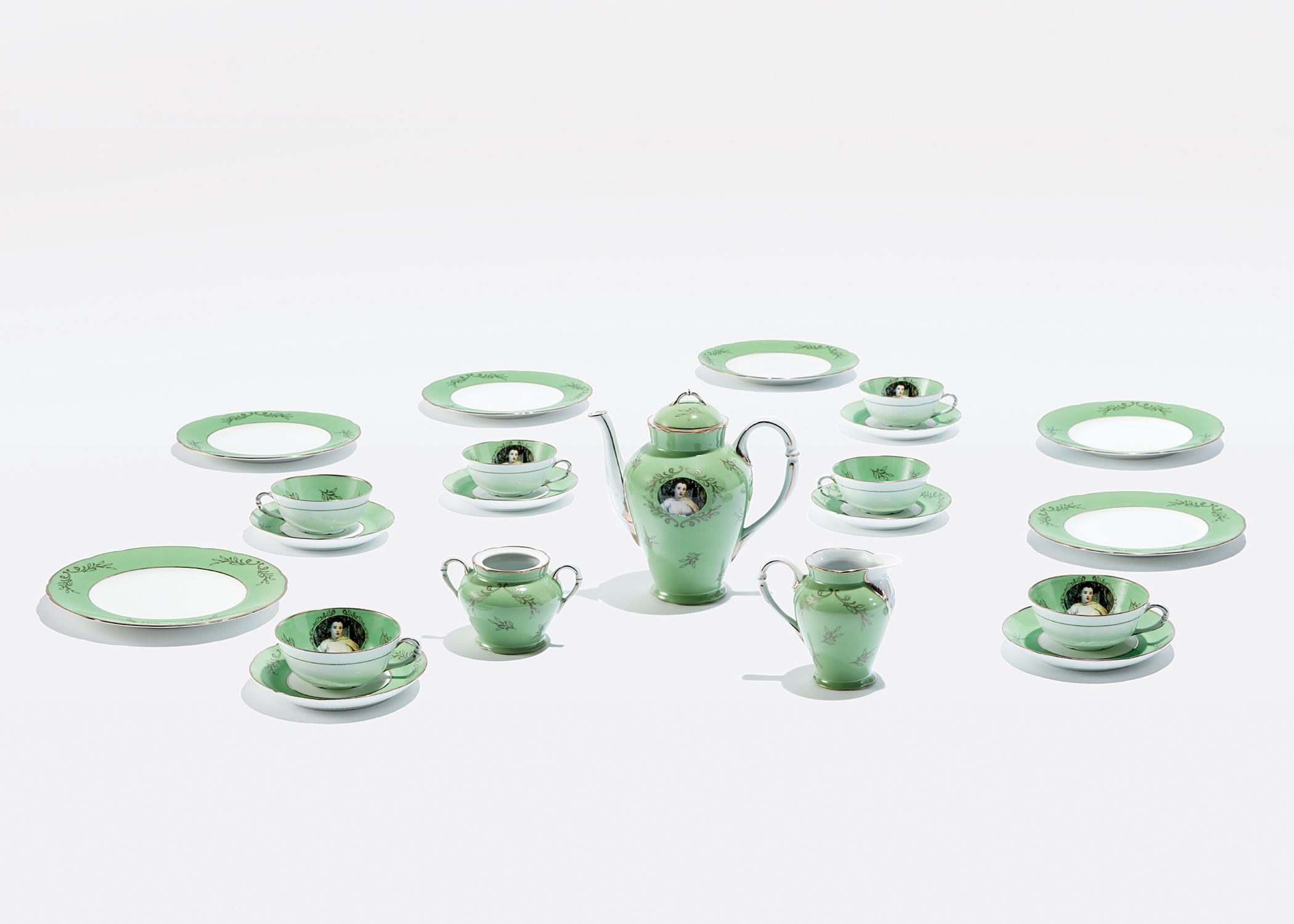
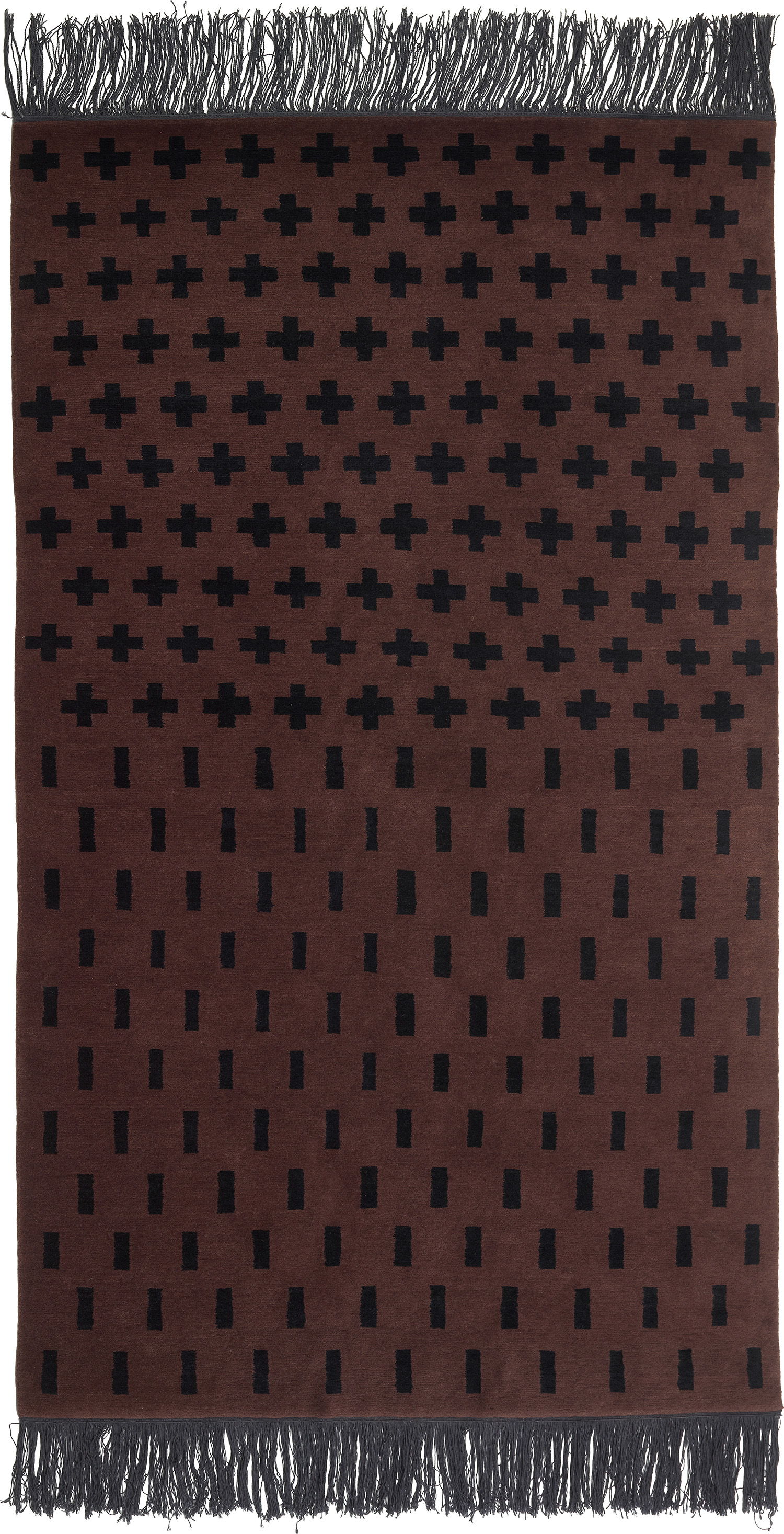
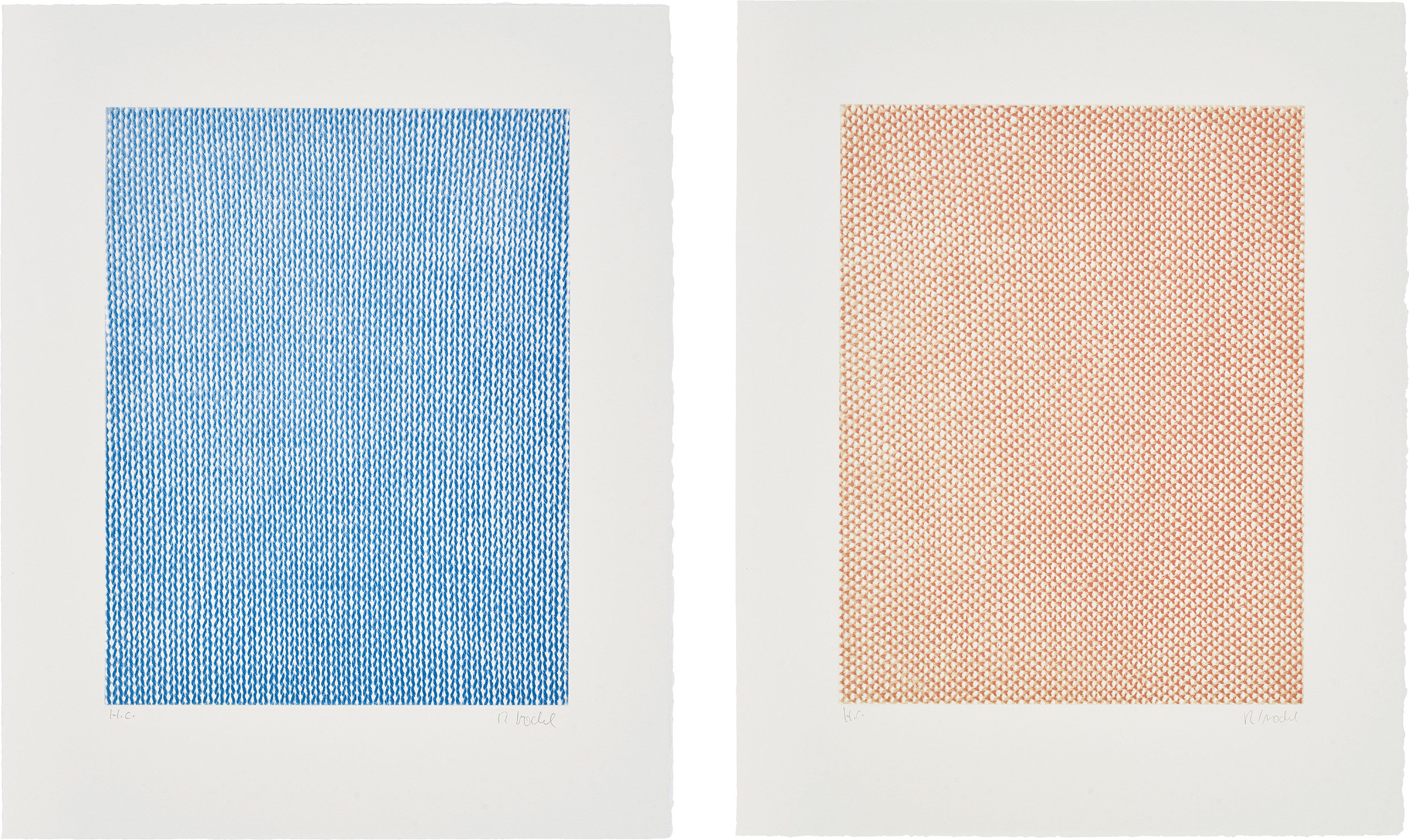
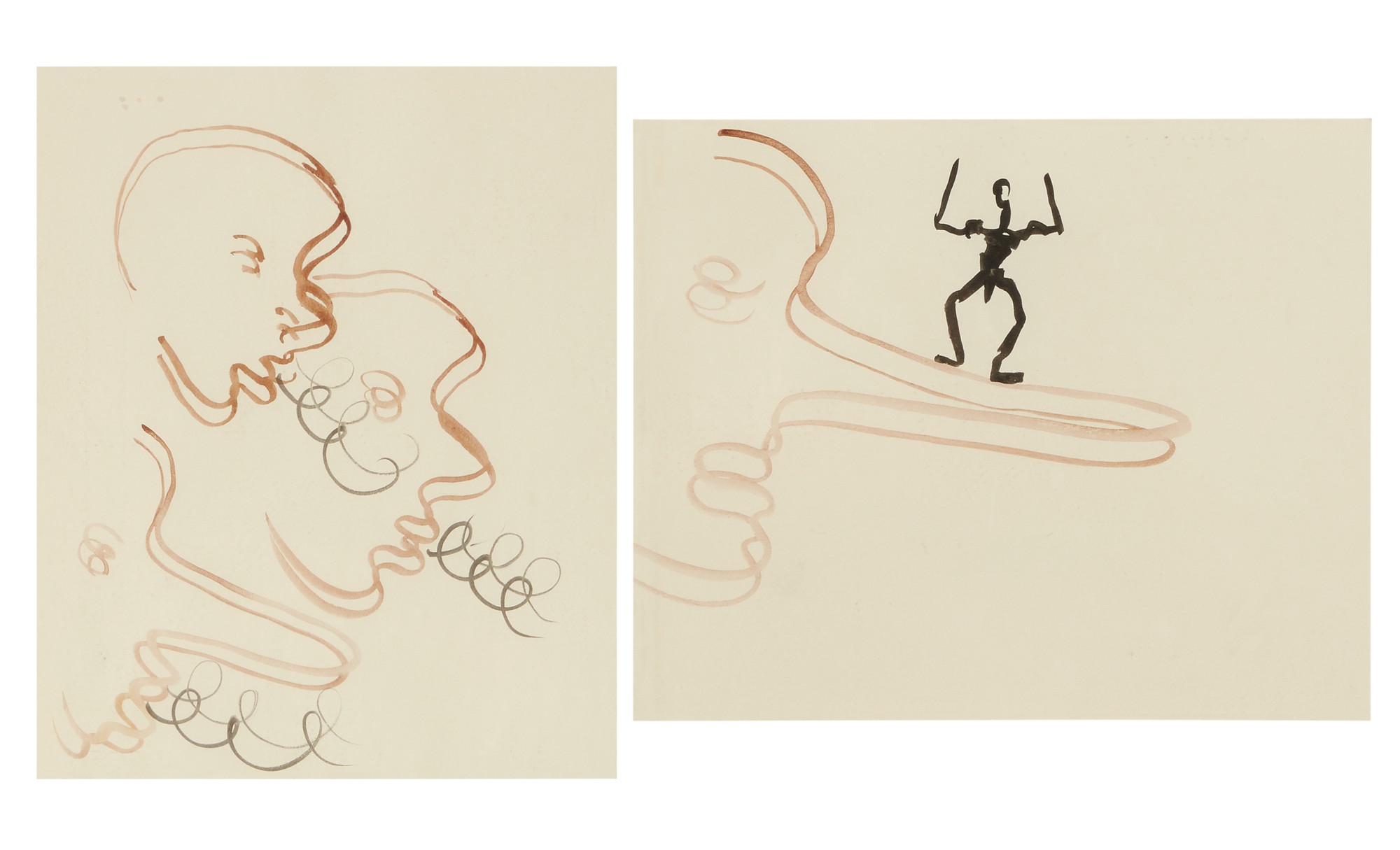
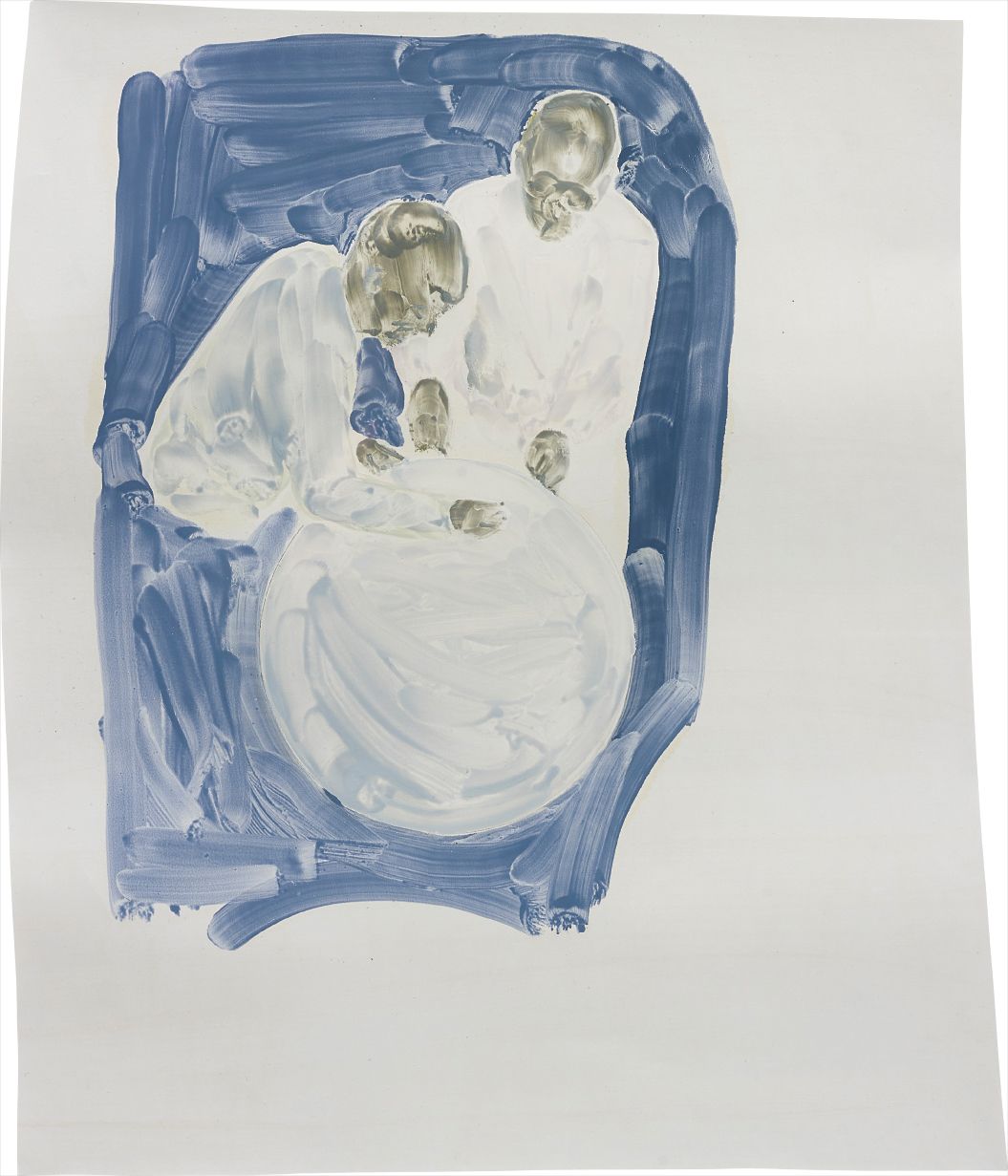
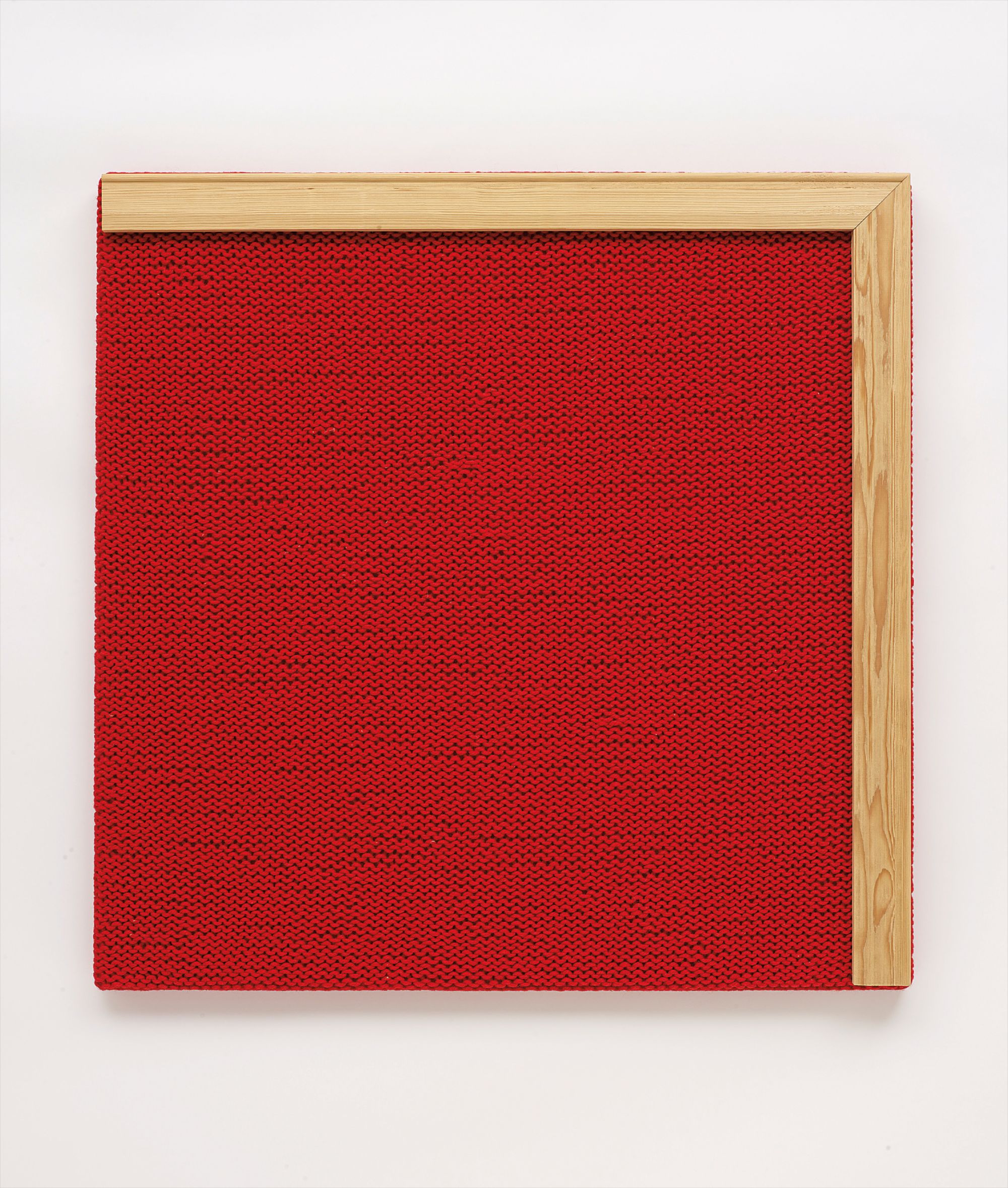
When the Hamburger Bahnhof in Berlin staged a major survey of Rosemarie Trockel's work, visitors encountered something rare in contemporary art: a practice so internally coherent and yet so formally restless that it resisted every attempt at easy categorization. That difficulty is precisely the point. Trockel, now in her early seventies and still producing some of the most intellectually charged work of her career, occupies a singular position in the global art landscape, one earned through decades of rigorous inquiry into what images mean, who gets to make them, and what assumptions we carry into every encounter with art. Trockel was born in 1952 in Schwerte, a small industrial town in the Ruhr region of Germany. She studied at the Werkkunstschule in Cologne during the 1970s, a formative period when the city was a crucible of radical thinking in art, philosophy, and feminism. Cologne in those years was home to galleries pushing Conceptual Art and a generation of thinkers who were beginning to interrogate the structures of the art world itself. Trockel absorbed all of it while developing her own fiercely independent sensibility, one that would never settle comfortably into any single movement or school. Her emergence in the 1980s was swift and decisive. While painters associated with Neo Expressionism were commanding enormous attention across Germany and beyond, Trockel chose a different path, one that engaged with the rhetoric of painting while fundamentally questioning it. Her knitted wool works, introduced in the early 1980s, were an immediate provocation. At a moment when gestural brushwork was celebrated as the mark of individual genius, Trockel presented stretched canvases made from machine knitted wool, their surfaces bearing patterns including corporate logos, political symbols, and simple geometric motifs. The works looked like paintings and refused to be paintings. They invoked craft traditions historically assigned to women while presenting themselves in the institutional frame of serious fine art. The effect was destabilizing in the best possible way. Those wool works remain among the most discussed objects in postwar European art, but they are far from the whole story. Trockel has always moved between media with complete intellectual freedom, treating each as a different tool for the same investigation. Her drawings and works on paper reveal a mordant wit and an economy of line that is genuinely beautiful in its precision. Her video and installation work, developed through the 1990s and 2000s, brings a darker, more unsettling atmosphere to questions she first raised with thread and loom. A particularly striking body of work involves hot plates and domestic appliances, objects she has used to explore the fetishization of utility, the gendering of labor, and the way designed objects carry ideological weight. In one celebrated gesture, she presented an electric stove burner as a sculptural readymade, its coils glowing with a heat that was both literal and metaphorical. Among the works available on The Collection, several illuminate different facets of her achievement. The screenprint "Aber menschlich bin ich nie darüber hinweggekommen" (But As A Person, I Never Got Over It) is a good entry point for collectors new to her practice. On paper, her text based and image based works carry her conceptual propositions in a highly accessible format, and their scale makes them intimate in a way that her larger installations are not. The offset lithograph "Shortages of Water" similarly demonstrates her capacity to fold political urgency and visual elegance into a single sheet. Works on paper by Trockel are increasingly sought after by collectors who recognize that her graphic output is not a secondary branch of her practice but a fully realized strand of it. The prints from the Sequences series and the collaborations published by Edition Schellmann in Munich and New York document a sustained engagement with printmaking as a serious conceptual medium. In terms of the broader market, Trockel is firmly established as a blue chip artist with a devoted international collector base. Her works have appeared consistently at auction houses including Christie's, Sotheby's, and Phillips, with her knitted works commanding the highest prices but her works on paper and prints offering genuine value for collectors building a considered collection. Institutions including the Museum Ludwig in Cologne, the Museum of Modern Art in New York, and the Pinakothek der Moderne in Munich hold significant holdings of her work, a fact that both reflects and reinforces her standing. Collectors drawn to artists such as Cindy Sherman, Louise Bourgeois, and Hanne Darboven will find in Trockel a natural intellectual companion, someone equally committed to the idea that the structures of culture are not neutral and that art is one of the few tools capable of making that visible. Trockel's relationship to feminism is sometimes discussed as though it were a limiting category, a framing she has consistently resisted. Her work does not illustrate feminist theory; it enacts it, creating situations in which the viewer must confront their own assumptions about skill, authorship, gender, and value. She shares this approach with a generation that includes Maria Lassnig and Sigmar Polke, artists who refused the comfort of a signature style and instead built practices premised on perpetual questioning. In Cologne she was part of a milieu that also included artists associated with Galerie Monika Sprüth, which represented her work and championed a group of women artists at a moment when that required genuine institutional courage. What Trockel offers collectors today is the chance to live with work that does not exhaust its meaning on first encounter. Her prints and works on paper in particular tend to reveal new dimensions over time, as the cultural references they carry shift in significance and the formal decisions she made become more legible. She is an artist whose intelligence is fully present in even her most apparently modest works, and whose career demonstrates that conceptual rigor and sensory pleasure are not in opposition. To collect Trockel is to collect someone who has spent half a century asking the best possible questions, and whose answers remain as alive as the day they were made.