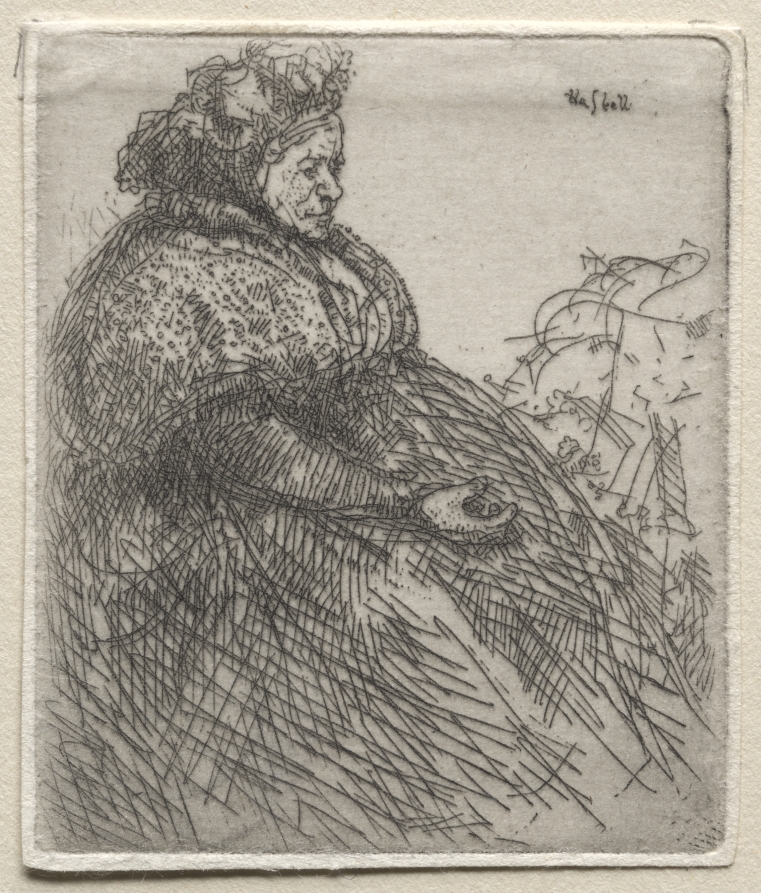
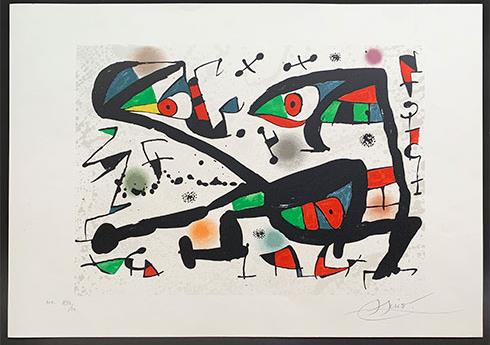
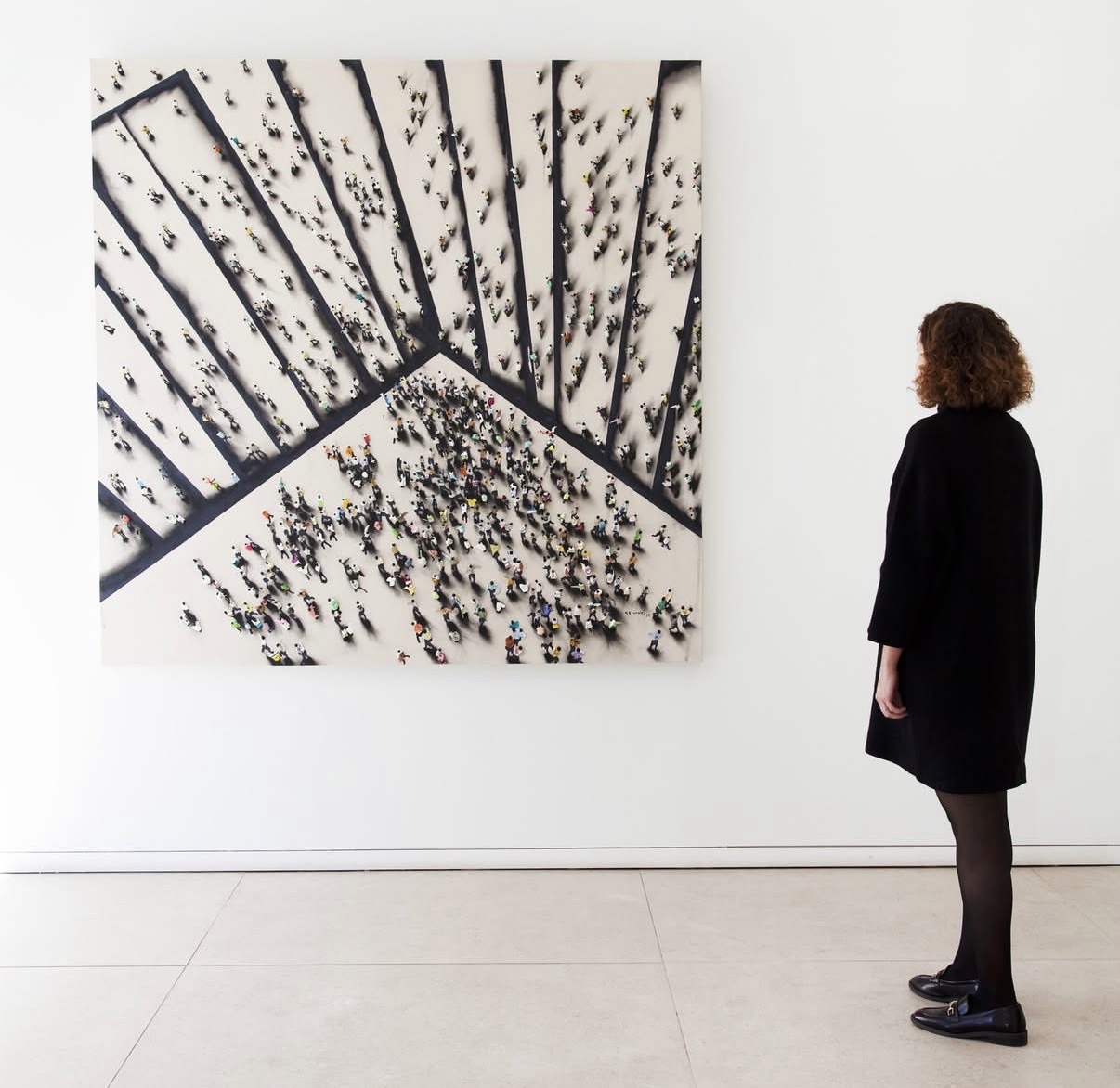
Paris
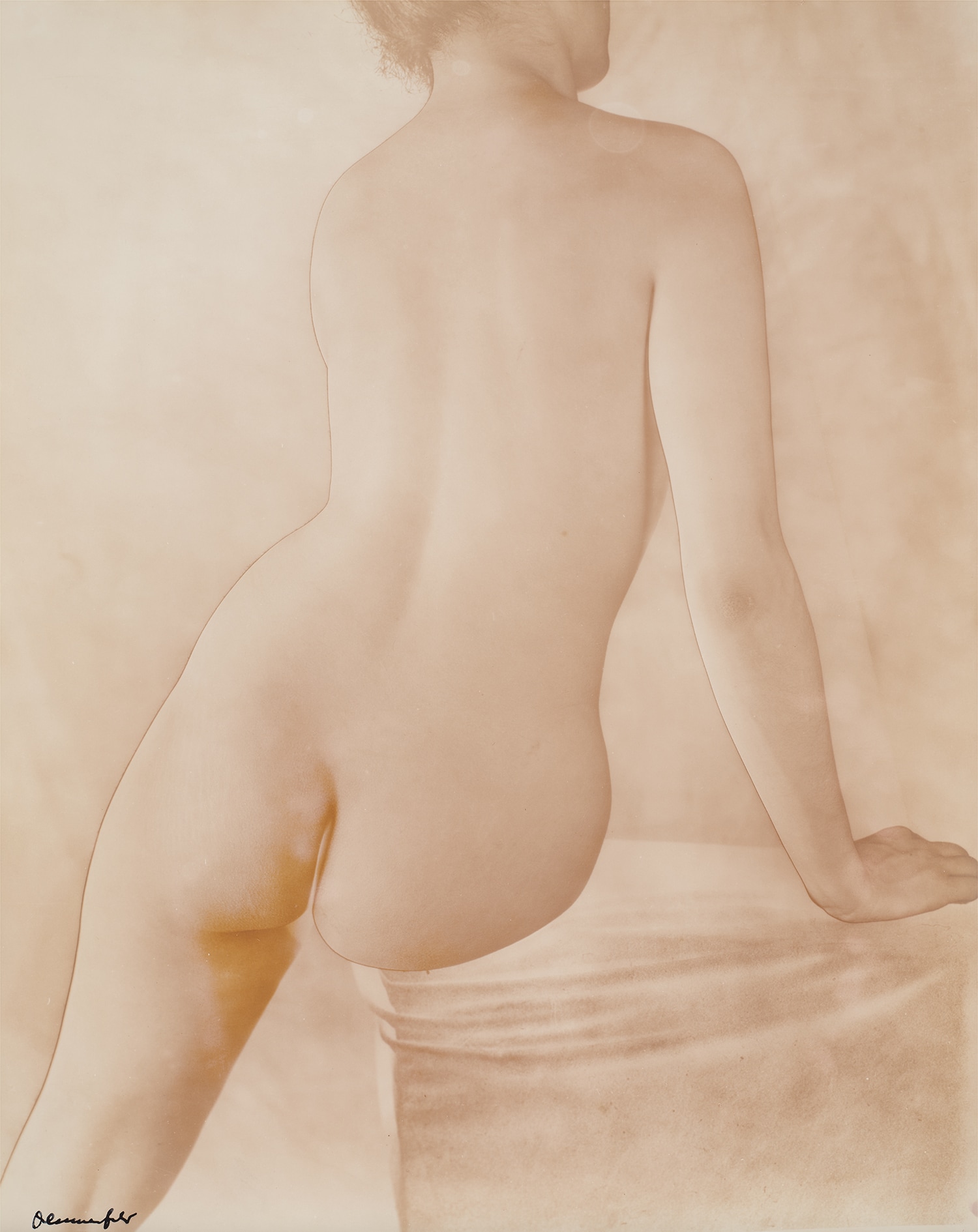
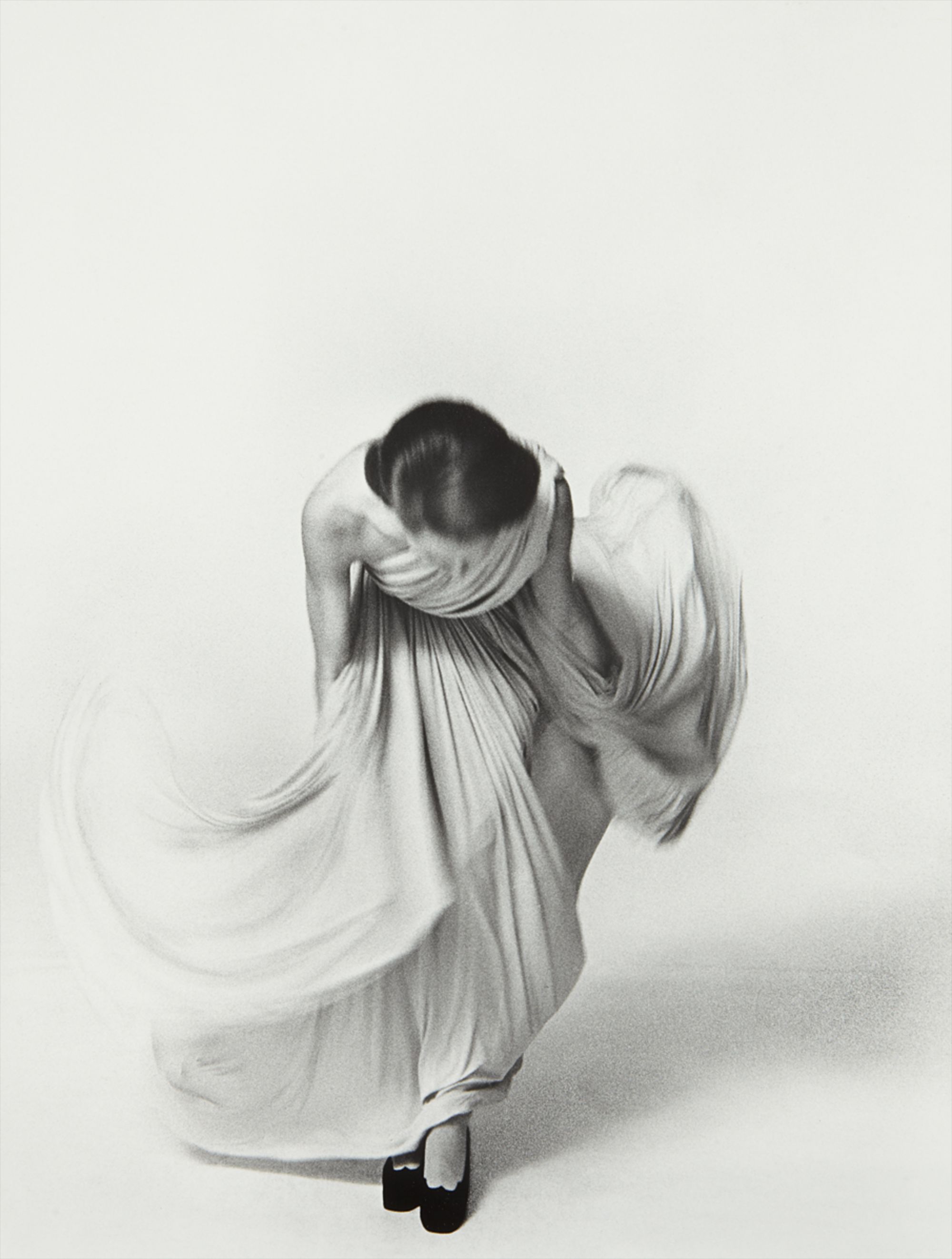
Erwin Blumenfeld
Back, Paris
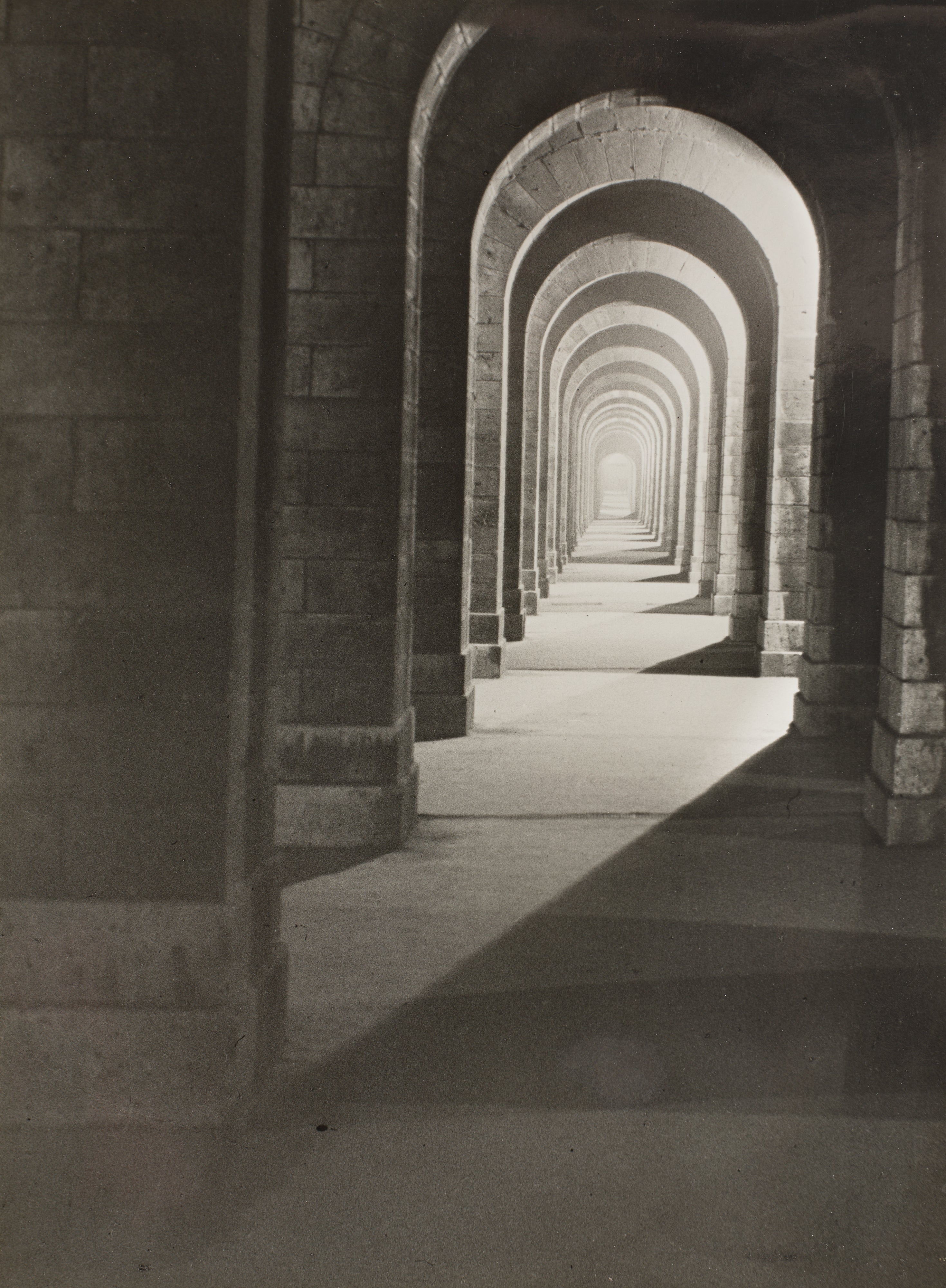
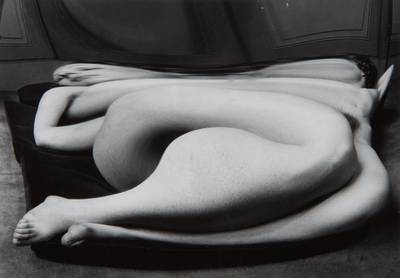
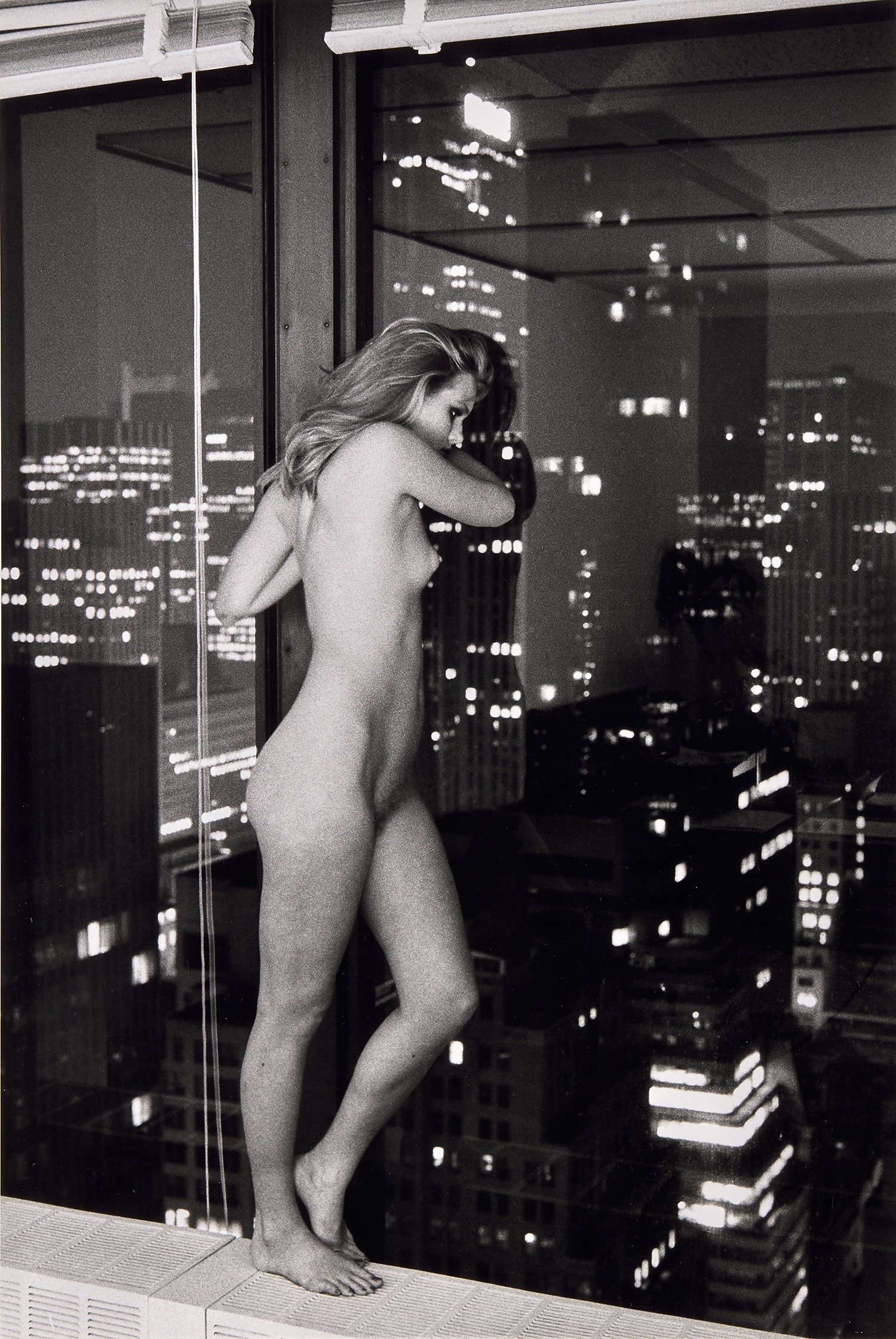
Paris Never Stops Being Invented
There is a city that exists in paint and silver gelatin, in etched copper and albumen print, that has almost nothing to do with geography and everything to do with longing. It is not the Paris of tourism brochures or even of lived experience but something more unstable and more precious: Paris as a fever dream, a recurring obsession that artists have returned to for centuries, each one finding something the last left behind. The sheer volume of art made in, about, and haunted by this city constitutes one of the most sustained collective projects in Western cultural history, and it shows no sign of exhausting itself. The impulse to capture Paris in fixed images predates photography by centuries, but the city's transformation under Baron Haussmann in the 1850s and 1860s gave that impulse a particular urgency.
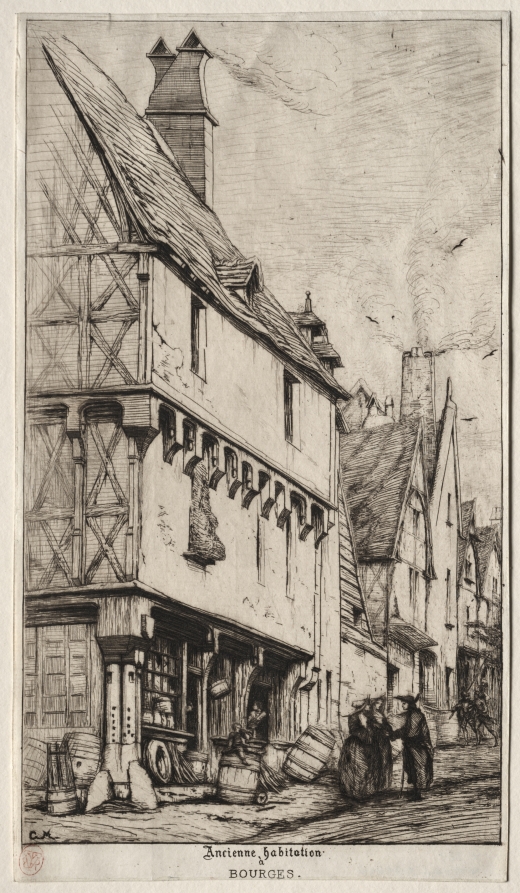
When Napoleon III commissioned the wholesale demolition of medieval Paris to create the broad boulevards and uniform facades we recognize today, artists suddenly understood that the city was mortal. Charles Méryon, working in etching throughout the 1850s, recorded the old Paris with a hallucinatory precision that went far beyond documentation. His series of city views, collectively known as the Eaux fortes sur Paris, rendered Gothic stonework and cramped quartiers with a visionary intensity that Baudelaire admired and that later artists would cite as a founding text of urban anxiety. Méryon's Paris is not picturesque; it is monumental and slightly unnerving, a city that seems to be dreaming itself.
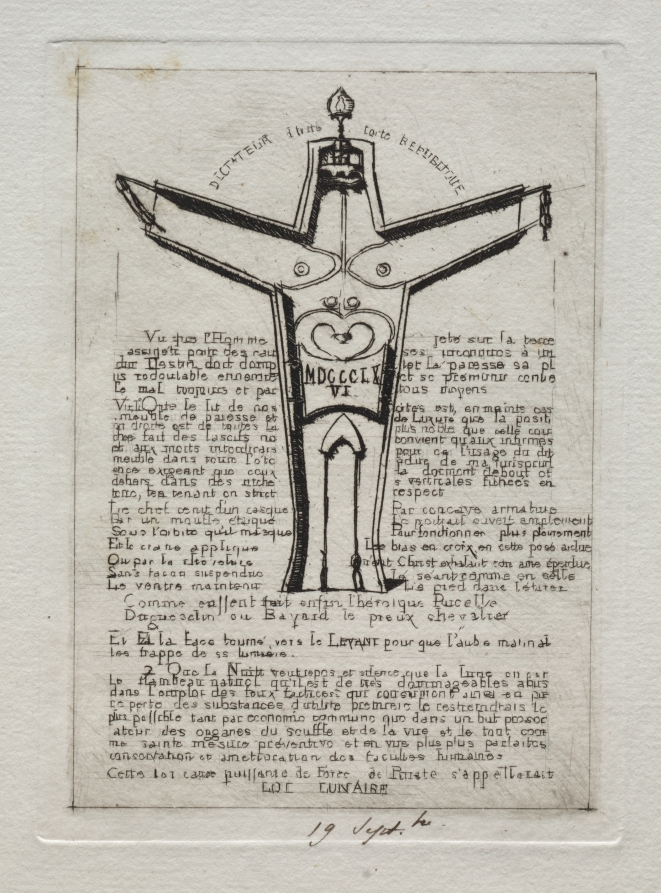
Charles Méryon
Lunar Law, 1866
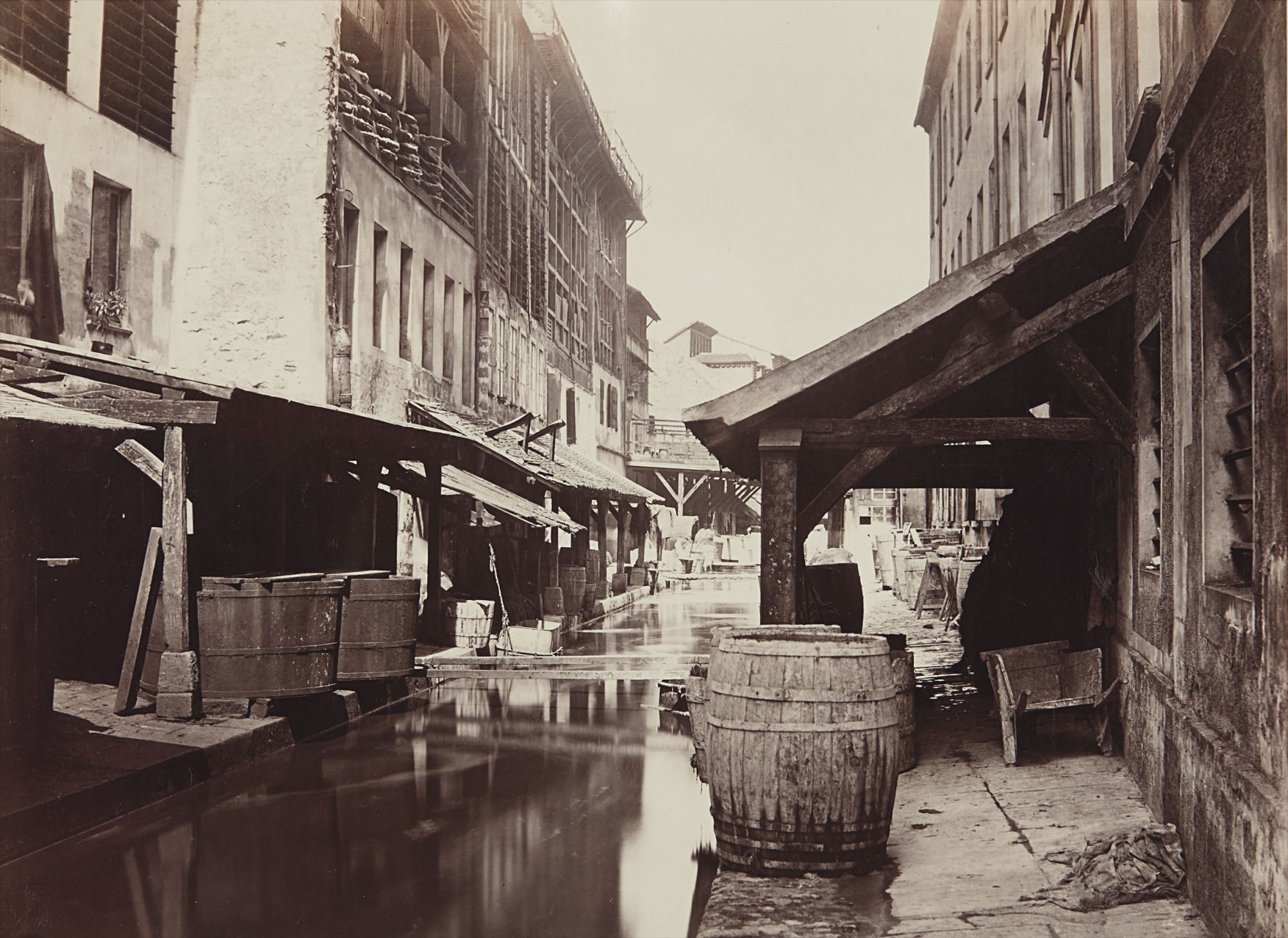
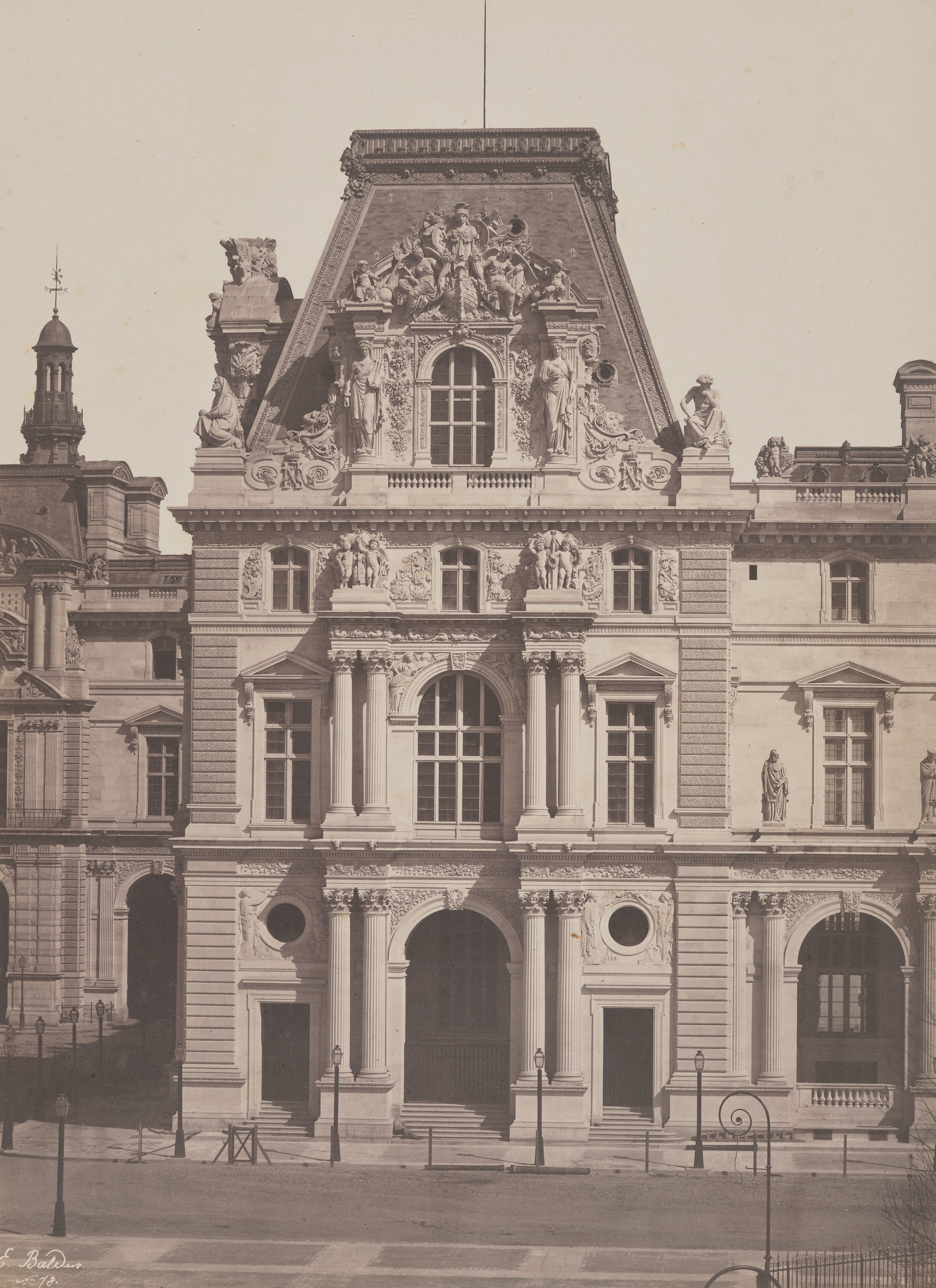
When photography arrived in earnest, the medium found Paris an irresistible subject almost immediately. Hippolyte Bayard, one of photography's contested inventors, was among the first to turn a lens on Parisian streets and structures in the 1840s. Édouard Baldus documented the grand architecture of the new city with a formal authority that made his photographs feel as permanent as stone. Charles Marville, appointed official photographer of the City of Paris in 1862, spent years methodically recording the streets that Haussmann was erasing, creating an archive of loss so beautiful that it reads as elegy.
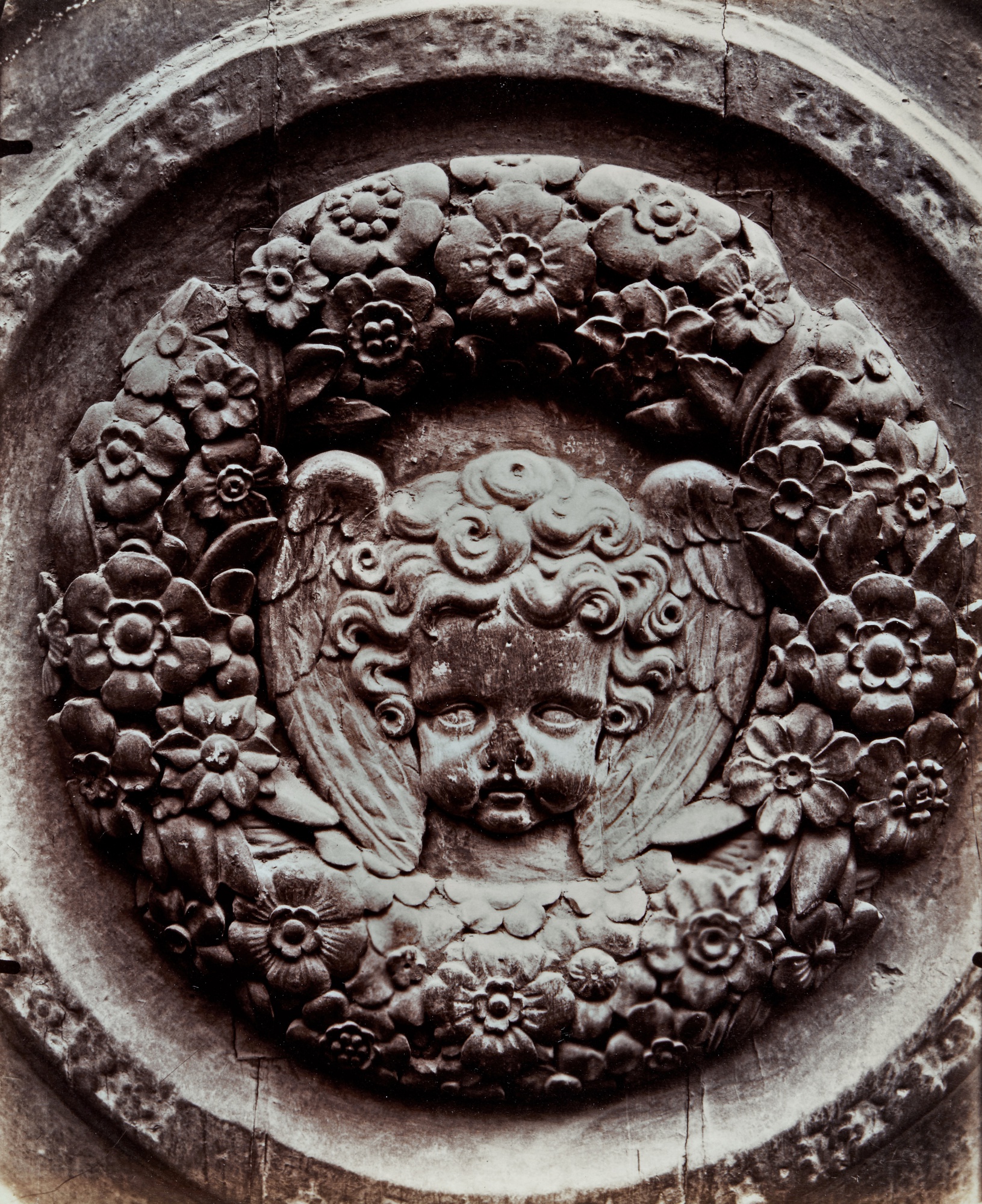
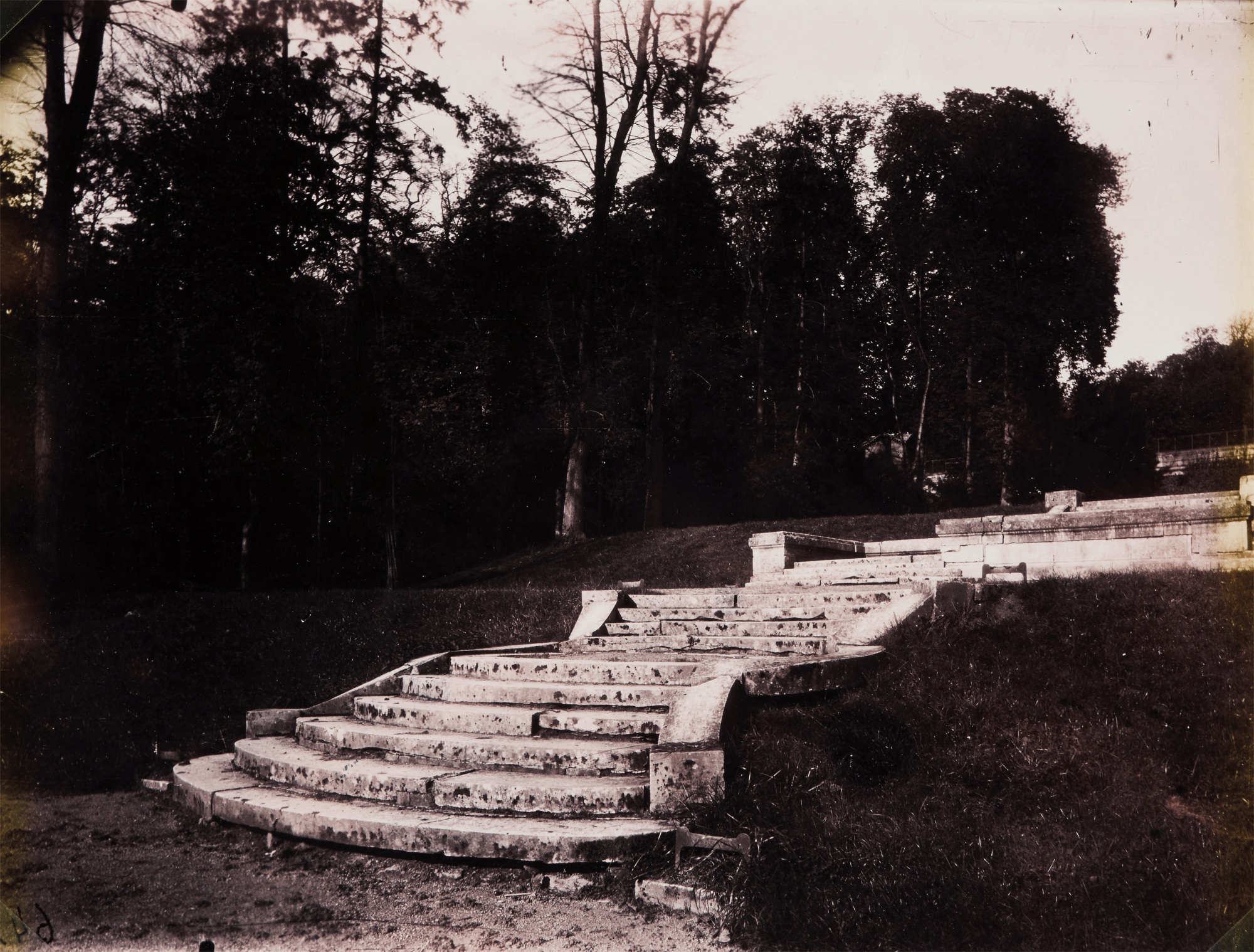
Charles Nègre and Charles Soulier added their own chapters to this early photographic account, each finding different textures and tempos in the same urban fabric. What unites them is a quality of attention, a sense that the city demanded to be looked at with uncommon seriousness. By the turn of the twentieth century, the documentary impulse had merged with something more atmospheric and almost mystical. Eugène Atget spent roughly three decades, from around 1898 until his death in 1927, photographing Paris with a large format camera and a patience that bordered on obsession.
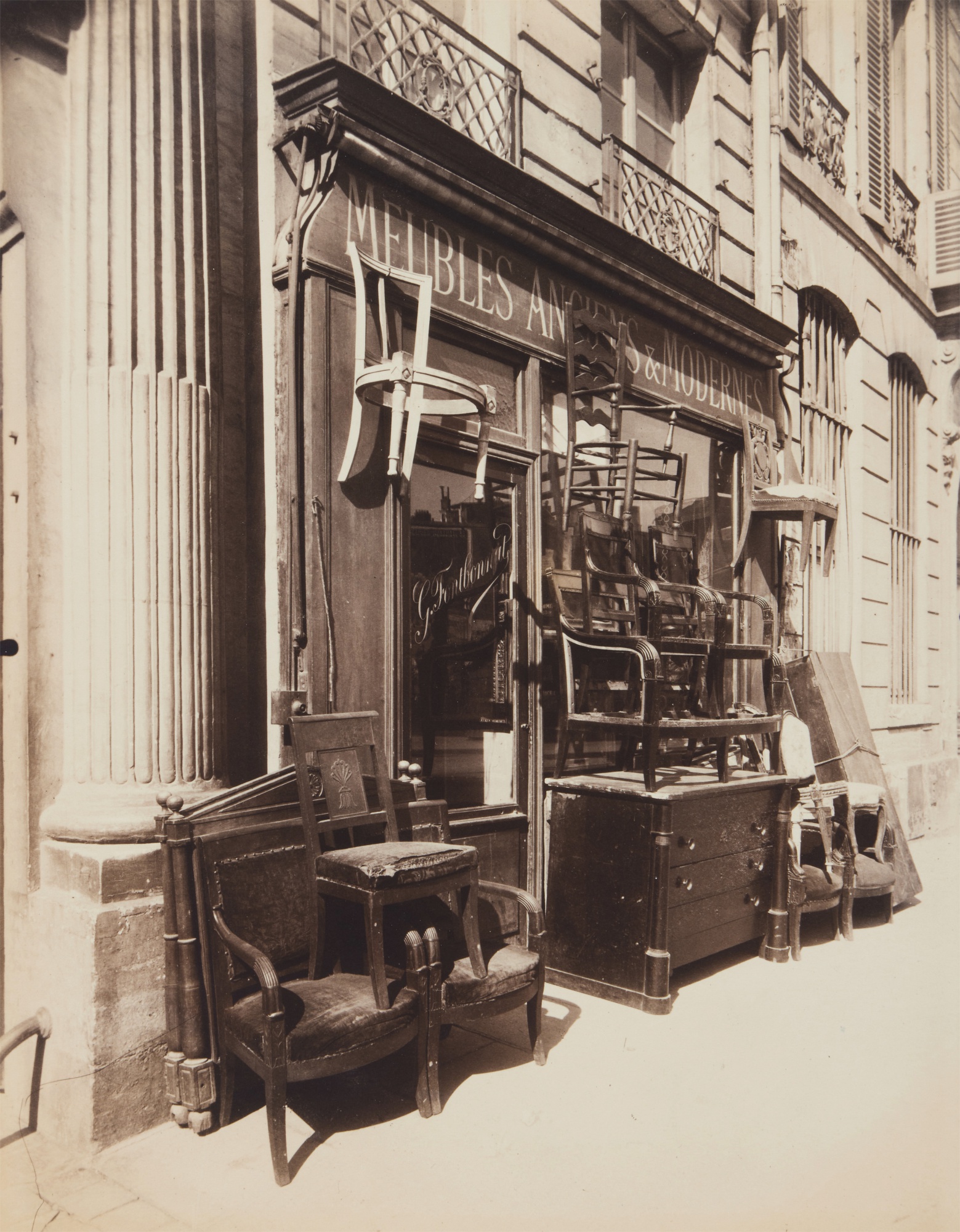
Eugène Atget
Brocanteur, 42 rue du Cherche-Midi, 1912
His images of shop windows, courtyards, street vendors, and parks carry a strange double register: they are records of actual places and also something that feels like memory before it has fully formed. Man Ray and the Surrealists recognized this quality immediately and embraced Atget, though he resisted their categorization. His work sits at the center of any serious collection of Paris photography, not because it is the most dramatic but because it is the most true. Auguste Louis Lepère brought comparable obsessive attention to the city through printmaking, his woodcuts and etchings mapping Parisian light and street life with a intimacy that photographs sometimes missed.
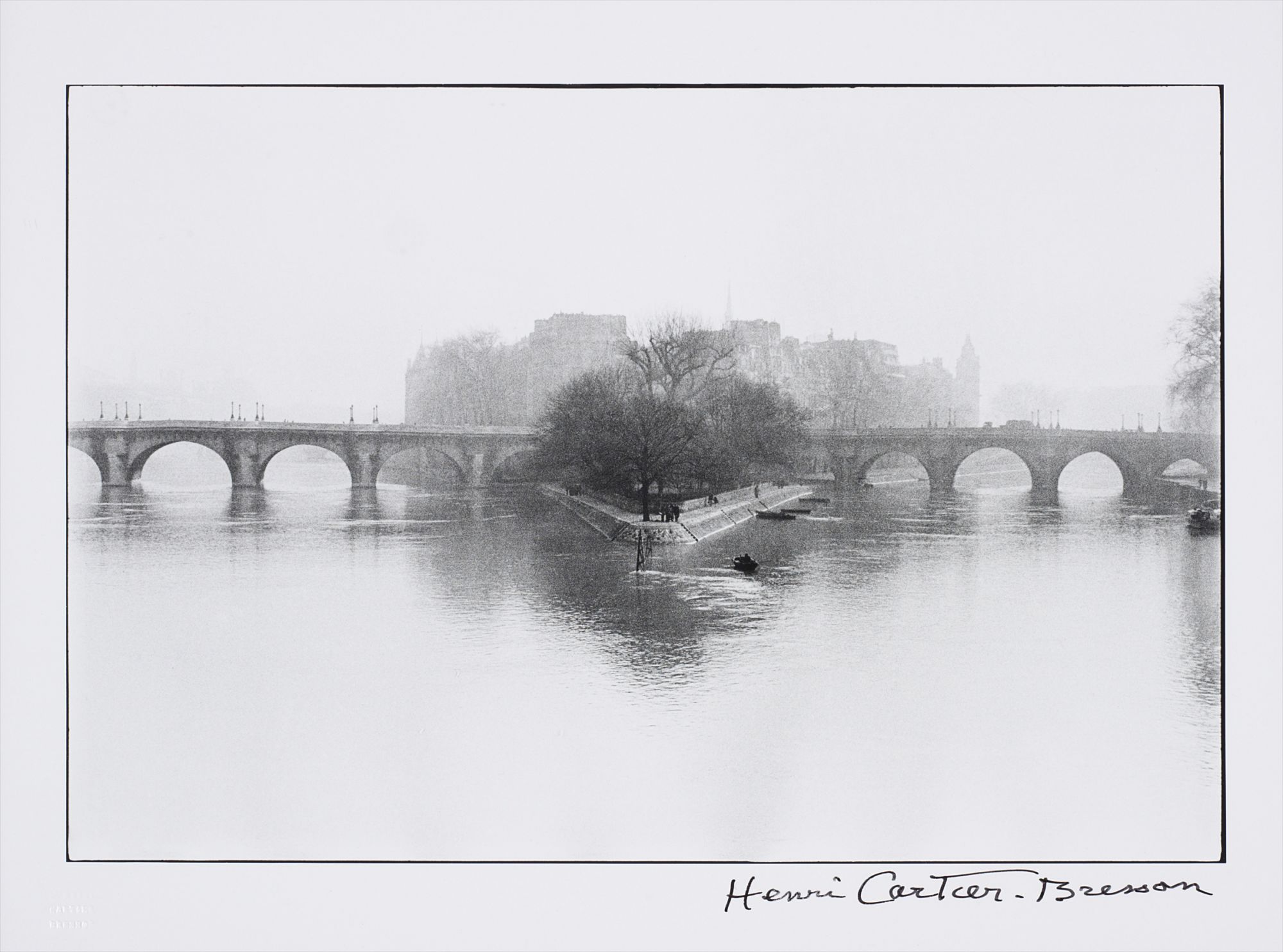
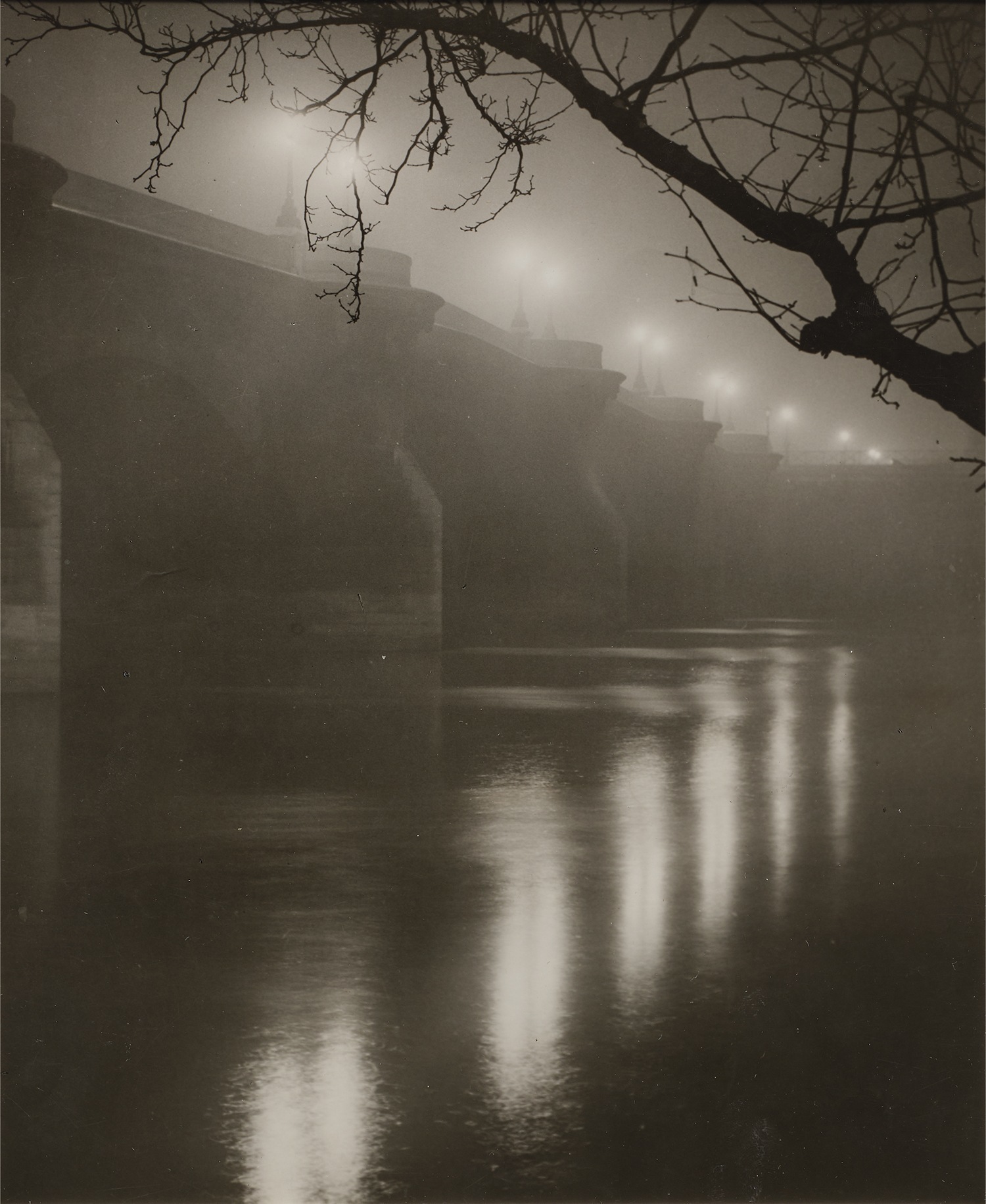
The interwar years produced what many consider the golden era of Parisian street photography, when the city became the proving ground for a new visual language. Brassaï, the Hungarian born artist who arrived in Paris in 1924 and never really left in spirit, photographed the city at night with a tenderness and edge that made his images feel transgressive and deeply humane at the same time. André Kertész, another Hungarian in Paris, developed a formal wit and lyricism that influenced everyone who came after him. Then there is Henri Cartier Bresson, who turned the streets of Paris into a theater of decisive instants, his images from the 1930s onward defining what we mean when we talk about photography as art.
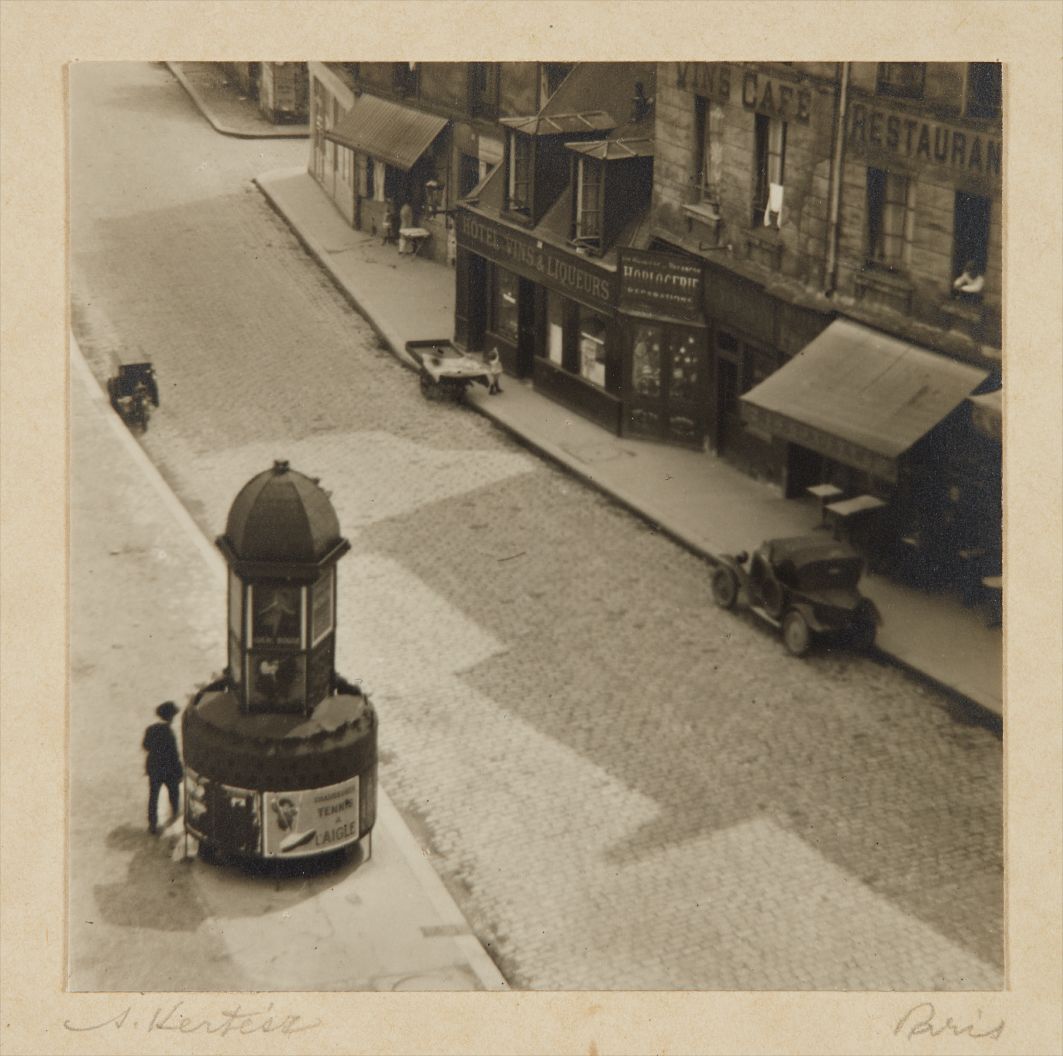
André Kertész
Paris (man at a pissoir, Latin Quarter)
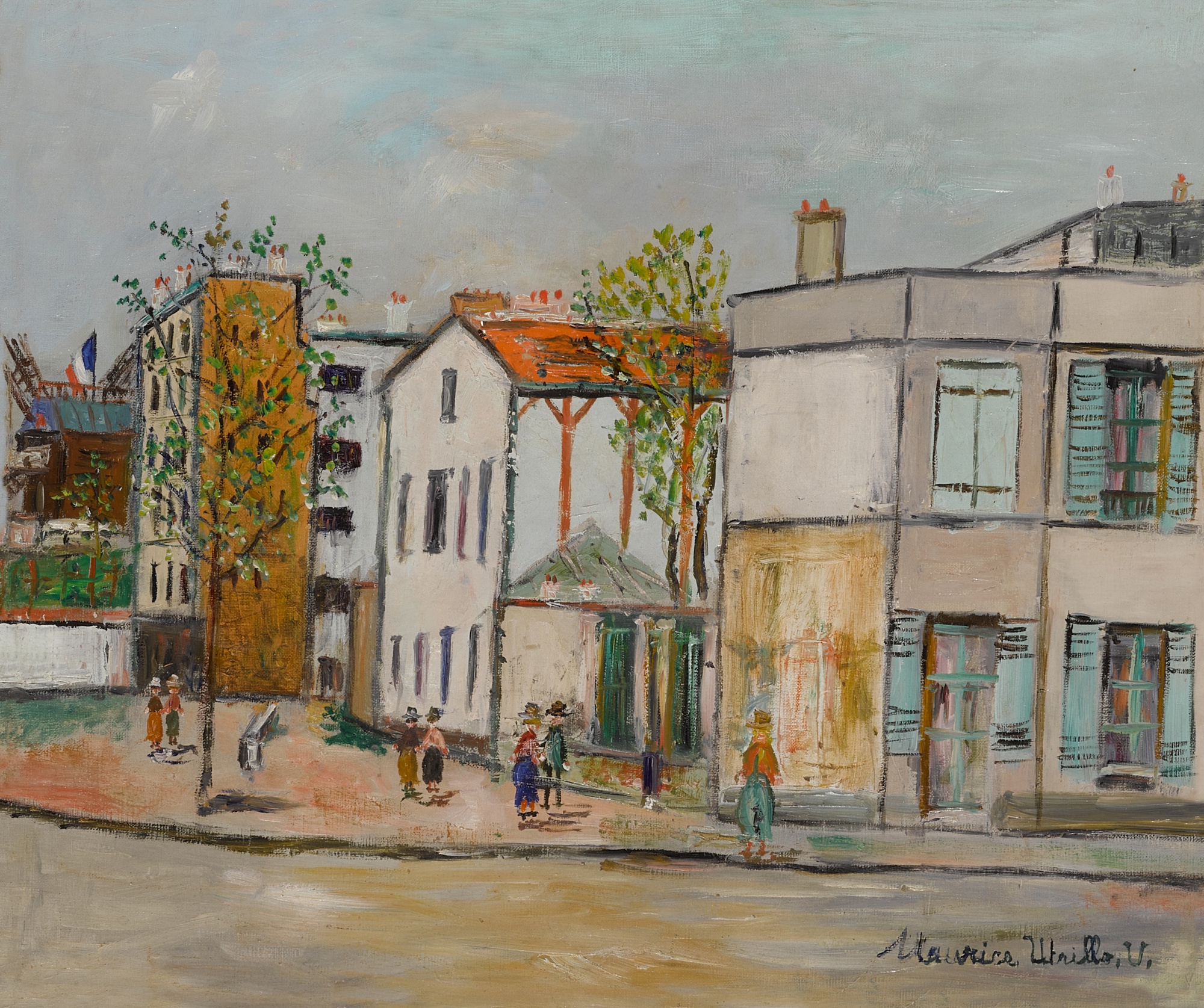
Robert Doisneau worked the same streets with a warmer populism, finding poetry in café corners and children at play. Ilse Bing, sometimes called the Queen of the Leica, brought her own rigorous modernist eye to the same city, producing images that have taken far too long to receive their due recognition. Painters, of course, had their own Paris. Maurice Utrillo spent a lifetime painting Montmartre, returning compulsively to the same streets and facades as though he could resolve something through repetition.
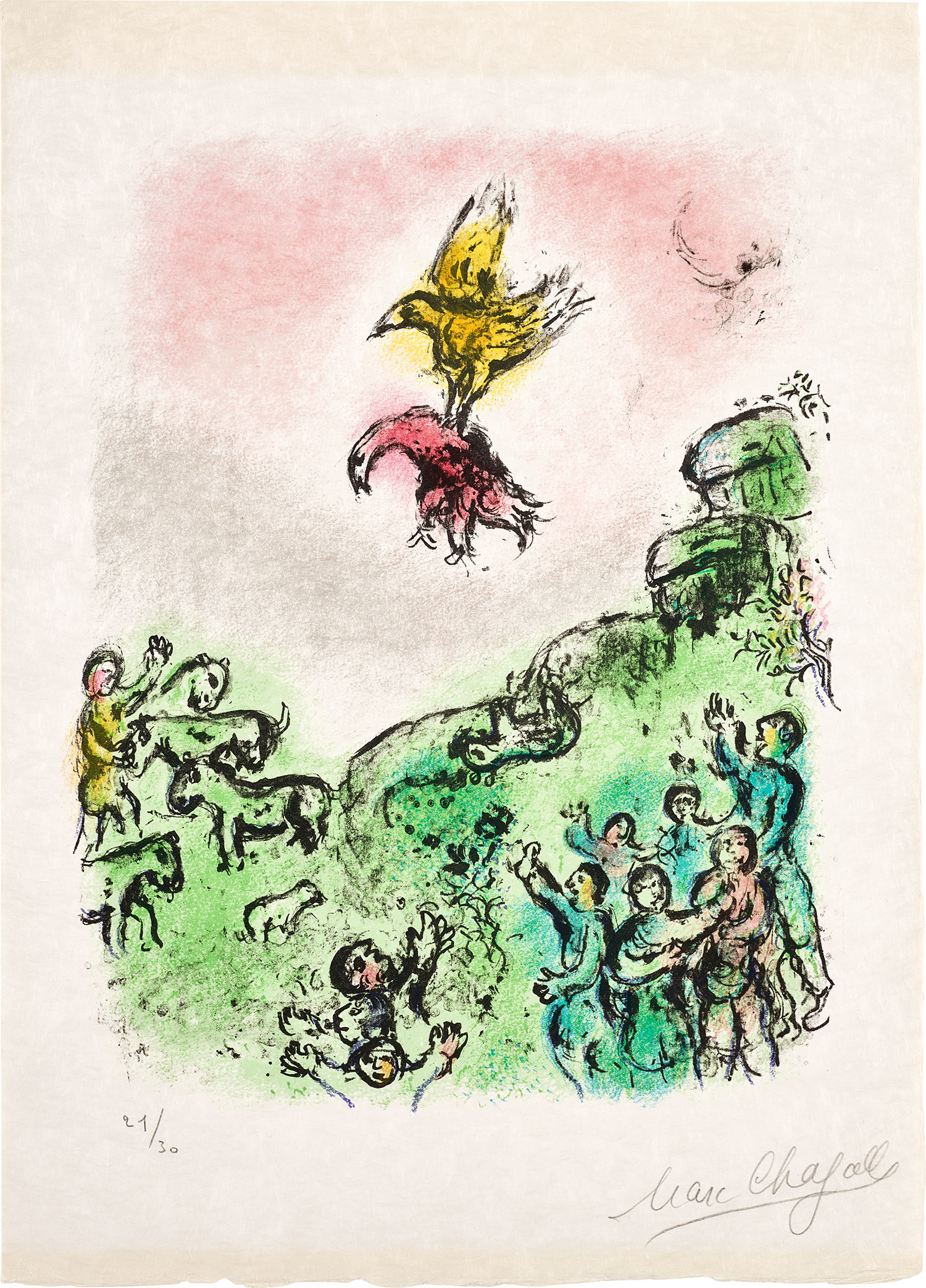
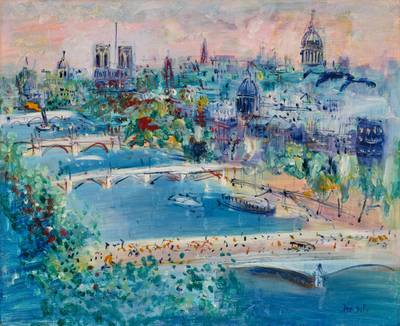
His surfaces are thick and chalky, sometimes literally incorporating plaster and sand, giving his Parisian scenes a physical presence that feels almost archaeological. Jean Dufy painted a lighter, more festive city, all color and movement, while Stanislas Lépine found quiet in the Seine's banks long before the Impressionists claimed that territory as their own. Marc Chagall's Paris is something else entirely: a city floating free of gravity, populated by figures from his Eastern European memory, the Eiffel Tower appearing like a talisman in paintings that fold together love, displacement, and wonder. The postwar decades brought a harder, more confrontational gaze.
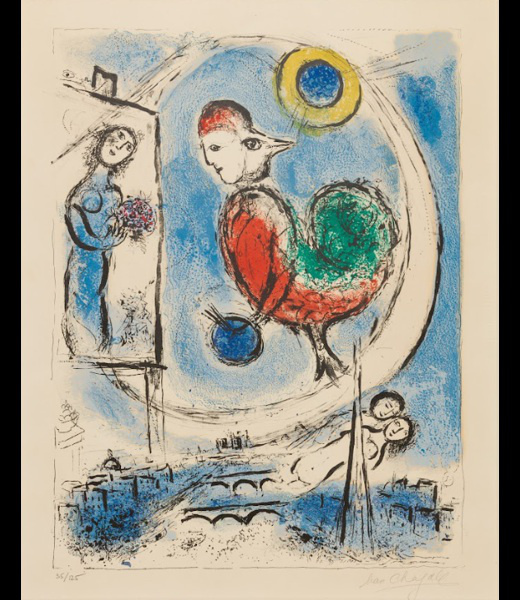
Marc Chagall
Le Coq Sure Paris (35/125), 1958
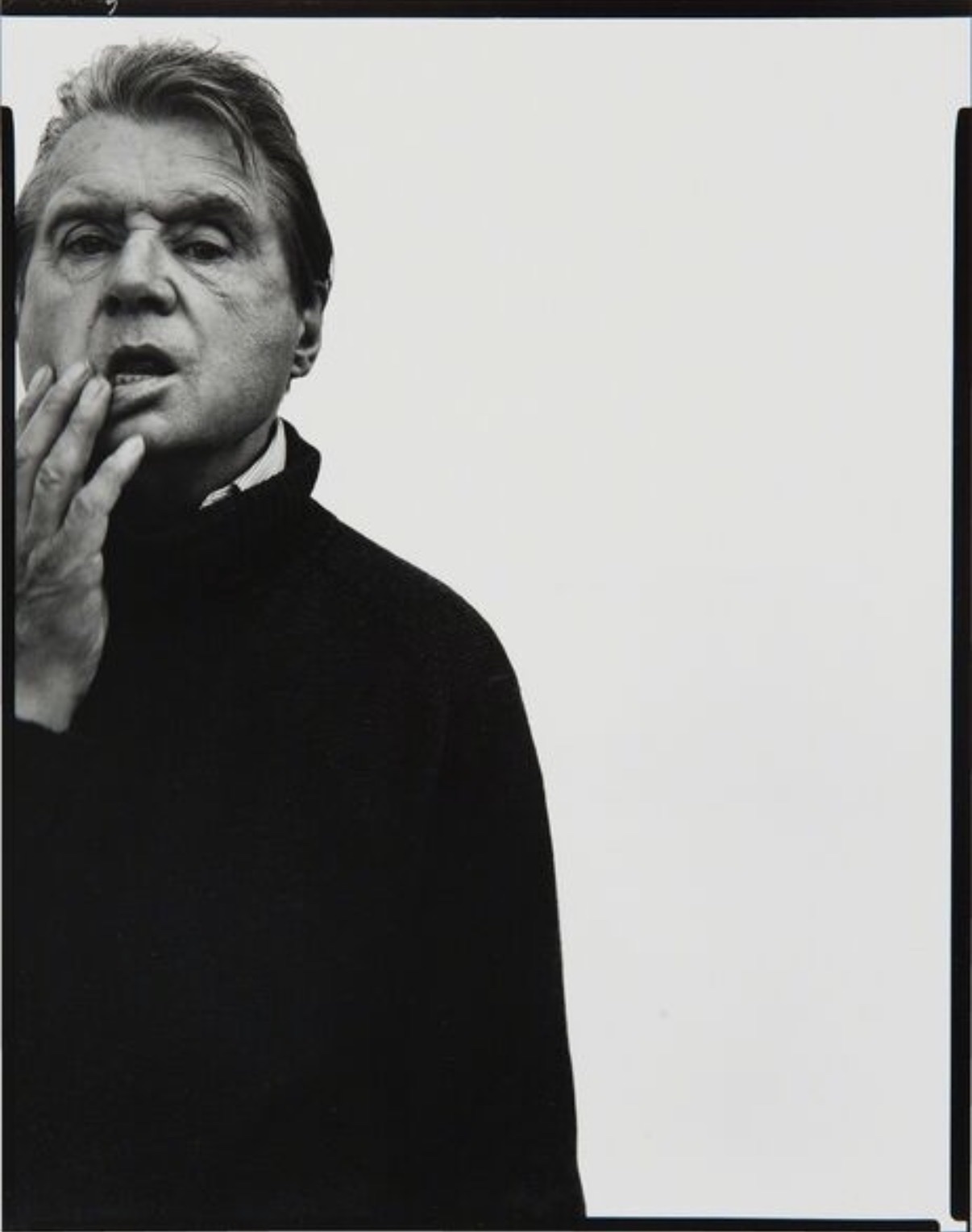
William Klein's Paris photographs of the 1950s were deliberately aggressive, using blur, grain, and radical framing to create images that felt like arguments rather than observations. Richard Avedon and Irving Penn approached the city through fashion but found ways to make that context ask questions about beauty, class, and performance. Helmut Newton, working in Paris for decades, made the city into a stage for his charged and theatrical imagination. Melvin Sokolsky's extraordinary bubble series, shot on Paris streets in 1963, remains one of the most genuinely strange and beautiful gestures in the history of fashion photography.
What holds all of this together is not style or medium or even subject matter but something more like a conversation across time. The artists represented on The Collection who worked in Paris were responding not just to the city itself but to each other, to the weight of what had already been made and seen. Collecting Paris means collecting that conversation, buying into a dialogue that started before photography existed and shows no sign of reaching a conclusion. The city keeps offering itself up, keeps changing just enough to require new attention, and artists keep accepting the invitation.