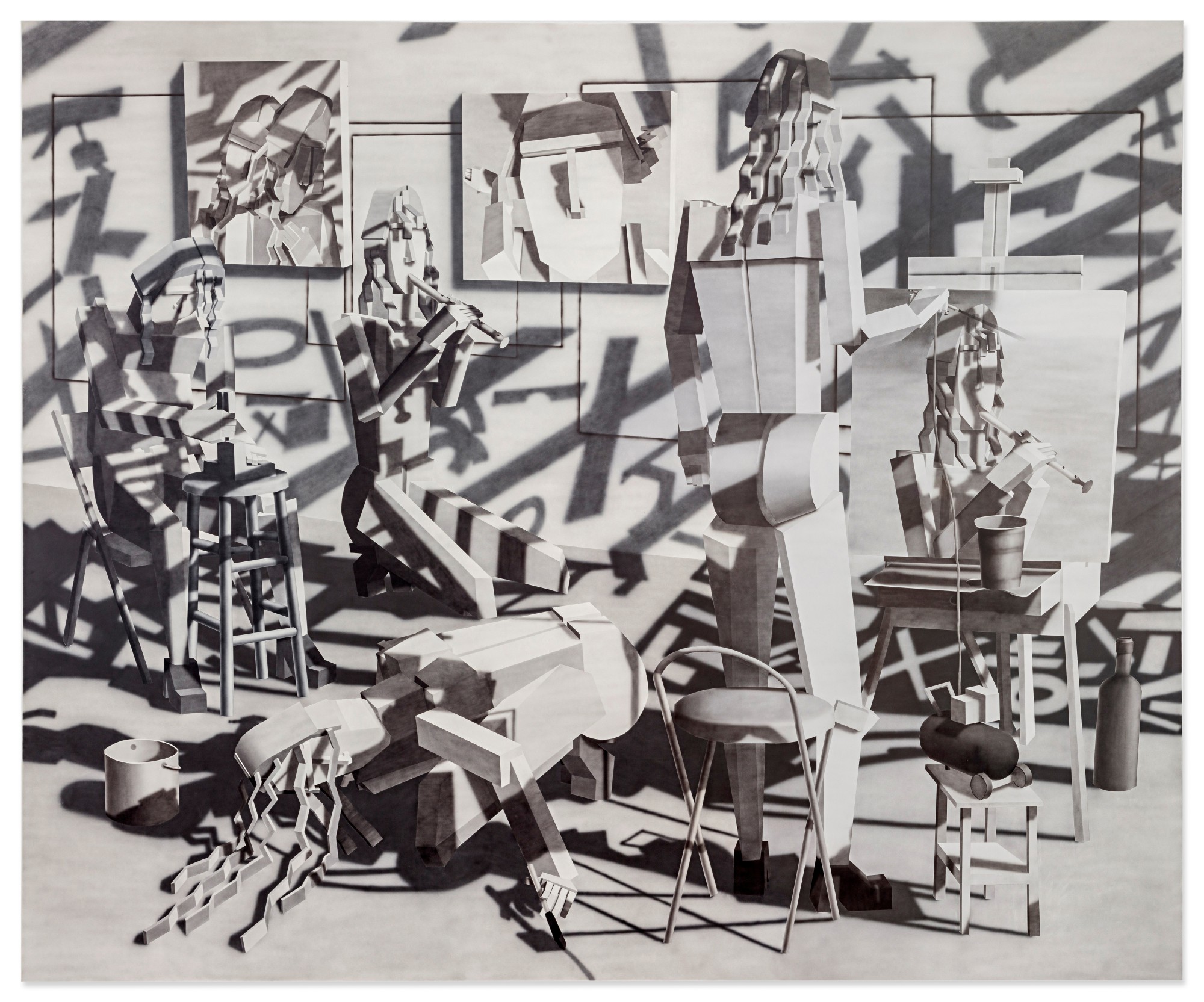
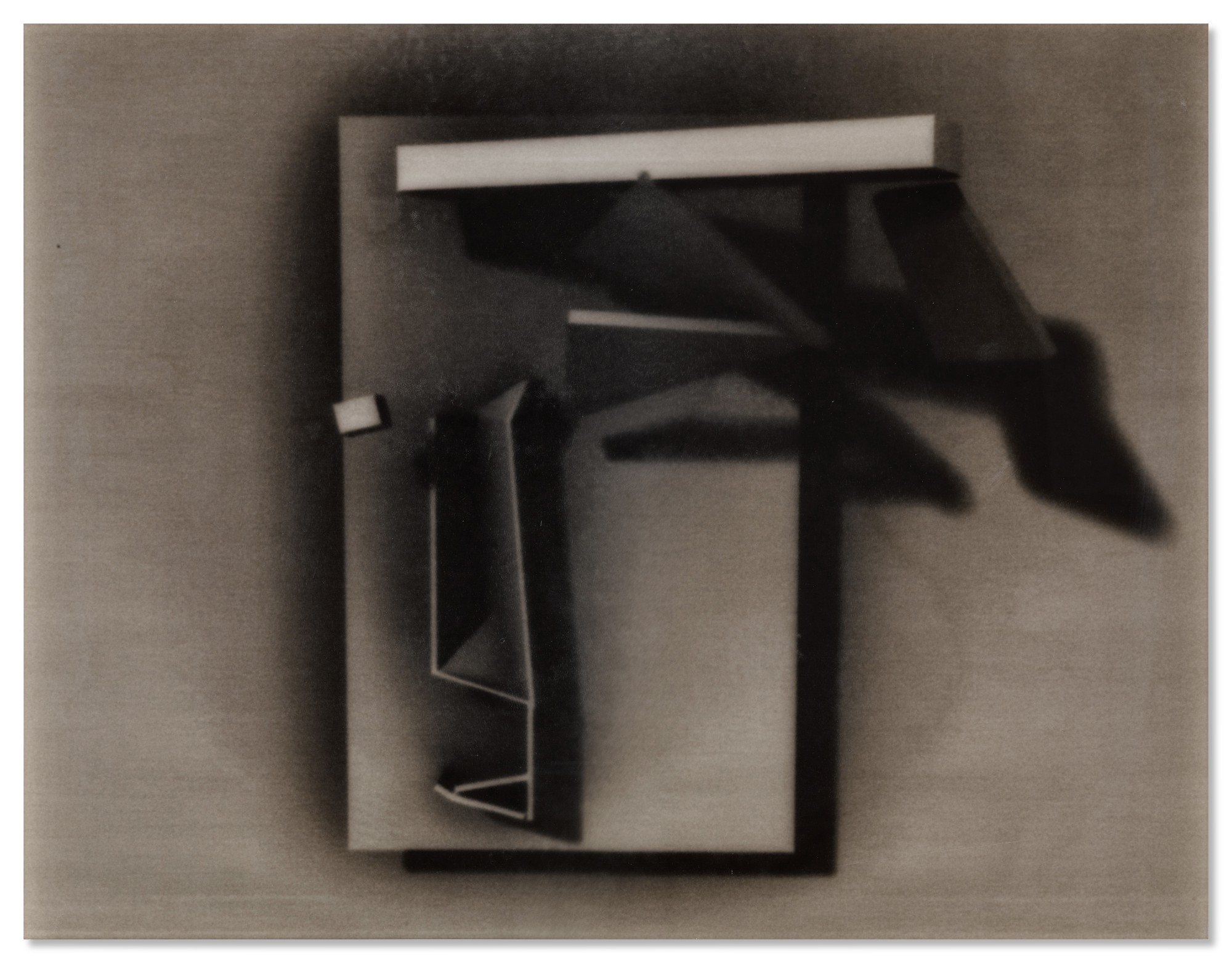
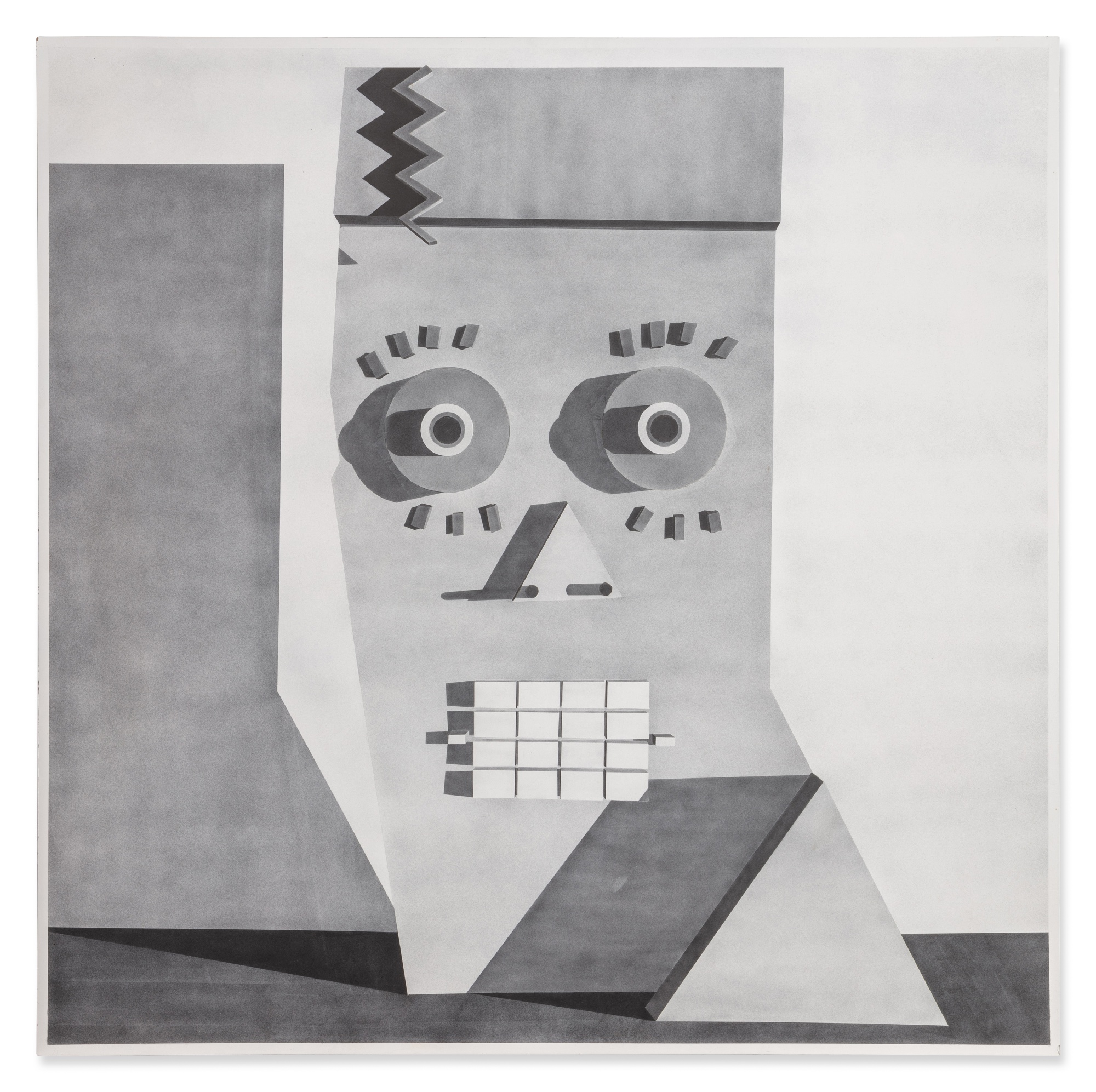
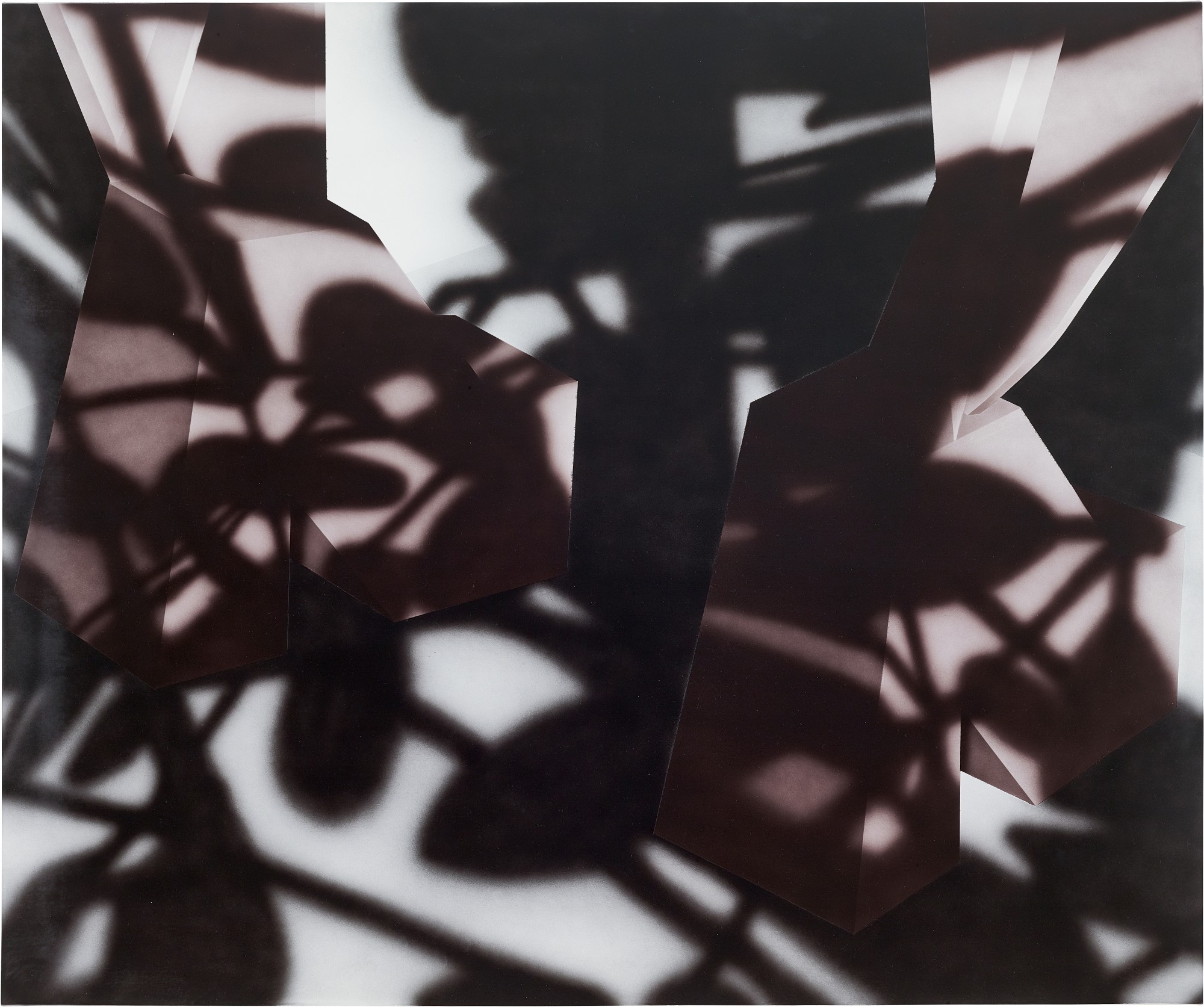
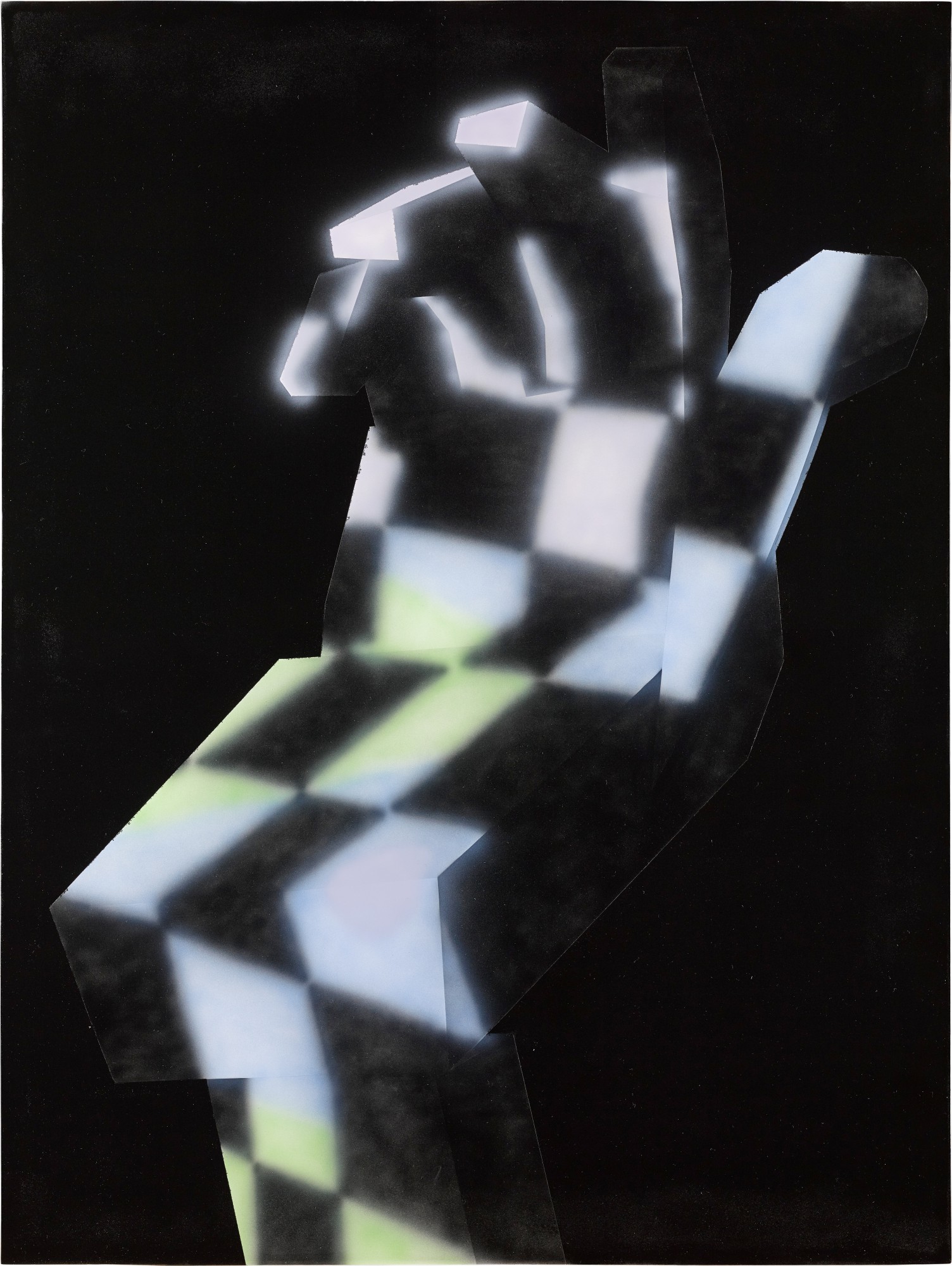
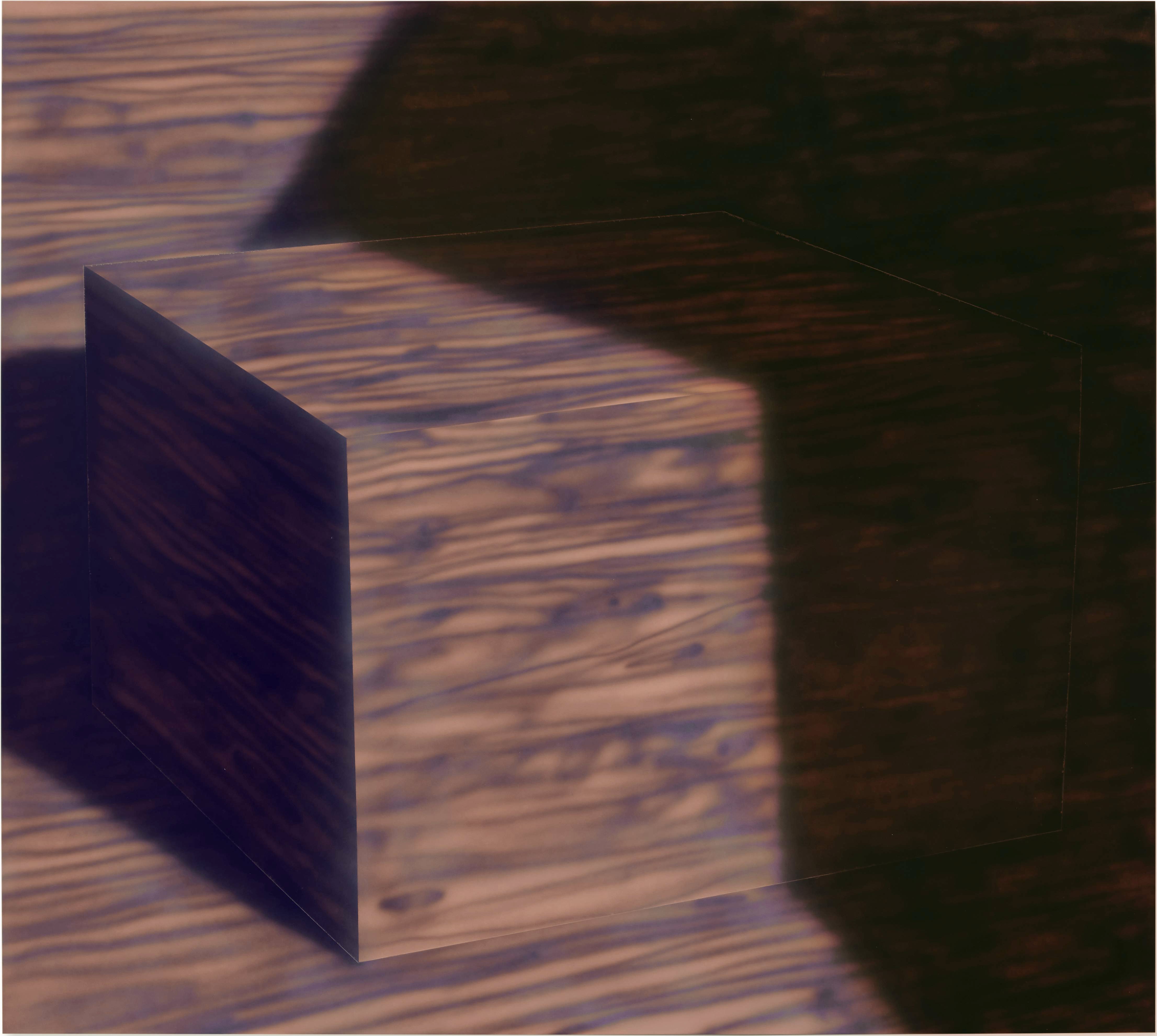
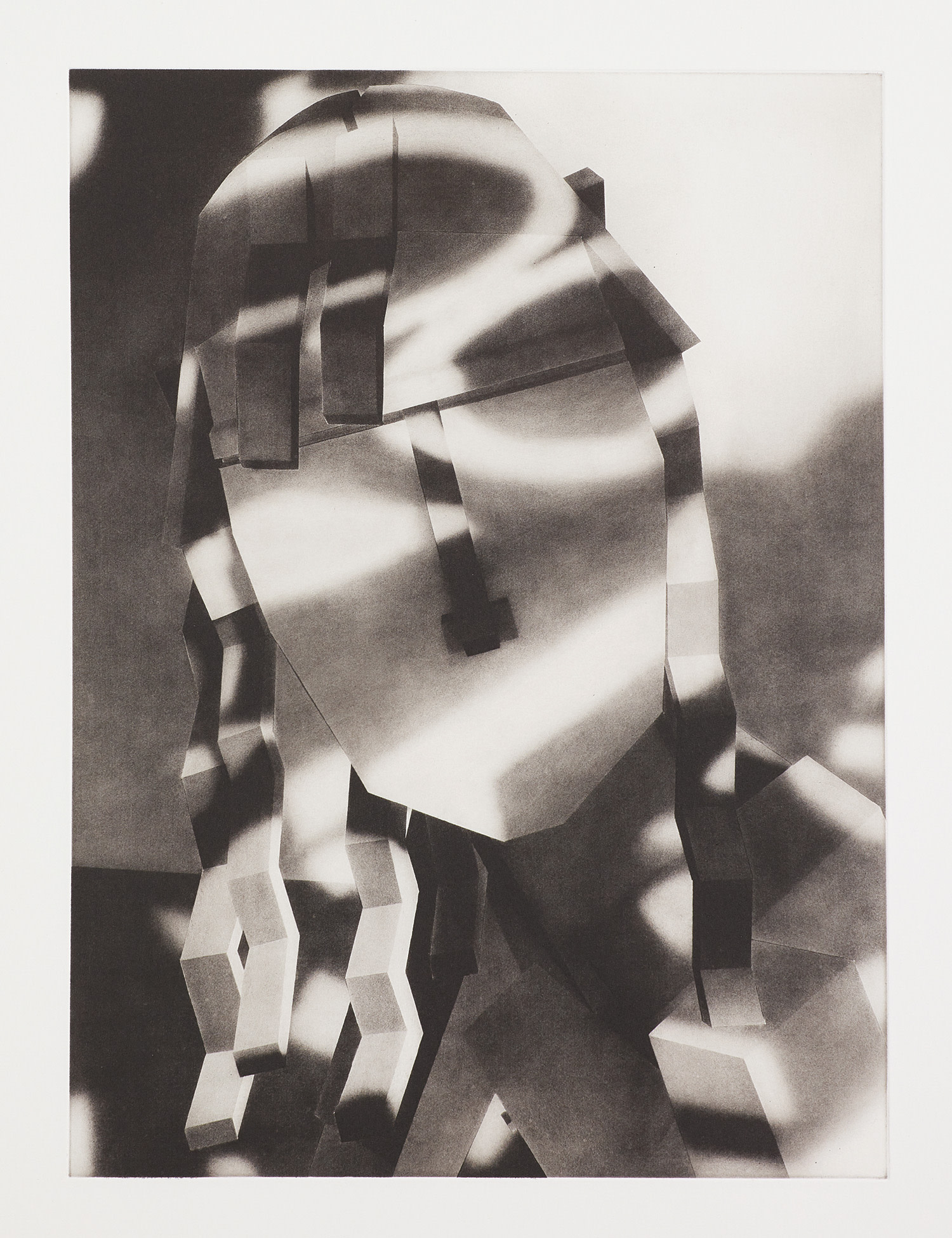
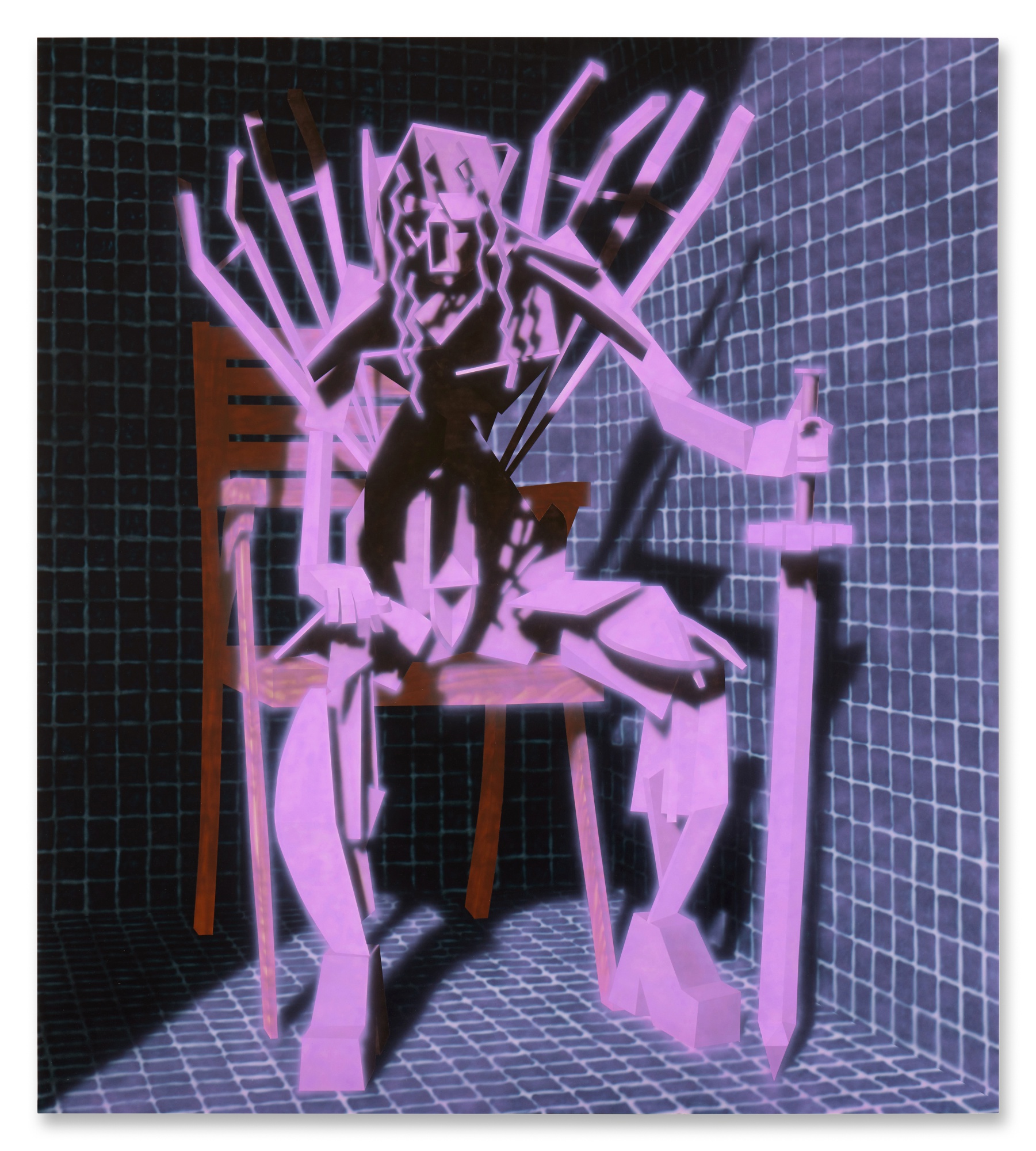
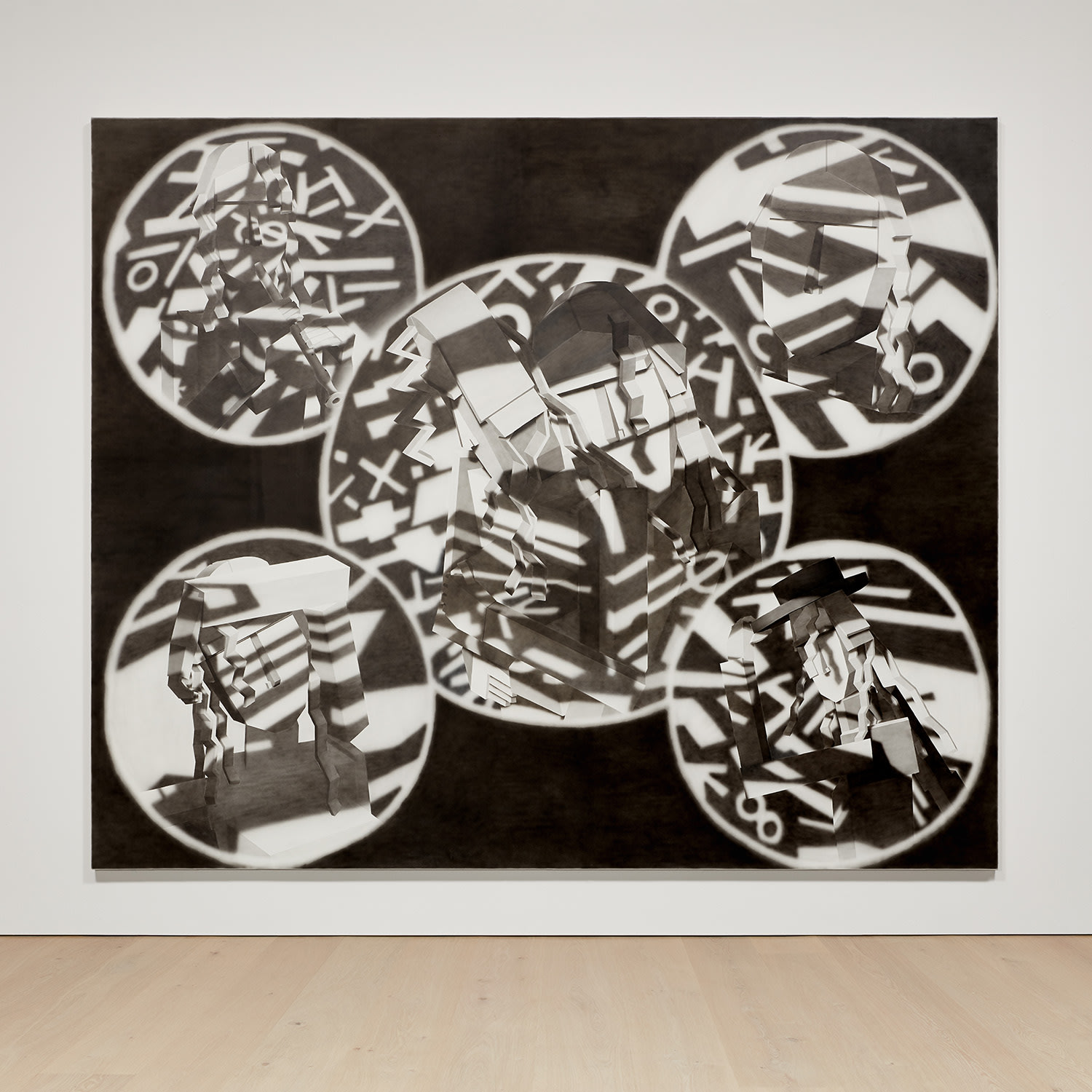
When Avery Singer's monumental paintings appeared at the Venice Biennale, the art world took a collective breath. Her large scale grayscale canvases, rendered with an airbrush in tones ranging from silvery white to deep charcoal, seemed to pulse with an uncanny life, figures and spaces locked in mid gesture as though suspended between a dream and a screengrab. That Venice moment crystallized what a growing circle of curators, collectors, and fellow painters had already understood: Singer is one of the most genuinely original voices to emerge from American painting in the past two decades, and her work sits at a crossroads that feels urgent, funny, and philosophically serious all at once. Singer was born in New York in 1987, and the city shaped her sensibility in ways that are visible in every canvas she has made. She studied at the Cooper Union School of Art, an institution with a proud tradition of producing rigorous, conceptually ambitious artists who never lose sight of craft. Cooper Union instilled in Singer a commitment to thinking through materials and processes rather than simply deploying them, and that intellectual seriousness has never left her work. Growing up in a moment when the internet was transforming the texture of everyday life, Singer absorbed the language of digital imagery the way an earlier generation absorbed the language of cinema or television. Her breakthrough as a painter came through an unlikely route: she began using SketchUp, a three dimensional modeling software originally designed for architects and game developers, to construct the scenes she would eventually paint. Rather than sketching figures on paper or working from photographic reference in any conventional sense, Singer builds entire environments in the software, populating them with blocky, low resolution figures, and then translates those digital renderings onto canvas using an airbrush. The result is a surface that carries the logic of the screen without being a mere reproduction of it. The airbrush, a tool historically associated with commercial illustration, automotive customization, and the slick surfaces of photorealist painting, becomes in Singer's hands something tender and precise, capable of capturing the peculiar flatness of rendered light and the strange dignity of pixelated human forms. Her signature works demonstrate the full range of what this process can achieve. "Happening" from 2014 places figures in a kind of art world social gathering, rendered in grayscale with the slightly theatrical stiffness of a 3D model, yet the painting hums with social observation and wit. "Kundry" from 2018, a work that takes its title from the complex female character in Wagner's Parsifal, channels something more operatic and psychologically weighted, its figure occupying a space that feels both digital and mythological. Earlier works like "iHole" and "S&M Cruisline" from 2011 show the rawness and energy of an artist finding her voice, the titles carrying a sharp, deadpan humor that has remained a constant in her practice. Works like "Boots" and "Prada Mask" reveal her eye for the coded language of fashion and consumer culture, while the various "Untitled" studies on gessoed board demonstrate the intimacy and spontaneity possible within her methodical process. The grayscale palette is not a limitation but a choice with deep implications. By draining color from her scenes, Singer removes one of the most immediately emotional registers available to a painter and forces the viewer to attend to structure, light, and the relationship between figures and space. The effect is something like watching a film in black and white: the absence of color paradoxically increases the sense of formal intelligence and historical weight. It also aligns her work with a tradition of thinking about painting as a technology among other technologies, a way of making images that must reckon with photography, cinema, and now digital modeling on its own terms. In this, Singer is in genuine conversation with artists like Neo Rauch, whose theatrical spaces share something of Singer's staged quality, and with the photorealist painters of the 1970s who took commercial and mechanical image making seriously as a subject. From a collecting perspective, Singer's work represents one of the most compelling propositions in the current market for contemporary American painting. Her paintings are held by the Museum of Modern Art and the Whitney Museum of American Art, two institutions whose collecting decisions carry enormous weight in signaling long term art historical significance. Acquisition by both museums so early in a career is genuinely rare, and it reflects the consensus among serious curators that Singer's practice addresses questions that will only grow more important as digital image making becomes ever more central to human experience. Works on paper and the edition "Nadine," published by Glasgow International in a signed and numbered edition of fifty, offer collectors a more accessible point of entry into her practice without sacrificing the conceptual rigor of the paintings themselves. Within the broader landscape of contemporary painting, Singer occupies a position that is both specific and resonant. She shares with artists like Njideka Akunyili Crosby and Lubaina Himid a commitment to expanding what painting can carry conceptually, while her engagement with digital tools places her in conversation with a generation of artists thinking seriously about the screen as both a subject and a condition of contemporary vision. Yet Singer's work is unmistakably her own: no one else is making paintings quite like hers, with their particular blend of humor, formal austerity, and genuine warmth toward the fumbling digital figures she conjures into being. The art historical lineage that makes most sense includes the cool conceptualism of John Baldessari, the social comedy of George Condo, and the photorealist tradition of Chuck Close, yet Singer synthesizes these precedents into something genuinely new. Avery Singer matters today because she is asking the right questions at the right moment. As artificial intelligence and machine learning transform what it means to make and look at images, Singer has already been working for over a decade with the software logic that underlies those transformations, finding in it not anxiety but a rich and humane subject for painting. Her canvases insist that painting remains a vital way of thinking through what pictures are and what they do to us, and they do so with intelligence, wit, and a quietly confident mastery of craft. To own a work by Singer is to hold a piece of painting history in the making, and to live with her grayscale worlds is to find them endlessly, generously alive.