Jacques Lipchitz
“
11
Works
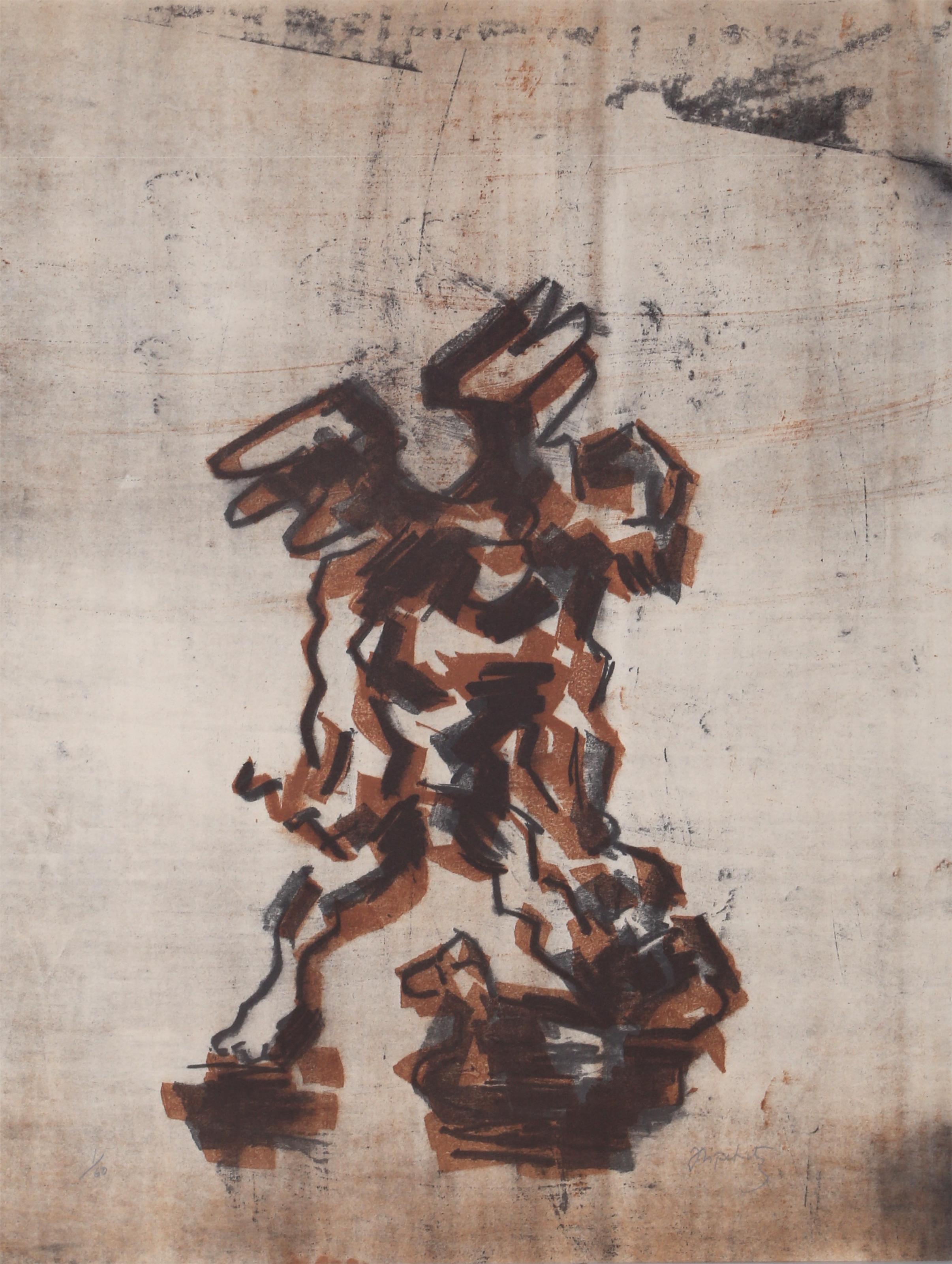
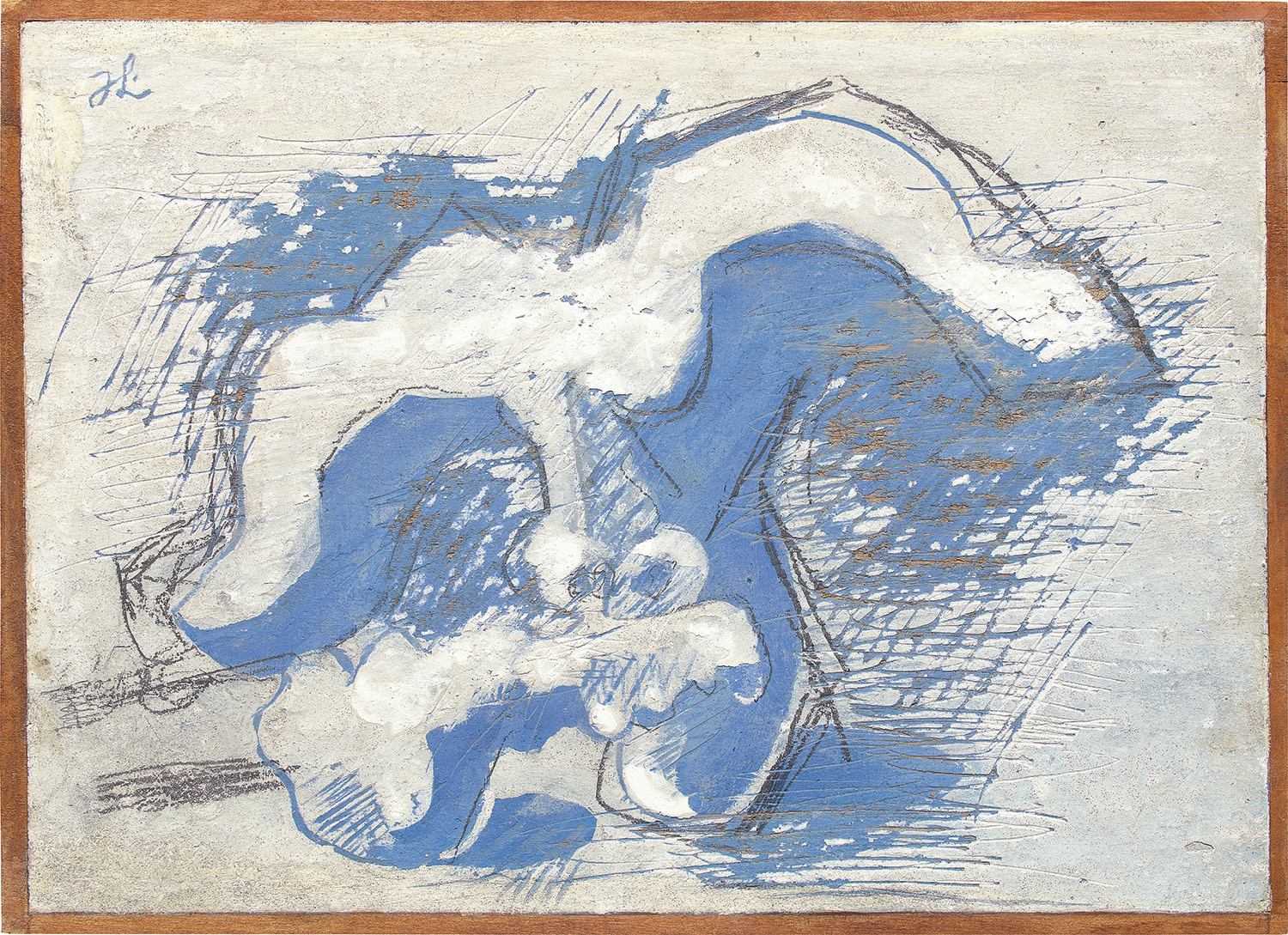
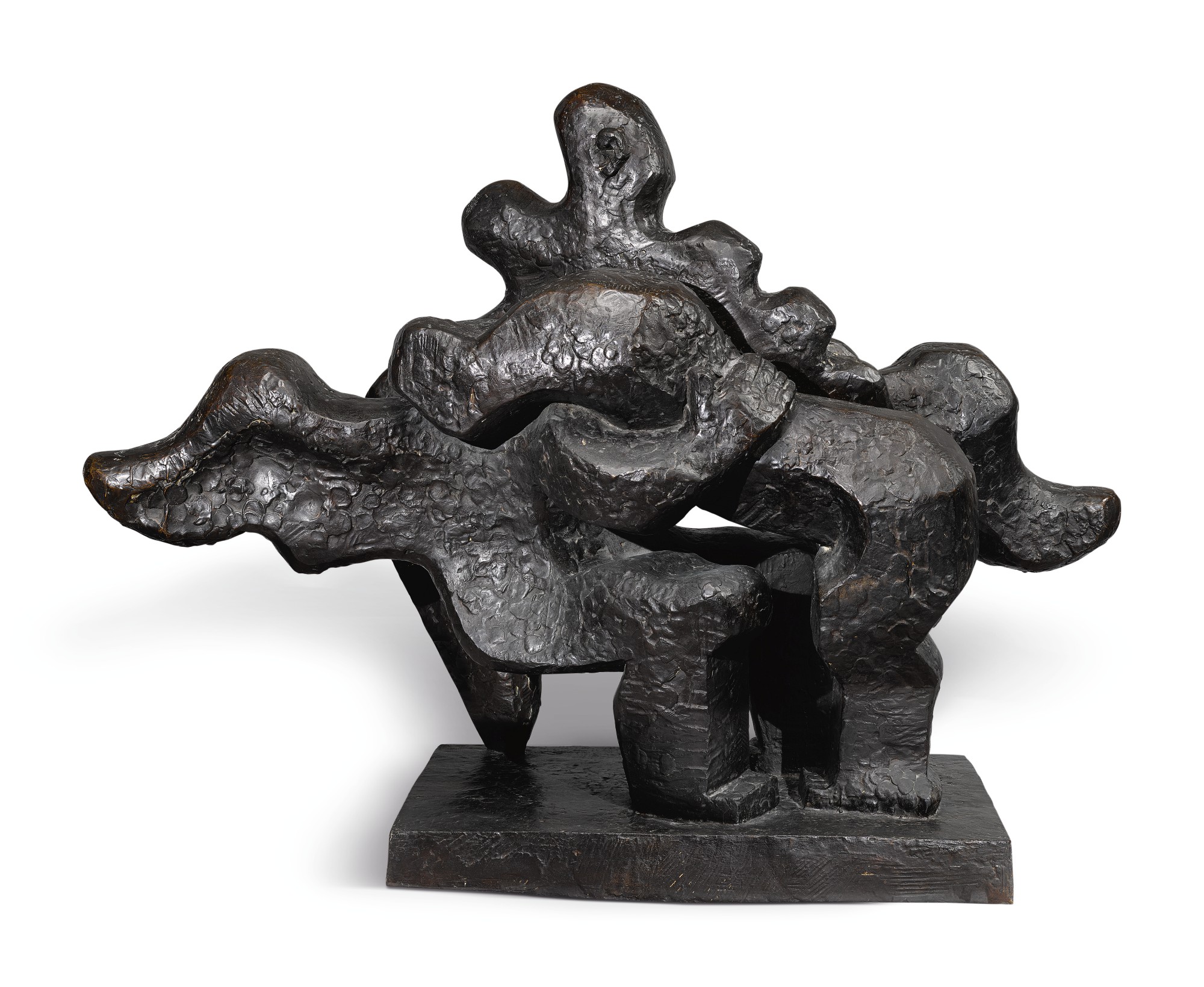
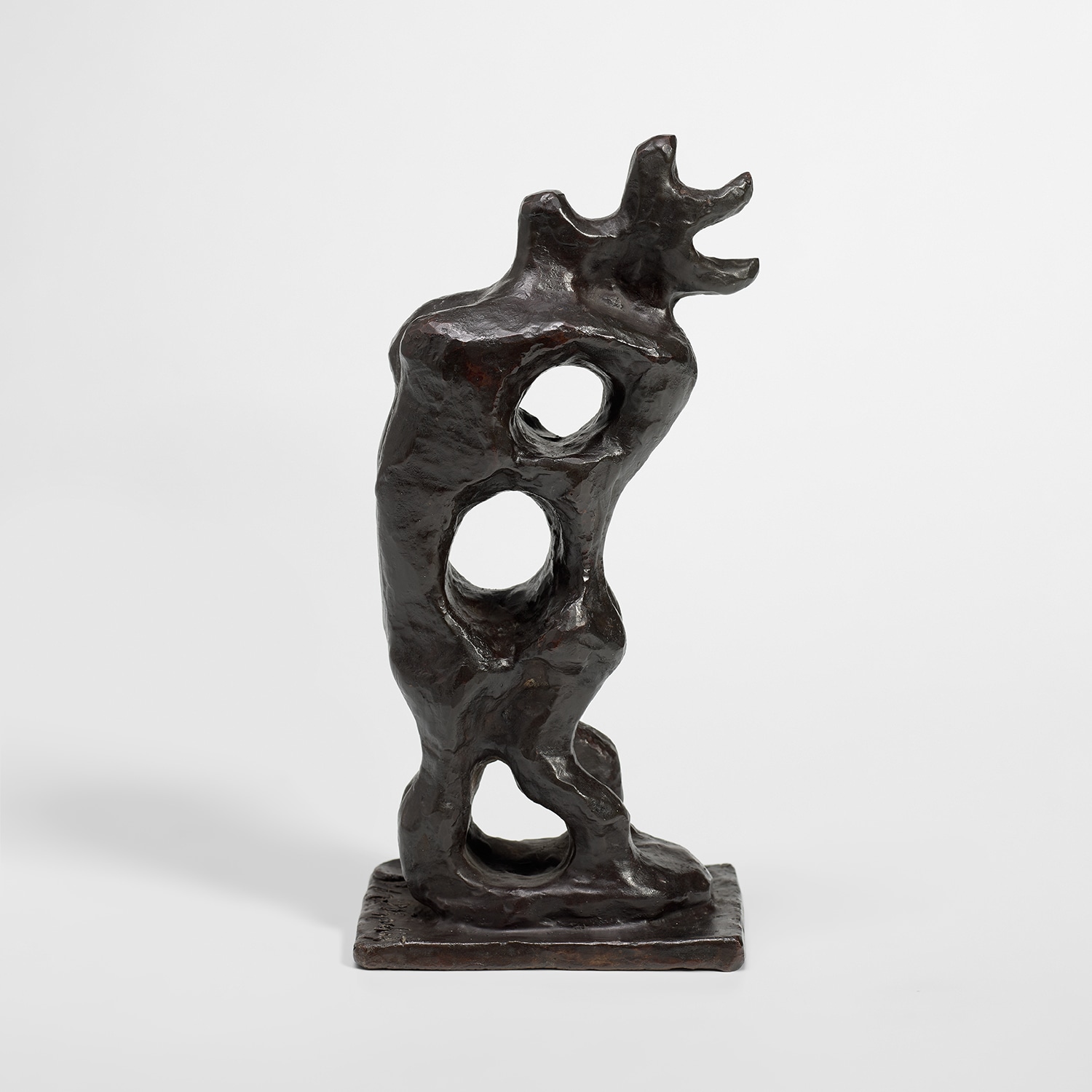
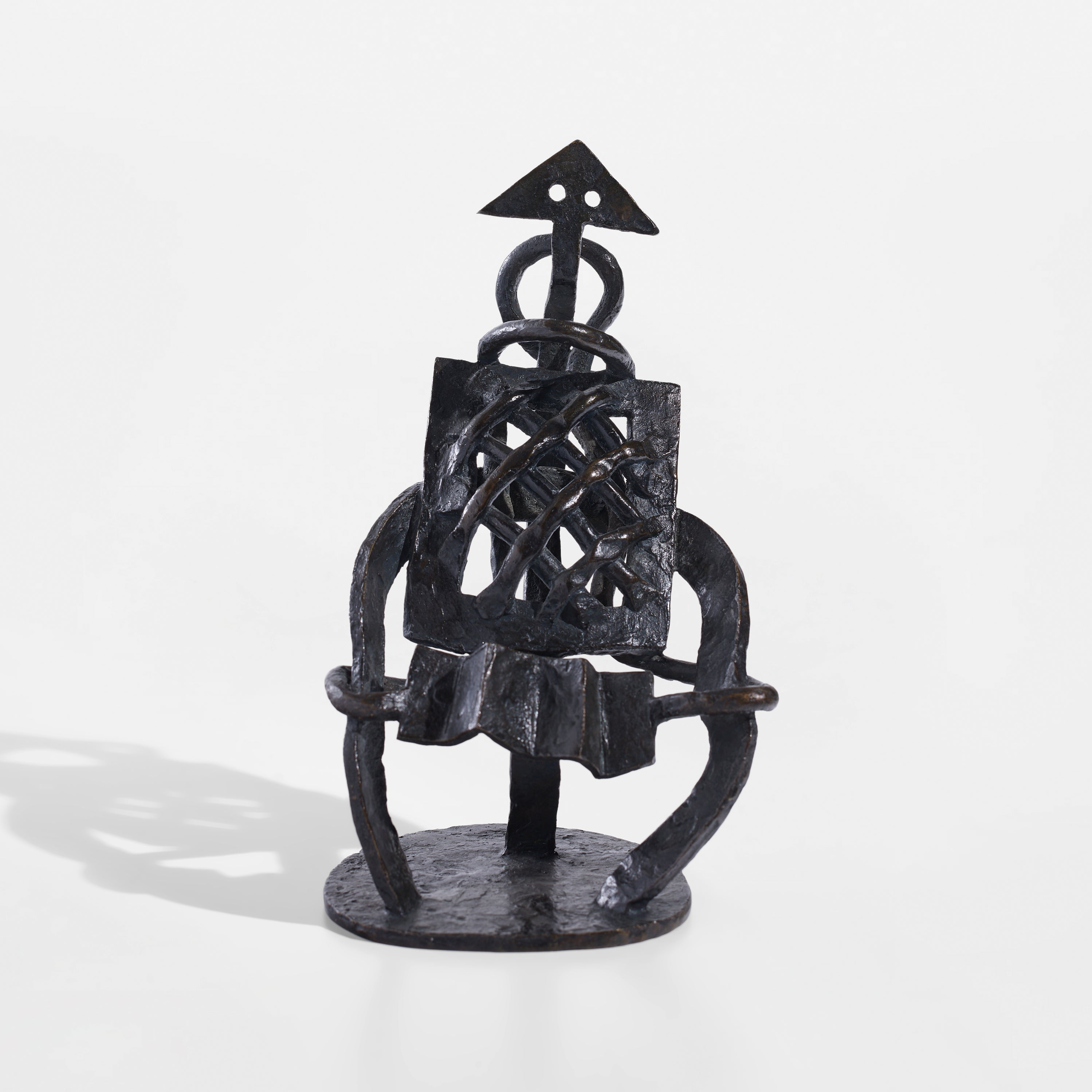
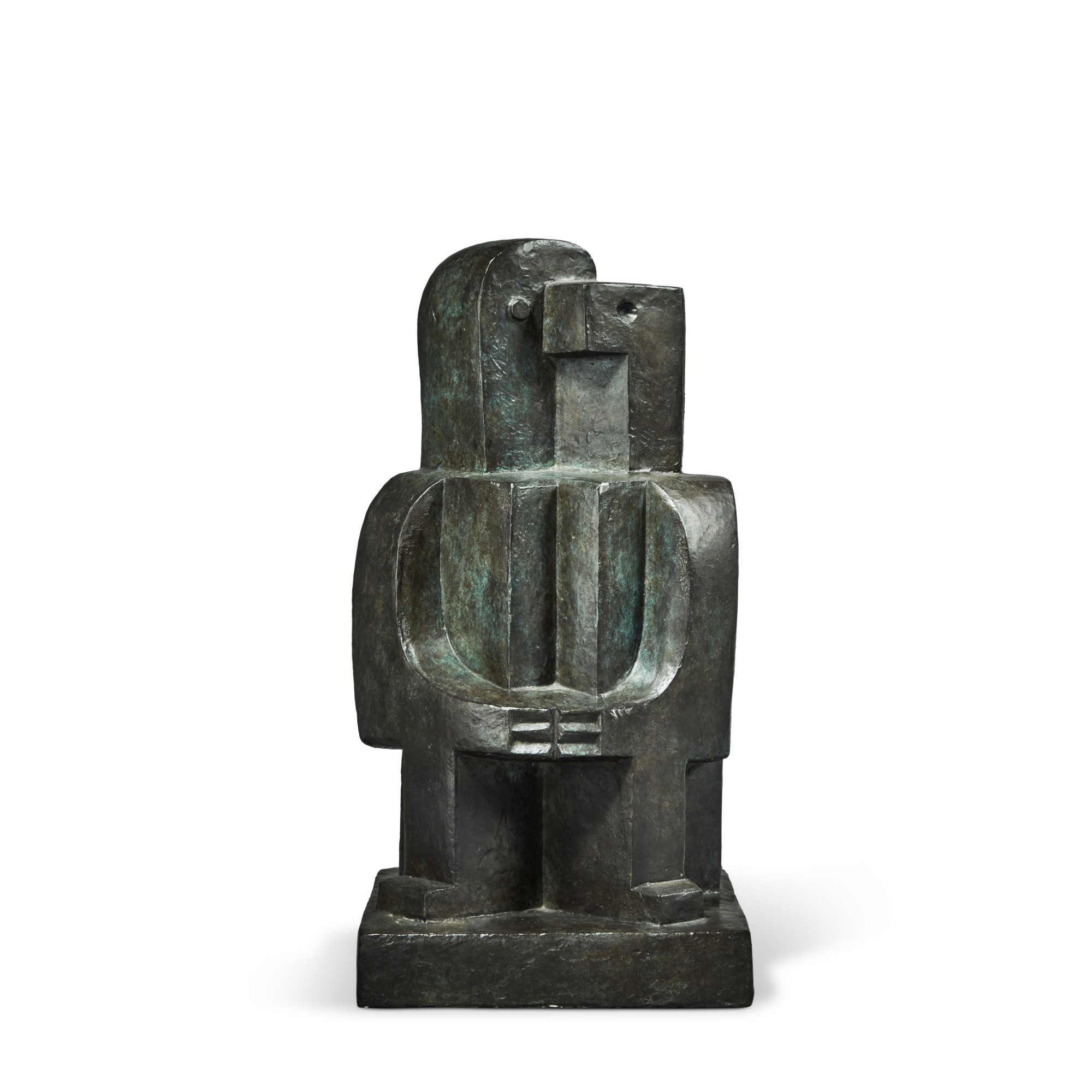
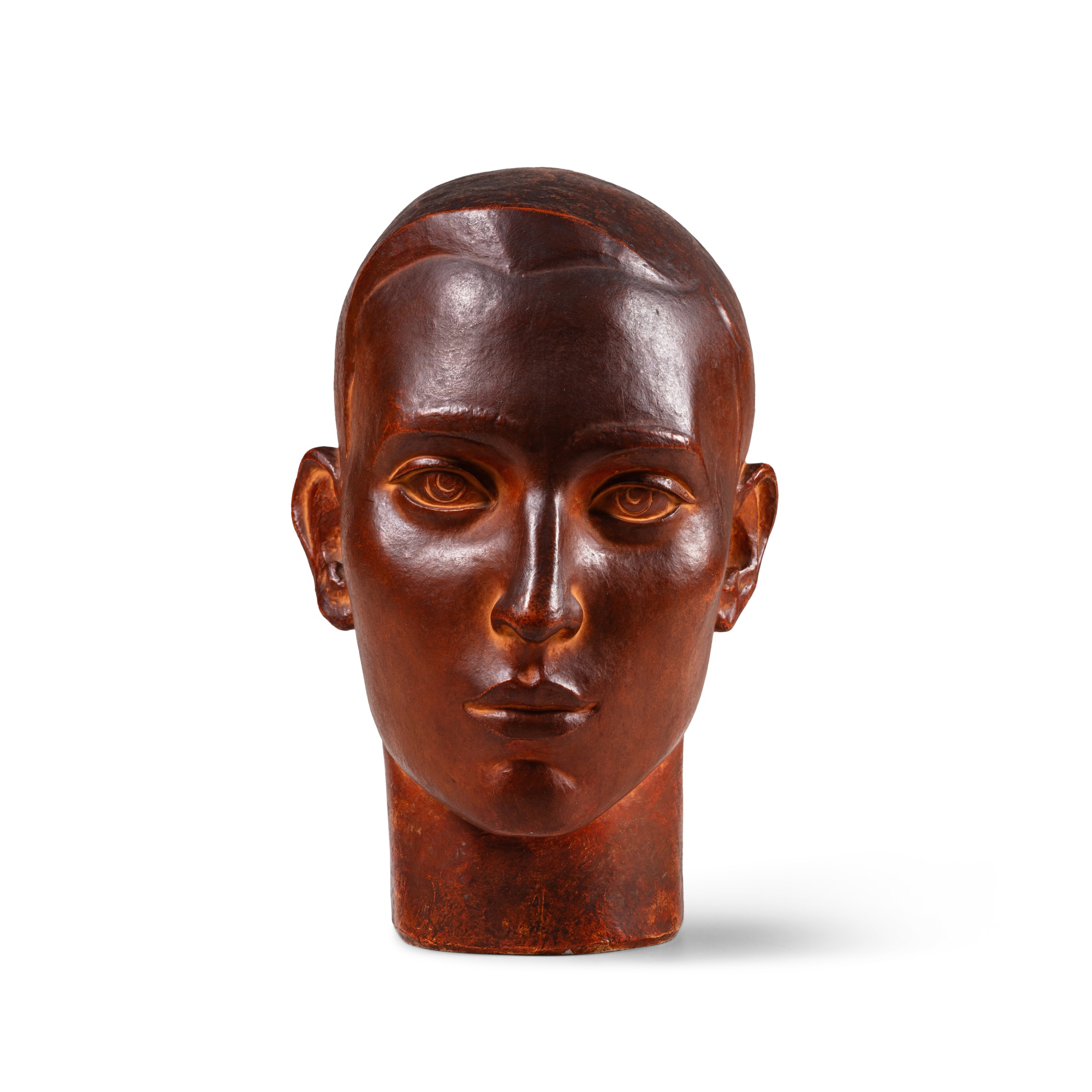
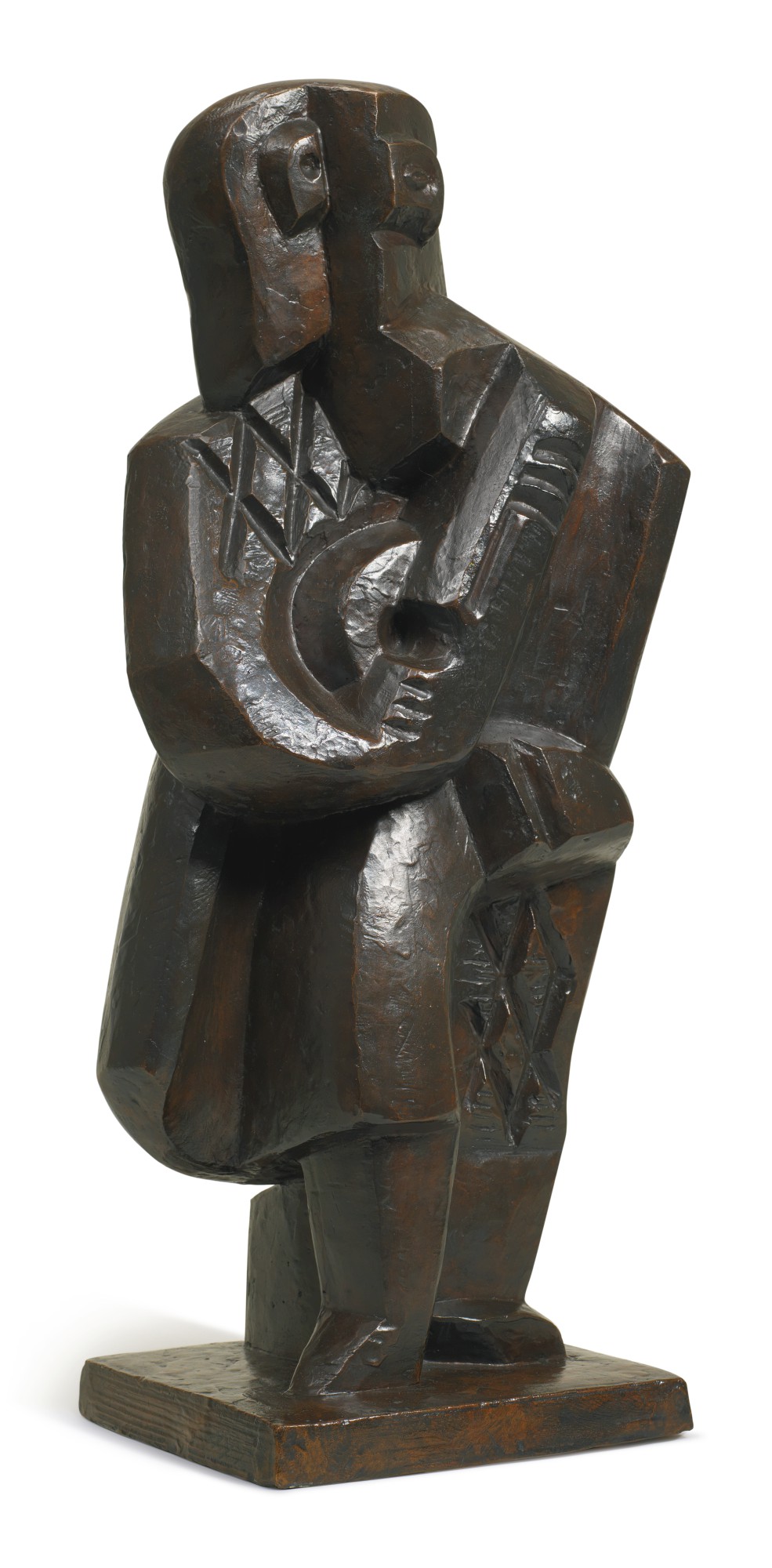
Jacques Lipchitz was a pioneering Cubist sculptor who played a crucial role in translating the principles of Cubism into three-dimensional form. Born Chaim Jacob Lipchitz in Druskininkai, Lithuania, he moved to Paris in 1909 where he studied at the École des Beaux-Arts and the Académie Julian. By 1913, he had met Juan Gris, Pablo Picasso, and other members of the Cubist circle, becoming one of the first sculptors to apply Cubist principles to his work. His early sculptures from the 1910s and 1920s featured geometric fragmentation and multiple viewpoints, creating works that were as revolutionary in sculpture as Picasso's paintings were in two dimensions. Notable works from this period include "Man with a Guitar" (1915) and "Bather" (1917), which exemplify his analytical approach to breaking down forms into crystalline, interconnected planes. In the late 1920s, Lipchitz's work evolved toward a more organic, baroque style he called "transparent sculptures," featuring open, flowing forms and mythological themes. Works like "Figure" (1926-30) demonstrated his interest in creating dynamic movement through negative space and intertwining elements. His subject matter increasingly drew from biblical and mythological sources, reflecting his Jewish heritage and concerns about rising fascism in Europe. After fleeing Nazi-occupied France in 1941, he settled in New York, where he continued to produce monumental sculptures that combined modernist abstraction with humanistic themes. Major works from his American period include "The Spirit of Enterprise" for the Fairmount Park Art Association in Philadelphia and "Government of the People" at the Municipal Court Building in Philadelphia. Lipchitz's significance lies in his masterful synthesis of Cubist innovation with expressive, emotional content, bridging the gap between early modernist abstraction and the more humanistic concerns of mid-century sculpture. His work influenced generations of sculptors and helped establish sculpture as equal to painting in the modernist revolution. Major retrospectives of his work have been held at the Museum of Modern Art, the Metropolitan Museum of Art, and internationally. His sculptures are held in virtually every major museum collection worldwide, and he is recognized as one of the most important sculptors of the 20th century, whose technical virtuosity and philosophical depth continue to resonate with contemporary audiences.
Artists in conversation