
Maurice Denis
31
Works
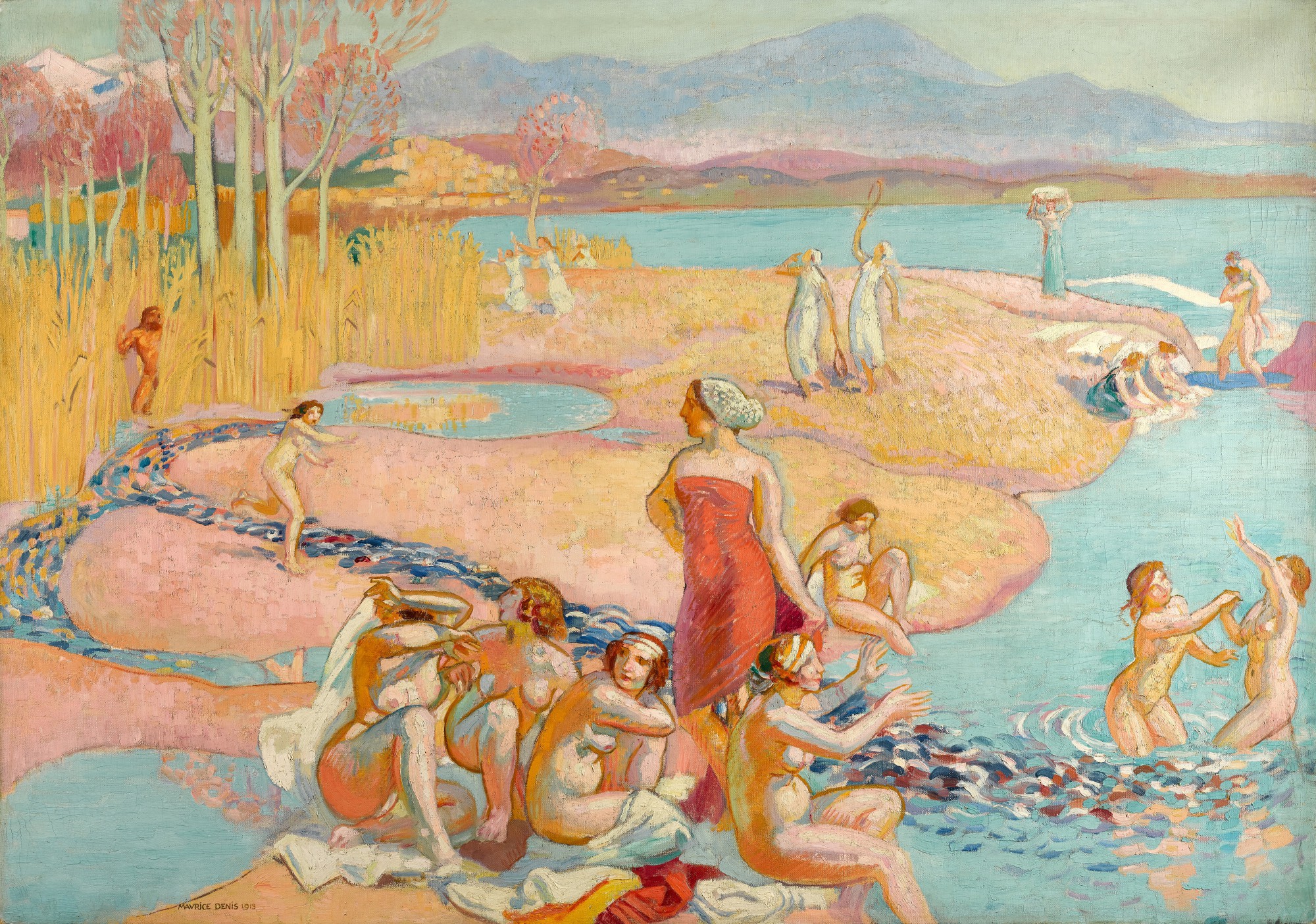
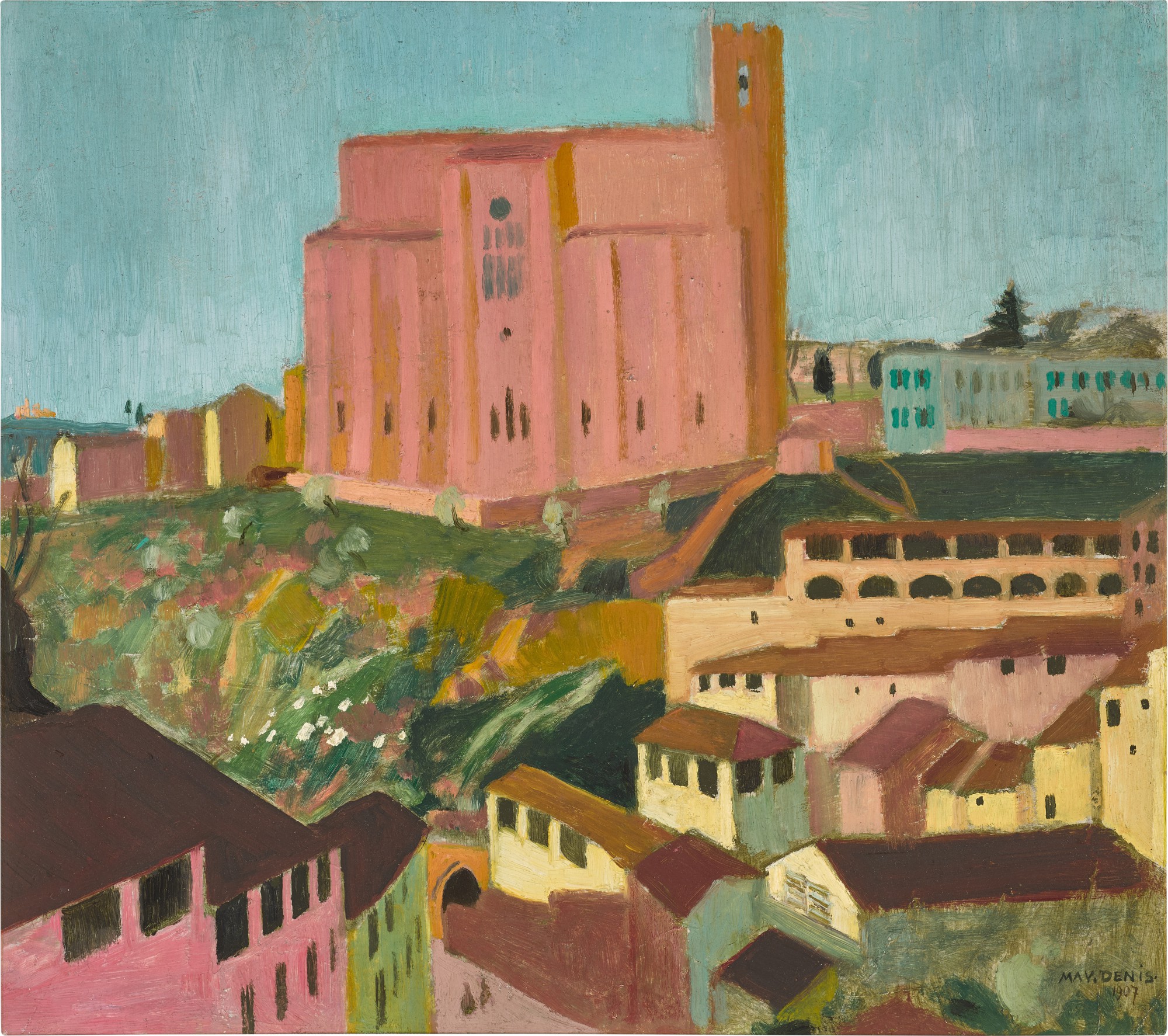
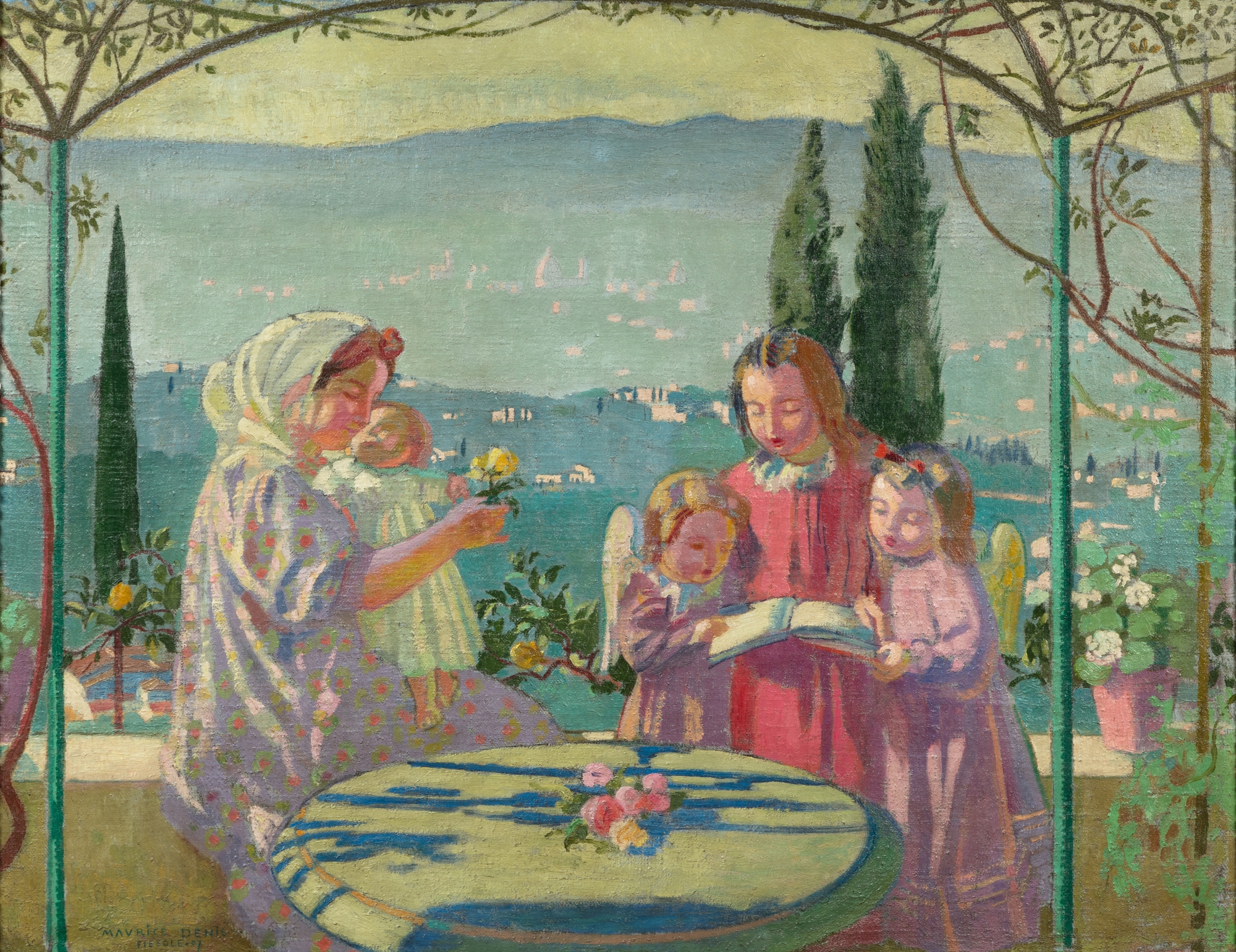
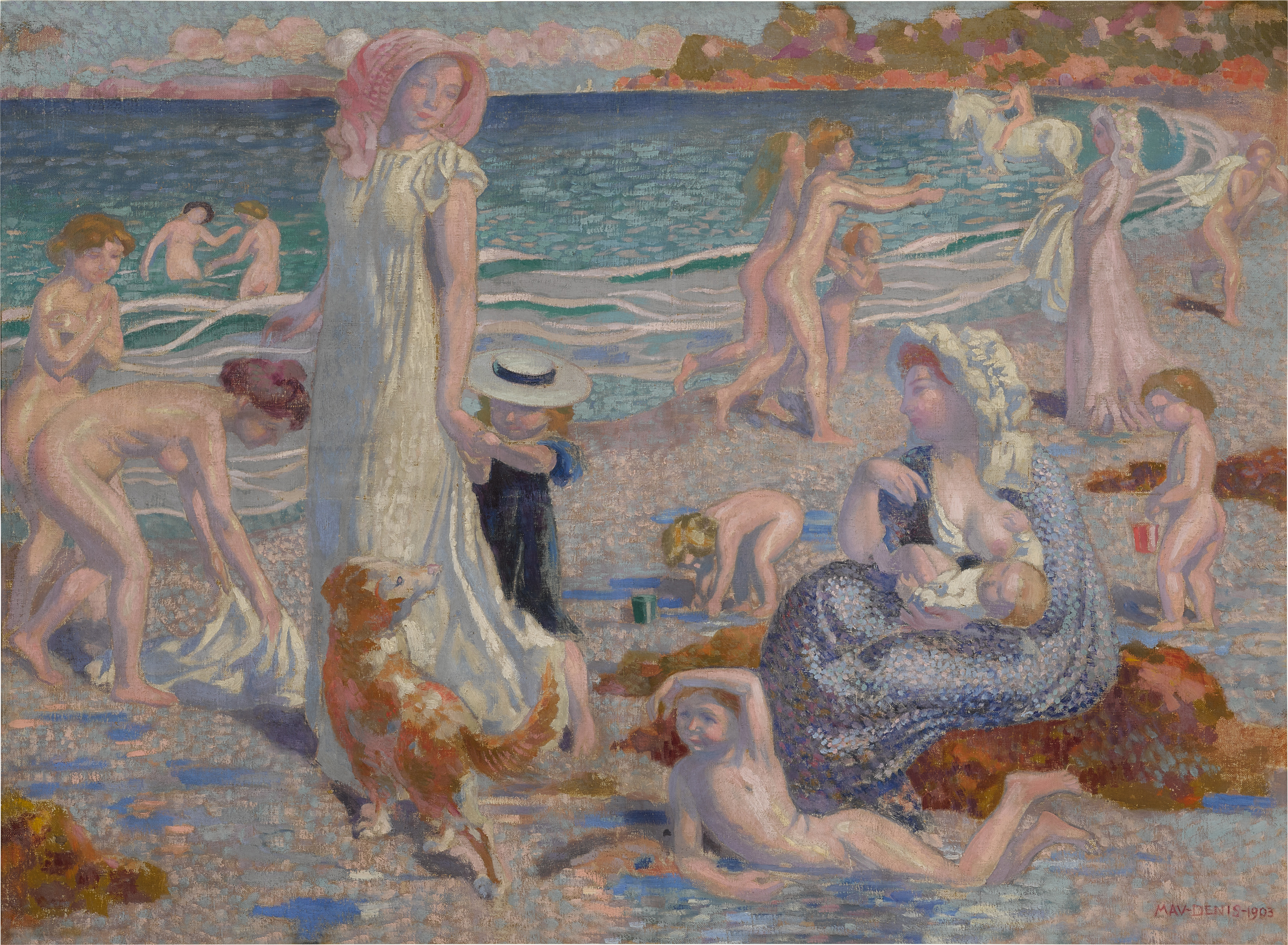
Maurice Denis was a French painter, decorative artist, and writer who played a pivotal role in the transition from Impressionism to modern art. A founding member of the Nabi group in 1888, Denis famously declared that "a picture, before being a battle horse, a nude woman, or some anecdote, is essentially a flat surface covered with colors assembled in a certain order." This revolutionary statement anticipated much of twentieth-century abstract art theory. His work was characterized by flat planes of color, simplified forms, decorative patterns, and spiritual symbolism, drawing inspiration from medieval and early Renaissance art, Japanese prints, and the Symbolist movement. Denis was deeply religious, and much of his work explored Christian themes with a modern sensibility. Denis's artistic output was remarkably diverse, encompassing easel paintings, murals, stained glass windows, book illustrations, and theatrical designs. Notable works include "The Muses" (1893), "Catholic Mystery" (1889), and his decorative panels for private collectors and public spaces, including the Théâtre des Champs-Élysées in Paris. He was commissioned to create religious works for numerous churches and chapels, including the Chapelle du Prieuré at Saint-Germain-en-Laye, which he purchased in 1914 and transformed into both his home and a gesamtkunstwerk of sacred art. His theoretical writings, particularly "Théories" (1912), were highly influential in shaping early modernist discourse. As a teacher and theorist, Denis significantly influenced younger generations of artists and helped shape the development of modern painting in France. He taught at the Académie Ranson and later founded the Ateliers d'Art Sacré with Georges Desvallières in 1919, dedicated to the renewal of religious art. His emphasis on the autonomous nature of painting, the decorative qualities of color and form, and the spiritual dimensions of art resonated through twentieth-century movements including Fauvism and early abstraction. Denis remained committed throughout his career to reconciling modernist formal innovations with classical tradition and Catholic faith, making him a unique bridge figure between nineteenth-century Symbolism and twentieth-century modernism.
Collectors

Also spotted by
Artists in conversation