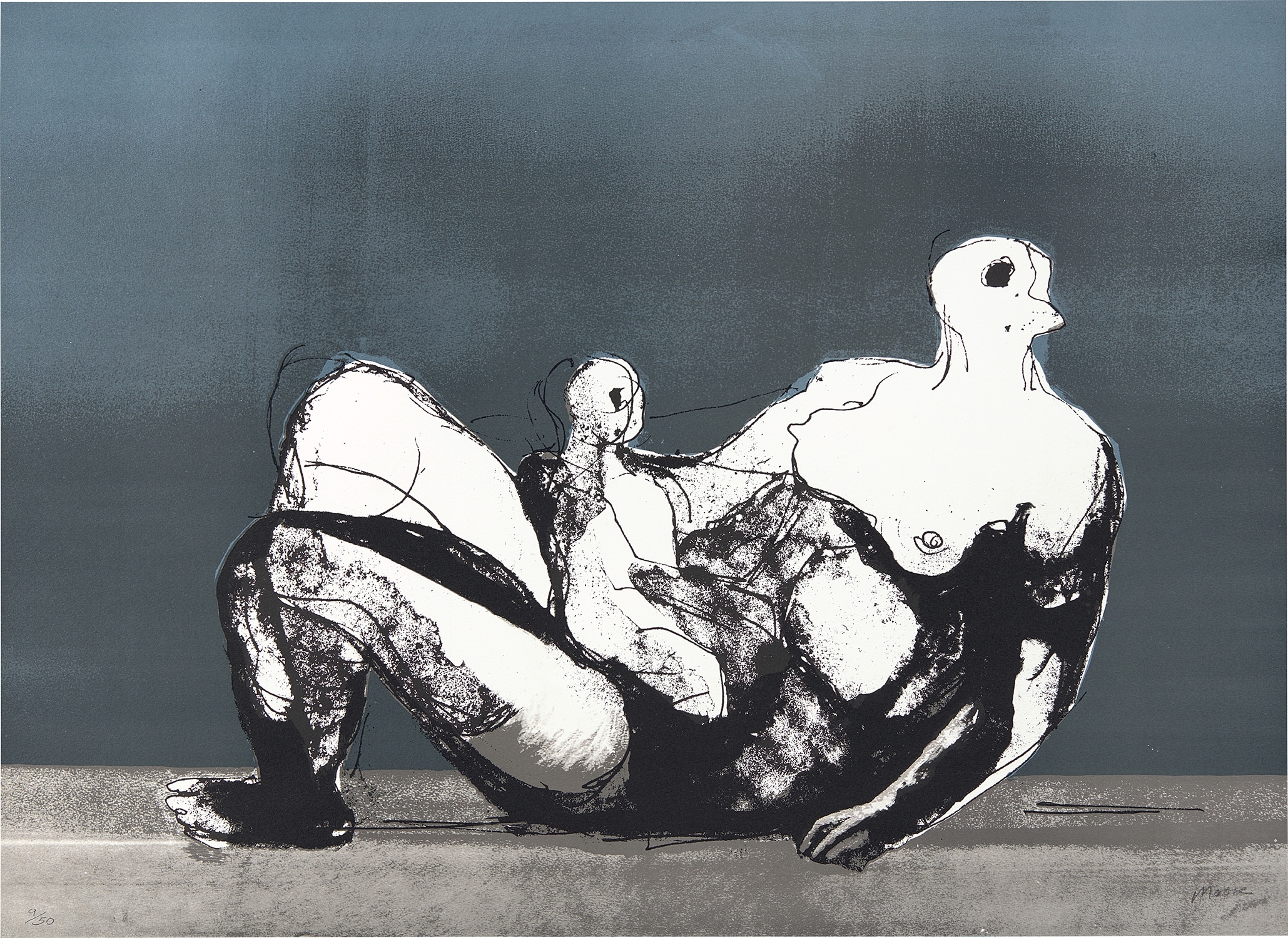
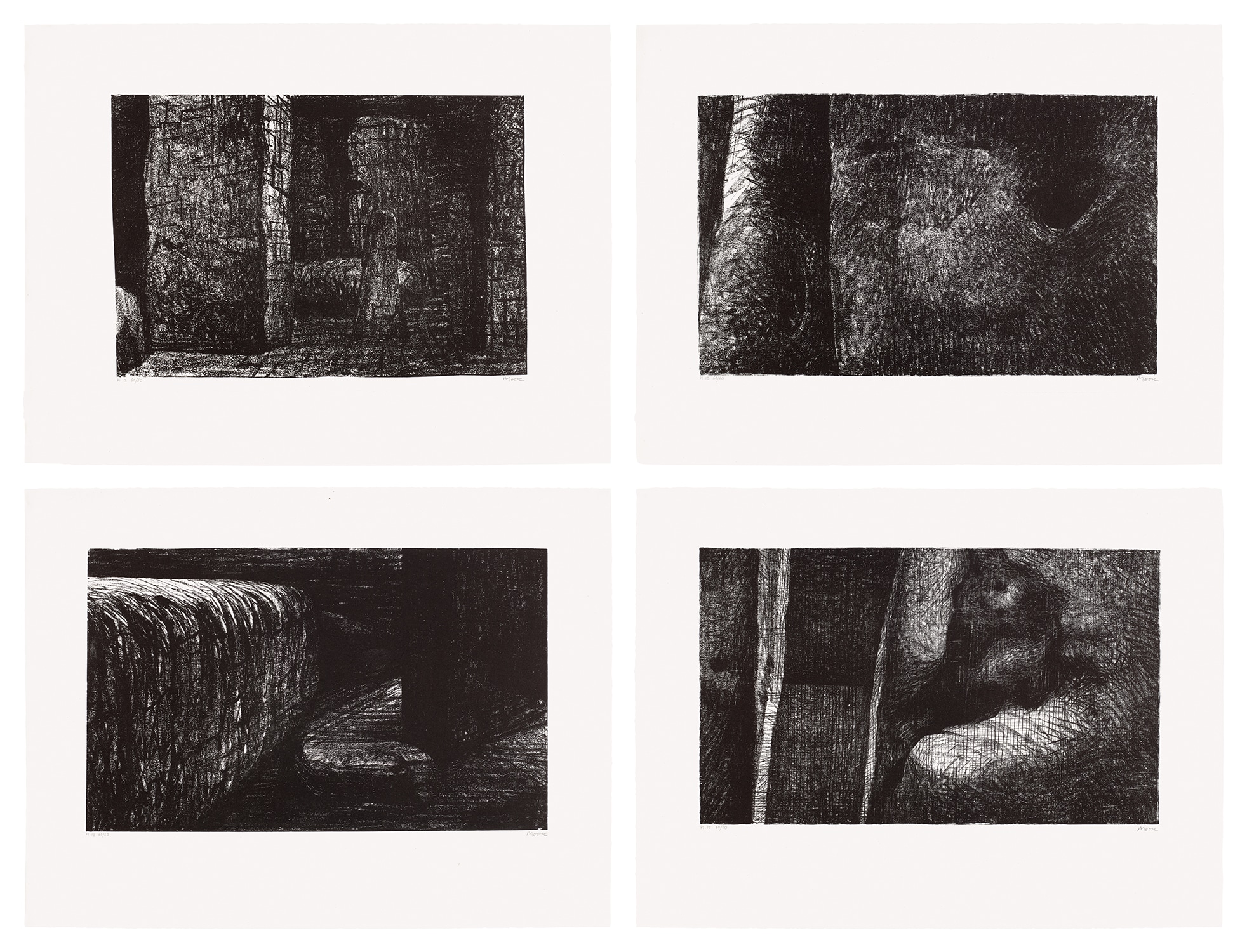
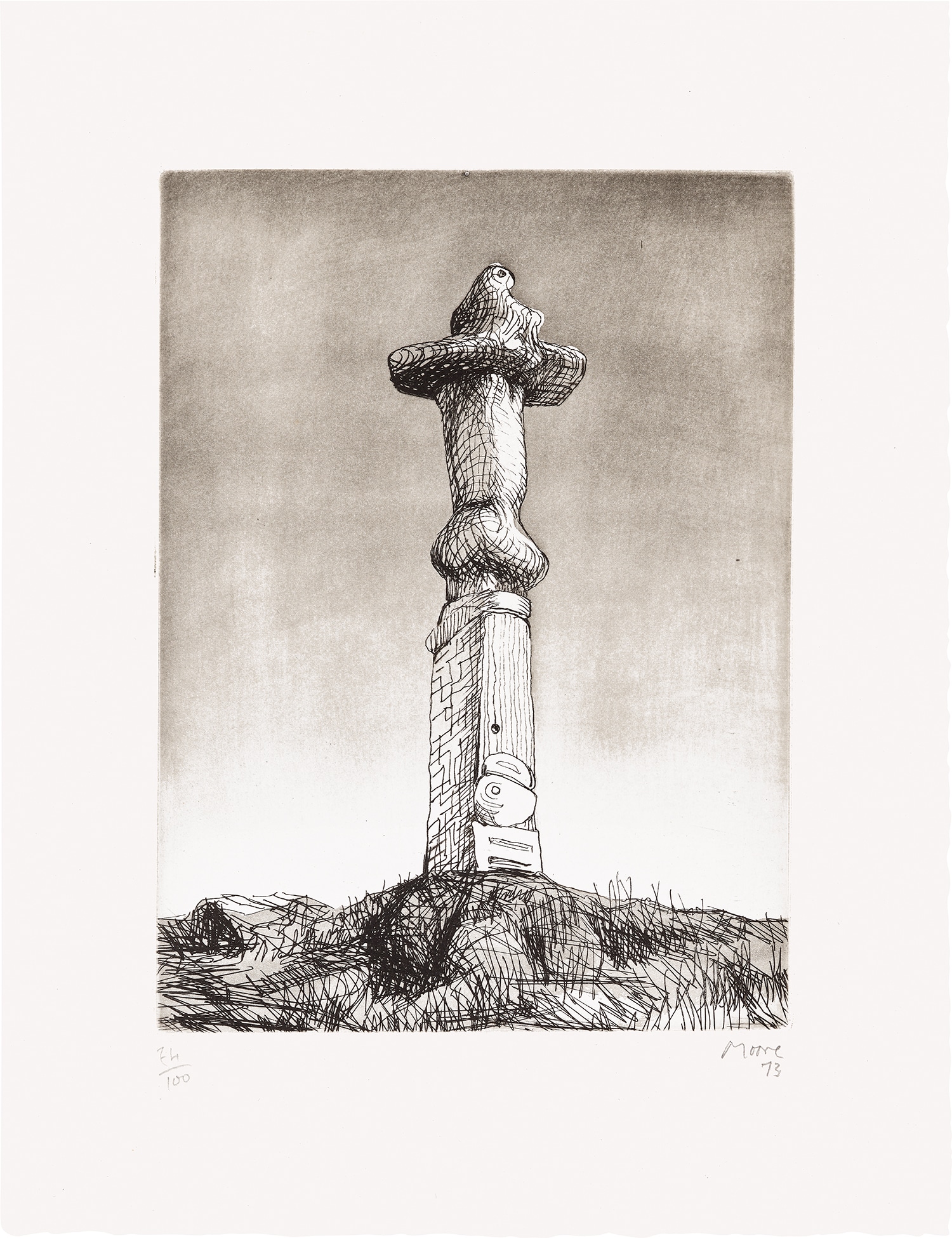
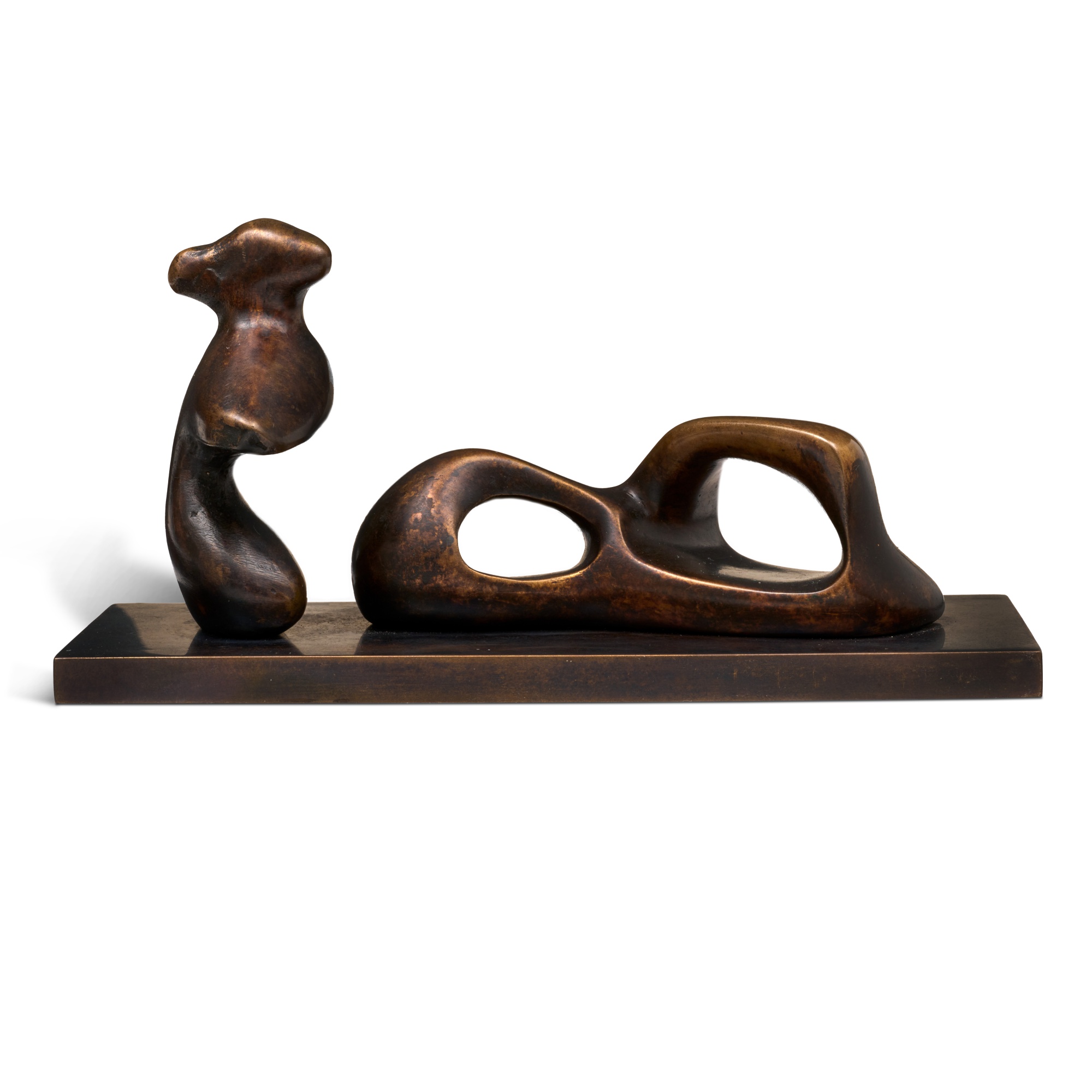
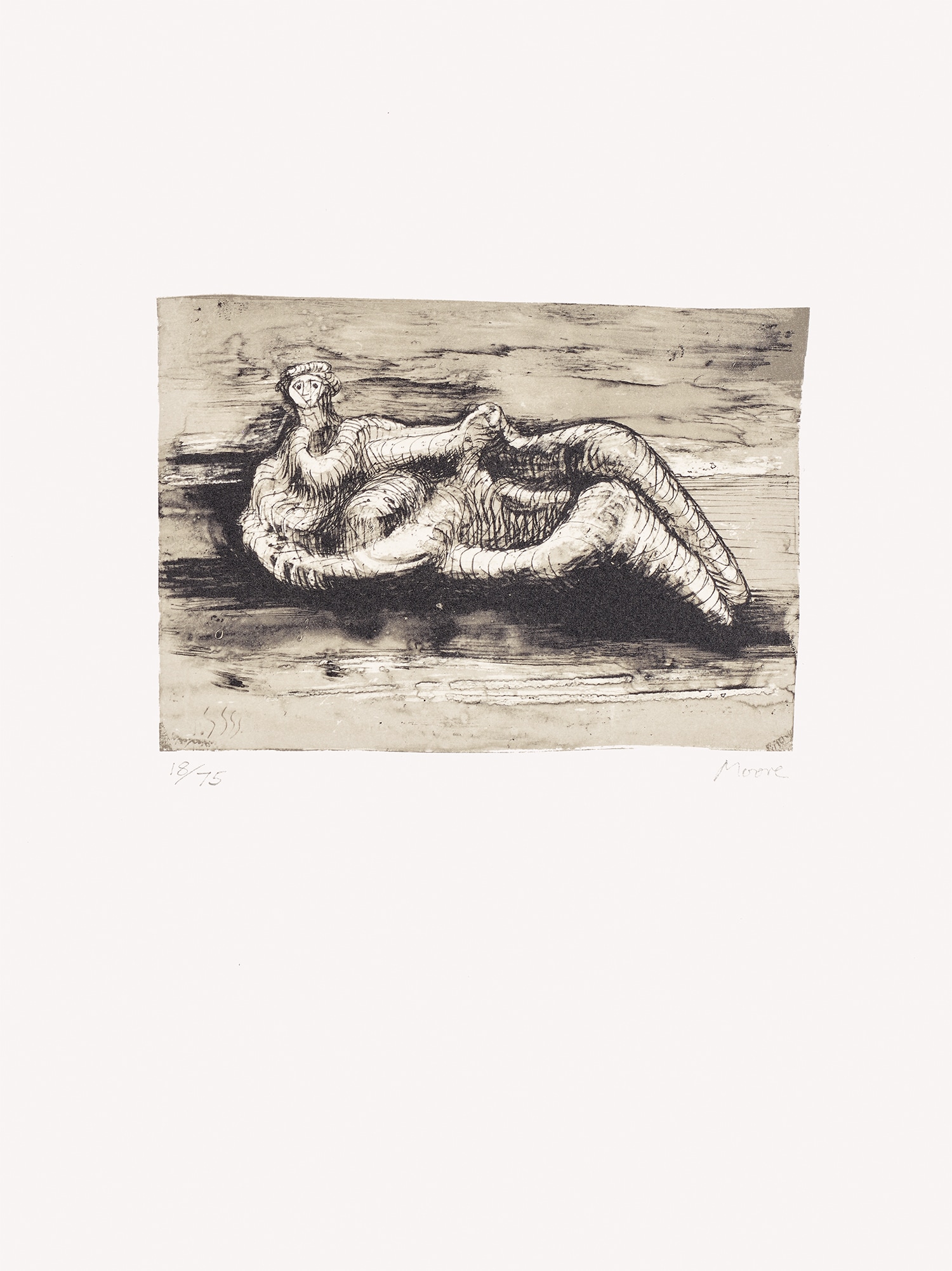
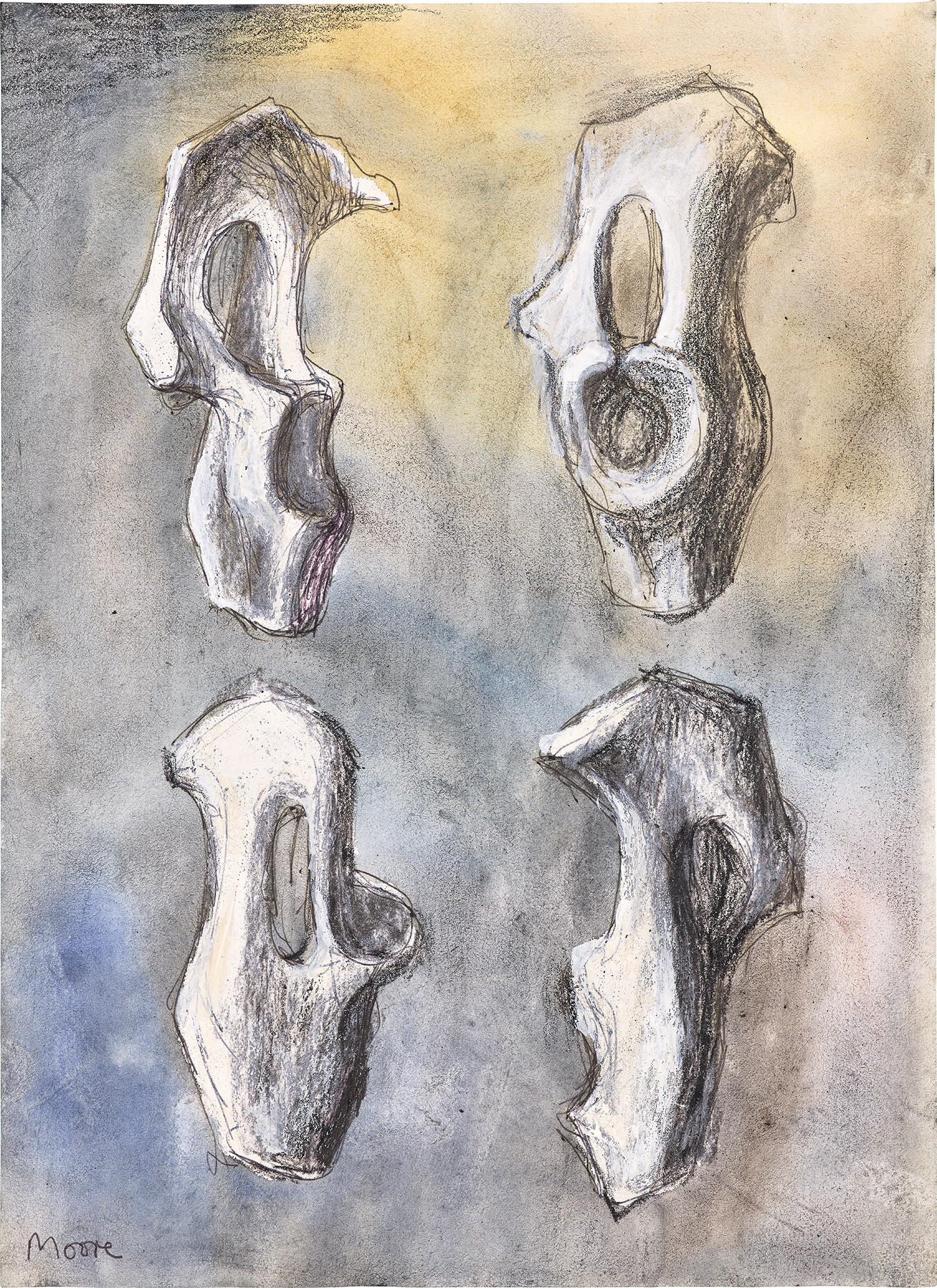
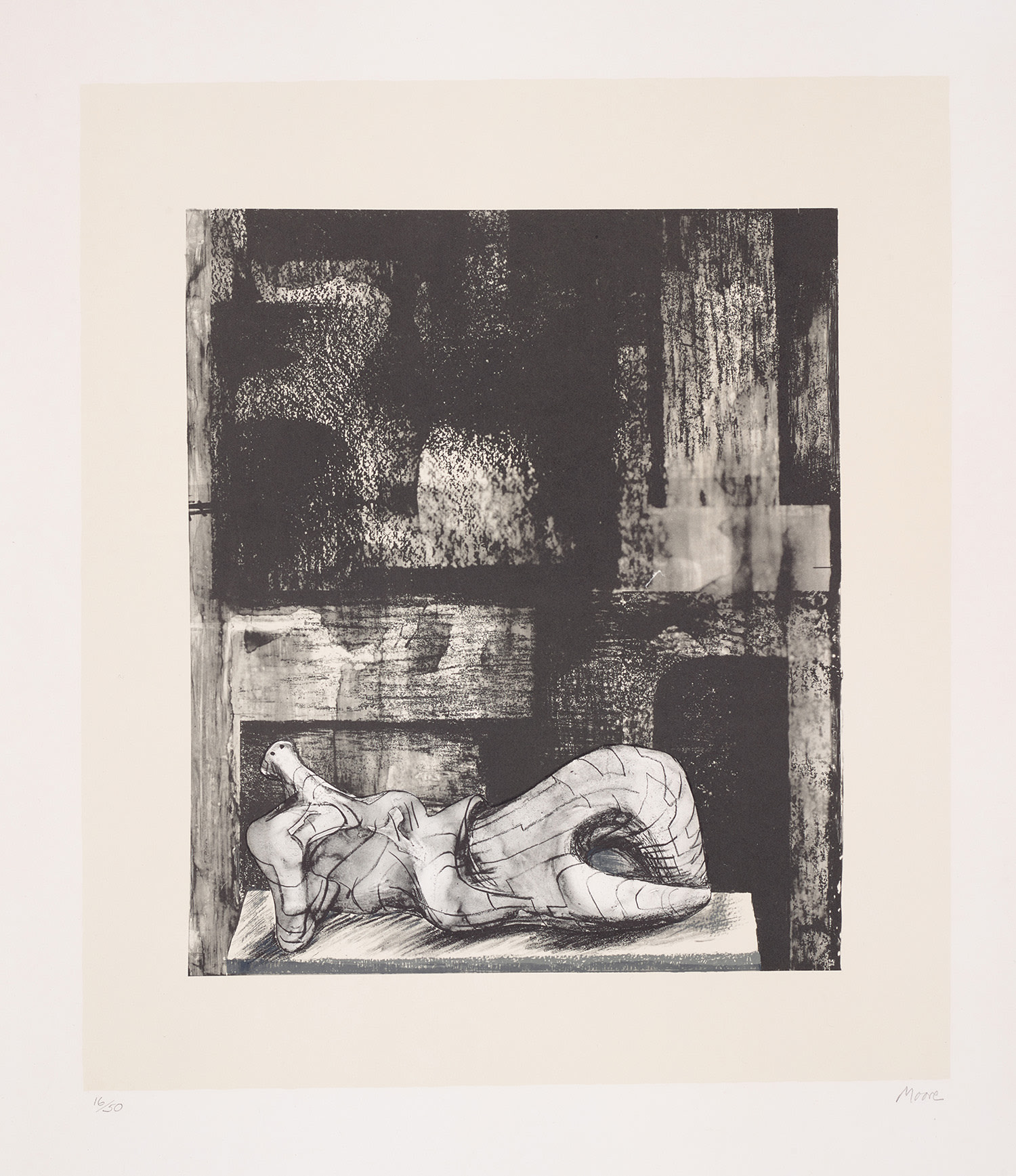
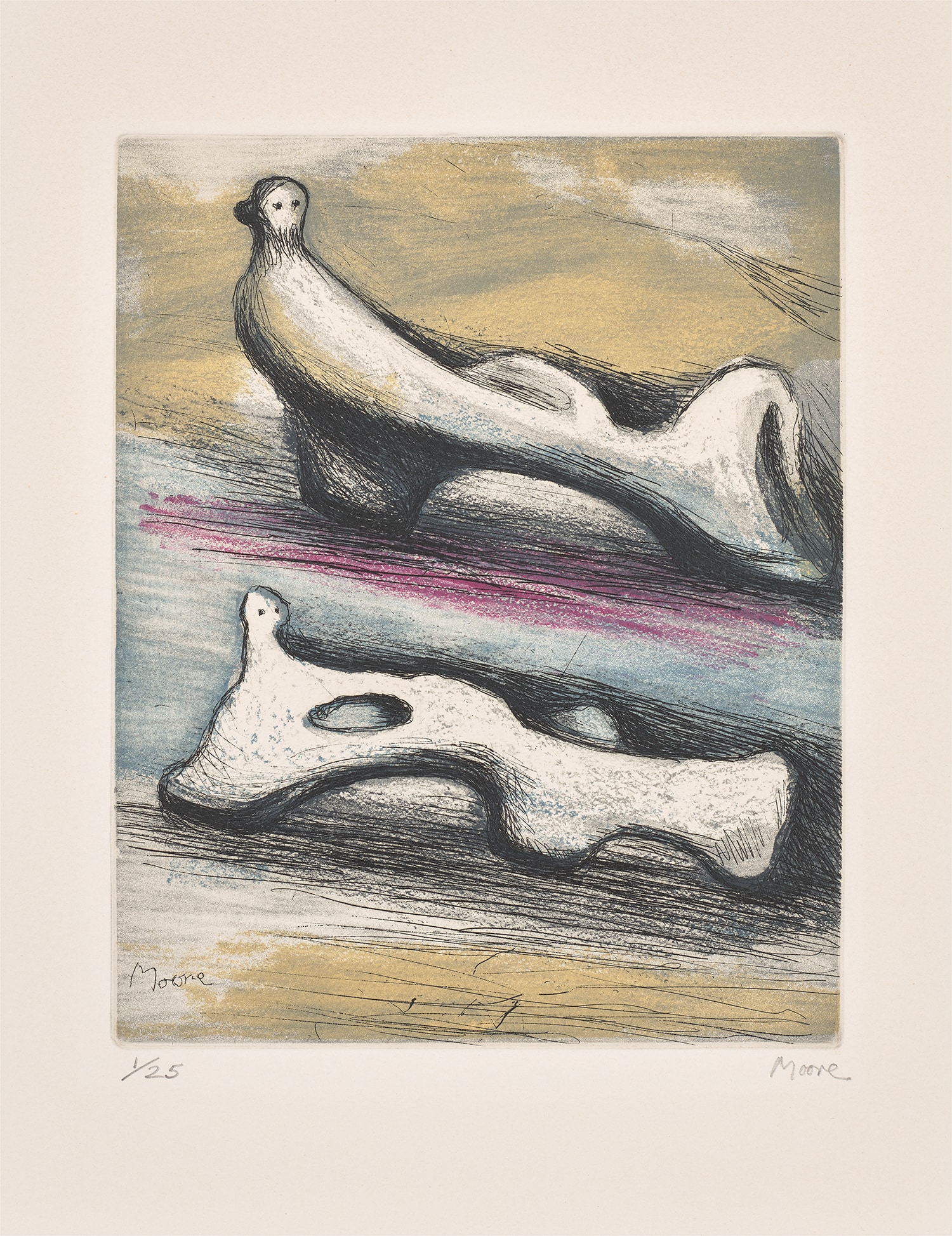
In the summer of 2023, the Henry Moore Foundation celebrated fifty years of its work preserving and promoting one of the twentieth century's most transformative artistic legacies. Perry Green, the Hertfordshire estate where Moore lived and worked for the last forty years of his life, continues to draw pilgrims from around the world, sculptors and collectors alike walking among the monumental bronzes as they rest in the landscape Moore so lovingly arranged for them. It is a fitting tribute to an artist who believed, with quiet certainty, that sculpture belonged not in the white cube but in the open air, in dialogue with sky and earth and the passing of seasons. That this belief now shapes how we think about public art in every major city on earth is testament to the depth and durability of his vision. Henry Spencer Moore was born on July 30, 1898, in Castleford, Yorkshire, the seventh of eight children of Raymond Spencer Moore, a coal miner who harbored fierce ambitions for his children's education. The landscape of West Yorkshire, marked by the rhythms of industry and the sweeping moorland beyond, left an indelible impression on the young Moore. He has spoken often of watching his mother rub liniment into her back as a child, a memory that would echo through decades of his most celebrated work. He won a scholarship to the Leeds School of Art in 1919 after serving in the British Army during the First World War, and from there secured a Royal Exhibition Scholarship to the Royal College of Art in London in 1921. At the Royal College and through his voracious visits to the British Museum, Moore encountered the ancient sculptures of Mexico, Egypt, Africa, and pre Columbian Mesoamerica that would permanently reorient his artistic imagination. The Chacmool figure of ancient Mexico, a reclining deity with a flat stomach used as an offering table, entered his consciousness and never left. He later traveled to Italy on a Royal College traveling scholarship in 1925, where he studied Renaissance masters, though it was the non Western collections in London that proved more formative. By the late 1920s, Moore had rejected the smooth academic tradition and was carving directly in stone and wood, a practice that placed the material itself at the center of the creative act. His appointment as a teacher at the Royal College and later at the Chelsea School of Art gave him financial stability while he developed a personal language that was unlike anything being made in Britain at the time. The 1930s brought Moore fully into the orbit of European modernism. He became associated with the English Surrealist movement and participated in the International Surrealist Exhibition held in London in 1936. He forged friendships with Barbara Hepworth and Ben Nicholson, and the three formed a nucleus of advanced thinking in British sculpture and painting centered around their time in Hampstead. Yet Moore's relationship to abstraction was always tempered by his devotion to the human figure. Even his most formally daring work from this period retained a bodily warmth, a sense of breath and weight. When the Second World War came, Moore was appointed an official war artist, and his celebrated Shelter Drawings, made between 1940 and 1941 in response to Londoners sheltering in Underground stations during the Blitz, revealed an unexpected tenderness and reportorial power. These works brought him a wide public audience for the first time and established him as an artist of conscience as well as formal ambition. The signature works that define Moore's legacy are almost inseparable from two great obsessions: the reclining figure and the mother and child. His reclining figures, produced across five decades in stone, bronze, and on paper, explore the body as landscape, the torso rising and falling like hills, cavities opening like valleys. The Two Piece Reclining Figure series, begun in 1959, pushed this metaphor toward its most radical expression, the body literally separated into components that rest in conversation with each other. Works such as Reclining Figure: Matrix from 1976 show Moore still refining and deepening this vocabulary well into his later career, the bronze surface carrying years of accumulated thought. The mother and child theme, present from his earliest carvings, reaches perhaps its most intimate expression in works like Mother with Child on Knee from 1956, where the formal relationship between the two figures carries an almost architectural tenderness. These are not sentimental images but structural investigations into dependency, protection, and love. For collectors, Moore's work offers an exceptionally broad range of entry points. His printmaking practice, which he pursued with particular intensity from the 1970s onward in collaboration with master printers, produced a body of work in etching, lithography, and aquatint that is among the finest in postwar British art. Works such as the Seated Mother and Child etching and aquatint on Arches paper, and the luminous color lithographs including Reclining Figure on Barcham Green paper, demonstrate that his graphic work was never secondary to his sculpture but an independent exploration of the same forms and feelings. At auction, Moore's bronzes have consistently commanded strong attention at Christie's, Sotheby's, and Bonhams, with major pieces regularly achieving results in the millions. His works on paper and prints offer collectors the opportunity to engage with the full depth of his thinking at more accessible price points, and the quality and provenance of works available through dedicated platforms reflect a market that remains thoughtful and well supported. Moore's place in the broader history of twentieth century art is secured by his dialogue with the great figures of European modernism alongside his decisive influence on subsequent generations. He is a natural companion to Barbara Hepworth, whose own explorations of organic form and direct carving ran parallel to his through the 1930s and beyond. Collectors drawn to Moore often find themselves equally drawn to the work of Hepworth, Lynn Chadwick, and Reg Butler, all of whom shaped what became known internationally as the New British Sculpture. On a wider European scale, his conversation with the forms of Jean Arp and Alberto Giacometti places him squarely within the century's most searching investigations into what a human figure might mean in a world reshaped by war and modernity. Moore died on August 31, 1986, at Perry Green, having lived long enough to see his work become genuinely beloved across cultures and continents. The Henry Moore Foundation, which he established in 1977, continues its work of supporting sculpture and art education, ensuring that his legacy extends well beyond the objects themselves. His sculptures stand in the grounds of the UNESCO headquarters in Paris, outside the Lincoln Center in New York, and in dozens of public spaces where ordinary people encounter them daily without needing a catalogue entry to feel their power. That accessibility, that refusal to separate the profound from the felt, is ultimately what makes Moore not merely important but necessary. For collectors and lovers of art, engaging with his work is an invitation to understand the twentieth century through one of its most humane and searching minds.