Textured Surface
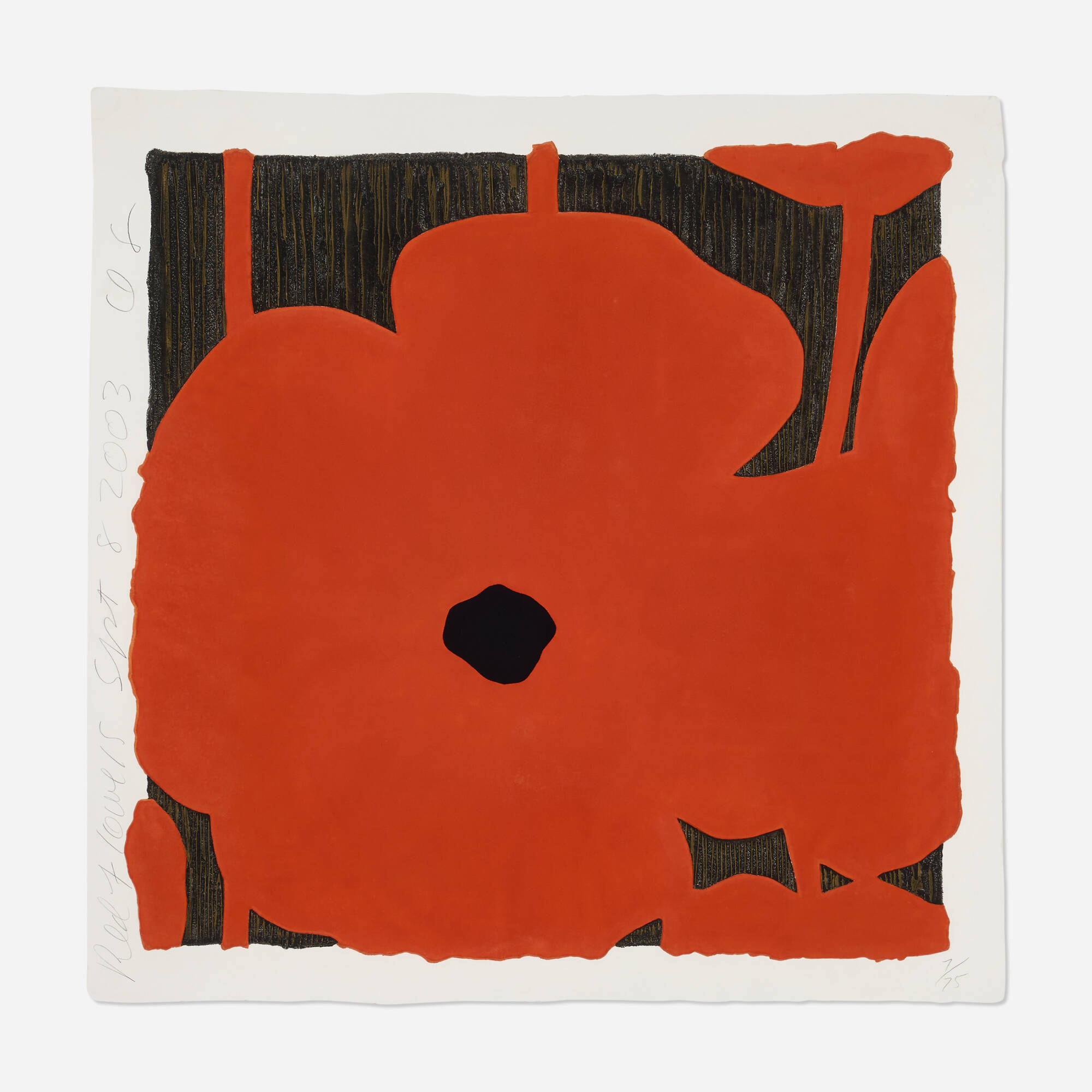
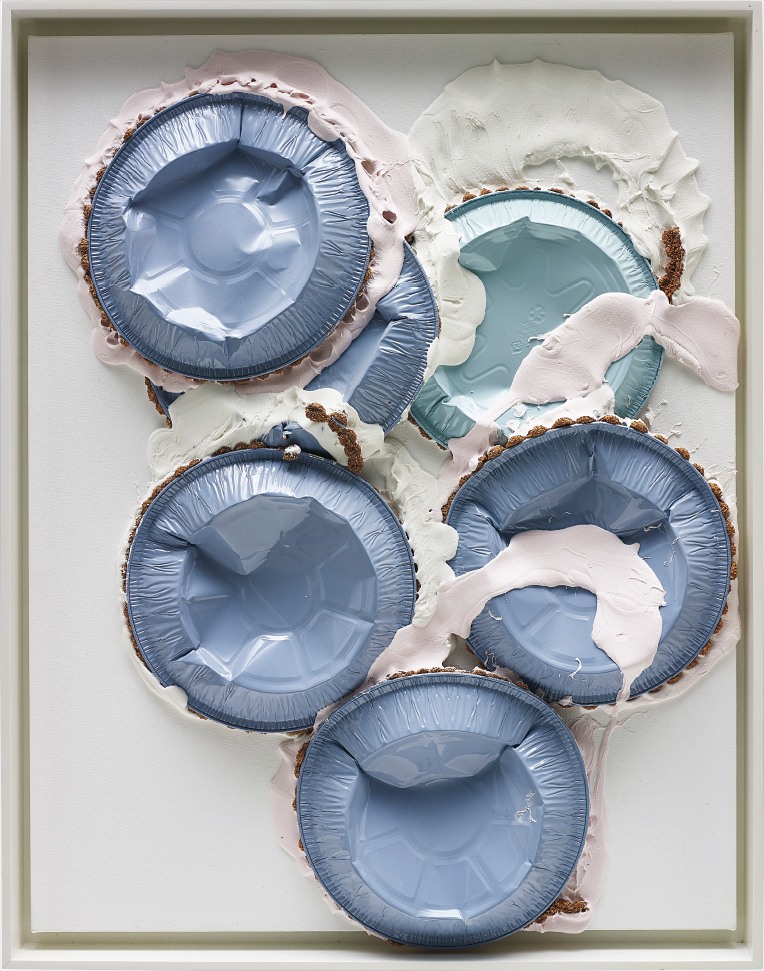
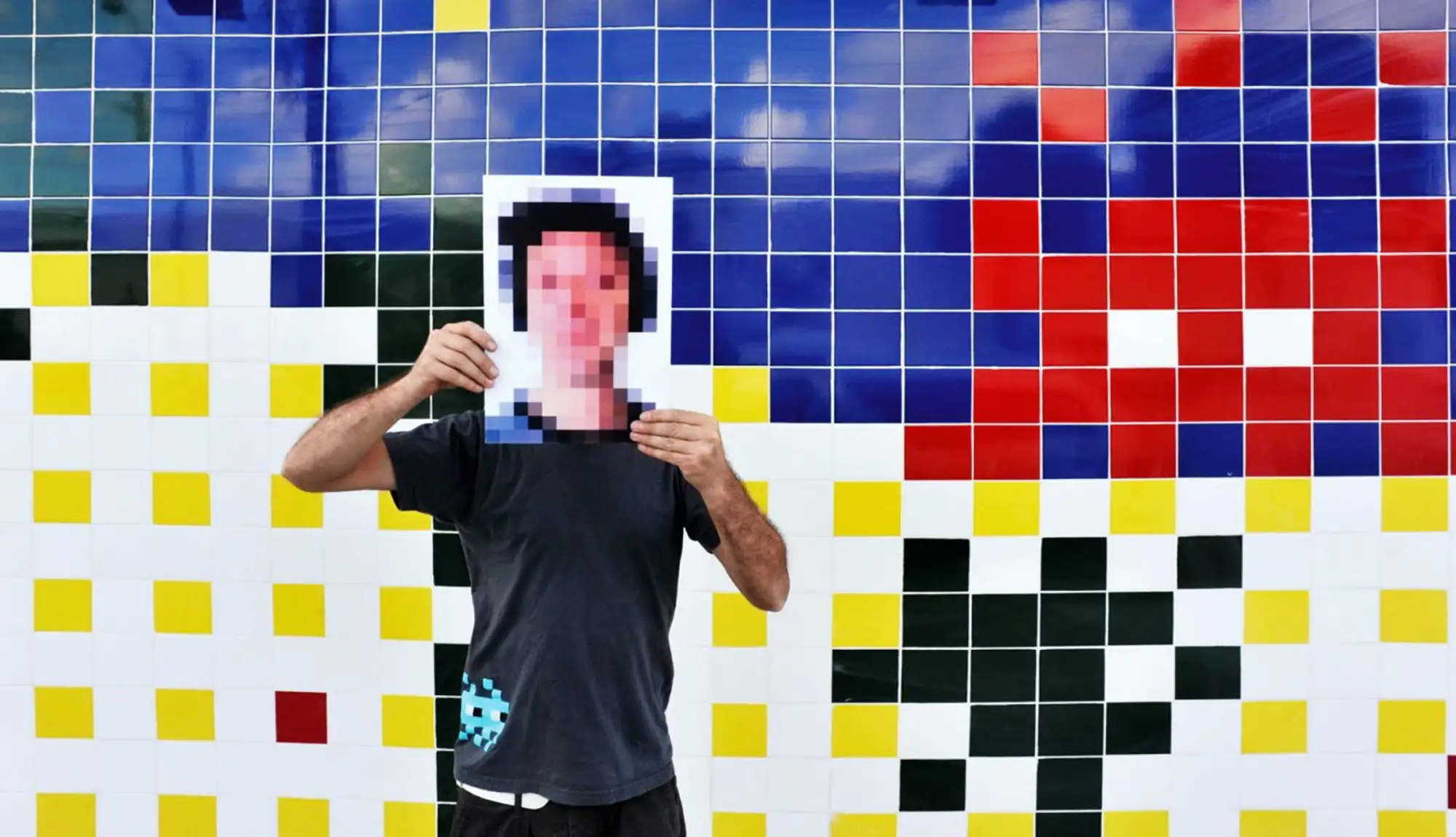
Donald Sultan
Red Flowers, 2003


The Art You Can Almost Feel
There is something almost primal about the pull of a heavily worked surface. Before the eye fully registers what it is looking at, the hand wants to reach out. Collectors who live with textured work often describe a relationship that shifts over time, the surface revealing itself differently in morning light versus evening, in summer versus winter, the physical matter of the thing becoming a kind of presence in the room. This is not merely aesthetic preference.
It speaks to a deeper hunger for objects that insist on their own materiality, that refuse to be mistaken for images on a screen. The market for textured and impasto work has shown remarkable resilience over the past two decades, and for good reason. At a moment when so much visual culture exists only as light on glass, there is genuine scarcity value in work that has weight, that was made by hand under physical pressure, that carries the evidence of time and labor in its very substance. Collectors who understood this early, who acquired deeply worked canvases by Antoni Tàpies in the 1980s and 1990s, have seen both extraordinary personal satisfaction and strong financial returns.
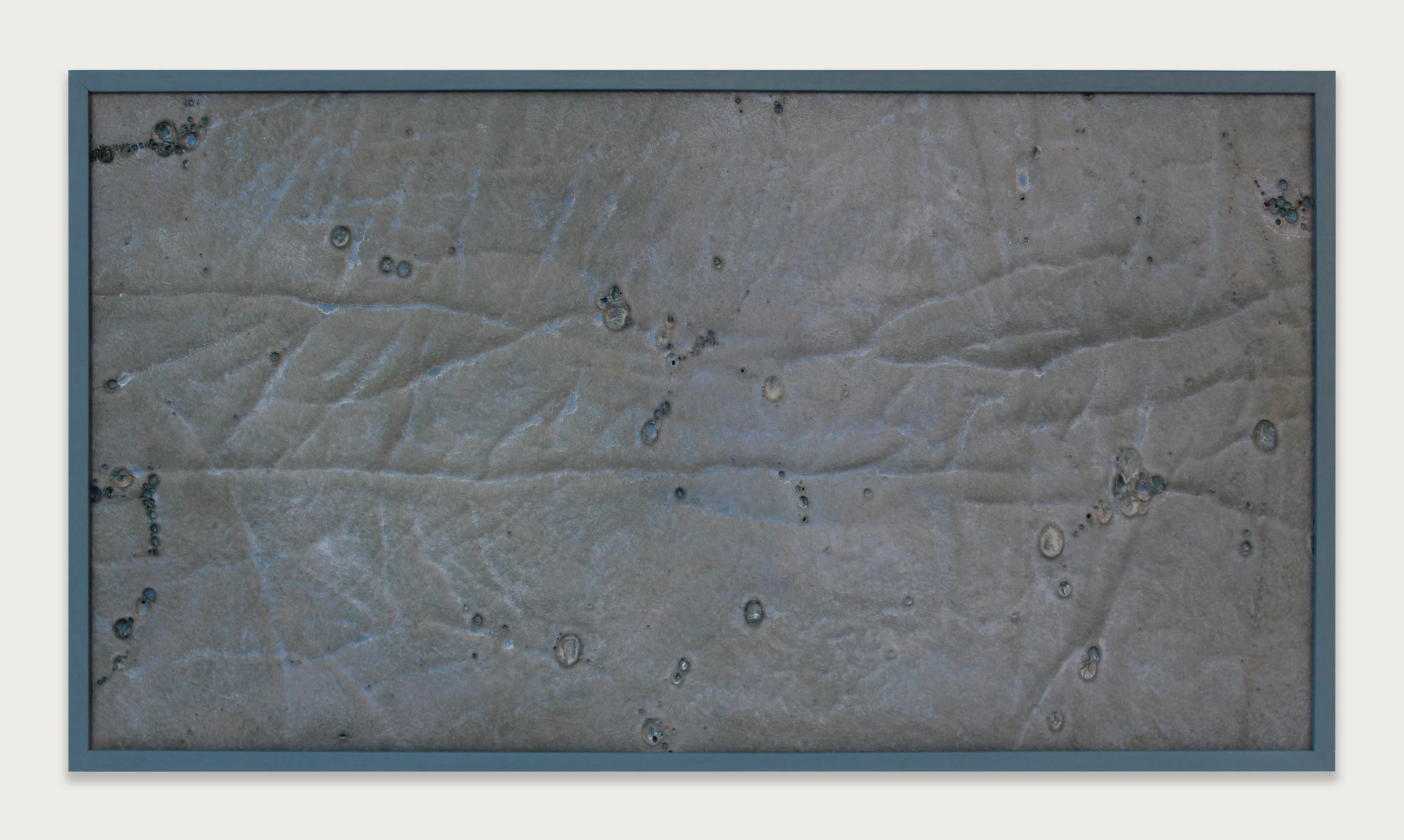
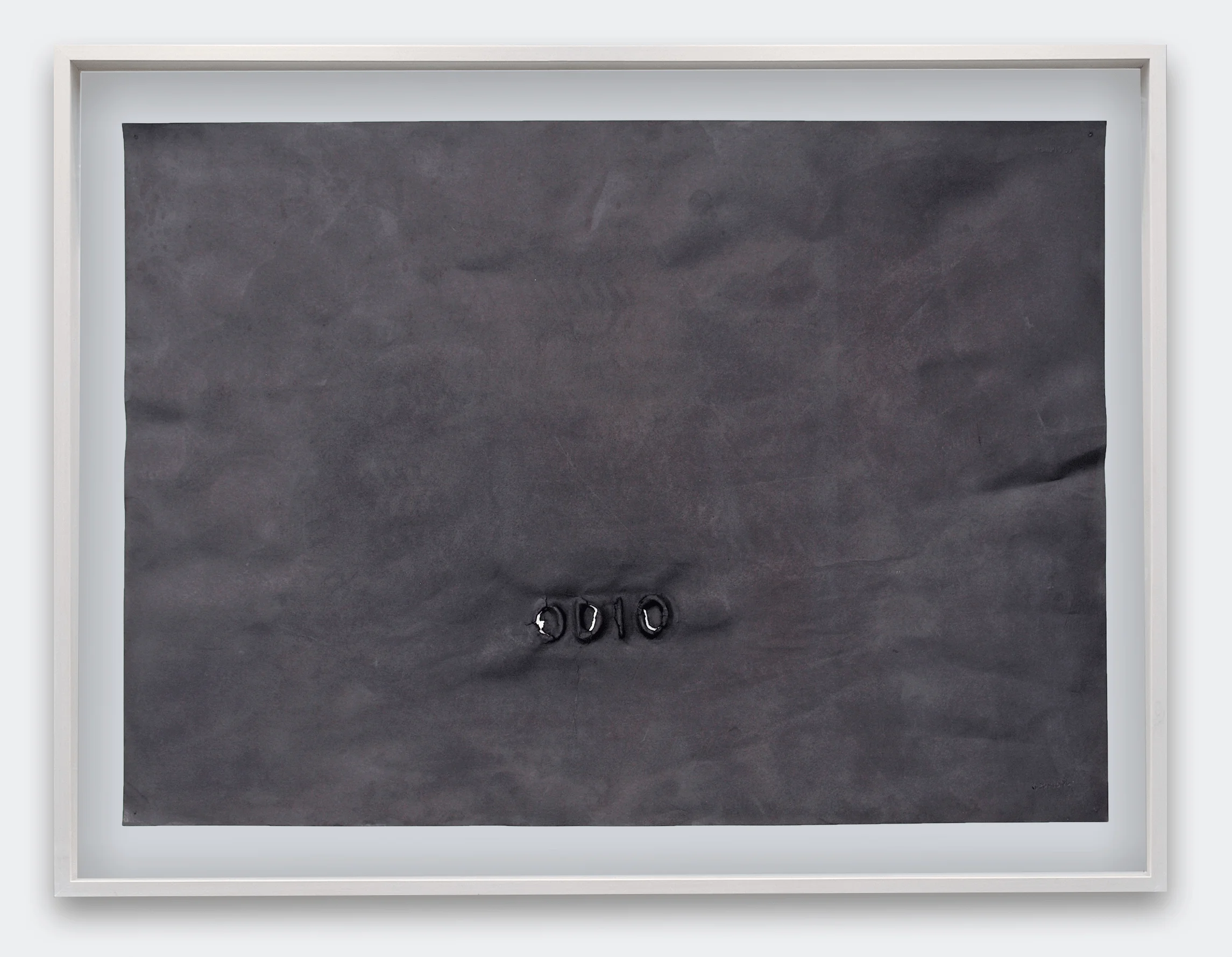
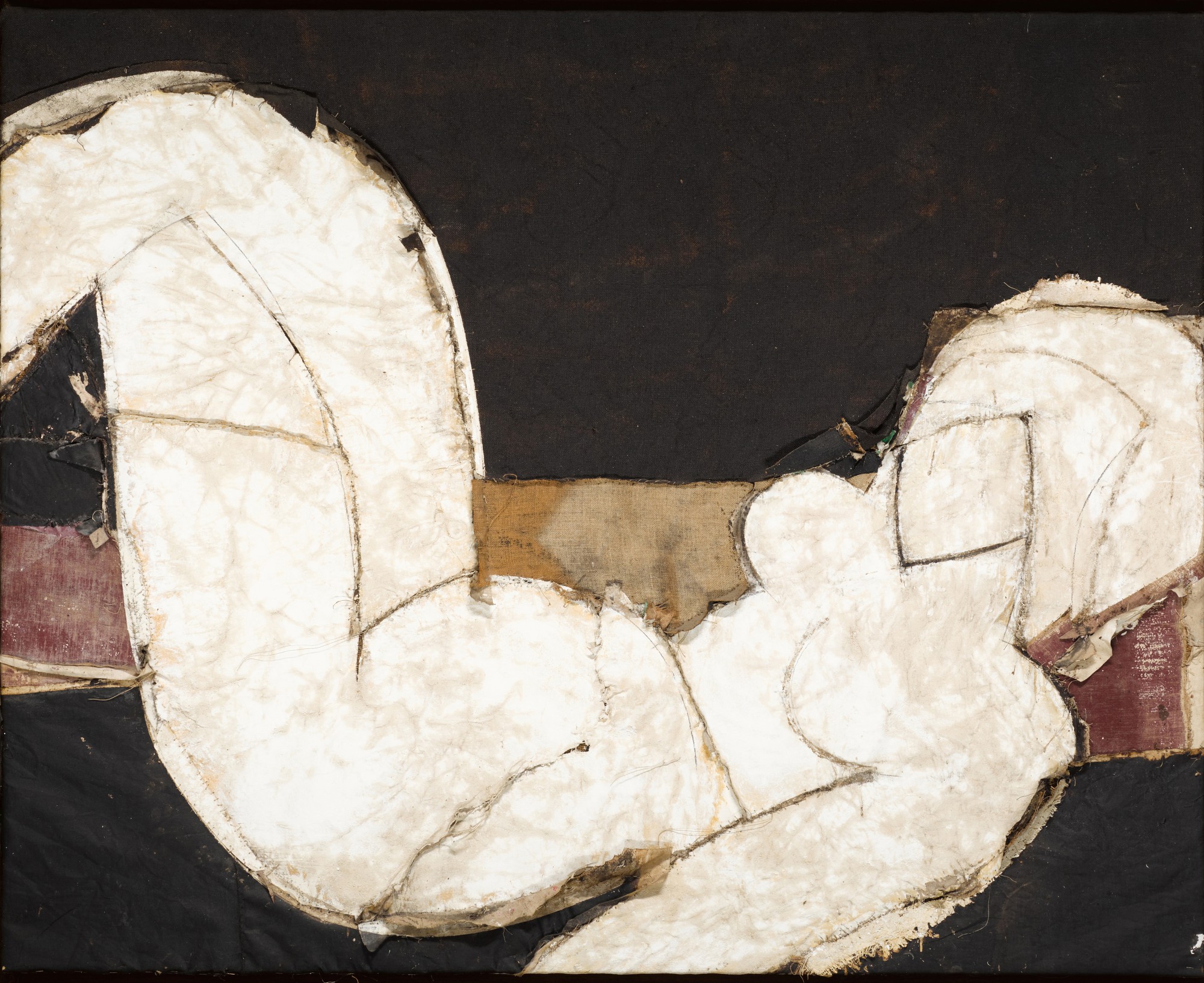
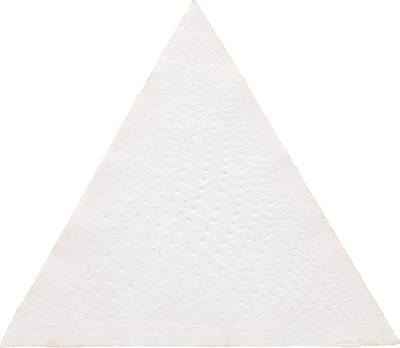
Giulio Turcato
Superficie lunare, 1971
The lesson has not been lost on a younger generation of buyers. What separates a good textured work from a truly great one comes down to intentionality and coherence. Any artist can apply paint thickly or embed material into a surface. The question is whether the texture is doing genuine work, whether it is inseparable from the meaning of the piece or merely decorative incident.
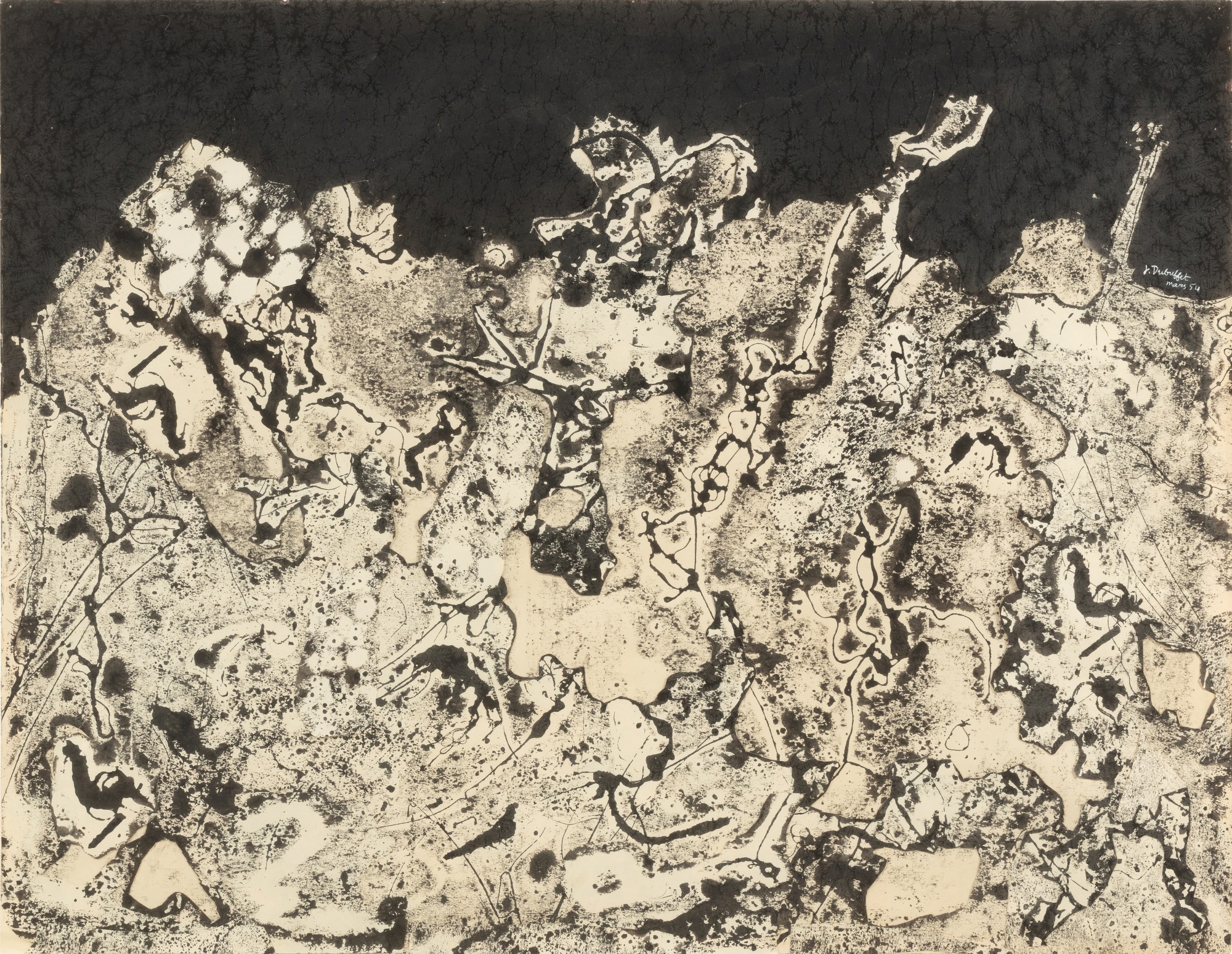
In Jean Dubuffet's great Art Brut canvases from the late 1940s and 1950s, the compacted, scarified surfaces were a philosophical position, a rejection of refined European taste and a reaching toward something rawer and more honest. The texture was the argument. That kind of integration between surface and concept is what collectors should be asking about before they buy. Look closely at how the surface behaves at its edges and in its transitions.
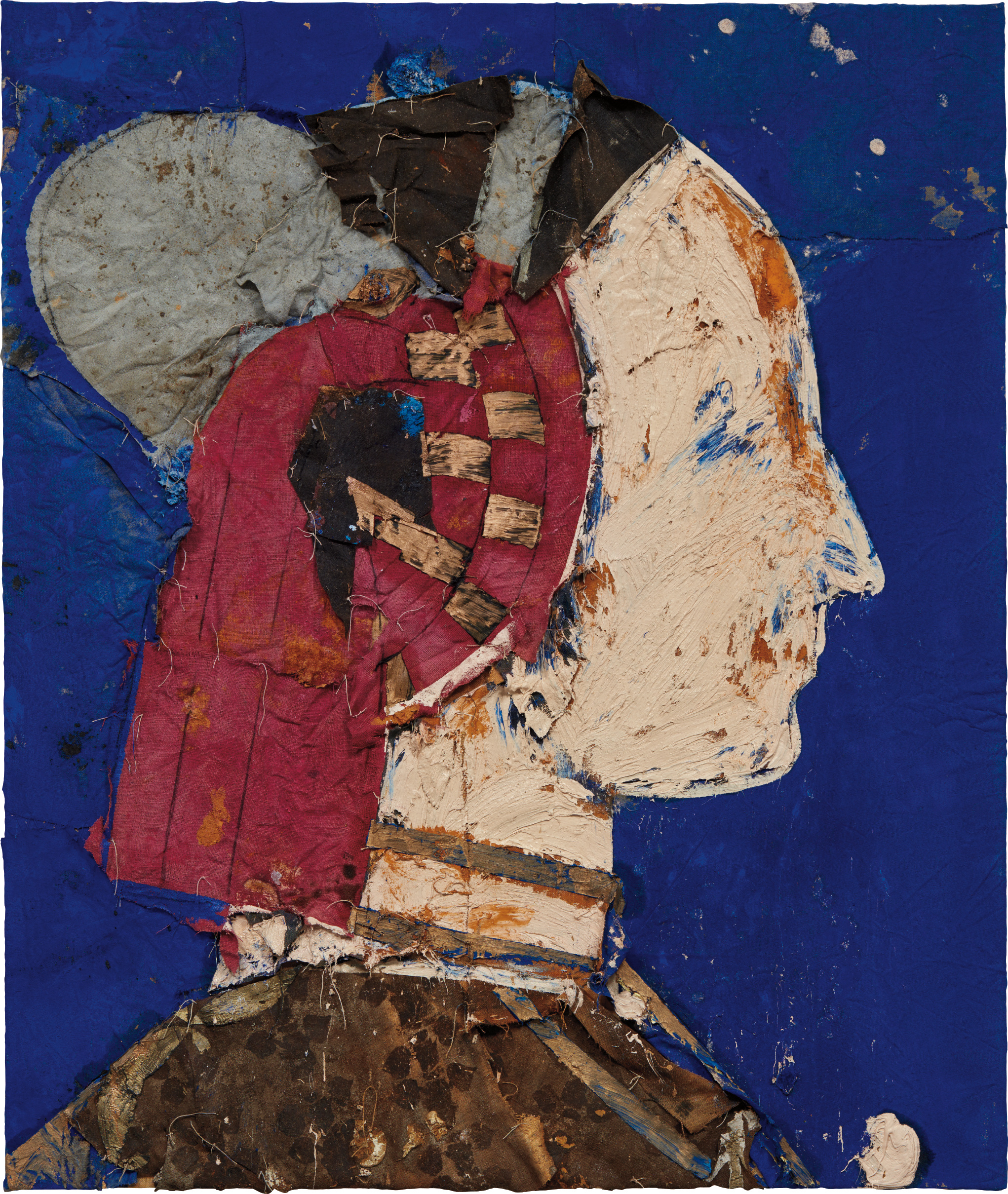
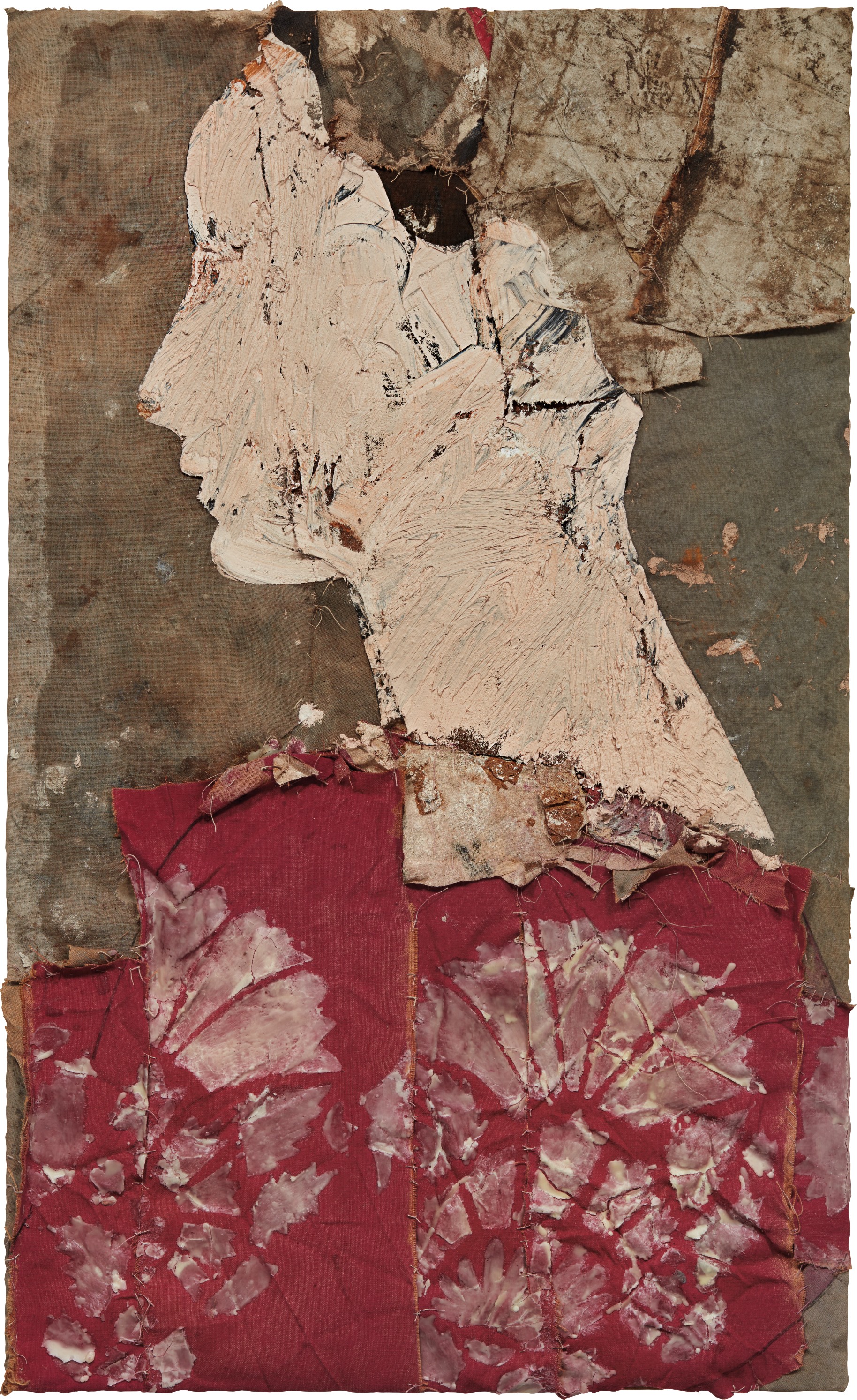
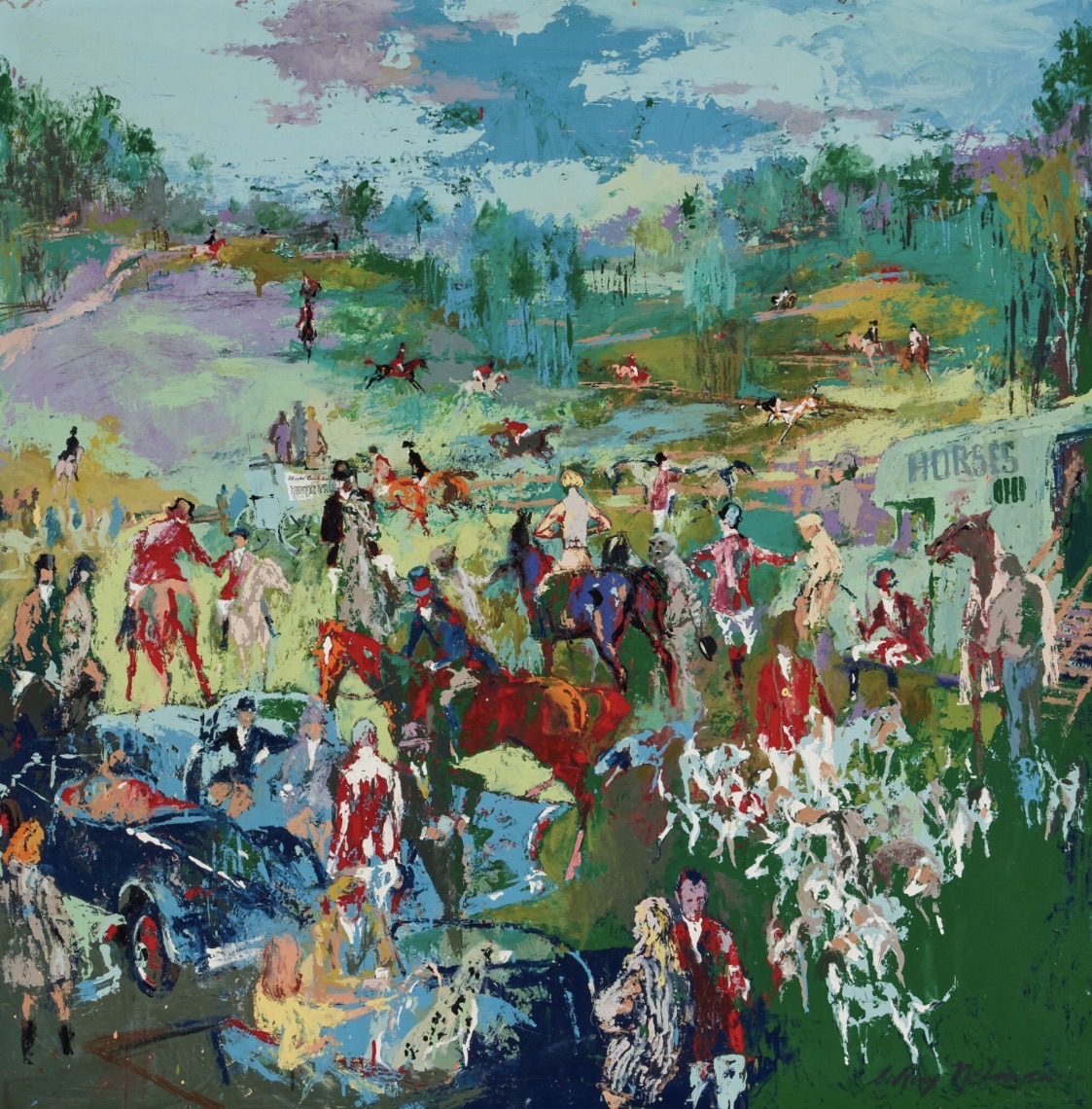
Manolo Valdés
Perfil con Fondo Azul, 1994
Does the relief feel inevitable or arbitrary? In the work of Enrico Castellani, whose monochrome extruded canvases from the 1960s onward represent one of the great sustained investigations of surface in postwar art, every protrusion follows a rigorous internal logic. The shadow patterns that play across a Castellani in raking light are not accidental effects but the entire point of the work. Similarly, in the paintings of Rudolf Stingel, surface disturbance carries enormous semantic freight.
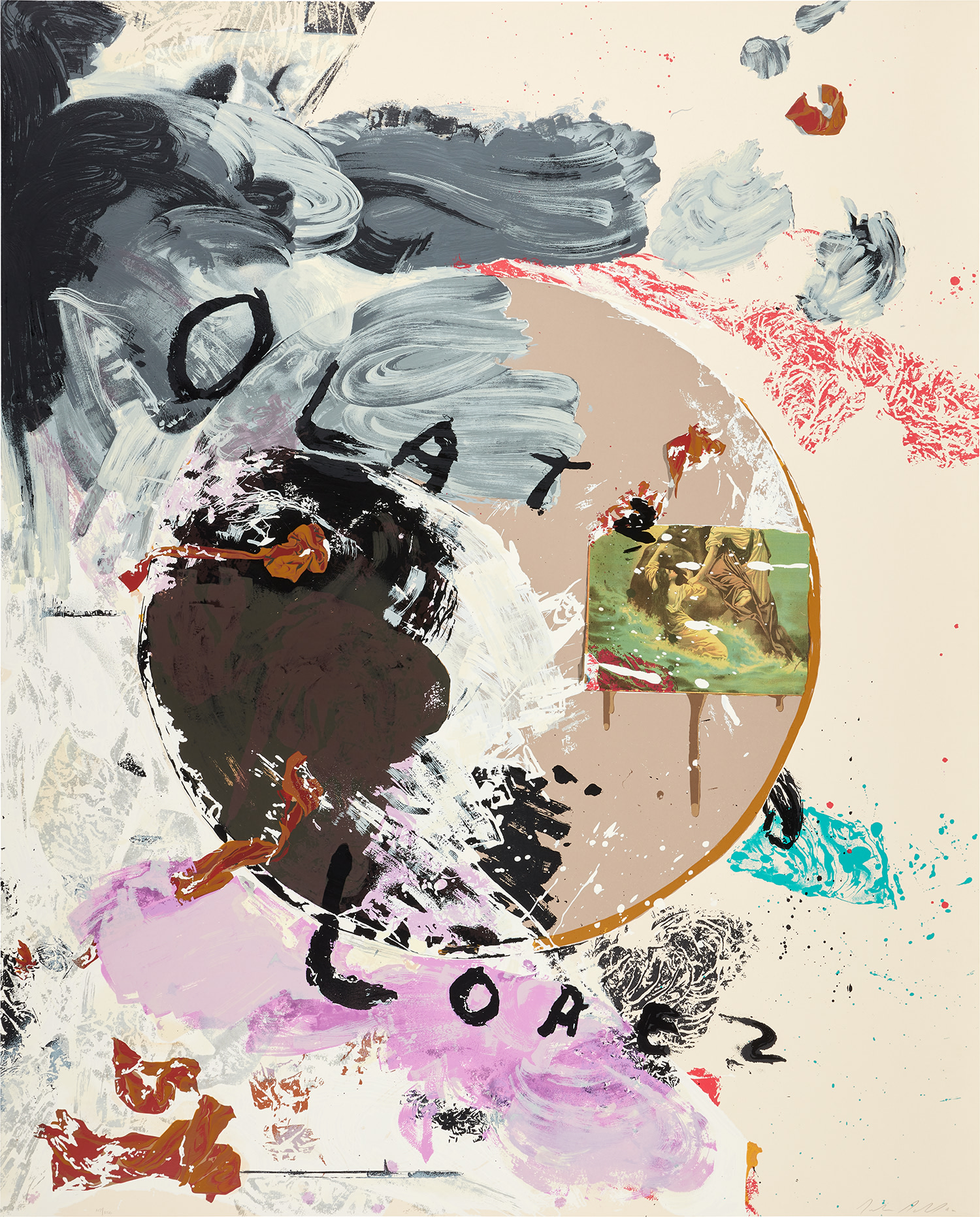
When considering a purchase, ask the gallery for photographs taken in multiple lighting conditions. If the work collapses in flat light or reveals itself as thin, that is information. Among the artists well represented on The Collection, several occupy positions of particular strength in terms of both art historical standing and secondary market performance. Julian Schnabel's plate paintings, which he began making in the early 1980s, remain among the most recognizable and sought after expressions of Neo Expressionist materiality.
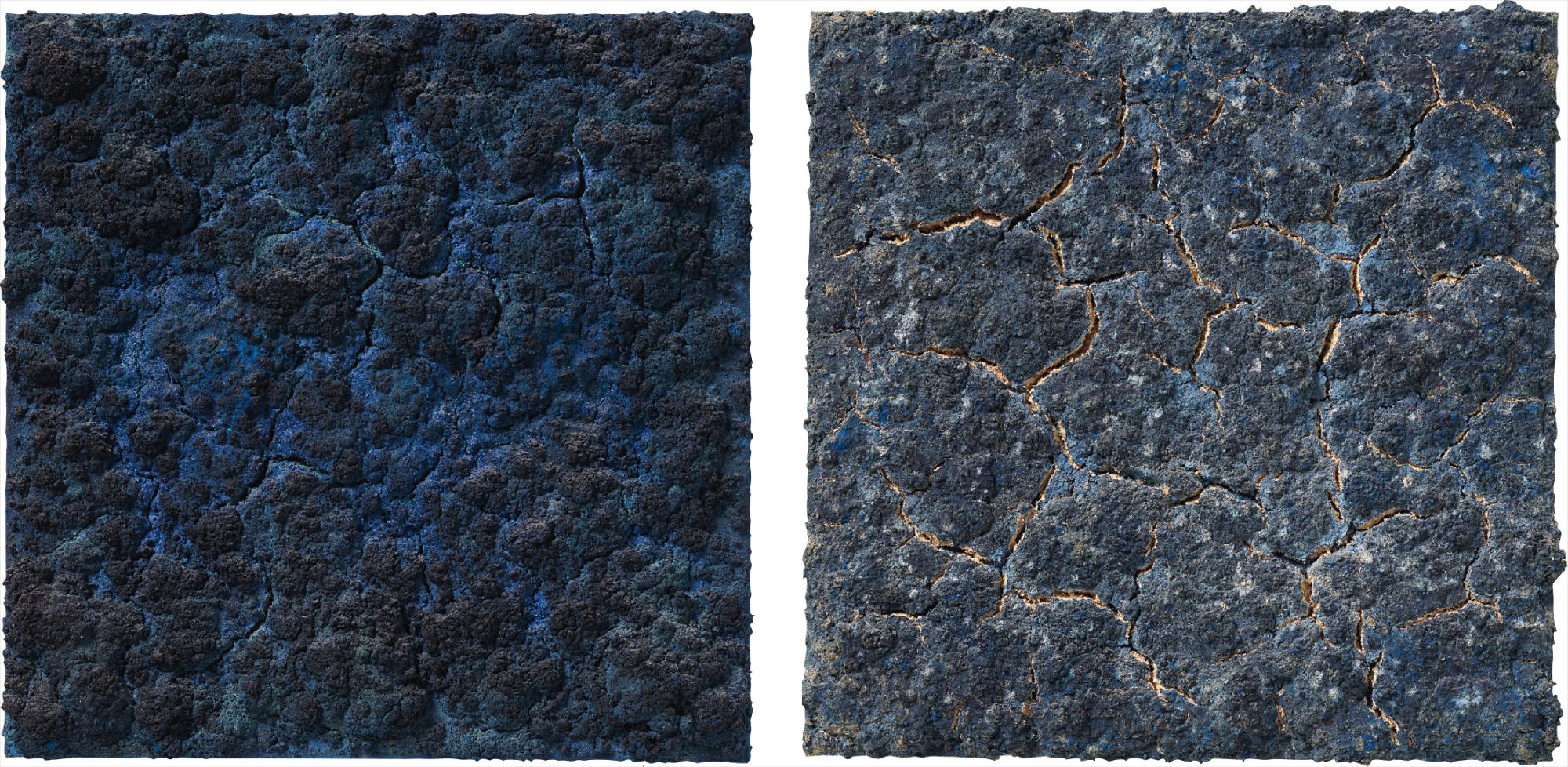
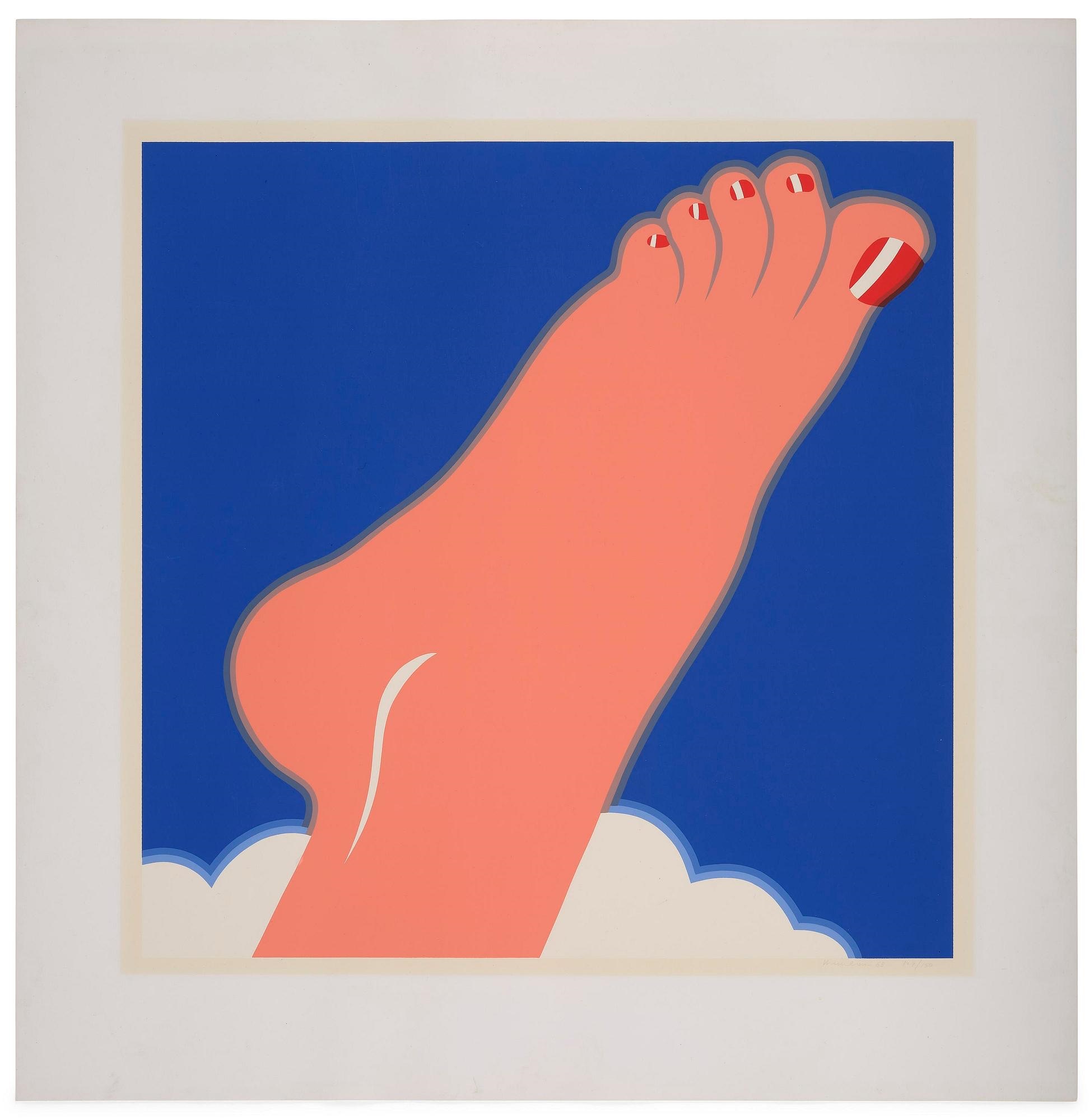
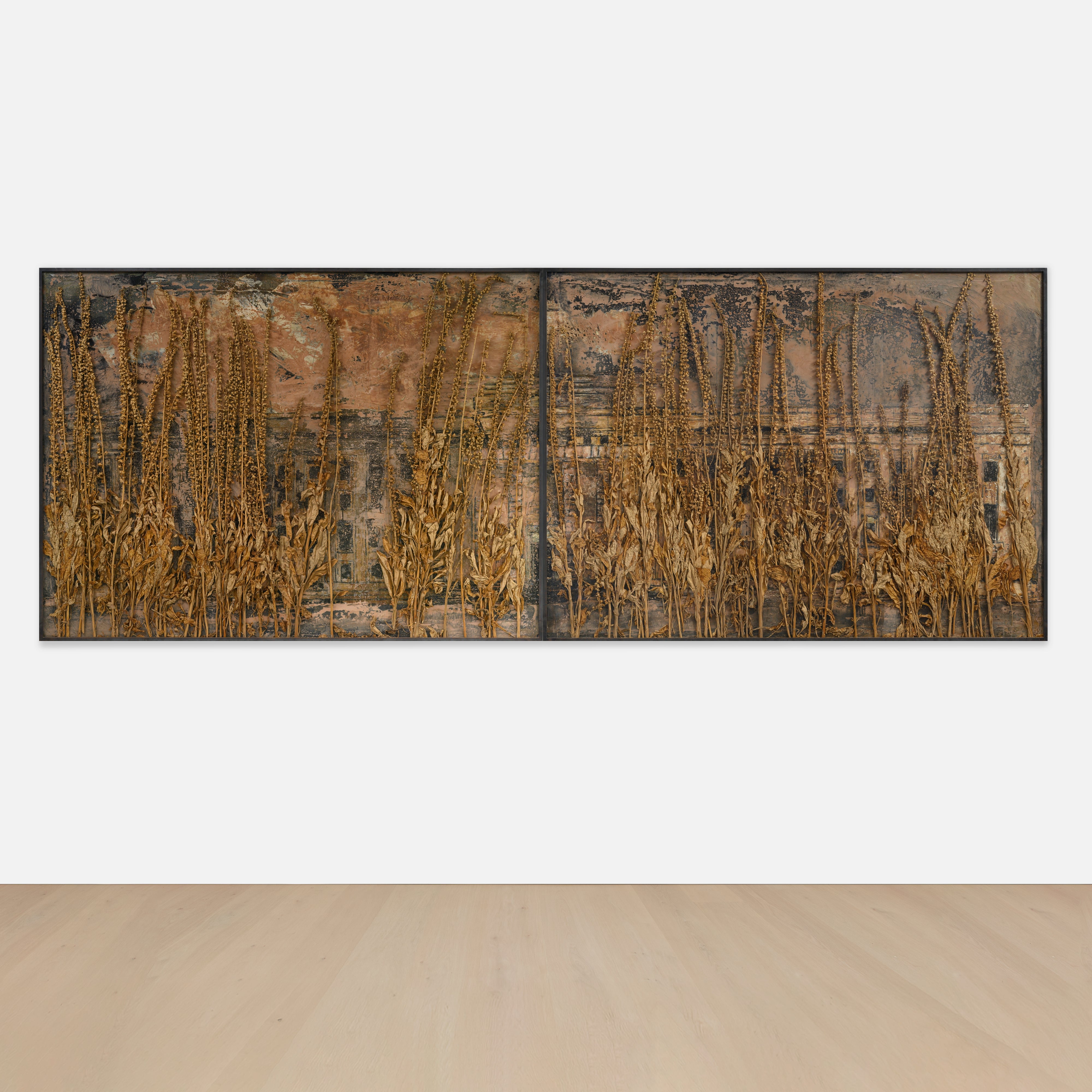
Bosco Sodi
Two works: Organic Work
The broken crockery embedded in his surfaces was not a gimmick but a structural decision that created a ground unlike anything in the tradition before it, simultaneously ancient and violently contemporary. Anselm Kiefer operates at a similar scale of ambition, his incorporation of lead, straw, ash, and sand into monumental canvases producing works that feel geologically rather than merely historically weighted. Both artists have blue chip auction track records, with major works regularly appearing at Sotheby's and Christie's at significant prices. Mark Bradford works differently, building up his surfaces through a process of accretion and excavation using found paper and billboard fragments before sanding and scraping back to reveal layers beneath.
His work trades on both its formal intelligence and its social content, and it has appreciated substantially since his representation became more widely known in the mid 2000s. Bosco Sodi, whose canvases combine pigment with natural materials including ash and sawdust to produce cracked, topographic surfaces, represents a strong position for collectors who want serious material ambition at a price point that still allows for meaningful entry. His work has performed well at auction in recent years and continues to attract strong institutional attention. For collectors willing to move with genuine foresight rather than following existing demand, there are real opportunities among artists whose relationship to surface is less celebrated but no less rigorous.
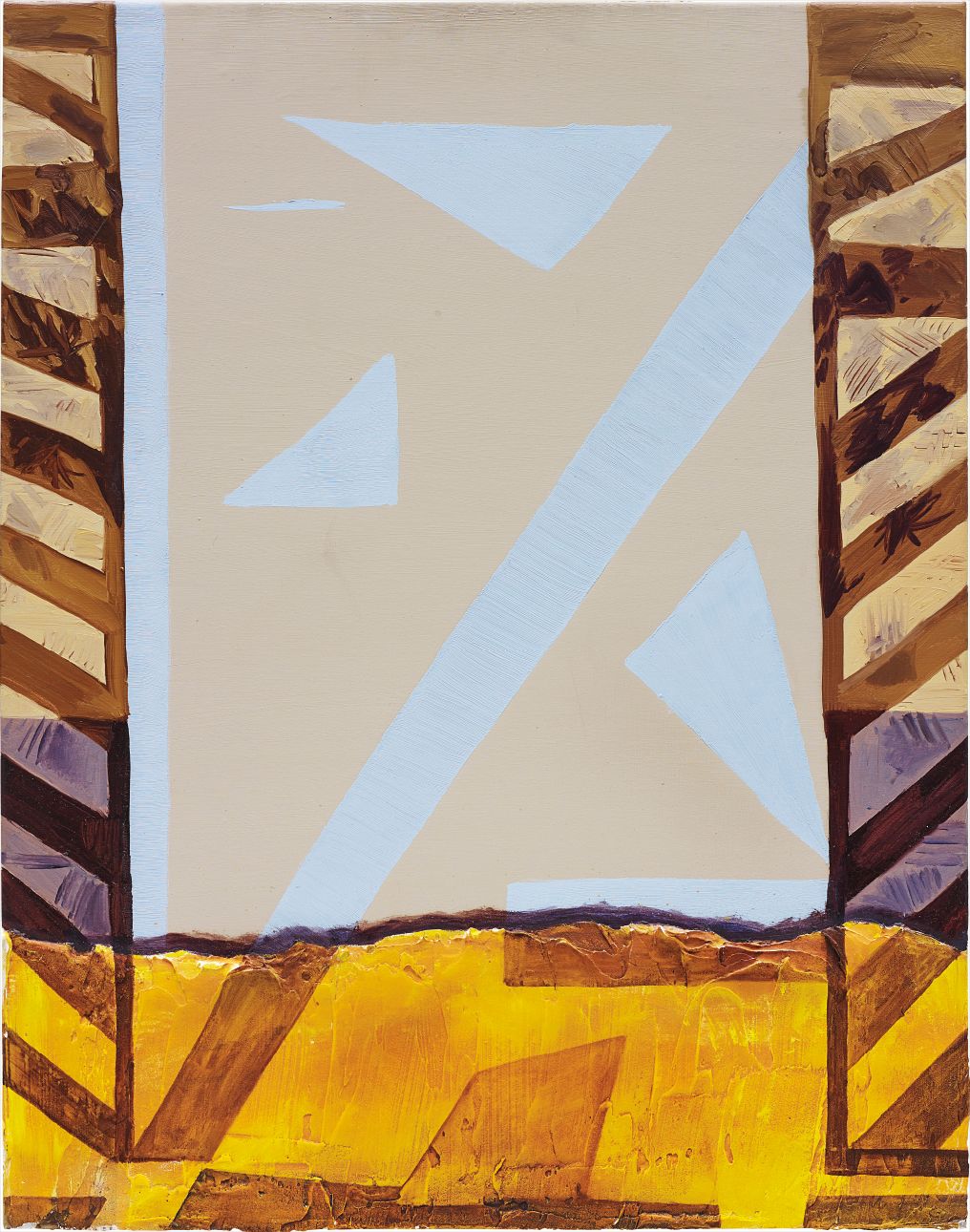
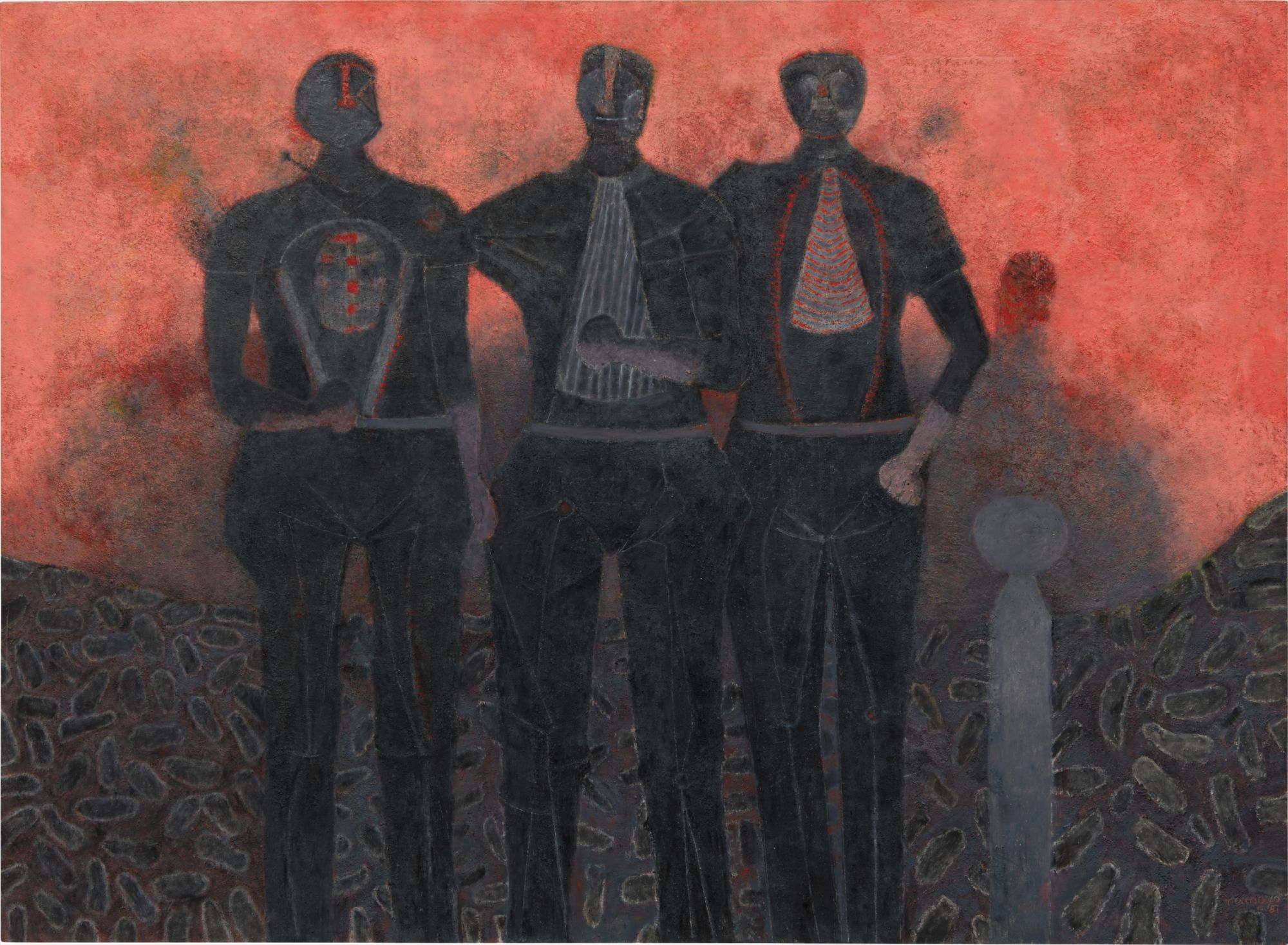
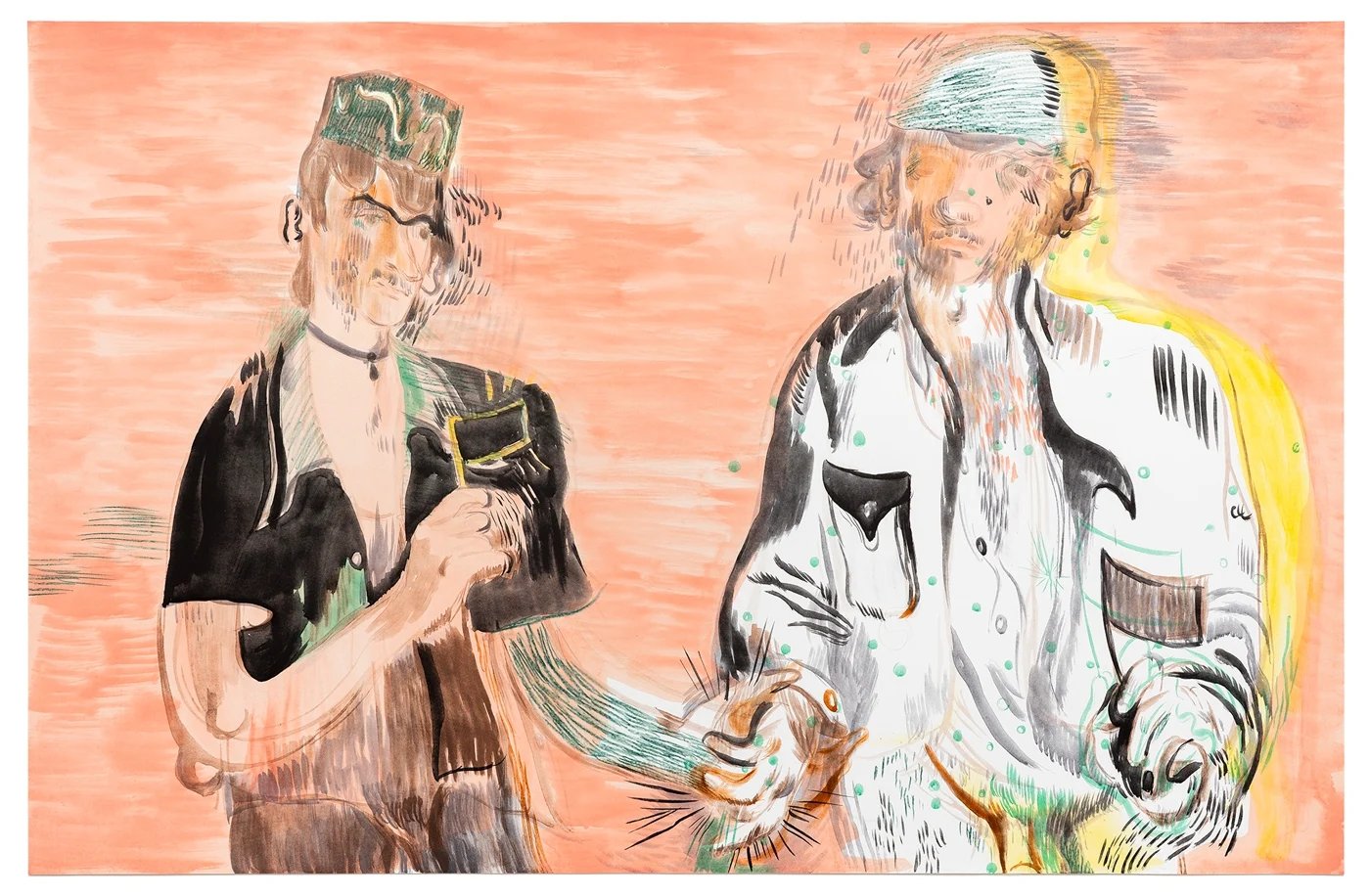
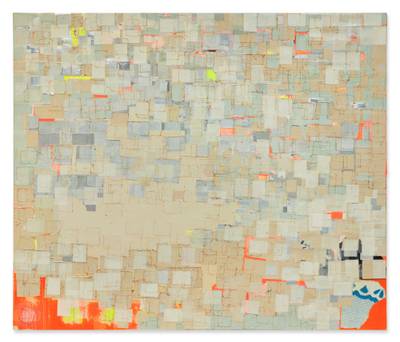
Allison Katz
Augur, 2009
Nancy Lorenz, whose work involves delicate applications of gold leaf and lacquer producing surfaces of extraordinary tactile complexity, deserves more sustained collector attention than she has received. Donna Huanca, who works at the intersection of painting, performance, and bodily material, is building a practice in which surface is never passive but always charged with questions about presence and trace. These are artists whose prices still reflect underrecognition rather than quality. At auction, textured work presents specific challenges that collectors should understand before entering the secondary market.
Condition is everything, and it is far more difficult to assess than with a flat canvas. Crazing, delamination, and material loss are common problems in heavily worked surfaces, particularly those made before conservation standards for mixed media became more sophisticated. Always request a full condition report and, for works above a certain threshold, commission an independent conservation assessment. Ask specifically about any previous restoration, as repairs to textured surfaces are extremely difficult to execute invisibly and can affect value significantly.
Display considerations matter more than most collectors initially anticipate. Works with extreme relief can be damaged by frames that press against the surface, so proper standoffs and framing that gives the work room to breathe are essential. Lighting should be considered before acquisition rather than after, since a work that depends on raking light will need a dedicated wall position where that lighting can be controlled. For artists who work in editions alongside unique pieces, such as Invader or Frank Stella, whose relief works occupy a different register than his earlier flat work, understanding what distinguishes an editioned piece from a unique one in terms of both process and market pricing is a conversation worth having directly with the gallery before committing.
The texture you can almost feel should be one you are absolutely certain about before it comes home.