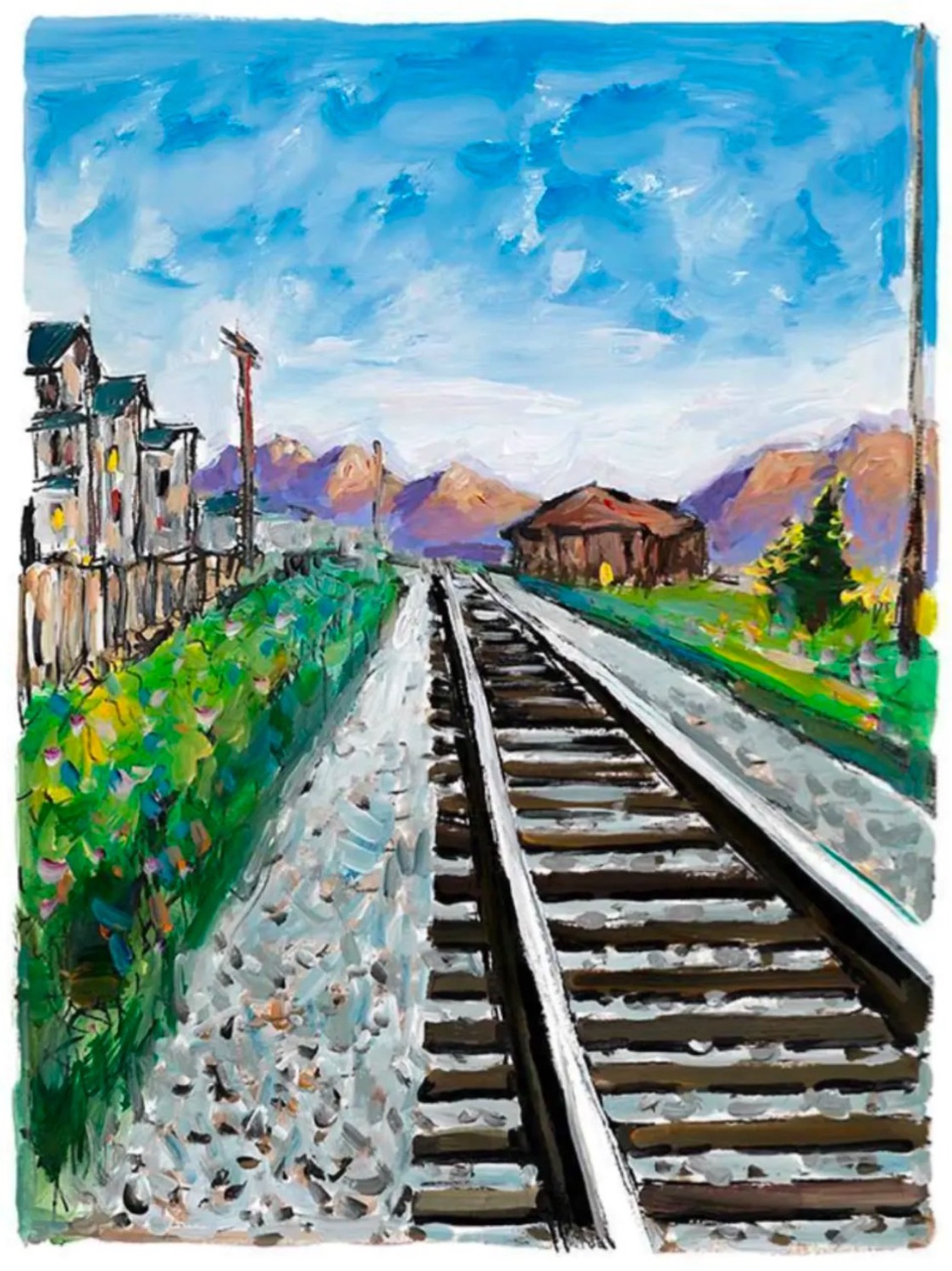
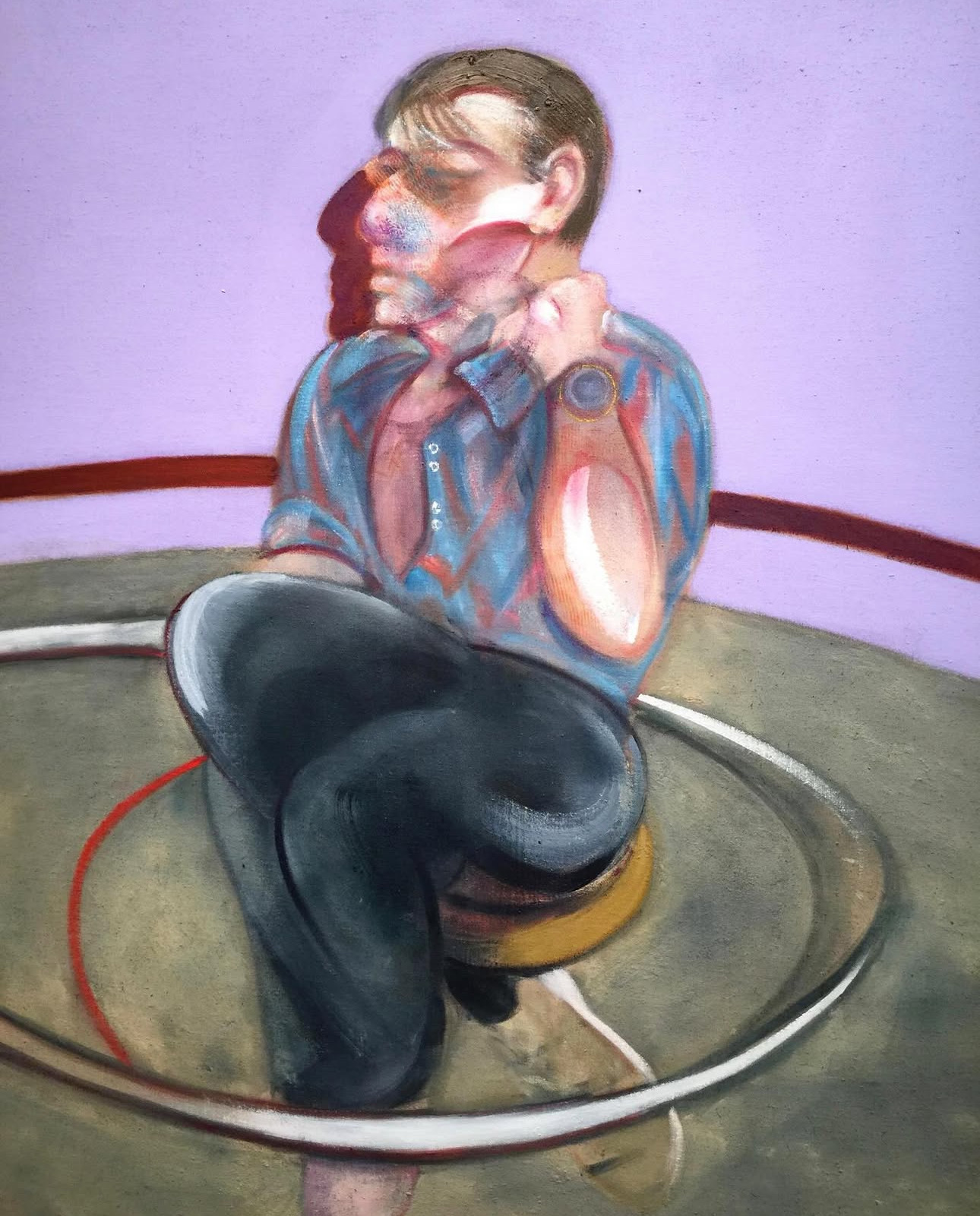
Oil On Canvasboard

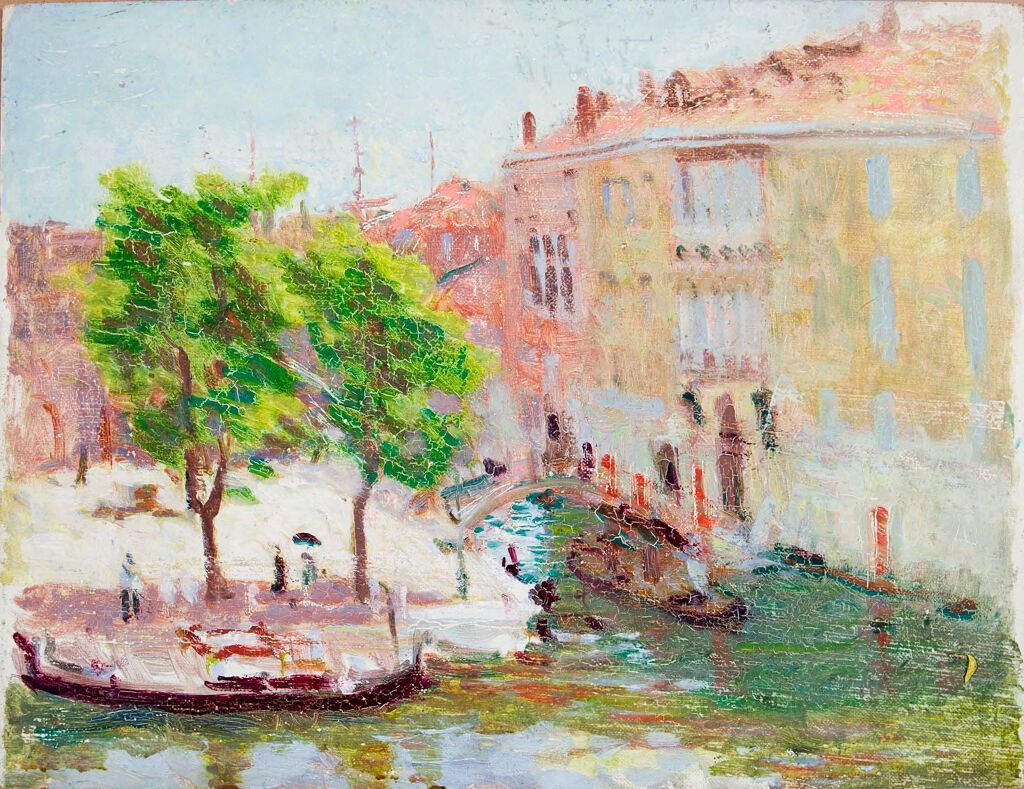
Denman Waldo Ross
Portrait of a Young Man with a Green Tie

The Humble Board That Changed Everything
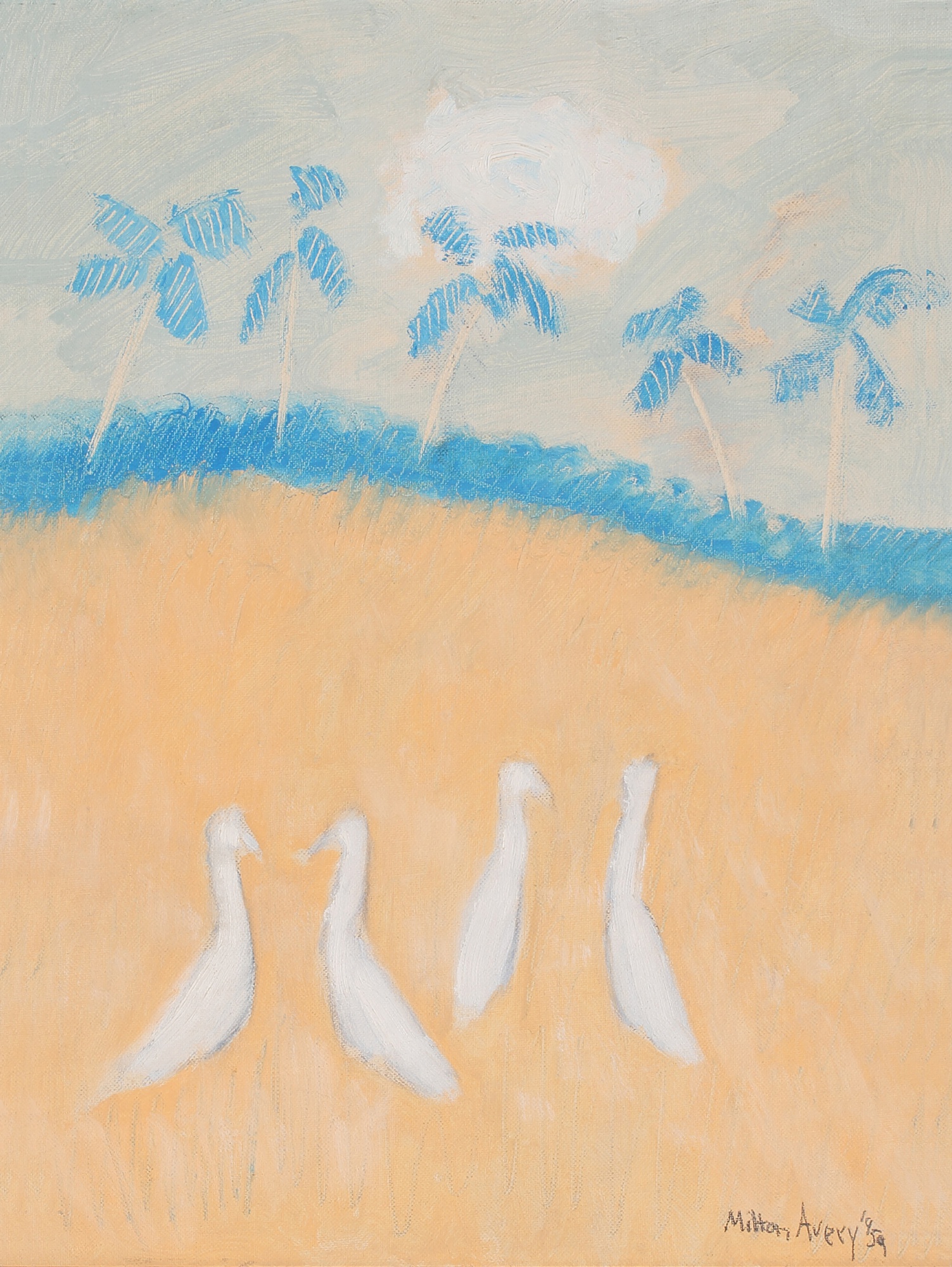
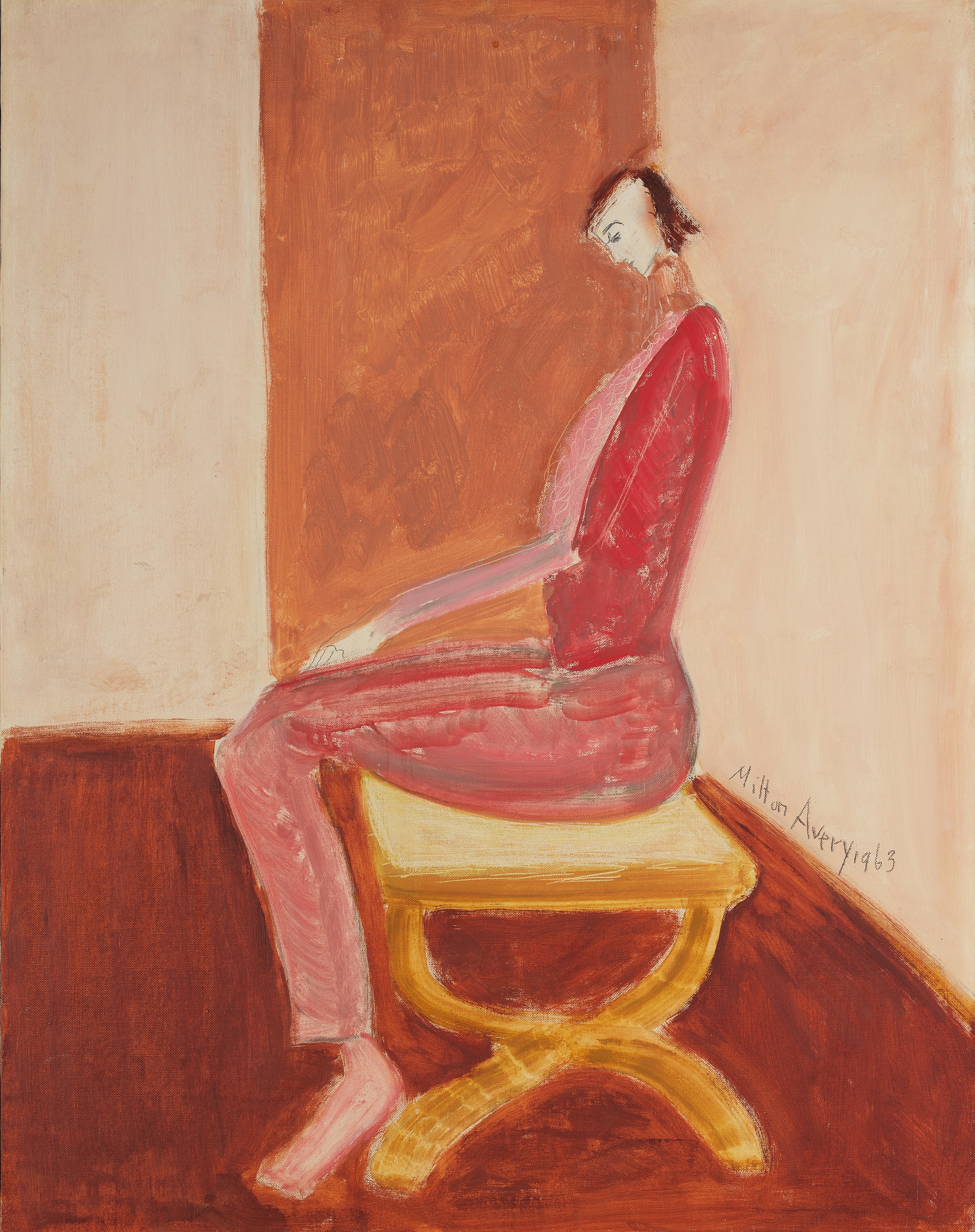
When Christie's brought a small oil on canvasboard by Milton Avery to auction a few seasons back, the room paid attention in a way that surprised even seasoned observers. The work was modest in dimension, intimate in the way that only a painting on board can be, and it sold well above estimate. What that moment revealed was not merely enthusiasm for Avery specifically, though his market has been quietly building for years, but a broader reappraisal of the support itself. Canvasboard, long treated as the journeyman material of artists working fast and thinking freely, has started to command serious critical and commercial respect.
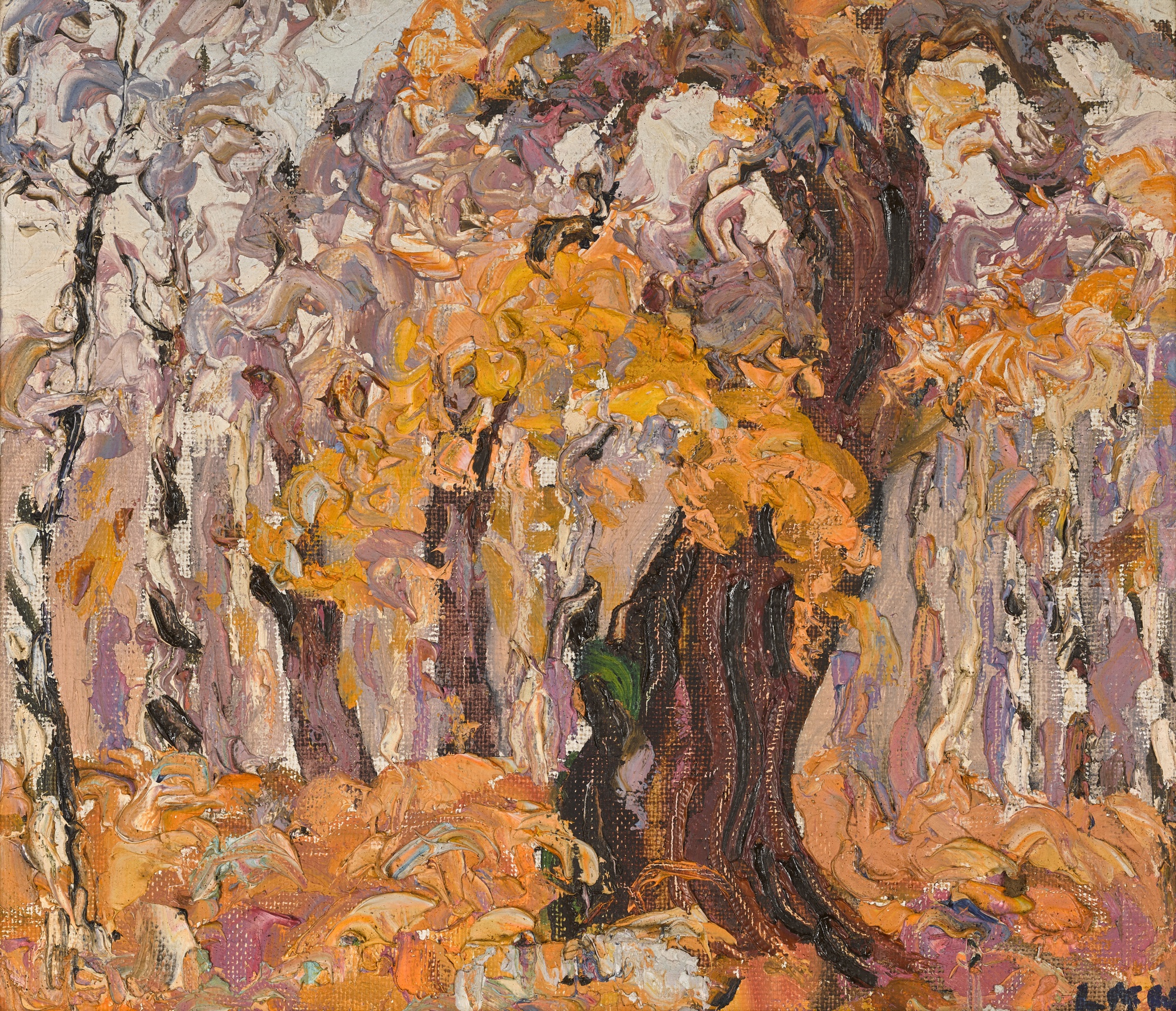
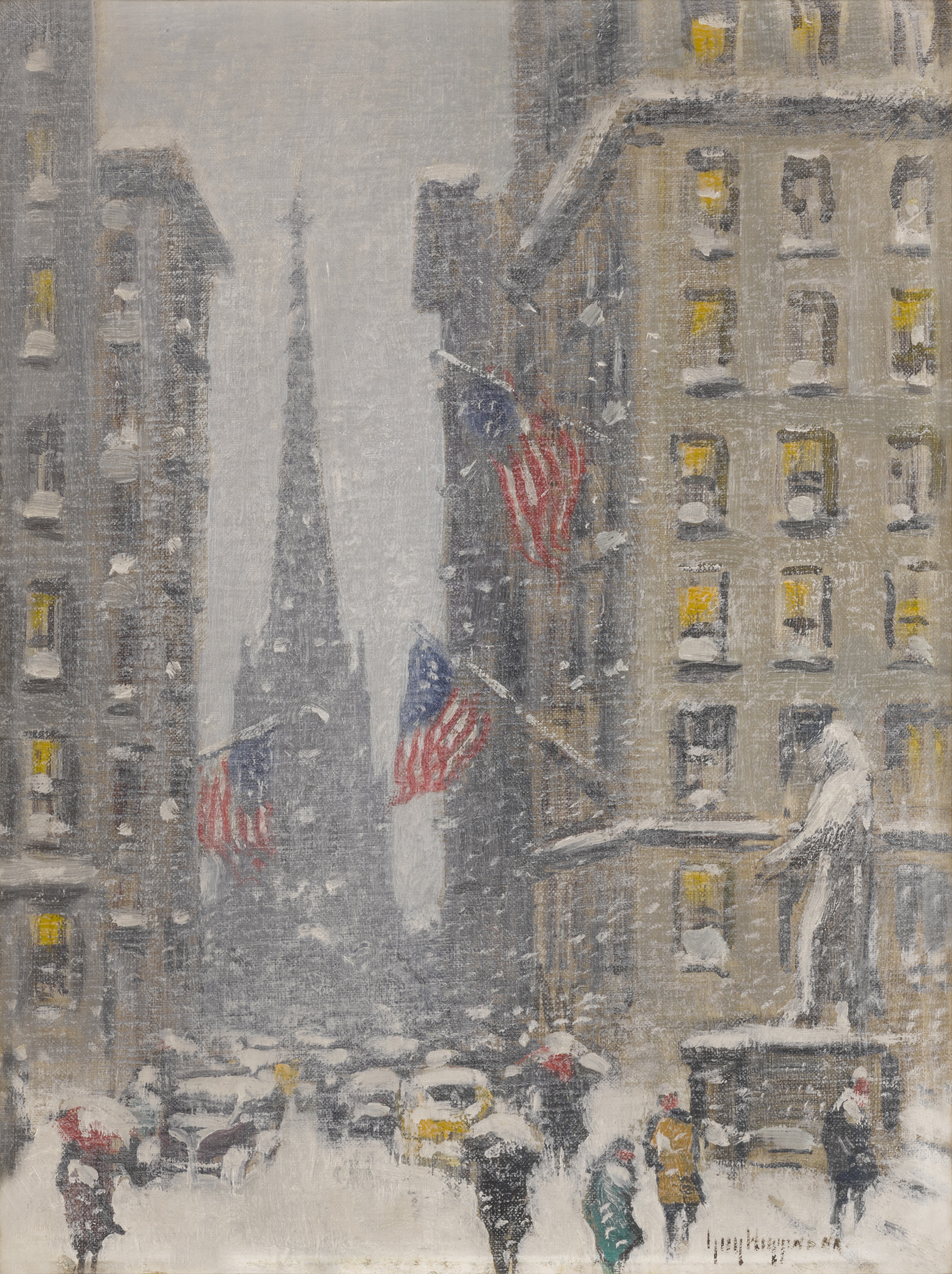
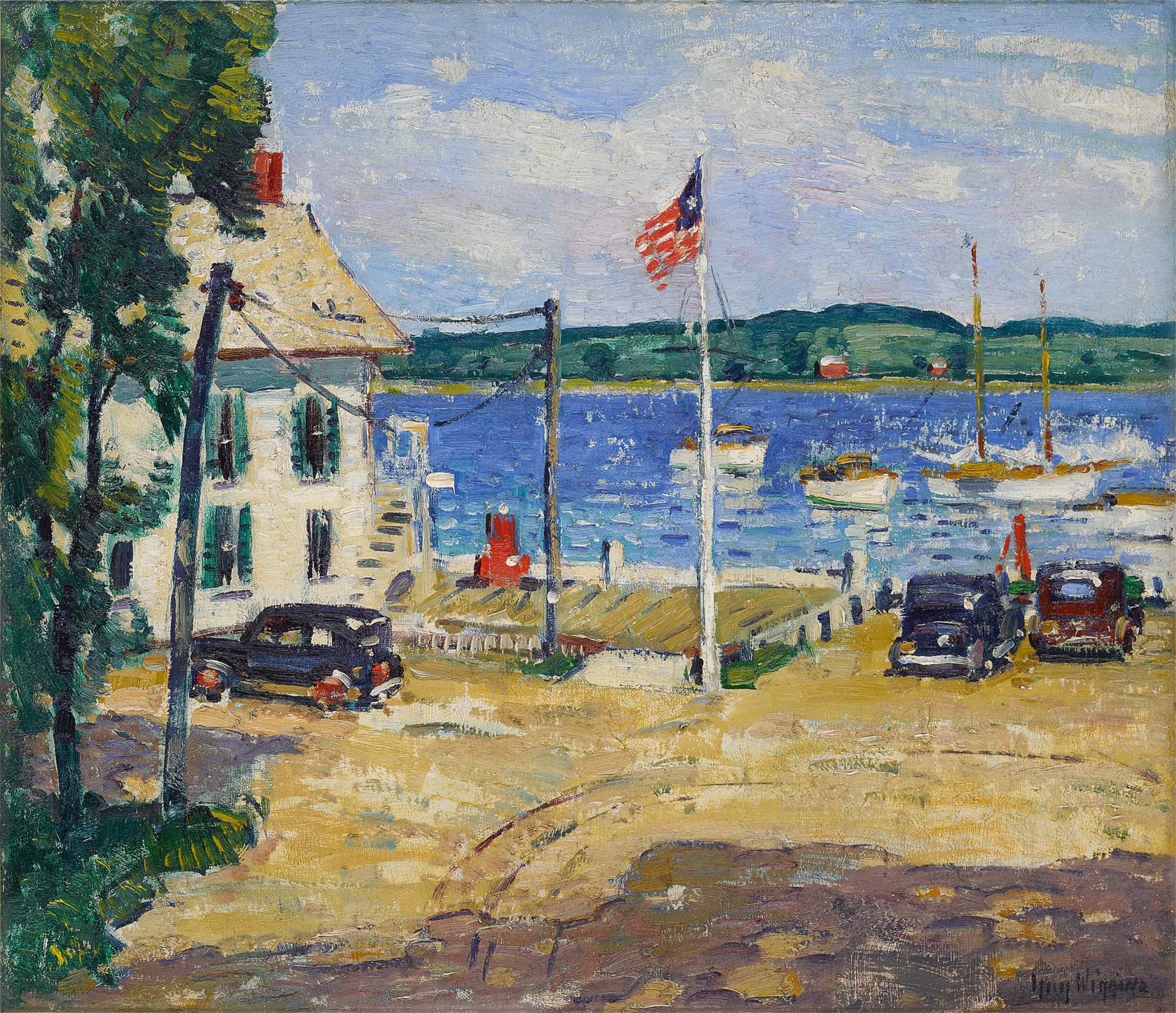
The appeal is not hard to understand once you have spent time with these objects. Oil on canvasboard occupies a particular zone between the preparatory sketch and the finished exhibition piece. Artists reached for it when they wanted the feel of canvas without the weight or expense of a stretched ground, which made it the natural choice for plein air sessions, rapid studio studies, and the kind of exploratory work that reveals how a painter actually thinks. Guy Carleton Wiggins, whose scenes of New York in snowfall have become genuinely coveted, used board extensively for his outdoor excursions, and the surfaces of those works carry a directness that his larger canvases sometimes surrender to finish.
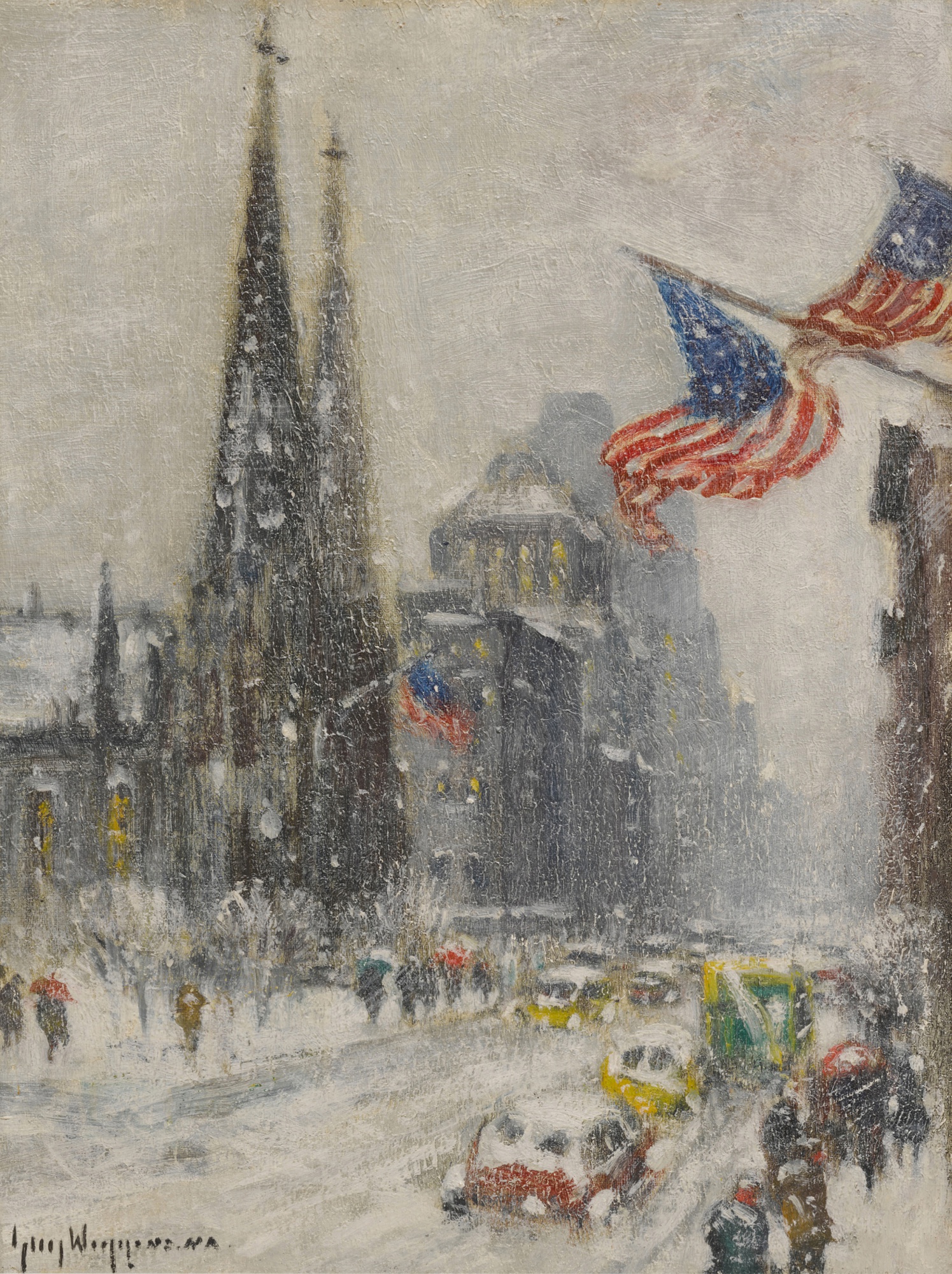
Guy Carleton Wiggins
St. Patrick's Cathedral
The cold is in the paint. The immediacy is structural. The auction market has been rewarding exactly that quality. Works on canvasboard by artists associated with early twentieth century modernism and American regionalism have performed steadily at the major houses over the past several years.
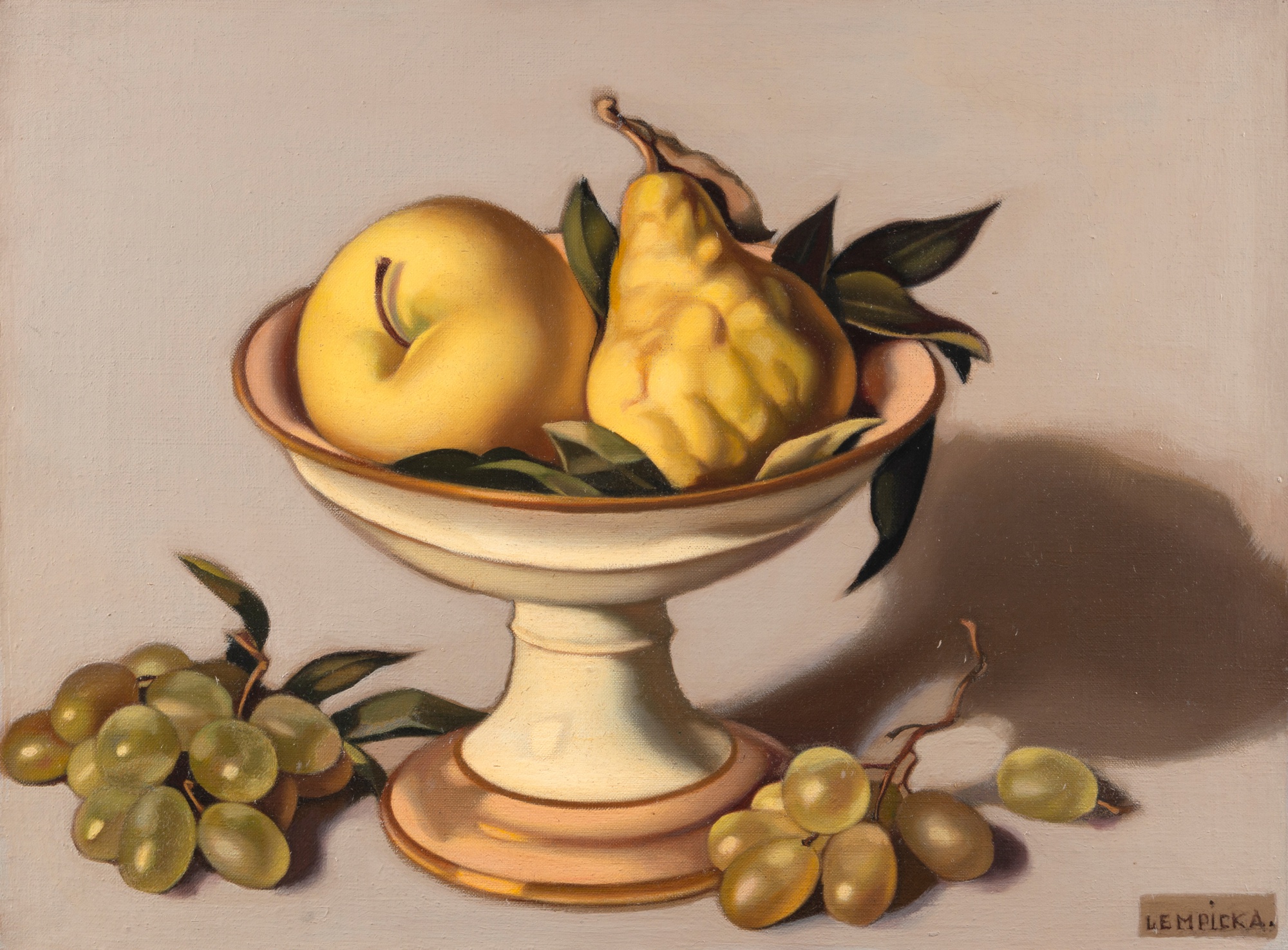
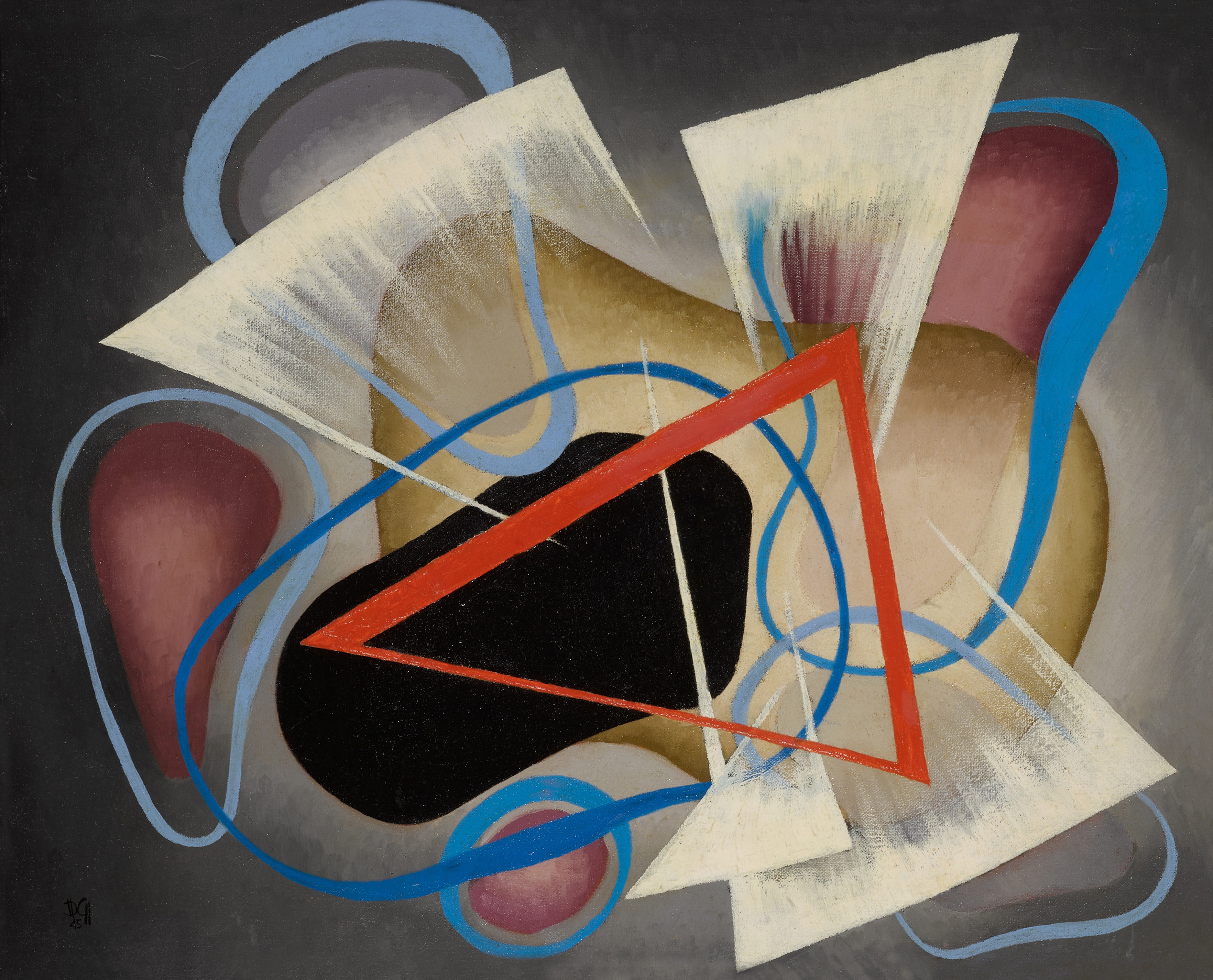
Tamara de Lempicka's smaller board works, when they appear, attract collectors who want to live with her extraordinary visual intelligence without committing to the scale and cost of her iconic panel paintings. Françoise Gilot, whose market gained renewed momentum in the years following her death in 2023 at the age of 101, left behind a body of work on board that is only now being sorted and appraised with appropriate seriousness. The critical reassessment of her practice as autonomous rather than biographical has opened space for these quieter objects to be seen clearly. Institutions have been paying attention as well.
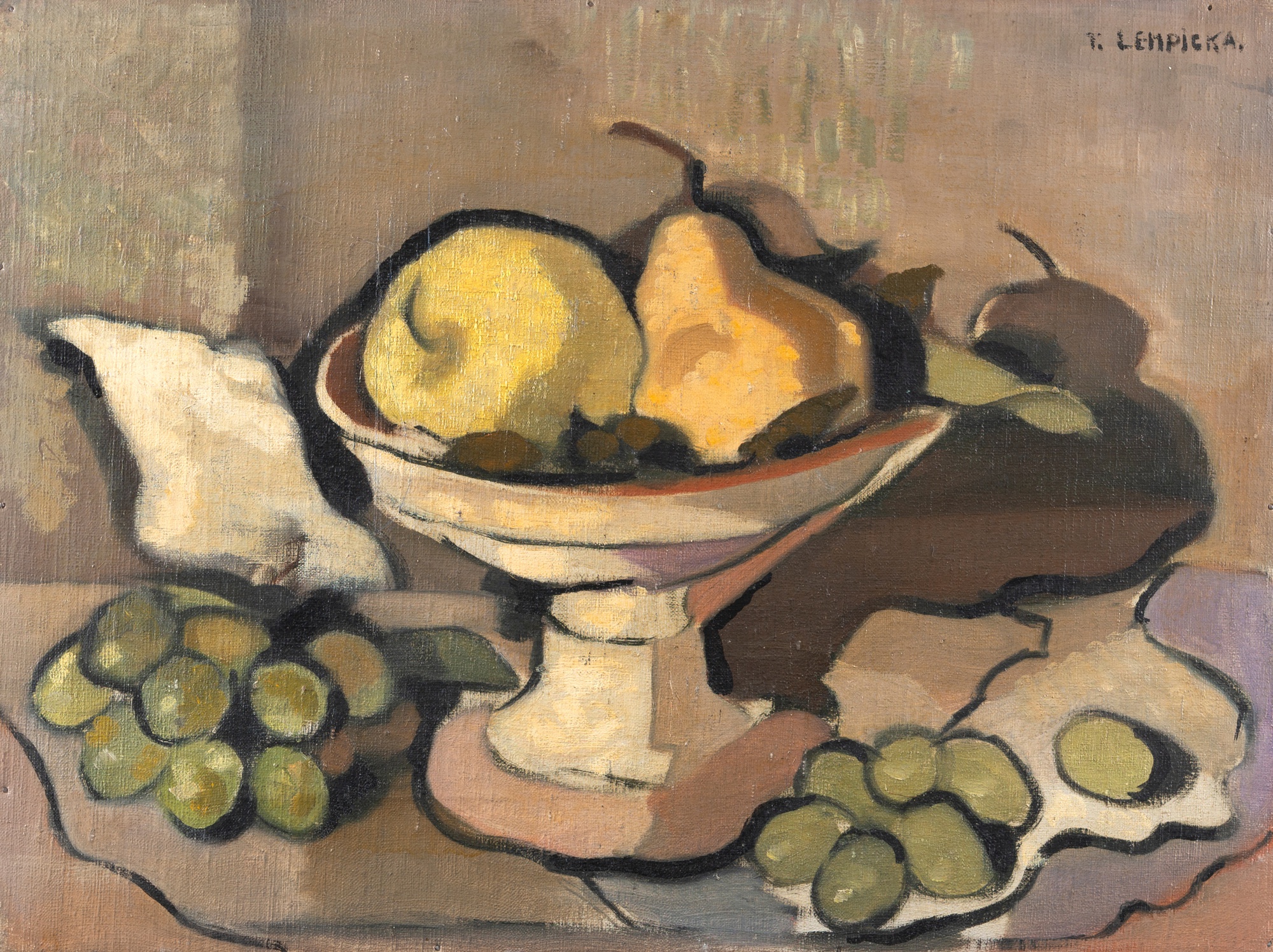
Tamara de Lempicka
Pomme, coing, raisins II, 1958
The Phillips Collection in Washington has long understood the documentary value of studies and boards, and their holdings reflect a philosophy that prizes process alongside product. The Whitney Museum's sustained commitment to American modernism has created a context in which artists like Avery and Wiggins are understood not as regional footnotes but as central figures in a distinct visual tradition. When museums collect canvasboard works by these artists, they are making an argument about what counts as serious painting, and that argument has been landing differently in recent years than it did even a decade ago. The hierarchy that once placed board below canvas is dissolving.
The critical conversation has shifted in ways worth tracking. Writers at publications like The Burlington Magazine and Art in America have increasingly engaged with the question of support as a meaningful variable rather than an incidental one. Curators like Sylvia Yount, whose work at the Metropolitan has shaped how American modernism is framed institutionally, have made a case for reading material choices as expressive decisions rather than practical compromises. That curatorial perspective trickles into the market in real ways.
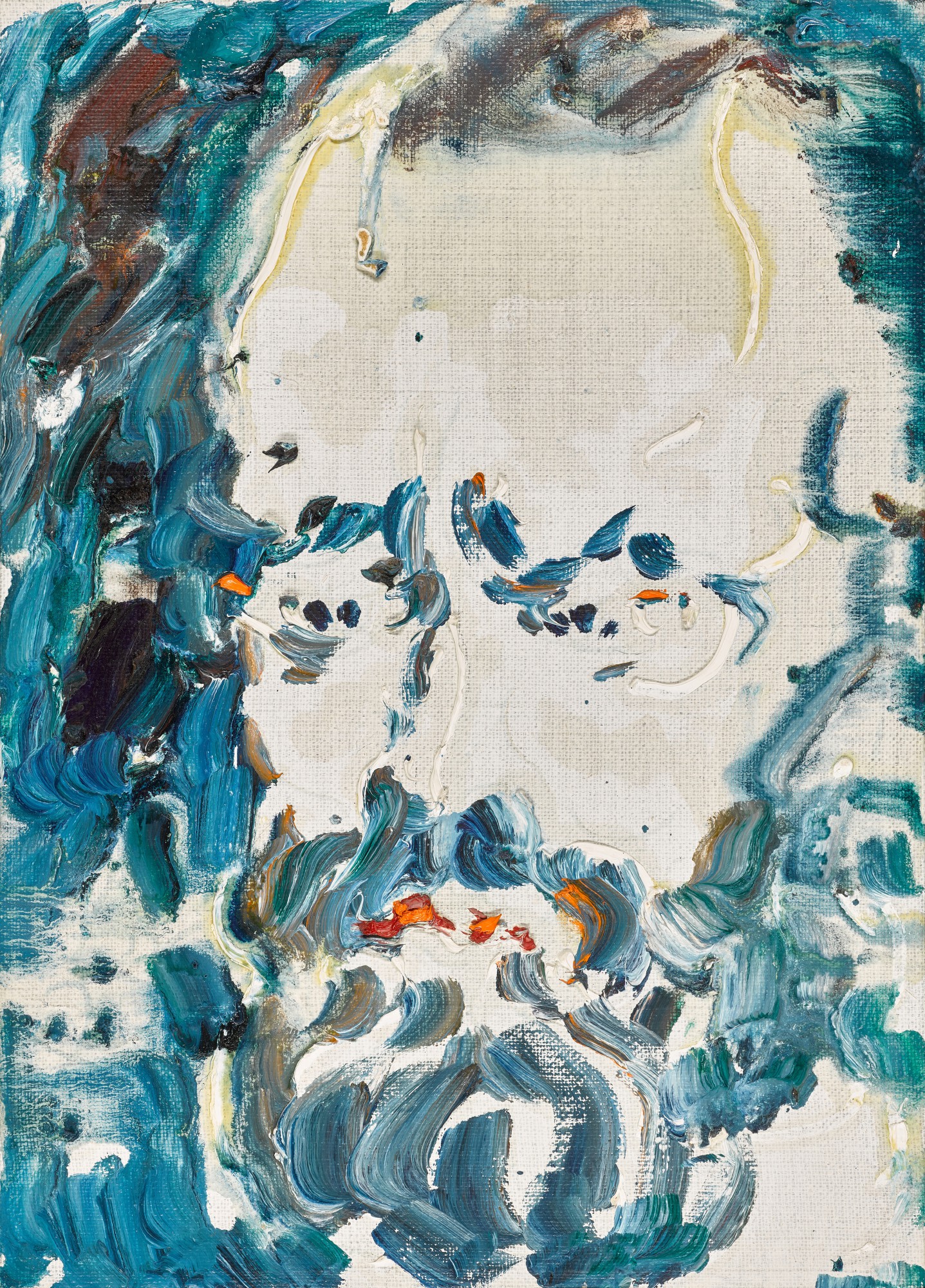
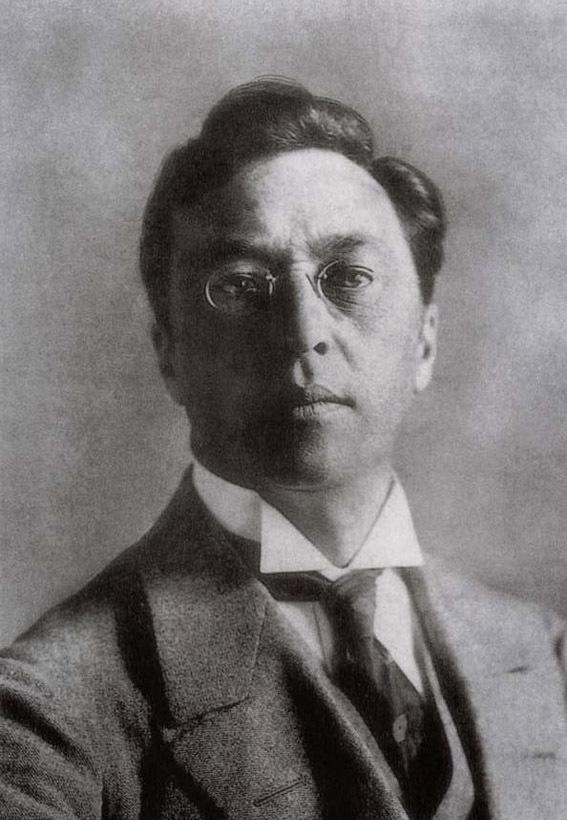
Anatoly Zverev
Portrait of the Writer Vladislav Shumsky
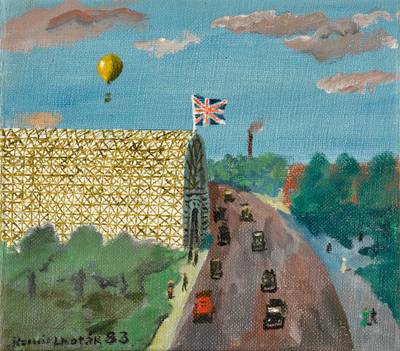
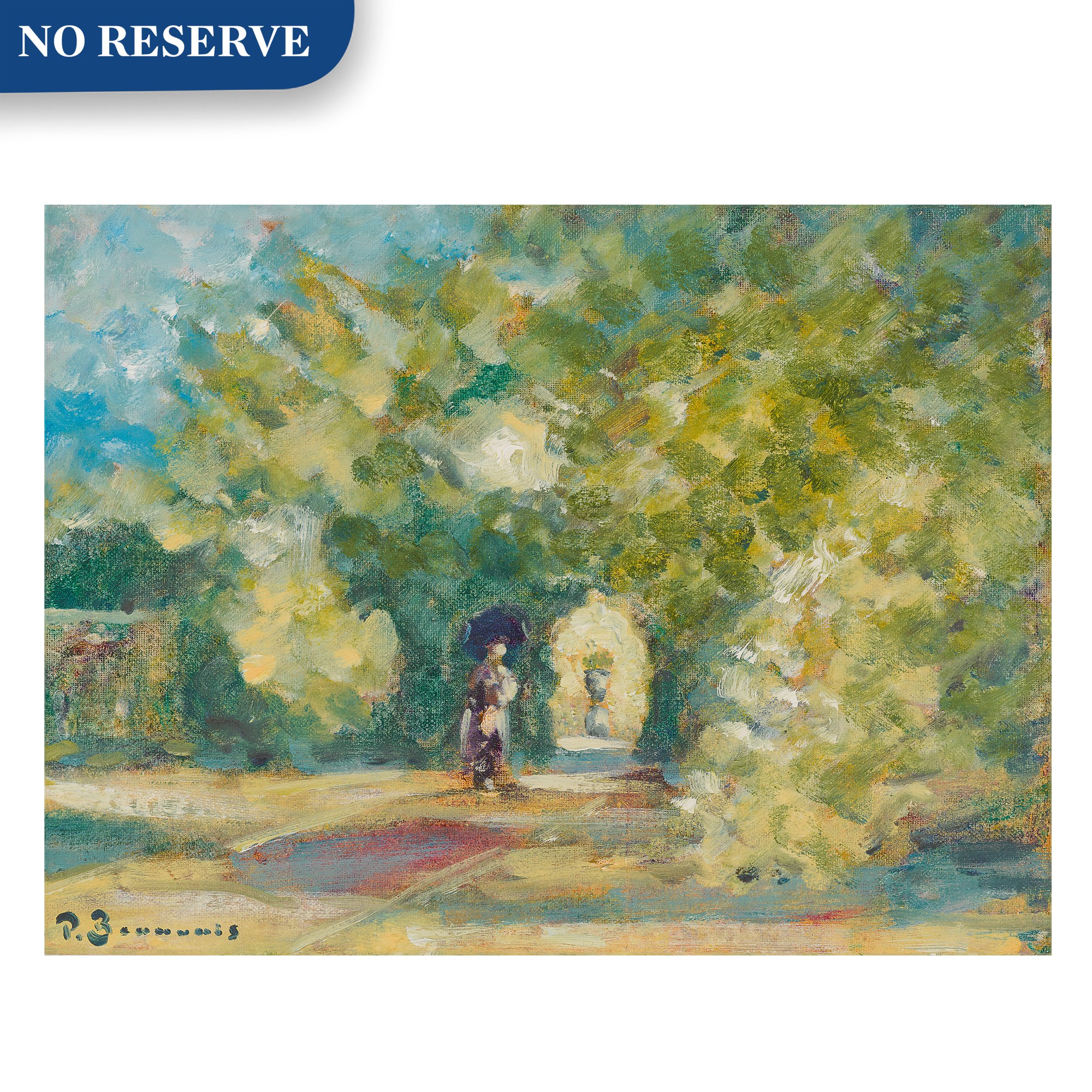
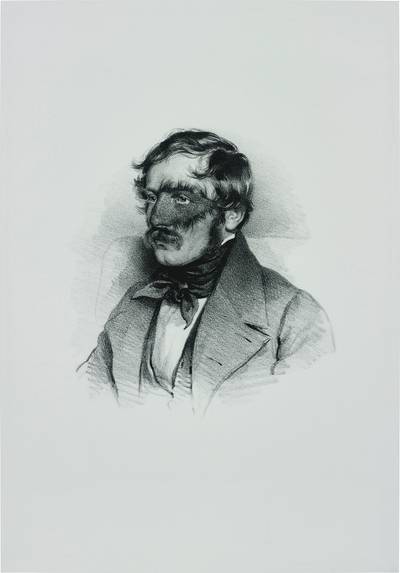
When a work on canvasboard by someone like Anatoly Zverev appears, and his outsider energy is increasingly recognized internationally, the question of support becomes part of the story rather than a footnote to it. Zverev worked on whatever was available, and that scrappiness is now read as authenticity rather than limitation. There are artists in this space whose valuations still feel underweighted relative to their historical significance. Denman Waldo Ross, the Boston collector and theorist whose paintings embody his own theories of color and design, is better known to art historians than to the broader market, and his works on board represent an unusual opportunity.
Thalia Flora Karavia, the Greek painter whose portraits and Balkan landscapes occupy a fascinating peripheral position in early twentieth century European modernism, is similarly underrecognized outside specialist circles. The works on The Collection by these artists sit in a space where connoisseurial attention has not yet fully caught up with scholarly interest, and that gap tends to close in one direction. What feels alive right now is the conversation around artists whose canvasboard works connect personal intensity with historical moment. Pavel Tchelitchew, whose surrealist affiliations and theatrical imagination produced works of strange and unsettling beauty, is attracting renewed attention from collectors who came of age on later figurative painting and are now tracing lineages backward.
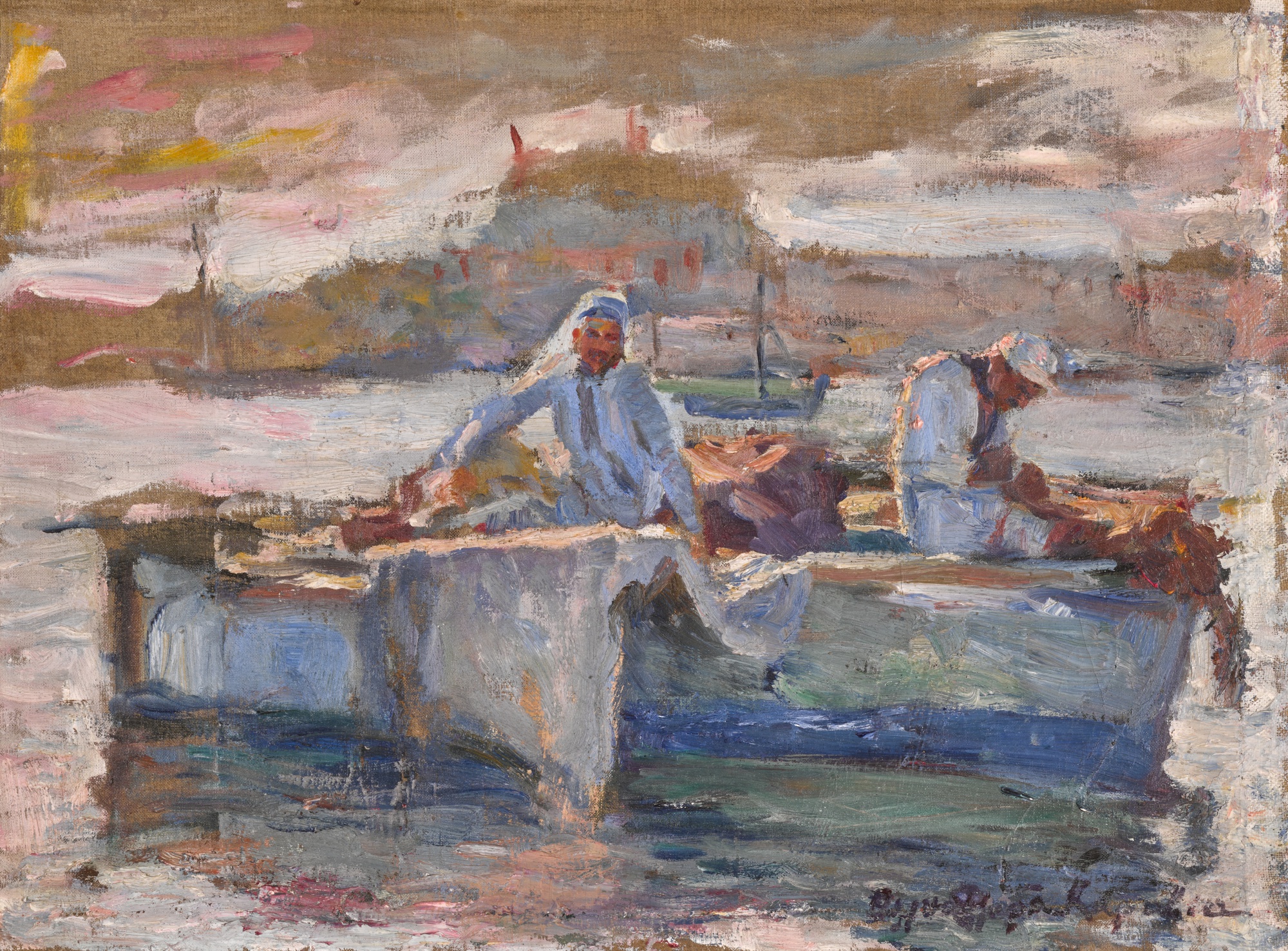
Thalia Flora Karavia
On the Bosphorus
Max Ernst on board is a different animal than Max Ernst on canvas, more provisional and in some ways more revealing of his restless intelligence. The energy in the room when these works appear is not nostalgia. It is genuine curiosity about what was being worked out. The surprise that is still coming, if the current trajectory holds, involves a broader reckoning with the geographic and gender biases that shaped which canvasboard works were preserved, exhibited, and sold in the first place.
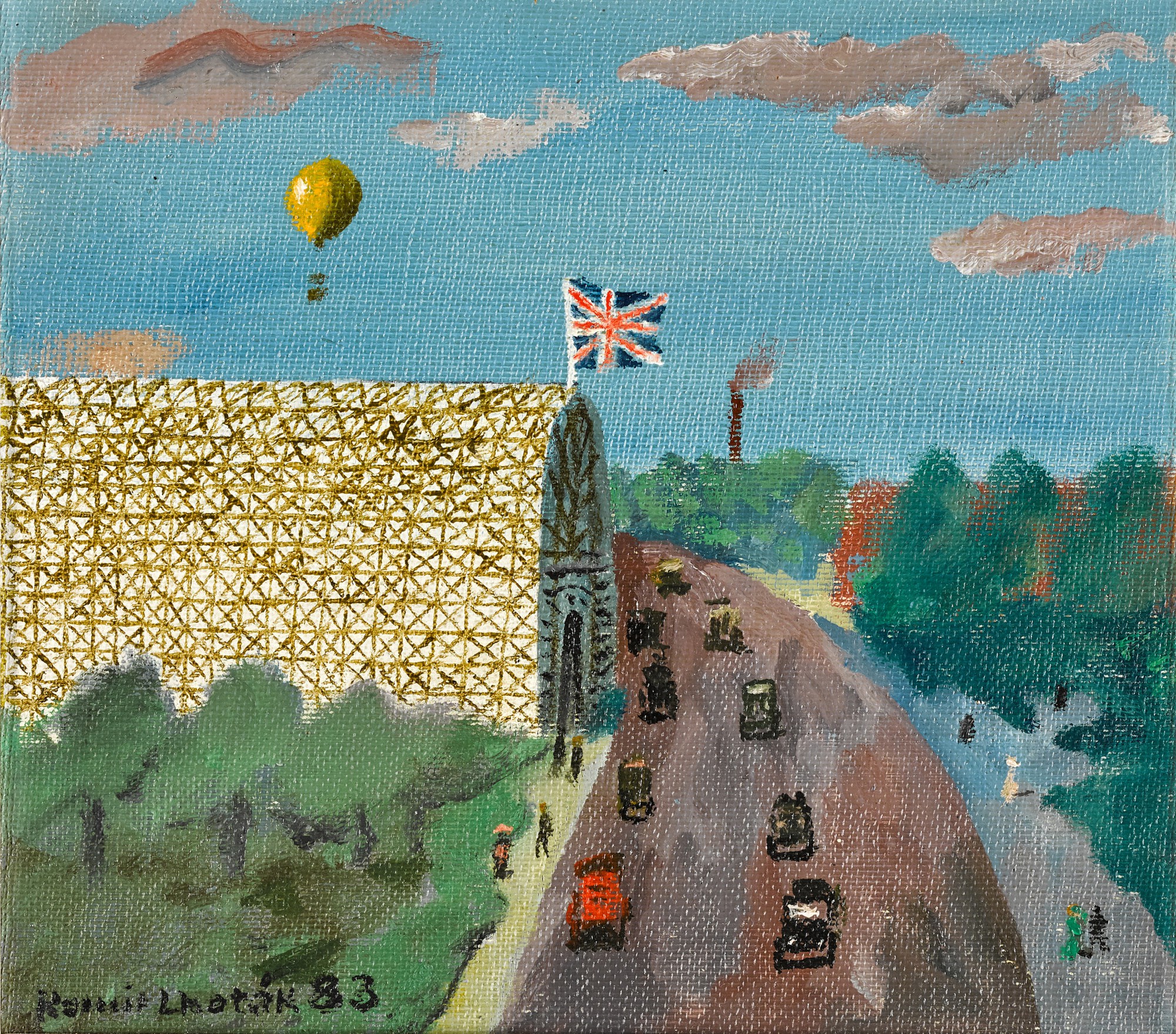
Letitia Marion Hamilton, the Irish painter who studied under Walter Sickert and brought a luminous attention to landscape, is one of several women artists whose board works are now being recontextualized within feminist art historical frameworks that did not exist when their reputations were first being formed. That recontextualization is not merely academic. It moves prices, opens doors, and changes what it means to own and live with these objects. The modest board, it turns out, has been keeping secrets worth discovering.