Non-Objective
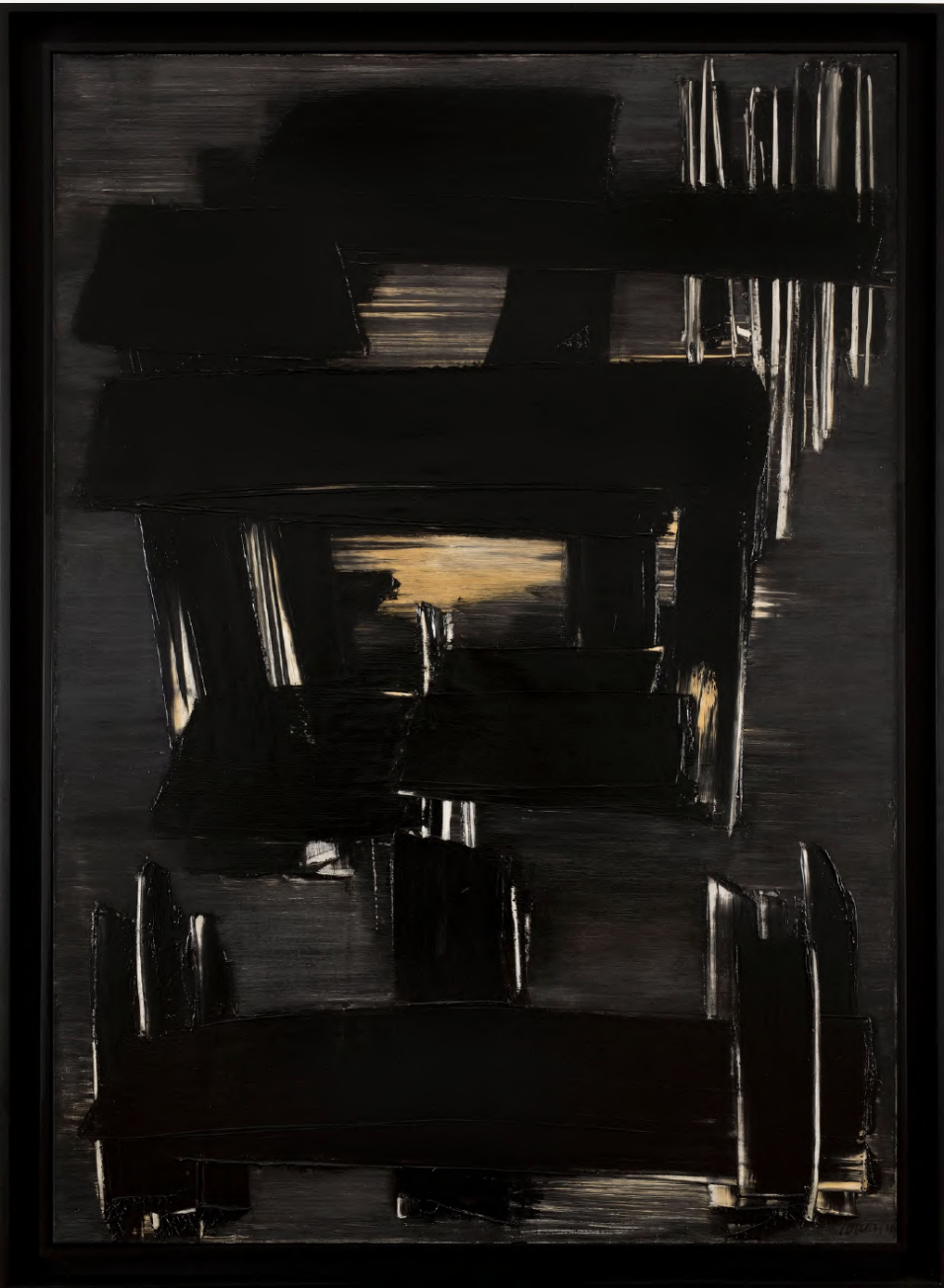
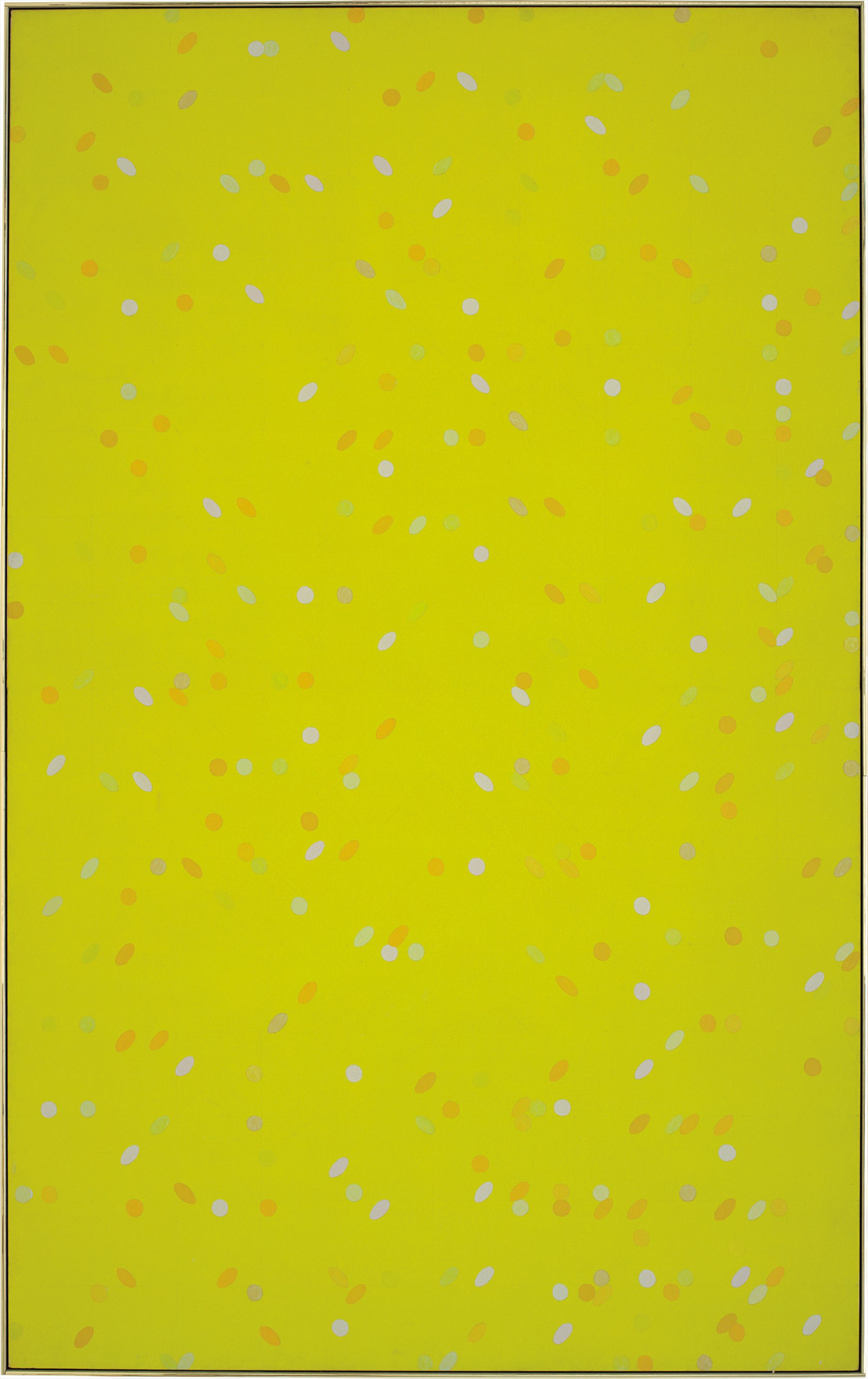
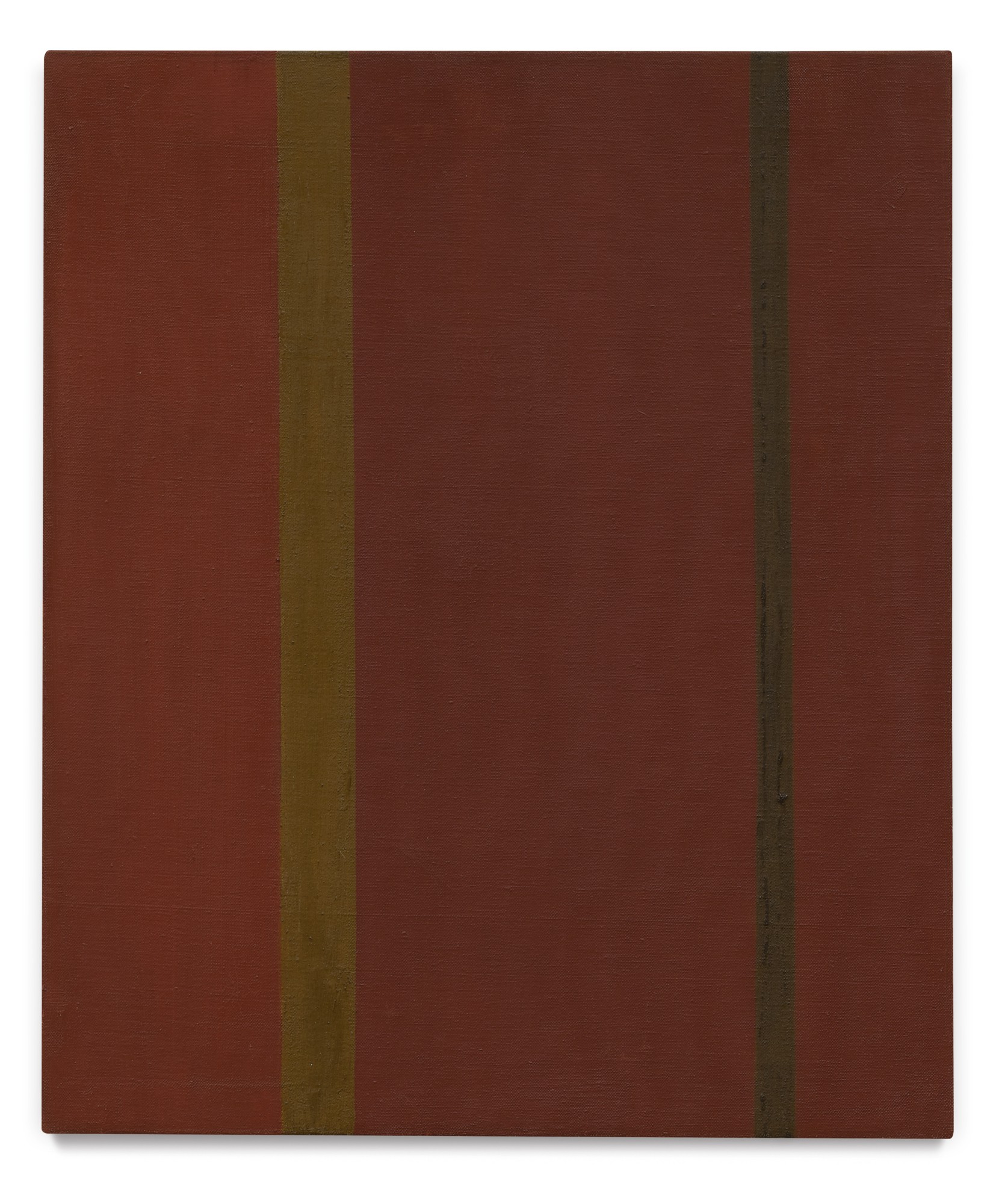
Pierre Soulages
Peinture 162 x 114 cm, 29 août 1958, 1958

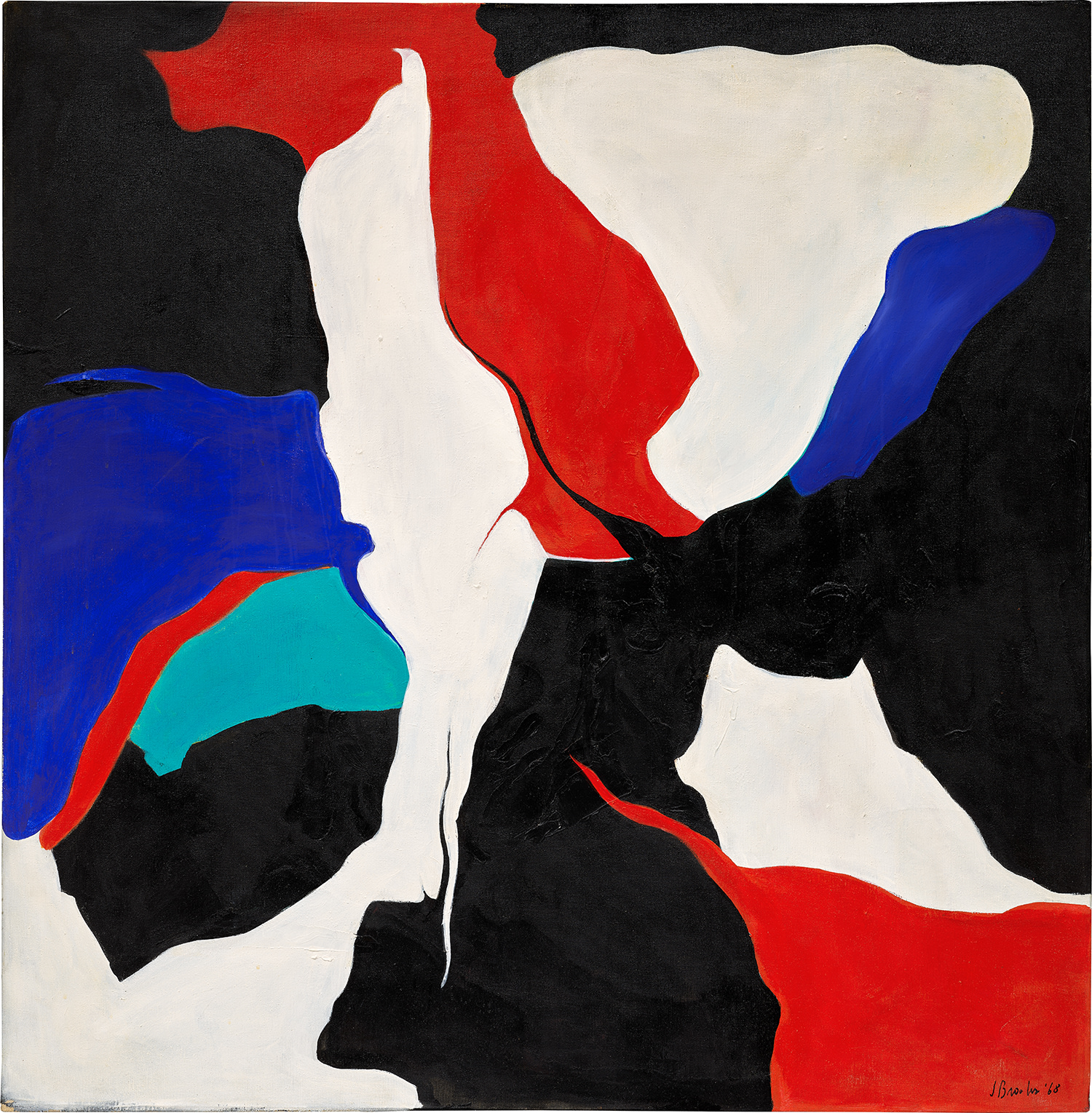


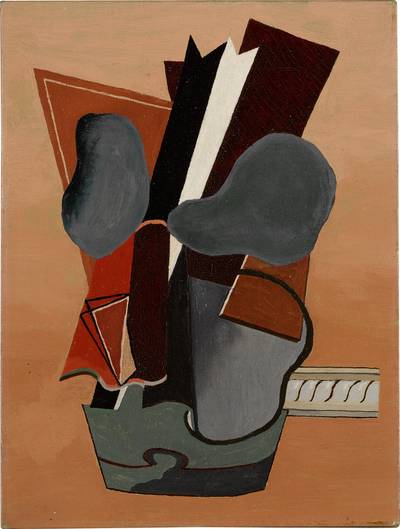
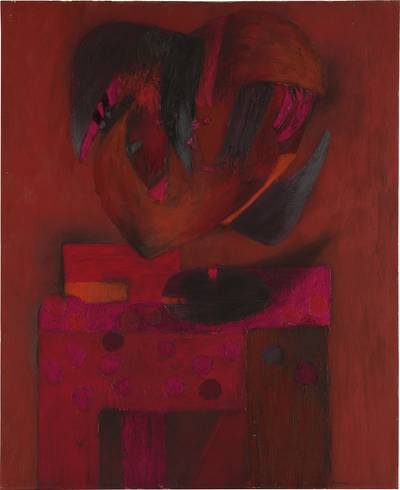
Pure Feeling, No Subject: Collecting the Absolute
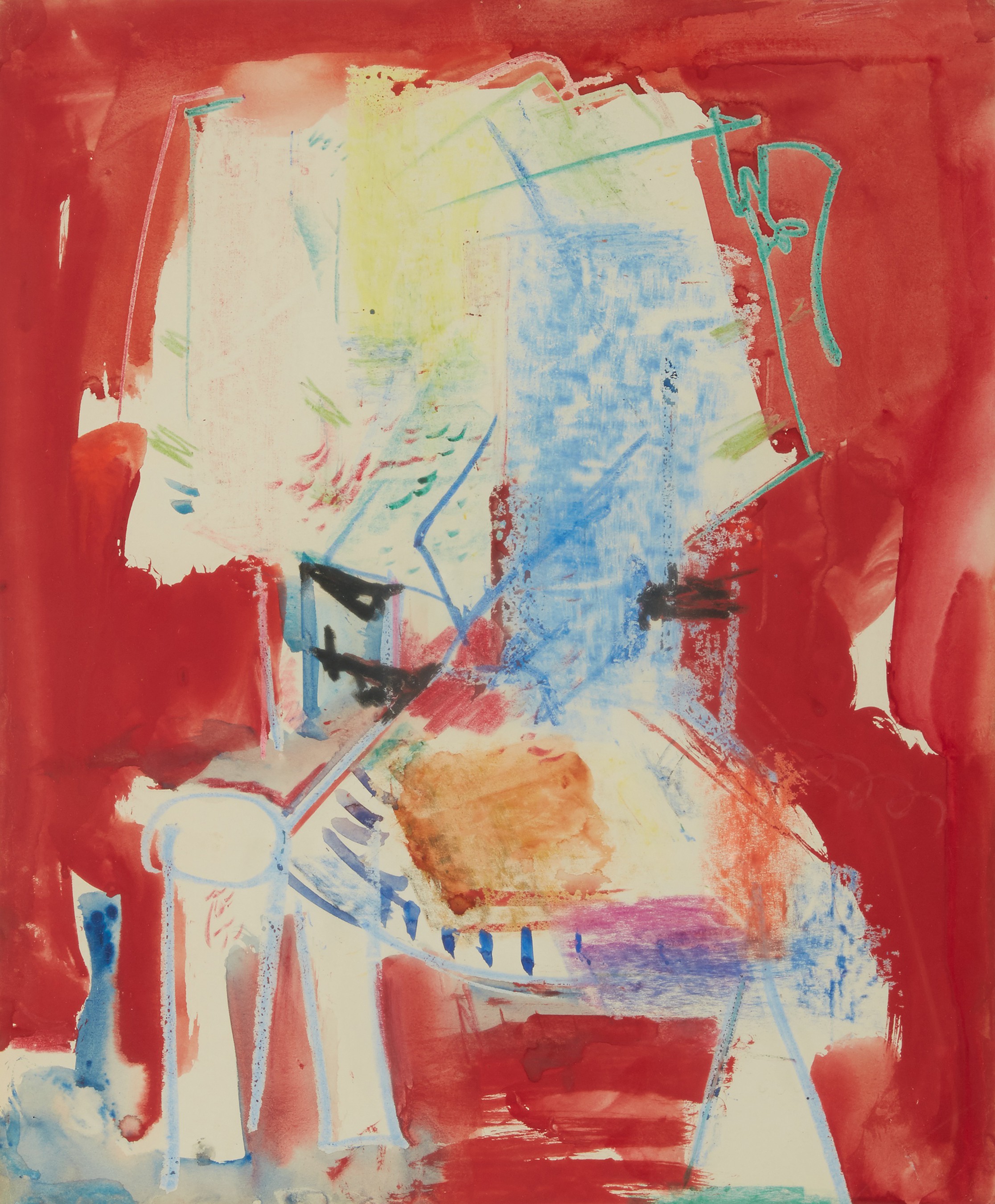
There is a particular kind of collector who walks into a room dominated by a non objective painting and feels, before thinking, something shift in the chest. No narrative to decode, no face to recognize, no landscape to place. Just color and form and the specific authority of paint doing exactly what it wants. This is the pleasure and the provocation of non objective art, and it explains why collectors who fall for it tend to fall hard.
Living with work that refuses figuration means living with something that demands you meet it on its own terms, and for the right person, that ongoing negotiation becomes one of the most rewarding relationships a collection can hold. The term itself carries weight. Non objective is not simply a synonym for abstract. It carries a specific philosophical charge, one that runs back through Kazimir Malevich's radical insistence in the 1910s that painting could achieve a spiritual purity by abandoning the visible world entirely.
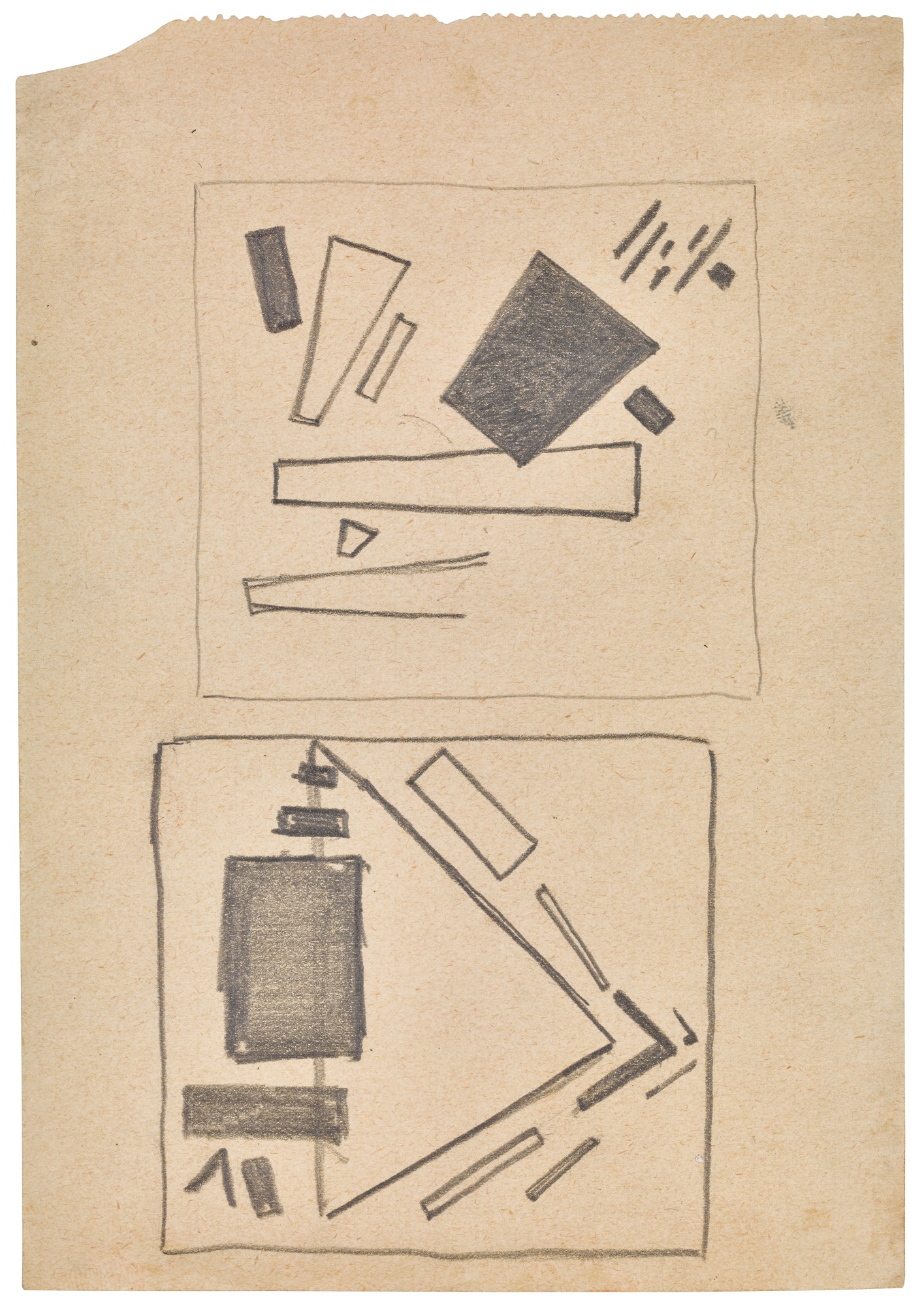
Kazimir Malevich
Suprematist Composition
The ambition was enormous: to make art that referred to nothing outside itself, that existed as a pure visual and emotional fact. Collectors who understand this lineage are not buying decoration. They are buying into one of the most sustained and serious conversations in the history of modern art, and that context matters enormously to long term value. So what separates a good non objective work from a truly great one?
The question is harder to answer here than in almost any other category, which is precisely why it rewards collectors who invest time in looking. The temptation is to rely on name recognition alone, but the better approach is to ask whether a work has what dealers sometimes call inevitability: the sense that every mark, every interval of color, every edge decision was the only possible choice. In a strong work by Pierre Soulages, for instance, the black is not simply applied; it is structured, almost architectural, and the light it reflects carries emotional information. That quality of internal necessity is what distinguishes a painting that holds your attention across years from one that fades into the wall.
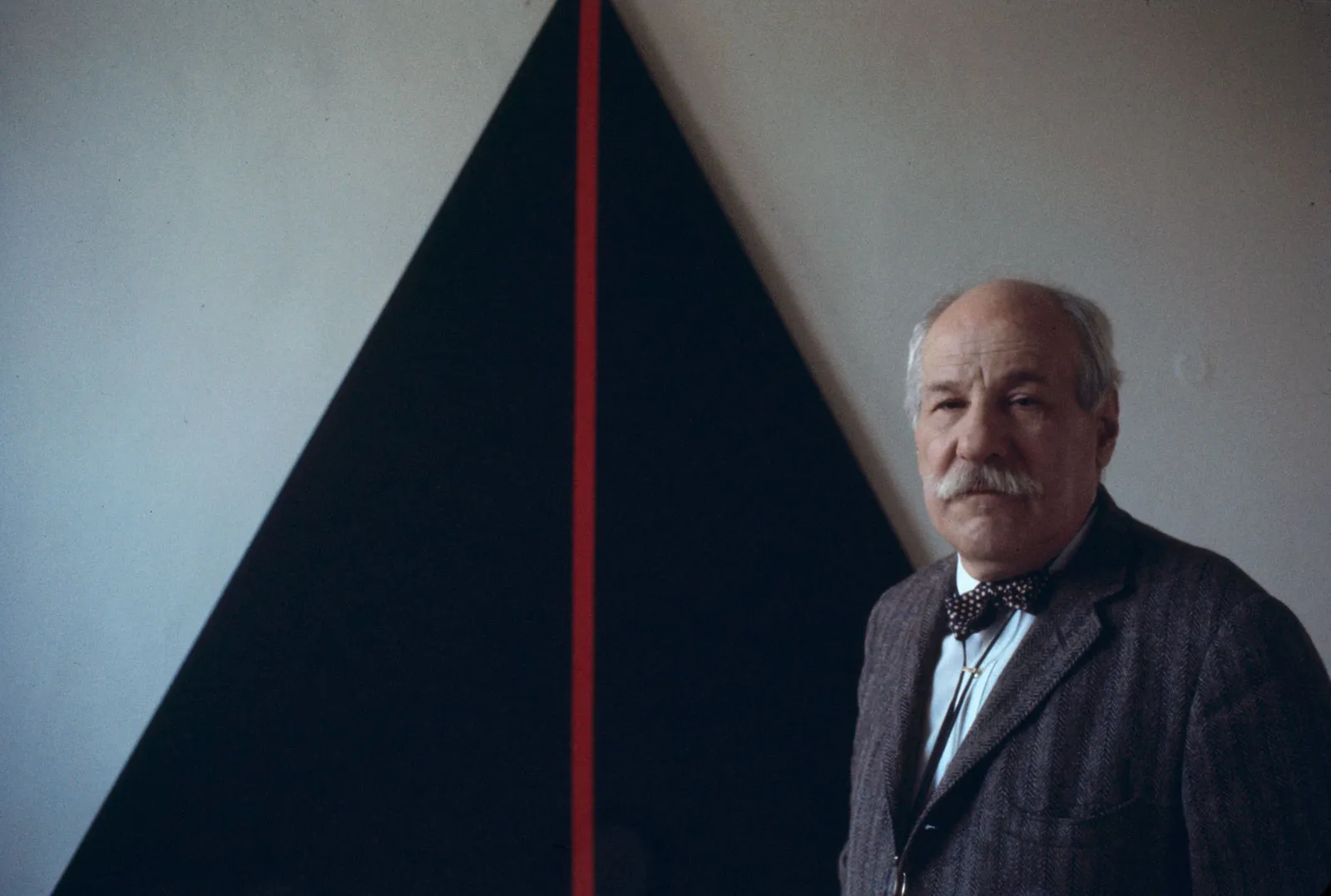
Barnett Newman
Galaxy, 1949
Scale, surface, and the quality of the artist's decision making under pressure are all factors worth examining closely. Works by Barnett Newman reward sustained looking in ways that reproductions simply cannot communicate. The relationship between his vertical fields of color and the thin lines he called zips is a spatial and psychological event that only activates in front of the actual canvas. Similarly, a work by Morris Louis from his Veil or Unfurled series, made through his distinctive acrylic staining technique in the late 1950s and early 1960s, has a luminosity and physical presence that is inseparable from its material history.
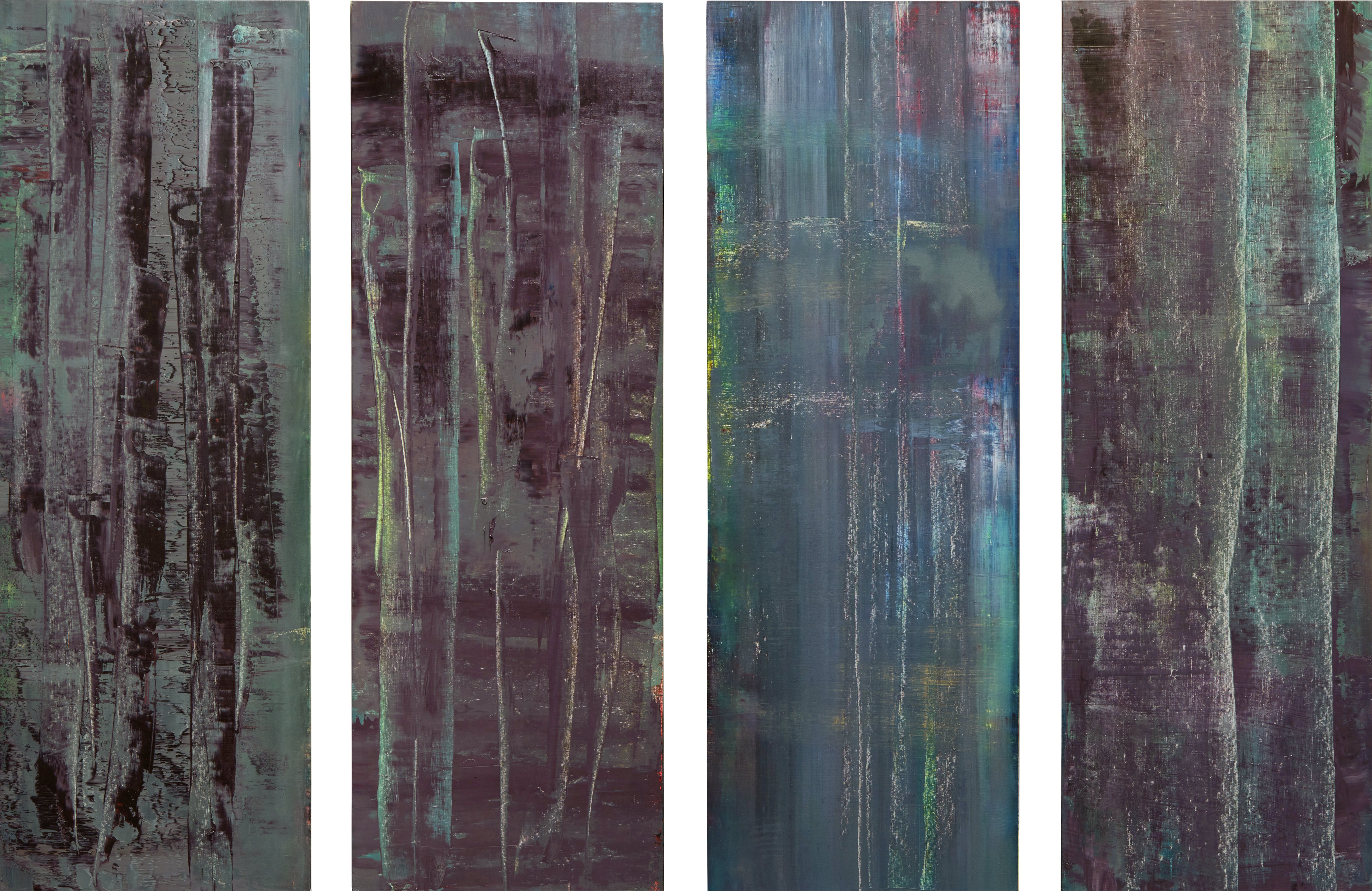
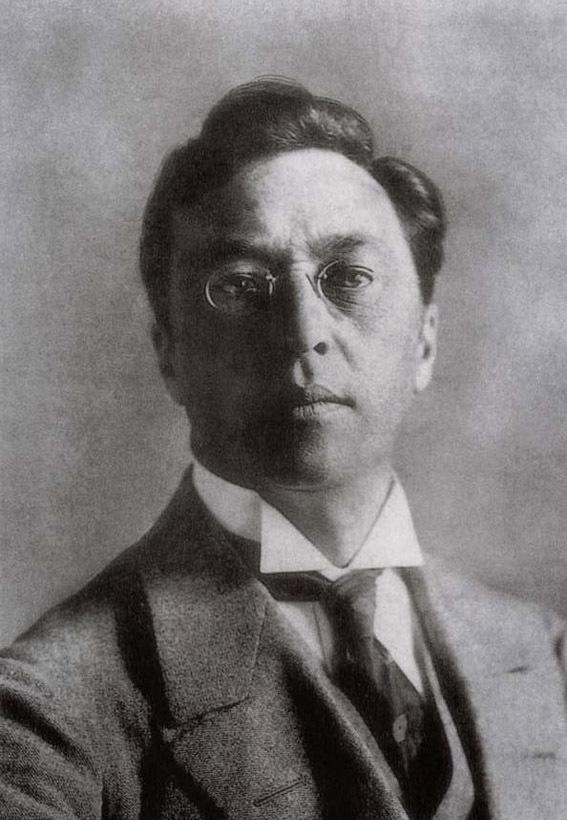
Collectors should always ask to see a work in natural light and, where possible, live with it on approval before committing. In terms of market positioning, the artists well represented on The Collection offer a genuinely interesting range of entry points and long term upside. Wassily Kandinsky remains a cornerstone, with major works appearing at the top international auction houses and holding exceptional stability across market cycles. Gerhard Richter's abstract works, particularly the squeegee paintings, have seen remarkable appreciation over the past two decades and now occupy a category that institutional collectors treat as blue chip.

Wassily Kandinsky
Aufstieg (Rise)
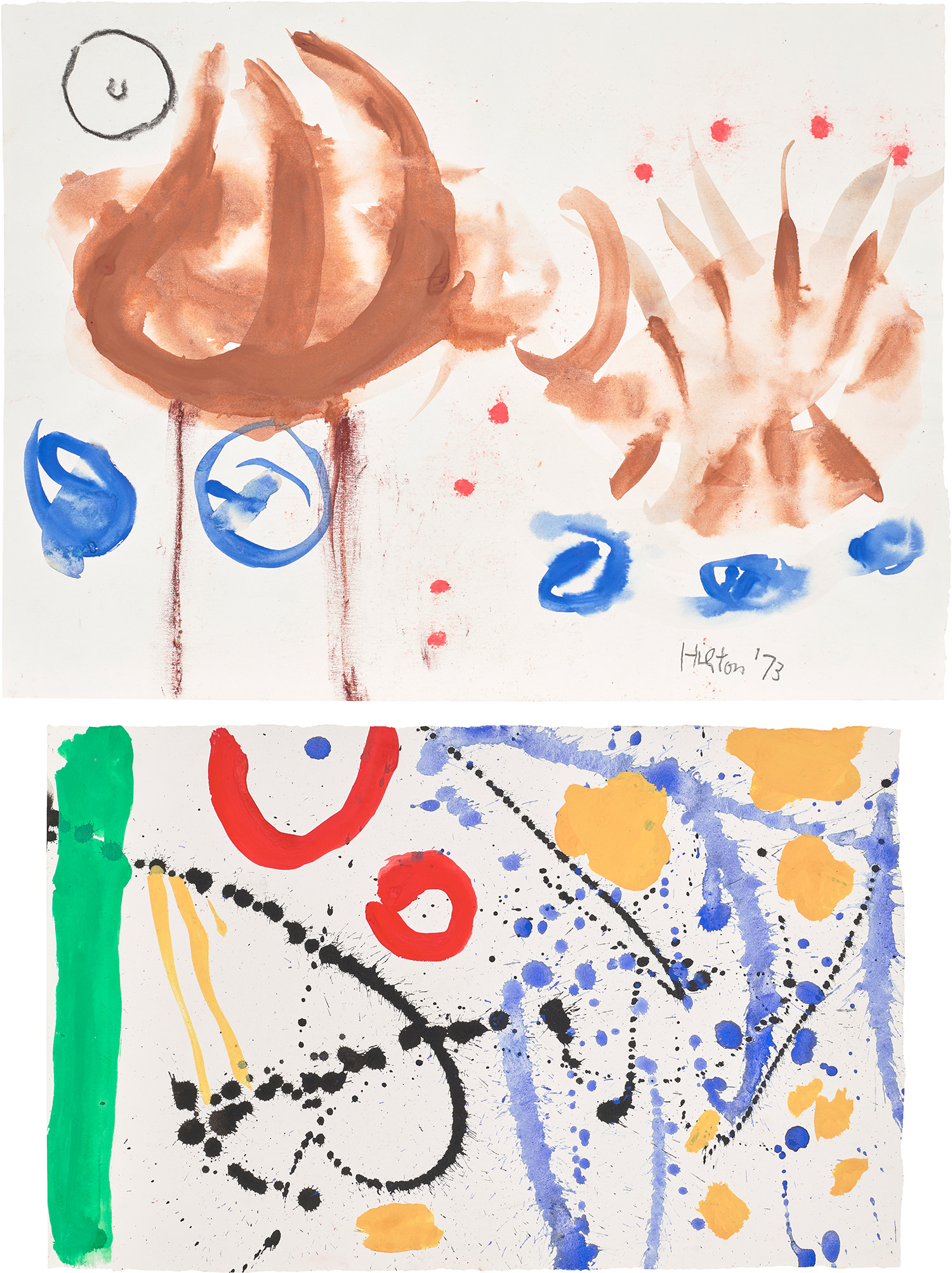
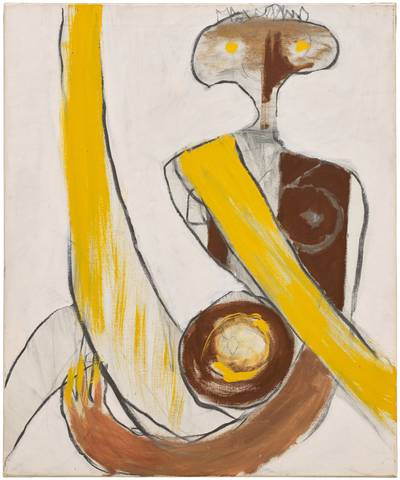
For collectors working at a slightly different price point, figures like Sam Francis and Robert Motherwell offer works with strong institutional museum histories, real art historical significance, and a secondary market that rewards careful acquisition. A Francis from his late career, with those buoyant pools of saturated color, is the kind of work that carries a room without dominating it. There is also real opportunity in artists who remain underrecognized relative to their actual contribution. Fernando de Szyszlo, the Peruvian painter who brought a deeply personal visual vocabulary to non objective painting across a career spanning six decades, has significant institutional presence in Latin America but is only now receiving broader international attention.
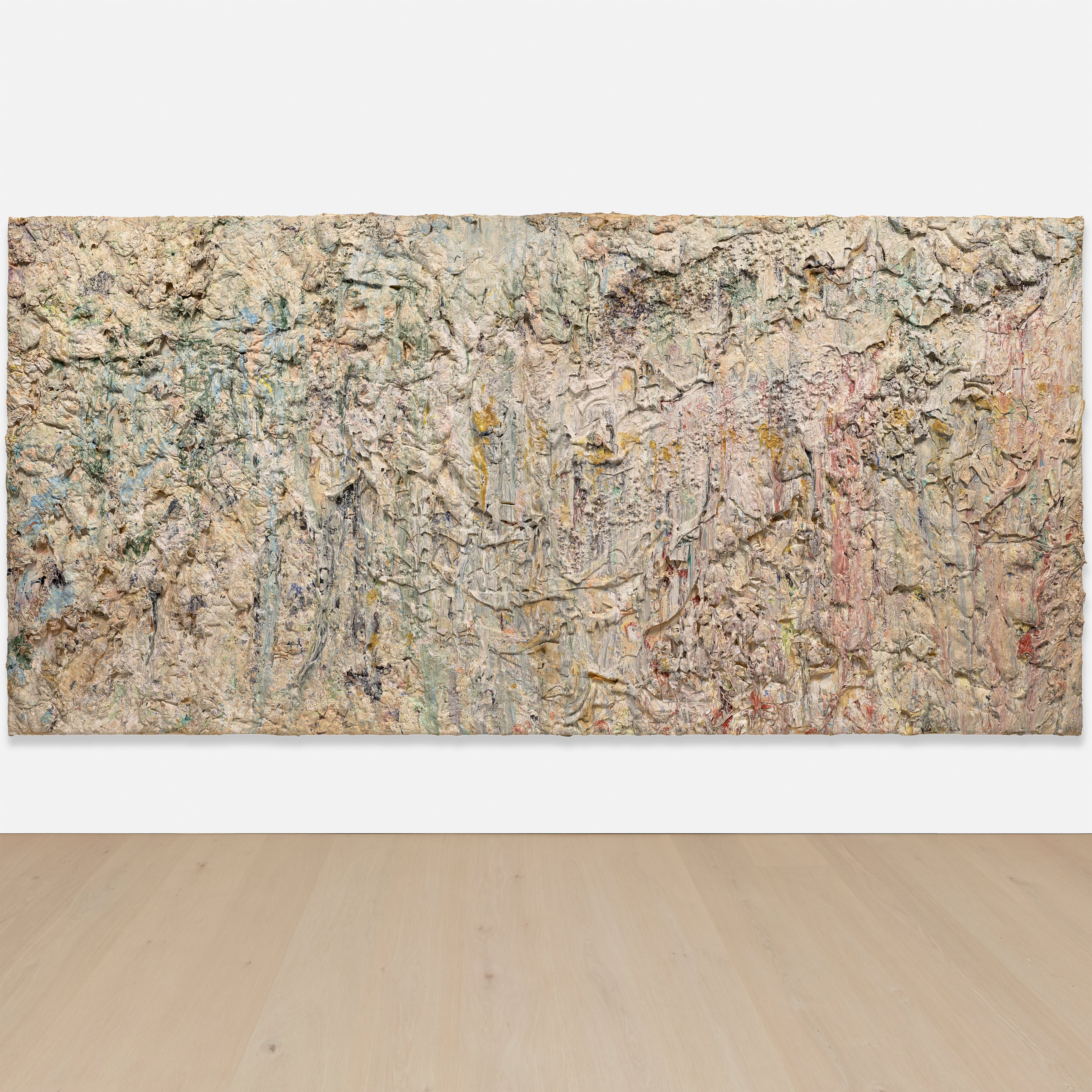
Chuang Che, the Taiwanese painter who studied in the United States during the 1960s and developed a practice that absorbed Abstract Expressionist energy while remaining rooted in his own visual culture, represents exactly the kind of figure that major collectors and institutions are currently reassessing. These are artists whose secondary market prices do not yet reflect their historical importance, and that gap is where thoughtful collectors can still move. At auction, non objective works perform best when provenance is clean, exhibition history is strong, and condition is excellent. This is a category where condition is not a secondary consideration but a primary one.
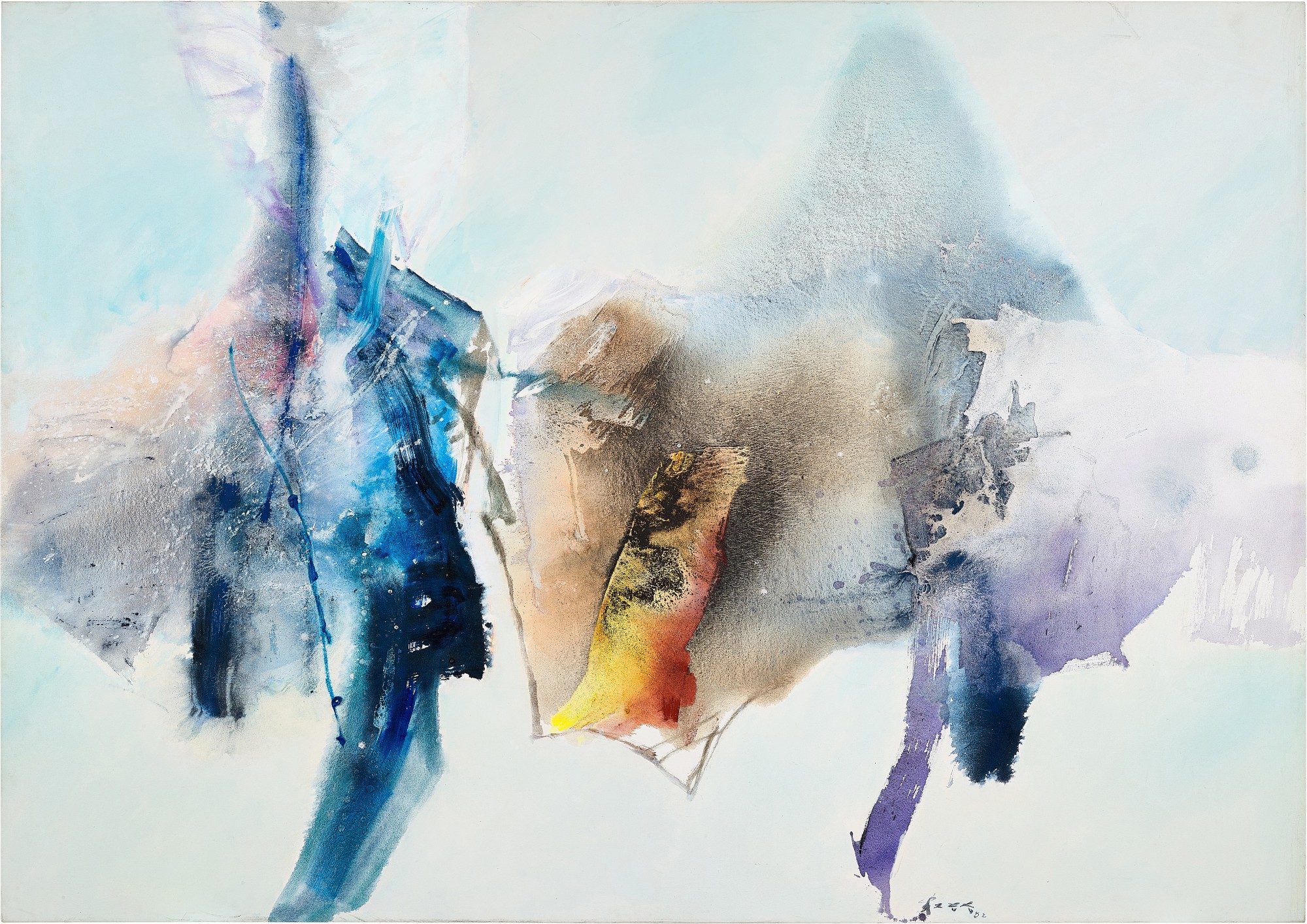
Chuang Che
Untitled 無題, 1982
Because so much of the meaning of a non objective work is carried by the surface itself, any restoration, overcleaning, or paint loss strikes directly at the heart of what you are buying. Always request a full condition report and, for significant acquisitions, an independent conservation assessment. Ask the gallery or auction house specifically about any lining or relining of a canvas, about any inpainting, and about how the work has been stored and displayed. UV light examination is standard practice for serious due diligence.
For display, these works are more demanding than they might initially appear. A non objective painting by Hans Hofmann, with his characteristic push pull of color relationships, needs space to breathe and lighting that does not flatten the surface. Avoid placing highly chromatic works opposite windows where shifting daylight will alter your perception throughout the day, unless that changeability is something you actively want. Works on paper in this category, from artists like James Brooks or Lawrence Calcagno, require UV protective glazing and should be kept away from direct light sources entirely.
The investment in proper framing and installation is never wasted. Finally, when speaking with a gallery about a non objective work, the most useful questions are often the most direct ones. Ask why this particular work, from this particular moment in the artist's career. Ask what the artist was thinking about at the time of its making, what was happening in their studio practice.
The answers will tell you whether the gallery genuinely understands what they are selling, and whether the work has a story worth acquiring alongside the object itself. In non objective art more than anywhere else, that context does not diminish the purity of the experience. It deepens it.