Roger Hilton
“
9
Works
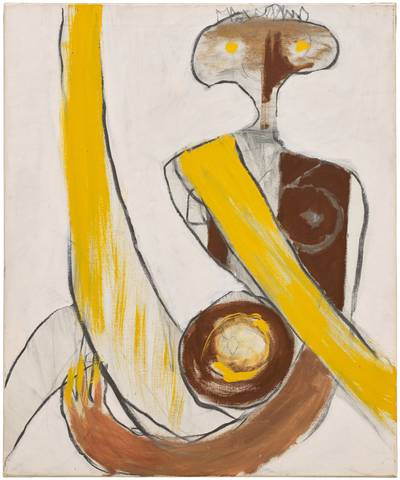
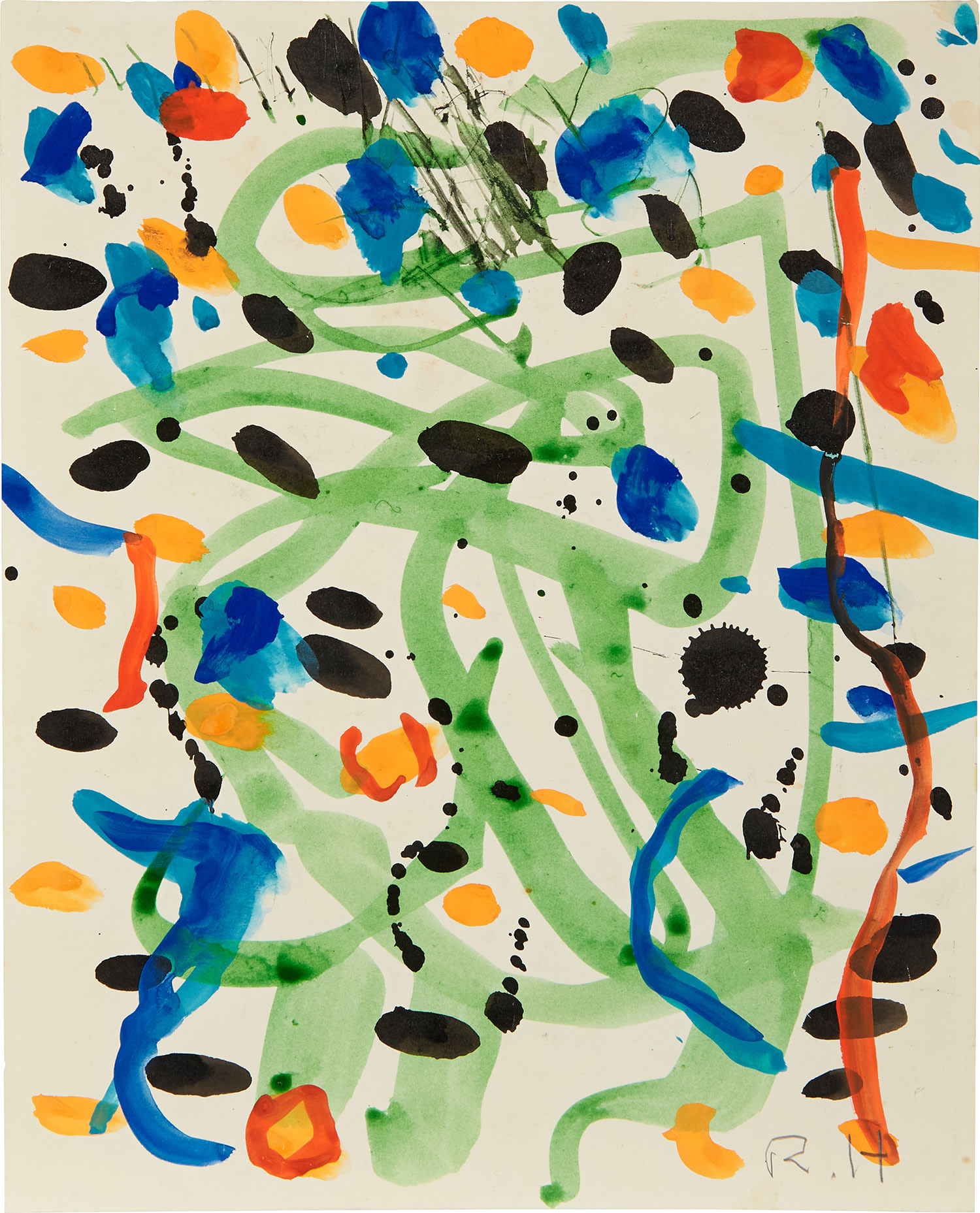
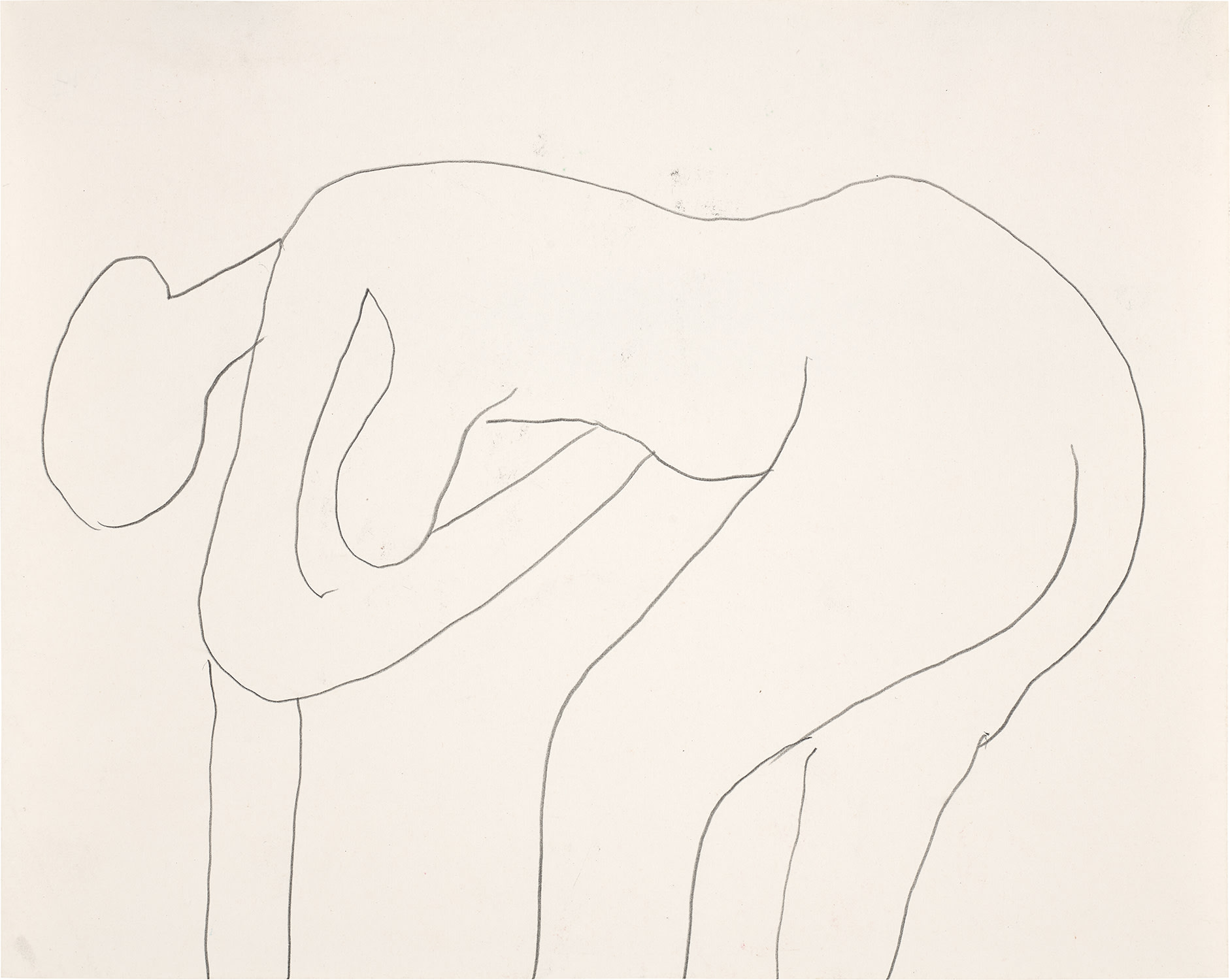
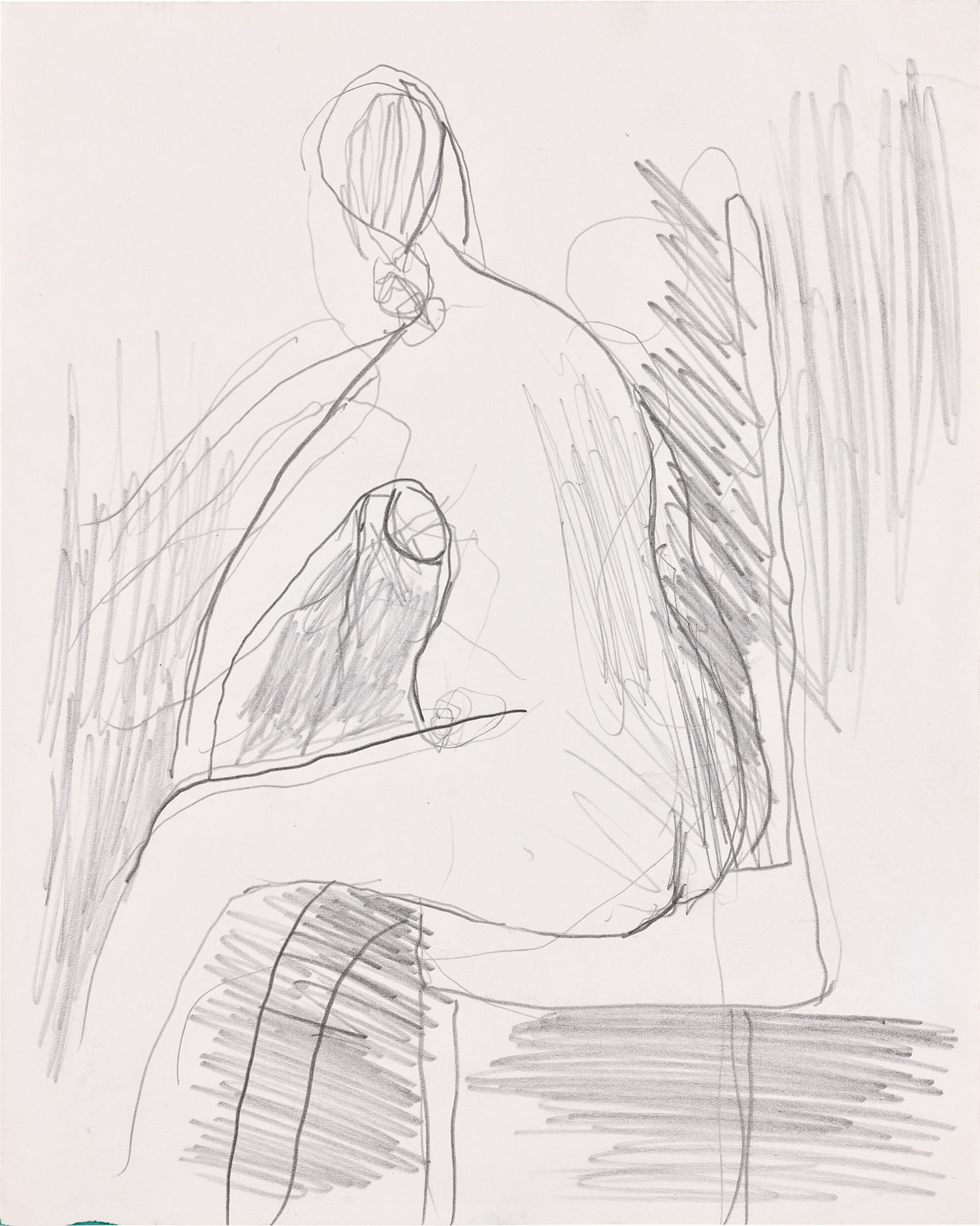
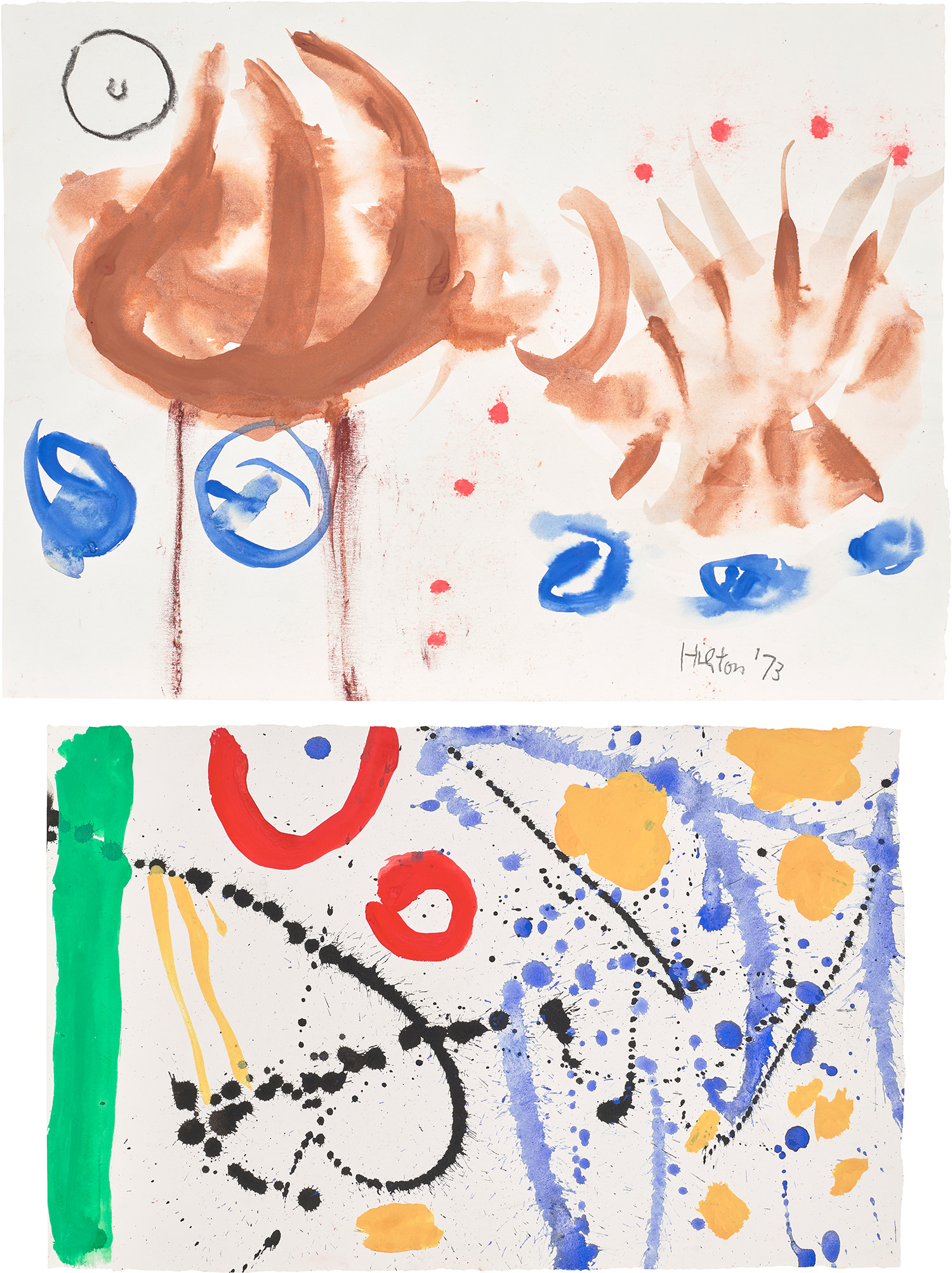
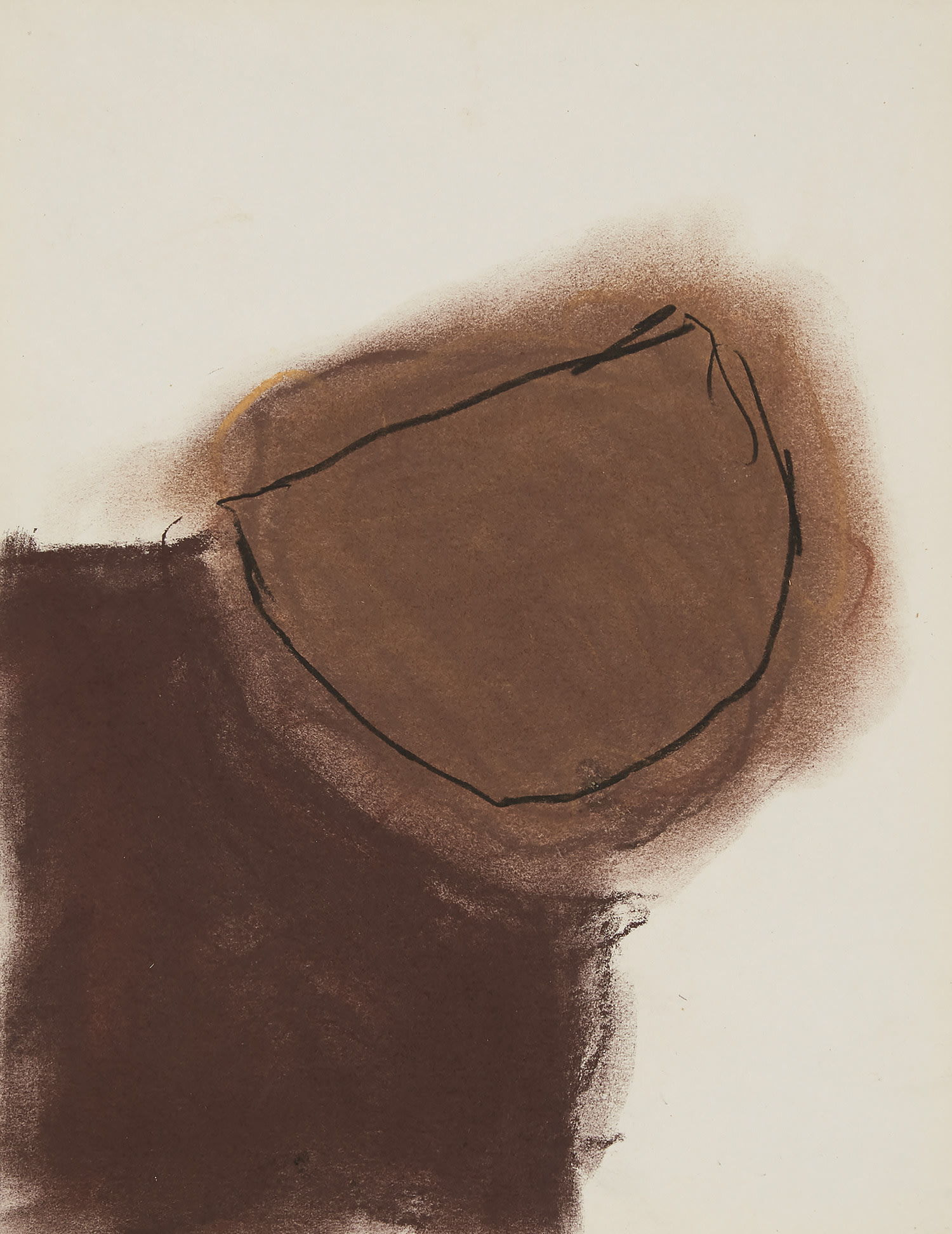
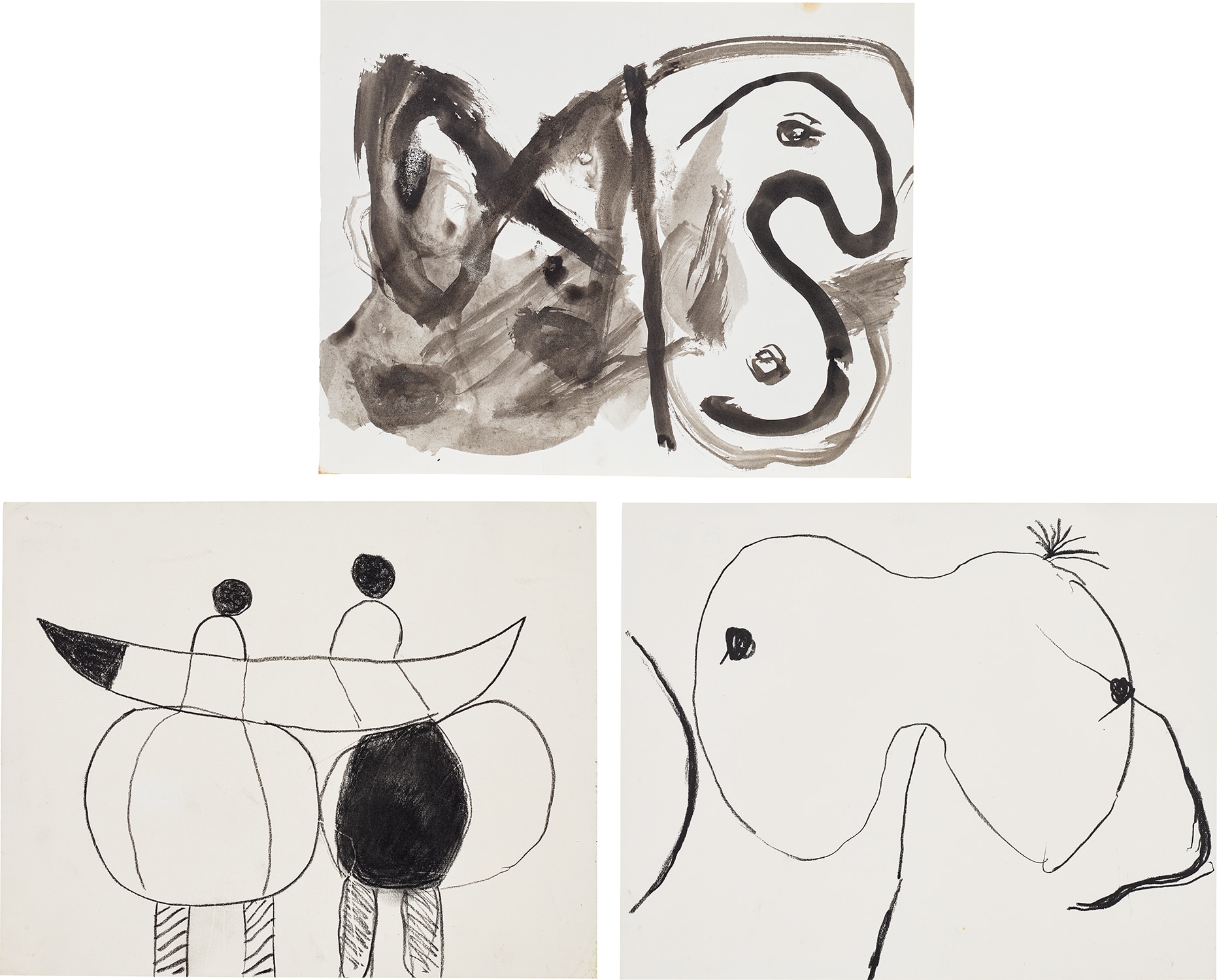
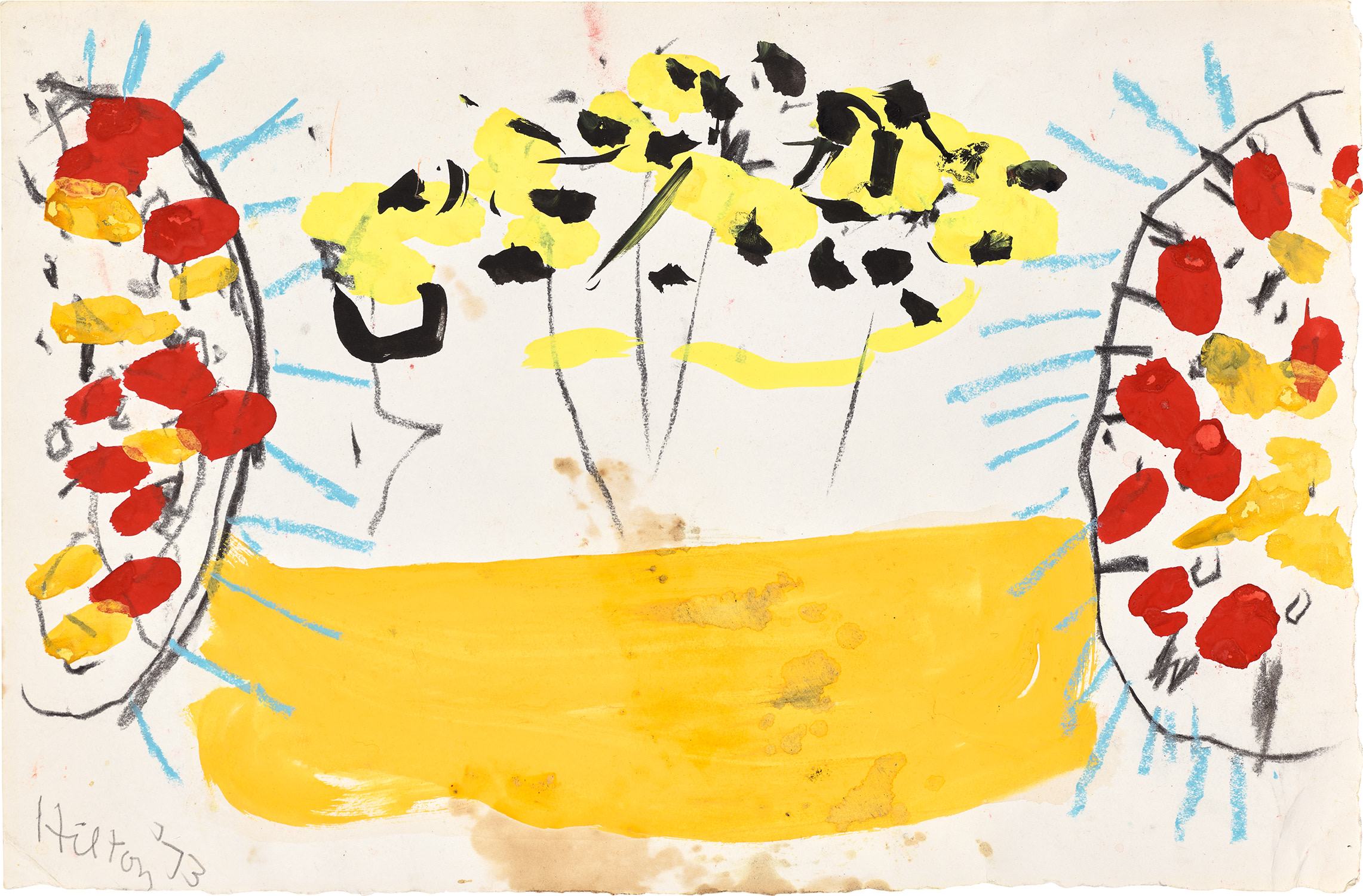
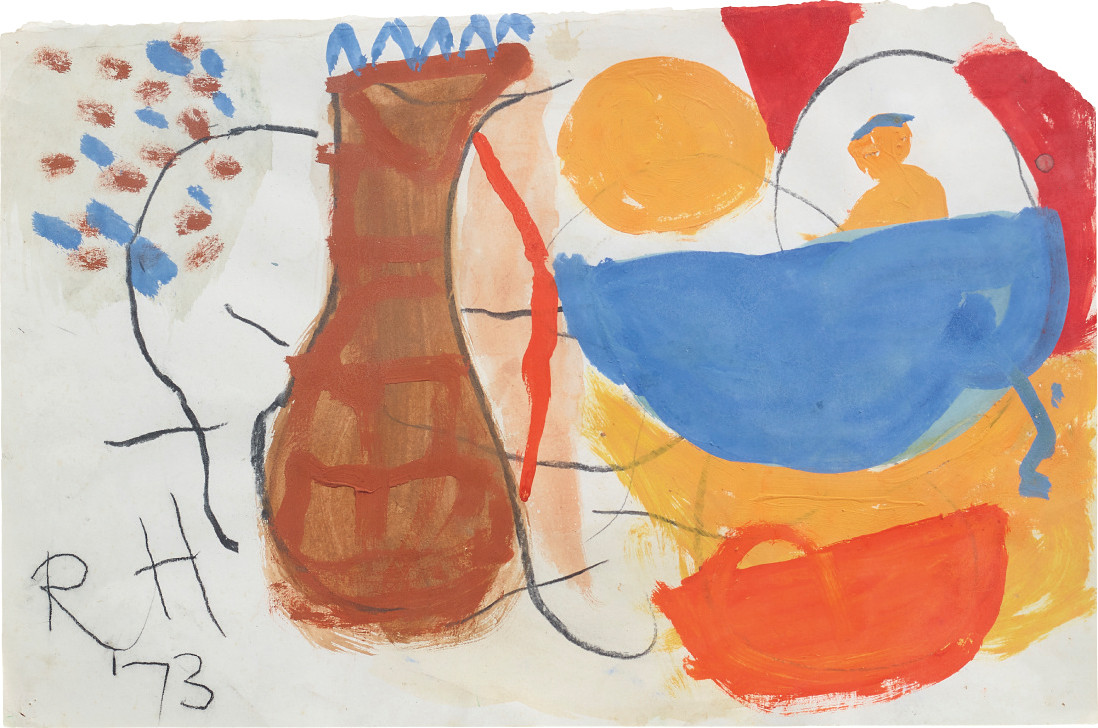
Roger Hilton was a prominent British abstract painter associated with the St Ives school of artists in Cornwall. Born in Northwood, Middlesex, he studied at the Slade School of Fine Art in London and later in Paris under Roger Bissière. His early work was figurative, but he became increasingly interested in abstraction during the 1950s, influenced by European modernism and his encounters with artists like Mondrian and the work of the Dutch De Stijl movement. Hilton's abstractions were characterized by bold, gestural forms, vibrant colors, and a sense of lyrical spontaneity that distinguished him from more geometric abstract artists. Throughout the 1950s and 1960s, Hilton became a central figure in British abstract art, exhibiting regularly at important galleries and gaining critical recognition. His paintings from this period often featured dynamic compositions with floating shapes and rich chromatic relationships. Later in his career, particularly after illness confined him to bed in the early 1970s, he produced a remarkable series of gouaches on paper featuring simplified, often whimsical figurative forms—including female nudes, animals, and playful characters—executed with spontaneous brushwork and accompanied by handwritten texts. These late works demonstrated his continued vitality and creativity despite physical limitations. Hilton's contribution to post-war British art was significant, helping to establish abstract painting as a vital force in the British art scene. He represented Britain at the Venice Biennale and his work was shown in major exhibitions throughout his career. His paintings are held in important public collections including Tate, and he is remembered as one of the key figures who brought European modernist sensibilities to British abstract art while maintaining a distinctly personal and expressive approach to painting.
Artists in conversation