Neoclassicism
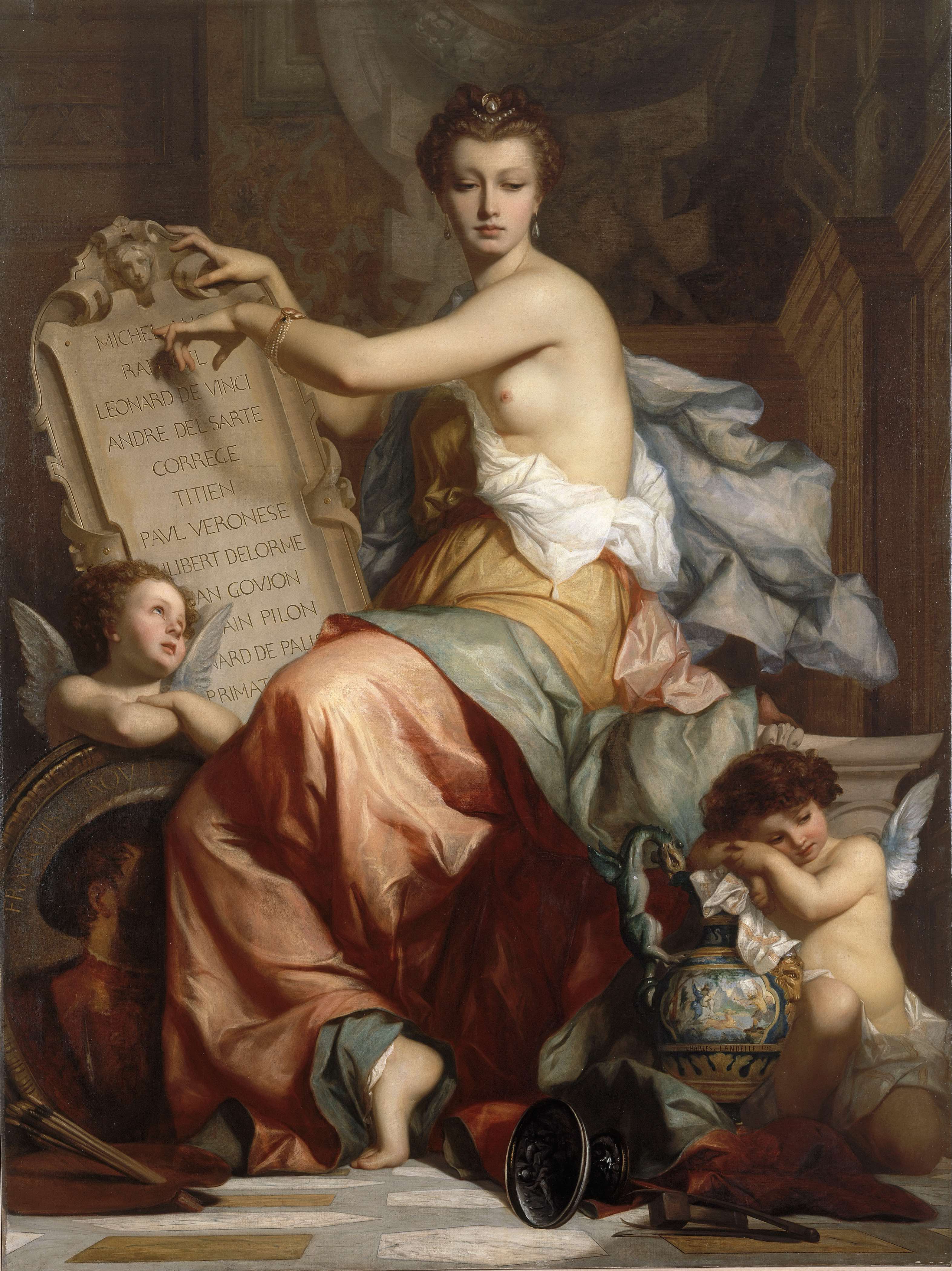
Charles Landelle
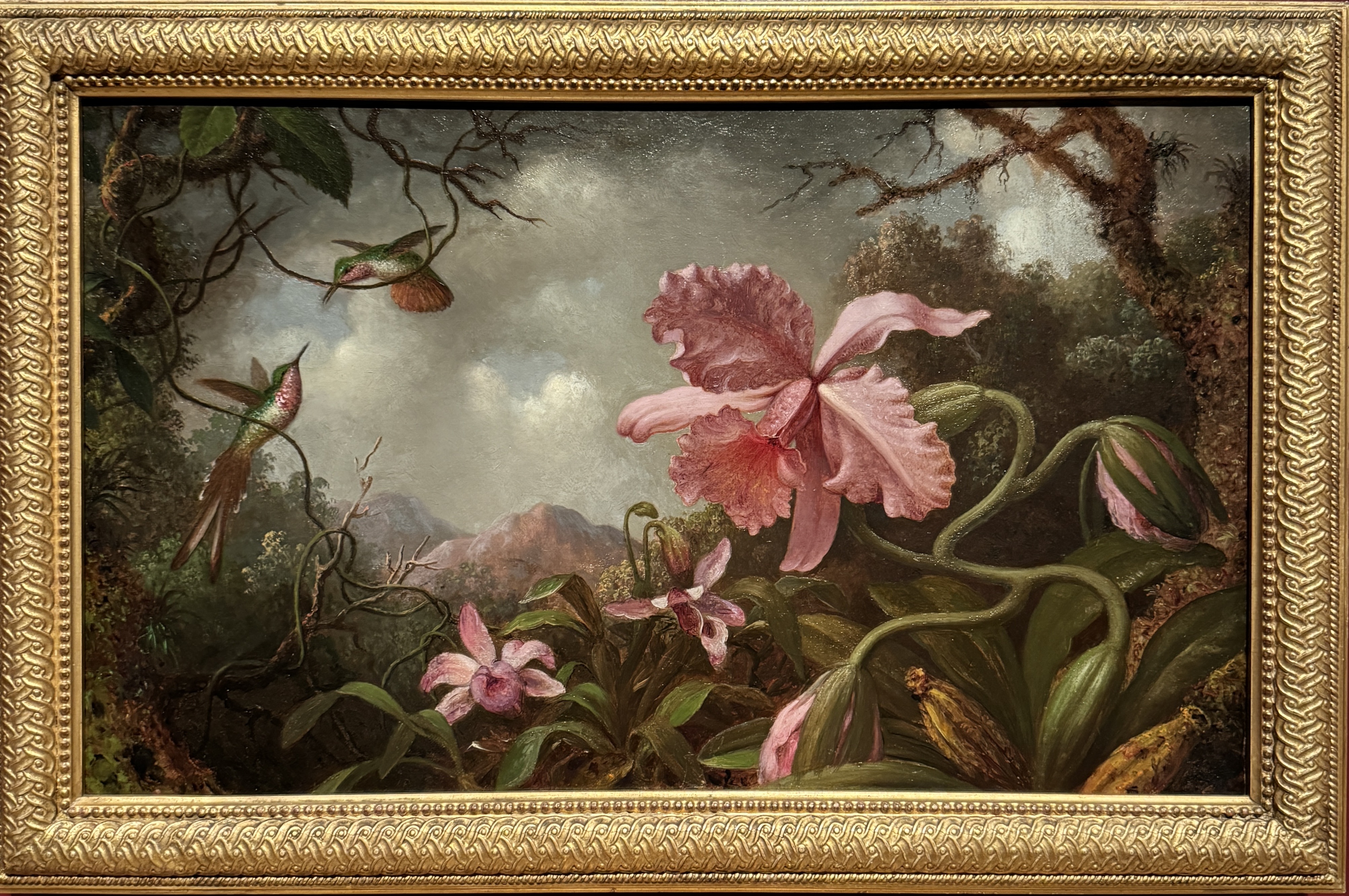
La Renaissance des Arts (The Renaissance of the Arts), 1853
Order, Beauty, and the Obsession with Ancient Worlds
There is something almost utopian about Neoclassicism, a belief so fierce it bordered on religious conviction: that the ancient world held answers the modern one had lost. Beginning in earnest in the 1760s and gathering extraordinary force through the French Revolutionary and Napoleonic periods, the movement was never simply a stylistic preference. It was a moral argument, a political stance, and an aesthetic philosophy compressed into marble, oil paint, and bronze. To understand it is to understand how Western civilization has periodically returned to its own origins, searching for clarity in the ruins of Greece and Rome.
The intellectual groundwork was laid by the German art historian Johann Joachim Winckelmann, whose landmark 1764 text Geschichte der Kunst des Alterthums argued that ancient Greek art represented the highest achievement of human creative endeavor. His description of the ideal as characterized by noble simplicity and quiet grandeur became something close to a manifesto. At the same time, the excavations at Herculaneum and Pompeii, which had begun in earnest in 1738 and 1748 respectively, were flooding European consciousness with direct evidence of the ancient world. Suddenly antiquity was not an abstraction but an archaeology, tangible and immediate.
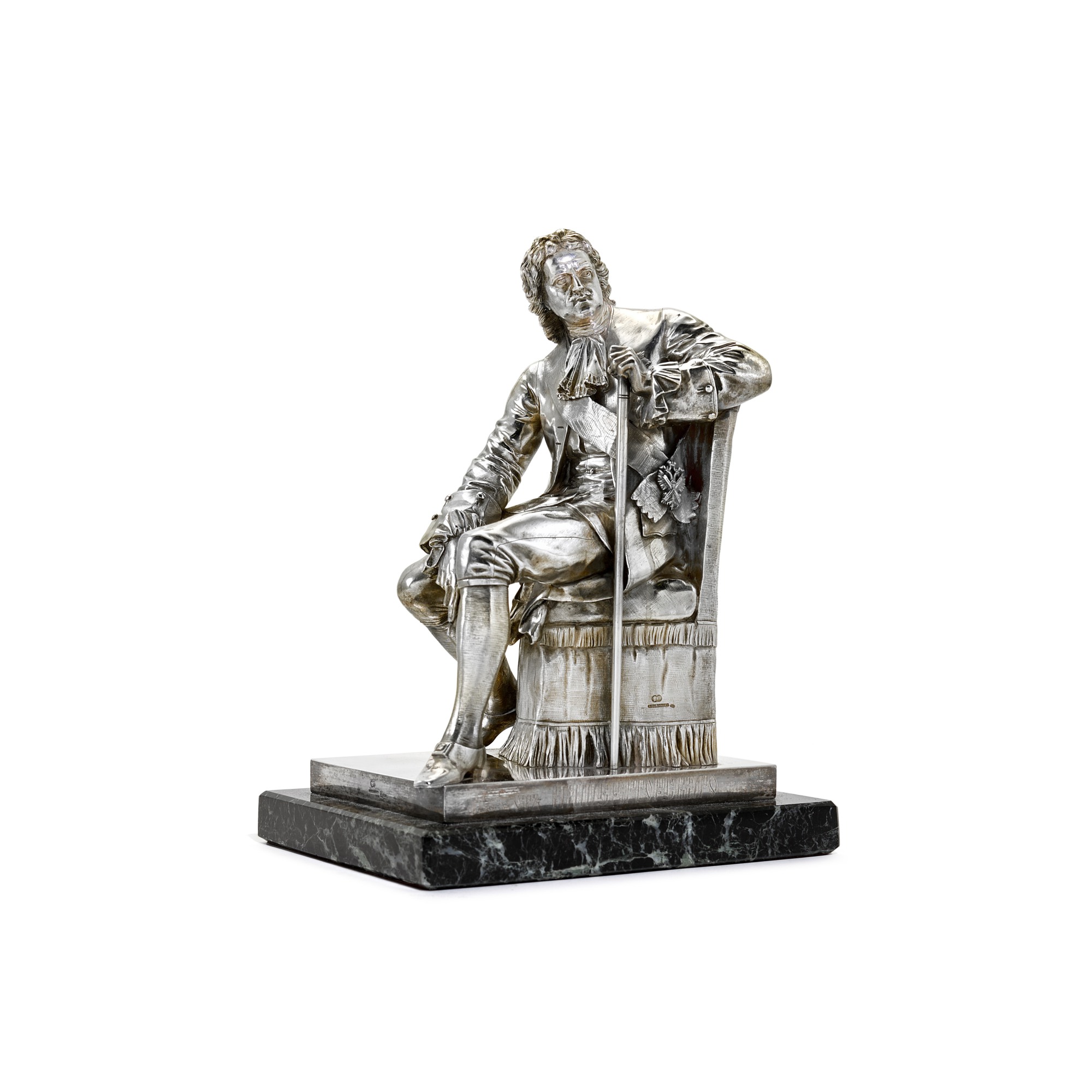
Unknown
A silver sculpture of Peter the Great, Sokolov, after the design by Alexander Opekushin, St Petersburg, 1872
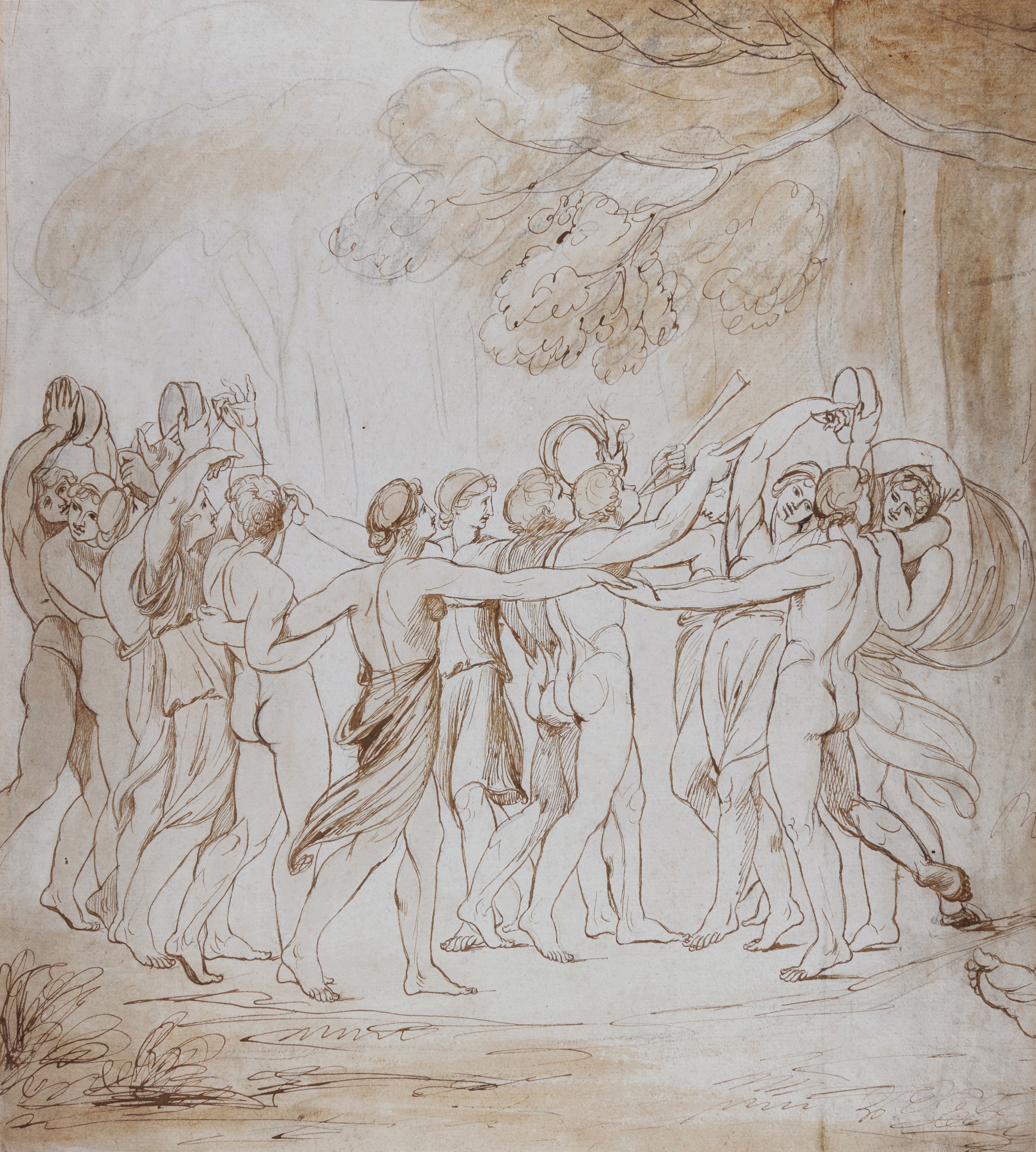
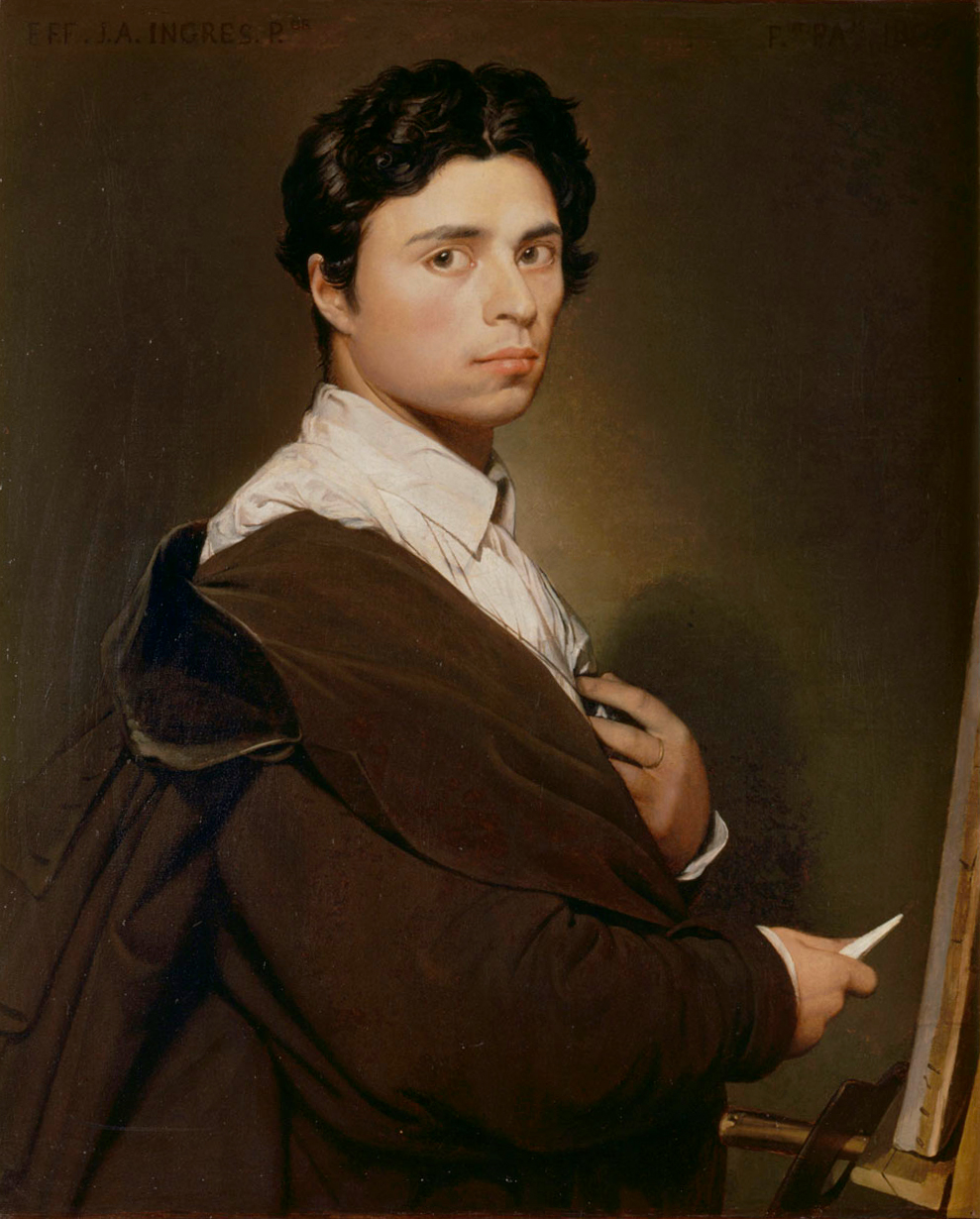
In painting, no figure embodied the movement's ambitions more completely than Jacques Louis David. His 1784 work The Oath of the Horatii, exhibited at the Paris Salon, was received as a revelation: spare, theatrical, and charged with civic virtue, it seemed to distill everything Winckelmann had theorized into a single composition. David's influence cast an enormous shadow across French art for decades, and his work is represented on The Collection, a reminder of how central his vision remains to any serious encounter with the period. After David, his student Jean Auguste Dominique Ingres carried the flame with extraordinary refinement, his surfaces so polished they seem almost to resist touch.
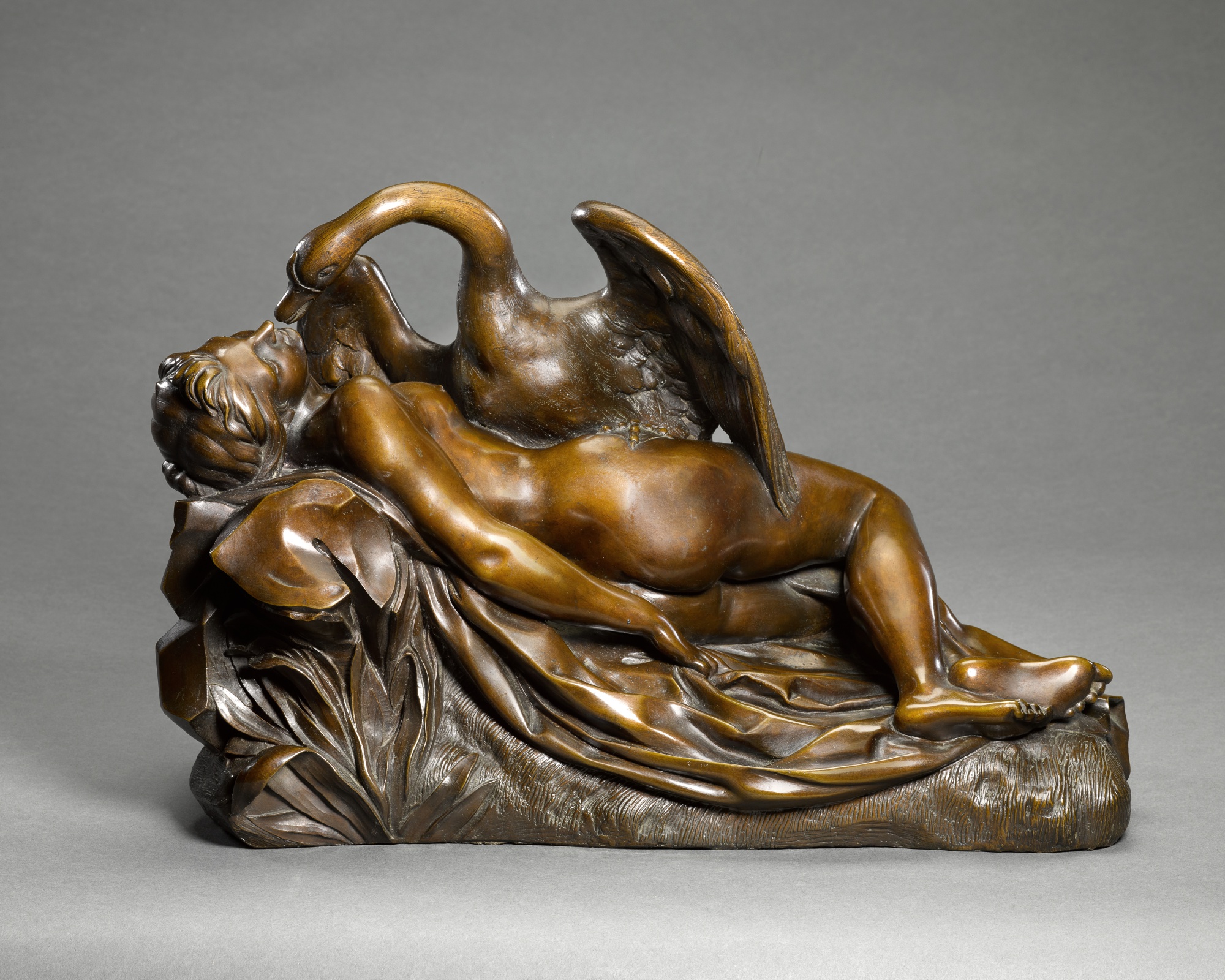
Ingres understood that Neoclassicism was also about desire, the desire for a perfection no living body could quite achieve, and his works on The Collection reward exactly that kind of close, searching attention. Sculpture was perhaps the arena where Neoclassical ideals found their most natural expression. The insistence on smooth contour, on bodies freed from the decorative excess of the Baroque and Rococo, aligned perfectly with the medium's capacity for idealized form. Jean Baptiste Carpeaux represents a fascinating tension within this tradition: trained in the Neoclassical system and a winner of the Prix de Rome, he ultimately pushed toward a vitality and psychological immediacy that strained against classical restraint.
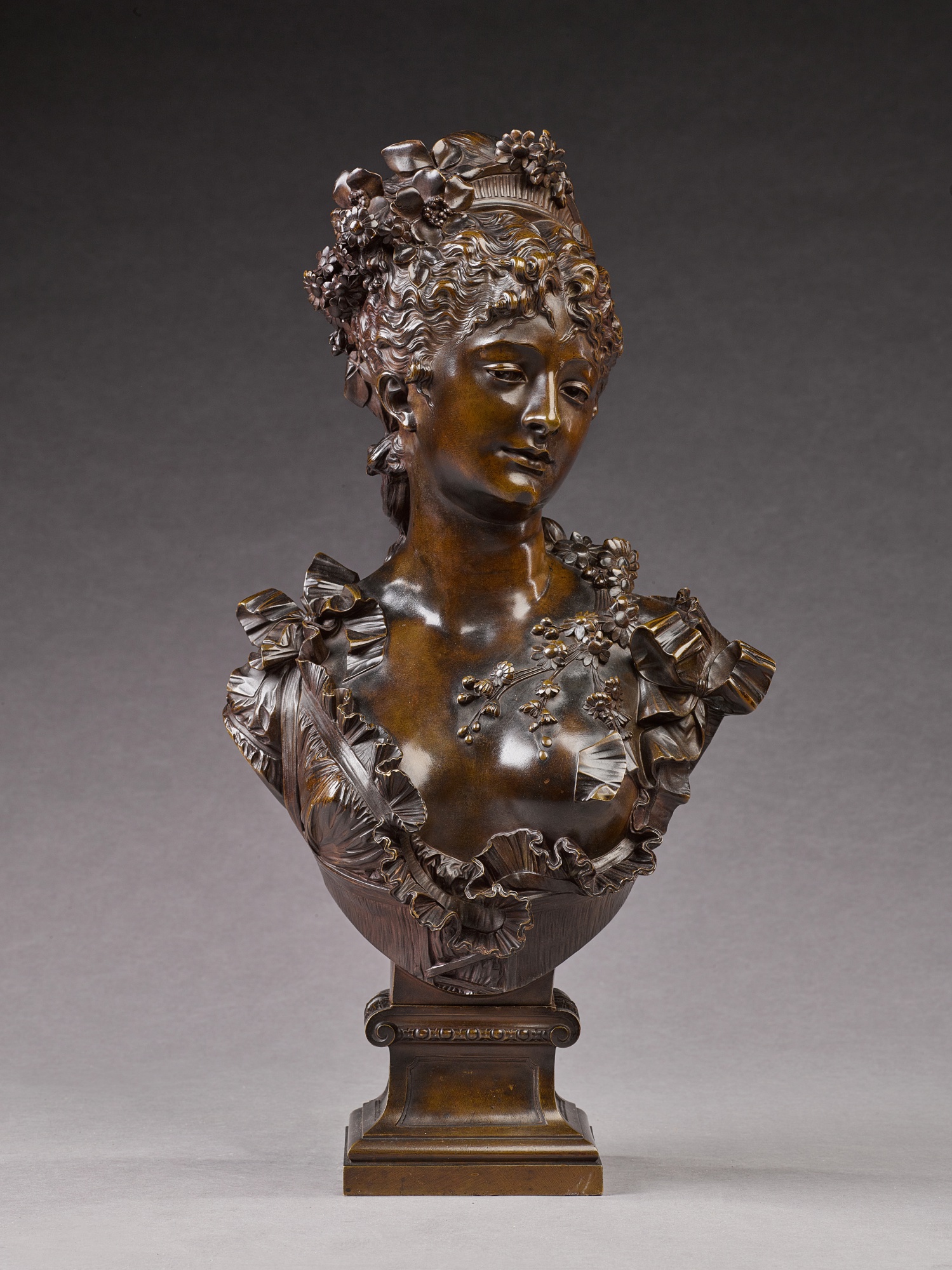
Albert-Ernest Carrier-Belleuse
Bust of the Comtesse de Cassagne
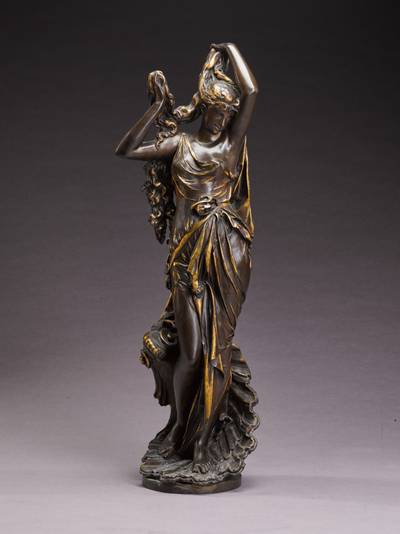
His works on The Collection reveal an artist negotiating constantly between inherited ideal and felt experience. Albert Ernest Carrier Belleuse, richly represented here, operated in a similarly complex space, absorbing the classical vocabulary while allowing the sensuality of the Second Empire period to warm and animate it. The legacy of Neoclassicism was inseparable from the sculptural culture of the plaster cast and the study of ancient originals. Artists traveled to Rome, sketched in the Vatican collections, and absorbed the proportions of the Apollo Belvedere or the Laocoön group as a kind of professional formation.
Bartolomeo Cavaceppi, whose work appears on The Collection, was himself a restorer and dealer of antique sculpture, a figure who operated at the very intersection of ancient artifact and contemporary artistic ambition. His practice is a reminder that Neoclassicism was as much about proximity to the original as it was about imitation of it. The distinction matters, because the best Neoclassical artists were never simply copying antiquity. They were in conversation with it.
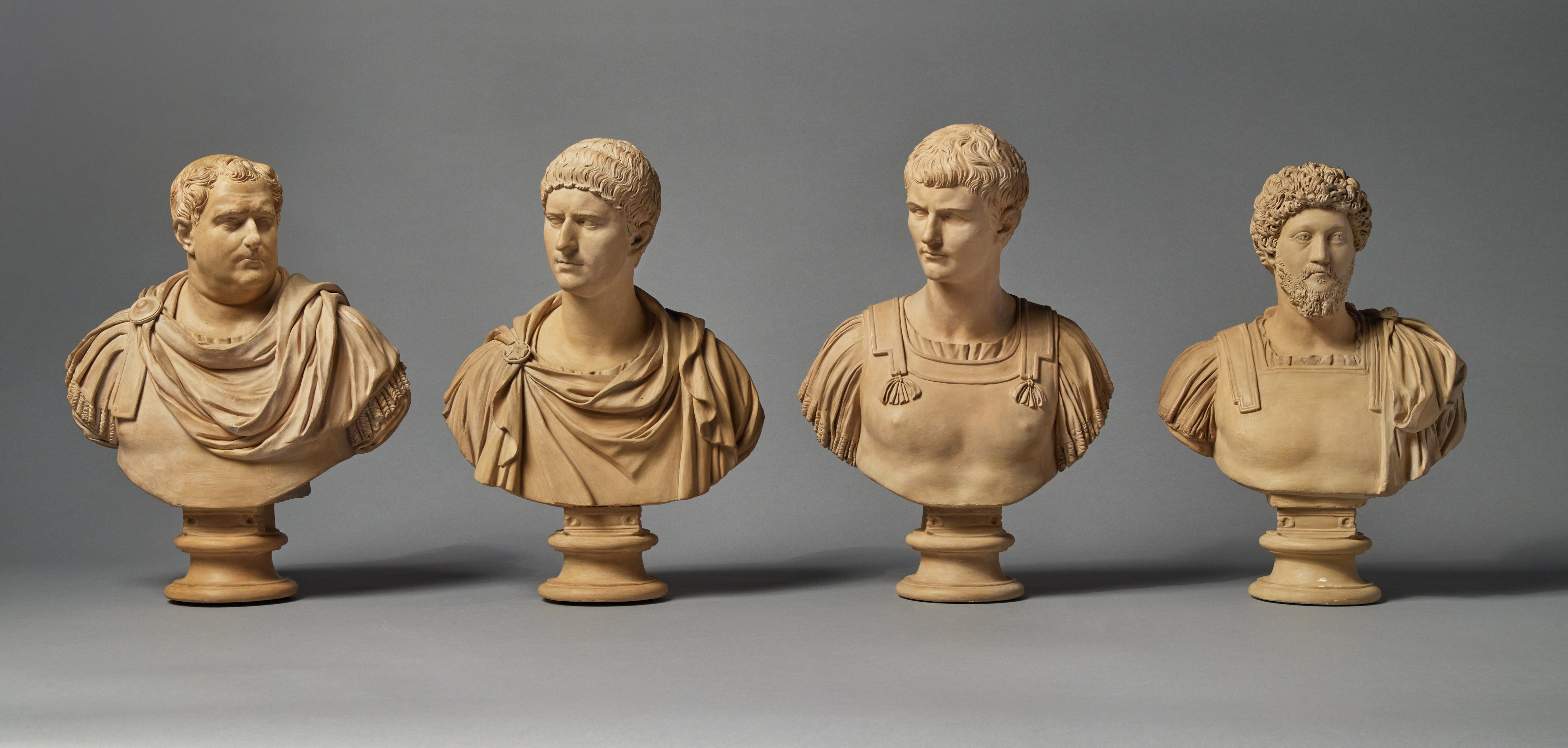
Bartolomeo Cavaceppi
Set of Eight Busts of Roman Emperors: Caligula, Otho, Vitellius, Antoninus Pius, Marcus Aurelius, Caracalla, Trebonianus Gallus, Valerian
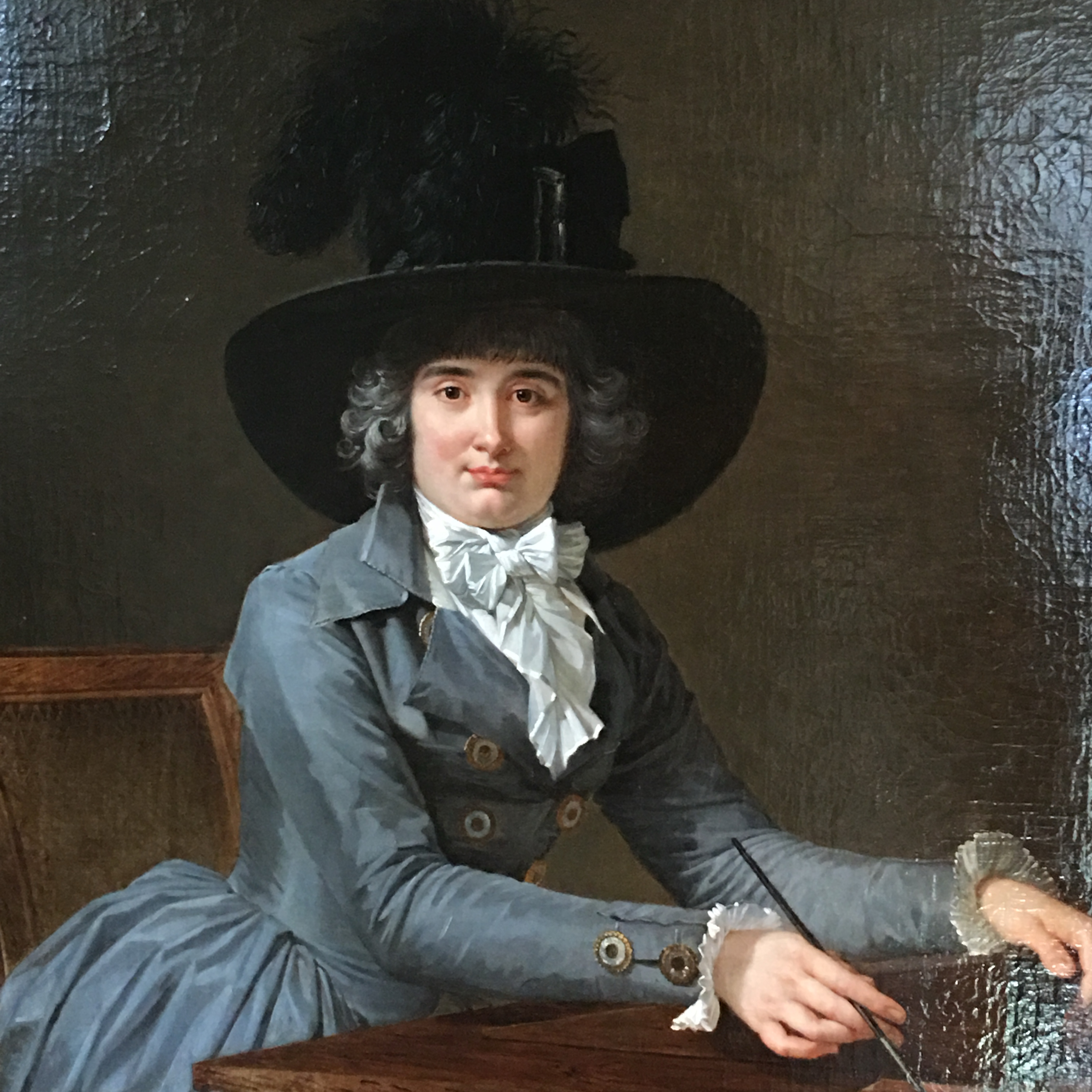
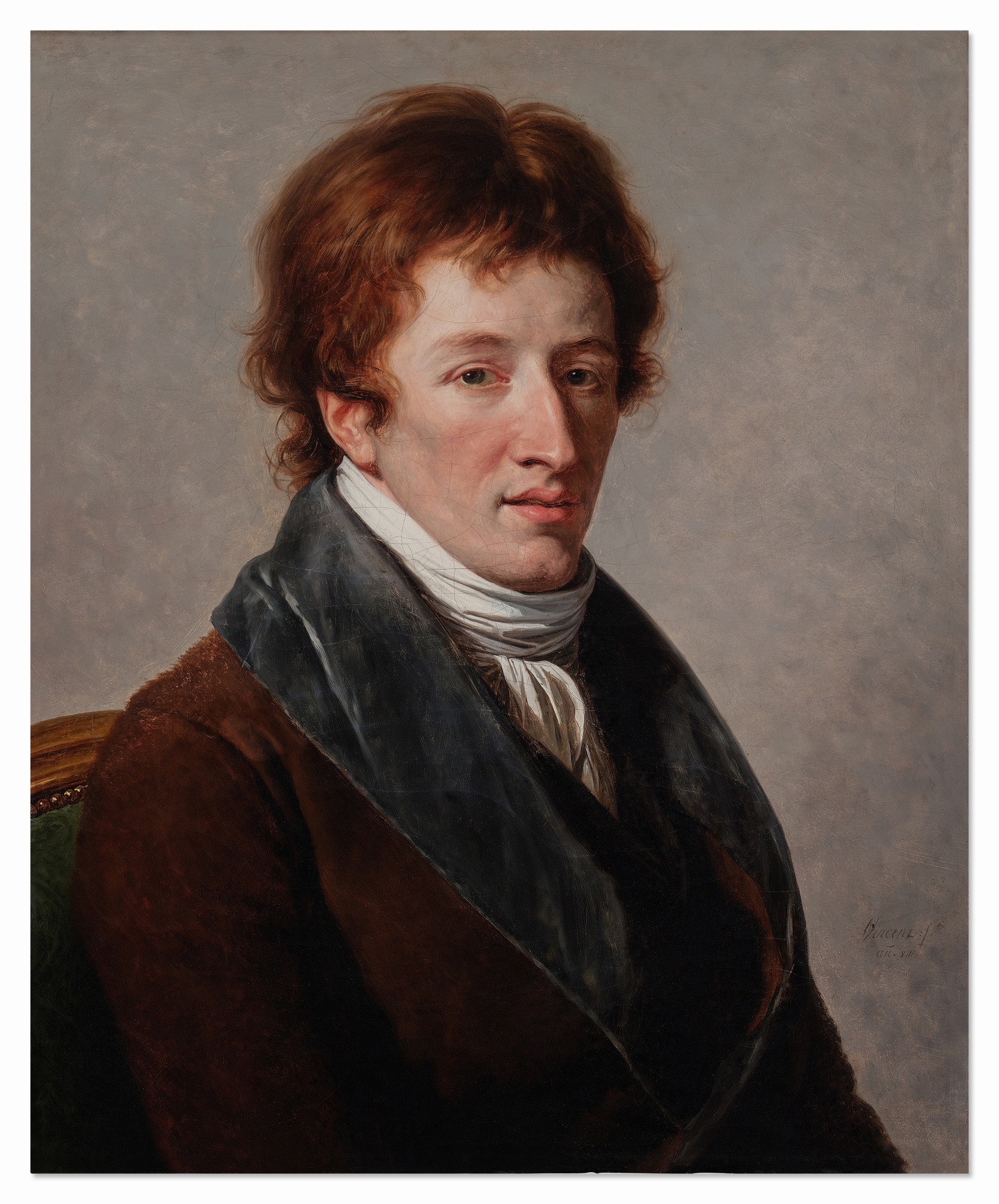
Women artists navigated this tradition with particular ingenuity, often finding in the classical subject matter both a legitimizing framework and a space for personal expression. Elisabeth Vigée Lebrun, represented on The Collection, brought to her portraits a combination of classical composure and psychological warmth that her male contemporaries rarely achieved with the same ease. Later in the nineteenth century, the American sculptor Harriet Goodhue Hosmer worked in Rome and produced work steeped in classical precedent while quietly insisting on a female perspective within a male dominated canon. Her presence on The Collection speaks to the breadth of the tradition and the range of voices it eventually accommodated.
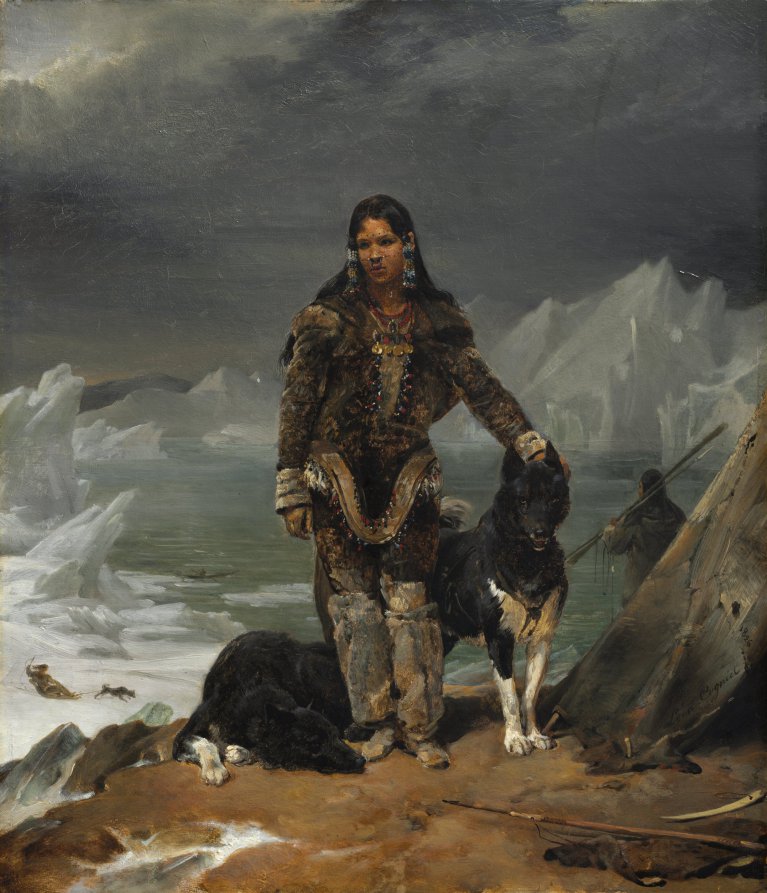
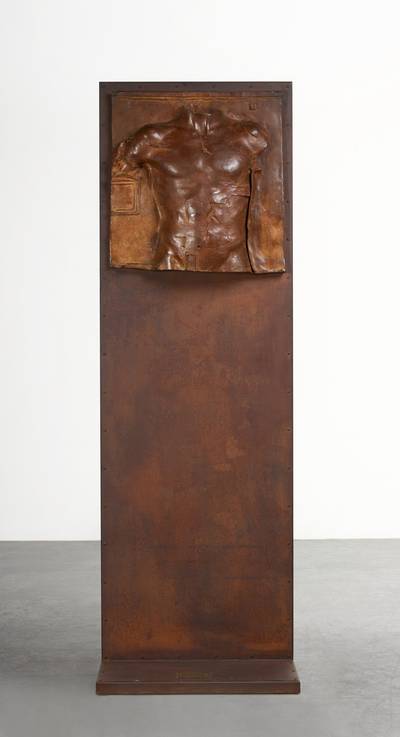
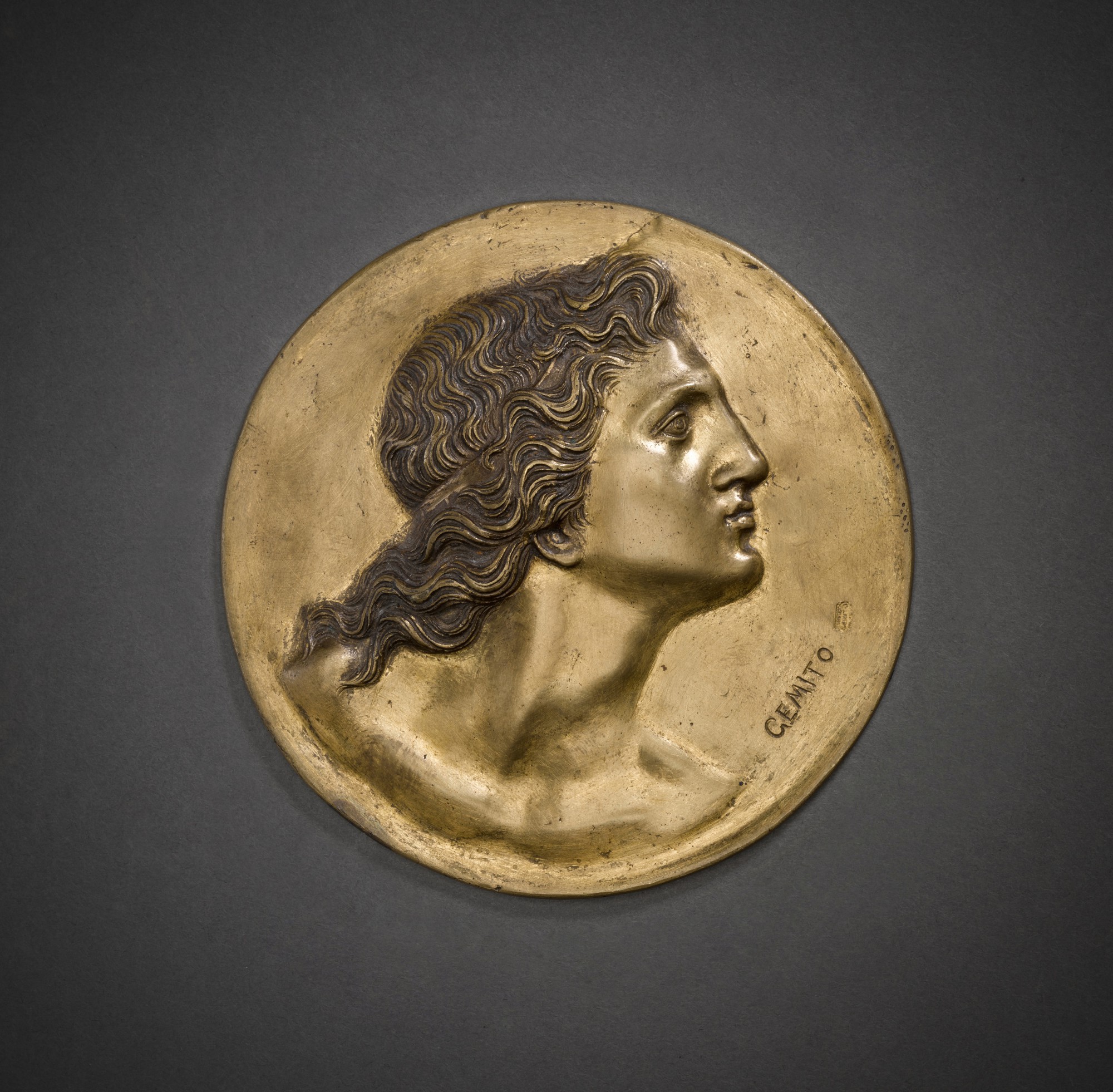
By the mid nineteenth century, the movement had evolved and dispersed into related currents. Academic painting in France continued to draw on classical sources through figures like Jean Léon Gérôme, whose archaeological precision and interest in the ancient world gave Neoclassicism a new orientalist inflection. The sculptor Vincenzo Gemito, working in Naples, brought a rawness to classically derived forms that felt entirely of his own moment. And in the late twentieth century, the Polish sculptor Igor Mitoraj returned to fragmented classical bodies with a sensibility shaped by postwar dislocation, his broken torsos and severed heads carrying the weight of a century that had tested every ideal antiquity offered.
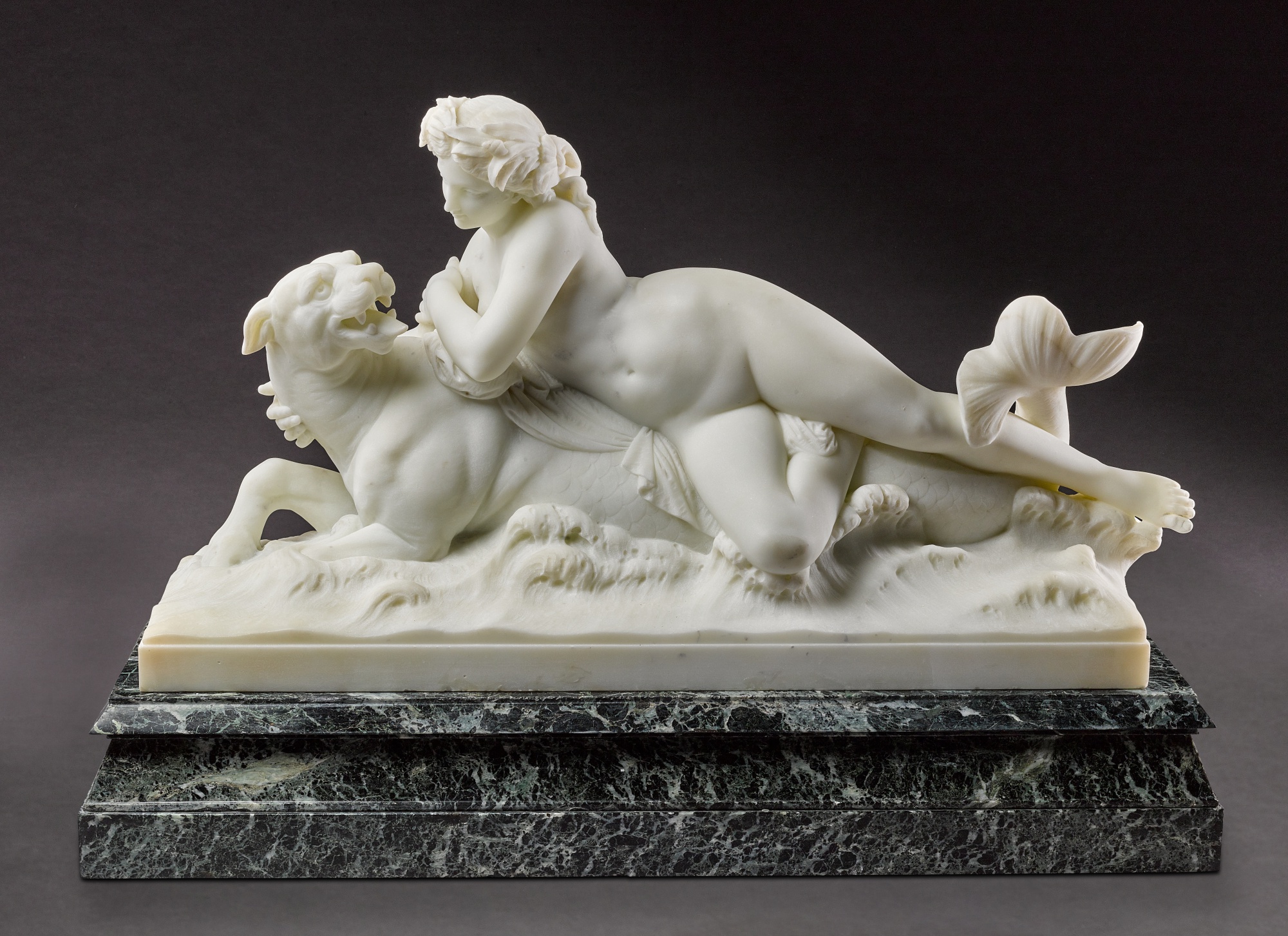
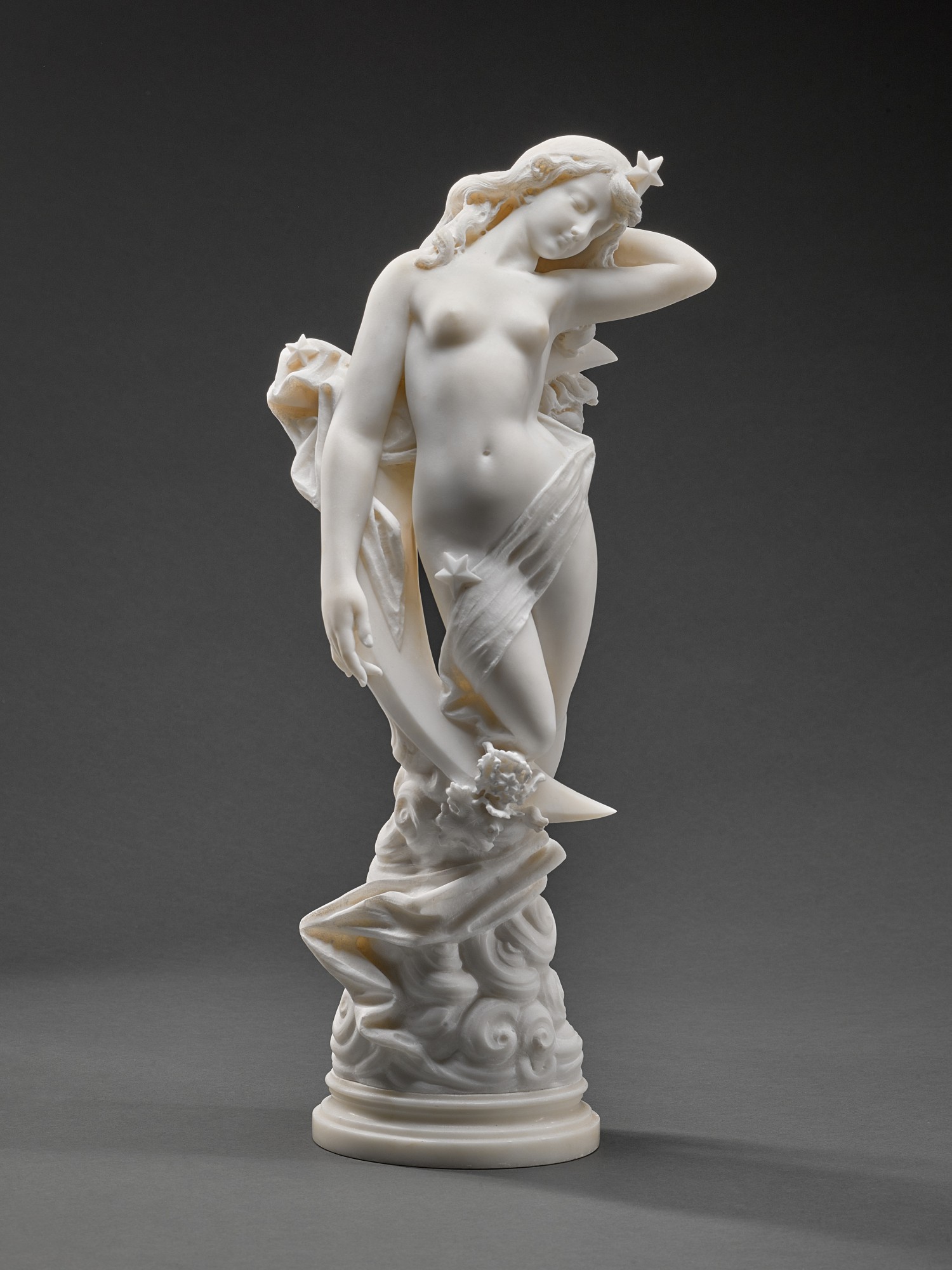
Jean-Baptiste Auguste Clésinger
Néréide (Sea Nymph)
Both Gemito and Mitoraj are represented on The Collection, and together they make a quietly compelling argument about the long afterlife of the classical impulse. What Neoclassicism ultimately gave us is a recurring vocabulary, a set of formal and philosophical tools that artists reach for whenever the present feels chaotic and in need of ordering. The smooth plane, the idealized figure, the stoic gesture, these are not relics. They are instruments.
The works gathered on The Collection across this tradition form something like a living archive of that recurring need, a record of the moments when artists looked back toward Athens and Rome not out of nostalgia but out of genuine conviction that beauty and reason could, together, make sense of the world.