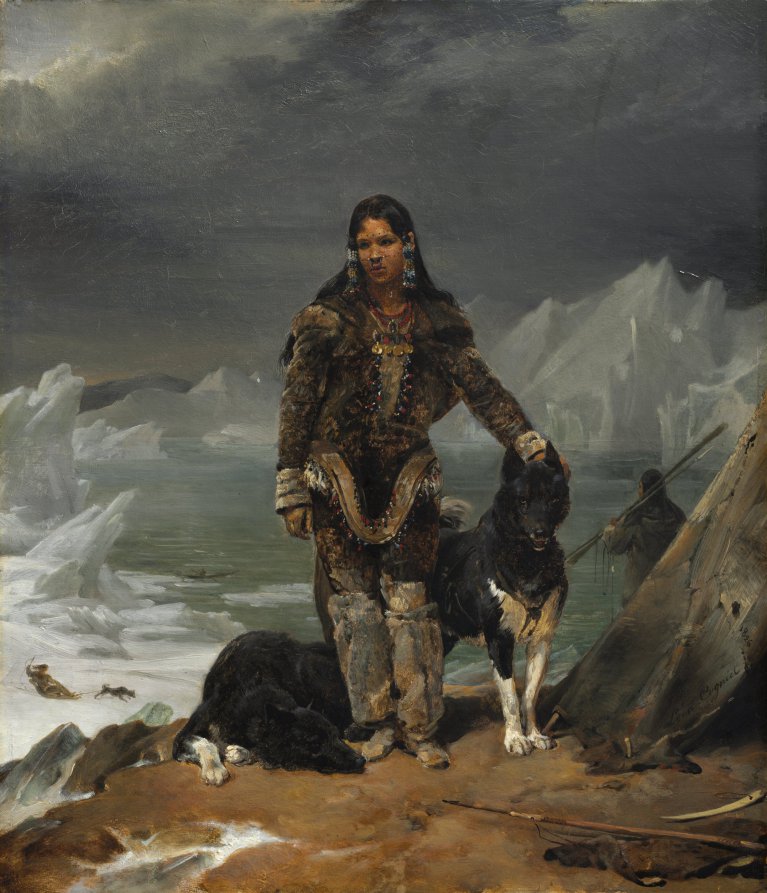
Léon Cogniet
2
Works
Léon Cogniet was a prominent French history and portrait painter who played a significant role in French academic art during the nineteenth century. Born in Paris, he studied under Pierre-Narcisse Guérin alongside Eugène Delacroix and Théodore Géricault, though Cogniet remained more firmly rooted in the classical tradition than his Romantic contemporaries. He achieved early success at the Paris Salon, winning the prestigious Prix de Rome in 1817, which allowed him to study at the French Academy in Rome from 1817 to 1822. His academic training and technical mastery established him as one of the leading painters of his generation, particularly known for his historical subjects and his ability to blend classical composition with a more naturalistic approach to light and color. Cogniet's most celebrated works include "Marius on the Ruins of Carthage" (1824) and "The Massacre of the Innocents" (1824), which demonstrated his command of dramatic historical narrative and emotional intensity. His painting "Tintoret Painting His Dead Daughter" (1843) at the Musée des Beaux-Arts in Bordeaux became one of his most admired works, showcasing his ability to combine historical subject matter with deeply personal sentiment. Throughout his career, he received numerous official commissions, including decorative works for the Louvre and murals for churches and public buildings. His portraits were also highly sought after, capturing members of the French aristocracy, bourgeoisie, and artistic circles with psychological insight and refined technique. Beyond his own artistic production, Cogniet was an influential teacher who maintained a highly respected atelier in Paris for several decades. His students included many notable artists such as Rosa Bonheur, Léon Bonnat, and Alexandre Cabanel, making him one of the most important pedagogues of nineteenth-century French art. He was elected to the Académie des Beaux-Arts in 1849 and served as a professor at the École des Beaux-Arts, where he shaped the next generation of academic painters. His legacy rests not only on his own accomplished body of work but also on his role in transmitting academic traditions while allowing for individual expression among his pupils.
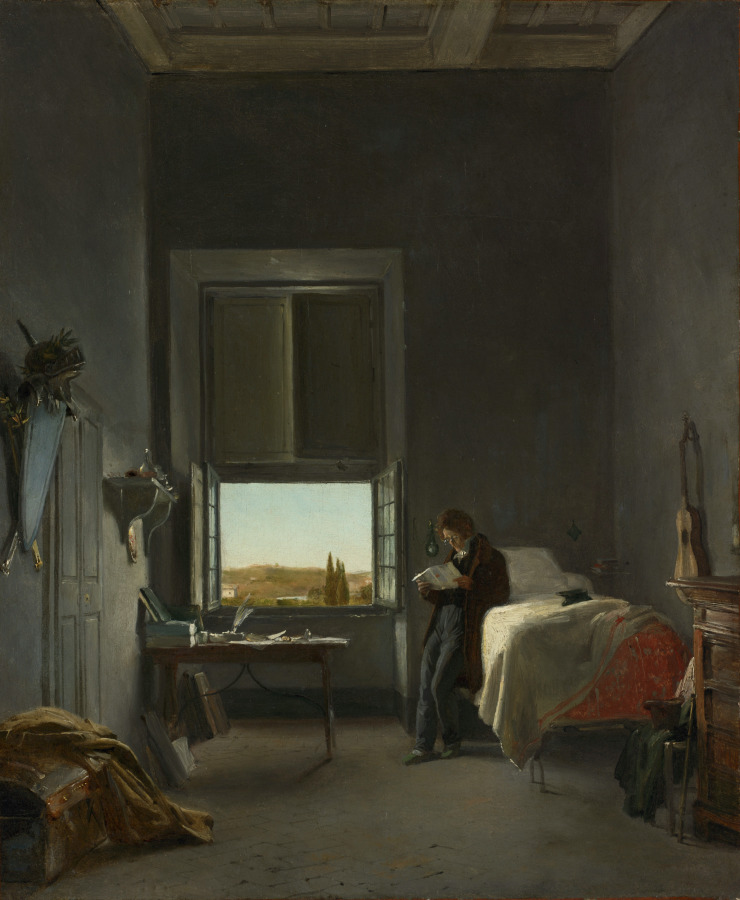
Spotted by
Artists in conversation