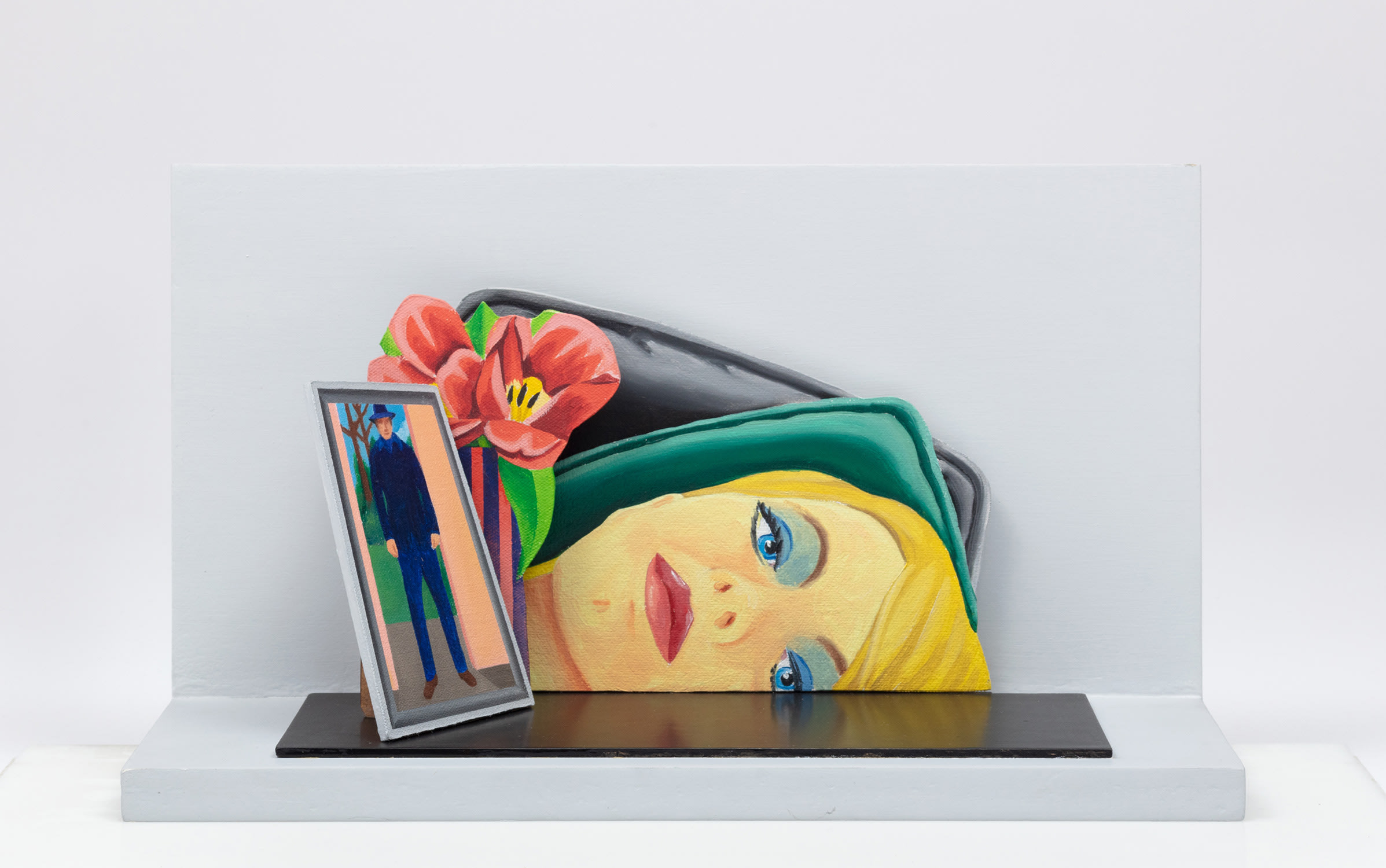
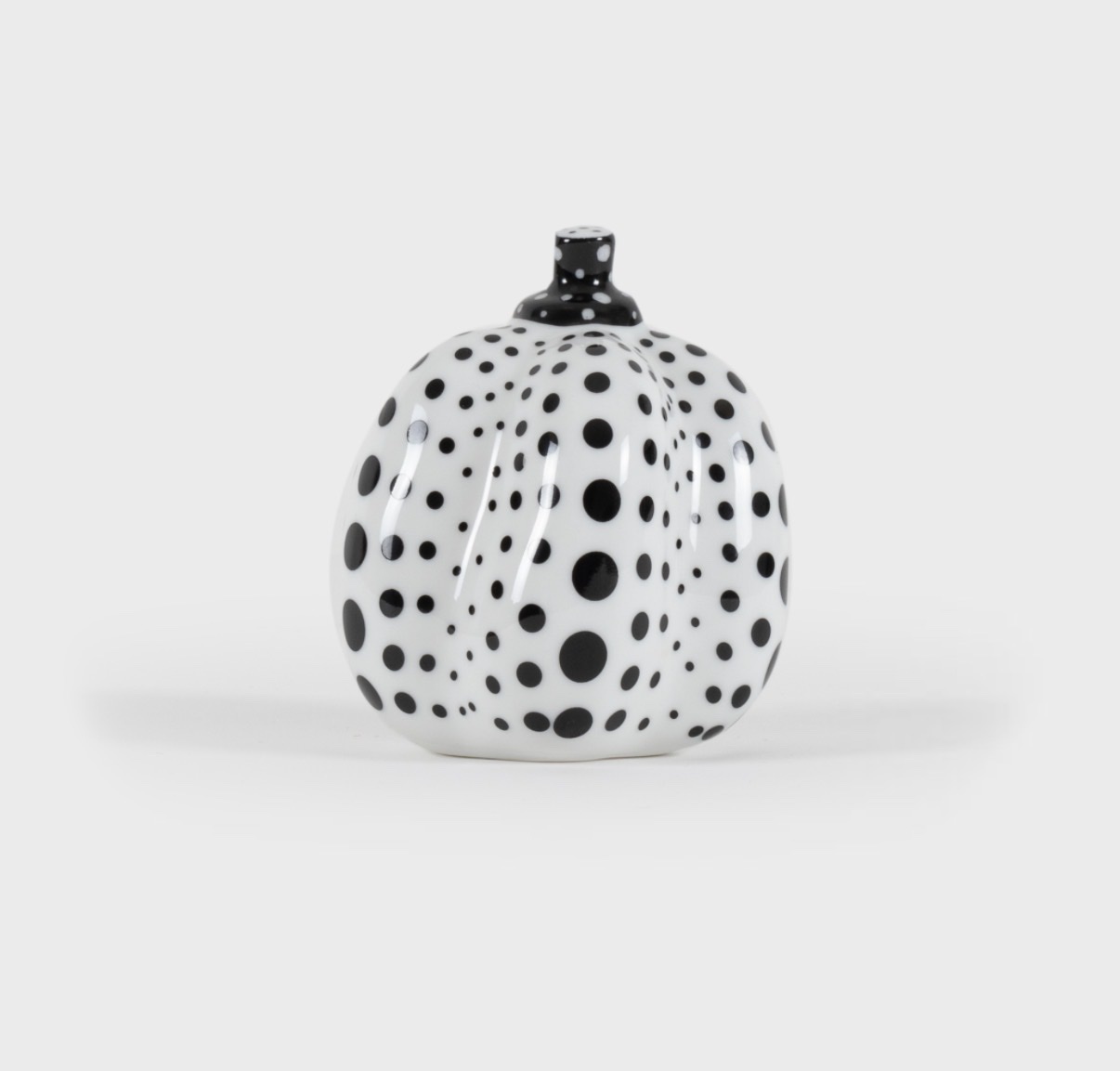
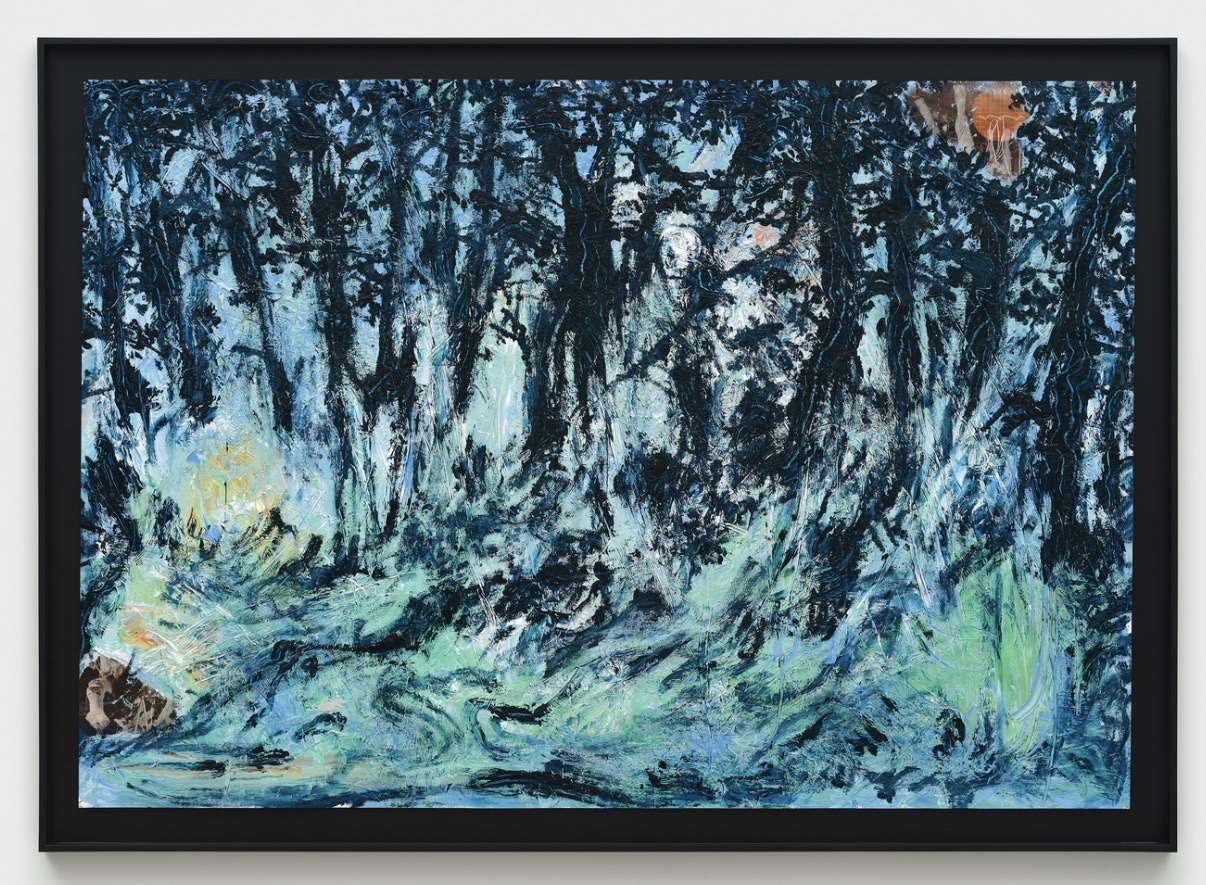
Maquette
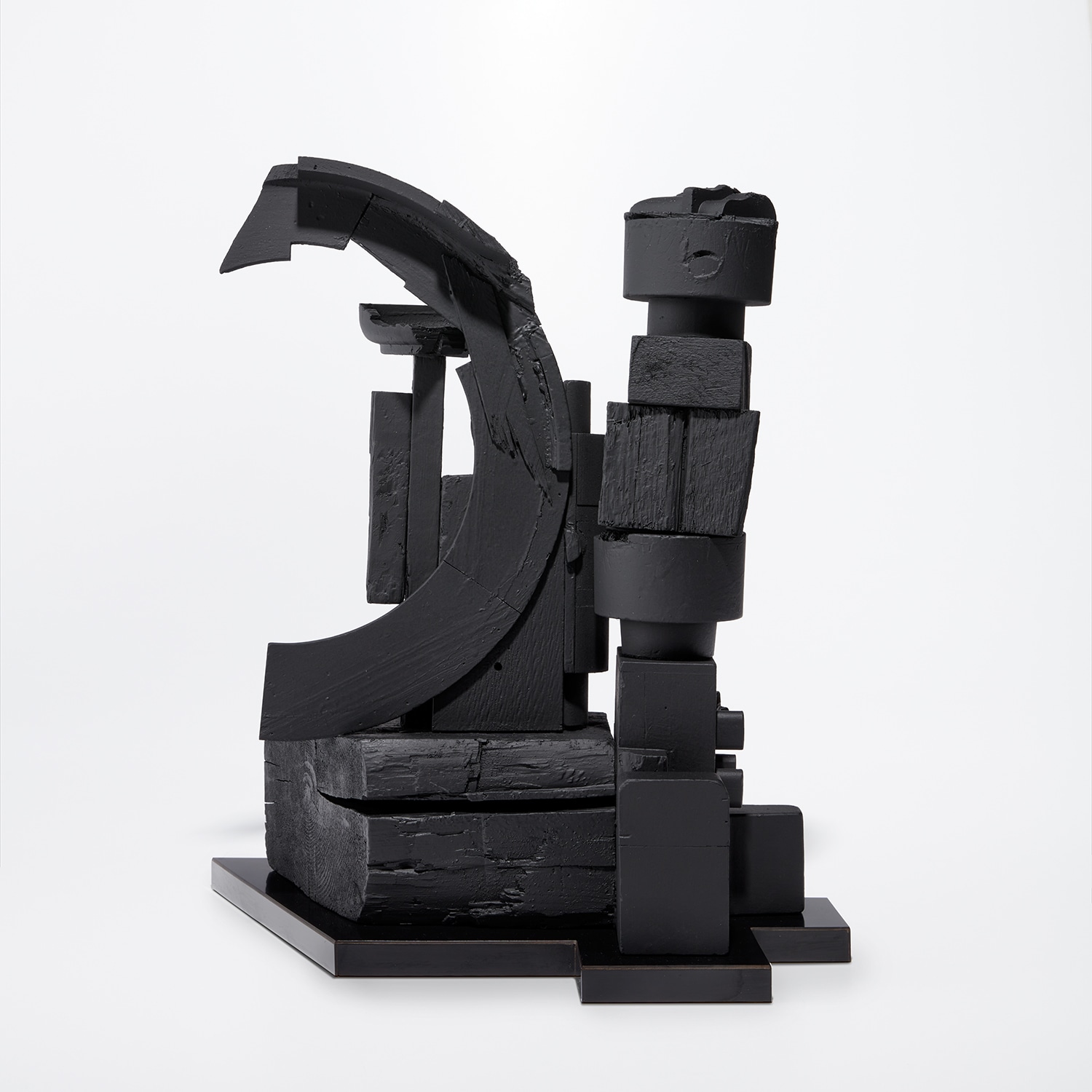
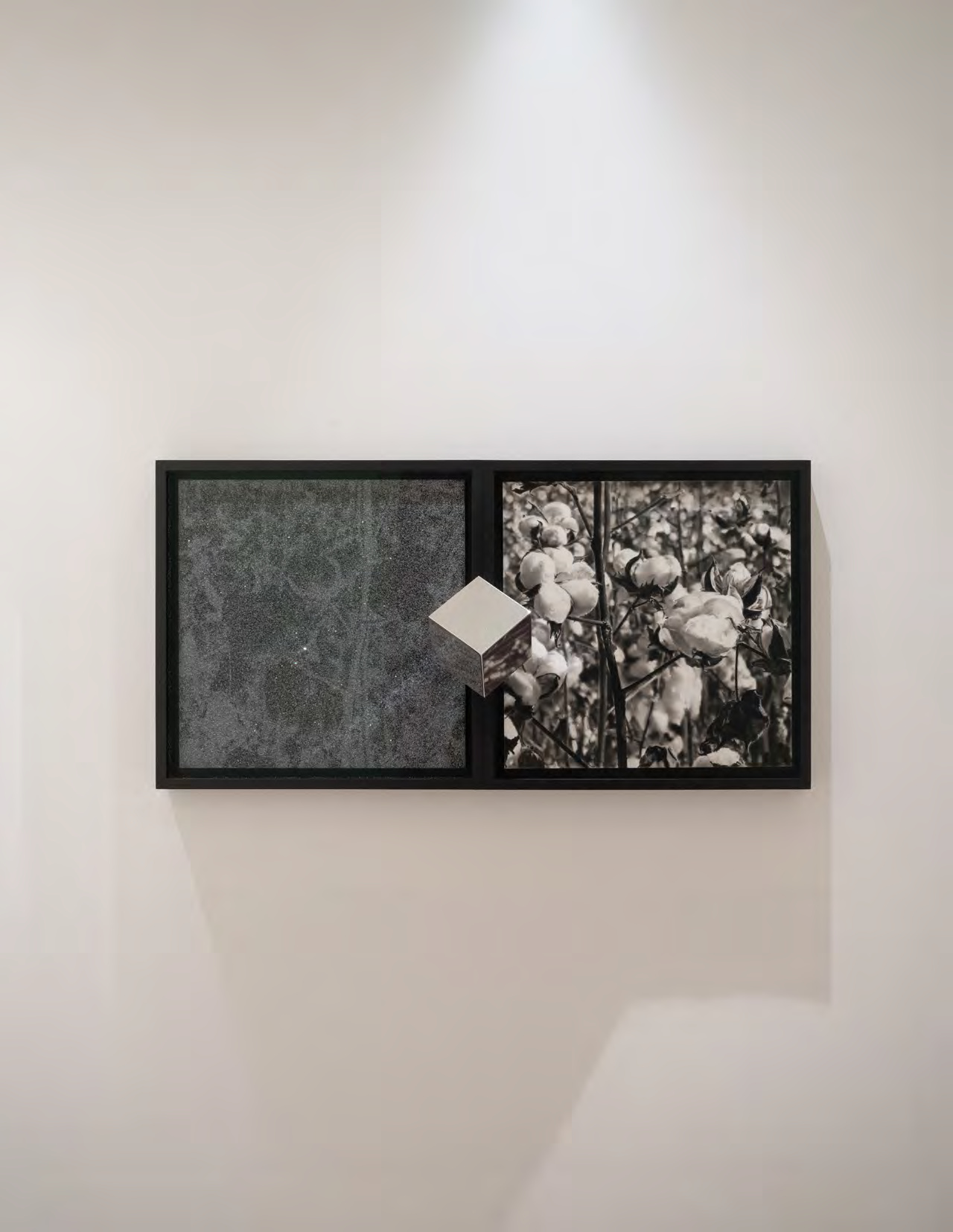
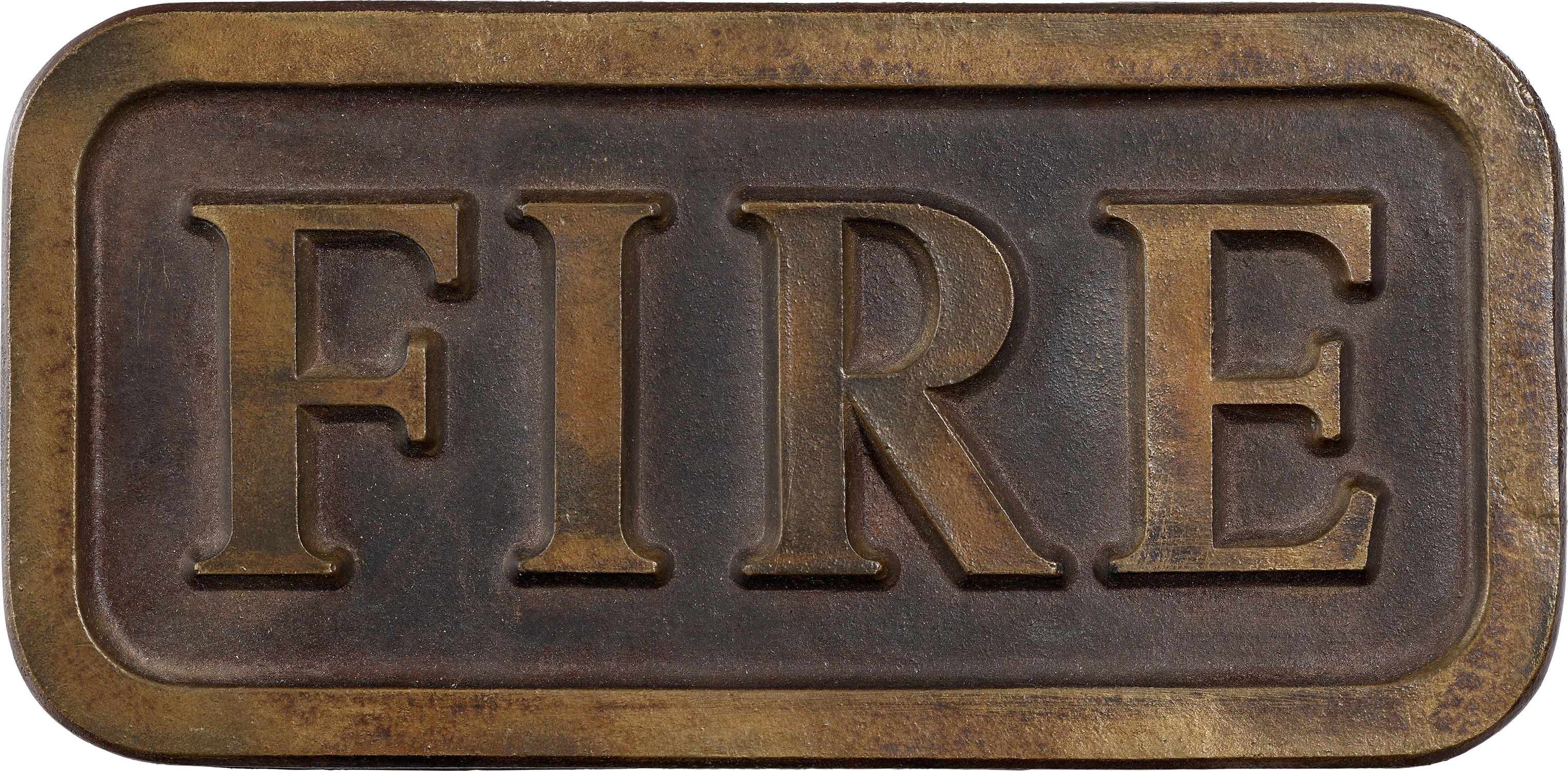
Louise Nevelson
Maquette for Monumental Sculpture VII, 1976





The Sculpture Before the Sculpture Arrives
There is something almost illicit about owning a maquette. You are holding the artist's thinking in your hands, the moment before commitment, before the foundry, before the public monument or the museum commission takes the work away from its maker and turns it into something else entirely. Collectors who discover this category rarely leave it. The intimacy is too seductive, the connection to artistic process too direct, and the sense of privileged access too hard to walk away from.
A maquette sits in a particular space between drawing and finished sculpture. It is exploratory by nature, which means it carries an energy that resolved, editioned bronzes often cannot. When Henry Moore was working through compositional problems in the 1950s and 1960s, his small studies in plaster, clay, and bronze functioned as a kind of sculptural notation. The best of them feel alive in a way that even his monumental outdoor works sometimes do not.
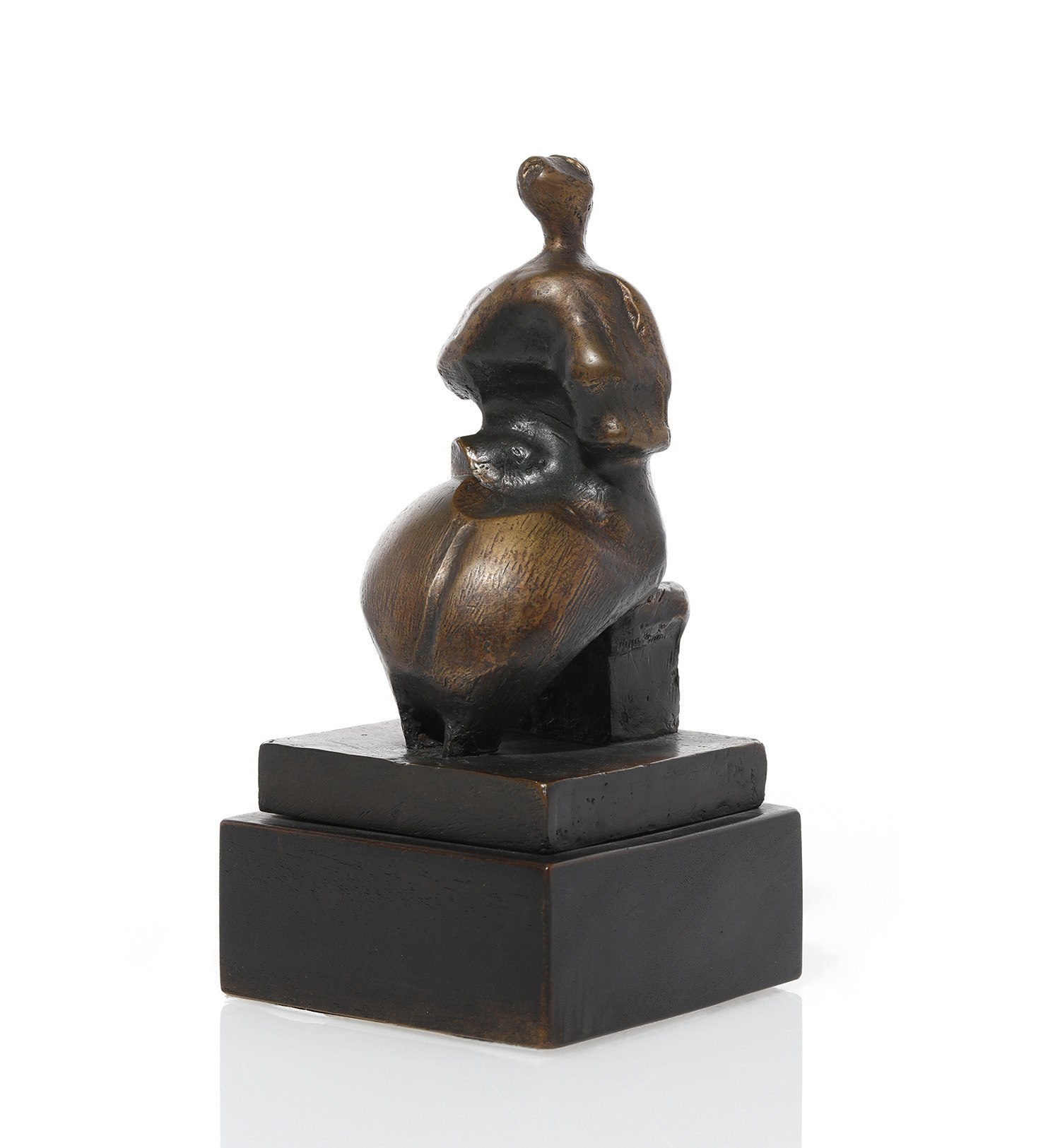
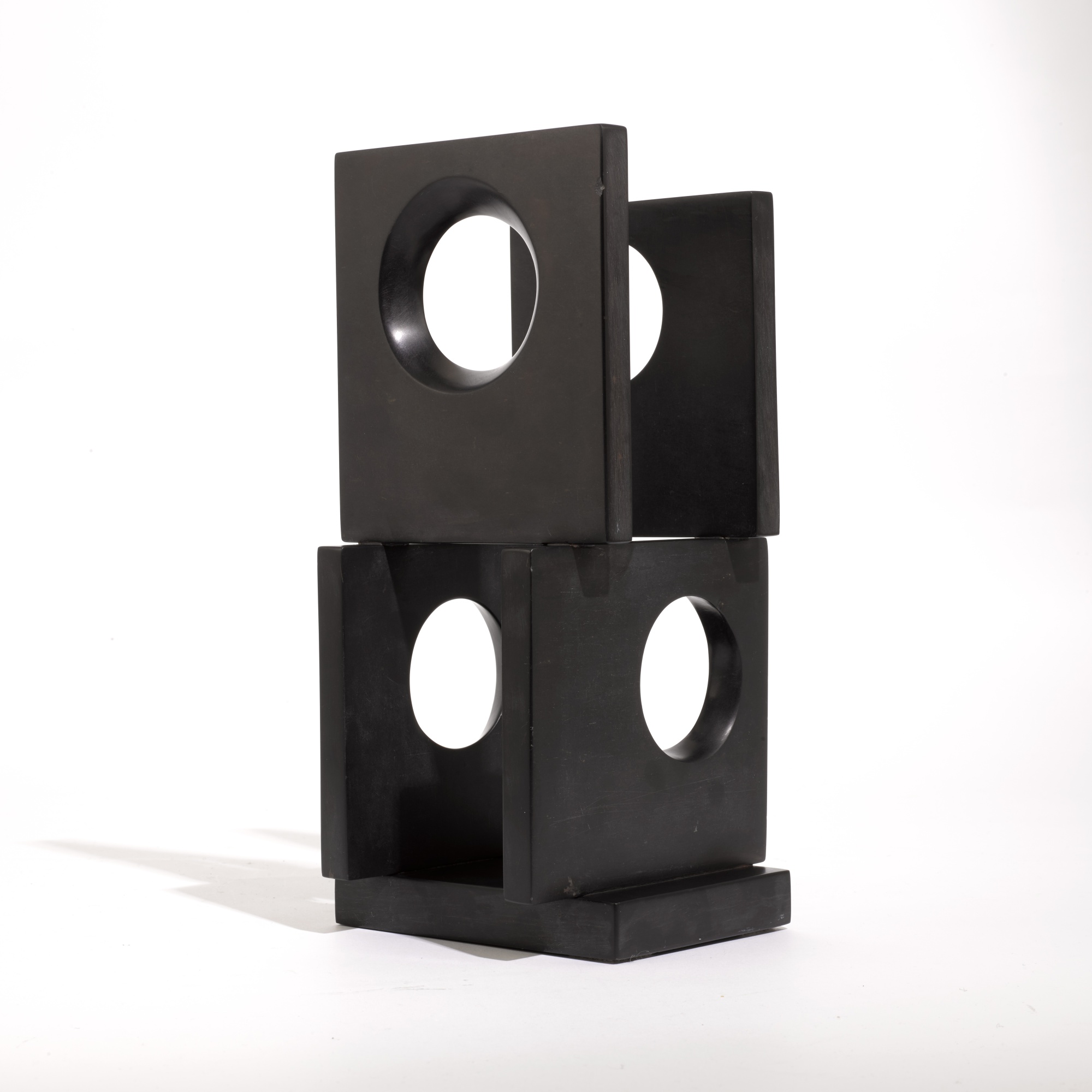
Henry Moore
Maquette for Seated Woman
Living with a maquette from this period means living with the question the artist was asking, not just the answer they eventually gave. What separates a genuinely exceptional maquette from a merely interesting one comes down to several factors that experienced collectors learn to read quickly. First, there is the question of authorial touch. A maquette where you can feel the artist's hands, where the surface retains the pressure of fingers or the scrape of a tool, carries far more weight than a study that has been cleaned up or cast too cleanly.
Lynn Chadwick's preparatory work has this quality in abundance. His spiky, angular forms arrive already fully charged in their smallest iterations, and the rough urgency of his working process is visible at every scale. Second, there is the question of relationship to a known finished work. A maquette that connects directly to a documented commission or an iconic sculpture commands a premium, and rightly so.
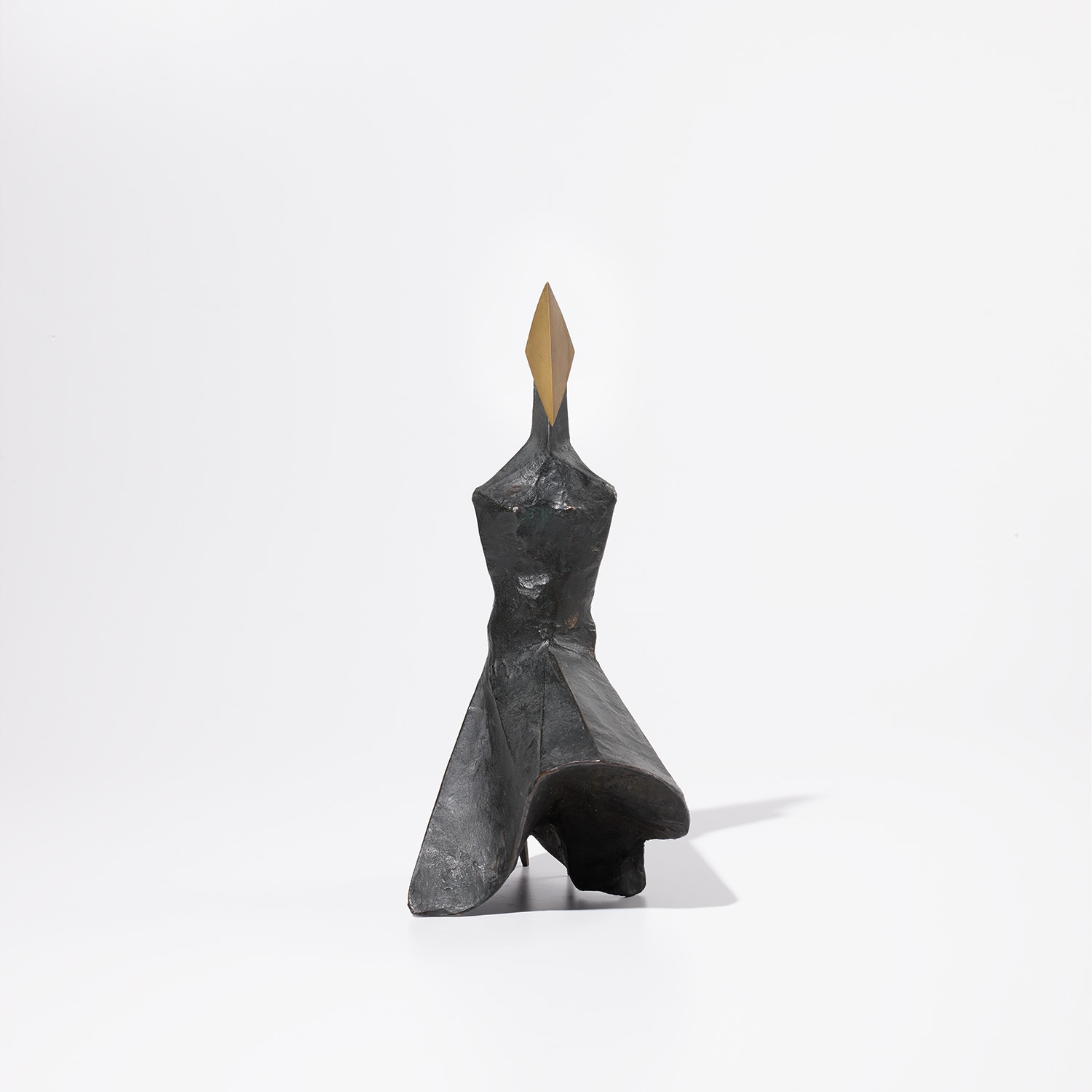
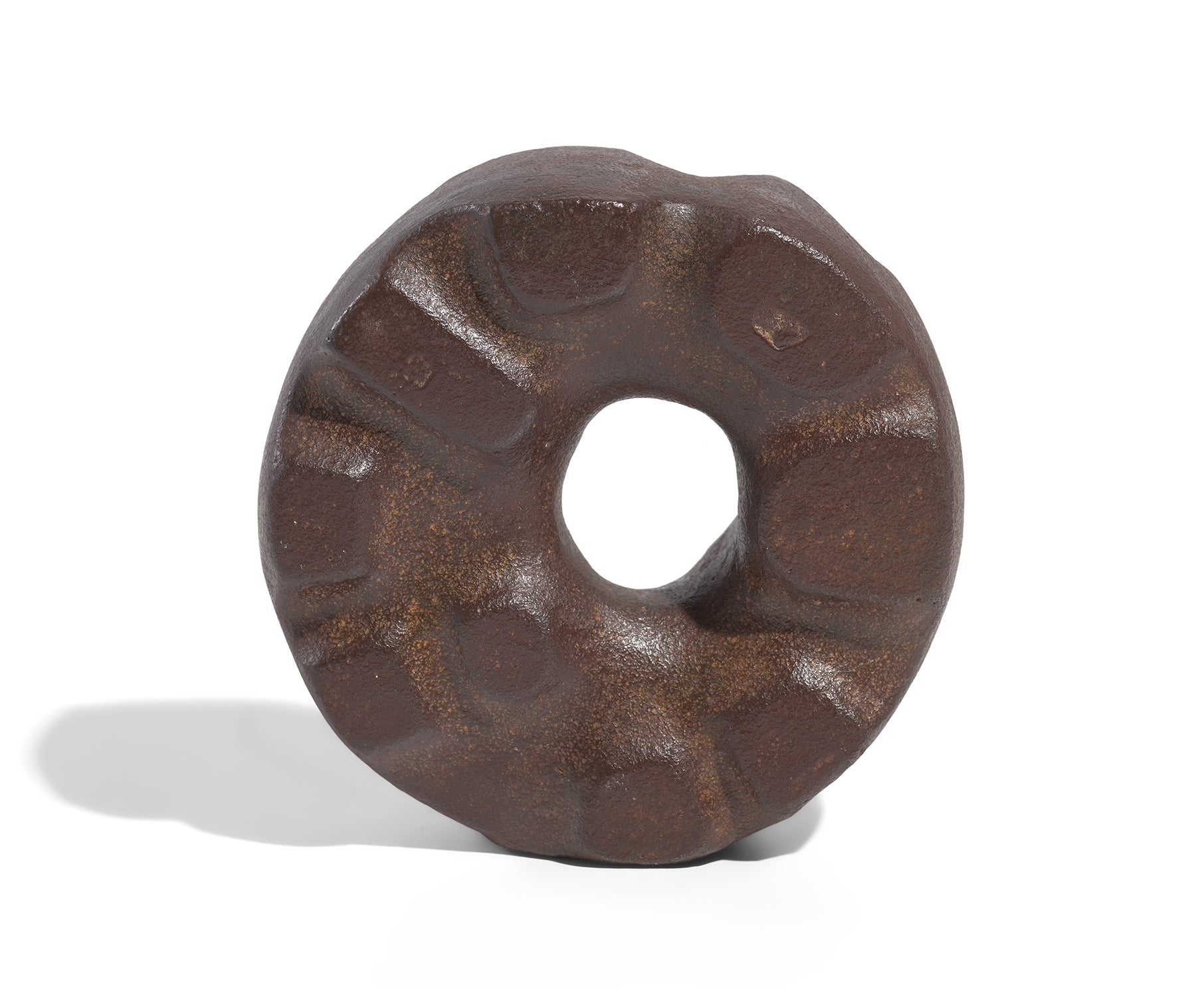
Lynn Chadwick
Maquette, High Wind, 1980
The provenance chain becomes part of the meaning. Among the artists well represented on The Collection, Moore and Chadwick stand as the most established names in this space, and their secondary market performance reflects decades of institutional validation. Moore's maquettes have been the subject of serious scholarship and have passed through the major houses consistently. Works on paper and small bronzes that connect to his Shelter drawings or his reclining figure series rarely disappoint at auction.
Chadwick, who won the International Sculpture Prize at the 1956 Venice Biennale, experienced a long period of relative critical neglect before the market corrected decisively. Collectors who came to his work during the quieter years have done extremely well. Reg Butler and Bernard Meadows occupy adjacent territory in the British sculpture story of that era, and both offer serious collecting opportunities at price points that still feel accessible relative to their historical significance. The American side of this picture is equally compelling.
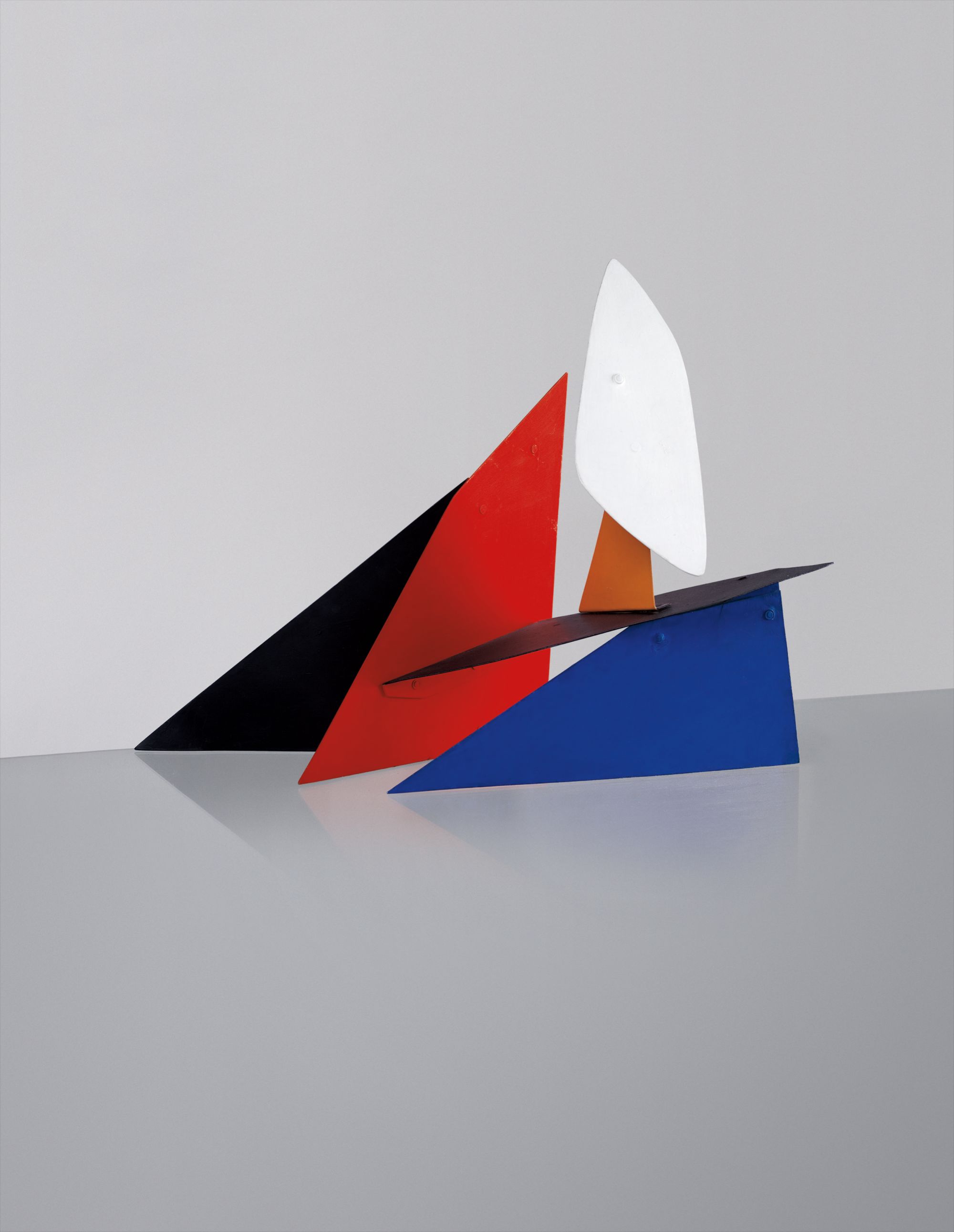
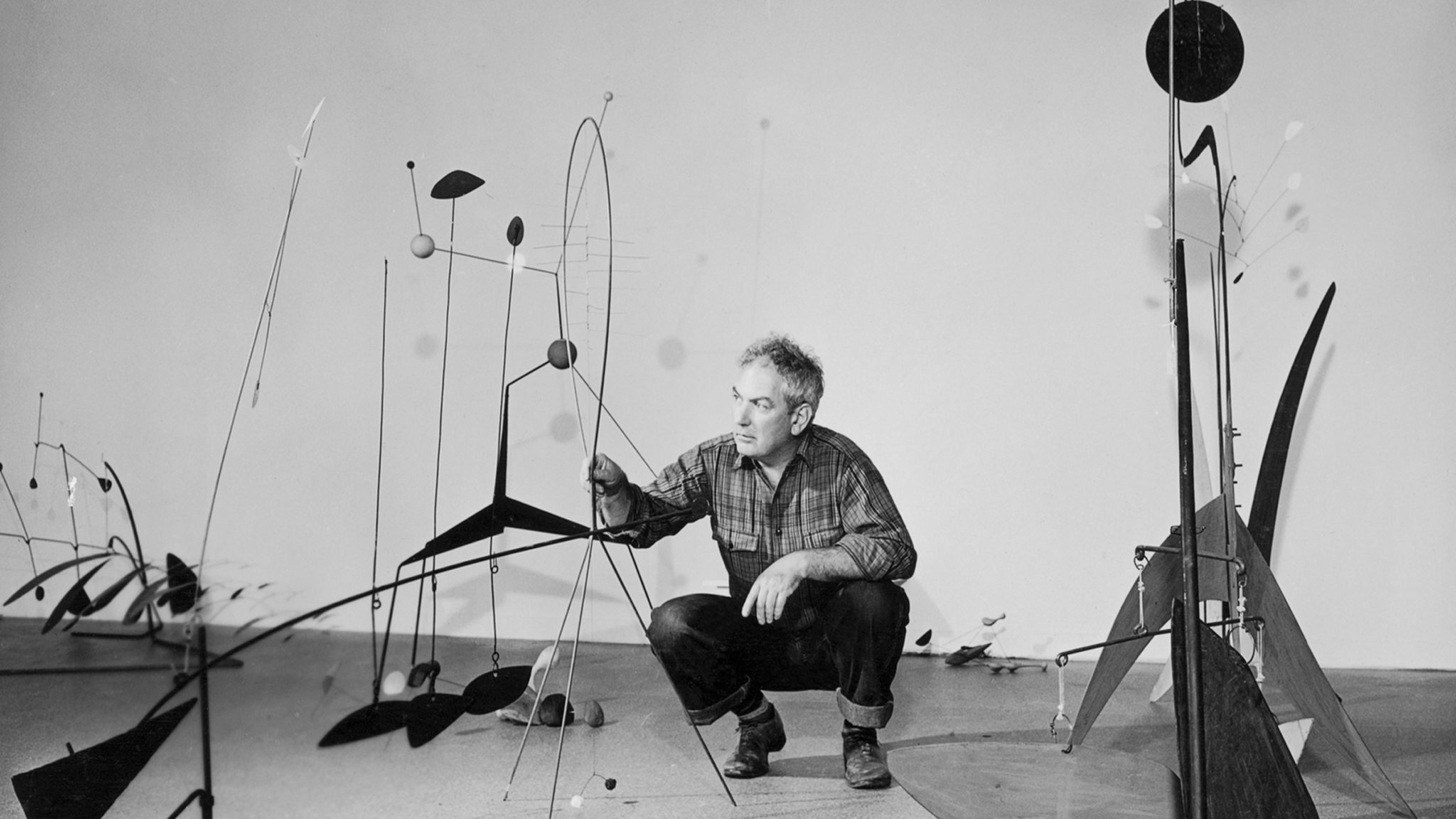
Alexander Calder
Multicolor stabile (Maquette)
Alexander Calder's small studies and working models occupy a category that is somewhat distinct from the maquette in the traditional sense, but the logic of collecting them is identical. You are acquiring the artist's process rather than simply their product. Isamu Noguchi's preparatory work, meanwhile, remains undervalued relative to his influence. Noguchi spent decades designing for public spaces and the performing arts, and the studies that preceded those commissions have a quiet, concentrated intelligence that rewards close attention.
The same can be said of Kenneth Snelson, whose tensegrity structures were worked out at small scale before they reached their final dimensions, and whose preparatory models contain the full intellectual charge of the larger works. For collectors interested in where the real energy is right now, it is worth paying attention to artists whose practice involves rigorous preparatory process. Antony Gormley's relationship between study and finished form is well documented and the market for his work continues to build with institutional momentum behind it. Nicole Eisenman is working in a different register entirely, but her sculptural output has attracted serious collector attention in recent years, and anything that illuminates her working method becomes relevant.
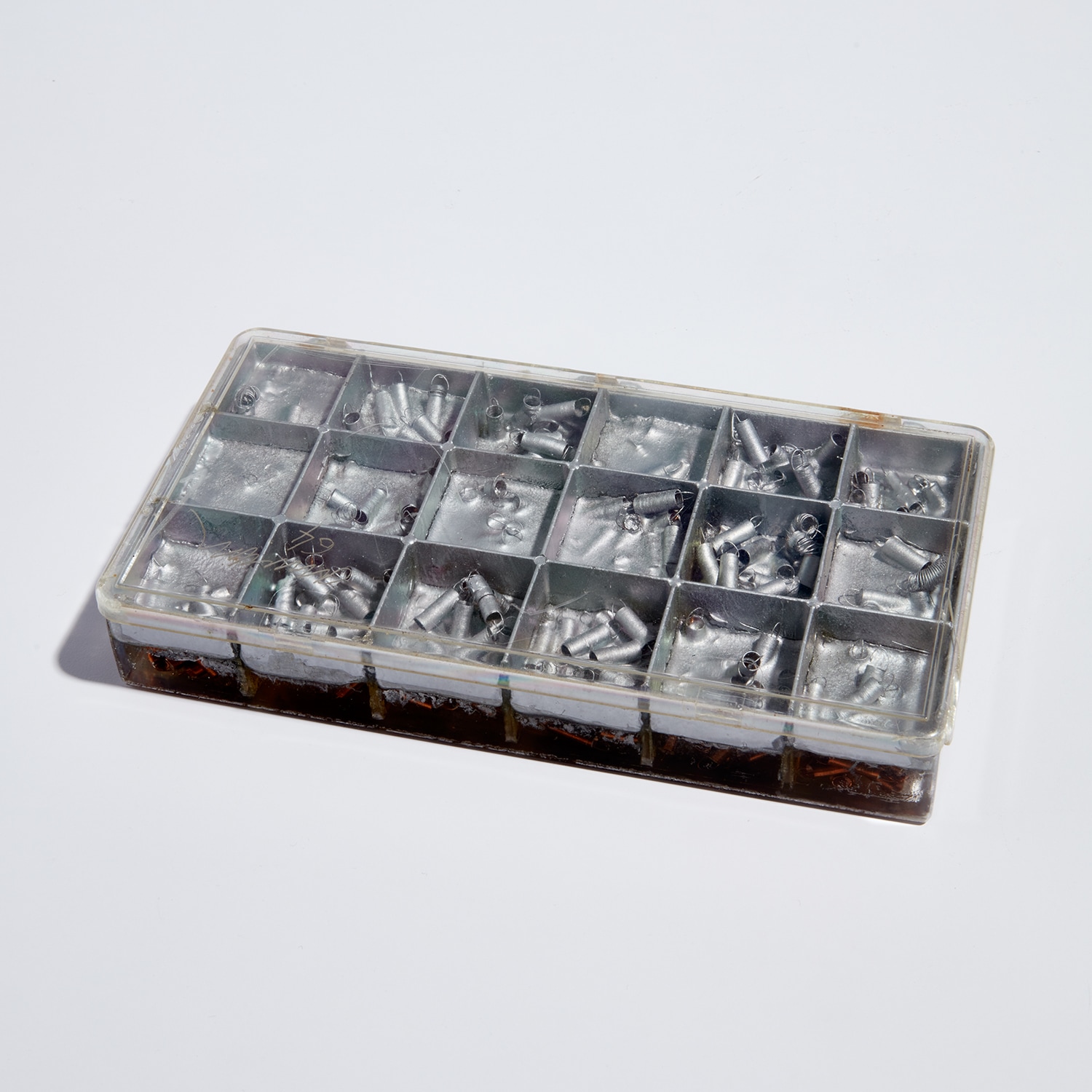
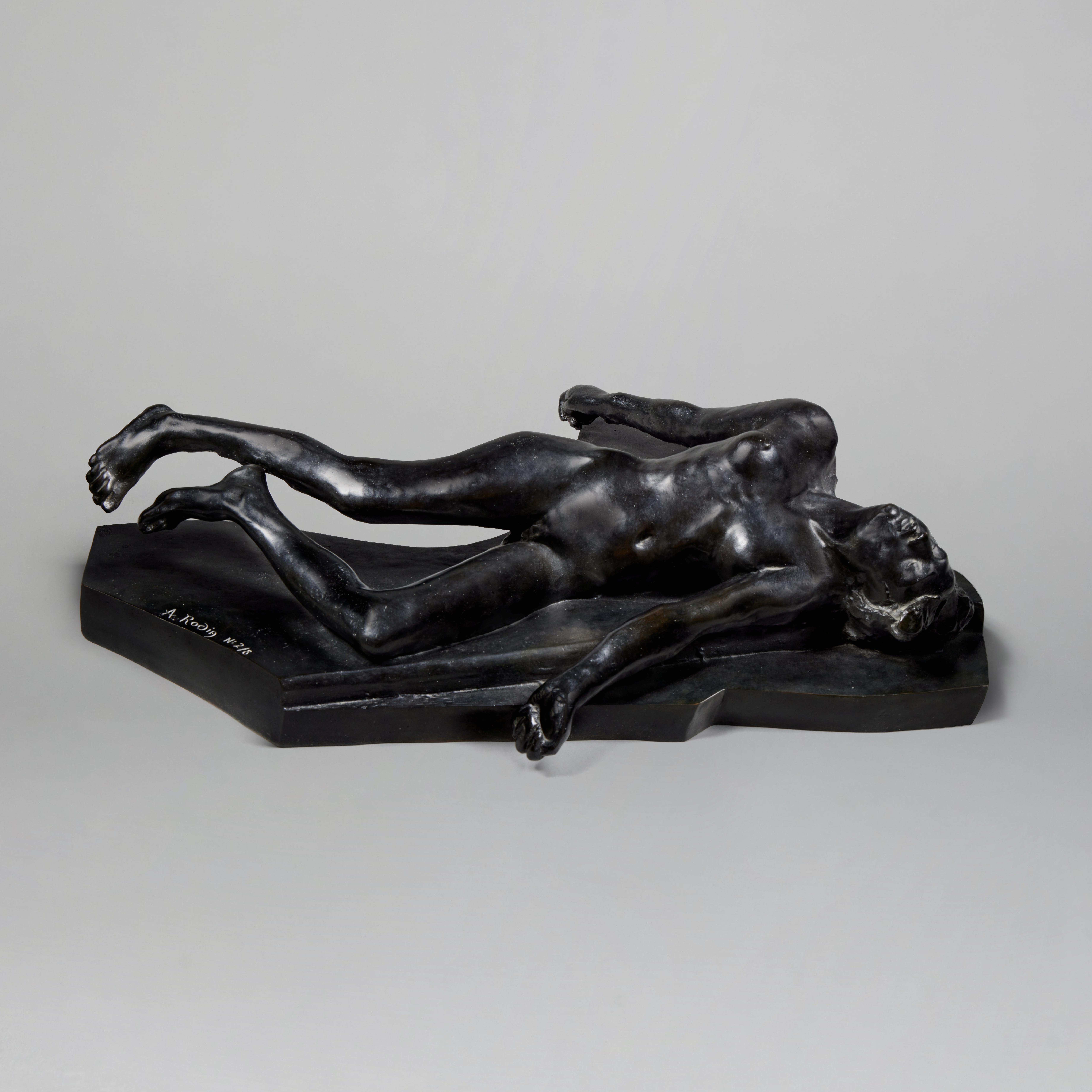
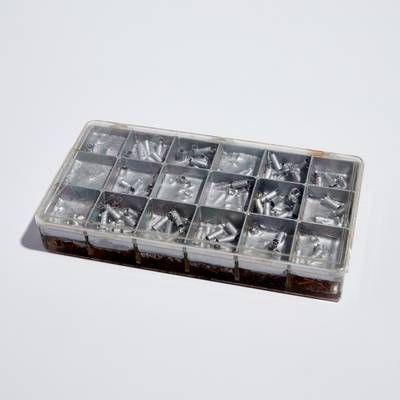
Kenneth Snelson
Maquette for Six #2, 1967
Tom Sachs brings a sensibility that treats the maquette as almost philosophical object, where the study is never quite separate from the finished work in the first place. These are artists whose secondary markets are still forming, which is precisely when the most interesting acquisitions happen. At auction, maquettes perform with some variation depending on the strength of the connection to a major work or period. The major houses treat exceptional examples as primary lots rather than as secondary material, and this has been true for decades.
Where collectors sometimes make mistakes is in assuming that a maquette is simply a cheaper version of a finished sculpture. The best examples are not consolation prizes. They are distinct objects that happen to be intimate in scale. Condition is critical in this category in ways that can be counterintuitive.
Some surface wear is entirely appropriate and expected. What you are watching for is structural damage, restorations that compromise surface texture, and any intervention that has smoothed away the traces of process that make these works valuable in the first place. Always ask a conservator to look at plaster or unfired clay works before purchase. In terms of display, maquettes invite a different kind of attention than large sculpture.
They want to be at eye level or below. They want proximity. A collector who places a small Moore bronze on a shelf at standing height has misunderstood what they own. These works ask to be looked down into, turned, handled when condition allows.
In that sense they are more like objects than monuments, which is both their challenge and their greatest pleasure. Ask your gallery for the full casting history on any bronze maquette, how many casts exist, whether they were made during the artist's lifetime, and who authorized posthumous editions if any exist. These questions matter significantly to value, and any reputable dealer will have clear answers. The maquette rewards the collector who asks them.