Expressionist Style
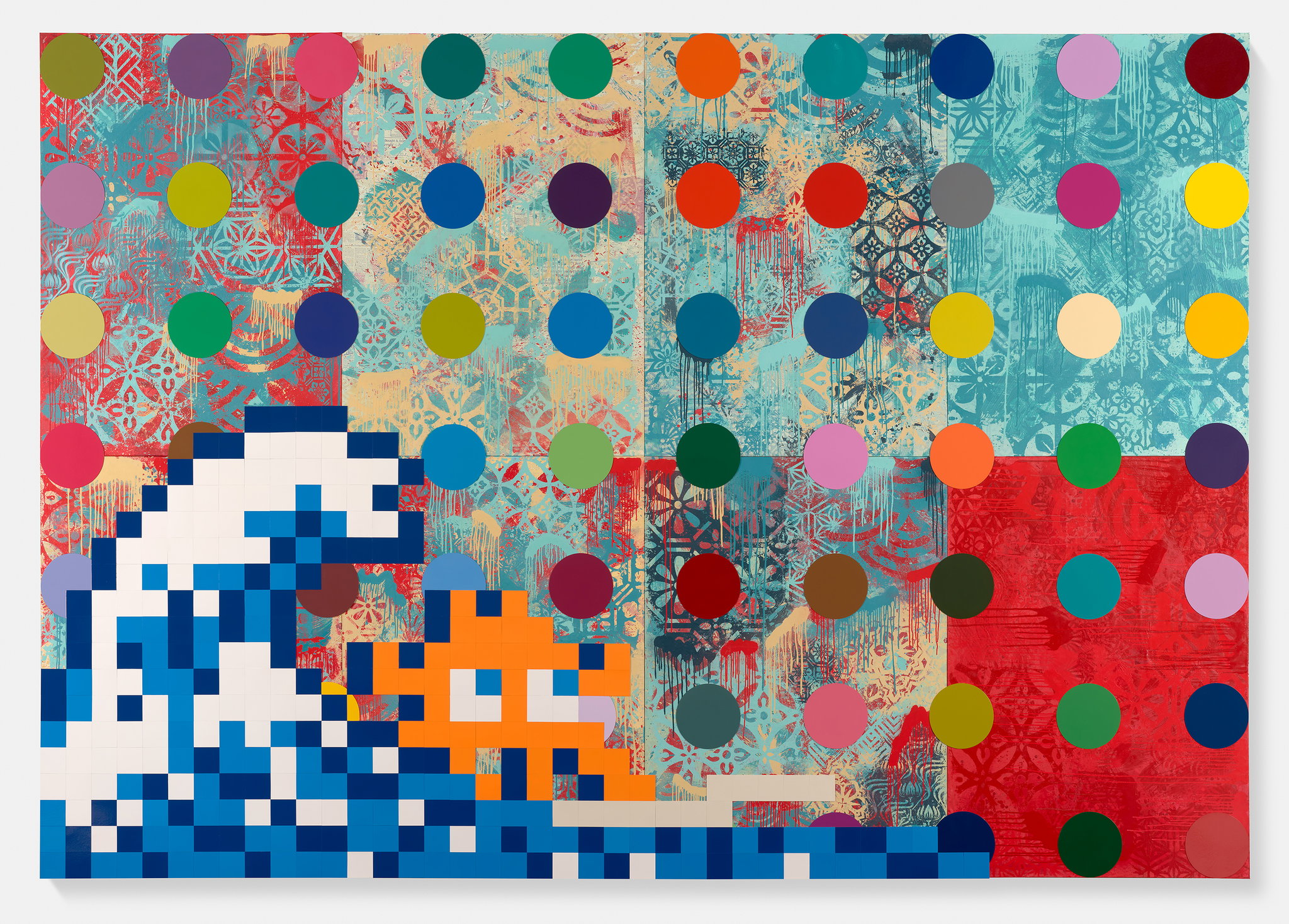
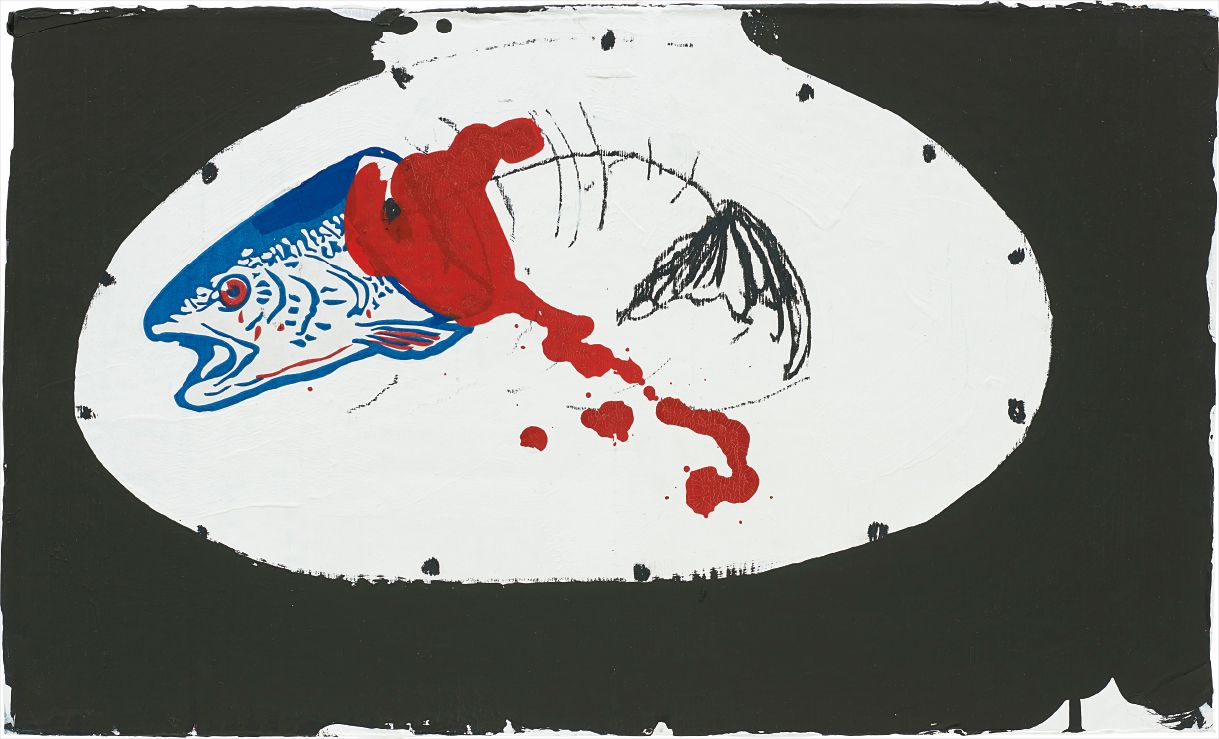
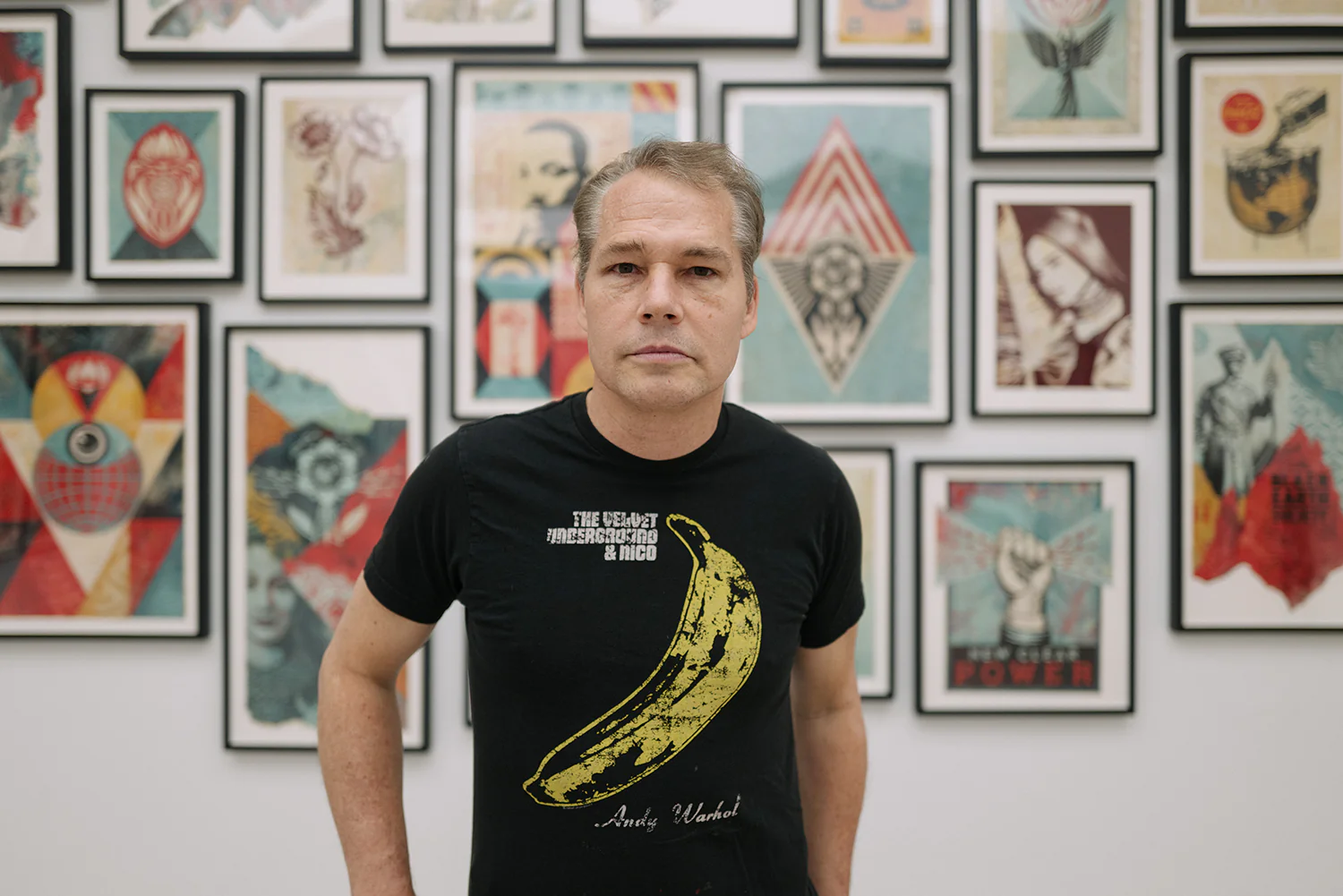
Shepard Fairey
Troubled Waters, 2025


The Wound That Became a Window
There is something almost violent about great expressionist art. It reaches across the room before you are ready for it, before you have had a chance to prepare your critical distance. The paint is too thick, the color too insistent, the gesture too raw. You feel it in your chest before you understand it in your head.
That quality, that refusal to let the eye rest comfortably, is not incidental to expressionism. It is the entire point. The movement as a defined force in Western art emerged in Germany in the early twentieth century, coalescing around two groups that would permanently alter the course of painting. Die Brücke, founded in Dresden in 1905 by Ernst Ludwig Kirchner, Erich Heckel, and Karl Schmidt Rottluff, drew on the raw energy of African and Oceanic art, on the woodcut tradition, and on a shared conviction that modern industrial life had severed something essential in human experience.
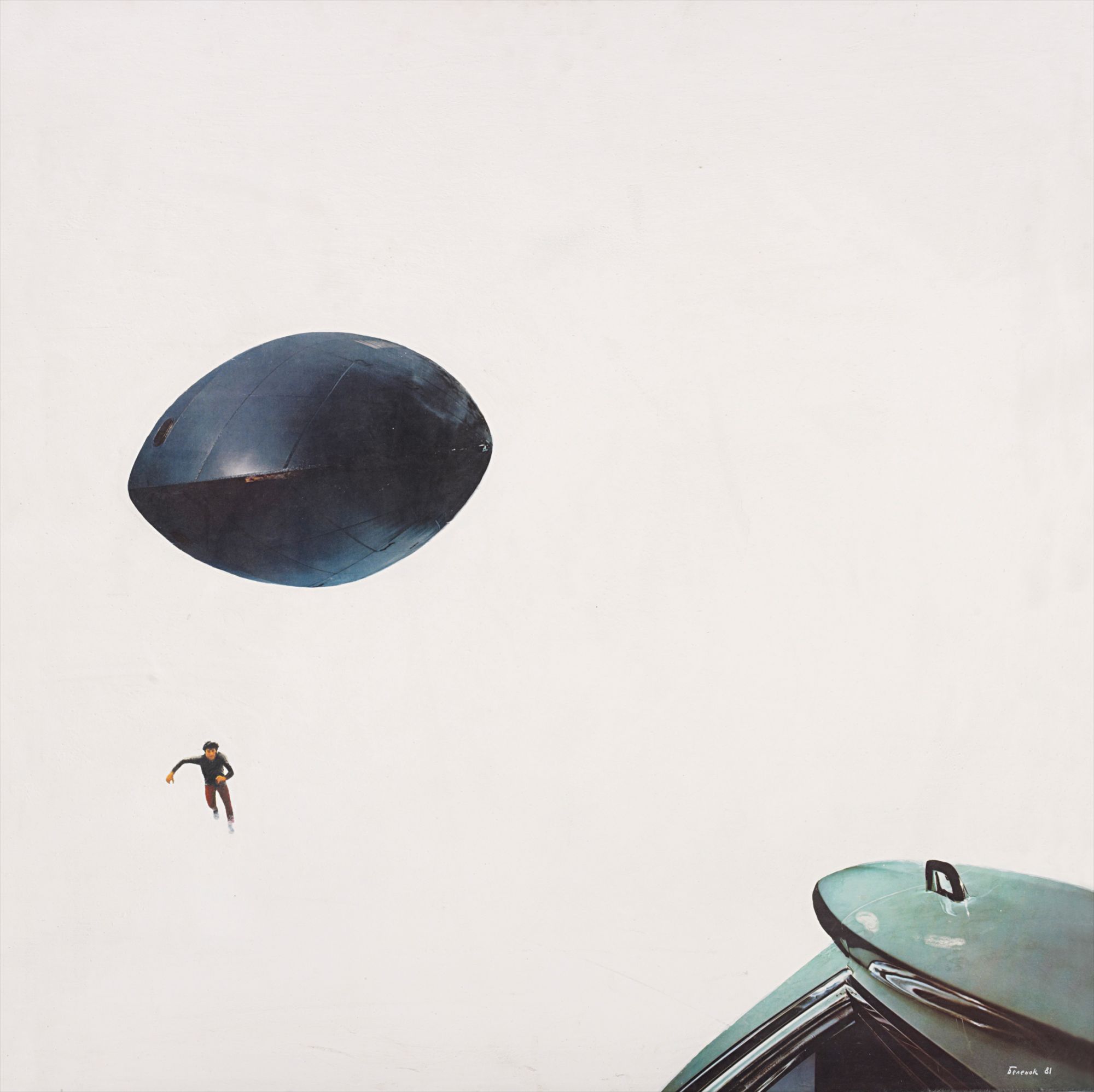
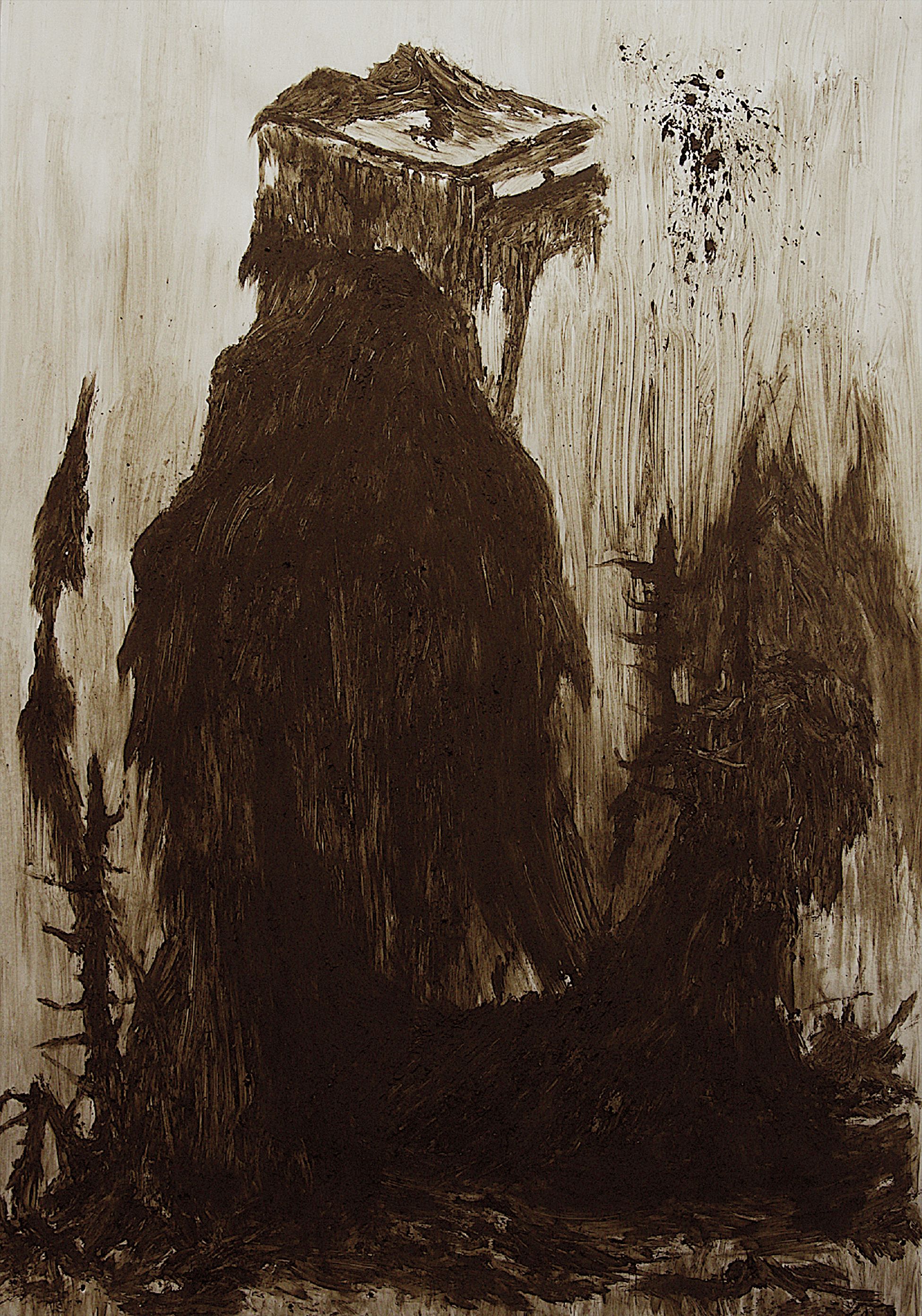
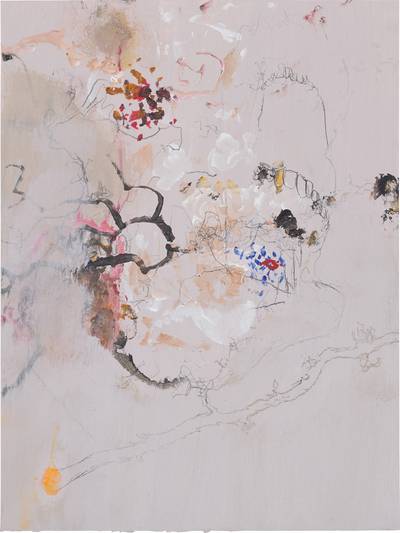
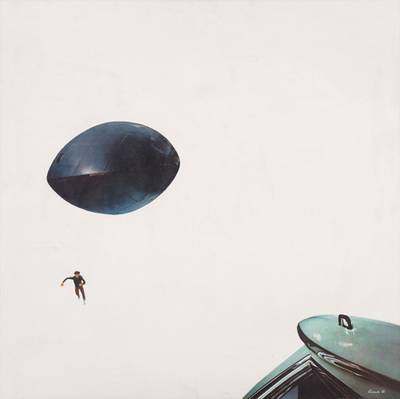
Pyotr Belenok
Appearance of an Object
Just a few years later, in Munich, Der Blaue Reiter gathered around Wassily Kandinsky and Franz Marc, pursuing a more spiritually oriented expressionism in which color carried metaphysical weight. Between these two poles, a generation of artists gave form to anxiety, desire, alienation, and ecstasy in ways that academic painting simply could not accommodate. The historical pressures feeding this moment were immense. The trauma of the First World War deepened the expressionist impulse and produced the harder, more grotesque strain known as Neue Sachlichkeit, or New Objectivity, in the work of George Grosz and Otto Dix.
Edvard Munch, working just outside the formal German groupings, had already identified the interior scream as a subject worthy of monumental treatment. Egon Schiele, whose career was cut short by the 1918 influenza pandemic when he was only twenty eight, brought an agonized eroticism to the figure that still feels shockingly contemporary. These artists shared a belief that the surface of the canvas was not a window onto a composed world but a site of confession, confrontation, and transformation. What defines expressionist technique is less any single method than a shared disposition toward material.
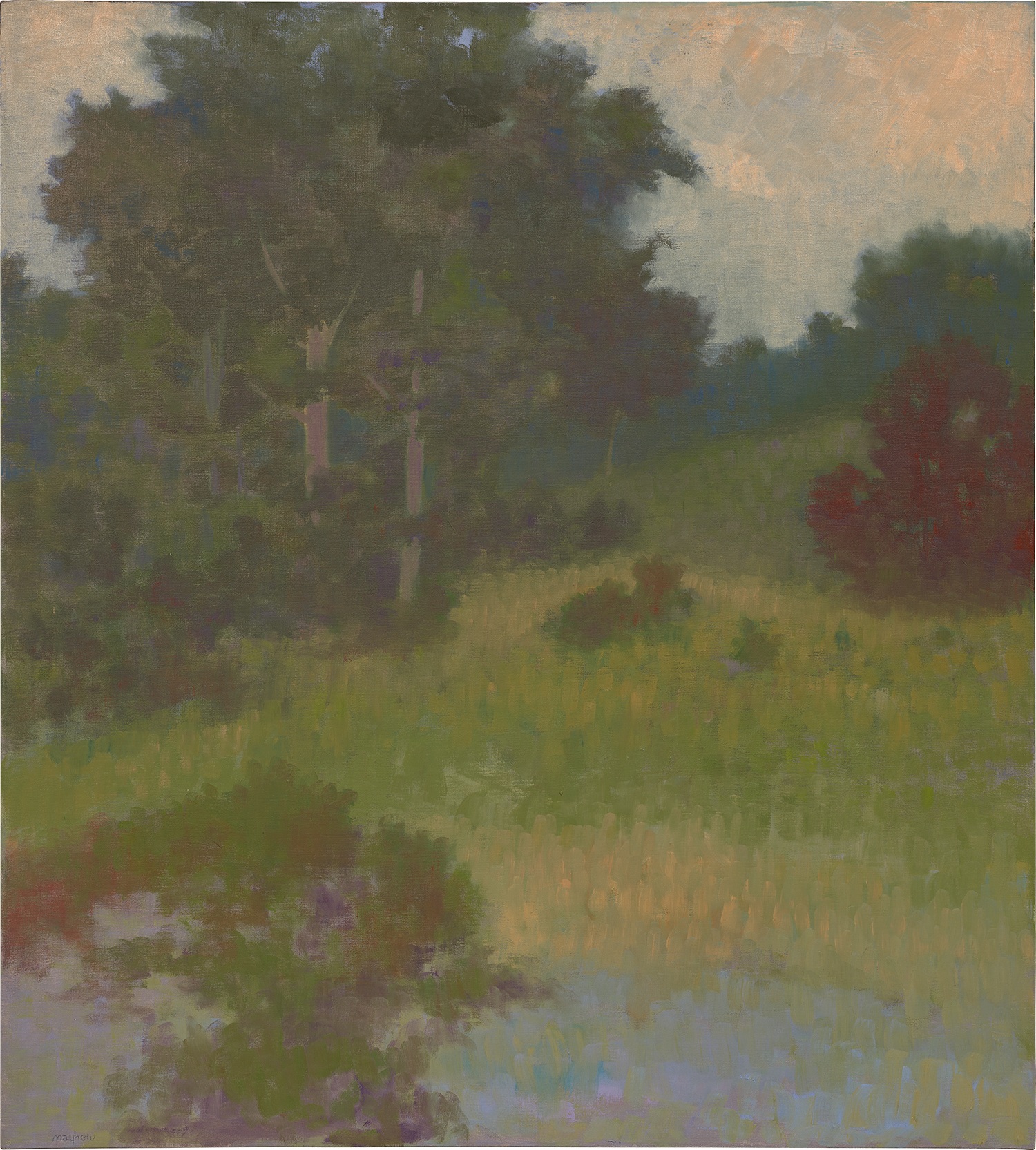
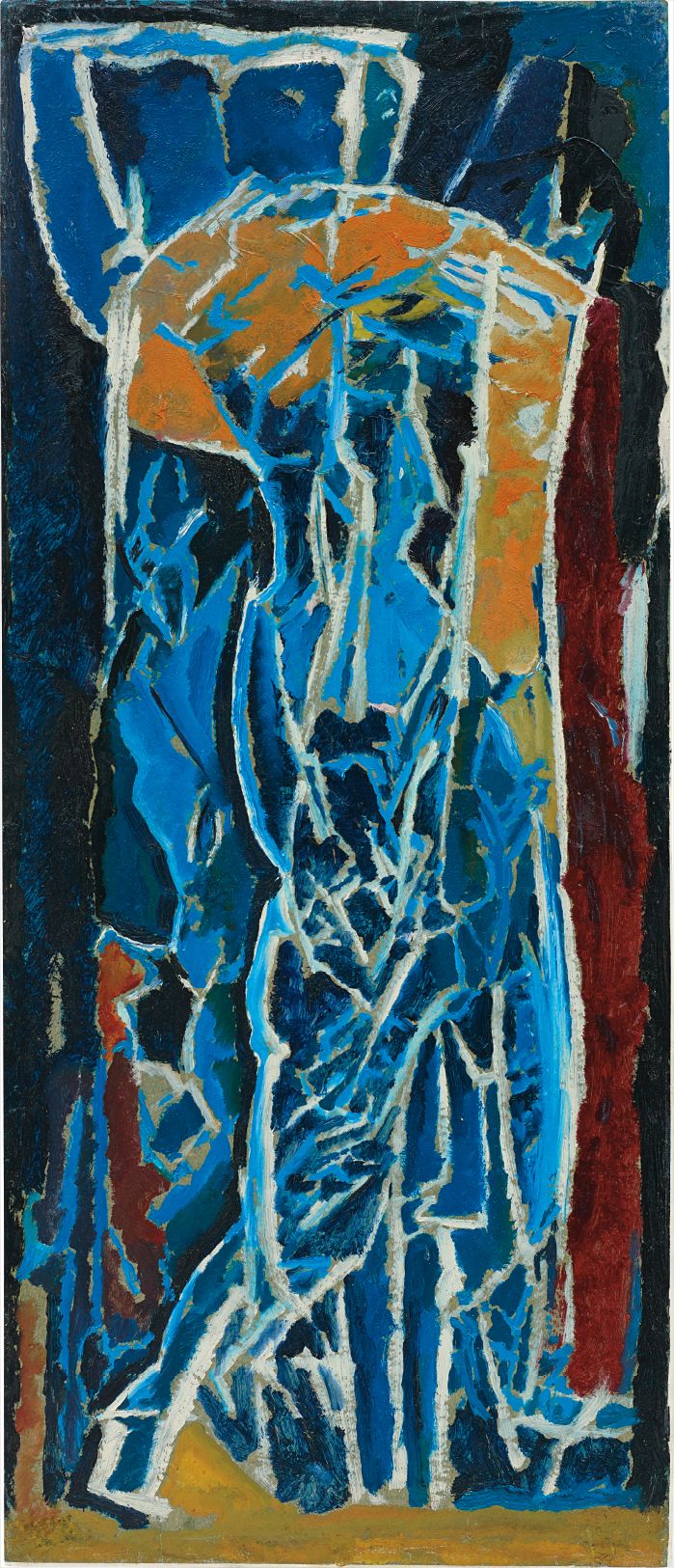
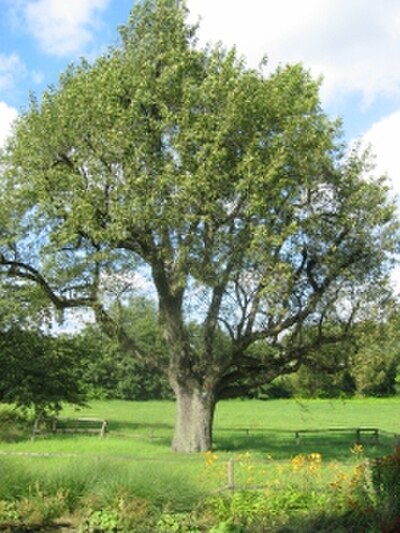
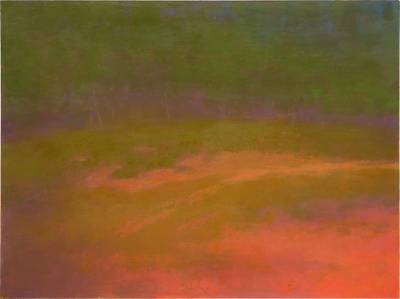
Richard Mayhew
Briarwood, 1982
Brushwork is visible, assertive, and deliberate in its refusal of polish. Color is deployed emotionally rather than descriptively. The figure, when it appears, is distorted not through incompetence but through intention, shaped by feeling rather than by faithful observation. Frank Auerbach, working in London across a career that spans decades, builds his canvases through layers of paint so accumulated that they take on a physical density that photographs cannot capture.
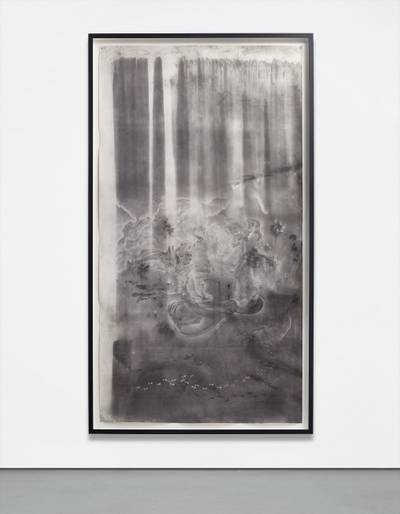
His portraits of close friends and the familiar streets of Camden carry within them the full weight of sustained attention, a kind of love expressed through material accumulation. Lucian Freud, his contemporary and sometime rival, took a different path toward similar territory, using the loaded brush and the unflinching gaze to produce figurative work of extraordinary psychological intensity. The postwar period scattered expressionist energy across the globe, and the resulting work resists easy categorization. In South Africa, William Kentridge developed a practice centered on charcoal drawings filmed in the process of being made and unmade, works that carry within them the moral weight of a country reckoning with apartheid and its aftermath.
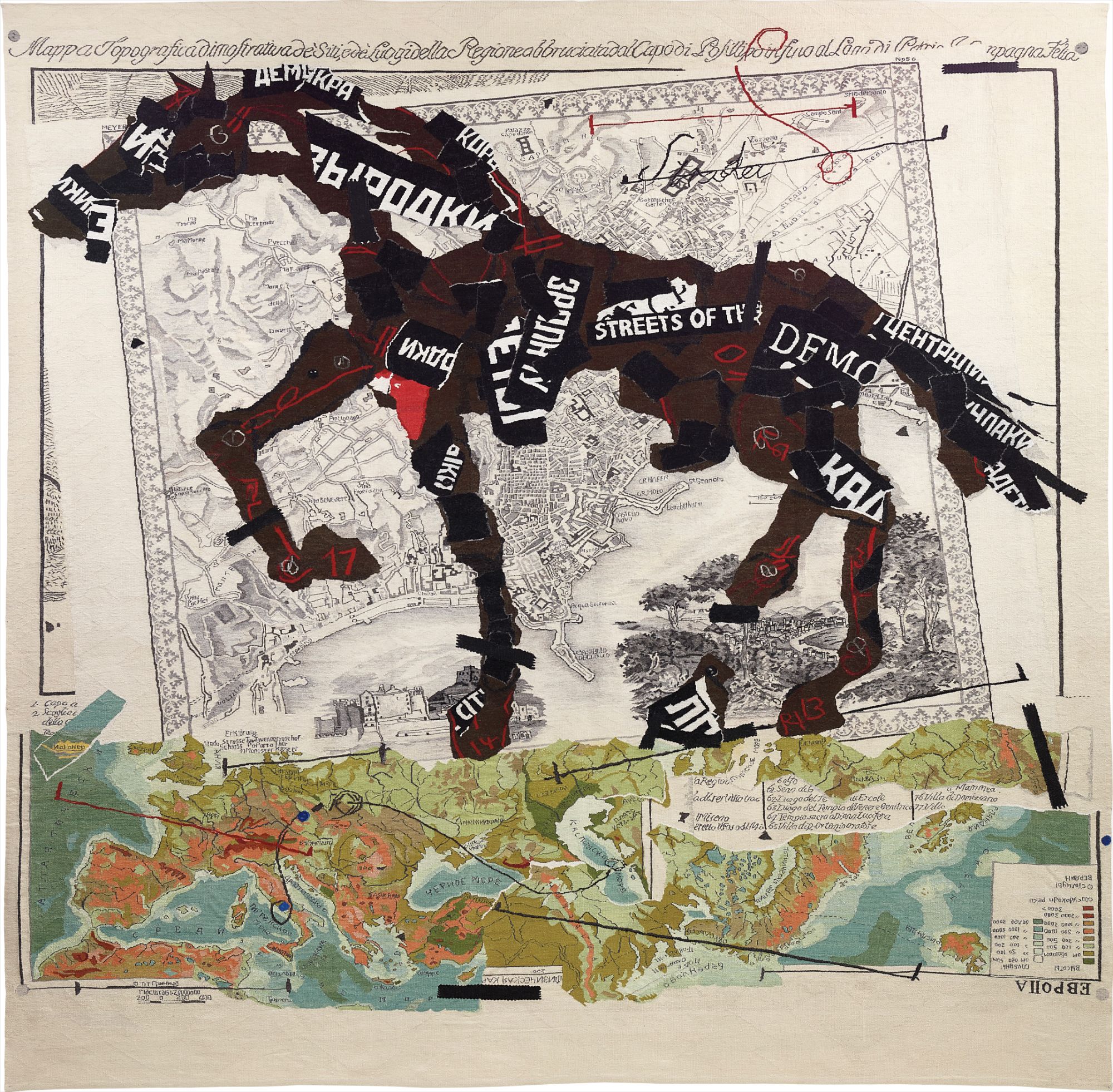
William Kentridge
Streets of the City, 2009
His presence on The Collection feels entirely right; there is no artist working today who better demonstrates that expressionist methods can carry urgent political content without sacrificing formal intelligence. In Germany, Ernst Wilhelm Nay pushed color into something approaching pure abstraction while retaining the emotional directness of the expressionist tradition. Pyotr Belenok, the Soviet era Ukrainian painter, brought an almost hallucinatory intensity to his canvases, figures tumbling through apocalyptic landscapes in ways that feel connected to the original German expressionists across both geography and ideology. The Neo Expressionist surge of the late 1970s and 1980s brought the movement back into critical conversation with a force that surprised many observers who had written off painterly expression as finished.
Georg Baselitz, Anselm Kiefer, and the Italian Transavanguardia painters around Francesco Clemente and Enzo Cucchi reclaimed the large canvas and the gestural mark at a moment when conceptualism and minimalism had dominated the critical conversation. This was the context in which Zeng Fanzhi came of age in China, developing a practice that drew on German expressionism and filtered it through the particular disorientation of post Mao society. His Mask series of the 1990s, in which figures wear bright red pioneer scarves while their faces are obscured by white masks, belongs in the same conversation as the great postwar European expressionists. Sculpture has its own expressionist lineage, often discussed separately but deeply connected to the painterly tradition.
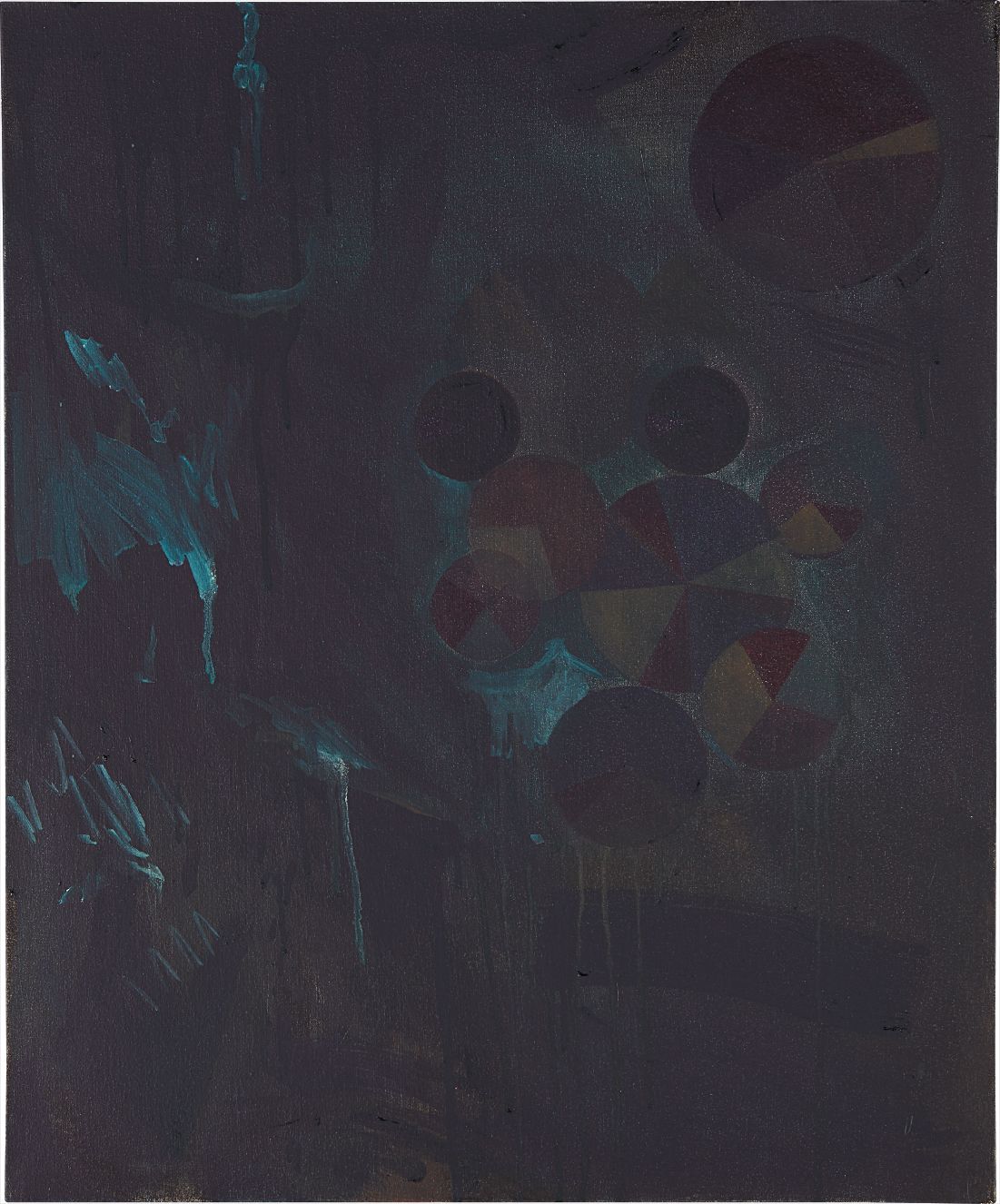
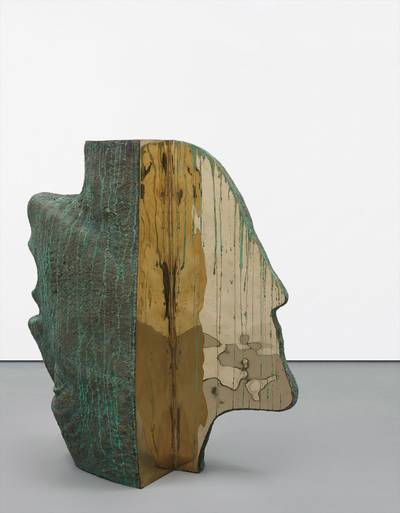
Charlie Hammond
Portrait of the Bureaucrat (Lurking in Dark Paint)
Marino Marini, the great Italian sculptor whose horses and riders carry within them both the classical tradition and the trauma of the twentieth century, belongs to this story as surely as any painter. Dame Elisabeth Frink, working in Britain from the 1950s onward, brought a similarly raw physicality to the human and animal form, her bronzes carrying visible traces of the making process in a way that aligns them with the expressionist insistence on material presence. Rebecca Warren, working today in clay and bronze, extends this tradition with a knowing engagement with art history that never tips into mere quotation. What is remarkable about expressionism as a category is how stubbornly it has refused to become merely historical.
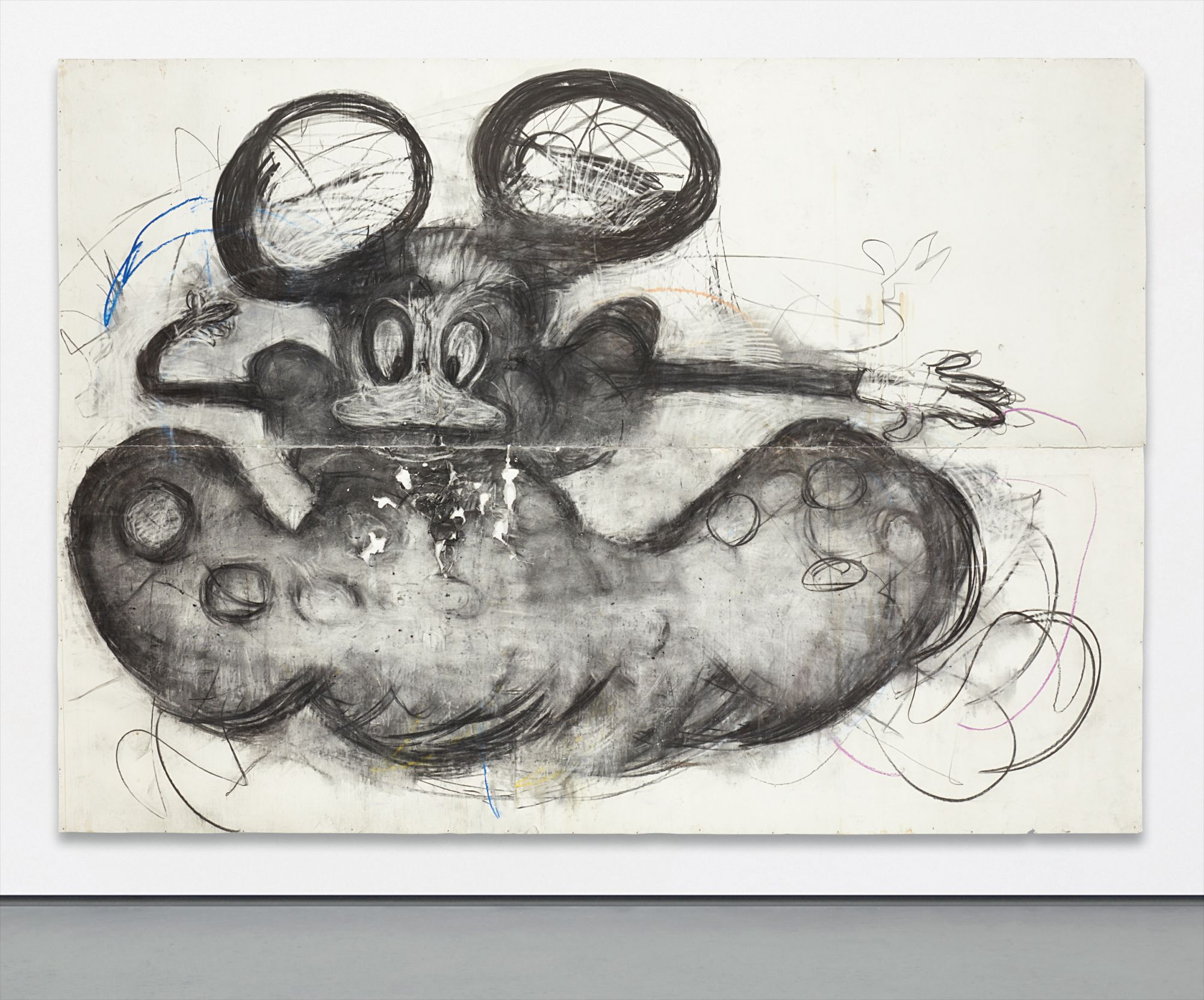
The artists represented on The Collection who work within this tradition, from Howard Hodgkin's color saturated panels to Joyce Pensato's agitated paintings of cartoon figures pushed to the edge of recognition, demonstrate that the expressionist impulse answers something persistent in the human need to make and encounter art. It is not a period style that can be safely archived. Every generation discovers again that some truths are too urgent to be communicated through the composed and the beautiful, that the wound, if looked at honestly enough and with enough skill, becomes a window into something essential about what it means to be alive.