African American Culture
Rashid Johnson
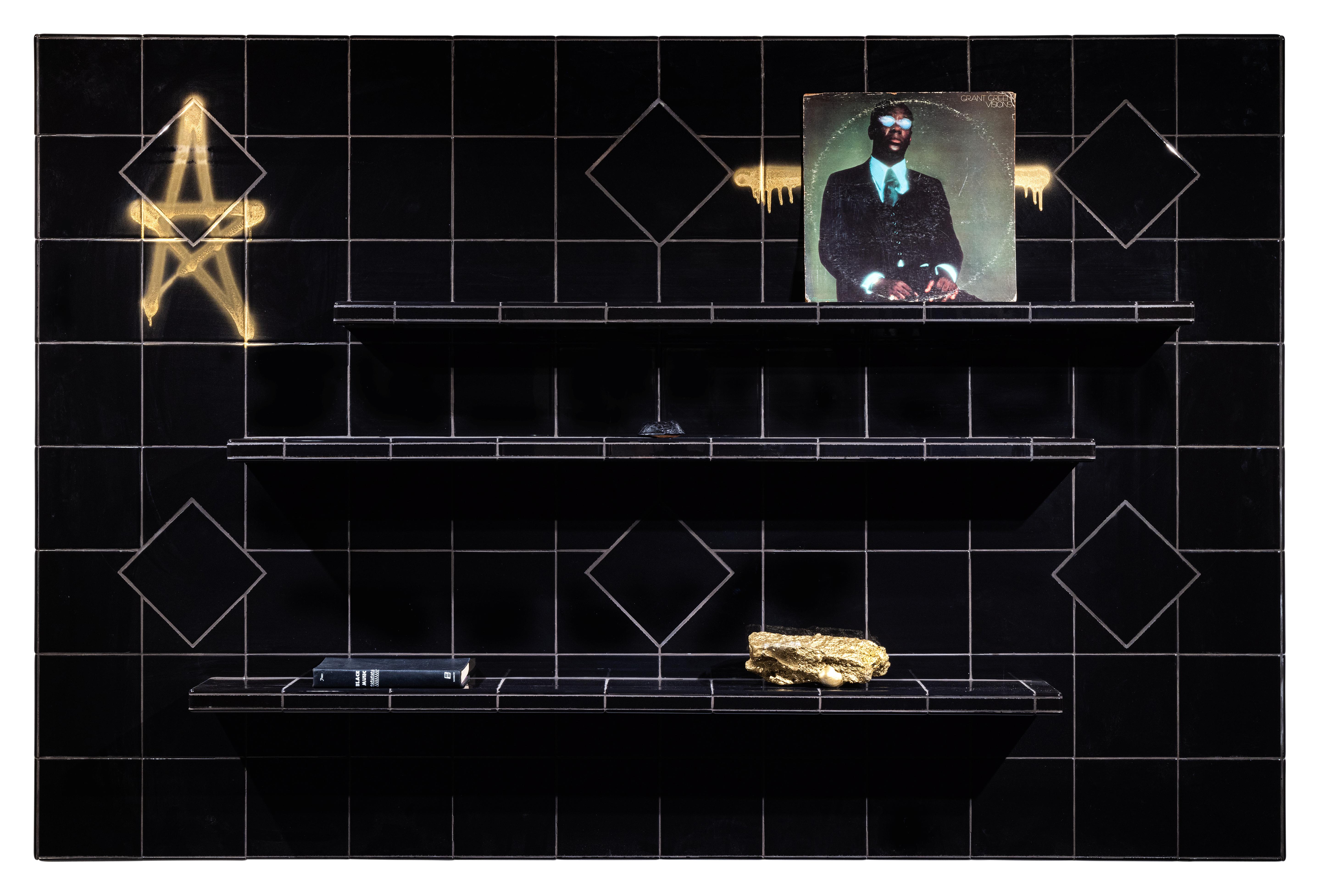
Black Music, 2010


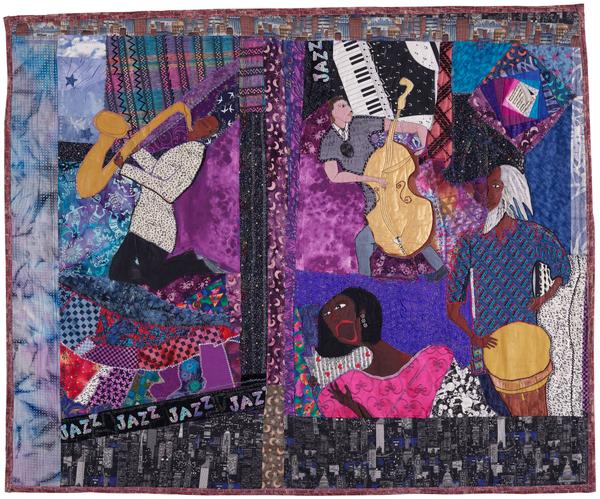
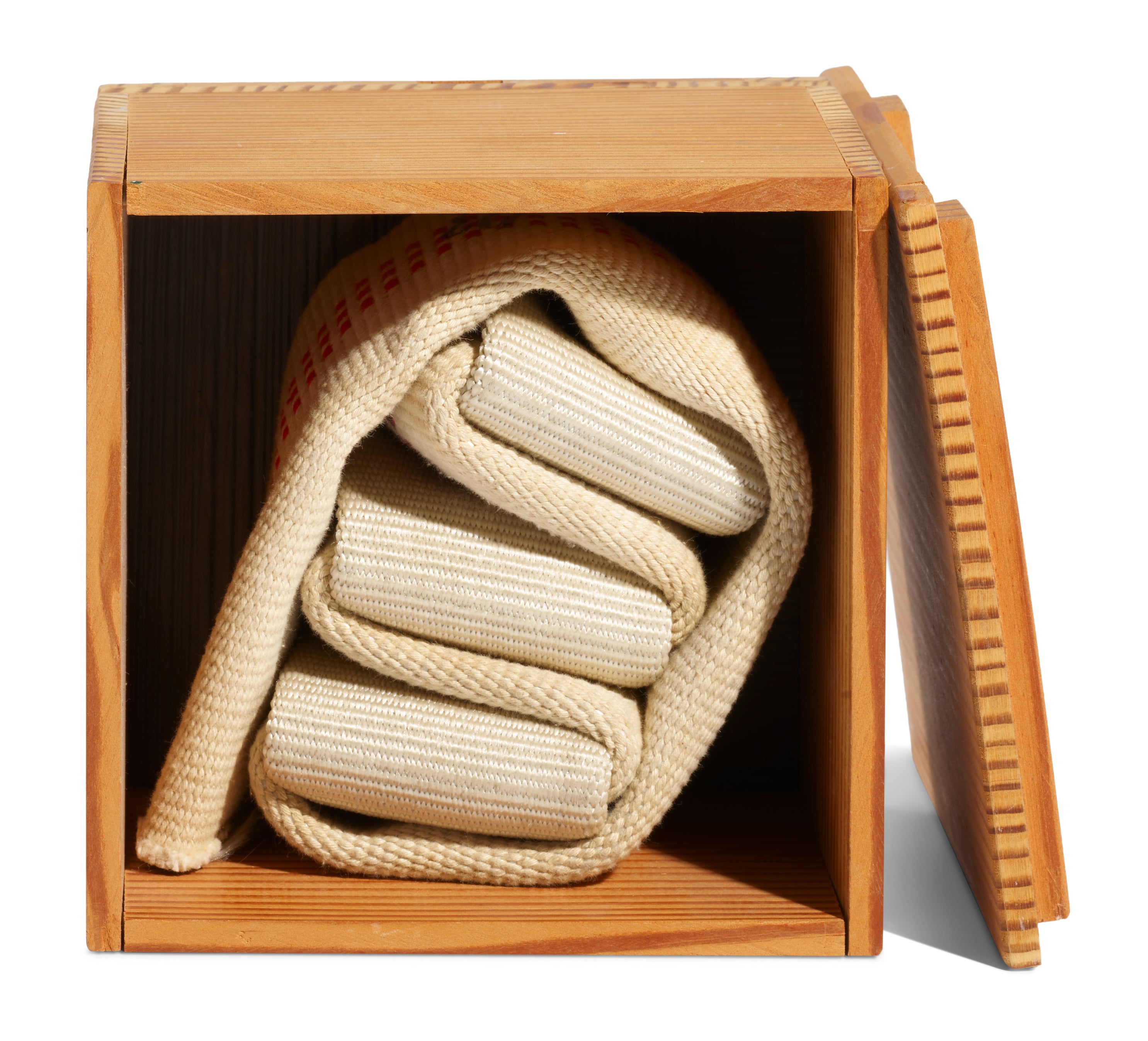
The Art of Living With Black America
There is something particular about the decision to bring work rooted in African American experience into your home or collection. It is not simply an aesthetic choice, though the aesthetics are often extraordinary. It is a decision to live alongside history, memory, and a resilience that has produced some of the most formally inventive and emotionally complex art of the past century. Collectors who are drawn to this area often describe a quality of presence in the work, a sense that it holds something and gives something back in equal measure.
That quality does not fade. If anything, it deepens over years of living with it. What separates a merely good work from a genuinely great one in this space comes down to specificity and formal ambition working together. The works that endure are those where the artist is not illustrating a theme but embodying it through a particular visual language that could not belong to anyone else.
Romare Bearden
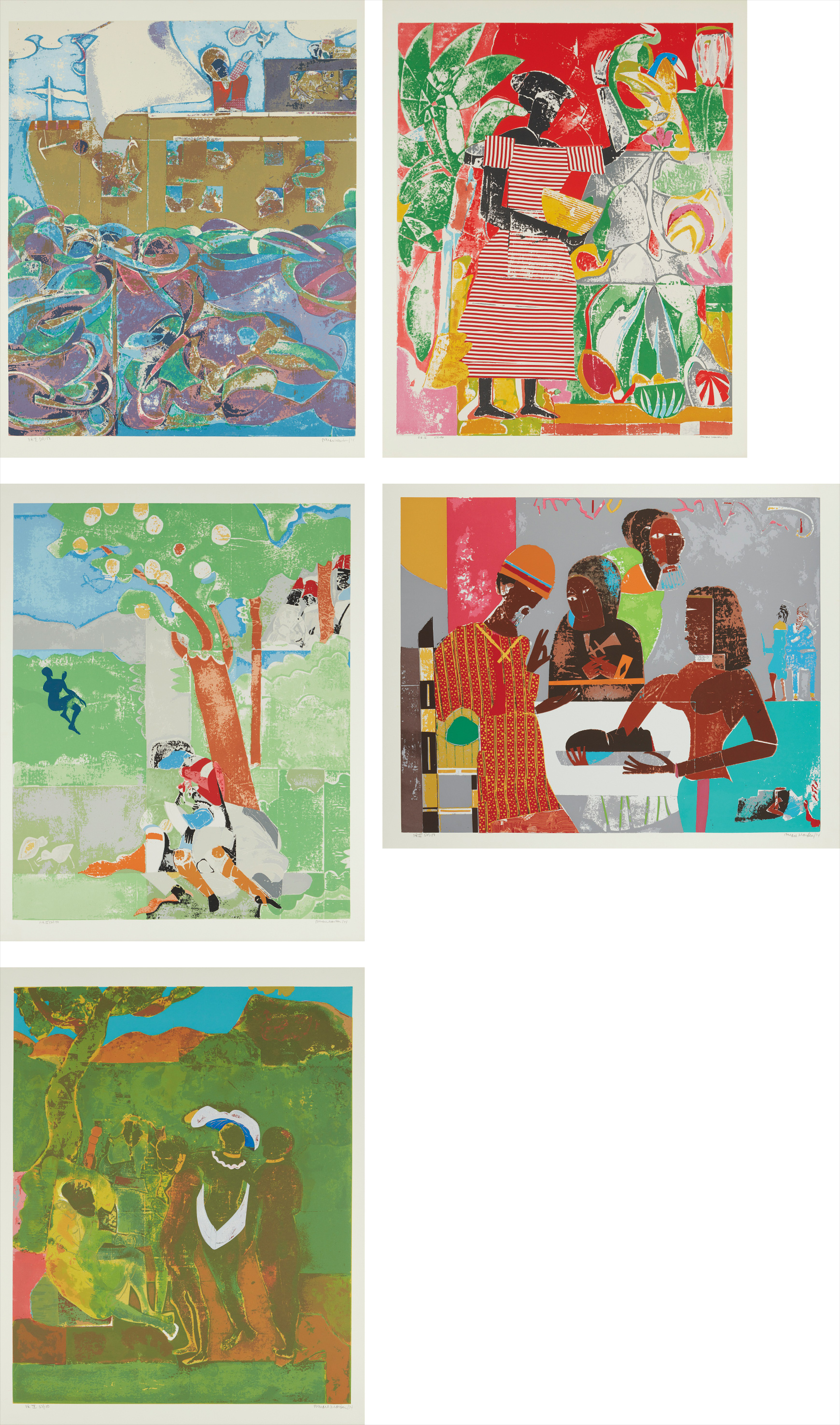
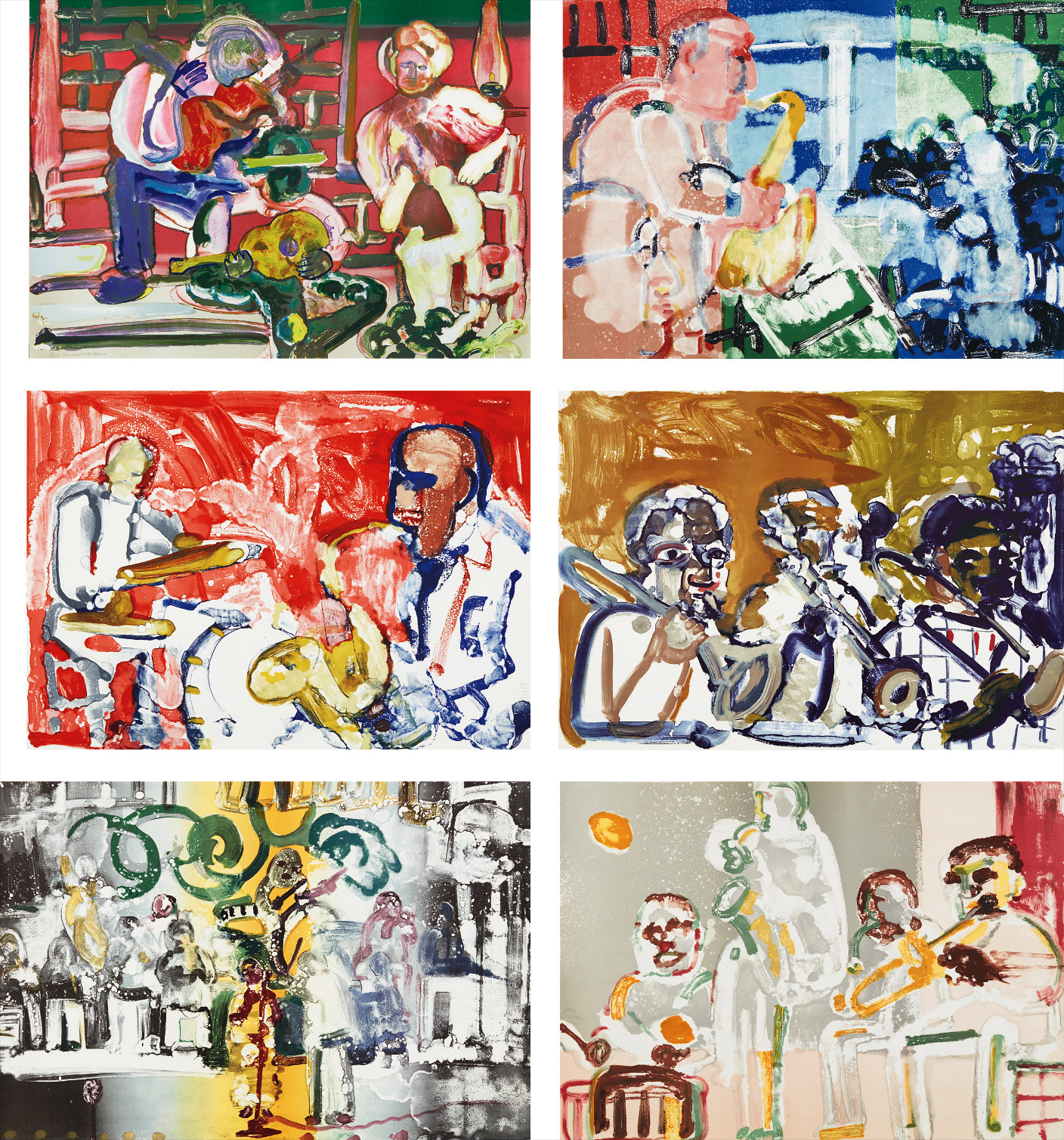
Jazz
Think about the way Romare Bearden collapsed time and geography in his collages, drawing on jazz structures, African visual traditions, and the fragmented texture of urban Black life to produce something that was simultaneously intimate and monumental. A great Bearden is not a document of an era. It is a formal argument about how Black experience actually feels, layered and nonlinear and luminous. That level of integration between form and content is the benchmark worth holding in your mind when evaluating any work in this category.
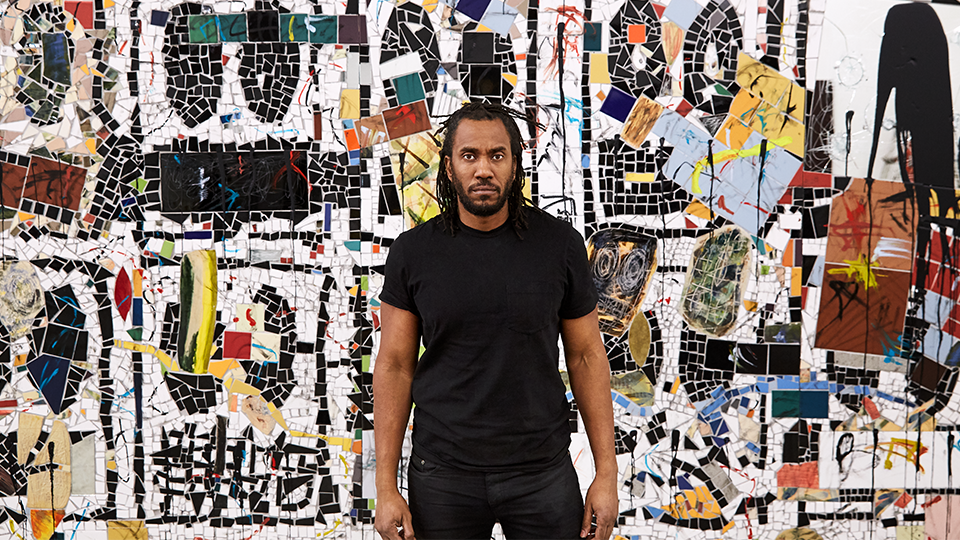
Among the artists well represented on The Collection, the range on offer reflects both the depth of this tradition and its continued vitality. Bearden remains one of the strongest long term holdings a collector can build around. His market has shown consistent strength at auction, with major works regularly appearing at Christie's and Sotheby's, and his critical standing has only grown since the major retrospective at the Museum of Modern Art in 2003. Rashid Johnson is perhaps the most significant artist working in this space right now in terms of market momentum, his shea butter and black soap works having moved from provocative insider conversation to blue chip status with remarkable speed.
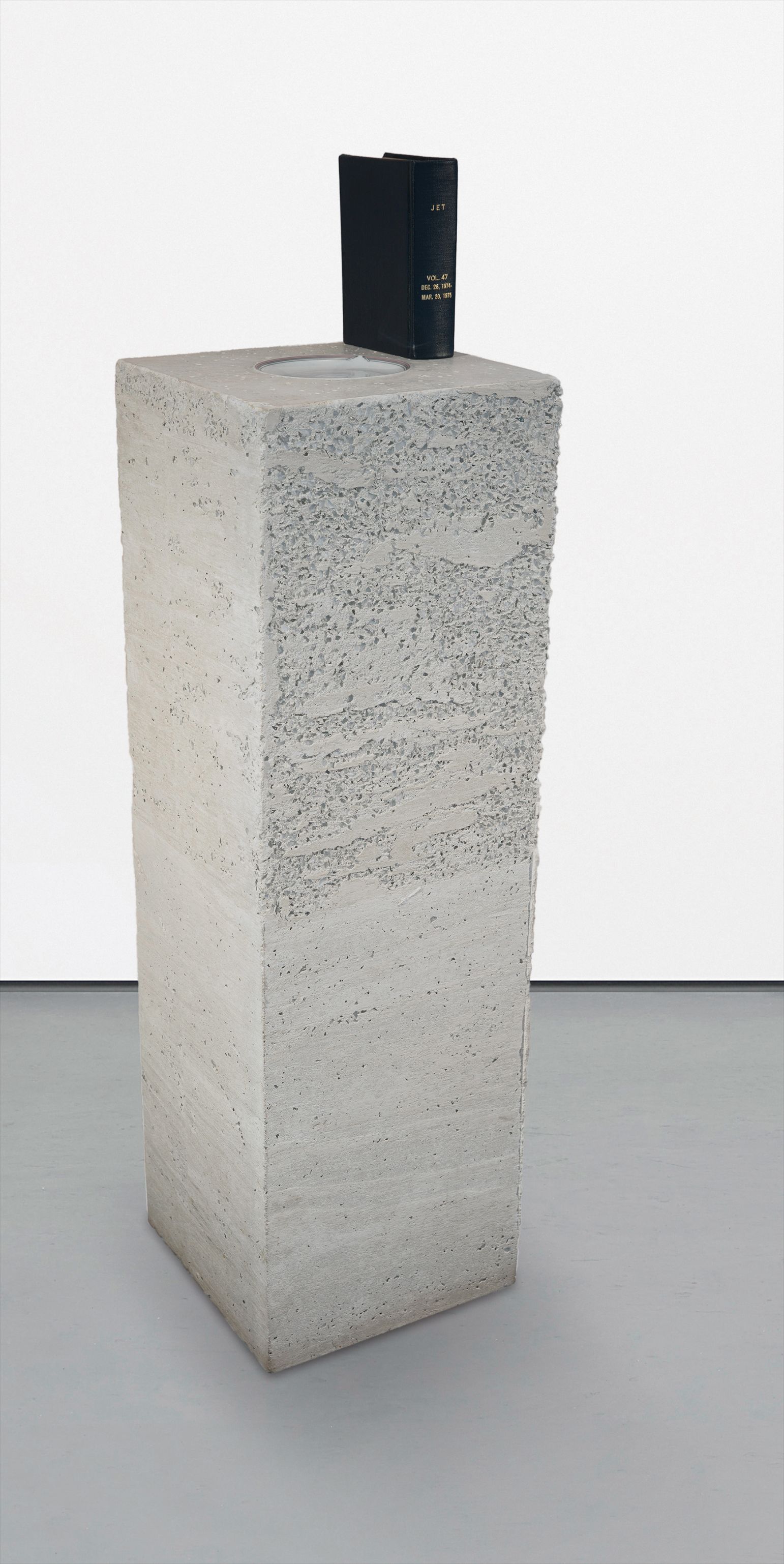
Rashid Johnson
Black Music, 2010
Johnson's materials carry cultural meaning without becoming didactic, which is exactly the quality that sustains a market over time rather than exhausting it. David Hammons occupies a category almost entirely his own. He famously resists the market even while commanding some of its highest prices, and that tension is itself part of what makes his work so compelling to serious collectors. When Hammons does appear at auction, competition is fierce precisely because supply is so deliberately constrained.
Theaster Gates brings an entirely different approach, one rooted in architecture, community, and the material history of Black America, particularly through objects salvaged from demolished buildings and institutions on the South Side of Chicago. Collecting Gates is in part a philosophical act, an alignment with his argument that art and social repair are not separate endeavors. Dindga McCannon, who was a central figure in the Black Arts Movement of the 1960s and 1970s and a founding member of the Where We At collective in 1971, represents one of the more compelling opportunities in the market right now, as her work has not yet reached the valuation levels her historical significance and formal sophistication plainly justify. The broader landscape of emerging artists working within and in conversation with African American cultural traditions is genuinely exciting at the moment.
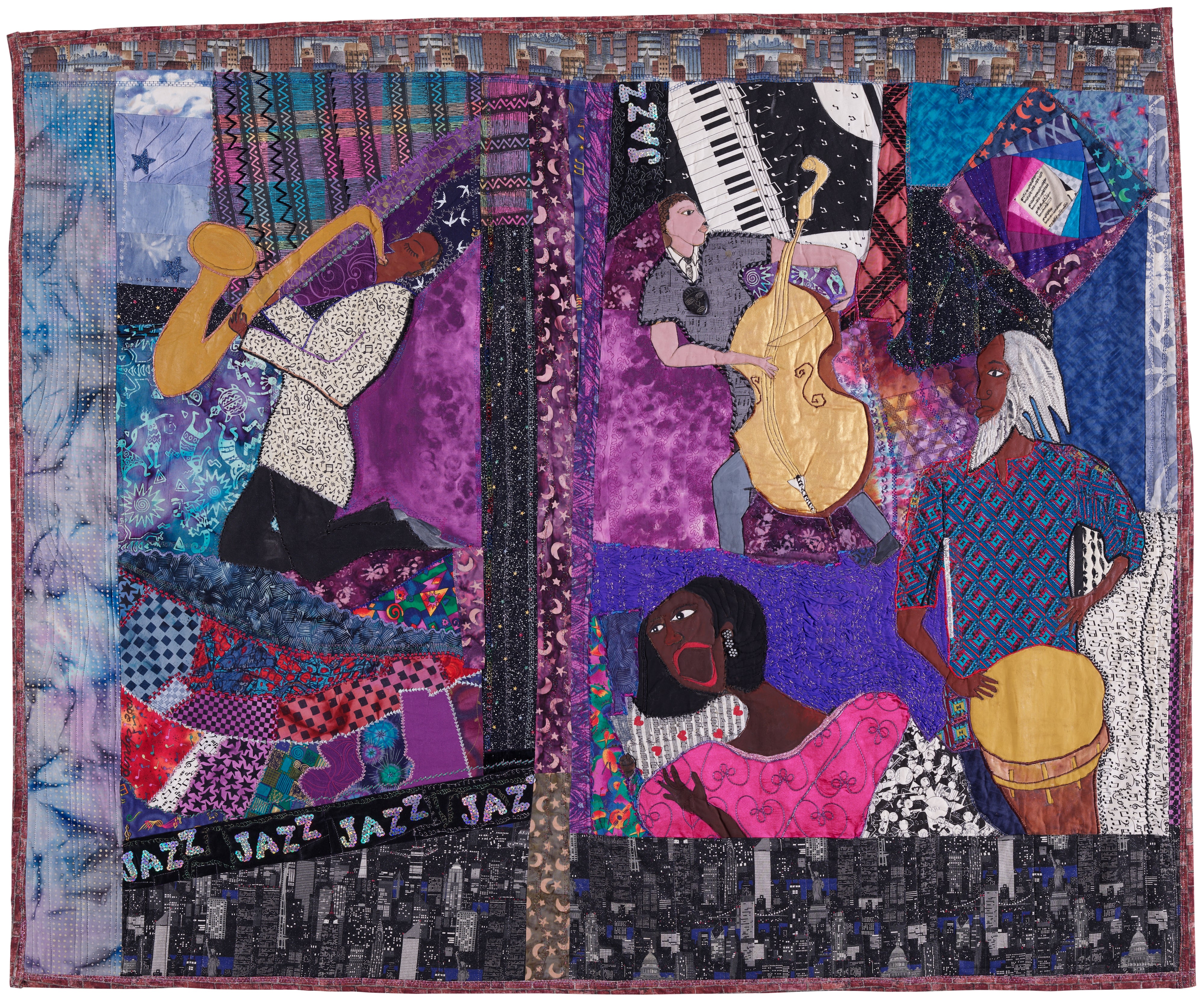
Dindga McCannon
JAZZMOBILE!, 2001
Painters like Tschabalala Self and Toyin Ojih Odutola have already moved through emerging status into strong primary and secondary market positions, but there remains a generation of artists in their late twenties and thirties whose prices still reflect early career access rather than eventual significance. Collectors willing to engage directly with galleries representing newer voices, to read closely, visit studios, and build relationships rather than simply reacting to auction results, will find opportunities that the broader market has not yet priced in. The institutions have been paying attention. When MoMA, the Whitney, and the Studio Museum in Harlem begin collecting a young artist, that alignment of institutional validation tends to precede significant market movement by roughly three to five years.
At auction, works rooted in African American culture have performed with increasing strength and consistency since the mid 2000s, with acceleration visible after 2015 and again post 2020. The 2021 market cycle in particular brought record prices across the board, though some of those peaks reflected a broader market frenzy rather than sustained demand. The secondary market has since normalized somewhat, which for a thoughtful collector is a more useful environment than a frenzied one. Works by established figures like Bearden still perform reliably, while mid career artists present both opportunity and volatility depending on how much of their market was built on speculation versus genuine institutional and collector conviction.
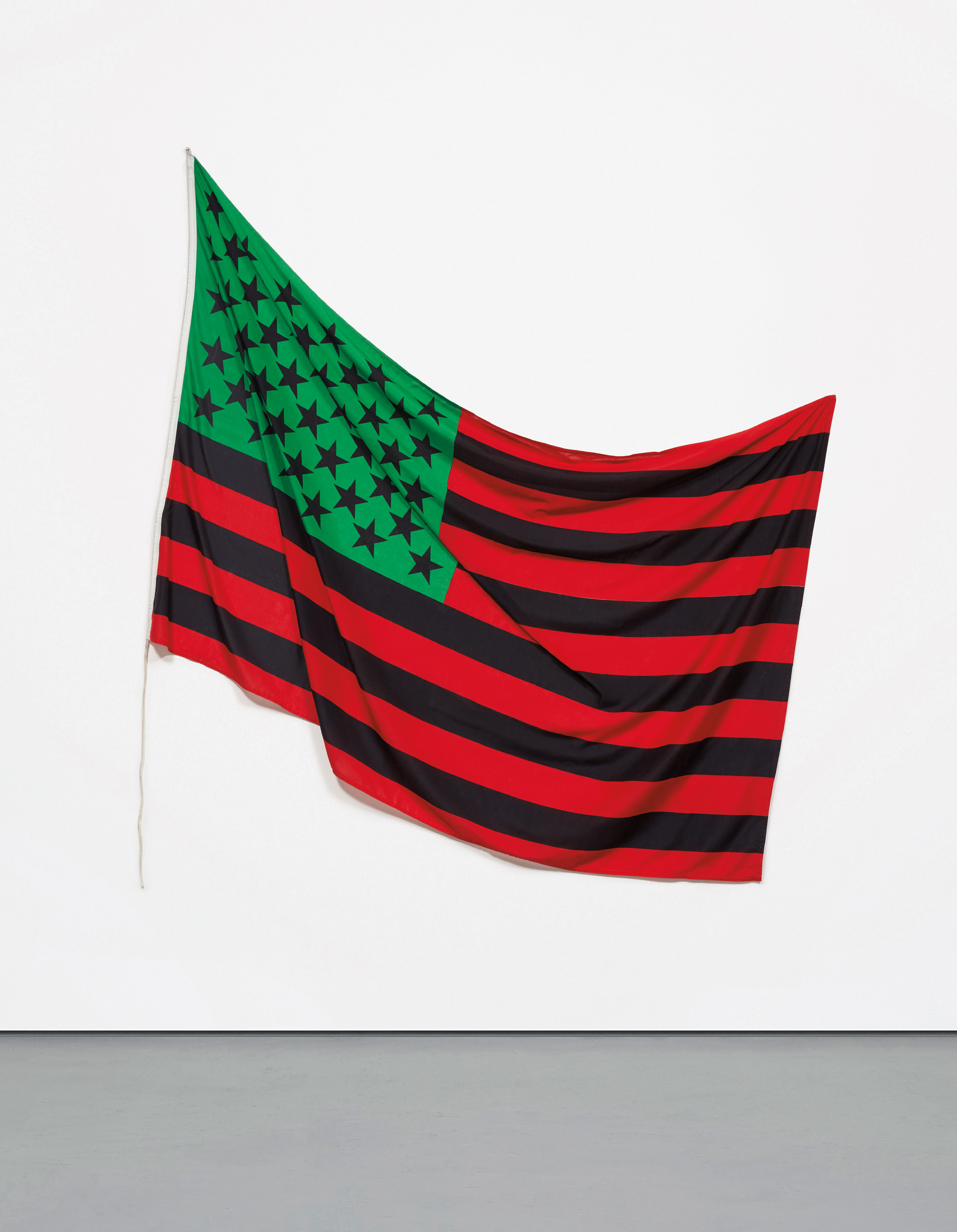
David Hammons
African-American Flag
From a practical standpoint, condition is especially important in works involving mixed media, fabric, or found materials, which appear frequently in this tradition. Ask any gallery or auction house for a detailed condition report and request information on any past restoration or consolidation work. For works on paper, including Bearden's collages, UV protective framing is non negotiable, and climate stability matters considerably. With artists like Gates whose work may involve organic or industrial materials, ask explicitly about long term care requirements before you commit.
On the question of editions versus unique works, unique works will almost always hold value more robustly over time, though limited edition prints by major figures can offer meaningful access at lower price points. When speaking with a gallery, the two most useful questions you can ask are: what is the exhibition history of this work, and where does the artist stand in terms of institutional recognition right now. Those two data points together will tell you more than any price list.