Activist Art

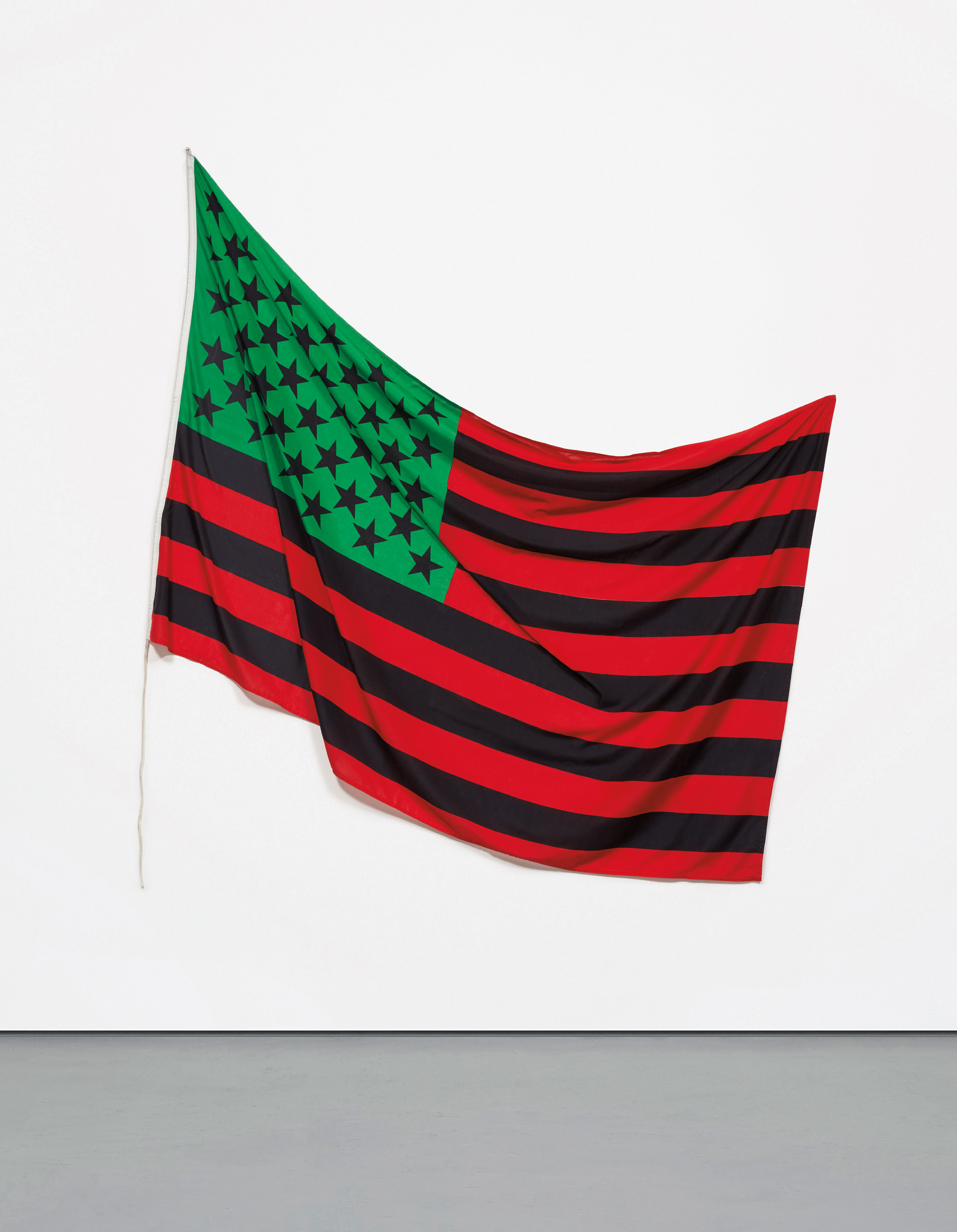
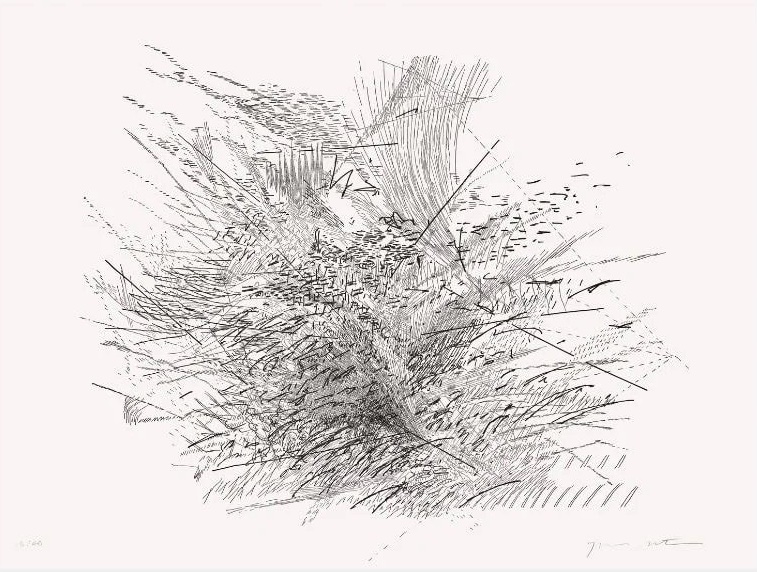
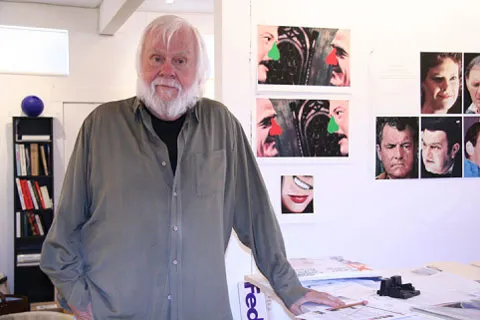
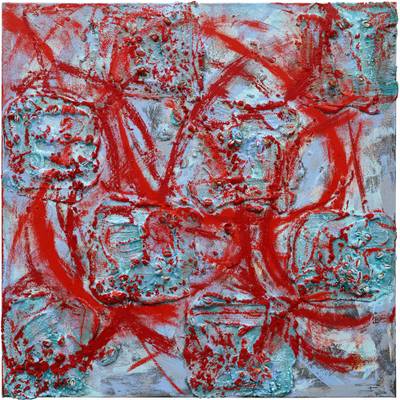
John Baldessari
Double Play: Feelings, from Artists for Obama


Art That Refuses to Look Away
There is a particular kind of collector who is drawn to activist art not despite its discomfort but because of it. These are people who want their walls to do more than hold beauty in place. They want a work that re enters the conversation every time someone walks into the room, that shifts the emotional temperature of a dinner party, that makes a quiet demand on whoever stands before it. Living with activist art is not always easy, and that is precisely the point.
It asks something of you on a daily basis, and collectors who understand this tend to build some of the most intellectually coherent and personally meaningful collections imaginable. What makes activist art compelling to live with is also what makes it genuinely difficult to evaluate. The political urgency that gives a work its initial charge can feel immediate in one decade and historical in the next, and the best works navigate this tension with grace. A piece that speaks only to its moment dates itself.
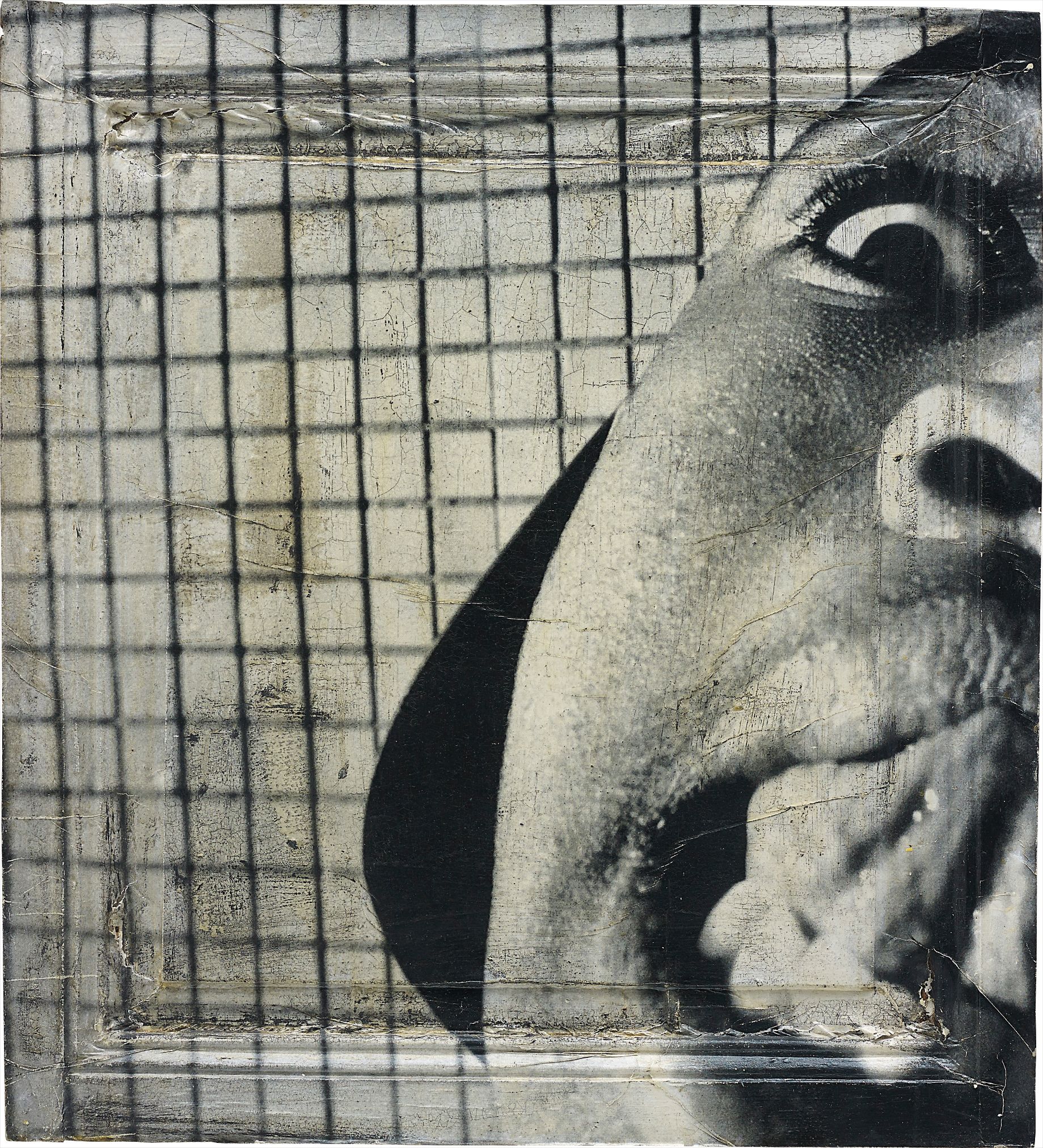
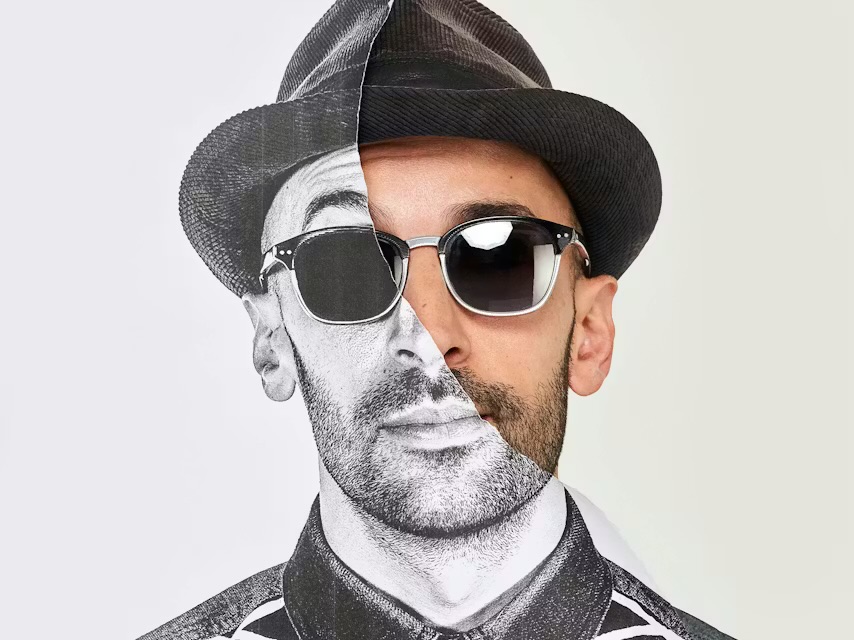
JR
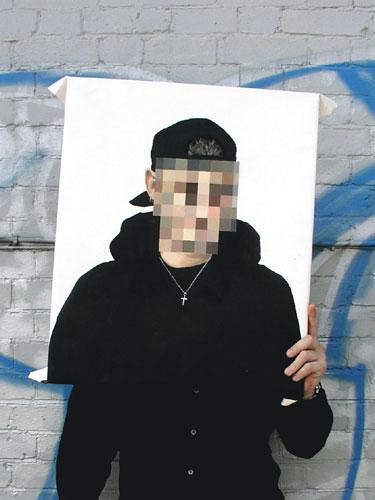
Adama, Montfermeil, Portrait d'une Generation, 2006
A piece that uses a specific moment to illuminate something structural and enduring, about power, about silence, about who is seen and who is not, that is a work worth serious attention. Collectors should ask themselves honestly whether a work would still hold its weight if the news cycle that surrounded its making had long since faded. If the answer is yes, you are looking at something with genuine staying power. The distinction between a good activist work and a great one often comes down to craft.
Political intent without formal rigor produces propaganda, and the art world has always known the difference, even when it has struggled to say so plainly. The greatest works in this space use visual language so precisely that the message and the form are inseparable. Consider the practice of Ai Weiwei, whose installations and sculptures carry their political weight through an almost overwhelming accumulation of material and meaning. Or think about Jenny Holzer, whose use of text in public space transformed language itself into a medium of confrontation.
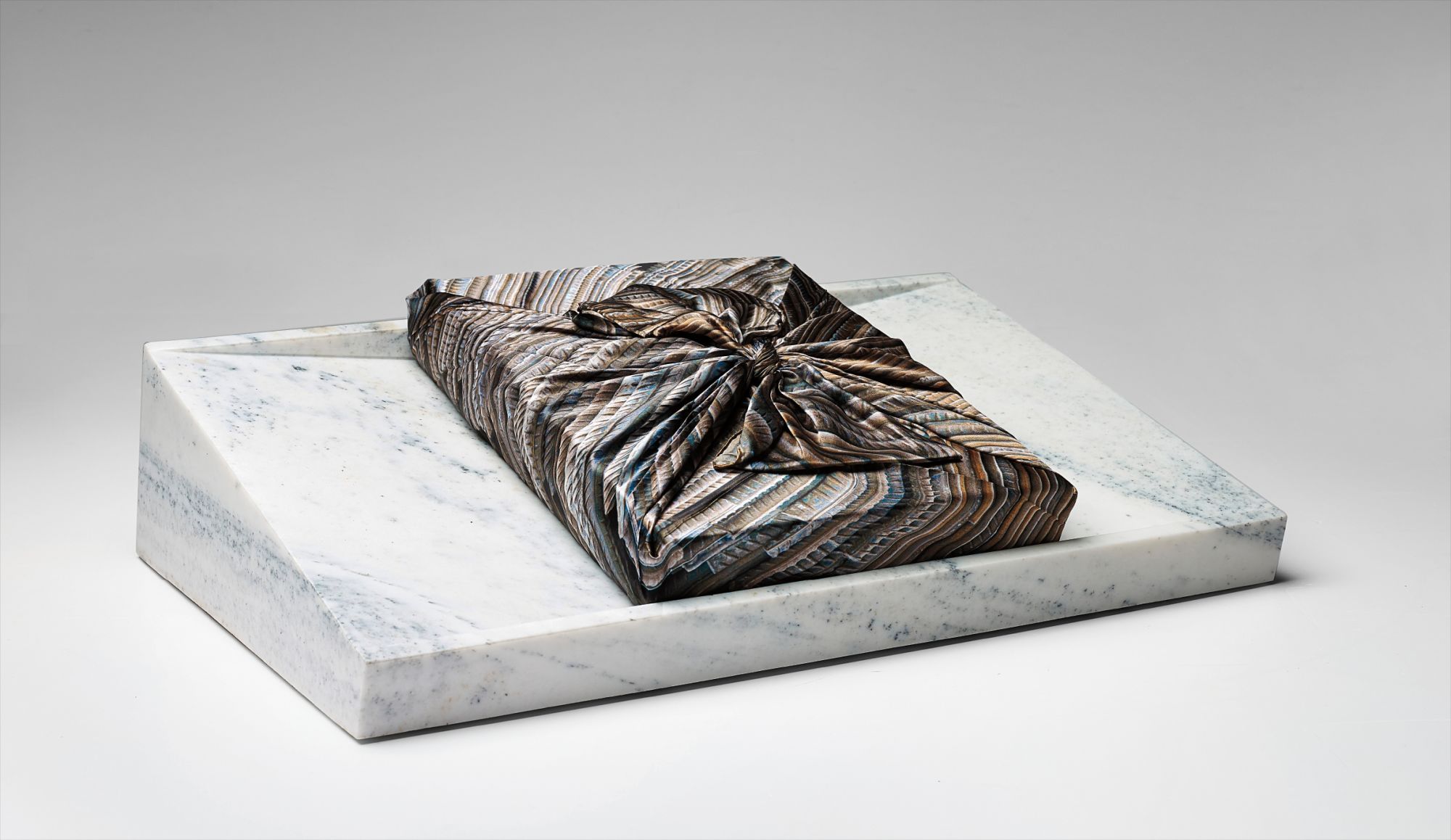
Ai Weiwei
Art Edition
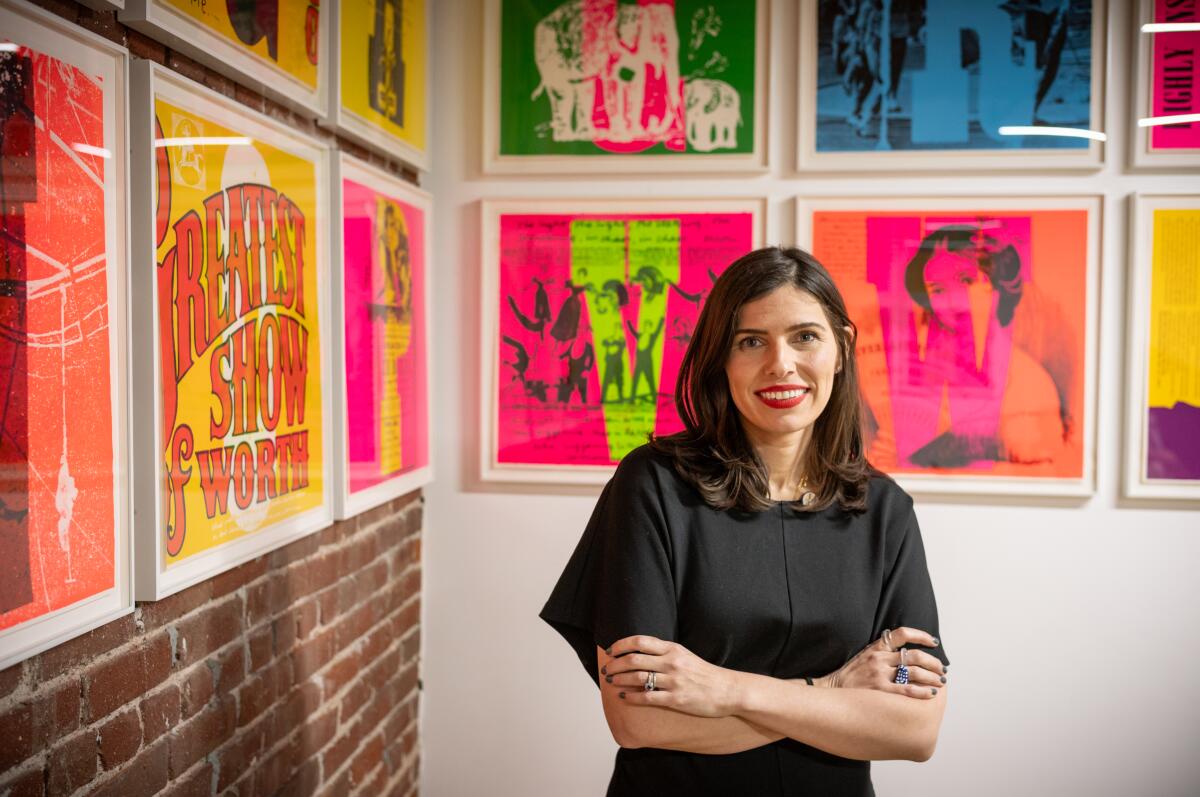
The works that endure do so because they are, at their core, extraordinary objects or images before they are statements. For collectors thinking about long term value, certain artists on The Collection represent anchors of the genre. Corita Kent, who made her most celebrated work in the 1960s and early 1970s as a nun teaching at Immaculate Heart College in Los Angeles, has seen sustained and growing institutional interest. Her screenprints, dense with commercial imagery and spiritual urgency, now read as foundational documents of American activist art.
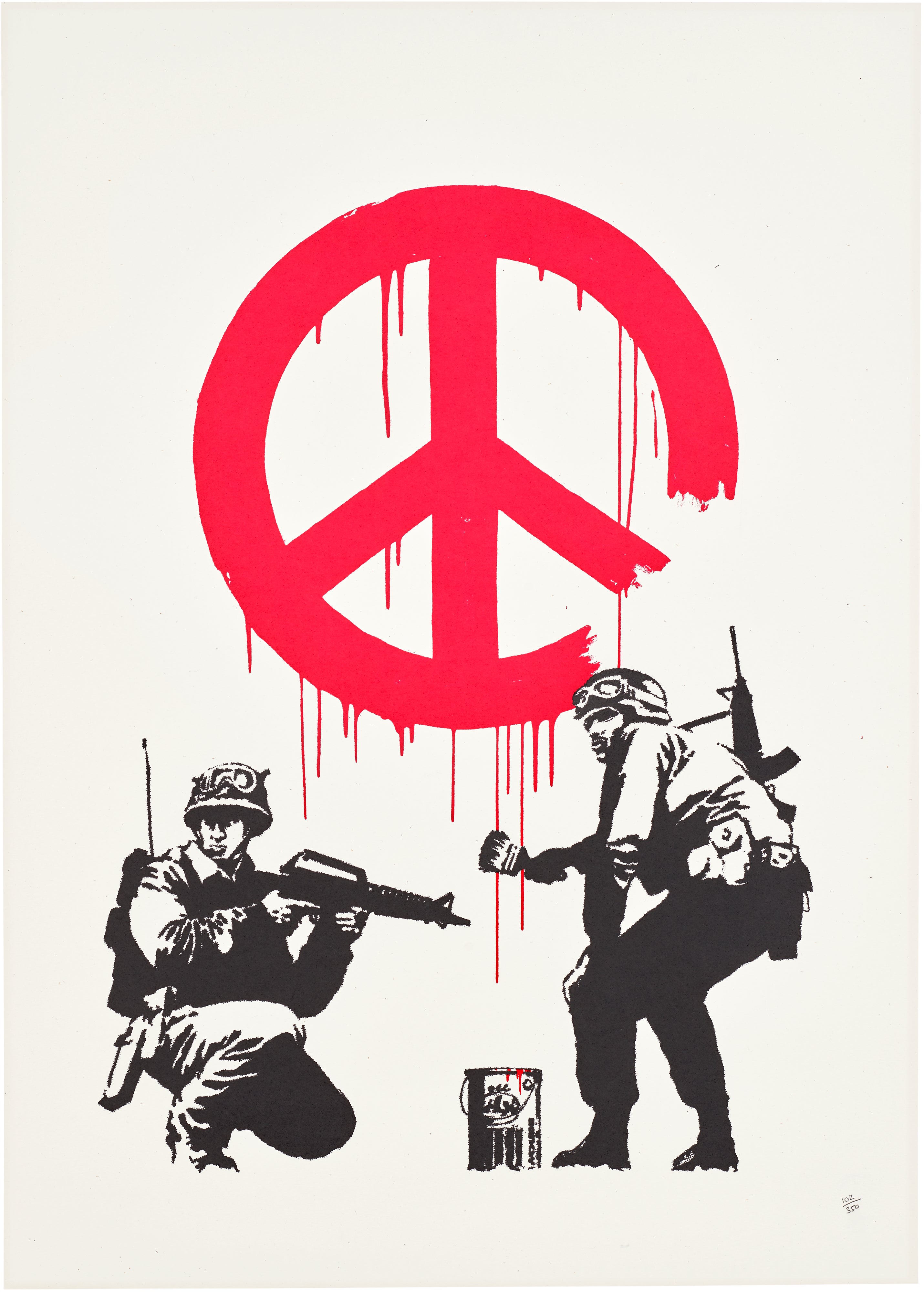
David Wojnarowicz, whose work emerged from the AIDS crisis of the 1980s and whose retrospective at the Whitney in 2018 introduced his practice to an entirely new generation, is among the most historically significant artists in this category. Zanele Muholi, the South African visual activist whose photographic self portraits address race, gender, and identity with extraordinary formal power, is represented on The Collection and occupies a position in the contemporary market that reflects serious and growing global recognition. Banksy and Shepard Fairey occupy a different register, one where street origins and mass cultural legibility create both enormous accessibility and real questions about depth. Works by both artists move briskly at auction and command strong prices at the accessible end of the market, but experienced collectors tend to be selective, seeking out pieces with clear provenance and documented histories rather than works of uncertain origin.
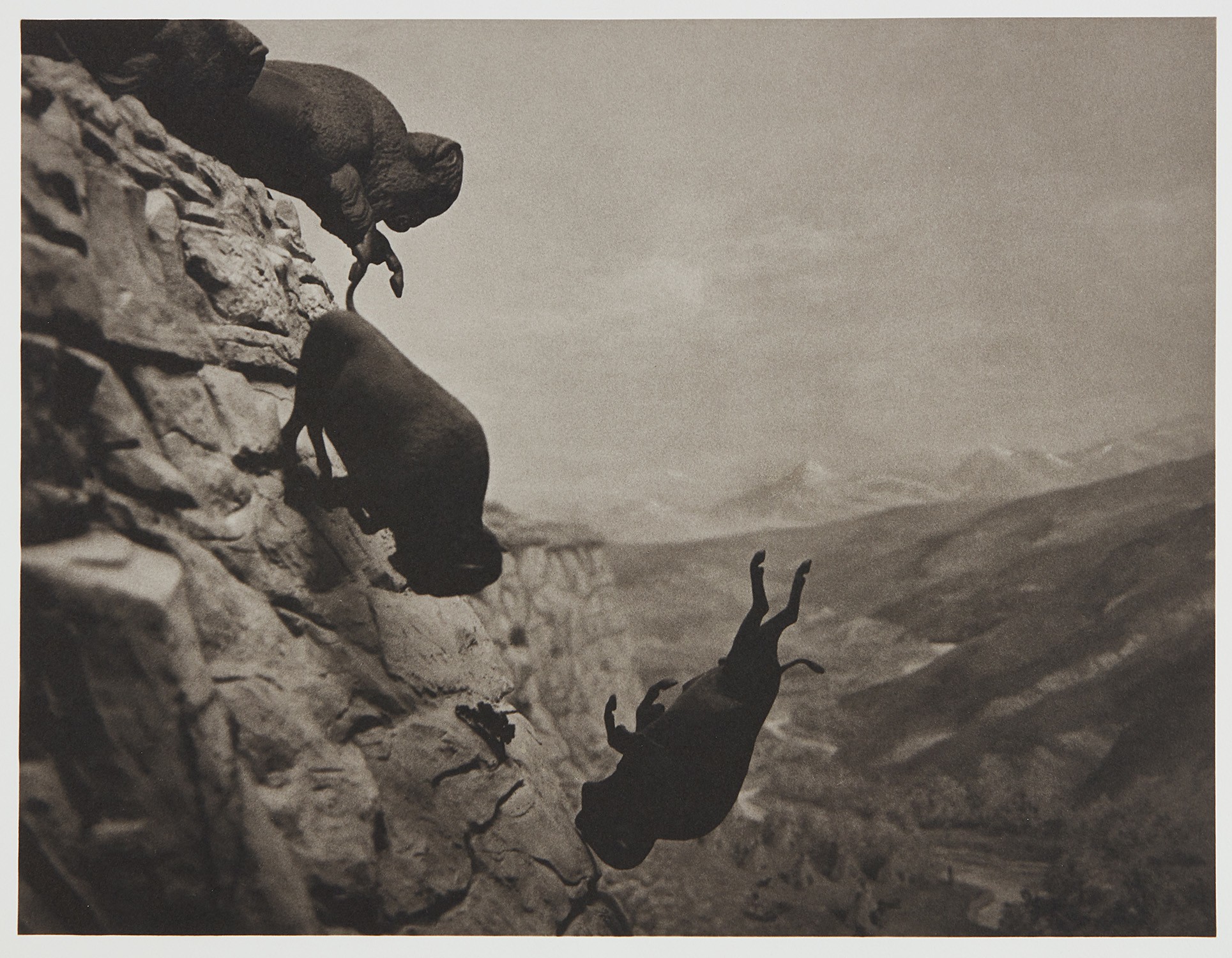
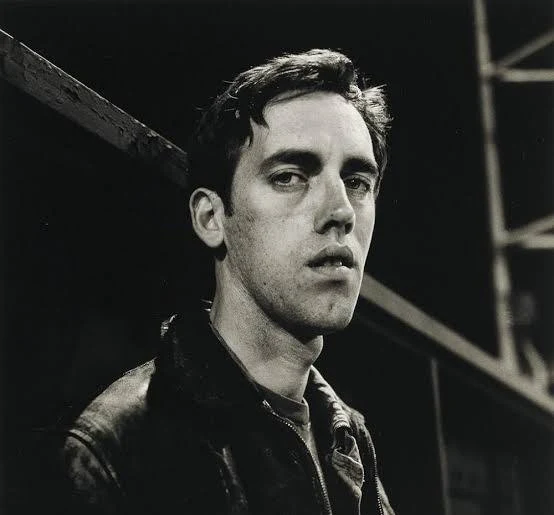
David Wojnarowicz
1988/1994
JR, the French artist whose large scale photographic installations in public spaces have made him one of the most recognizable figures in socially engaged practice, offers works on The Collection that bridge the intimacy of photography and the ambition of public intervention. His work has been acquired by major institutions and continues to perform well across both primary and secondary markets. For collectors with an eye on emerging and underrecognized positions, the opportunity right now is significant. Ryan Cosbert, whose practice engages with questions of Black identity and visibility, and Láolú Senbanjo, the Nigerian born artist whose intricate face paintings have reached global audiences through collaborations and solo exhibitions, are both worth watching closely.
Jay Lynn Gomez, formerly known as Ramiro Gomez, made early work that documented the invisible labor of domestic workers in Los Angeles by intervening directly in the visual language of lifestyle magazines and paintings. That work sits at the intersection of class critique, representation, and craft in ways that feel increasingly urgent to a new generation of collectors and curators. At auction, activist art performs unevenly, which is itself part of its appeal. Works by artists with strong institutional track records, retrospectives, museum acquisitions, and critical essays behind them tend to hold value reliably and appreciate over time.
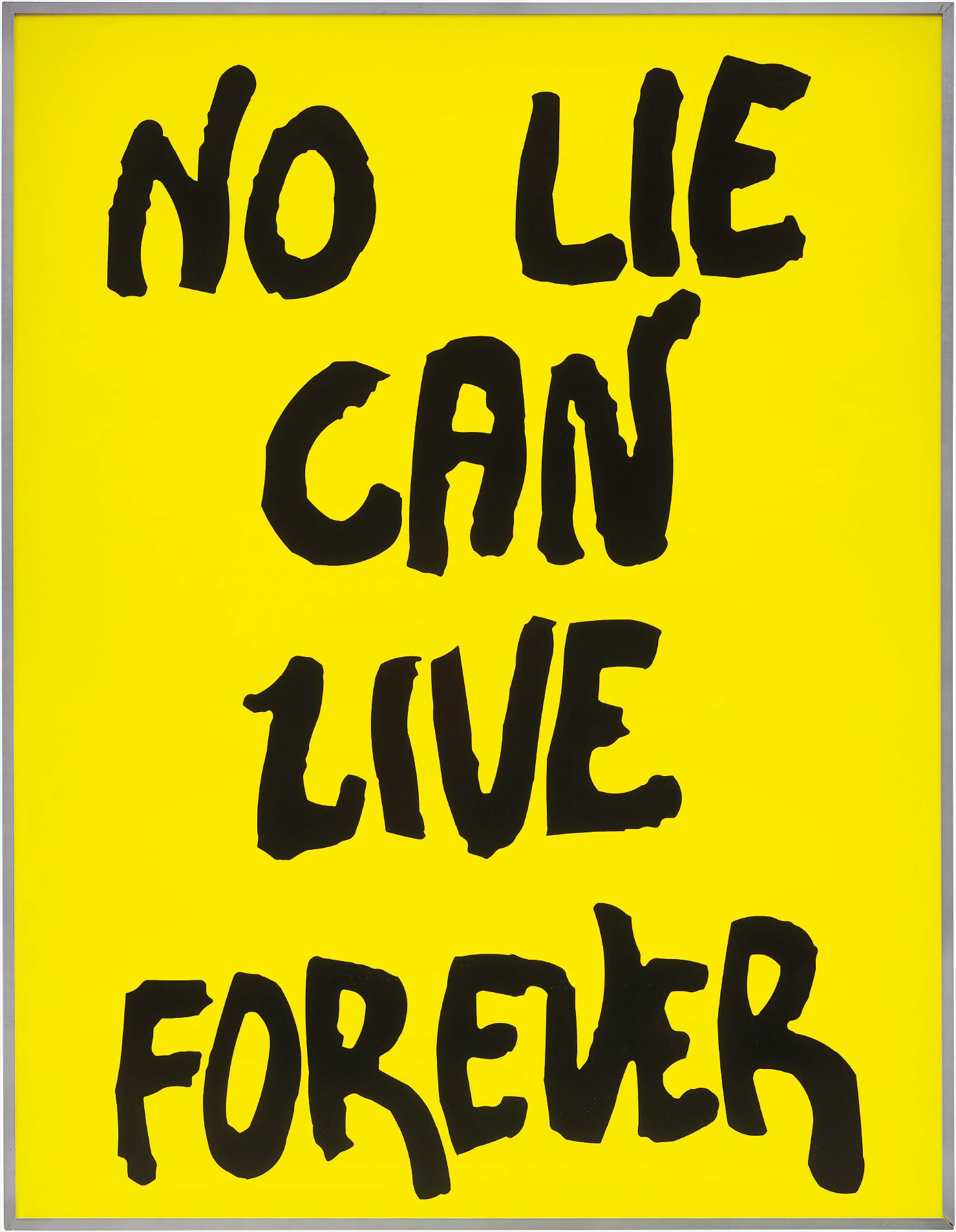
Sam Durant
No Lie Can Live Forever
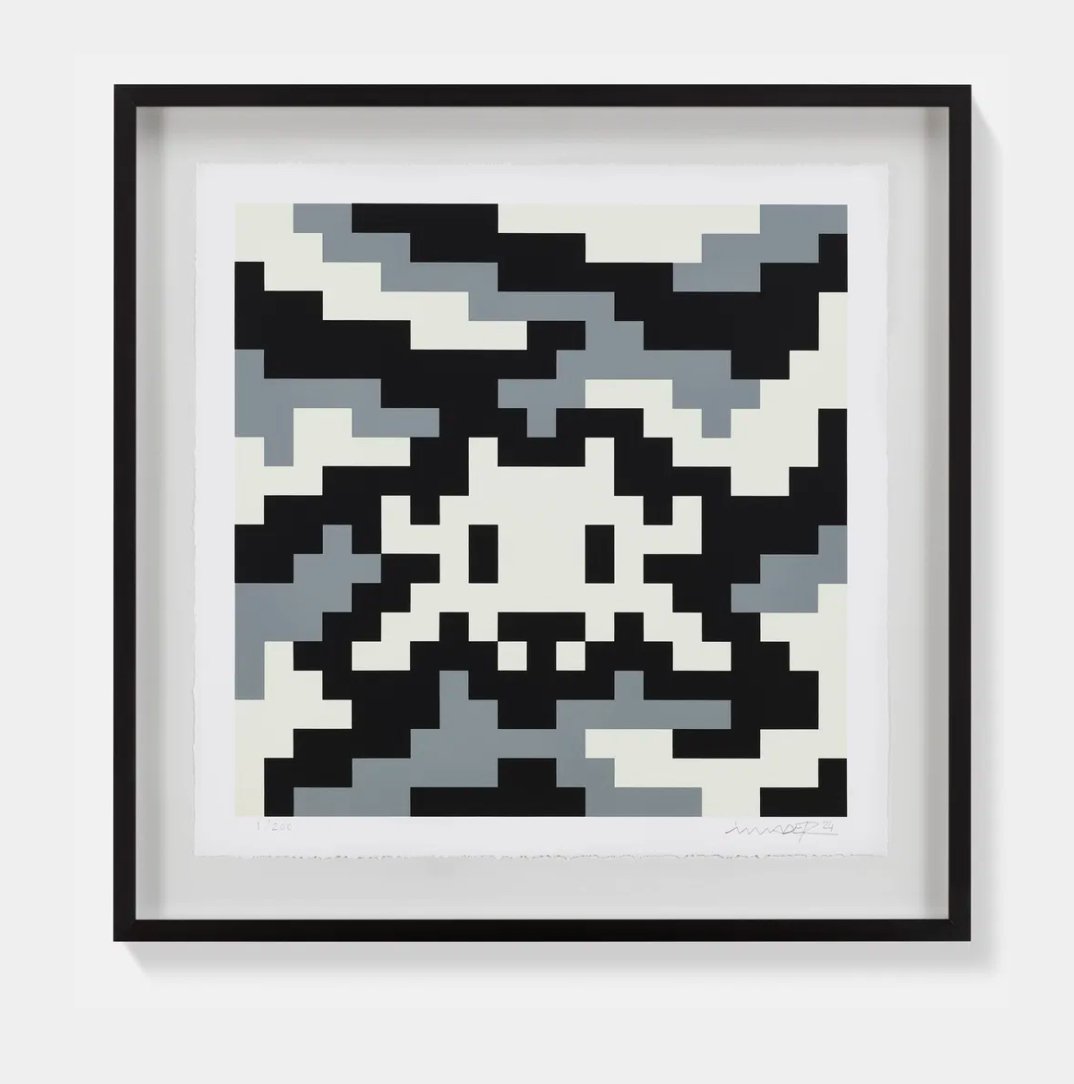
Artists who became known primarily through social media or a single viral moment require more careful due diligence. The secondary market rewards depth of practice, and collectors should look for artists whose bodies of work have evolved with sustained intention rather than those who produced one iconic image and remained static. Editions are common in this category, particularly screenprints and photographs, and understanding the edition size, the quality of printing, and whether the artist supervised production is essential before any purchase. Practically speaking, activist works often come with specific display considerations.
Works on paper, including screenprints by Corita Kent or photographic works by Zanele Muholi, require UV protective glazing and stable humidity. When speaking with a gallery, ask directly about exhibition history, any known condition issues, and whether the work has been previously framed or stored in ways that might have caused damage. For editions, always ask for the certificate of authenticity and confirm the edition number against available documentation. And perhaps most importantly, ask yourself what you are willing to commit to.
Activist art does not sit quietly. It speaks, and the collector who chooses it is, in some sense, choosing to amplify that voice within their own life and home.