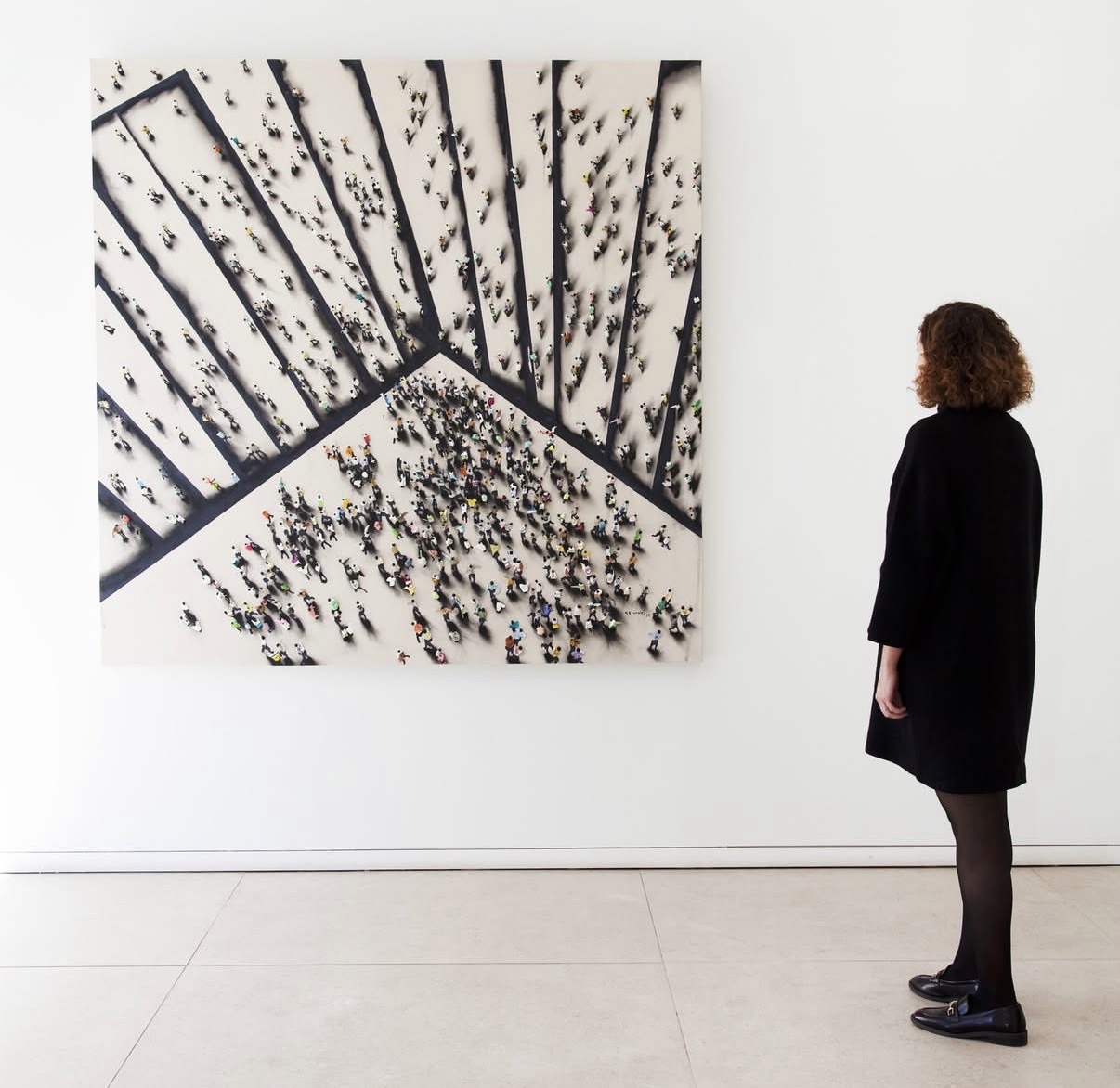
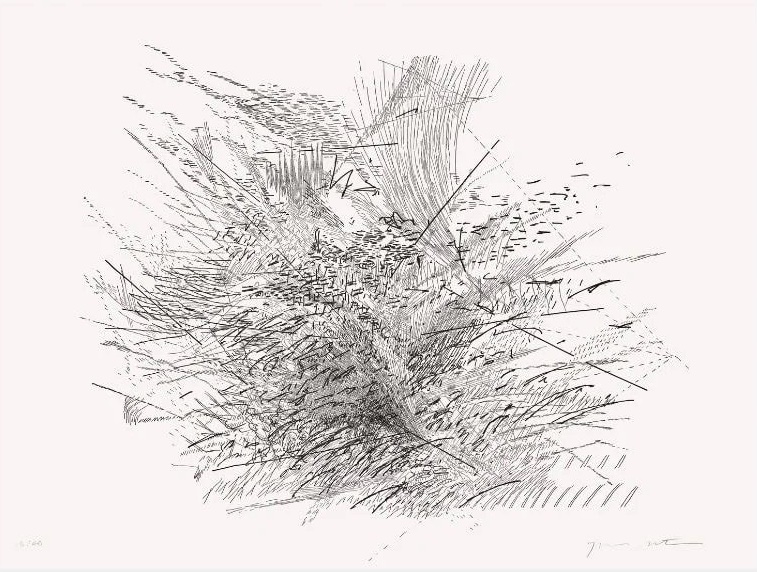
Acrylic On Wood
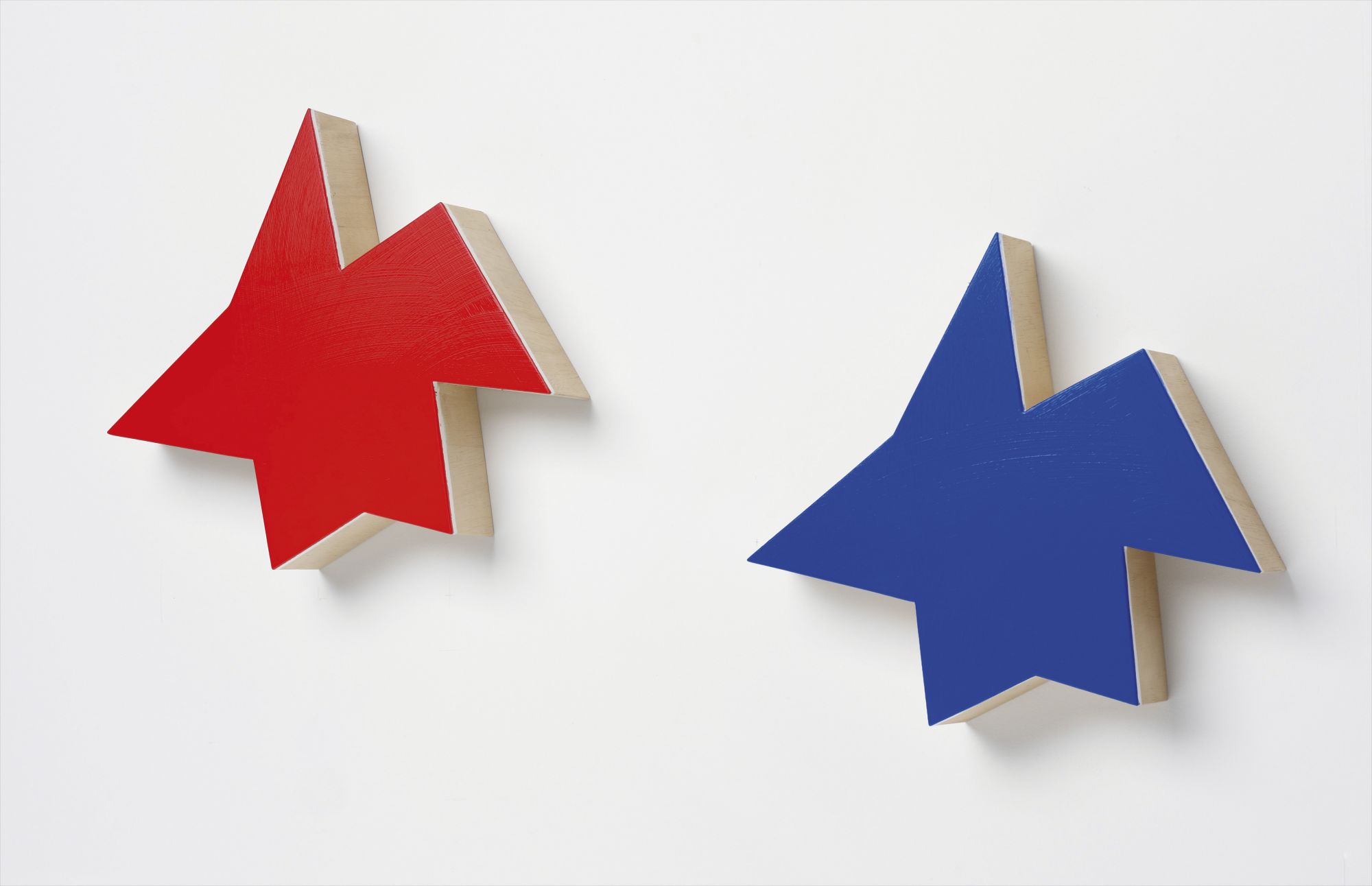
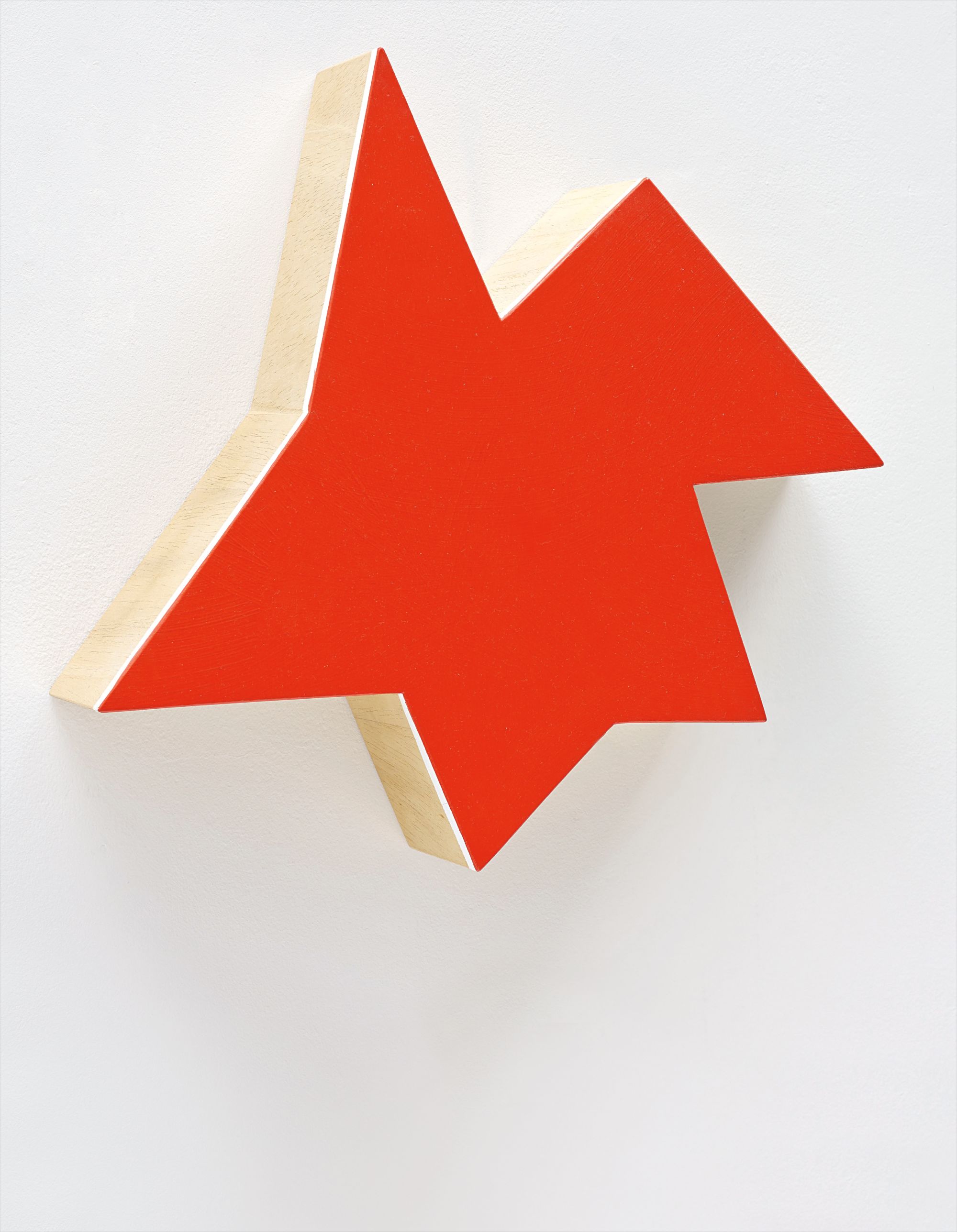
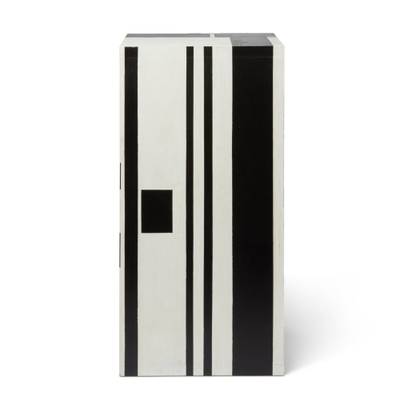
Imi Knoebel
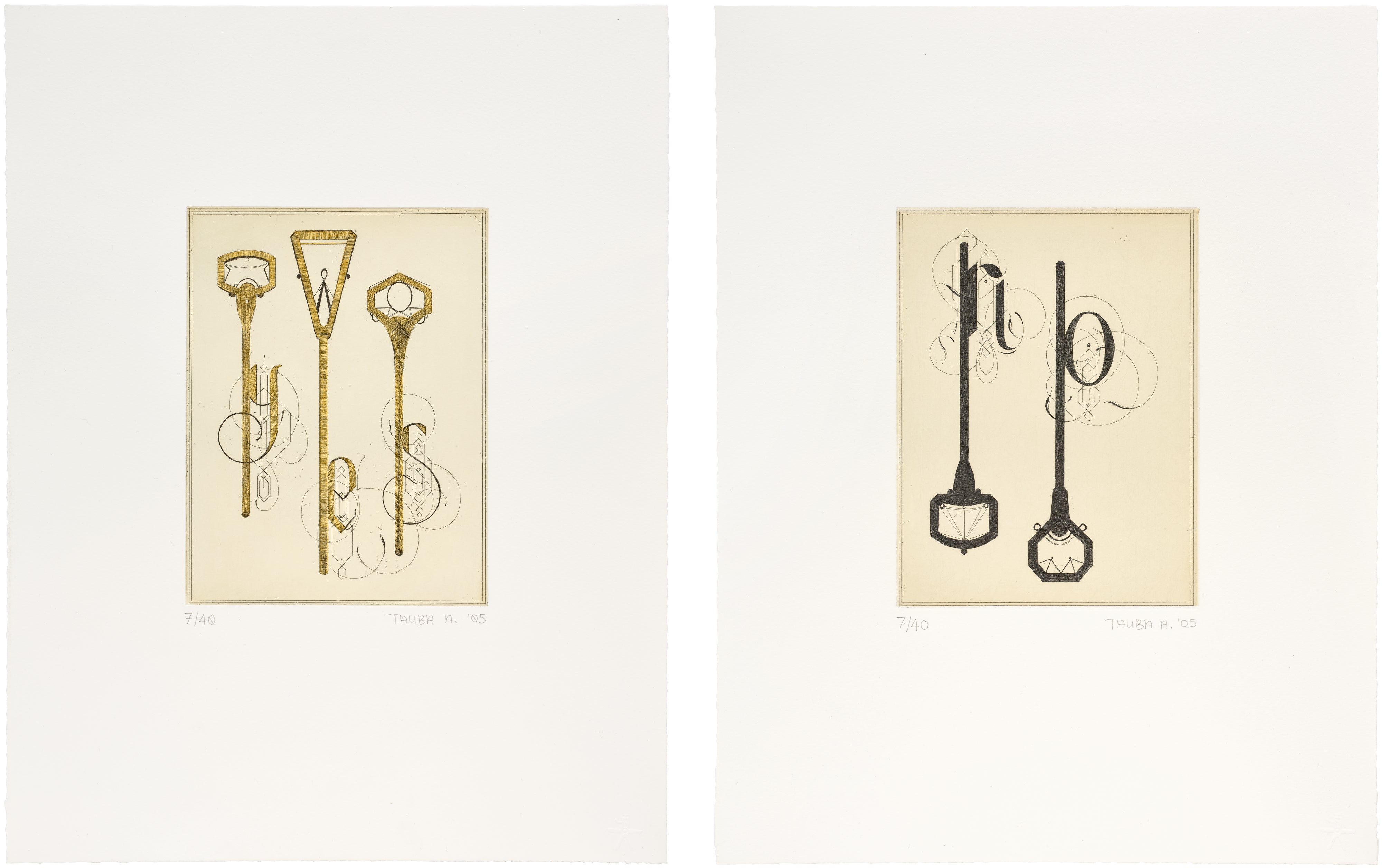
Two works: Kinderstern
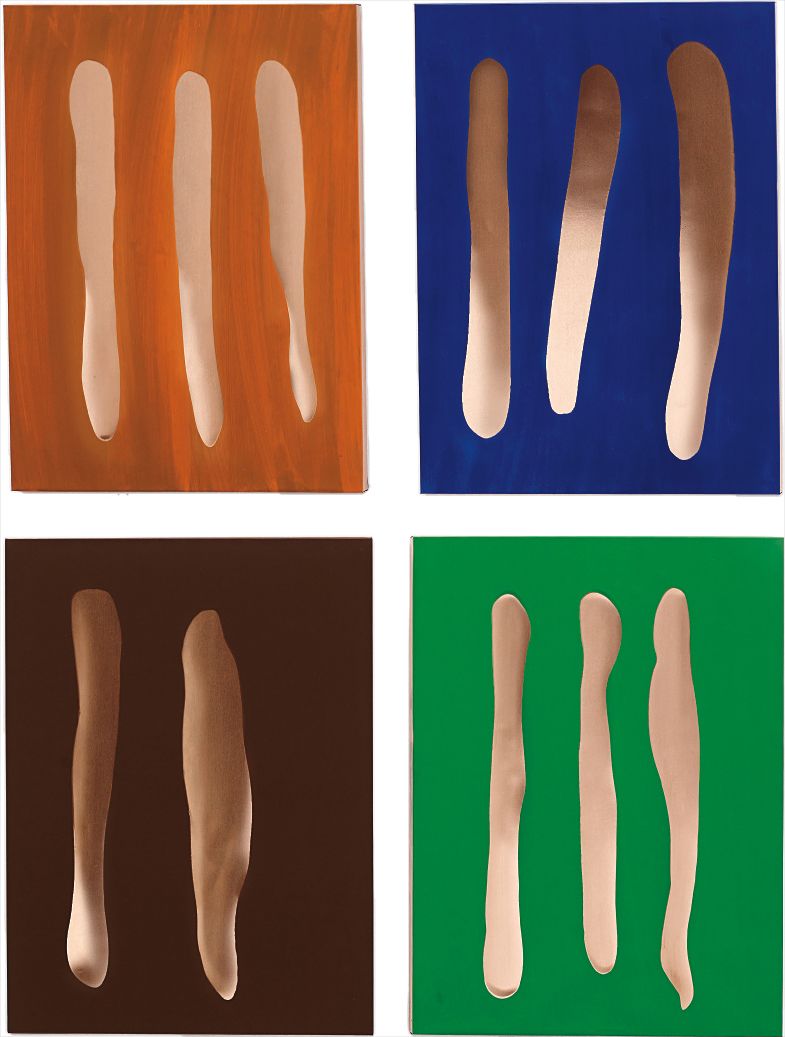

The Board That Holds Everything Together
There is something almost paradoxical about painting on wood. The material carries so much history before a single brushstroke lands on it, centuries of furniture and architecture and devotional icons, all the weight of the handmade world. And yet when an artist picks up acrylic paint and brings it to a wooden support, the result is often startlingly fresh, taut with a kind of physical honesty that stretched canvas can rarely match. The combination has become one of the defining formal choices of postwar and contemporary art, a decision that speaks volumes before the work even begins to speak for itself.
The roots of painting on wood reach back to the tempera panels of medieval and Renaissance Europe, to the altarpieces of Duccio and Cimabue, where the wood was not merely a support but a sacred object in its own right. That devotional charge never fully disappeared. When twentieth century artists began returning to wood as a surface, they were often doing so consciously, aware of what they were invoking. The arrival of acrylic paint in the early 1950s, developed initially for industrial and architectural use before artists claimed it, changed the conversation significantly.
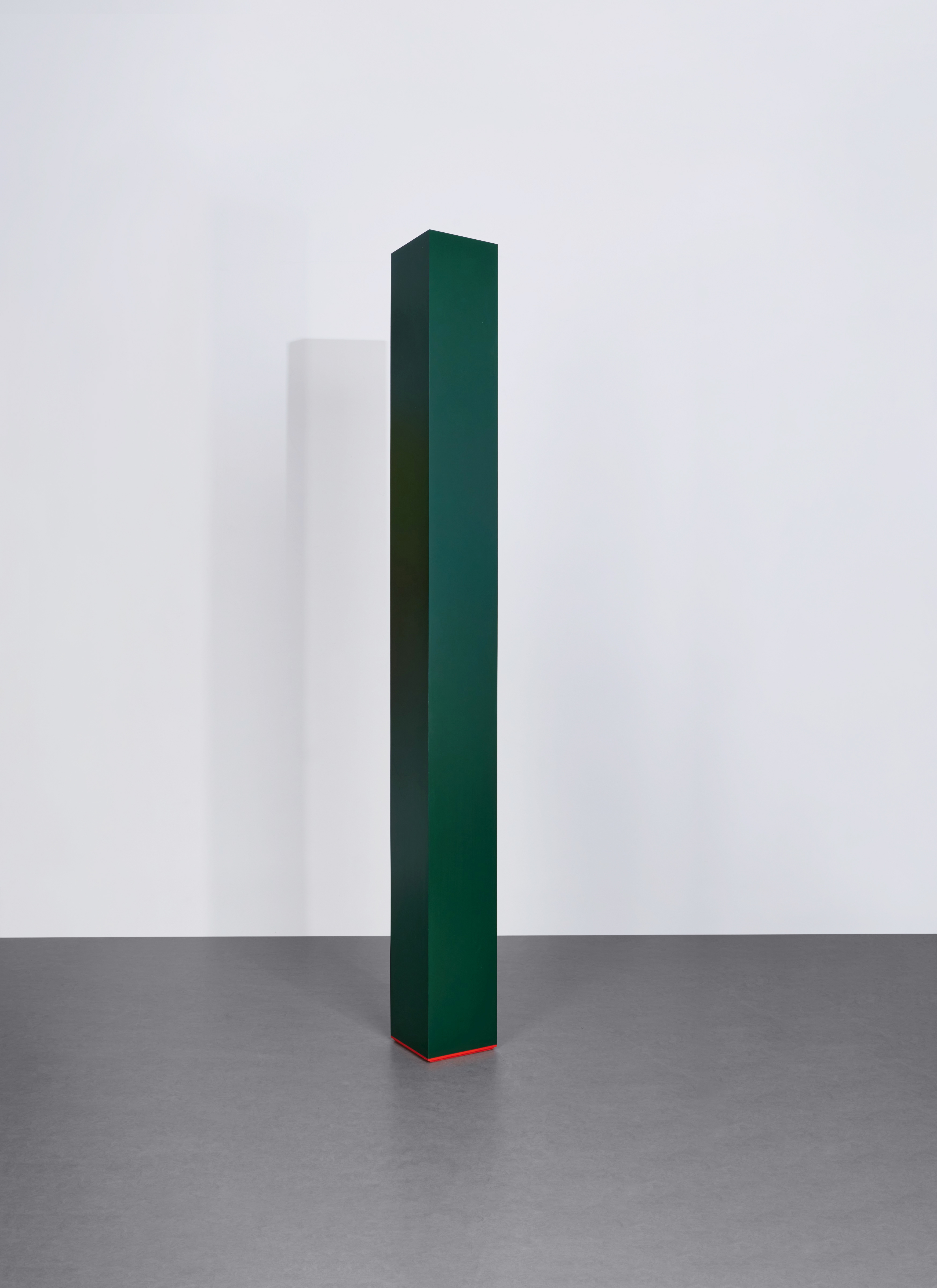
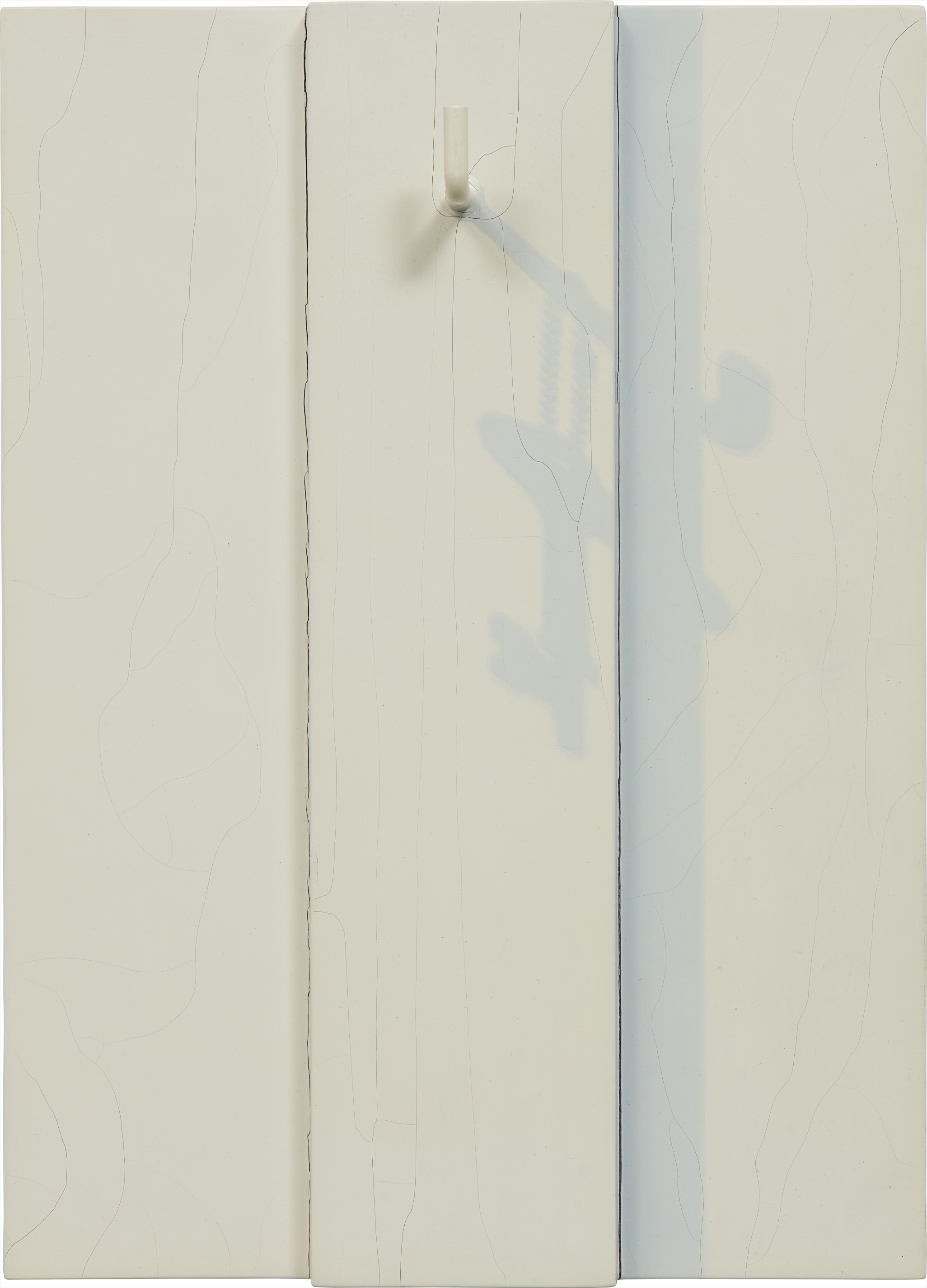
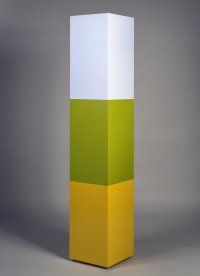
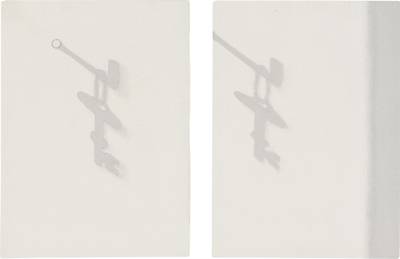
Anne Truitt
Oak, 2003
Acrylics dried fast, they bonded fiercely to non porous surfaces like wood, and they offered a flatness and luminosity that oil on wood could not quite replicate. By the 1960s the pairing had become a serious formal language. Anne Truitt was among the first American artists to understand what this language could do at monumental scale. Her columnar sculptures, many of them begun in the early 1960s and first shown at the Andre Emmerich Gallery in New York in 1963, were constructed from wood and then coated in layer upon layer of acrylic paint, sometimes dozens of coats applied with obsessive care.
The surface she achieved was neither quite painting nor quite sculpture, it was something that insisted on both simultaneously. Truitt's work on The Collection reflects that same radical softness, that sense of color as something lived in rather than applied. Her process made visible the idea that wood breathes and that acrylic, for all its synthetic origins, can breathe with it. The Minimalist and hard edge movements found in wood a ground that resisted easy readings of illusionistic space.
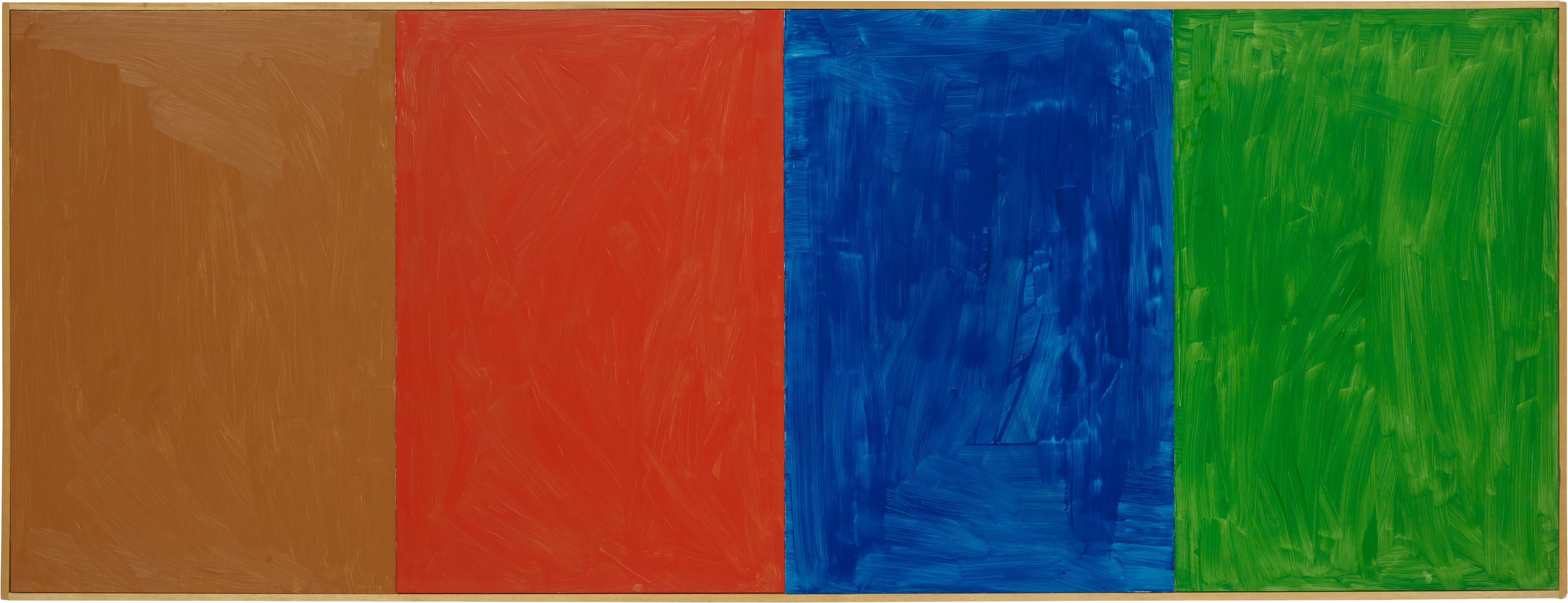
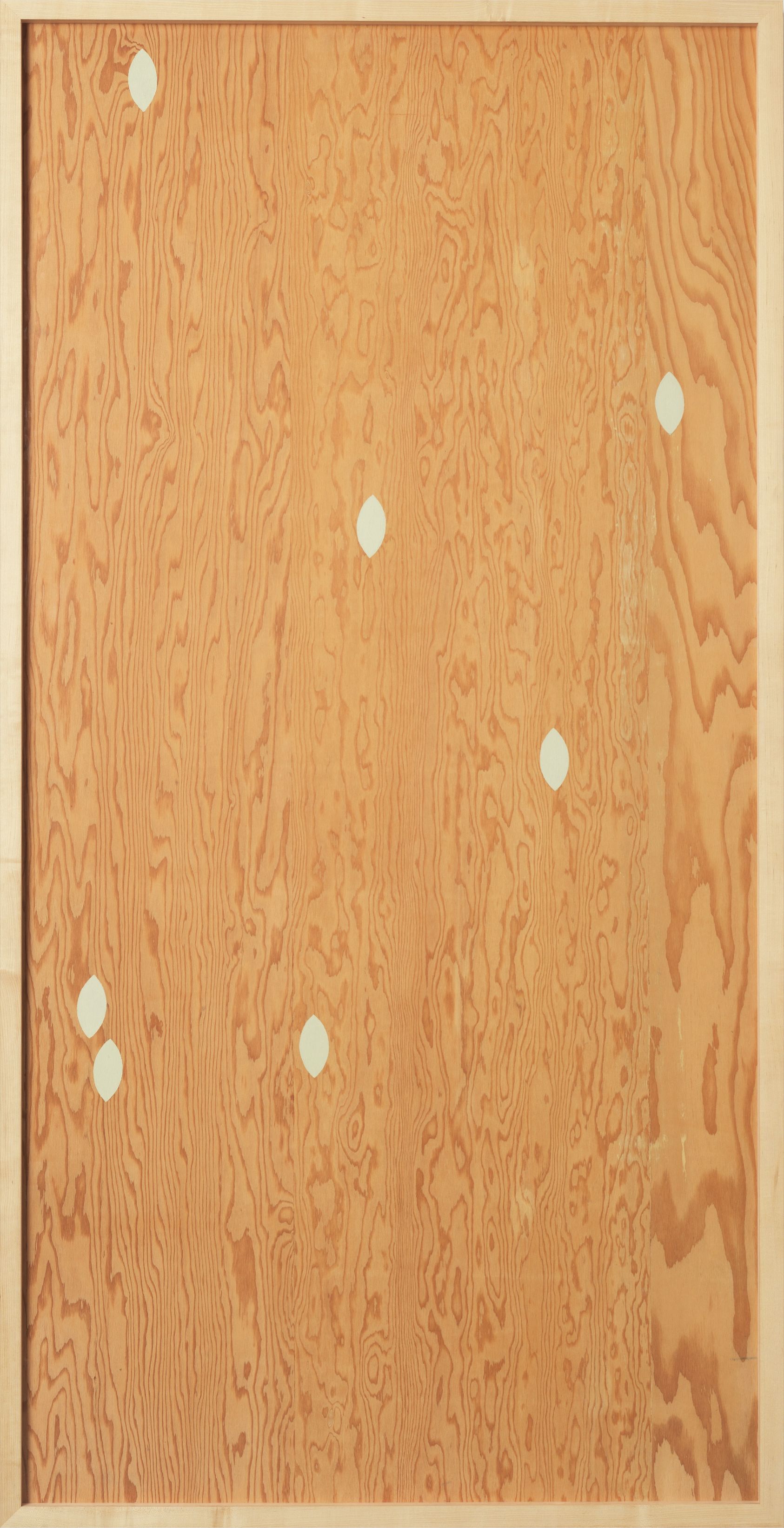
Günther Förg
Farbfeld 93/86
Ilya Knoebel, working in Düsseldorf in the late 1960s and 1970s, treated wooden panels as modules to be arranged, stacked, and serialized, objects that were simultaneously paintings and props in a larger spatial argument. His relationship to material was almost theatrical. Ilya Bolotowsky, operating in an earlier generation shaped by the American Abstract Artists group, was already using shaped supports and geometric fields of color that the wood panel made structurally plausible in ways canvas could not sustain. These artists were not simply choosing a convenient surface.
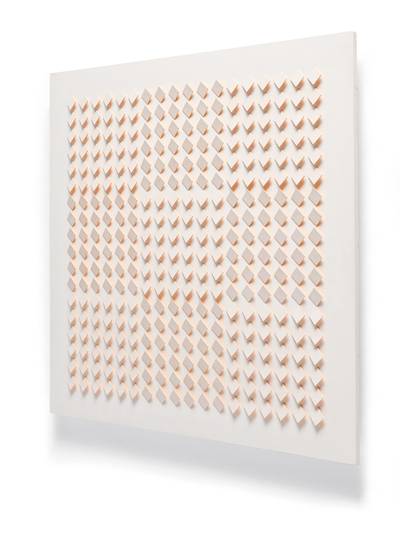
They were choosing a surface that made certain ideas possible. The optical and kinetic artists brought their own demands to the material. Victor Vasarely and Carlos Cruz Diez both exploited the rigidity of wood as a condition of possibility for their perceptual experiments. A stretched canvas can shift, can breathe unevenly, can subtly distort the precision of a hard edge or a repeating field.
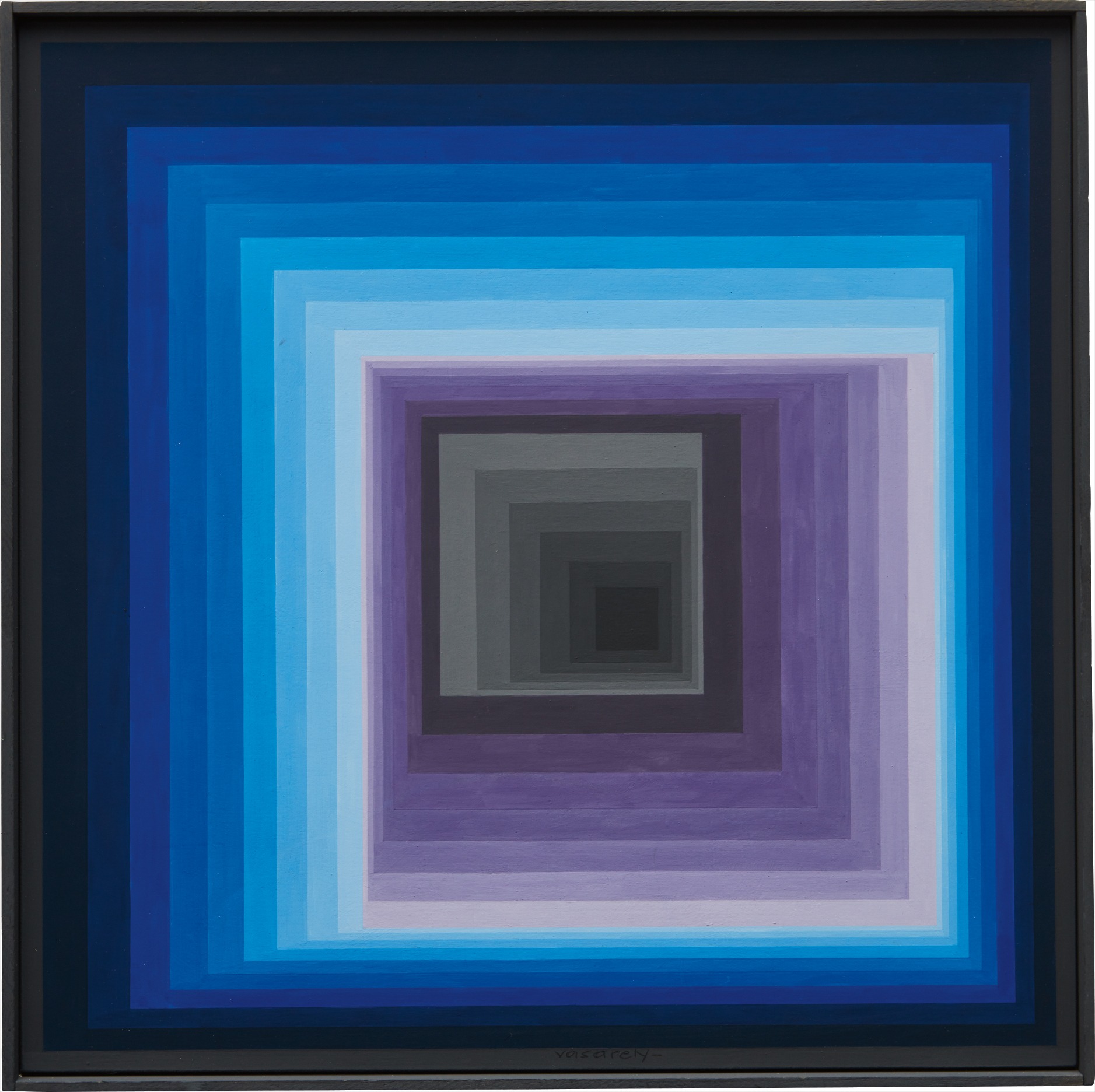
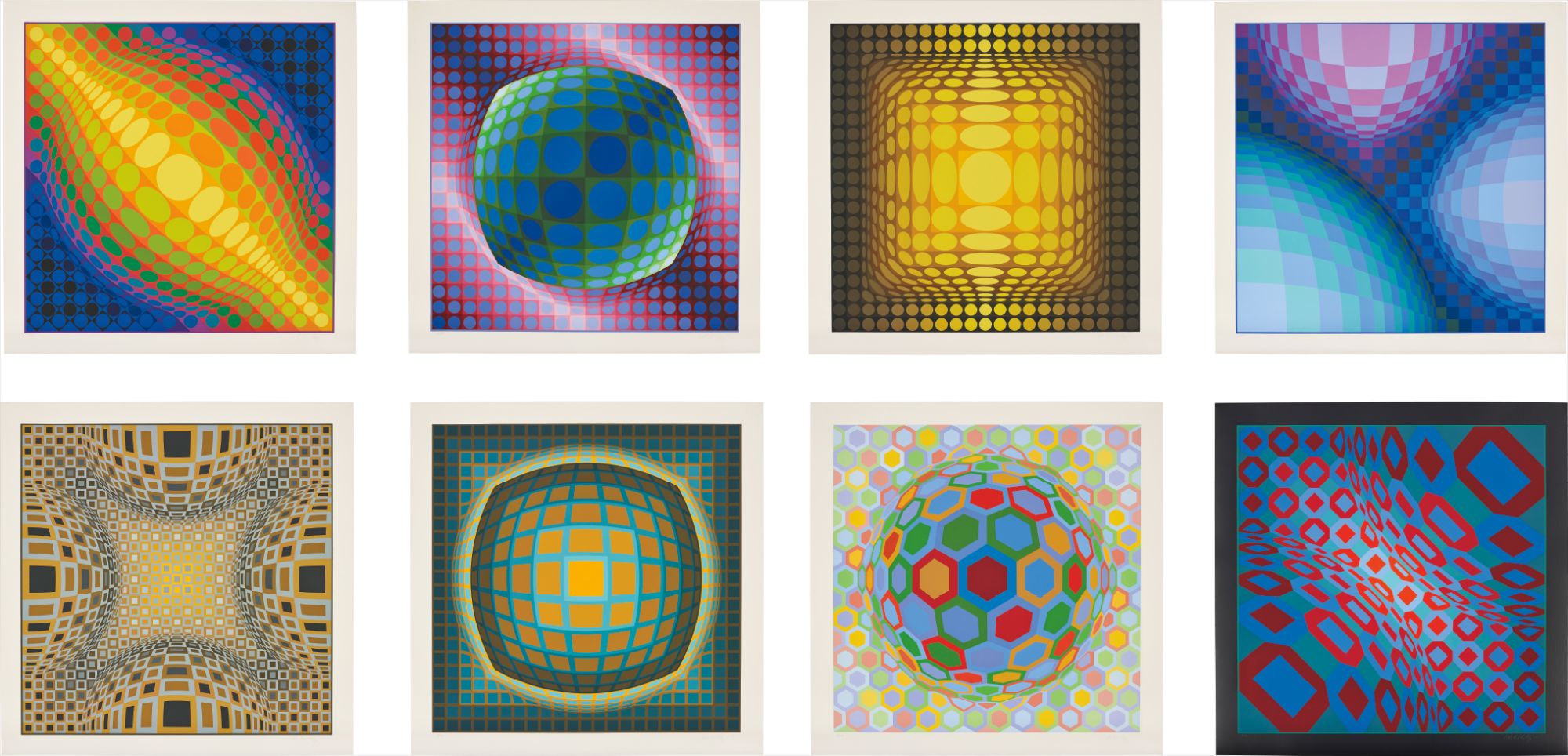
Victor Vasarely
Reytéy, no. 0772, 1968
Wood does not forgive imprecision in the same way, but it also does not require it, it simply holds. Luis Tomasello, the Argentine artist whose chromoplastic reliefs create optical moiré through shallow painted geometry, depended entirely on that structural reliability. The surface had to be trusted absolutely, and wood earned that trust. Günther Förg brought a completely different sensibility to the wooden support.
His paintings on lead and on wood from the 1980s and 1990s played a sophisticated game with art historical memory, invoking the gestural fields of Abstract Expressionism while insisting on a kind of dry, European critical distance. The works in The Collection attributed to Förg carry that tension with them, the warmth of the material pressing against the cool conceptual scaffolding. Wood, in his hands, became a way of thinking about painting historically without being trapped by that history. In the decades since, acrylic on wood has become a medium claimed by artists whose concerns could not be more different from one another.
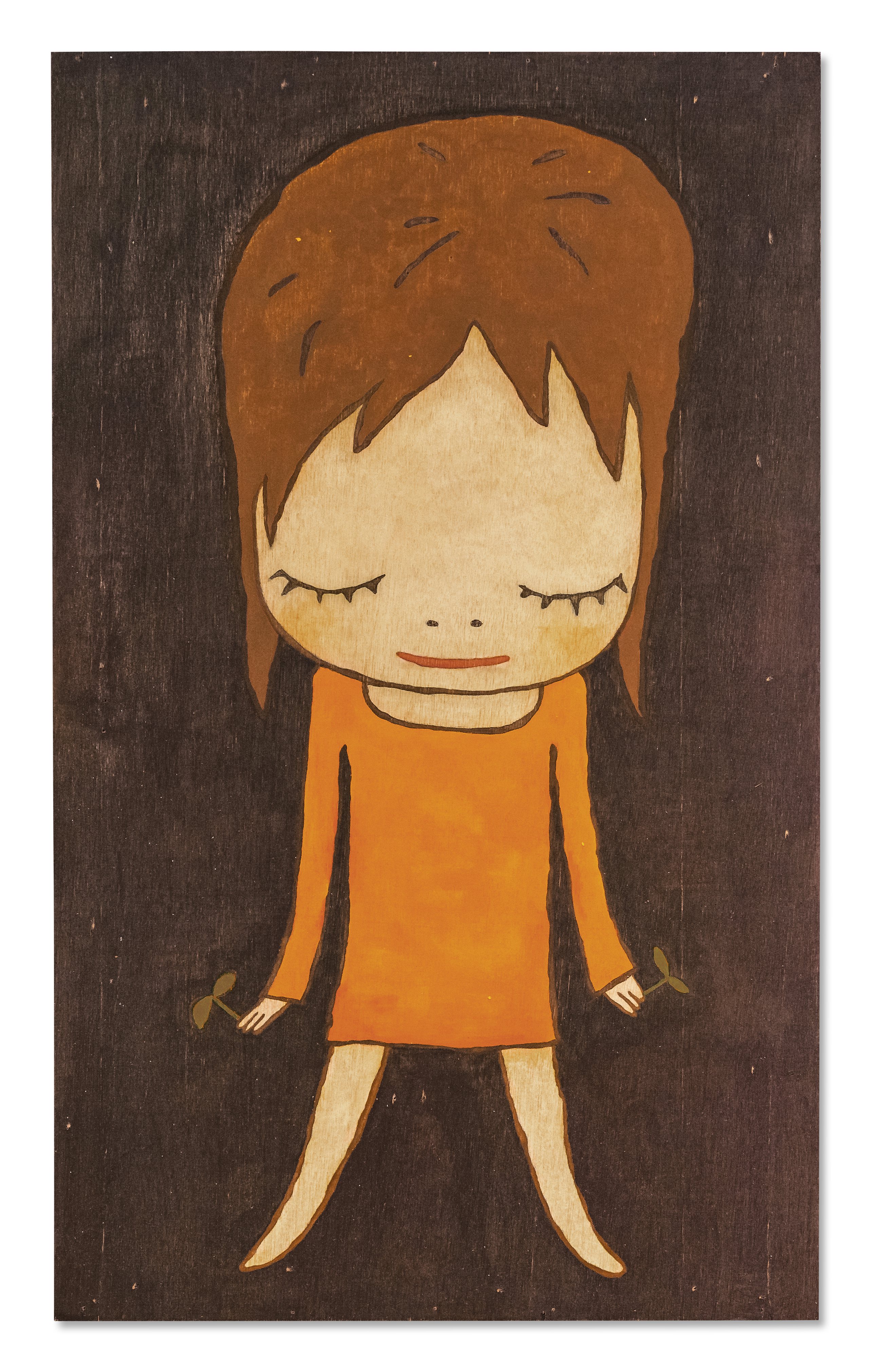
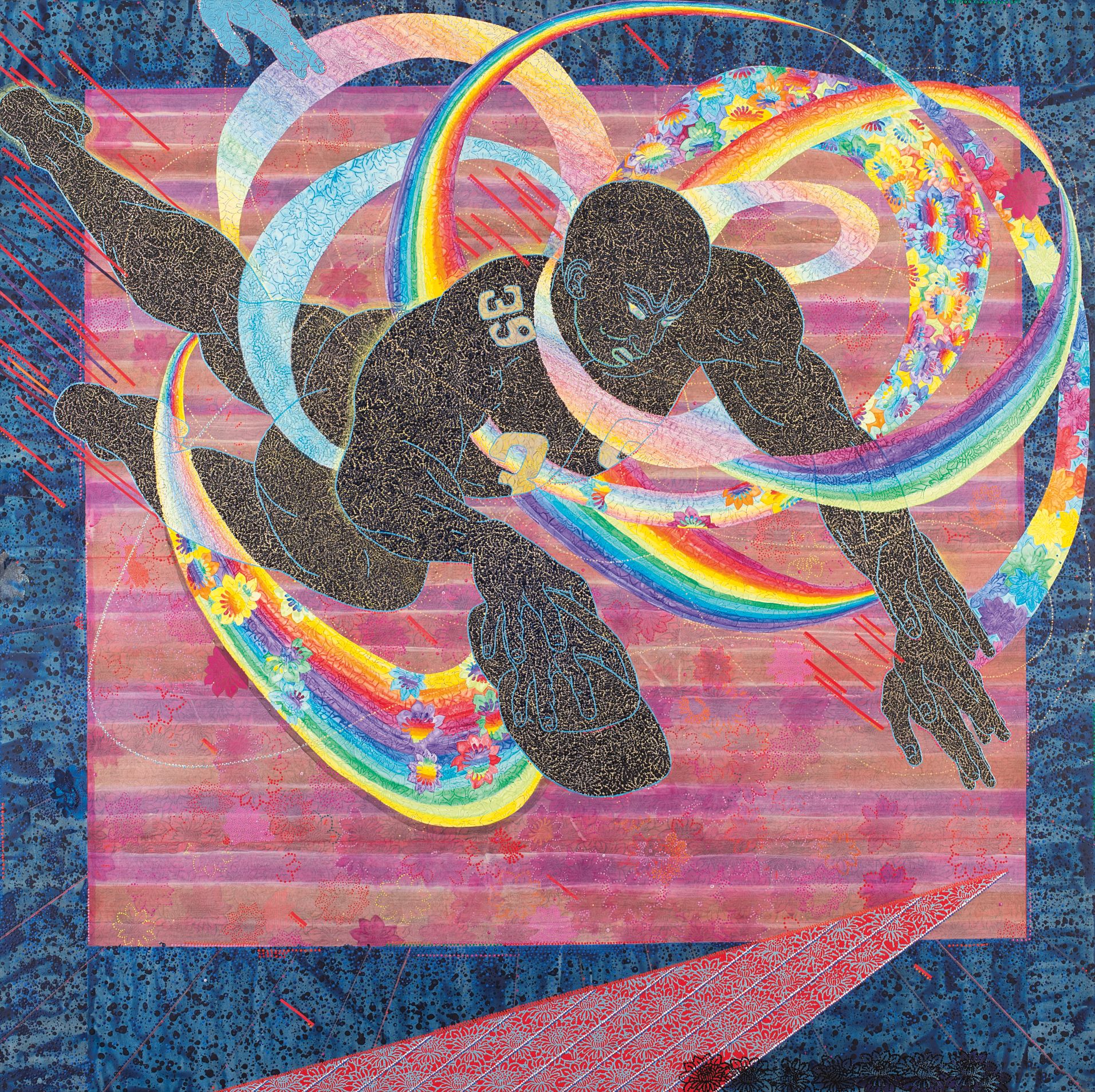
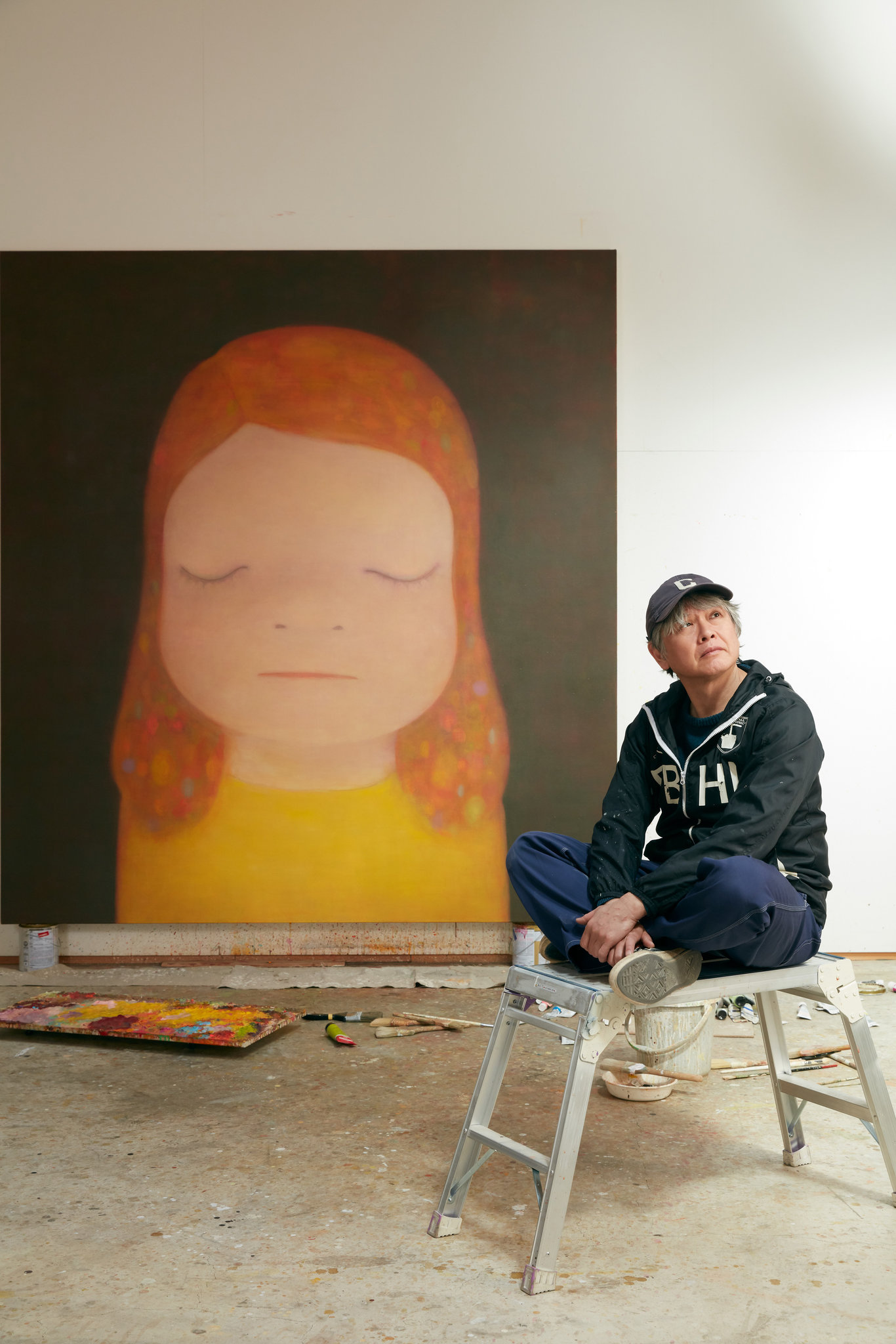
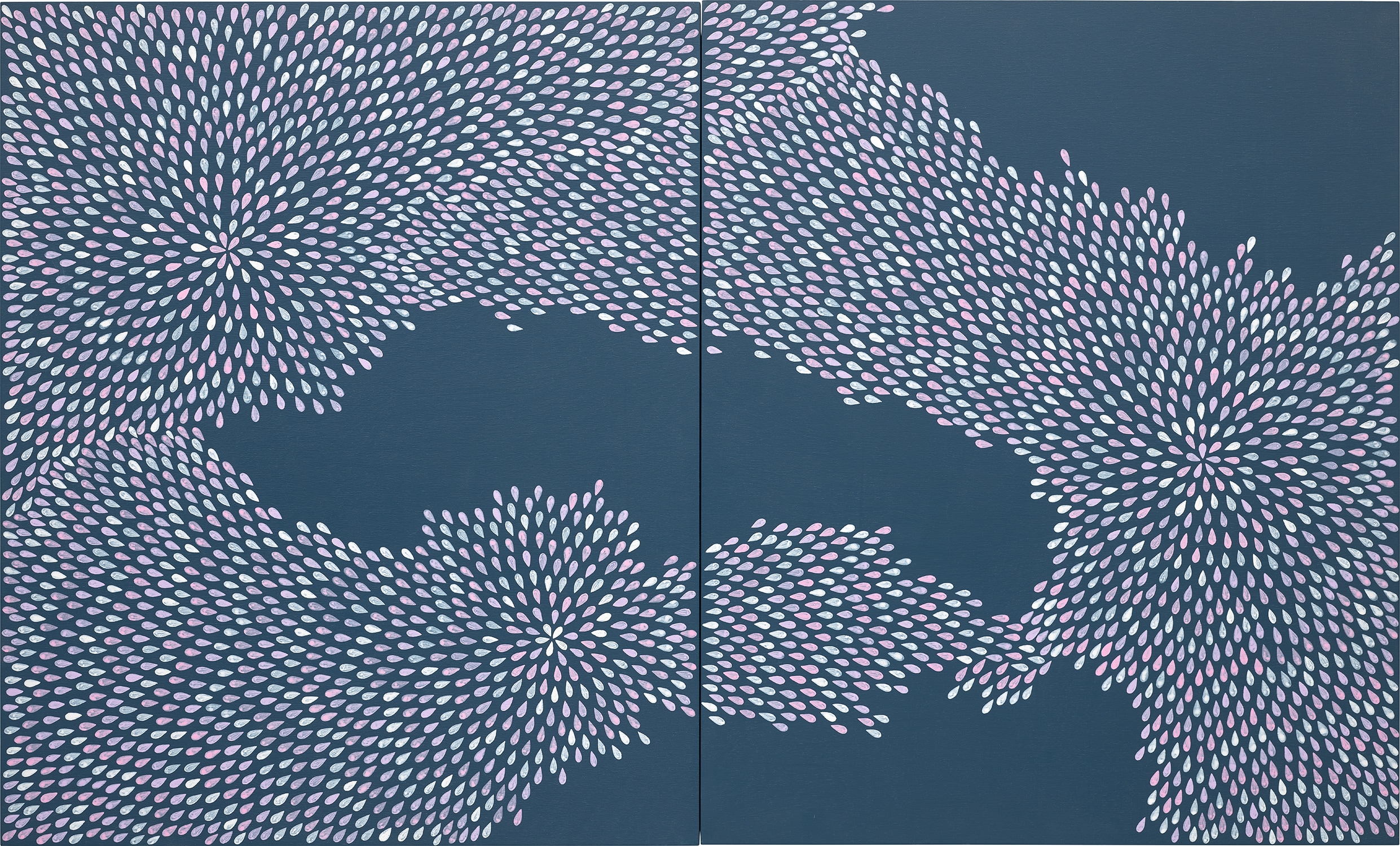
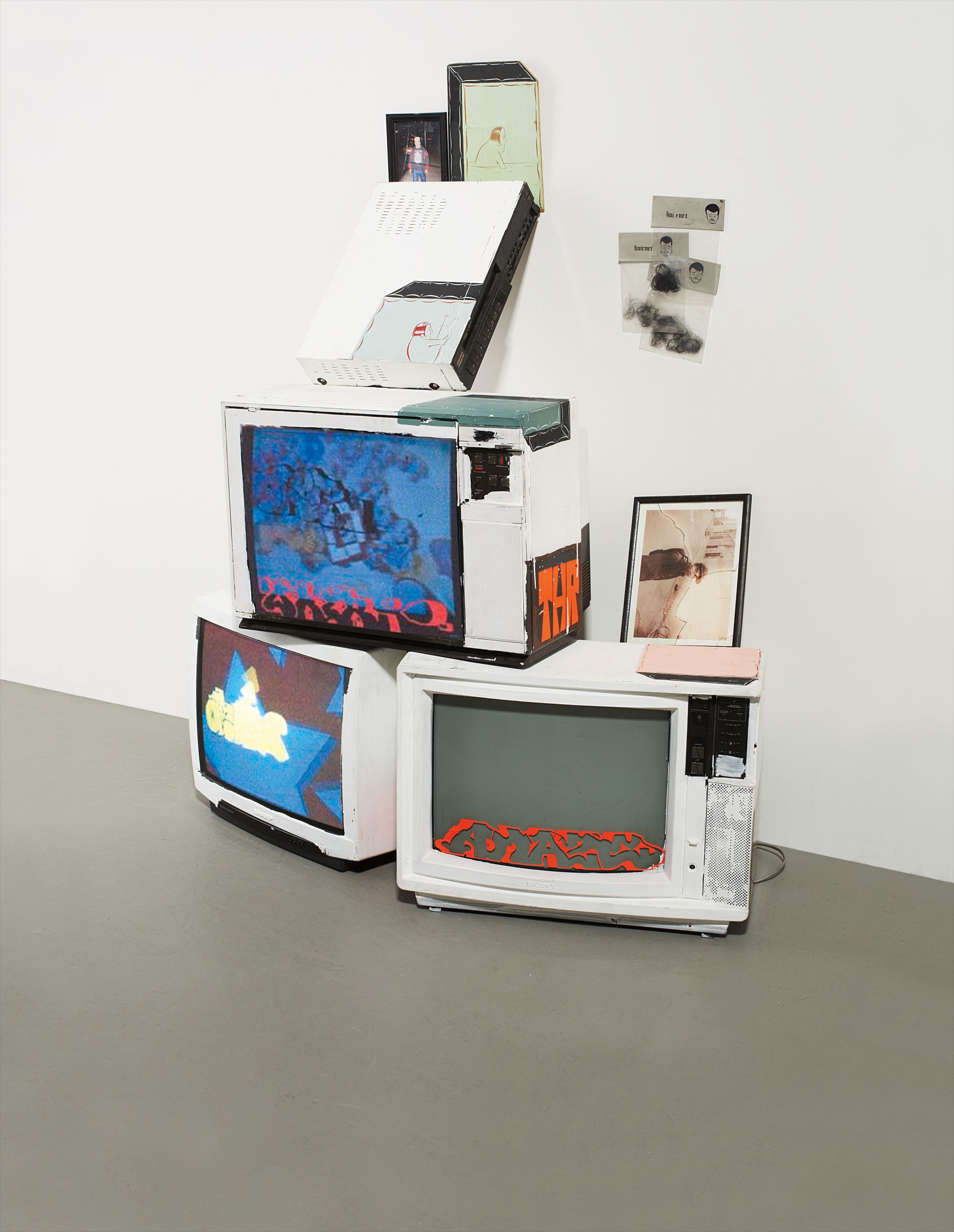
Yoshitomo Nara
Sprout in Hands 手中芽苗
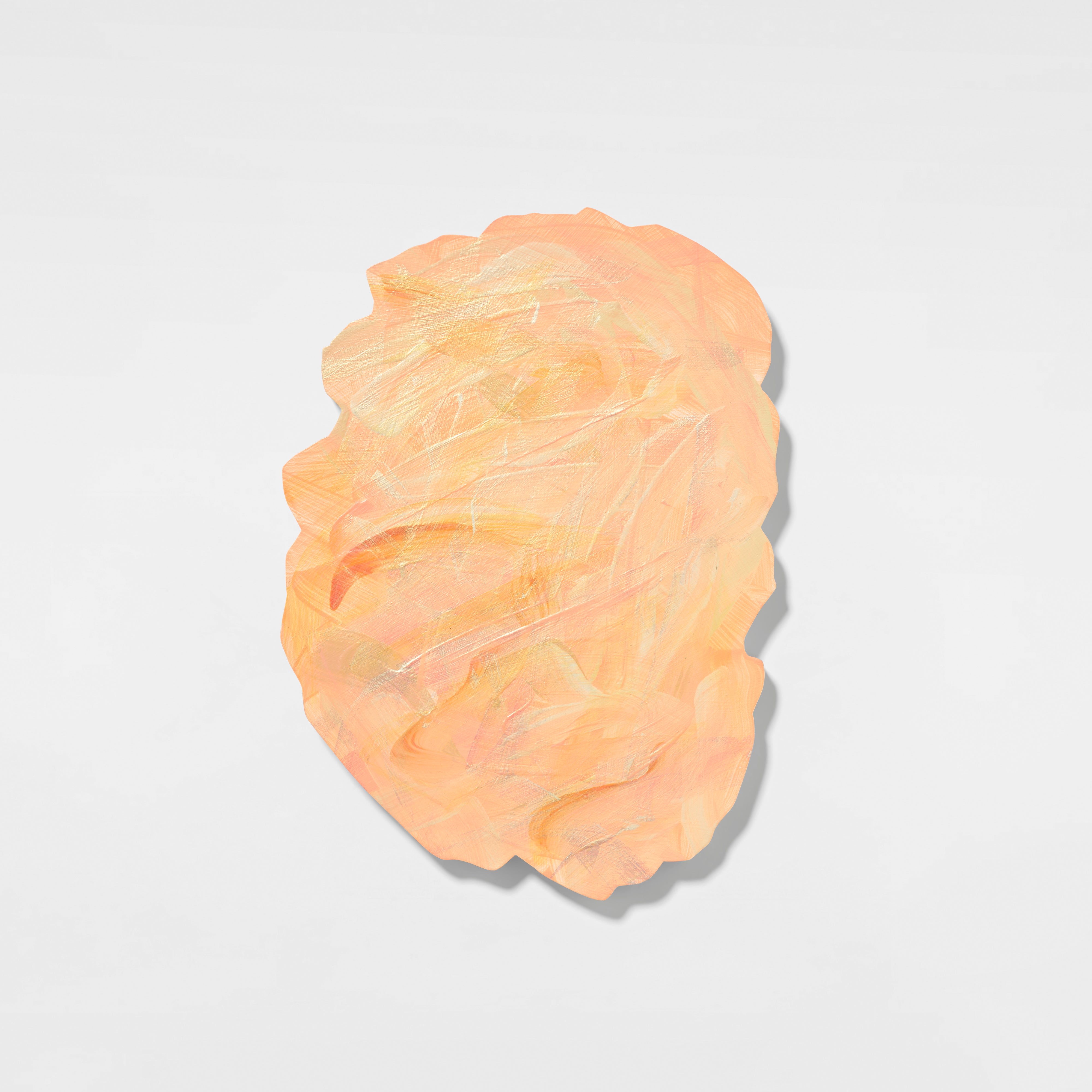
Nicolas Party uses wood panels as grounds for his haunting, pastel inflected portraits and still lifes, where the smooth surface intensifies the almost hallucinatory flatness of his palette. The Mexican street art collective traditions brought into gallery space by artists like Os Gêmeos translated their imagery onto wood with a directness that honored the material's origins in the built environment. Barry McGee similarly navigated that territory, finding in wood a connection to signage and vernacular painting that made his work feel simultaneously local and universal. Yoshitomo Nara, whose large scale paintings of children carry an ambivalence that is as psychological as it is formal, has used wood panels as a surface that amplifies rather than softens that unease.
What unites these artists across generations and geographies is not a shared aesthetic but a shared understanding of what wood asks of a painting. It asks for commitment. Acrylic bonds to wood in a way that is difficult to fully reverse, a decision made is a decision made. The surface rewards preparatory thought and punishes hesitation, and it gives back in equal measure to what is given.
Collectors who have spent time with works in this medium often describe a quality of presence that is hard to articulate but easy to recognize, something to do with the way the support and the paint become genuinely inseparable. The continued vitality of acrylic on wood across The Collection reflects how central this pairing has become to the story of art since 1960. From the color meditations of Anne Truitt to the structural geometry of Imi Knoebel to the exuberant surfaces of artists working today, the medium offers a reminder that the most consequential decisions in art are often also the simplest ones. What surface will hold this idea?
For a remarkable number of artists across a remarkable range of intentions, the answer has been and continues to be wood.