Abstract Figurative
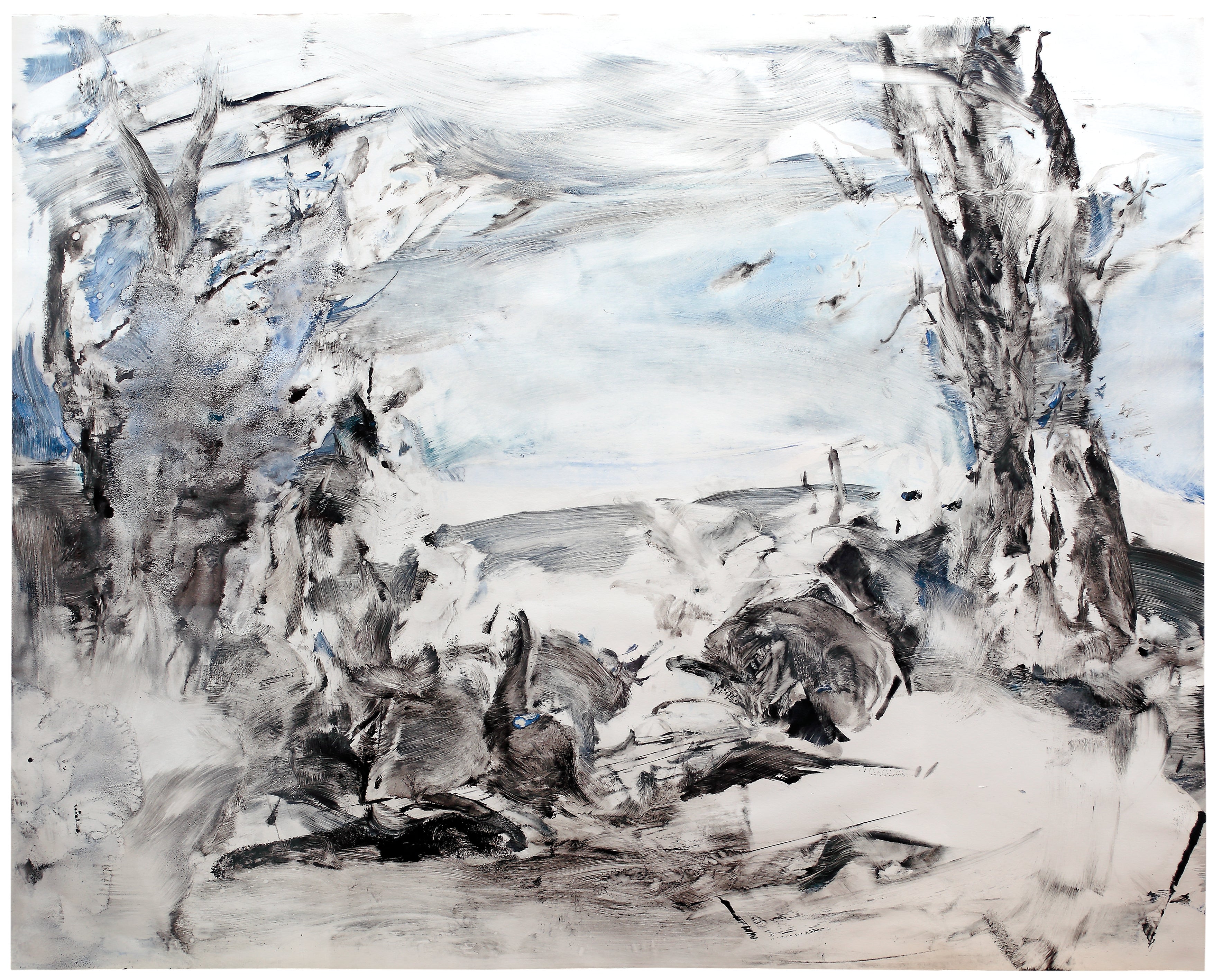
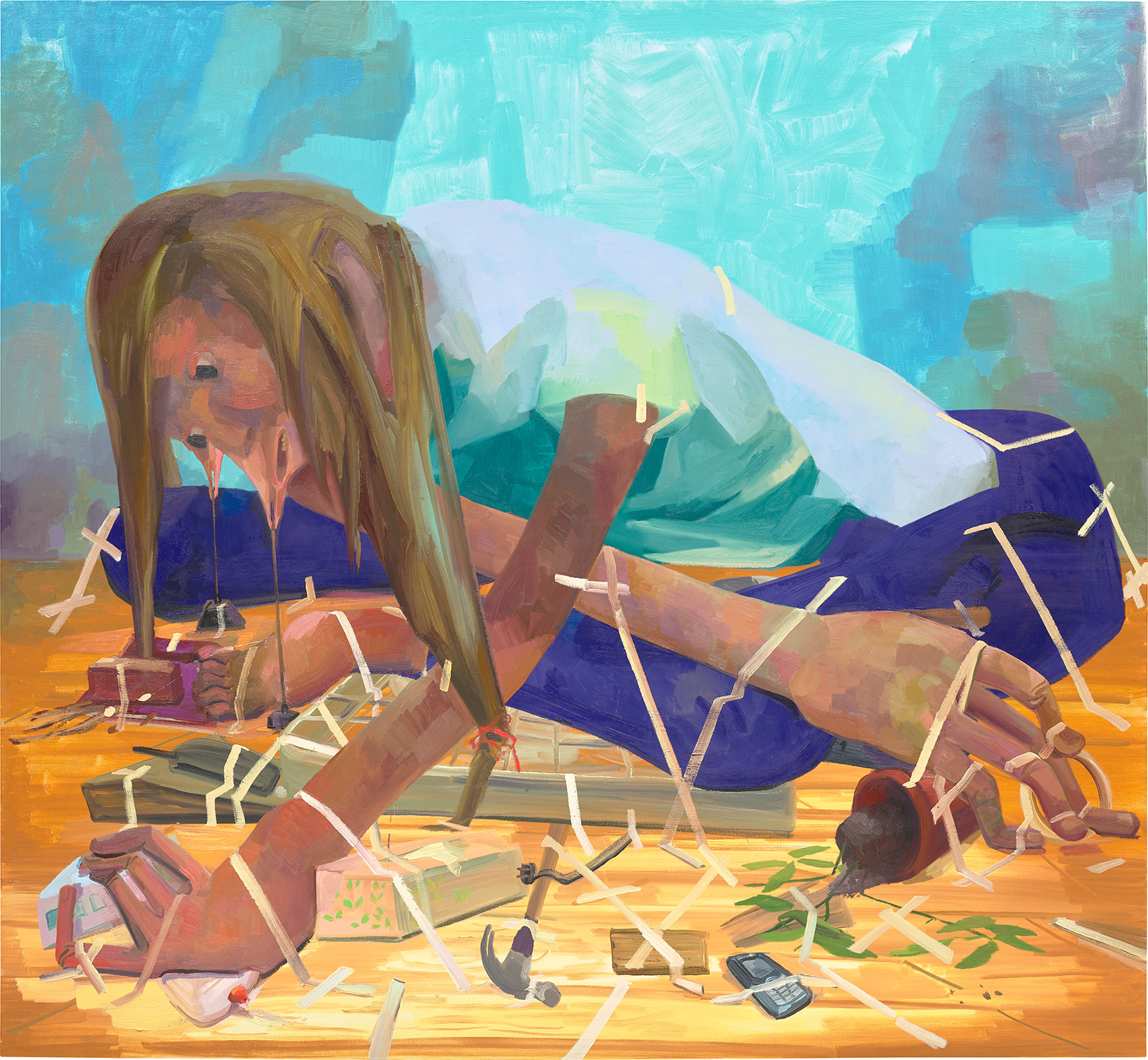
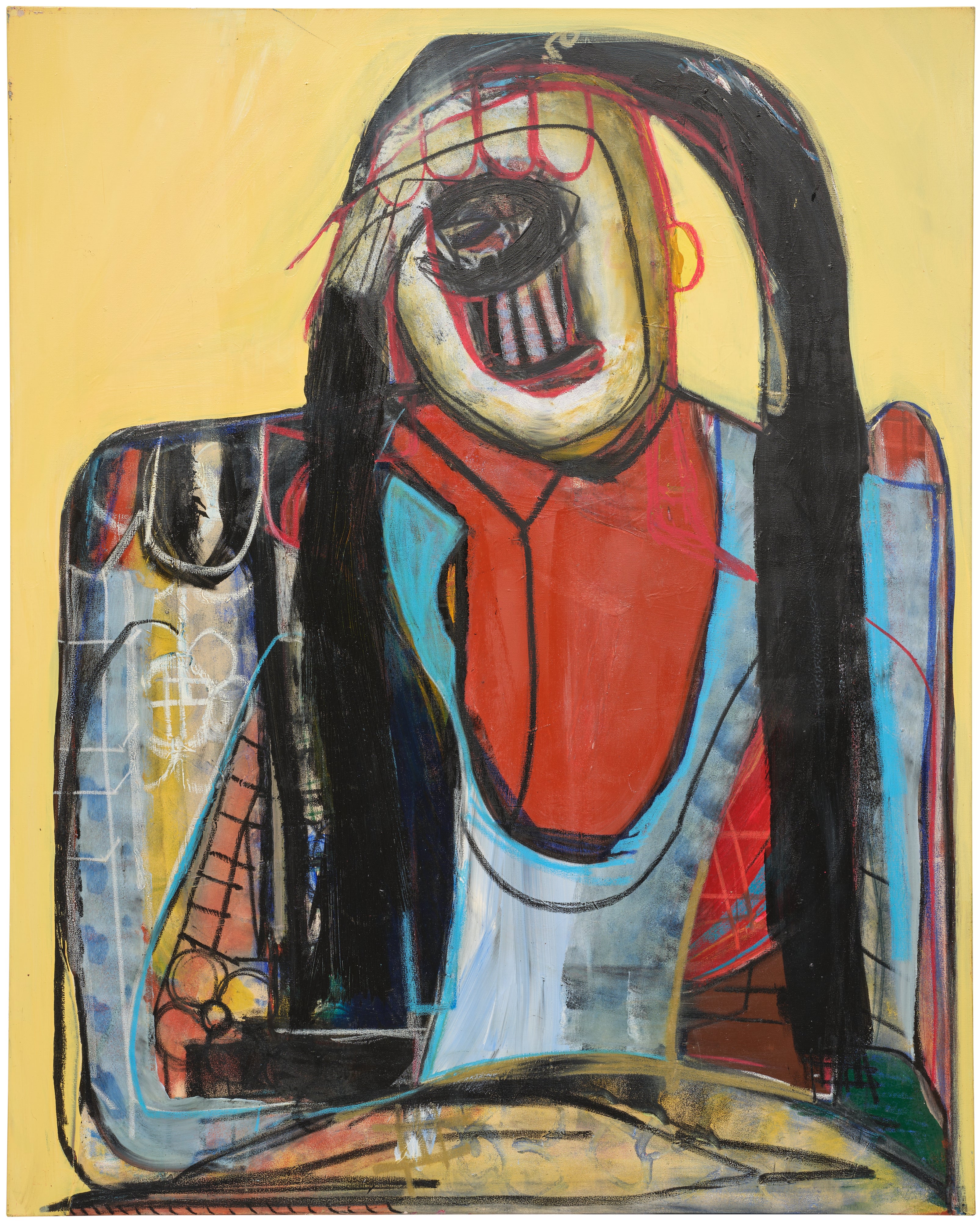
Cecily Brown
Untitled, 2002




The Body Refuses to Disappear
When a bronze by Henry Moore sold at Christie's London in 2023 for well above its estimate, the room barely flinched. That kind of confidence used to feel reserved for blue chip modernists with canonical certainty behind them. What it signals now is something broader and more interesting: the market for abstract figurative work is not just holding, it is deepening, pulling in collectors who want the emotional directness of the figure without the literal constraints of traditional representation. The human form, distorted, compressed, excavated, and reimagined, has become one of the most contested and alive territories in the contemporary art conversation.
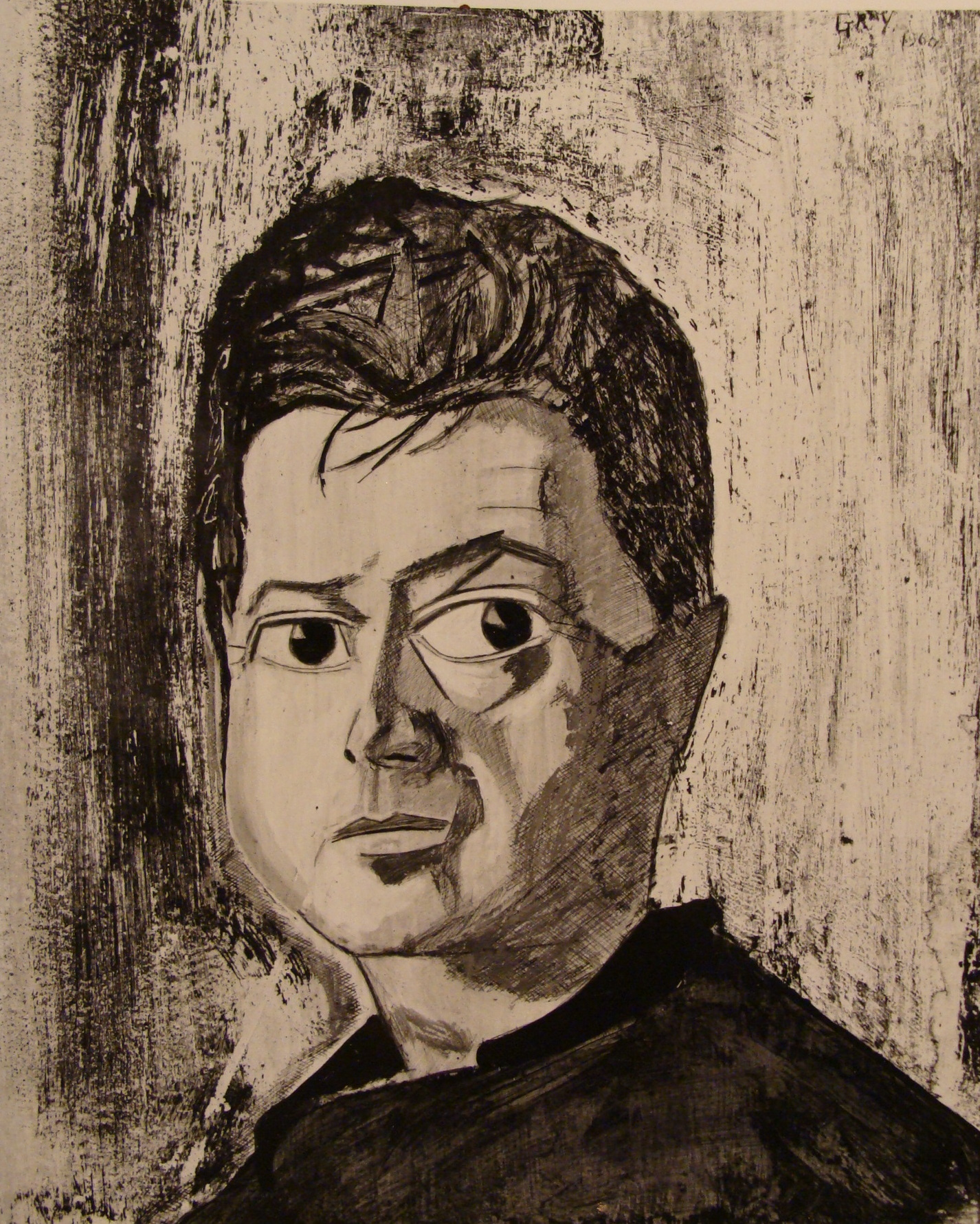
The abstract figurative impulse is not a movement with a manifesto so much as a persistent condition. It describes the territory between pure abstraction and traditional figuration, where the body is present as pressure, suggestion, or psychological weight rather than anatomical fact. Francis Bacon understood this instinctively, and his triptychs remain among the most psychologically precise paintings of the twentieth century, not despite their distortions but because of them. Lynn Chadwick, who for decades occupied a slightly unfashionable corner of postwar British sculpture, has been significantly reassessed in recent auction seasons, with collectors recognizing in his angular, sentinel figures a tension and presence that feels remarkably contemporary.
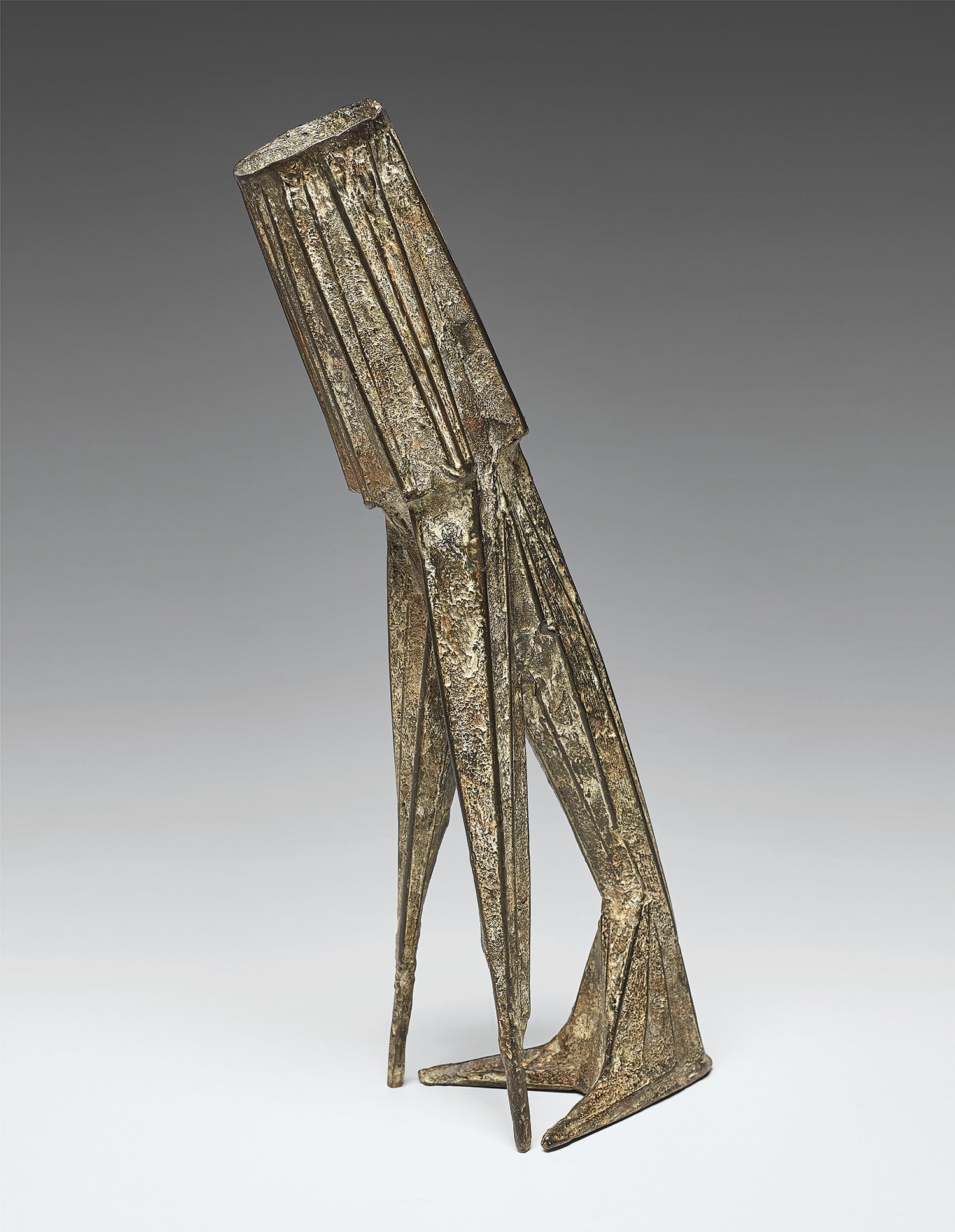
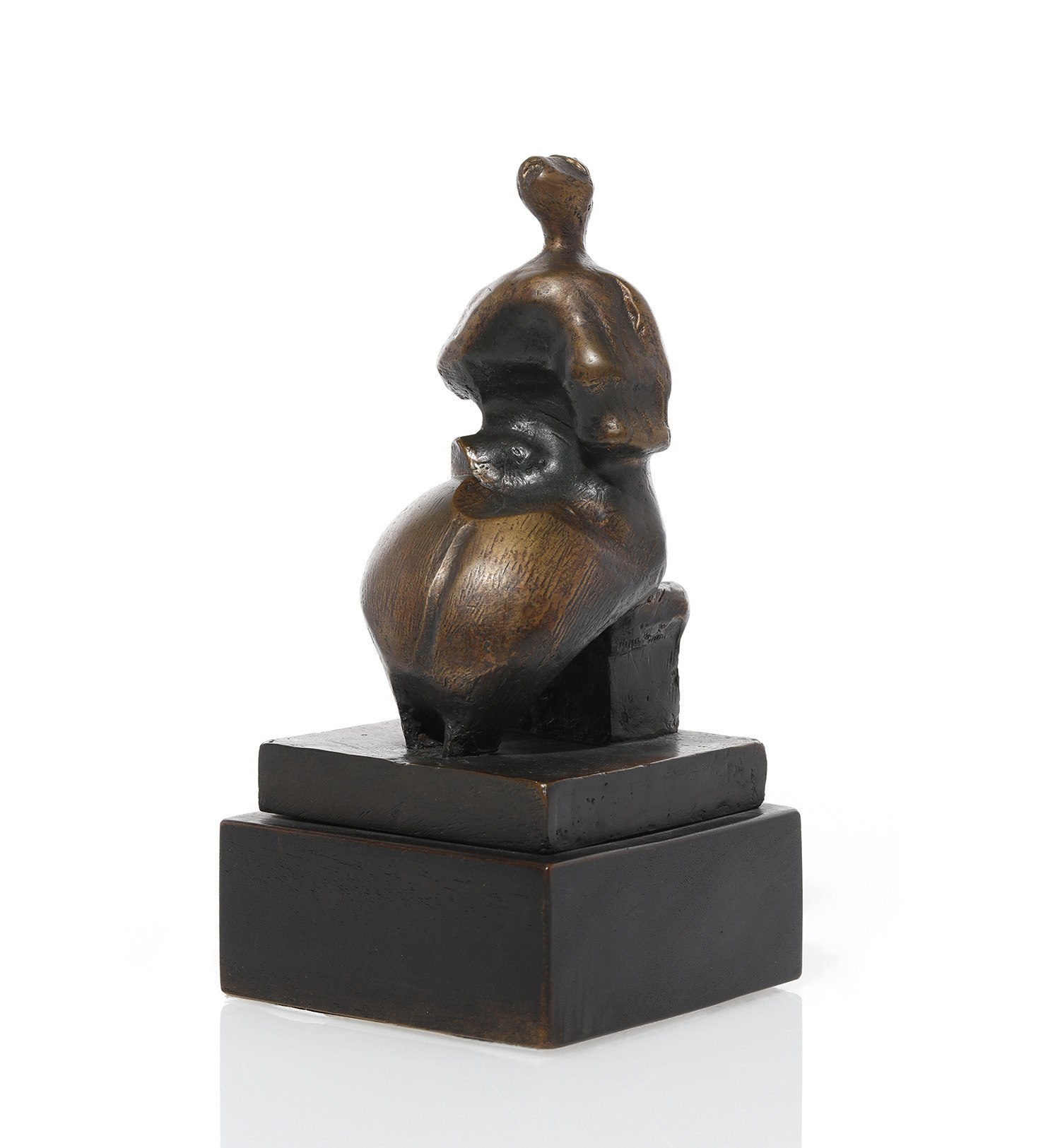
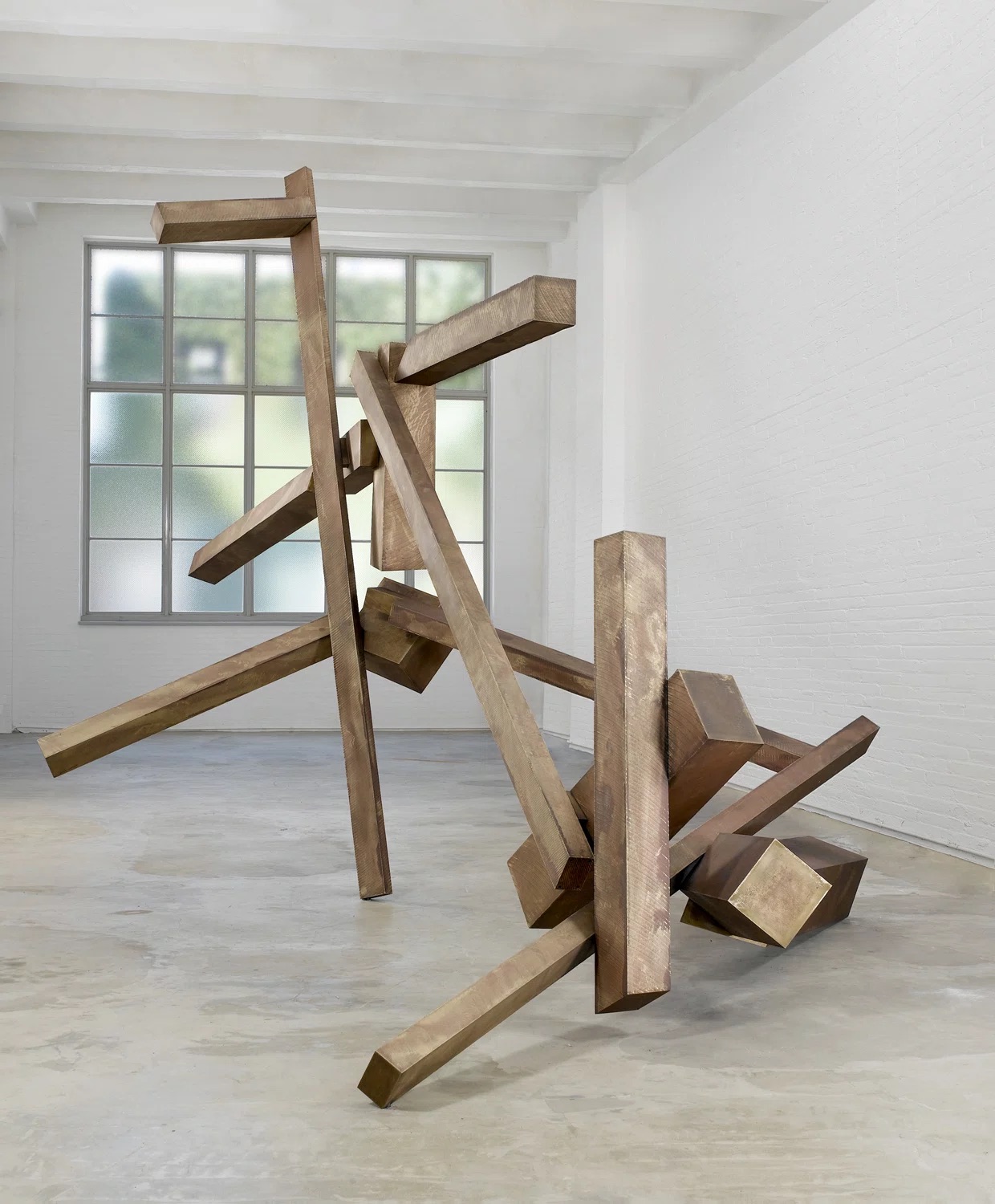
Lynn Chadwick
Beast III (Sitting Lion), 1990
Chadwick's work is well represented on The Collection, and spending time with it now is a reminder of how often the market catches up to quality on its own schedule. The exhibition history of this area is long and layered. Jean Dubuffet's retrospectives have repeatedly reset expectations for what raw, anti aesthetic figuration can accomplish, and his influence travels further than is sometimes credited, touching artists as temperamentally different as Karel Appel and Georg Baselitz. The 2018 Baselitz retrospective at the Guggenheim Bilbao was a useful recalibration, asking audiences to sit with the discomfort of his inverted figures and consider what it means to refuse easy legibility.
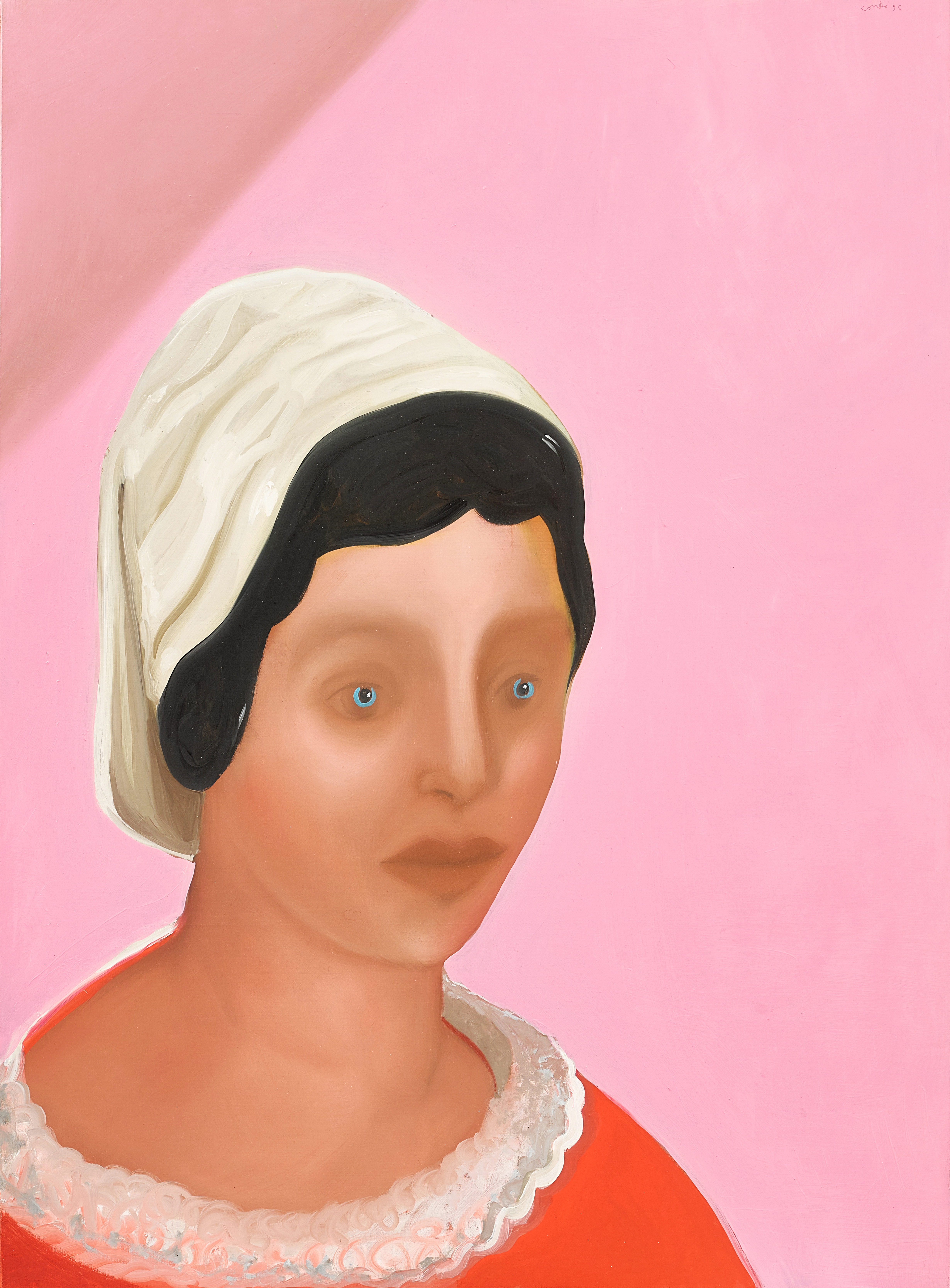
More recently, Cecily Brown's solo exhibition at the Metropolitan Museum of Art in 2023 brought significant institutional weight to a painter whose work sits precisely at the junction of figuration and gestural abstraction, confirming a critical consensus that had been building for years among collectors and curators alike. At auction, the artists working in this register continue to generate serious results. Louise Bourgeois remains a dominant force, with her sculpture commanding prices that reflect both market confidence and genuine institutional reverence. George Condo, whose portraits distort the figure through a lens of art historical quotation and psychological unease, has seen sustained market growth over the past decade, with major works regularly exceeding seven figures at the New York evening sales.
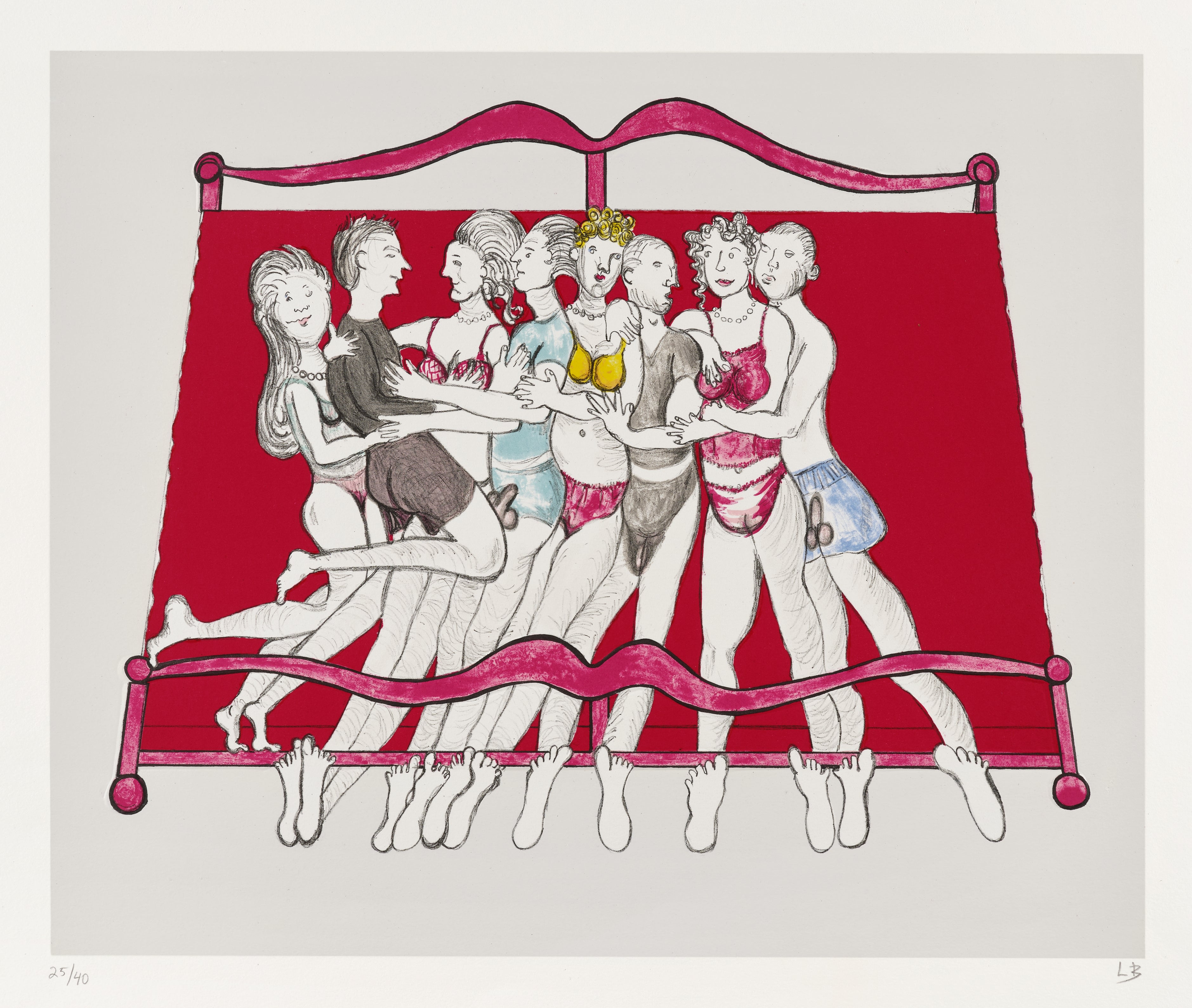
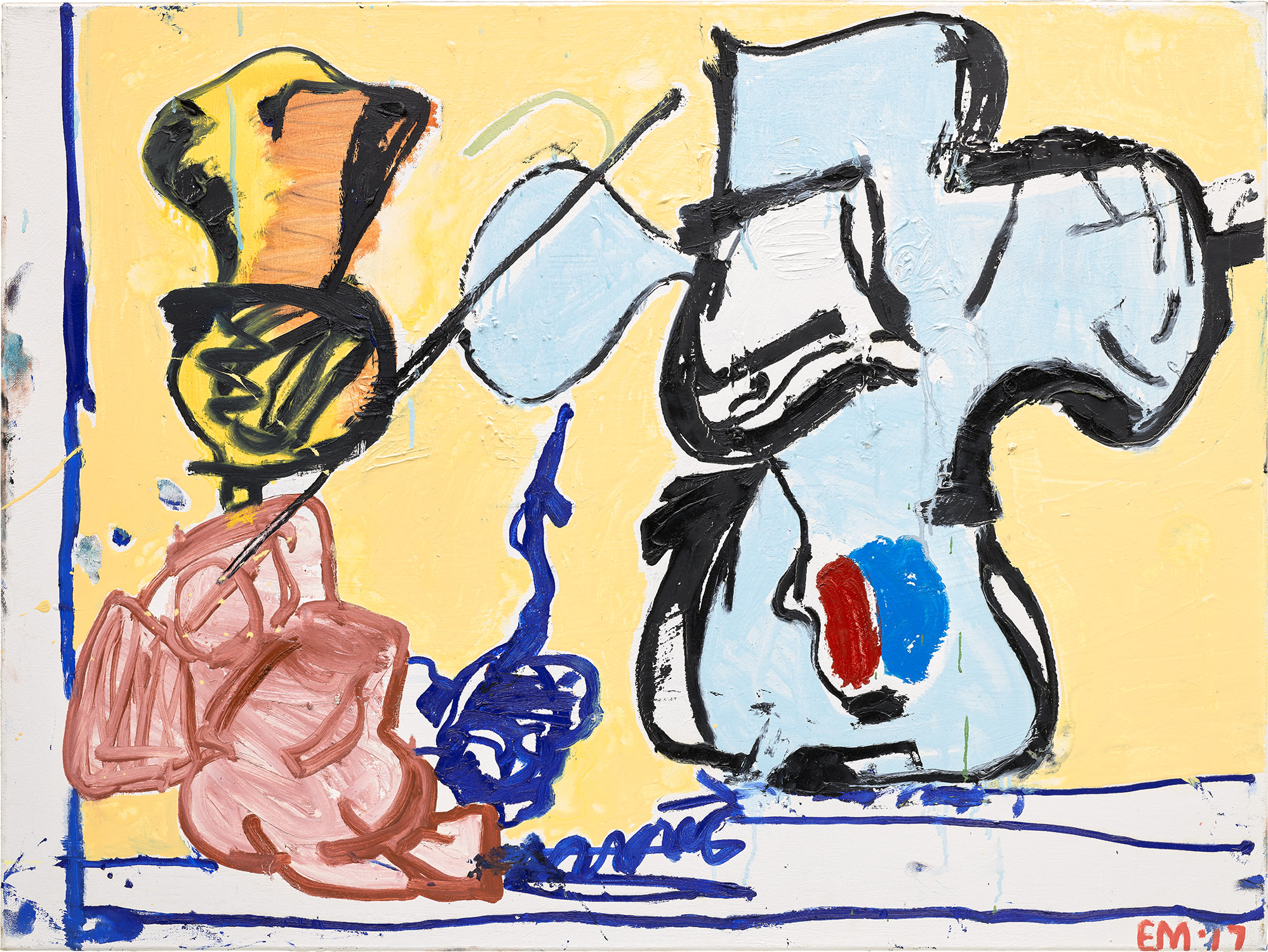
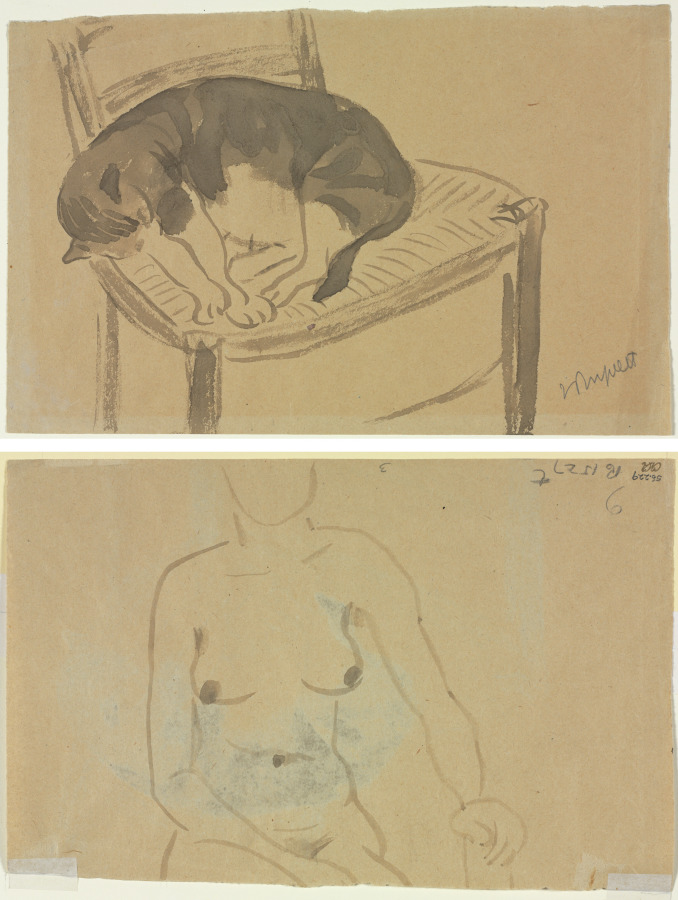
Louise Bourgeois
Eight in Bed
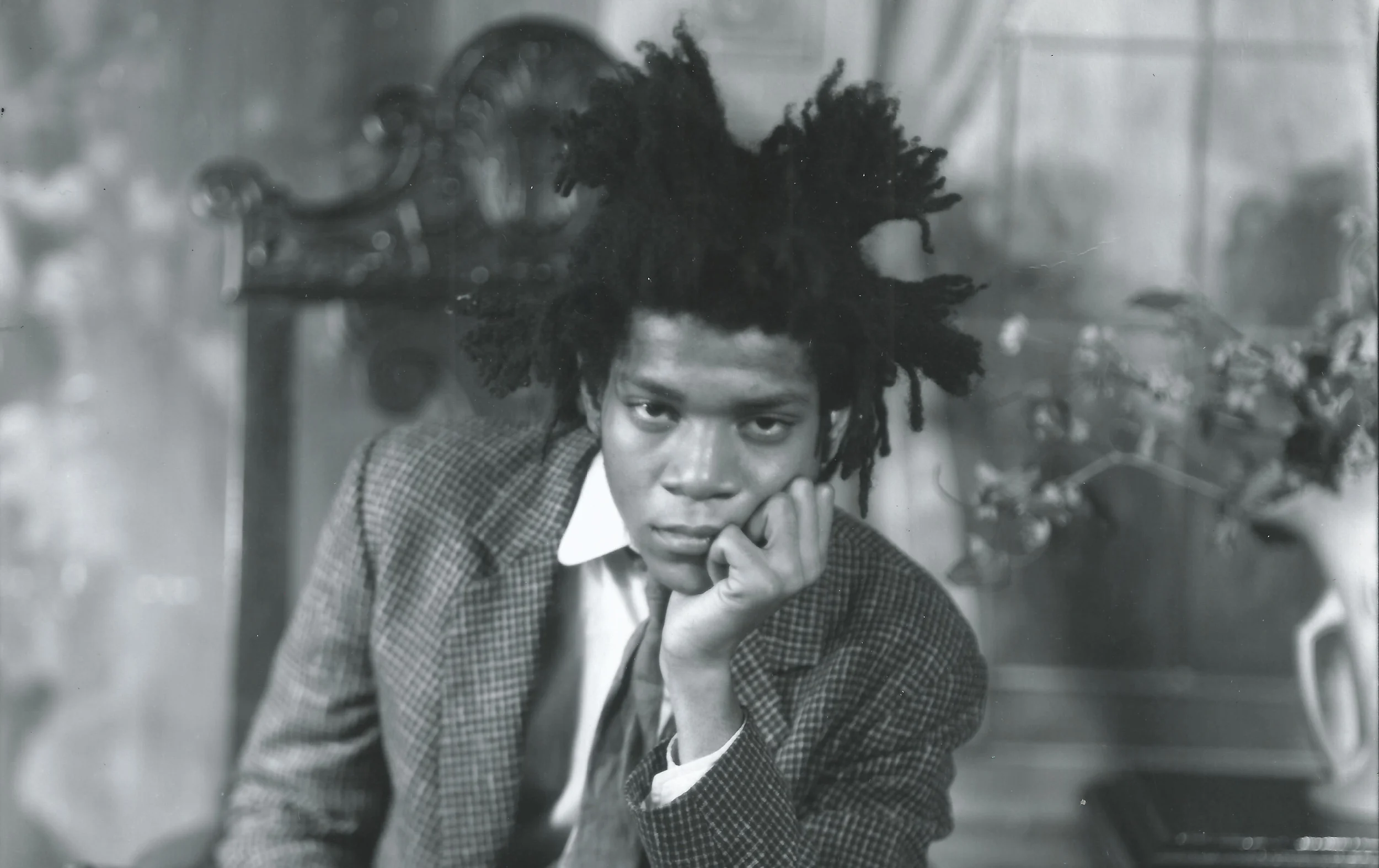
Jean Michel Basquiat occupies a separate stratosphere entirely, but it is worth noting how much of his power derives from this same space between figure and abstraction, the body present as mark, as sign, as testimony. What these results collectively suggest is that collectors are not buying abstraction as an escape from the human but as a more honest encounter with it. Institutionally, the signal is clear. The Tate Modern, MoMA, and the Centre Pompidou have all expanded their engagement with artists working in this mode, and newer institutions are following with energy.
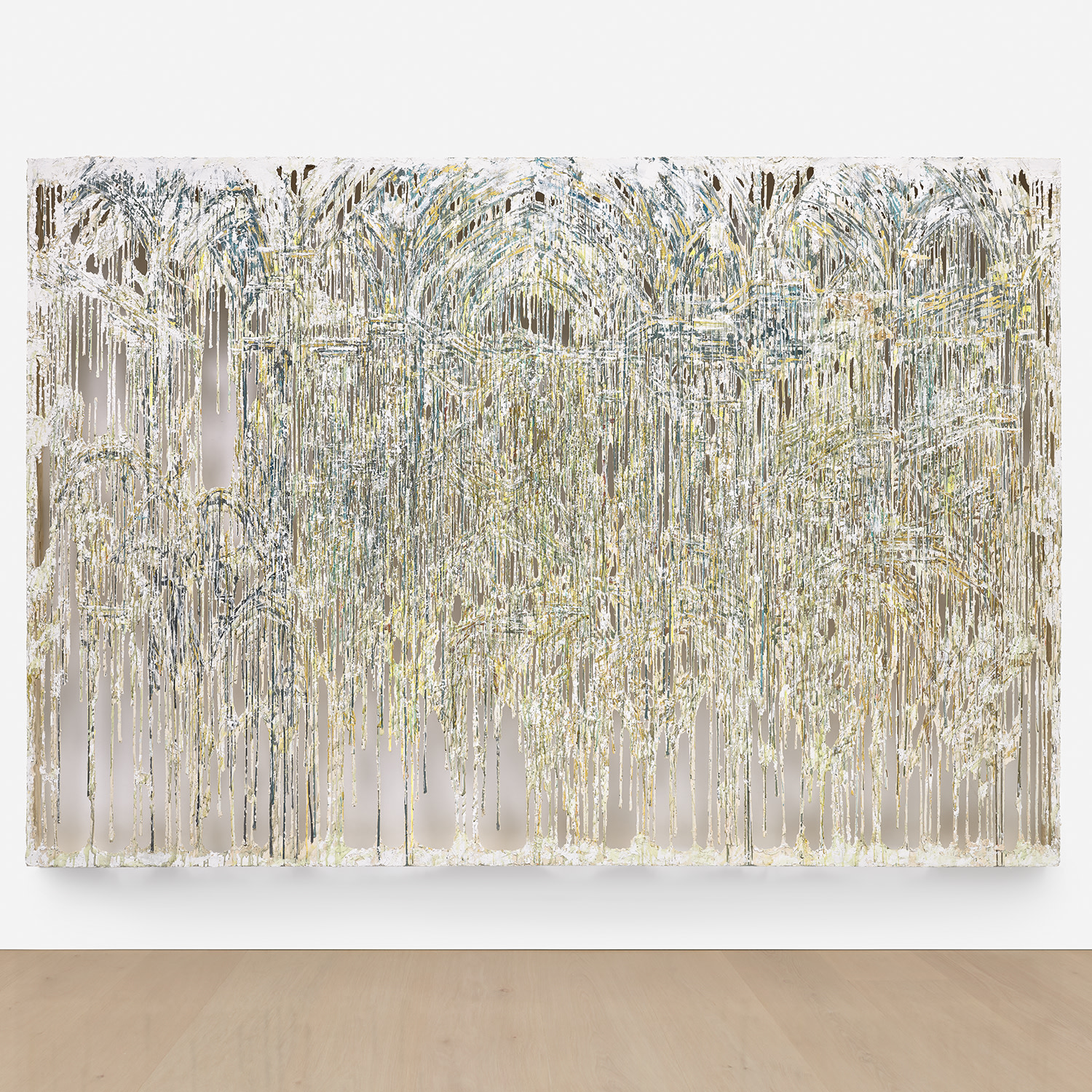
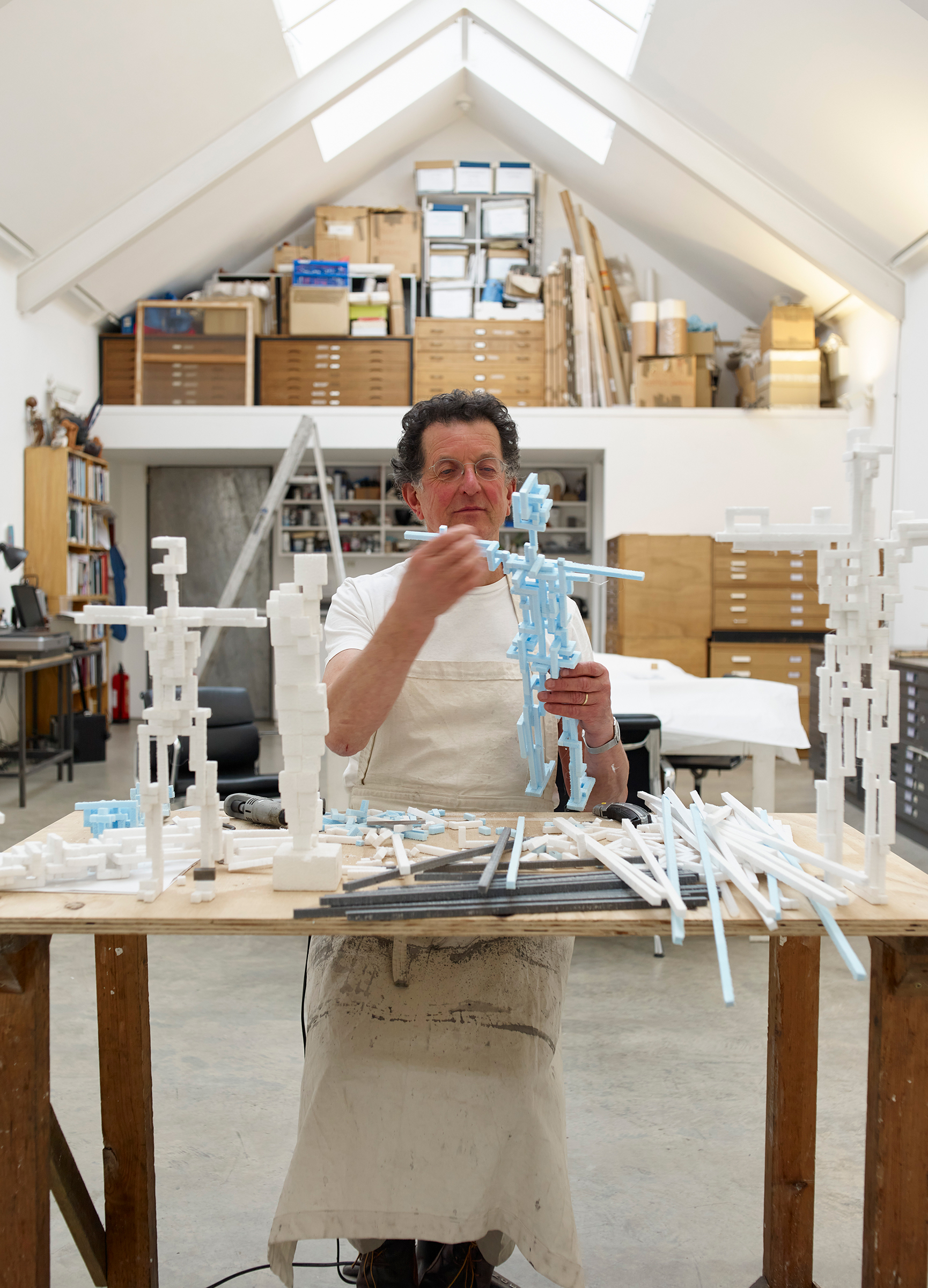
The Broad in Los Angeles has been particularly active in acquiring work that sits at this intersection, and collectors paying attention to what major private museums are pursuing tend to be rewarded. Antony Gormley's ongoing relationship with major public collections across Europe and Asia reflects a sustained institutional appetite for sculpture that uses the body as philosophical inquiry rather than physical record. Diana Al Hadid, whose layered and eroded figures seem to document a kind of architectural grief, has moved from emerging to established with notable speed, and her presence in museum collections on multiple continents is a reliable indicator of where serious curatorial thinking is directed. The critical conversation around abstract figurative work has been meaningfully shaped in recent years by writers including Hilton Als, whose attention to the psychological and social dimensions of the body in art has influenced how a generation of curators approaches this territory.
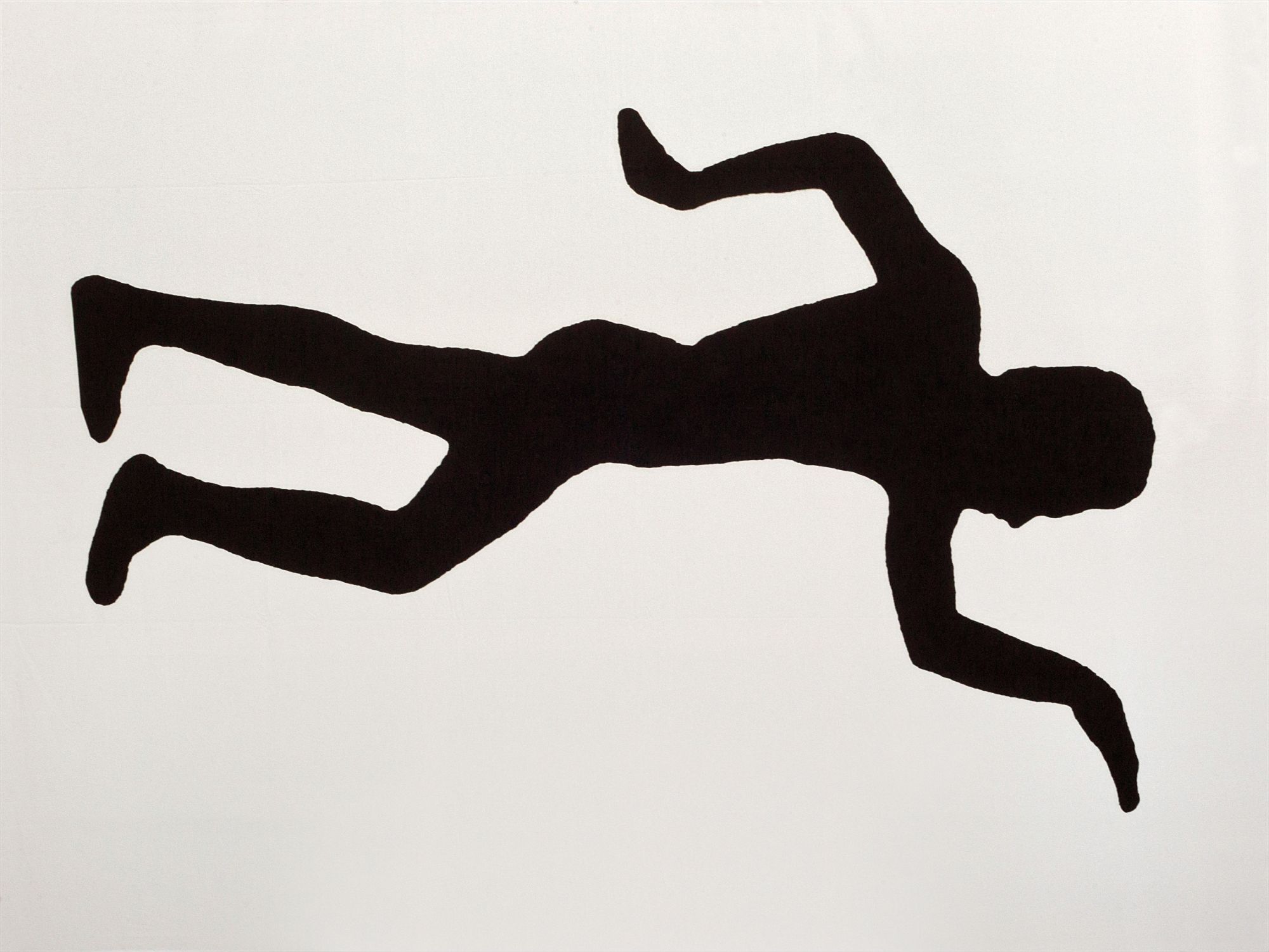
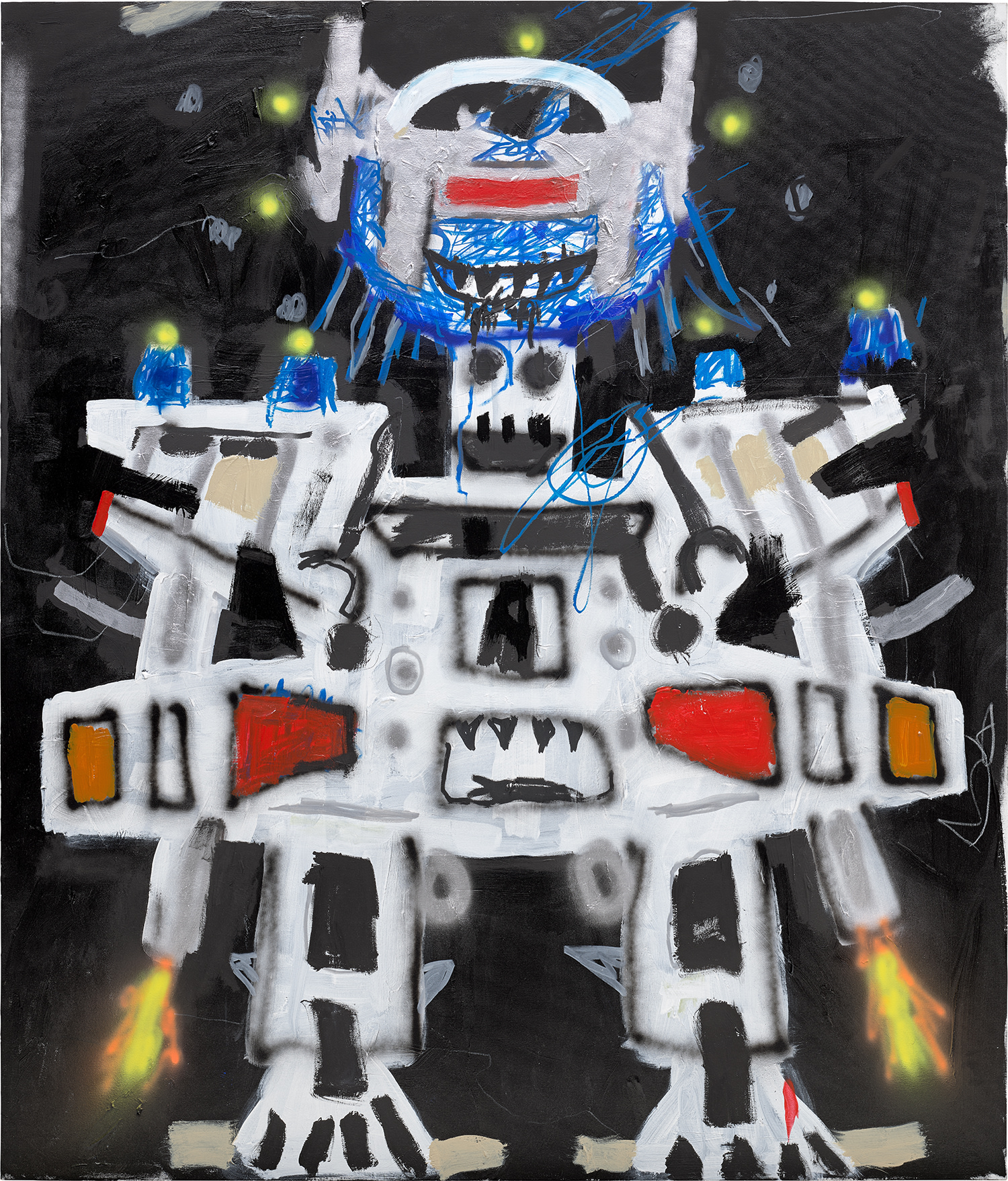
Joe Bradley
Egyptian Freek, 2010
Publications like Frieze and Artforum have devoted sustained attention to artists such as Dana Schutz and Lorna Simpson, both of whom use figuration as a way of asking urgent questions about identity, visibility, and representation. Schutz in particular has become a focal point for debates about what it means to paint the body in politically charged conditions, debates that ultimately push the work into a richer critical context rather than diminishing it. Thomas Houseago has attracted comparable critical interest for his large scale figures in plaster and bronze, works that carry both the weight of art historical reference and a genuine sense of physical struggle. What feels alive right now is the younger generation working in this space with a kind of liberated seriousness, artists like Joe Bradley and André Butzer, who bring irreverence and genuine formal intelligence to figuration without either irony as a shield or earnestness as an affectation.
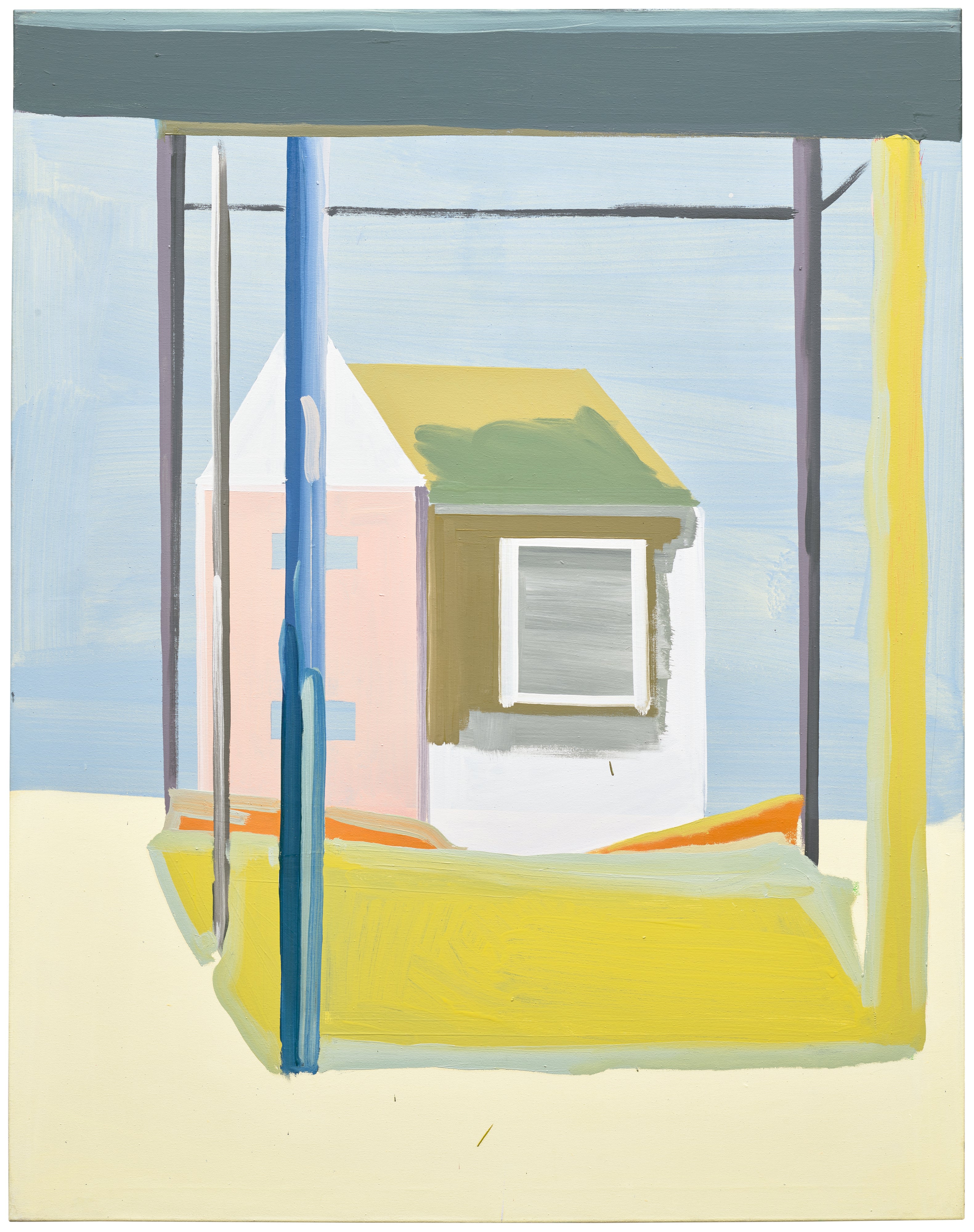
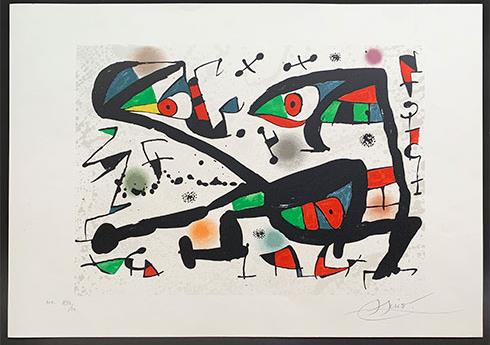
Dawit Abebe's work, which uses the figure to navigate questions of memory and belonging with considerable painterly sophistication, represents the kind of emergence that sustains a category over the long term. The surprise coming is perhaps not a single artist or auction result but a structural one: as the market for strictly abstract work cools in certain sectors, the figure is returning not as nostalgia but as necessity. Collectors who have spent a decade building with pure abstraction are finding they want something that answers back. In the works on The Collection, from Ossip Zadkine's fractured volumes to Joan Miró's biomorphic dream creatures to Bernard Meadows's quietly alarming postwar bronzes, that answer is everywhere available, waiting for the right eye to find it.