18th Century
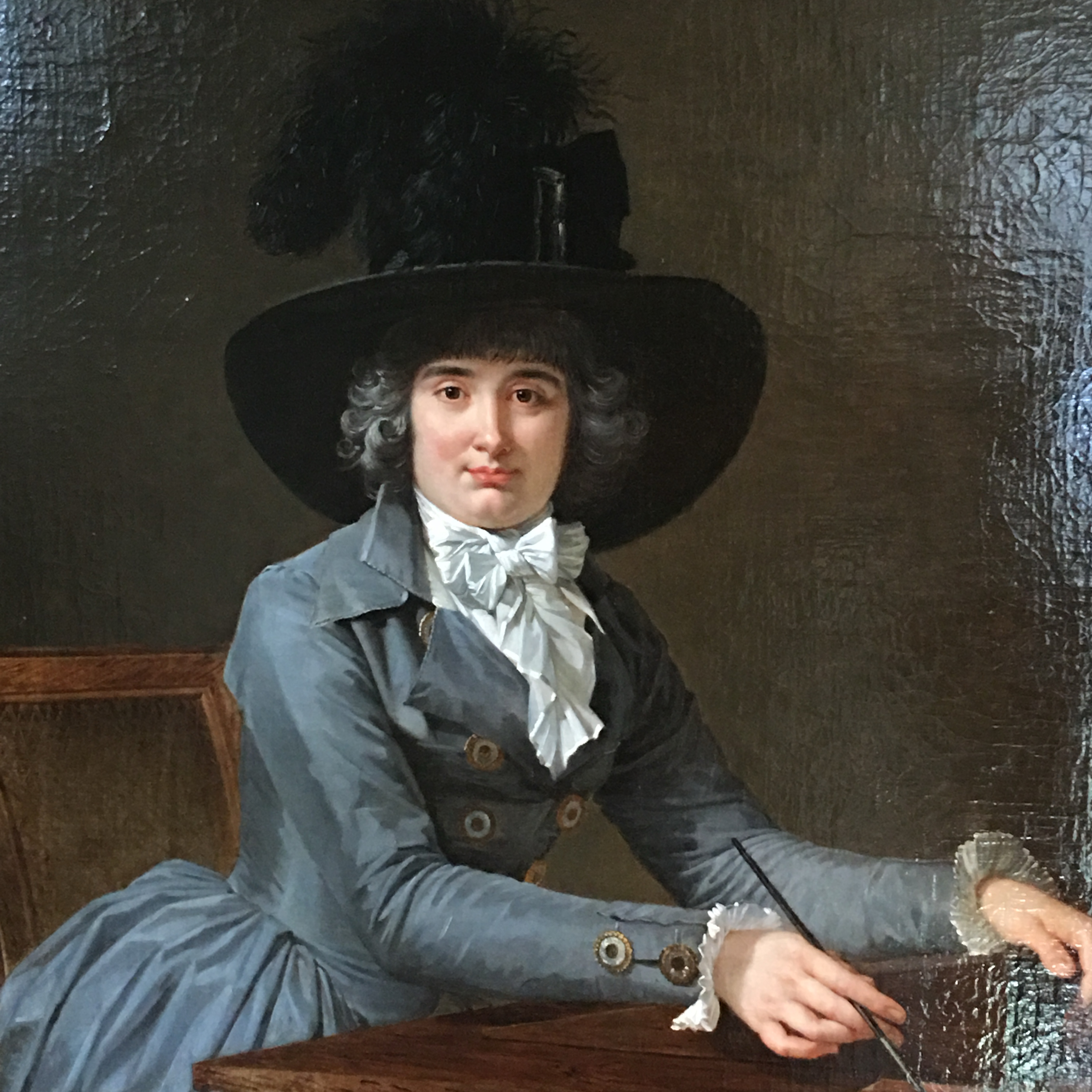
Elisabeth Vigee Lebrun
Untitled, 1790
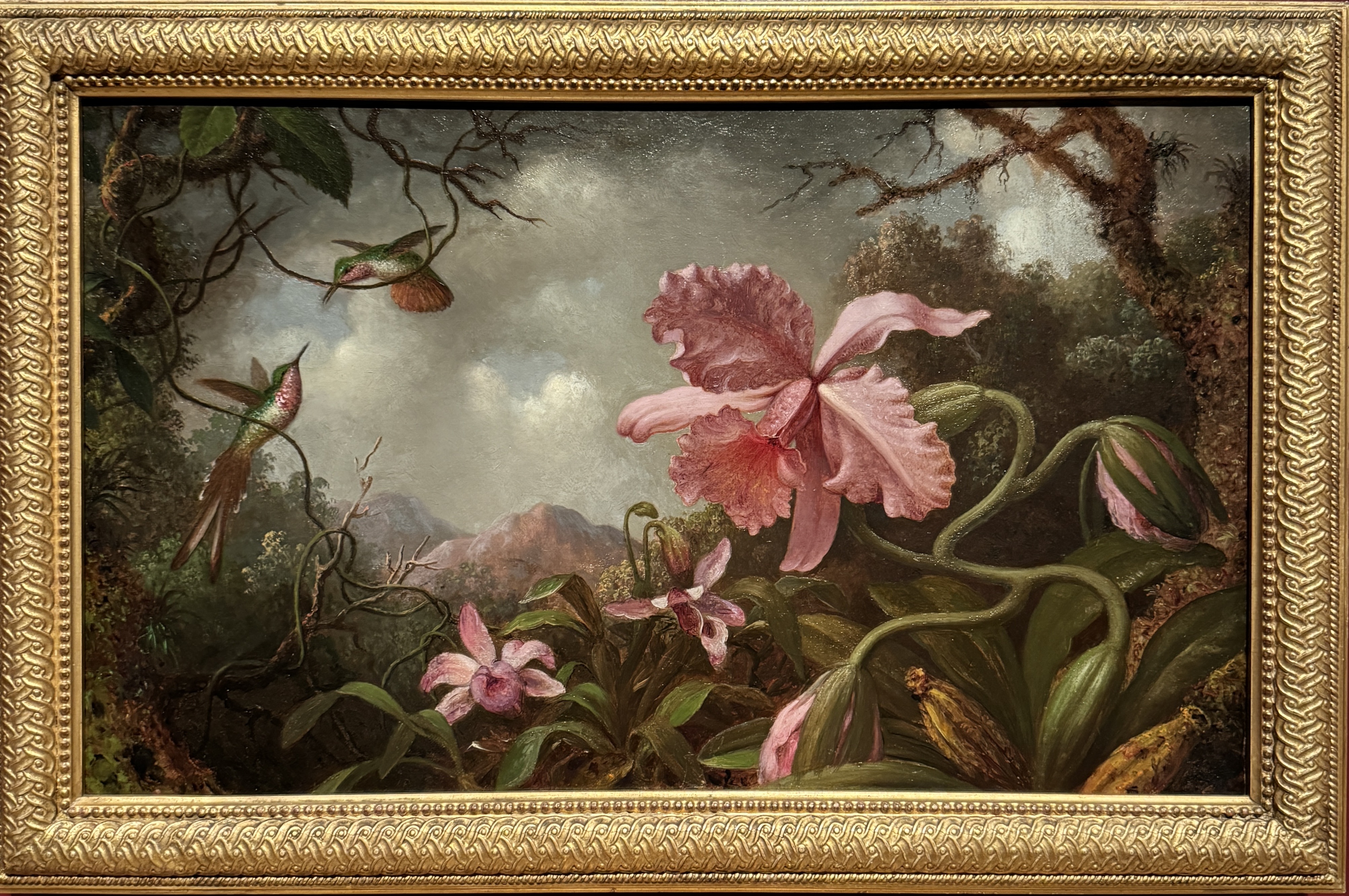
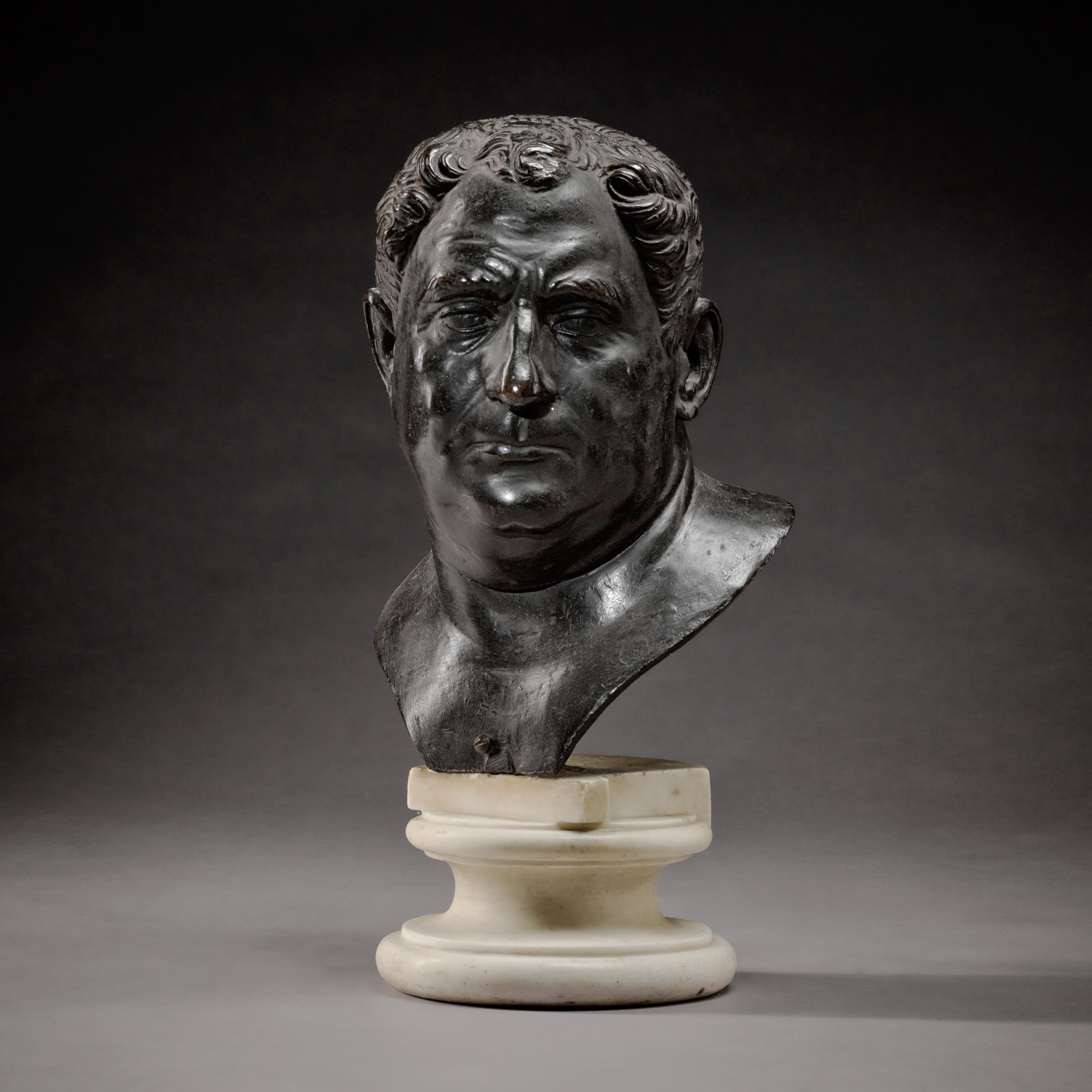
The Century That Invented How We See
There is a particular quality of light in eighteenth century art that feels unlike any other period. It is not the divine blaze of the Baroque or the clinical clarity of Neoclassicism pushing in from the edges. It is something more intimate, more flickering, a candlelit intelligence that illuminates drawing rooms and pleasure gardens, tea houses and ateliers, the faces of colonial merchants in Boston and courtesans in Edo. The eighteenth century was the century of the individual, and its art made the individual feel, perhaps for the first time in Western and Eastern traditions alike, genuinely worth looking at.
The period stretching roughly from 1700 to 1800 sits at one of the great fault lines in cultural history. Europe was tilting toward revolution and Enlightenment simultaneously, and the tension between those two forces produced an art of extraordinary range and contradiction. The same decades that gave us the rococo exuberance of Antoine Watteau's fêtes galantes also produced the savage social critique of William Hogarth. The era that perfected the aristocratic portrait as an instrument of flattery and power also nurtured in Francisco de Goya the seeds of something far darker, far more destabilizing.
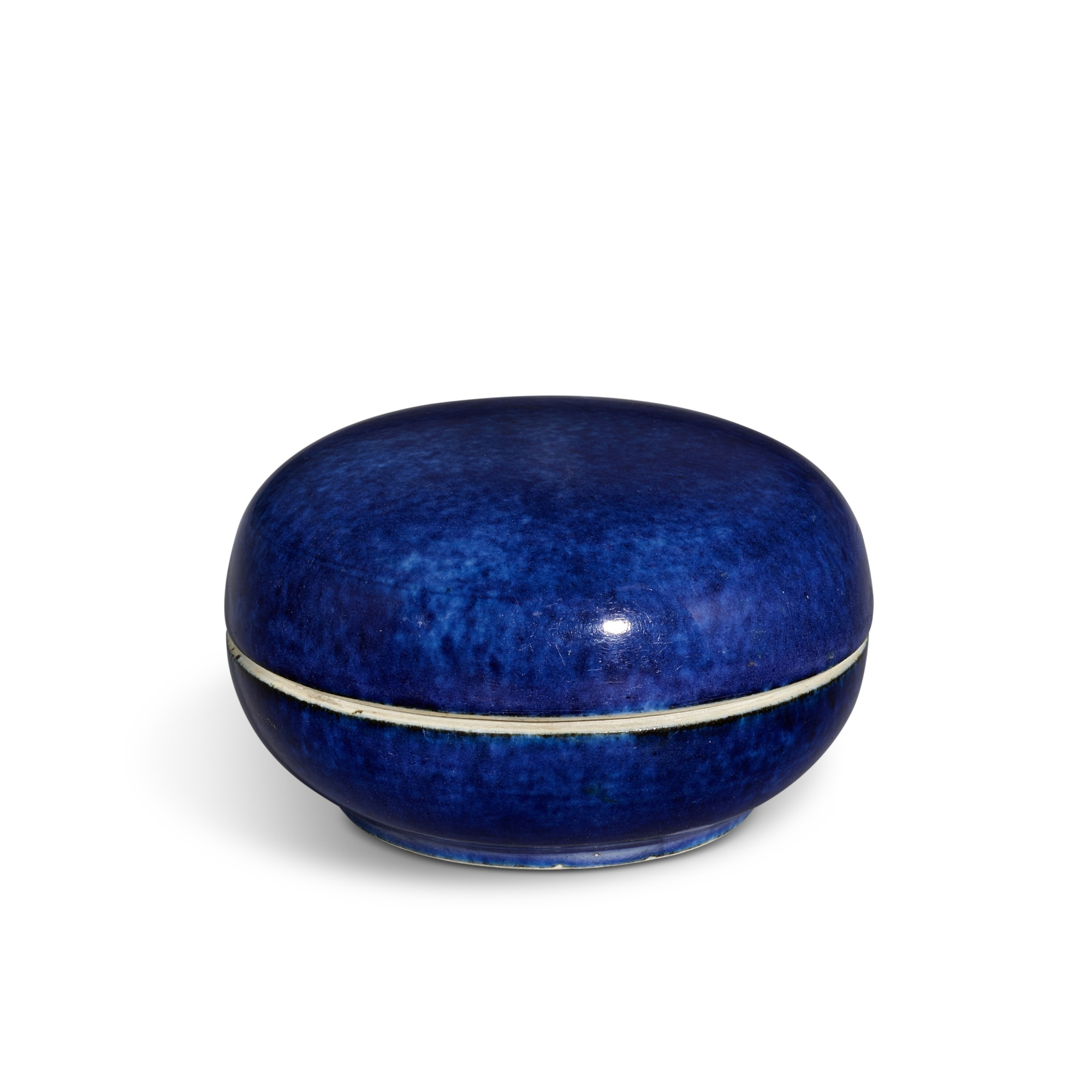
A powder-blue glazed seal-paste box and cover,
A powder-blue glazed seal-paste box and cover, Qing dynasty, 18th century 清十八世紀 灑藍釉圓蓋盒
Goya, whose work appears on The Collection, began his career painting tapestry cartoons of sunlit picnics for the Spanish royal household and ended it documenting atrocity with a ferocity that belongs more to the twentieth century than the eighteenth. That arc is the century in miniature. In Britain, the portrait became a kind of national obsession and cultural currency. The founding of the Royal Academy in London in 1768 institutionalized the ambitions of a generation of painters who wanted to elevate British art to the continental standard.
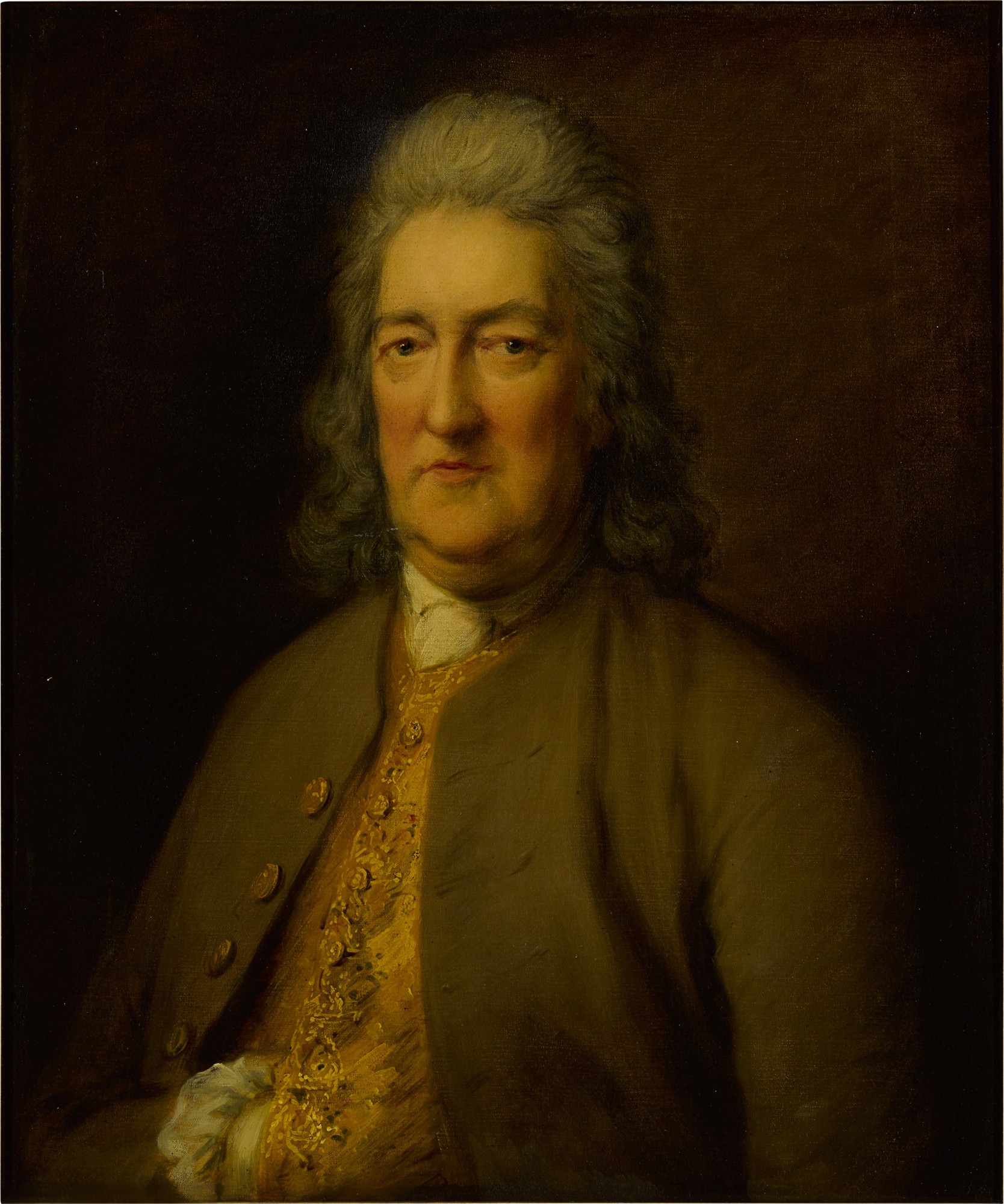
Thomas Gainsborough, represented here on The Collection, was both a product of that ambition and a quiet dissenter from it. He preferred landscape to portraiture but painted portraits because they paid, and in that friction he produced some of the most psychologically alive images of the century. His great rival Joshua Reynolds lectured about the Grand Manner while Gainsborough dissolved his sitters into shimmering atmosphere. Meanwhile George Romney, also well represented in our holdings, captured the same fashionable world with a directness and warmth that made him the preferred portraitist of society beauties and naval heroes alike.
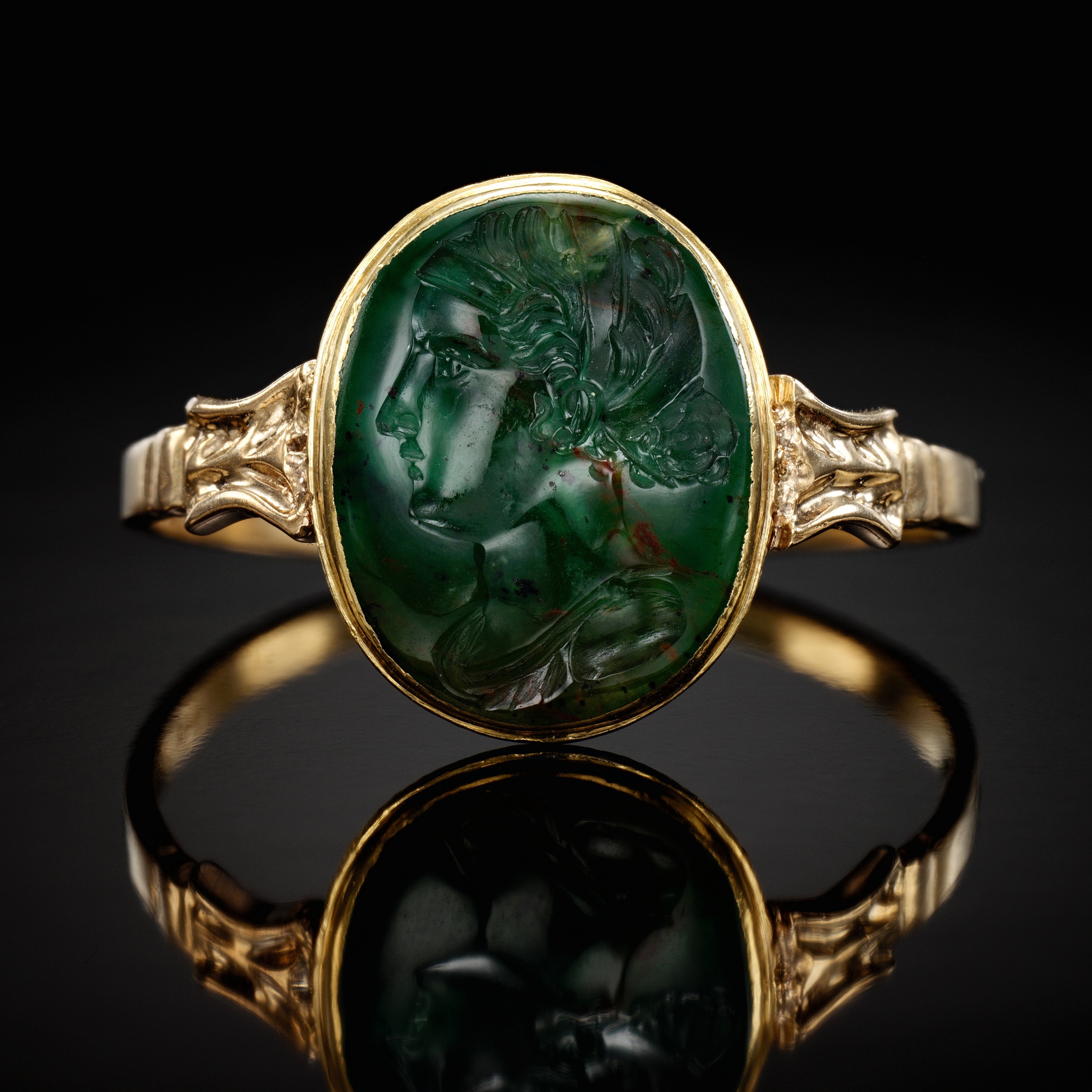
Italian, 17th/ 18th century
Intaglio with Sappho
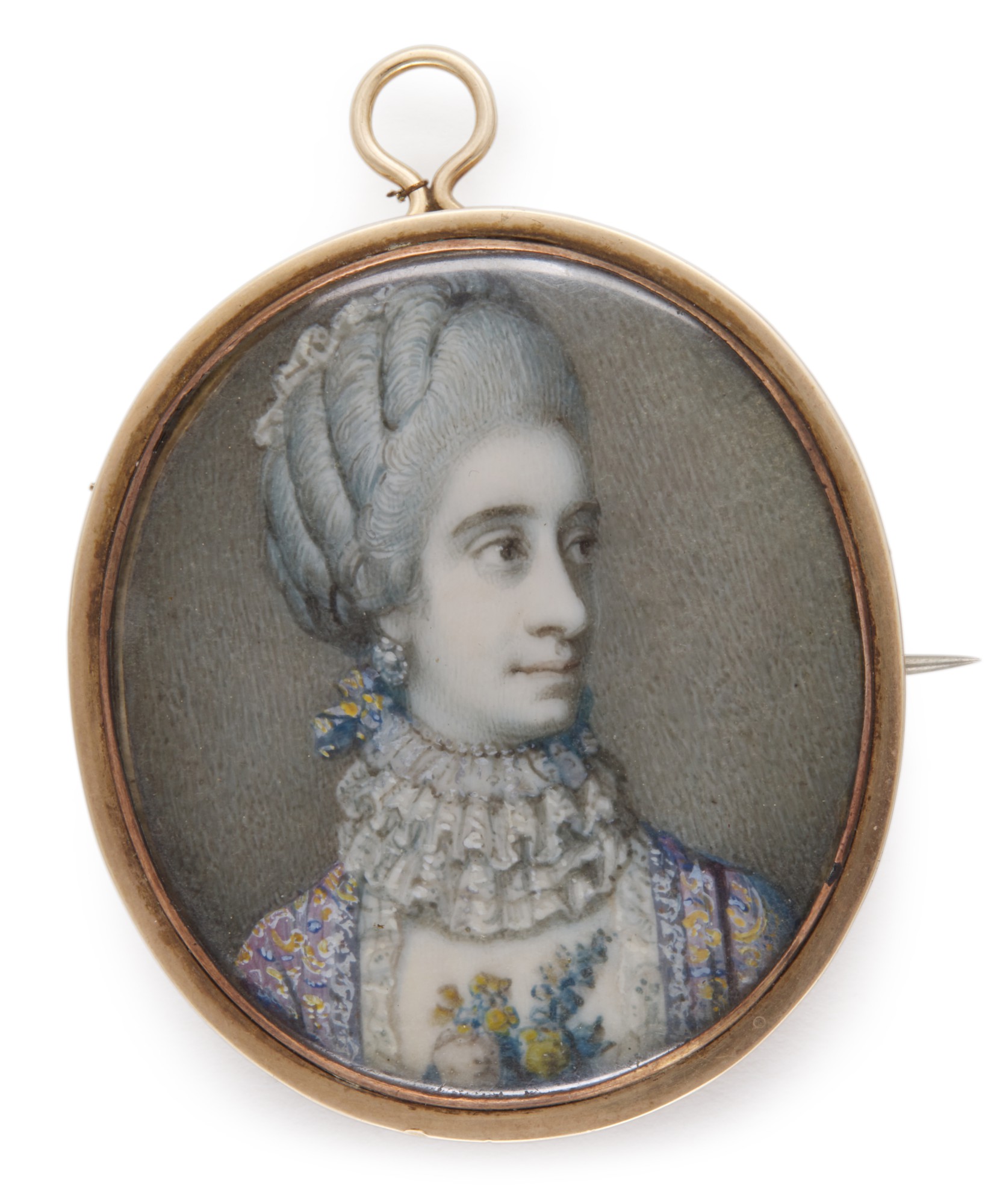
The miniature portrait deserves particular attention in any serious accounting of this period, and it is a form that collectors are increasingly reconsidering with fresh eyes. Richard Cosway, whose work features prominently on The Collection alongside that of George Engleheart and Andrew Plimer, worked at the very apex of the British miniature tradition. These small objects, painted on ivory or vellum and set behind glass in lockets and cases, were among the most emotionally charged images their era produced. They were exchanged between lovers, carried into battle, held by mothers who had lost children.
The technical demands were immense and the intimacy was total. To look at a Cosway miniature now is to feel the entire social fabric of Georgian London condensed into an oval the size of your palm. Across the Atlantic, artists like John Singleton Copley and Gilbert Stuart were fashioning a new visual vocabulary for a new political reality. Copley, whose work appears in The Collection, trained himself largely through prints and sheer determination in colonial Boston before traveling to London and Rome and discovering that his instincts had been correct all along.
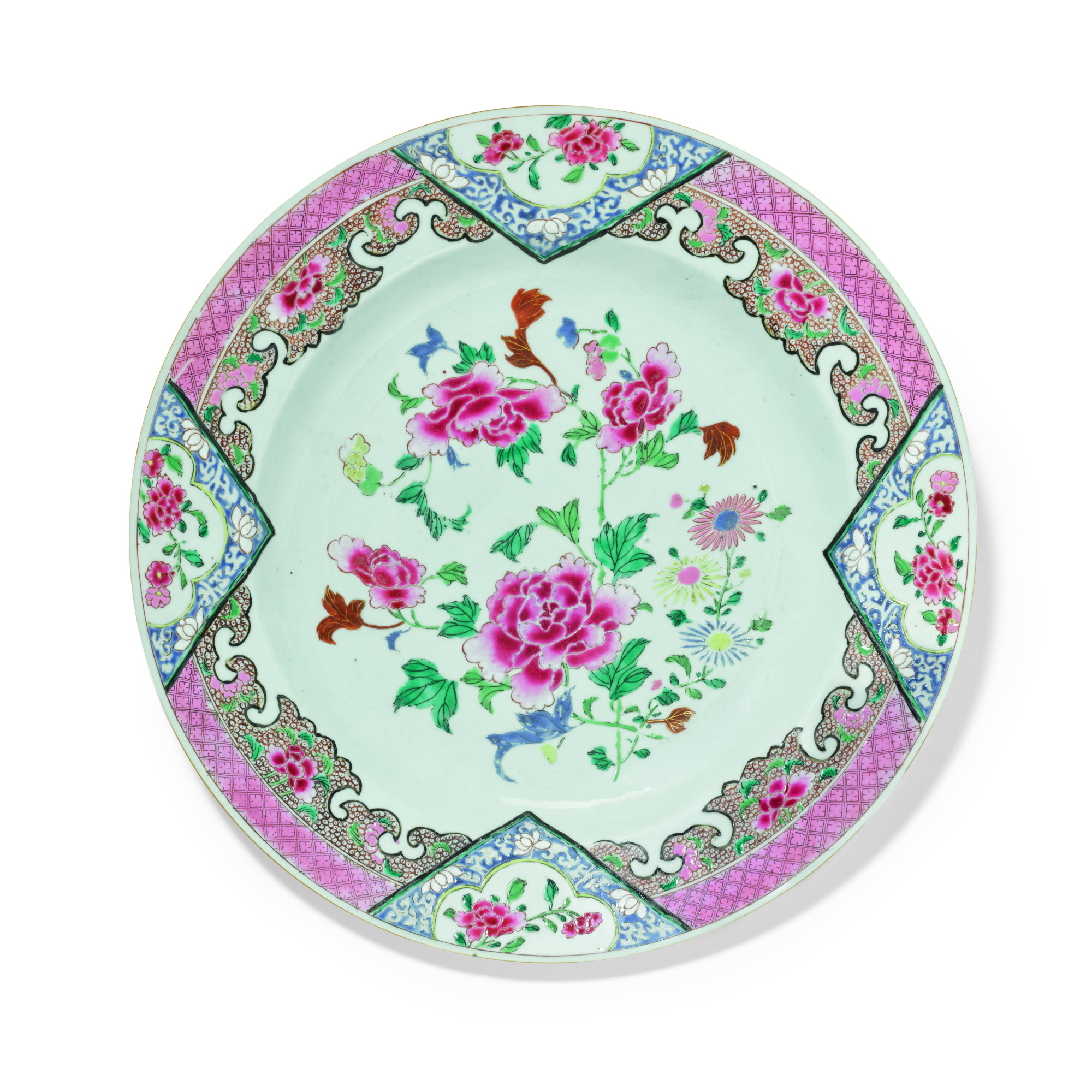
Unknown
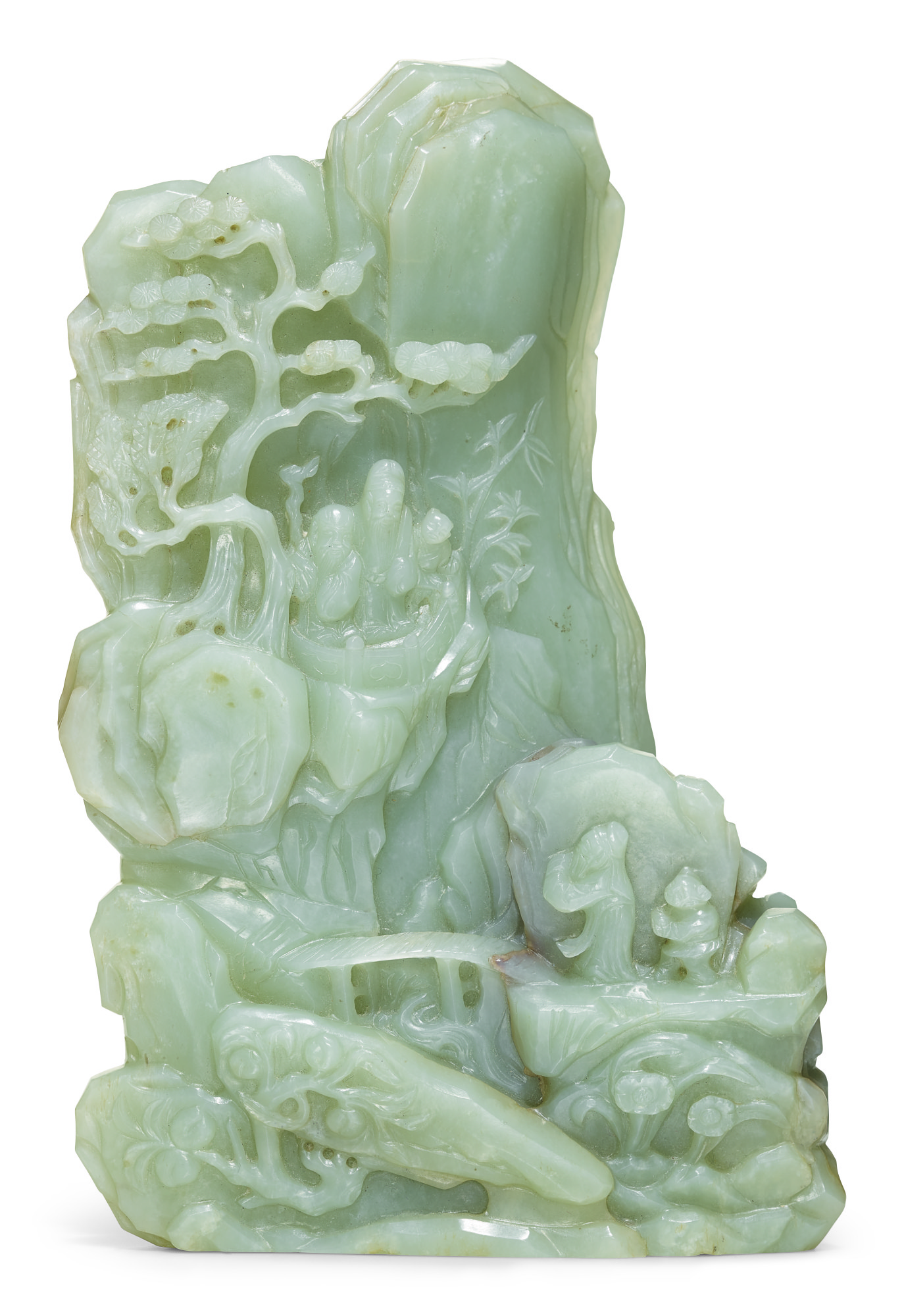
Qing Dynasty, Qianlong Period
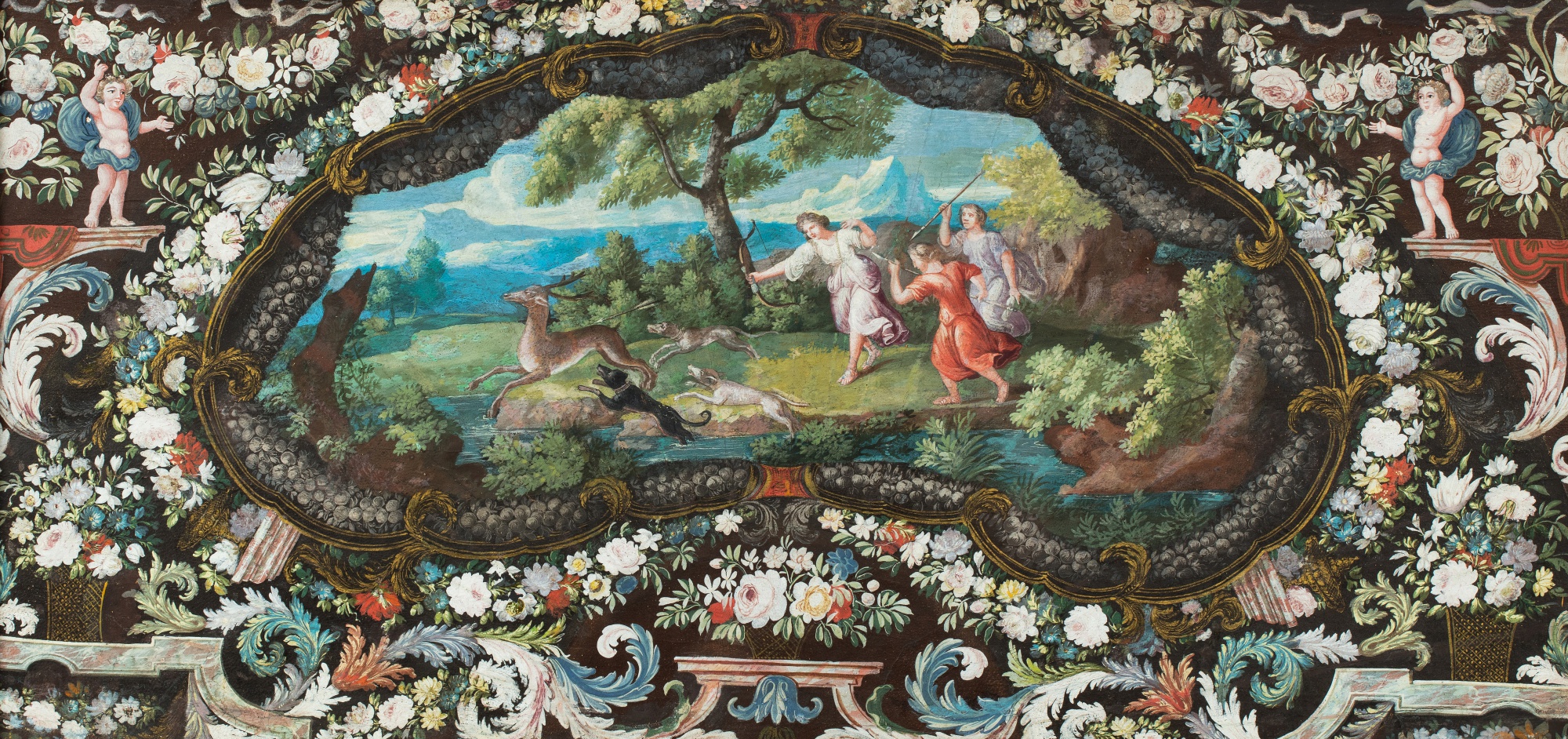
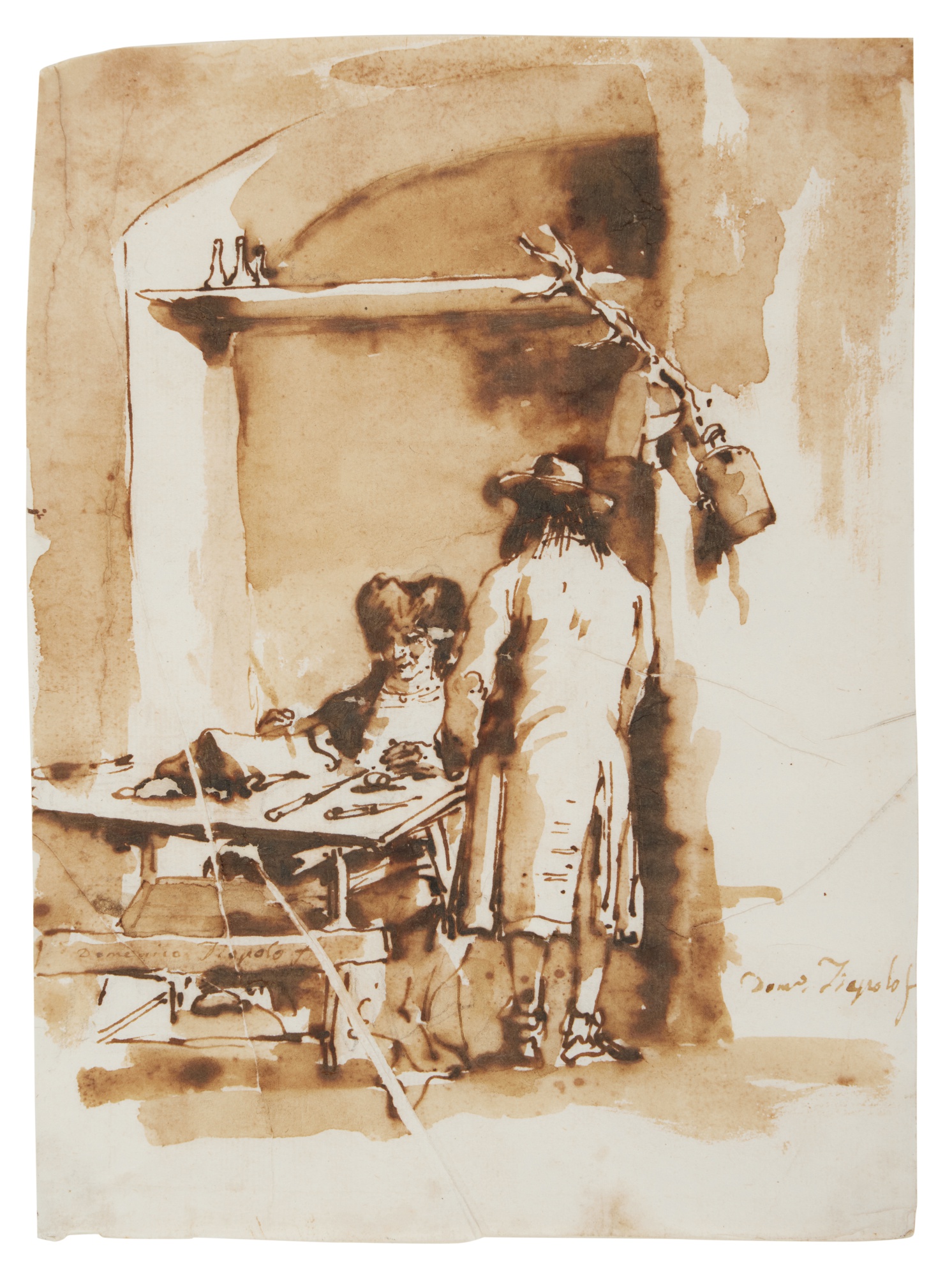
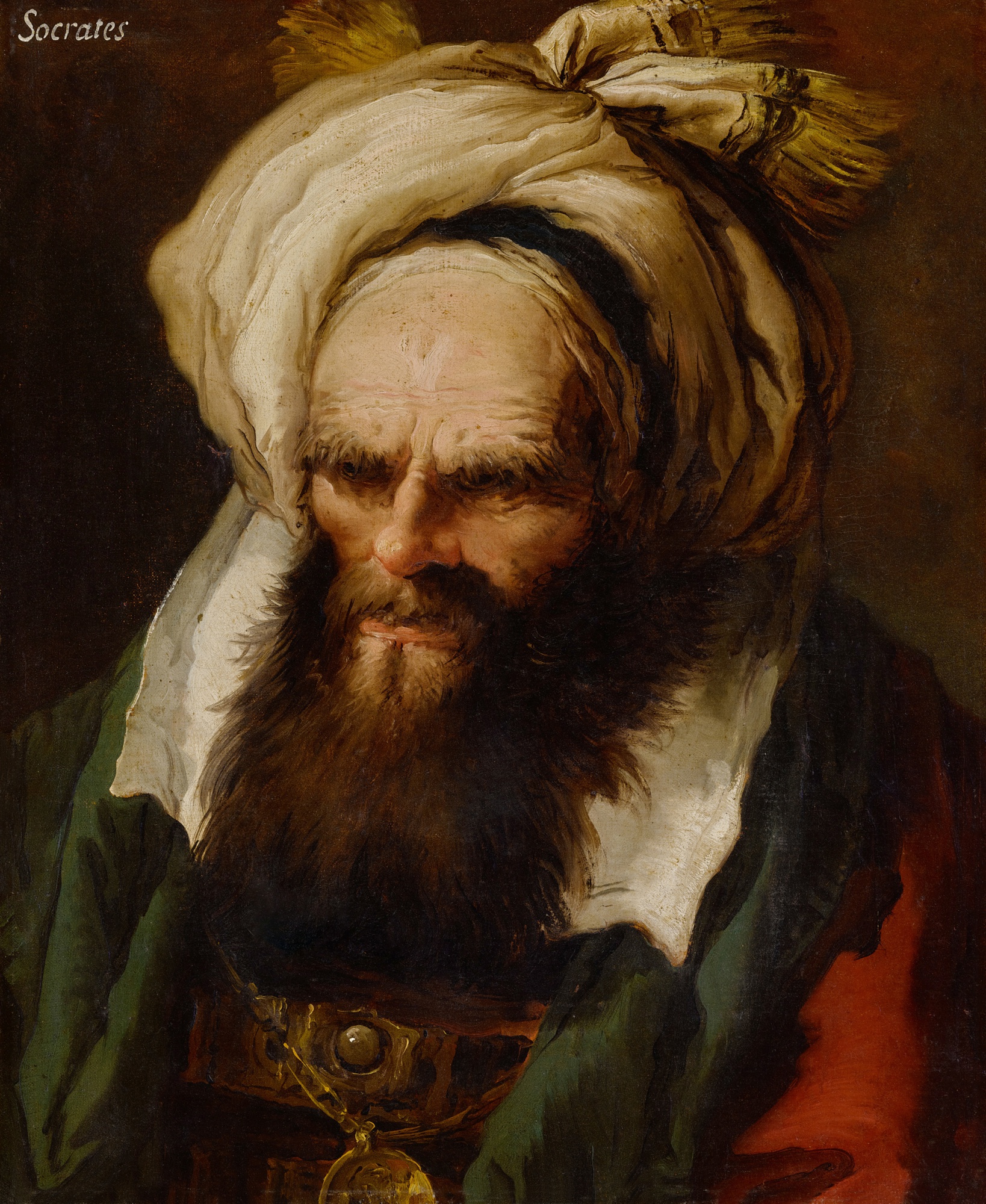
His portraits of Boston merchants and their wives possess a material exactness, a nearly tactile rendering of fabrics and surfaces, that feels entirely different in spirit from the effortless aristocratic ease of Gainsborough or Romney. It is the art of a society that had not yet learned to pretend that wealth came without effort. In Venice and across Italy, the eighteenth century produced its own distinct pleasures. The Tiepolo family dominated Venetian decorative painting with a brilliance that still astonishes.
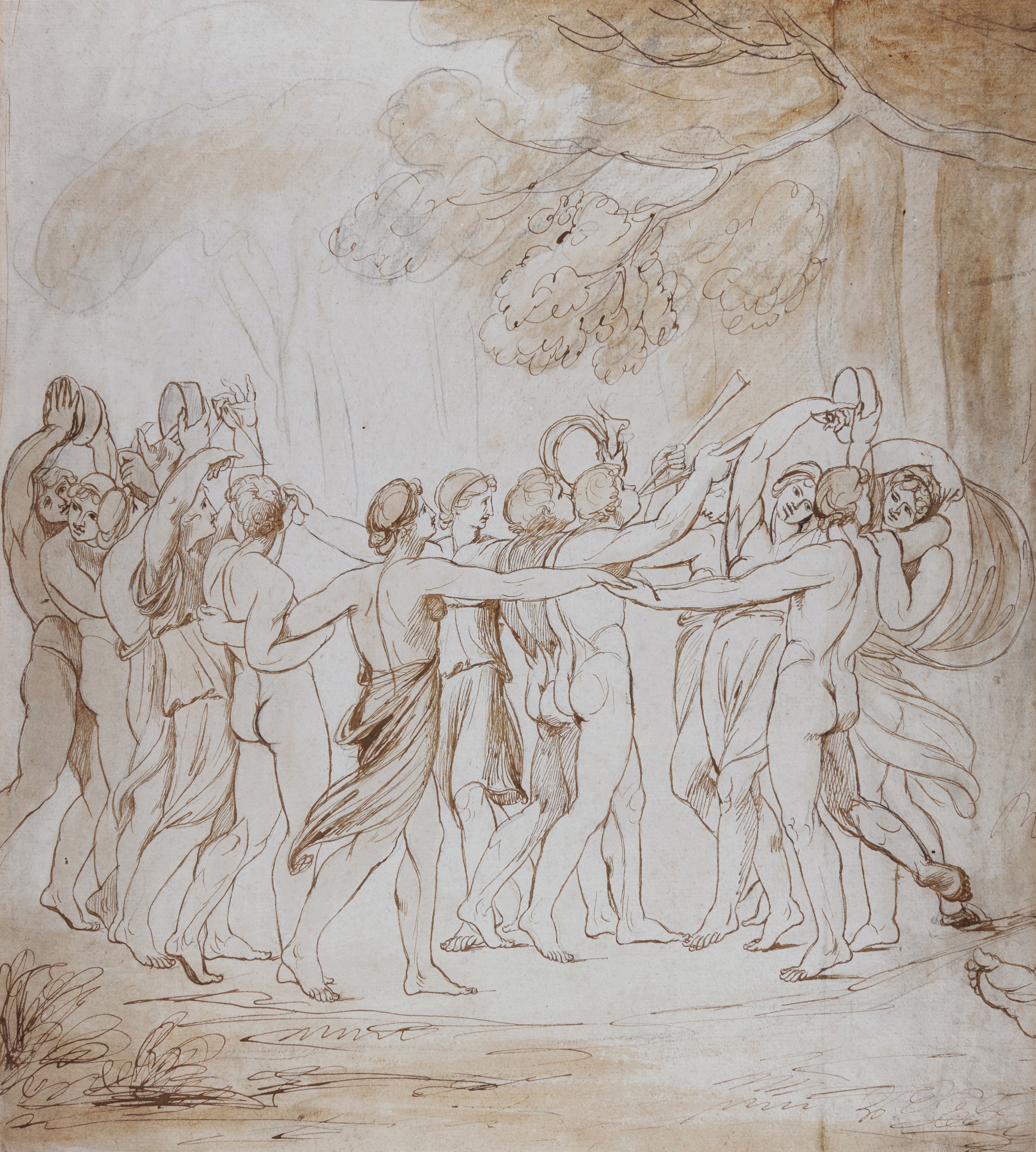
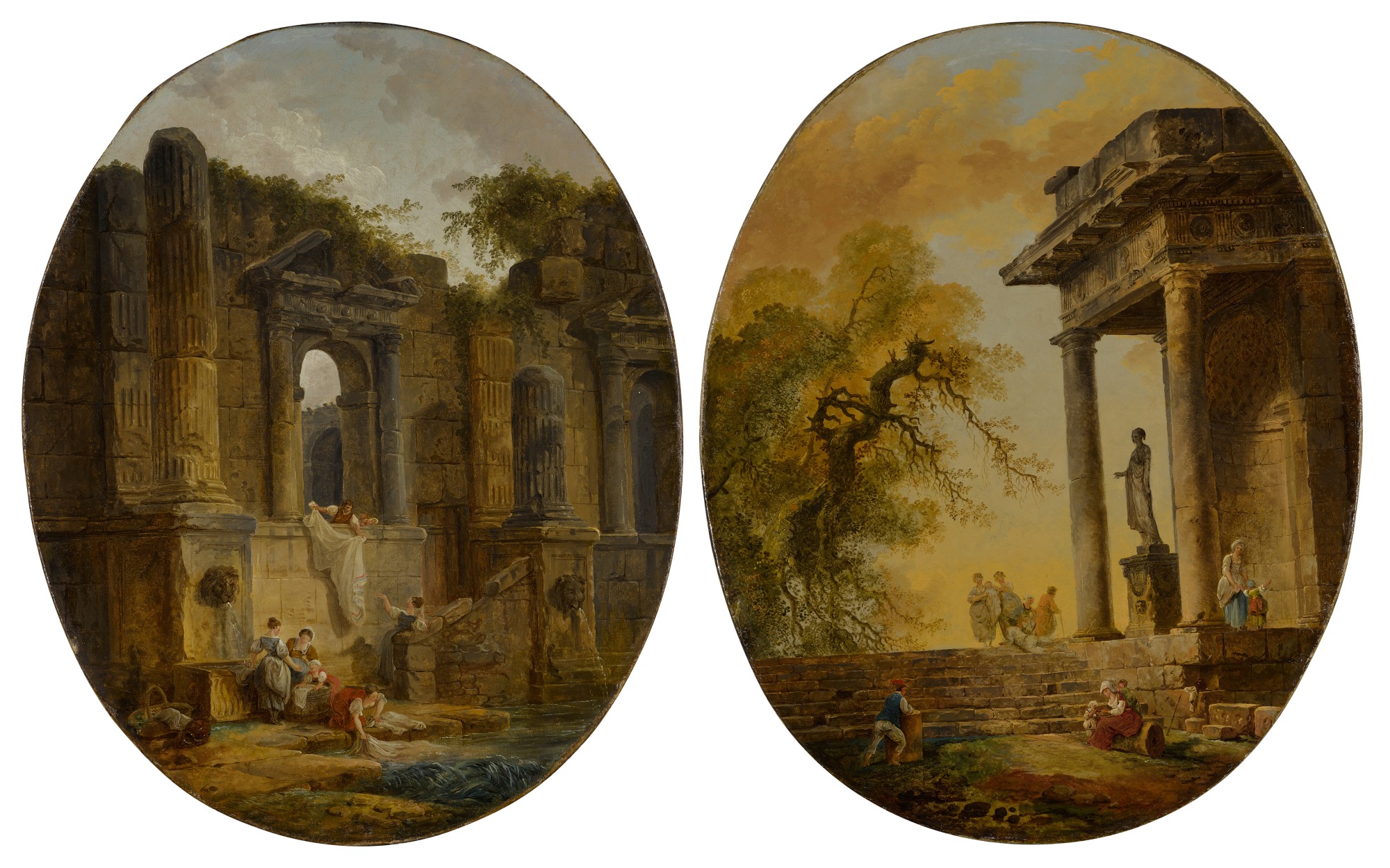
Giovanni Domenico Tiepolo, whose works appear in The Collection alongside those attributed to Giandomenico Tiepolo, brought a more ironic and at times almost melancholy sensibility to his father's grand tradition. In France, artists like Hubert Robert transformed the ruin into a meditation on time and loss, painting crumbling Roman architecture with a nostalgia that prefigures the Romantic movement. Jean Baptiste Greuze turned the sentimental scene of ordinary domestic life into moral drama, and the philosopher Denis Diderot adored him for it, seeing in his paintings an argument for virtue that no sermon could match. Perhaps the most extraordinary development of the eighteenth century in art historical terms was the flowering of the Japanese woodblock print tradition, the ukiyo e.
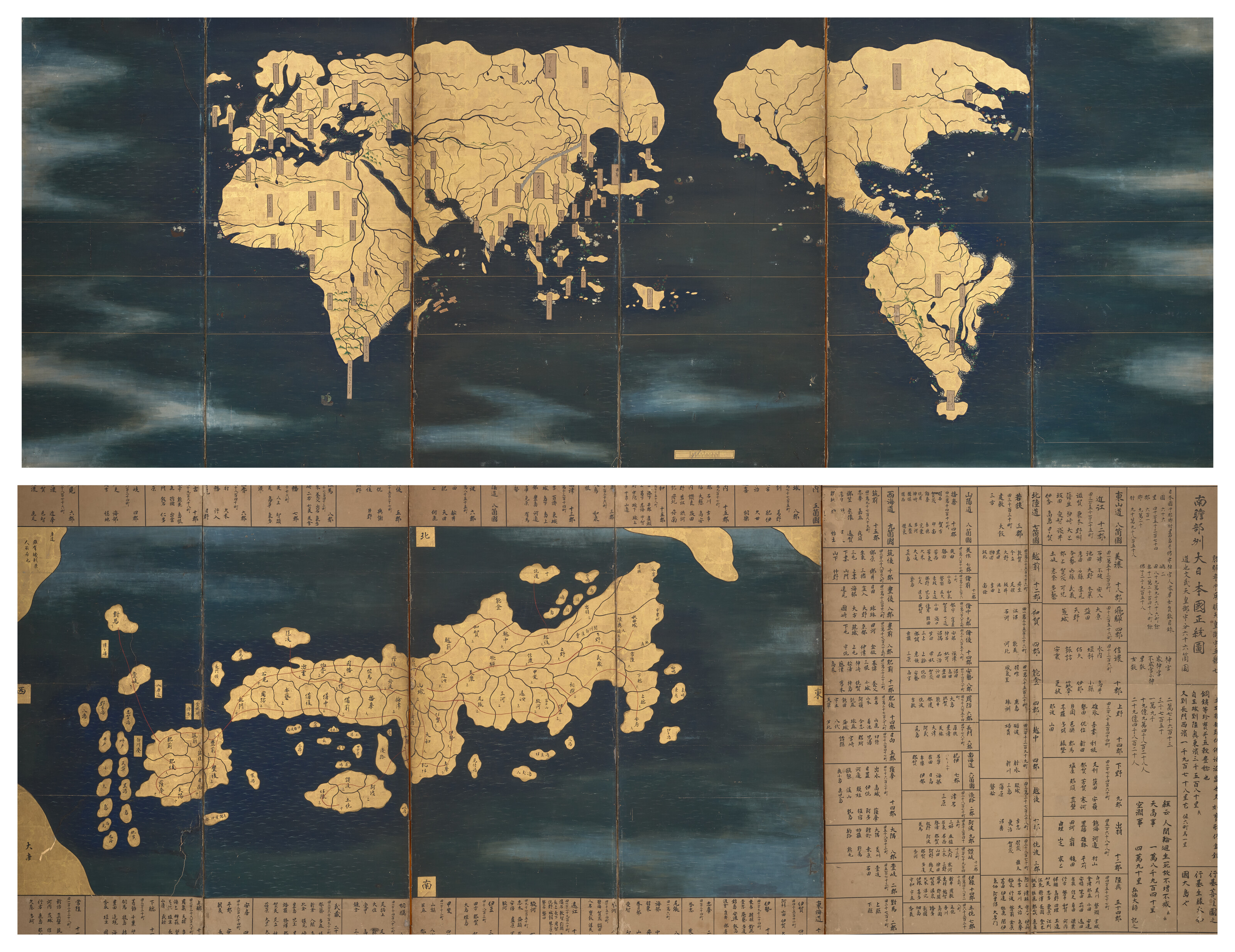
Anonymous (mid-late 18th Century)
Maps of the World and Japan
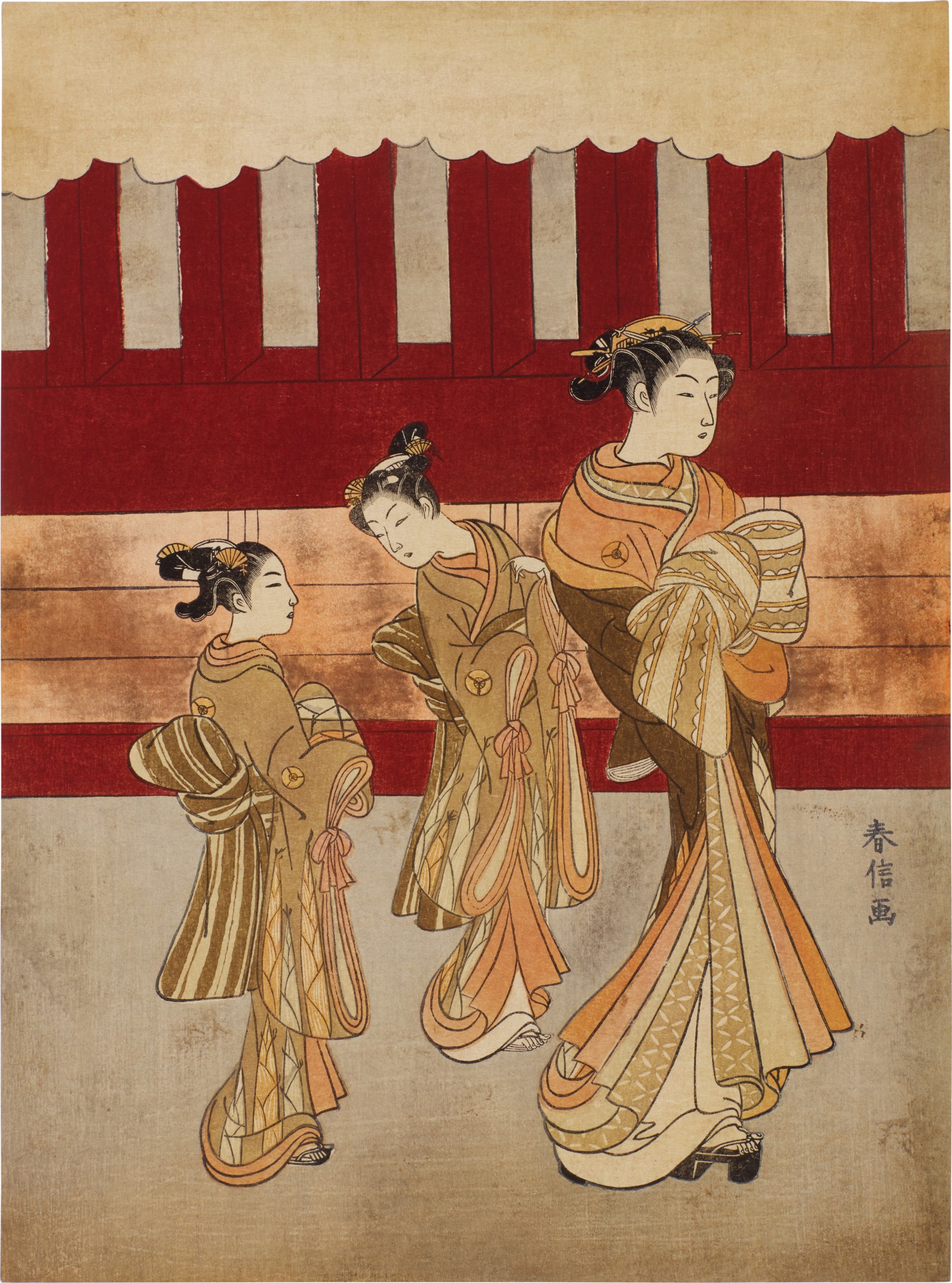
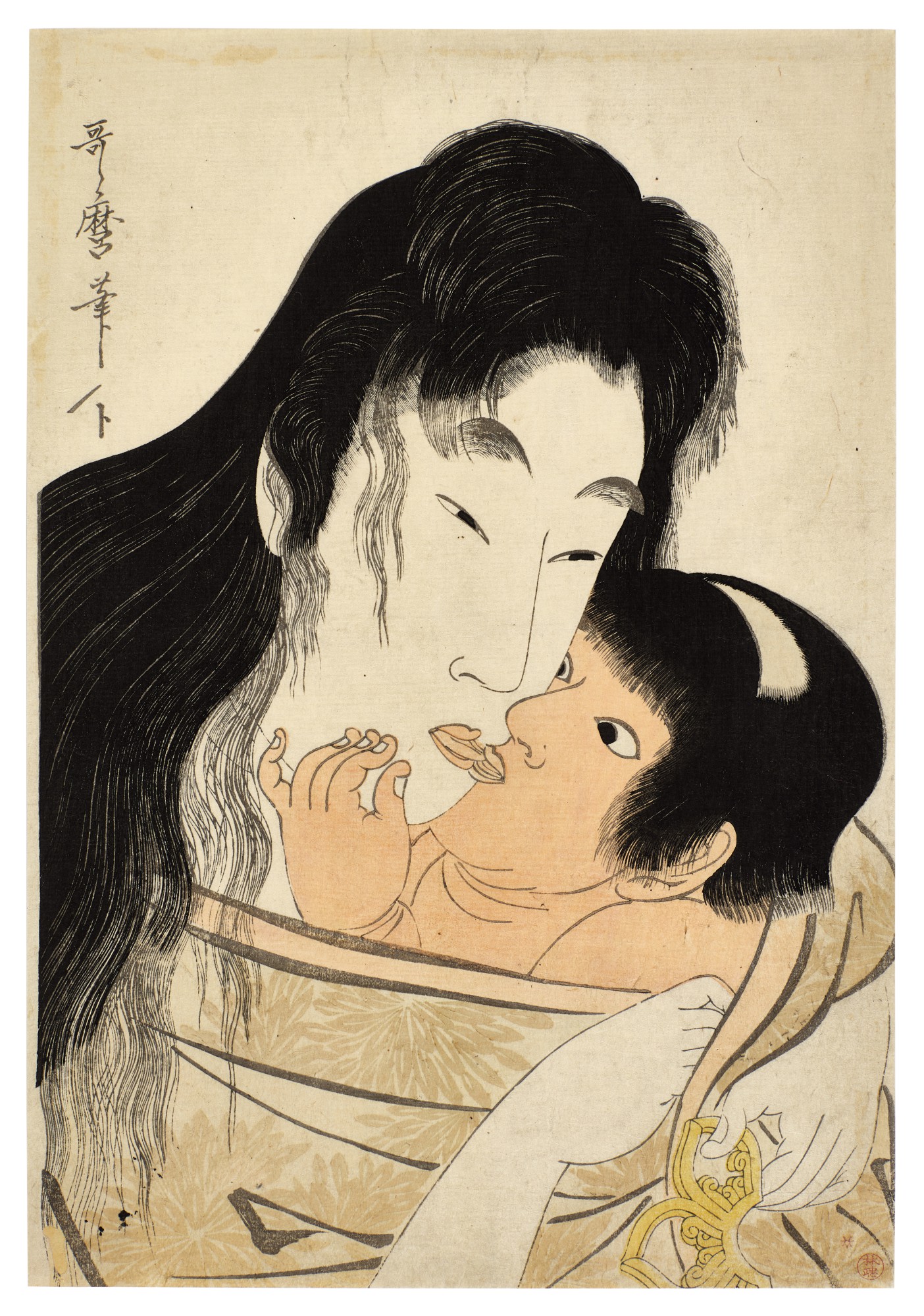
Suzuki Harunobu, whose delicate multi color prints are among the treasures on The Collection, pioneered the benizuri e and then the full polychrome nishiki e technique in the 1760s, transforming what had been a relatively modest popular medium into something capable of extraordinary refinement and feeling. Kitagawa Utamaro, also represented here, brought an almost unnerving psychological intimacy to his portraits of women, images that would travel to Paris more than a century later and change the way Degas and Toulouse Lautrec thought about the picture plane. The Edo period masters were working in an entirely different tradition from their European contemporaries, but the questions they were asking, about beauty, transience, the individual face and form, were strikingly similar. What the eighteenth century ultimately gave us was the idea that art could speak to and about everyone, not merely the divine or the dynastic.
That conversation is still ongoing. The works preserved from this period, the miniatures and portraits, the woodblock prints and vedute, the satirical prints of Thomas Rowlandson and the botanical drawings of Georg Dionysius Ehret, collectively constitute a portrait of a world on the verge of becoming modern. For collectors today, engaging with eighteenth century art means engaging with the moment when looking at another person became, in itself, a serious artistic and philosophical act. That may be the century's most enduring legacy of all.