Cuban Artist
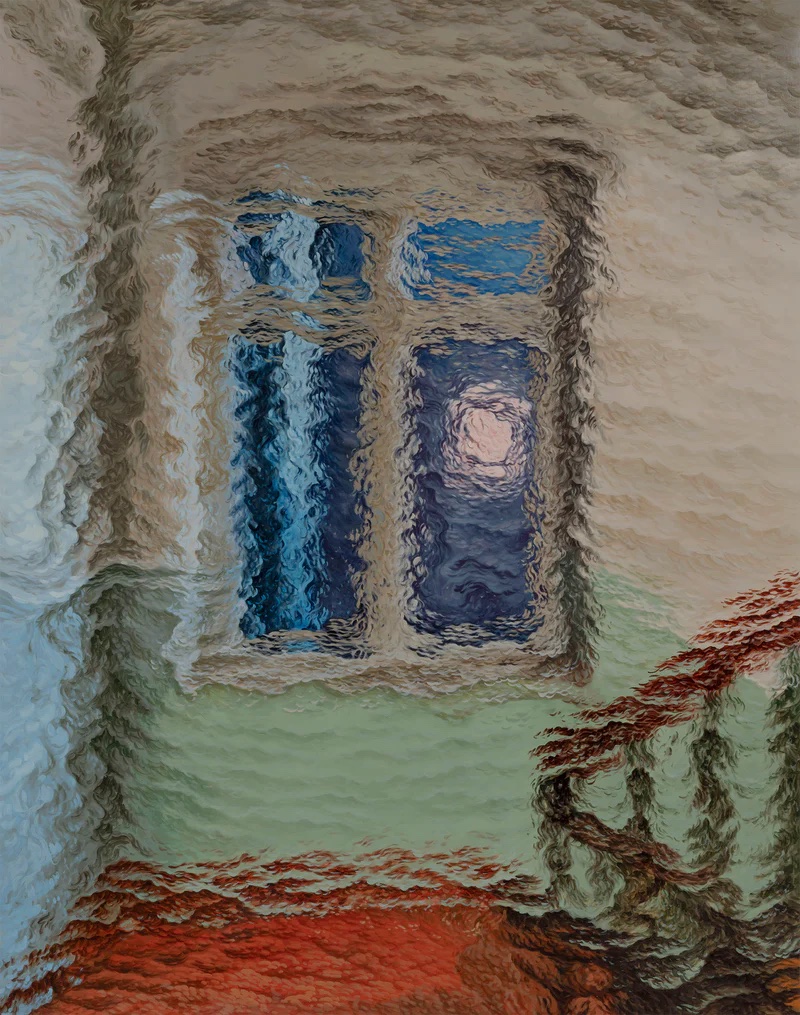
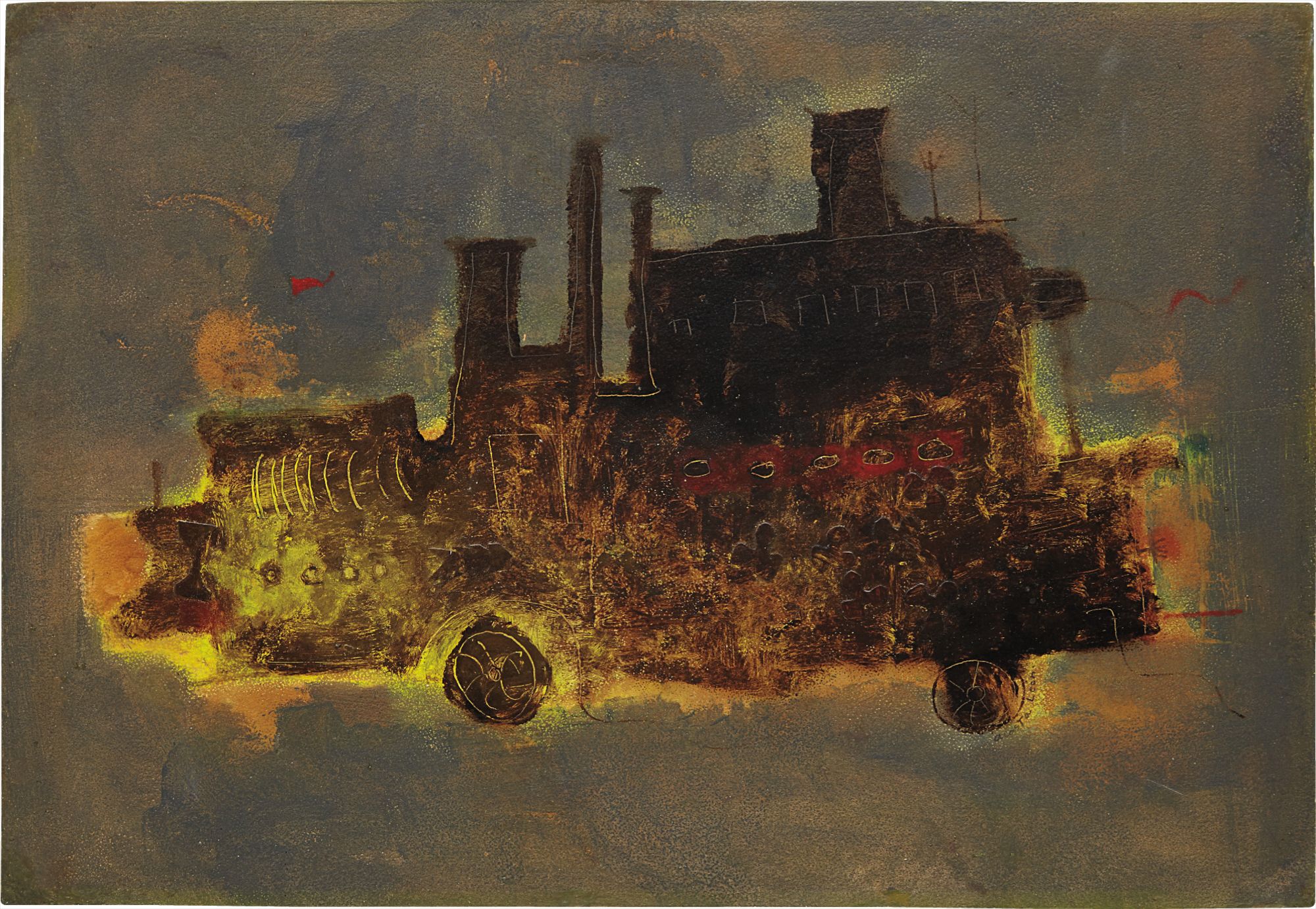
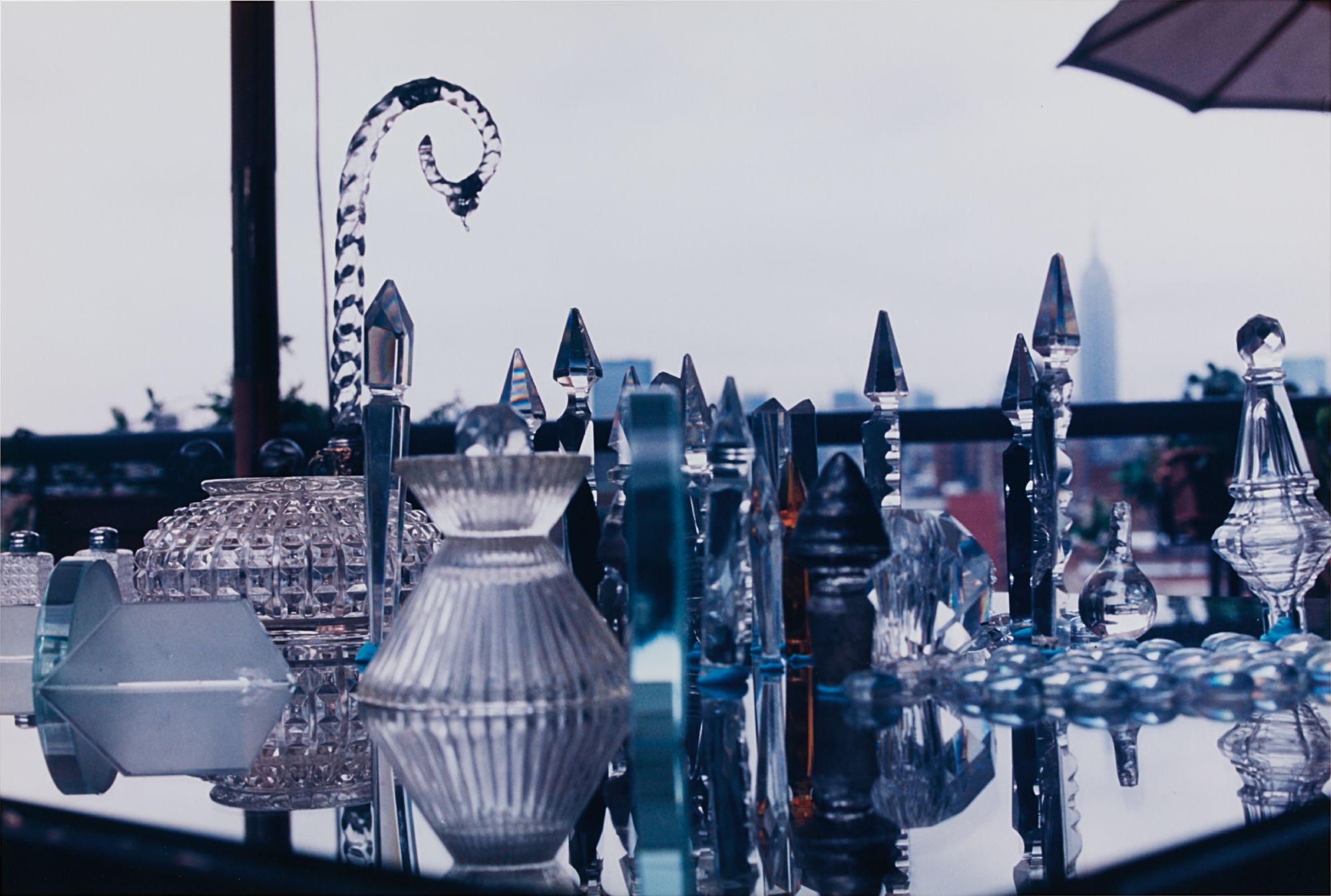
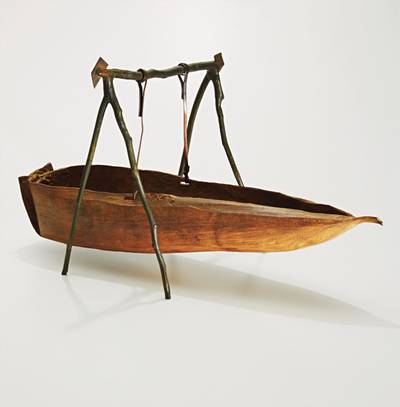
Diango Hernández
Premonición, 2022
Cuba's Art Market Moment Has Finally Arrived
There is something almost ineffable about living with Cuban art. Collectors who have spent time with it describe a quality of heat in the work, a compressed energy that feels like it was made under pressure, which in many cases it was. The imagery moves between the sacred and the political, the lush and the austere, with a fluency that takes years to fully appreciate. This is art that changes as you change, that reveals new layers the longer it hangs in your home, and that quality of sustained engagement is precisely what serious collectors are looking for.
The broader art world has been catching up to what a smaller circle of devoted collectors has known for decades: Cuban modernism and the extraordinary generation that emerged from the 1980s Havana art school renaissance represent some of the most undervalued territory in the entire twentieth and twenty first century canon. Interest has accelerated since the brief diplomatic thaw of the Obama era, and while political conditions have remained complicated, the appetite for Cuban work has not diminished. If anything, the difficulty of accessing certain artists directly has made the secondary market more active and the works themselves more coveted. What separates a good Cuban work from a truly great one comes down to a few things.
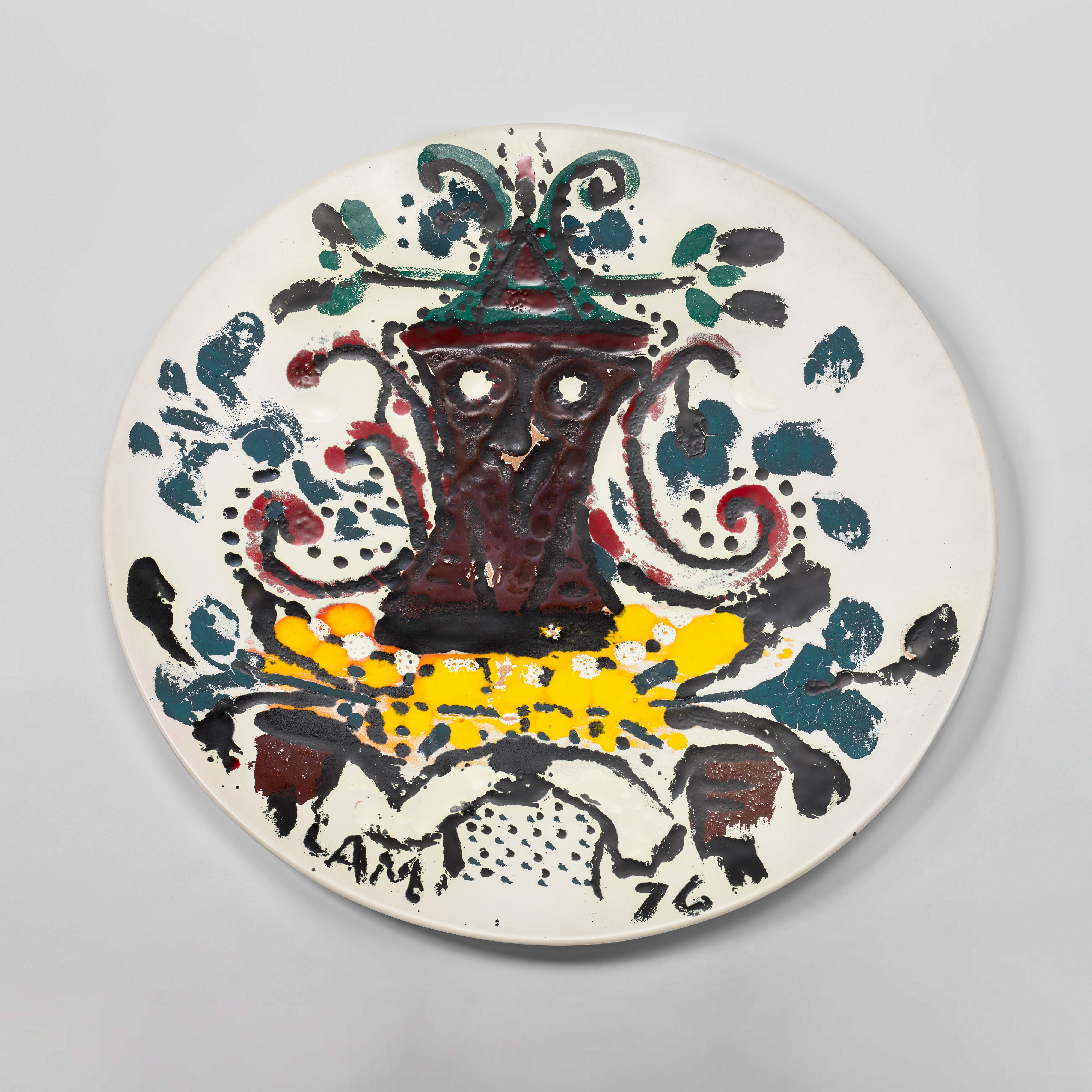
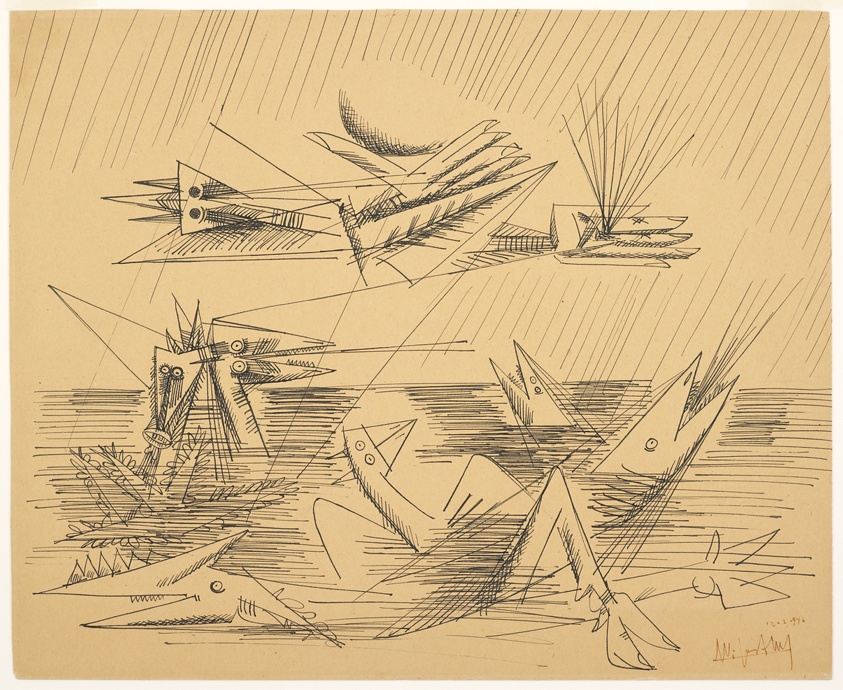
Wifredo Lam
Masque, 1976
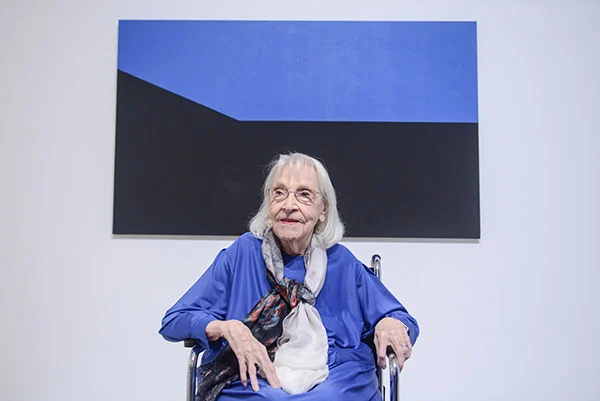
The first is presence: Cuban art at its best carries a visual weight that transcends its physical dimensions. The second is legibility without simplicity. The finest works by figures like Wifredo Lam or Carmen Herrera operate on multiple registers simultaneously, holding formal rigor and cultural depth in careful tension. A collector should look for works where the biographical and the universal feel fused rather than merely adjacent.
Provenance matters enormously here, as works that passed through important Cuban institutions or traveled in early international exhibitions carry a documentary significance beyond their aesthetic value. For collectors building a serious position, the anchoring figures are essential. Wifredo Lam remains the canonical reference point, a painter who synthesized Surrealism, Cubism, and Afro Cuban spiritual iconography into something genuinely unprecedented. His market is well established, with major works commanding auction records that confirm his place in the global modernist conversation.
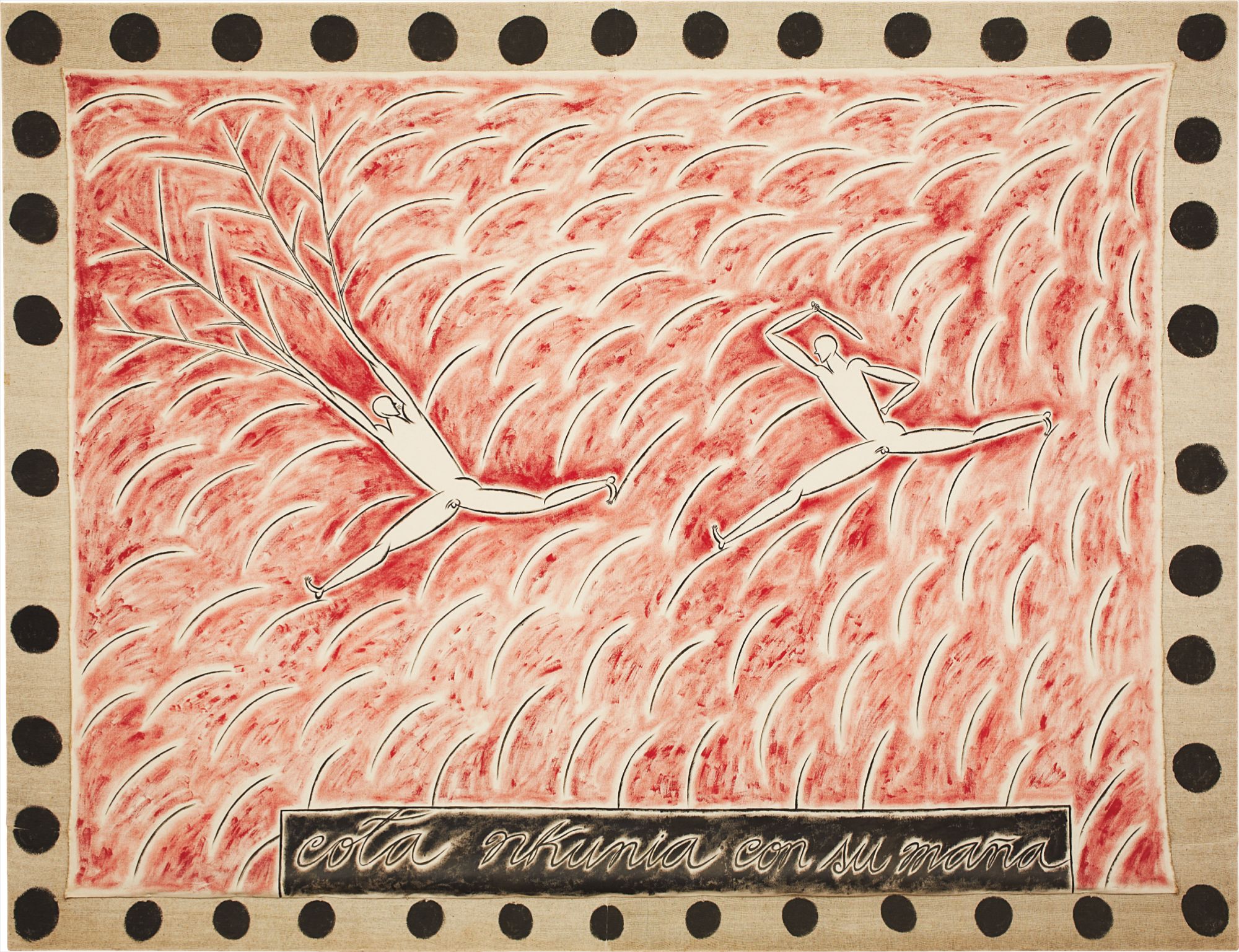
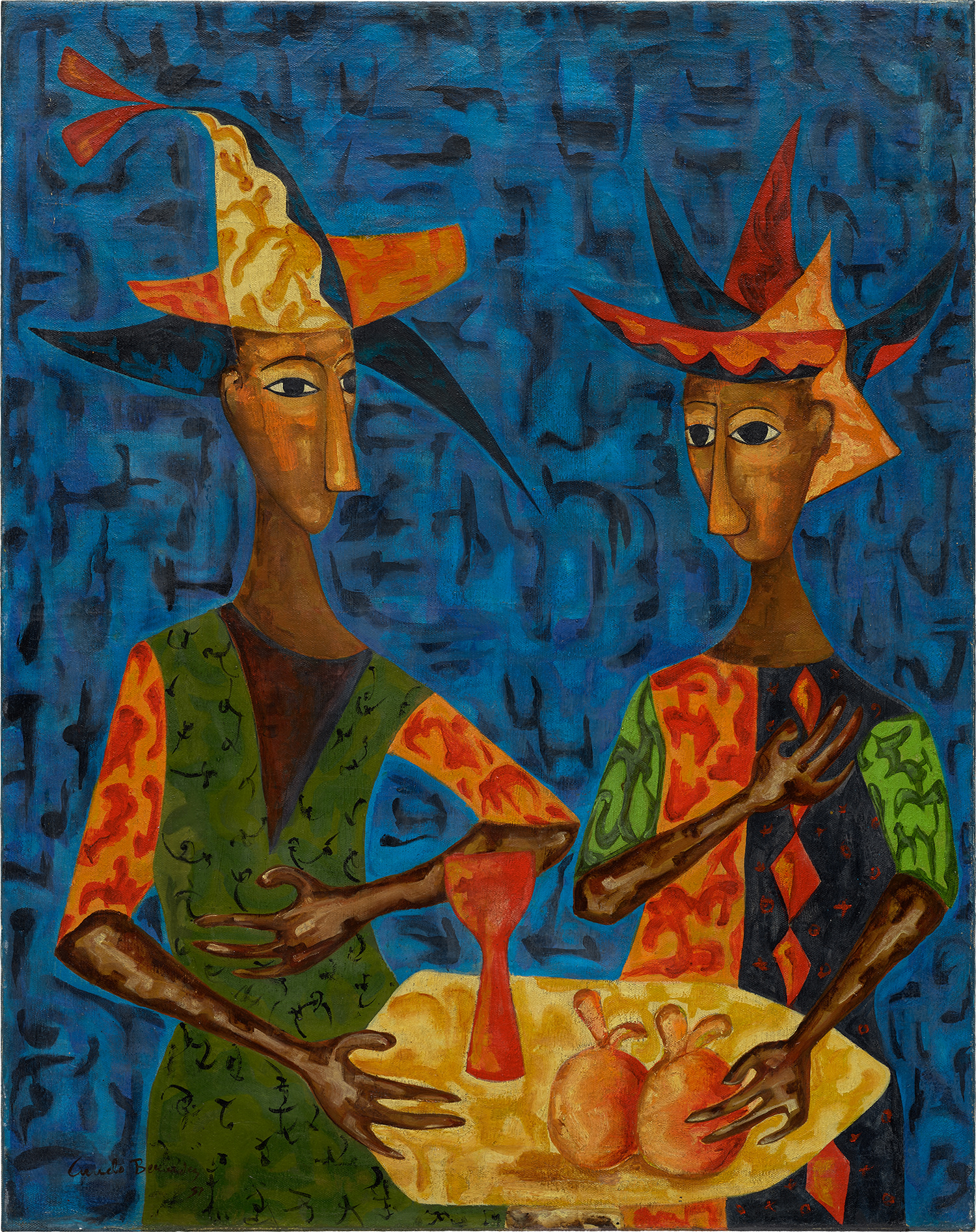
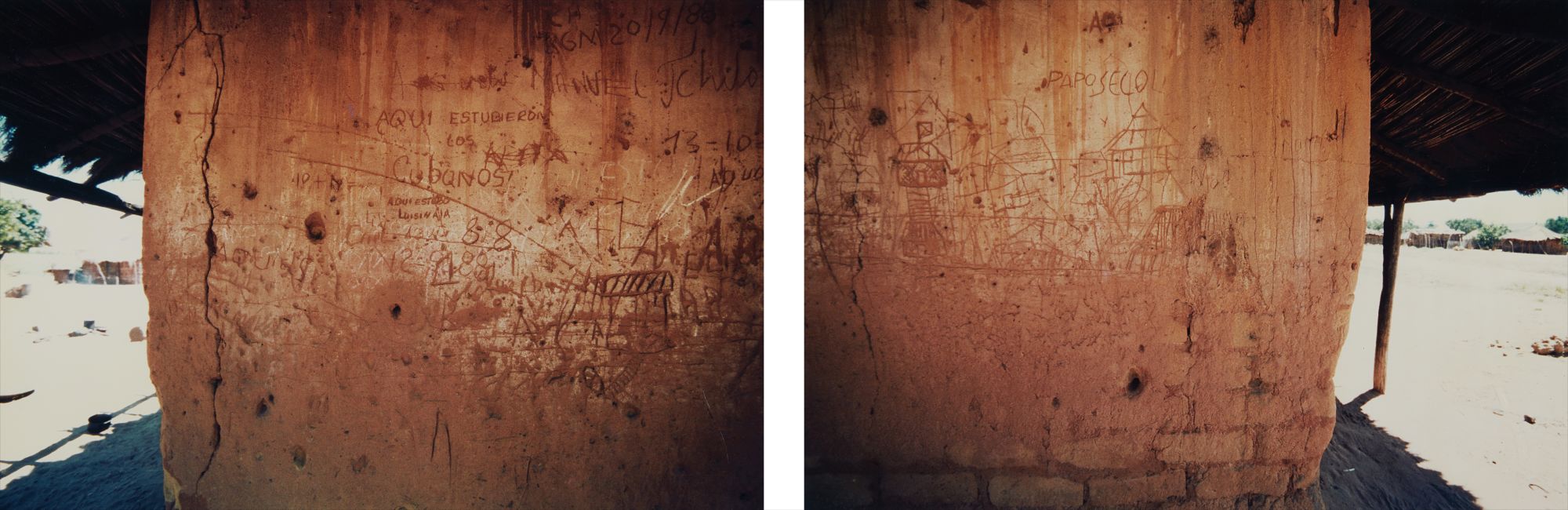
José Bedia
Cota nkunia con su maña
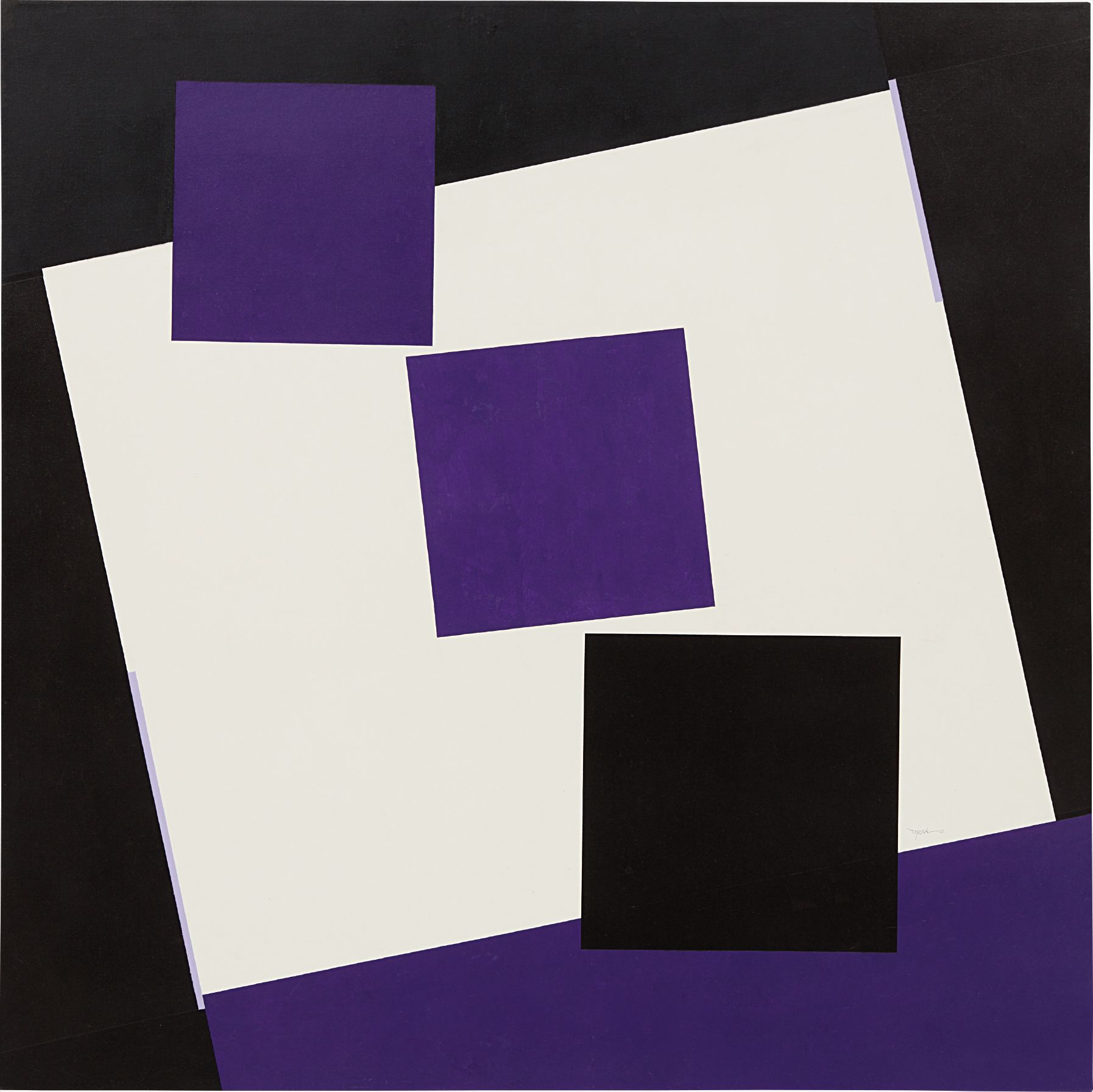
Carmen Herrera, who received her long overdue institutional recognition in her late nineties, offers a different kind of opportunity: her hard edge geometric abstraction is now understood as foundational rather than peripheral to the story of postwar abstraction, and works that were overlooked for decades are now being repositioned accordingly. On The Collection, both artists are well represented and offer collectors the chance to study range across different periods. The strength of the generation that came of age in the 1980s and 1990s cannot be overstated. José Bedia, whose work draws deeply from Palo Monte religious practice and indigenous cosmologies of the Americas, has built an international reputation that shows no sign of plateauing.
Yoan Capote creates sculptures and works on canvas that speak directly to the Cuban experience of confinement, migration, and longing, and his work has attracted significant museum and institutional attention in the past decade. Manuel Mendive, now in his eighties, is finally being recognized internationally with the depth his practice deserves: his paintings function as living ceremonies, dense with Yoruba symbolism and a painterly sensuality that is unlike anything else in the market. Collectors who acquired his work early are sitting on positions that have appreciated substantially. The emerging tier deserves careful attention right now.
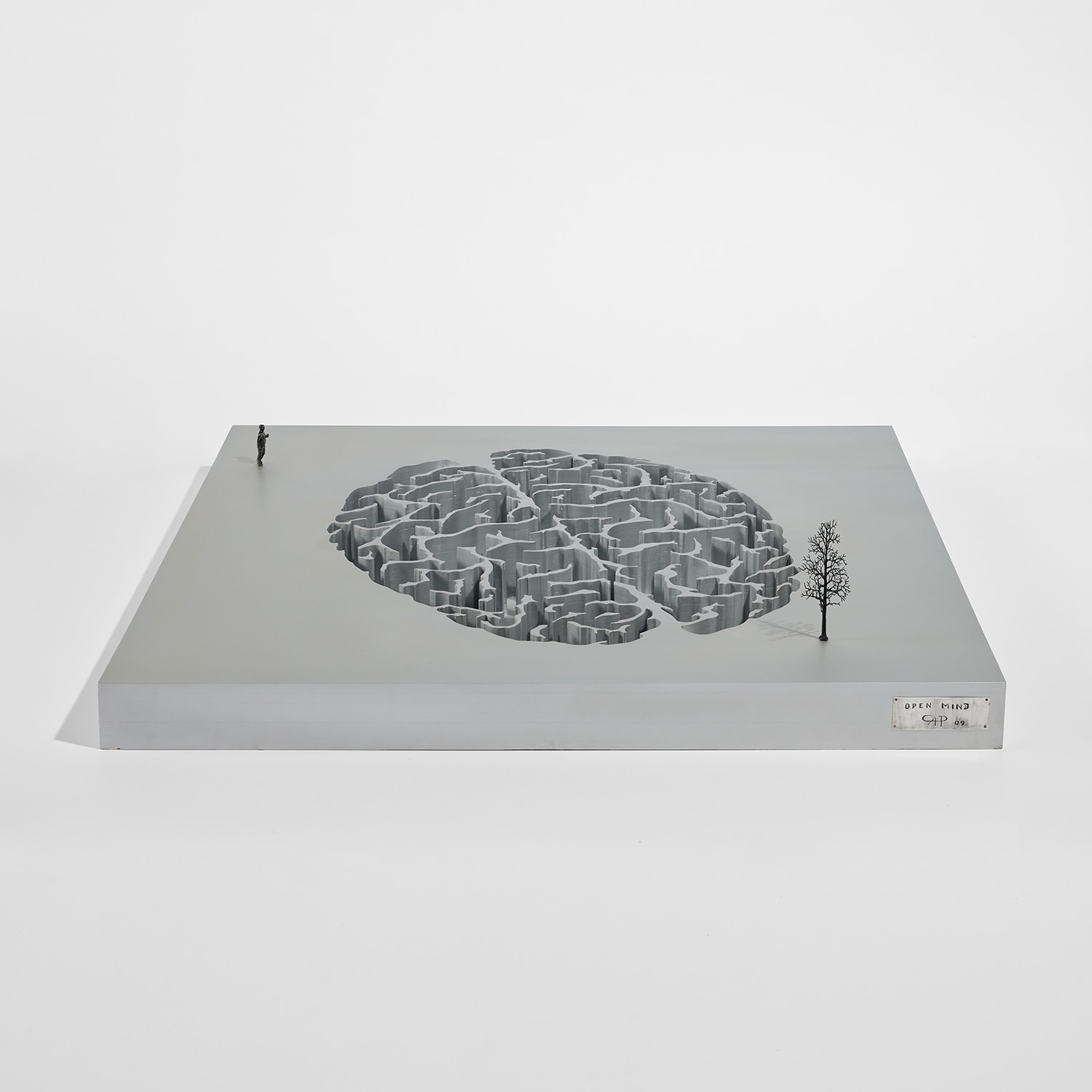
Yoan Capote
Open Mind, 2009
Carlos Garaicoa works primarily with architecture and urban memory, creating installations and photographic works that interrogate the built environment of Havana with extraordinary conceptual precision. His gallery representation is strong across Europe and the Americas, and his institutional profile continues to grow. Tania Bruguera occupies a category of her own as one of the most important performance and social practice artists working anywhere in the world today, and while her work presents unique collecting challenges given its nature, editioned documentation and related objects do appear on the market. For collectors interested in figuration, Douglas Pérez Castro brings a dreamlike psychological intensity that places him in dialogue with both European Surrealism and the Cuban tradition without being reducible to either.
At auction, Cuban work performs with notable consistency in the mid tier and shows genuine momentum at the upper end. Lam, Herrera, and Amelia Peláez have established reliable floors, while artists like Kcho and Roberto Fabelo present what advisors call asymmetric upside: their auction results remain below where their critical standing would suggest they should be, which is precisely the opportunity. The secondary market for Cuban work also benefits from a relatively small number of highly motivated specialist sellers, which means that relationships matter. Knowing the right dealers in Miami, New York, and Madrid can mean access to works before they reach open auction.
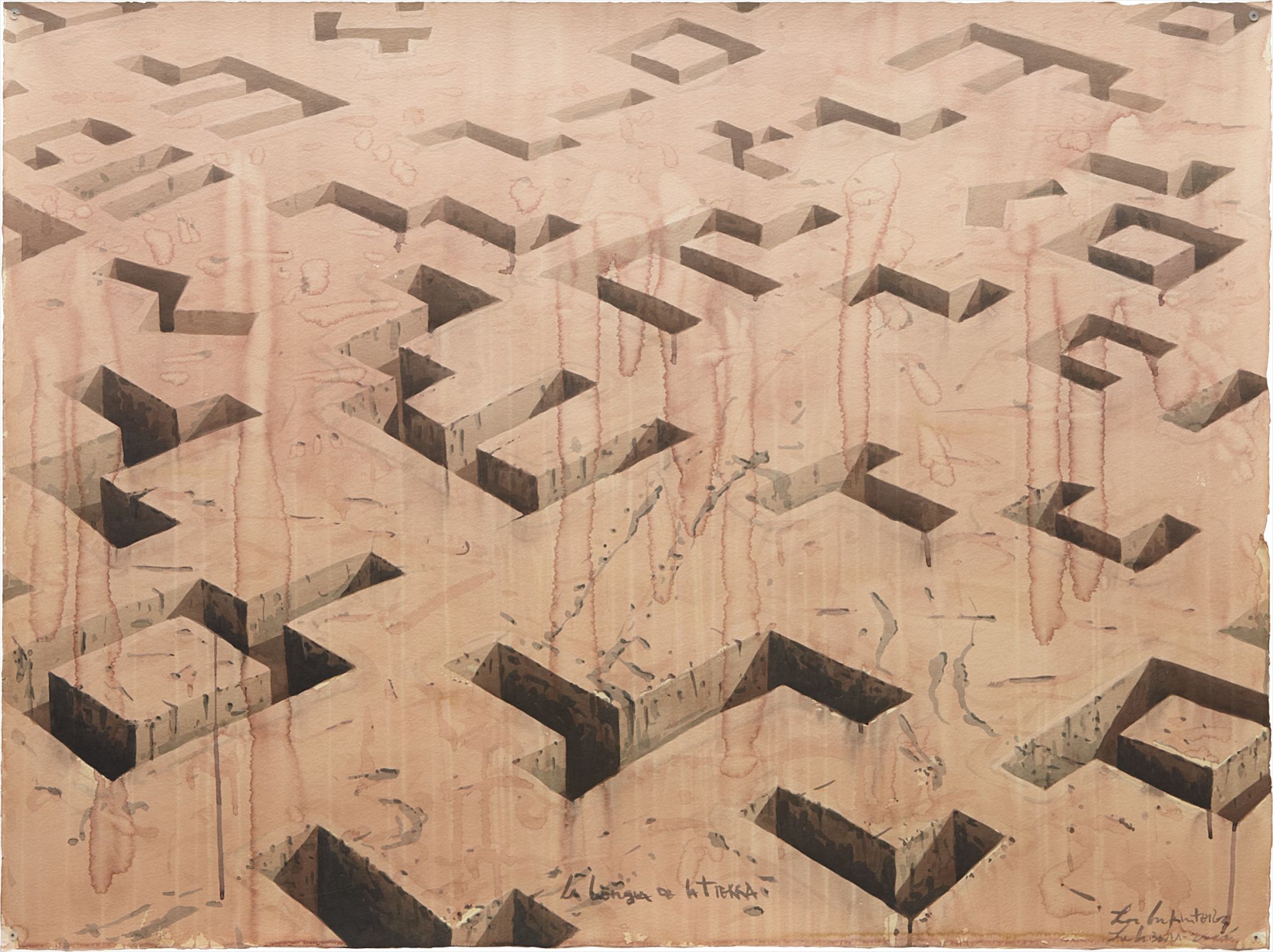
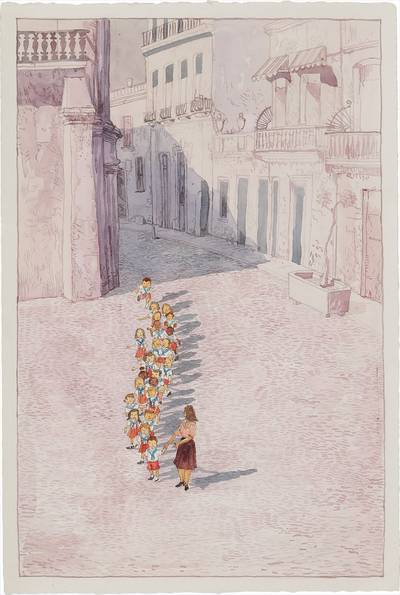
Cuba
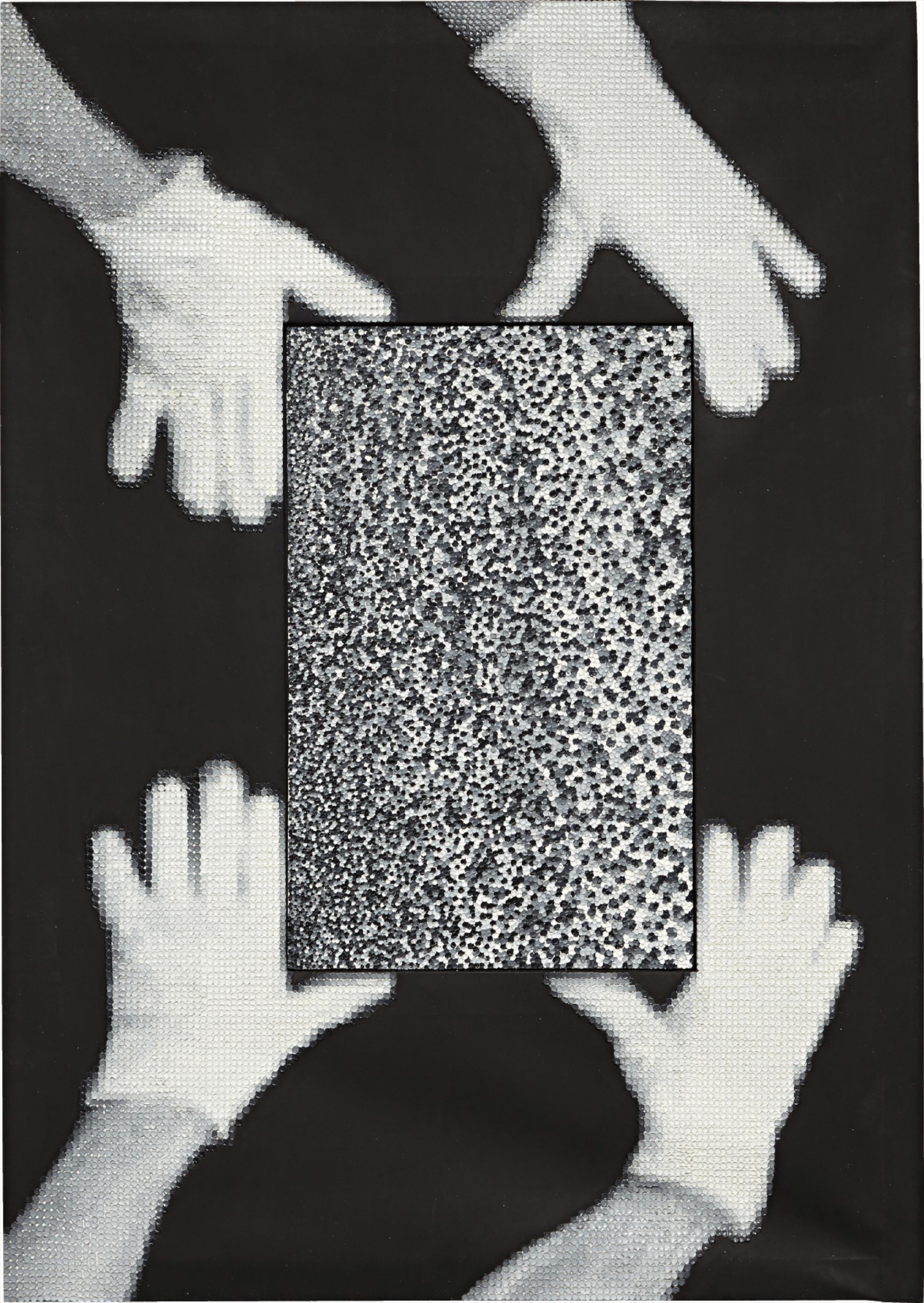
Los Carpinteros
Practical considerations for collectors are worth taking seriously. Many works on paper from Cuban artists of the mid twentieth century have condition issues related to the climate and material constraints of production, so a thorough condition report from a conservator familiar with Latin American works on paper is not optional. For contemporary artists, ask galleries directly about edition sizes and whether the artist has authorized posthumous editions, as this question is increasingly relevant and not always volunteered. When considering works by artists who live and work primarily in Cuba, ask about export documentation carefully, as the legal and institutional landscape around cultural property is specific and worth understanding before you commit.
Display considerations are relatively straightforward given that most Cuban work rewards natural light, but avoid direct sunlight on works that incorporate organic pigments or mixed media. The deepest argument for collecting Cuban art is not market timing, though the timing is genuinely favorable. It is that this body of work represents one of the most sustained and coherent conversations between aesthetic tradition and lived historical experience in the modern era. Collectors who spend time with it, who follow the artists across periods and support the scholarship that is still catching up to the work, become part of that conversation themselves.
That is what the best collecting has always been about.