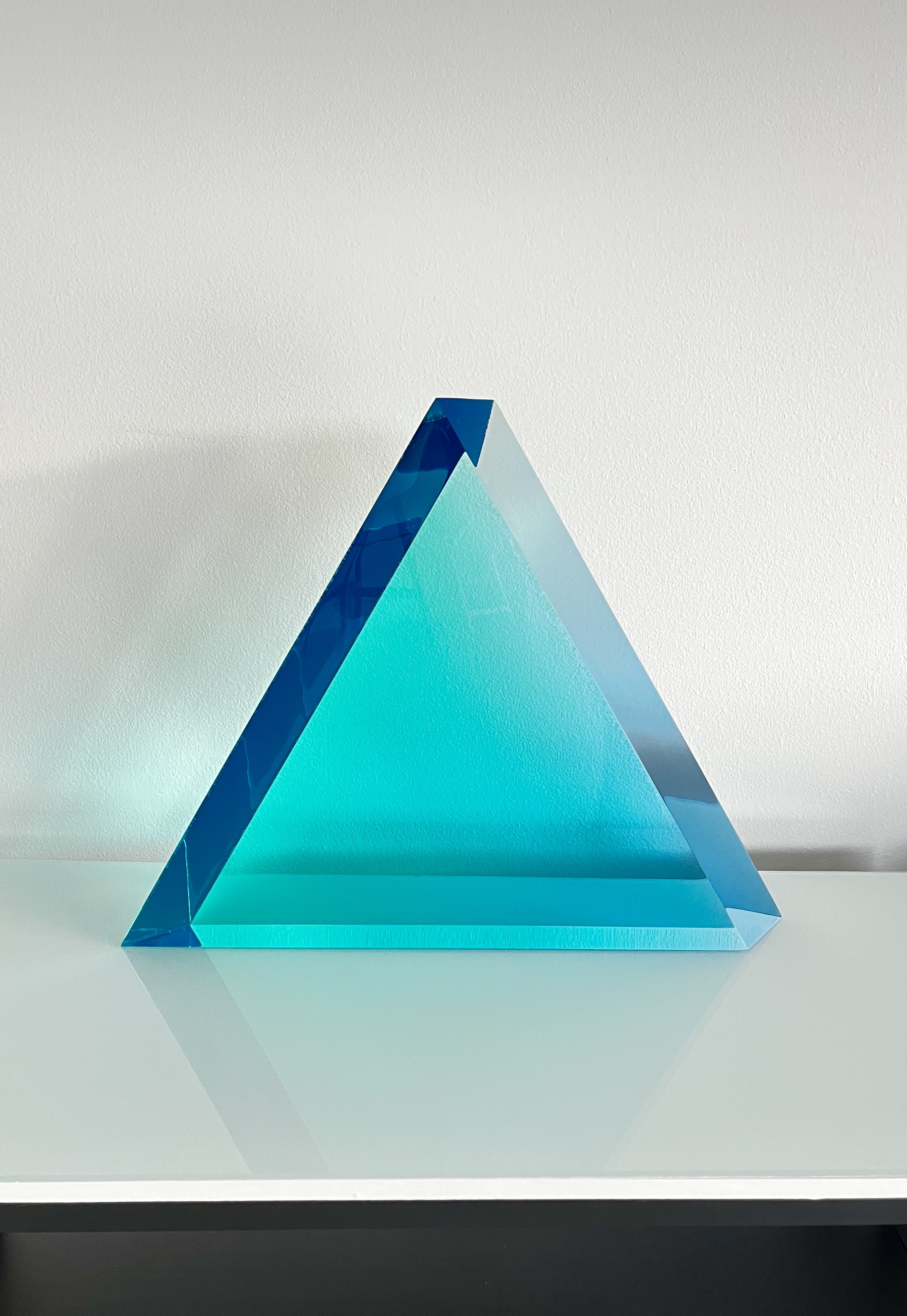
Vasa
1
Works
1
Followers
Vasa Mihich, known mononymously as Vasa, is an Argentine-born American artist celebrated for his pioneering work in optical and kinetic art using acrylic plastics. His geometric sculptures exploit the light-refracting and transmitting properties of colored acrylic to create dynamic, luminous effects that shift with the viewer's perspective. Vasa has exhibited internationally and his works are held in major museum and private collections worldwide.
Collectors
Artists in conversation

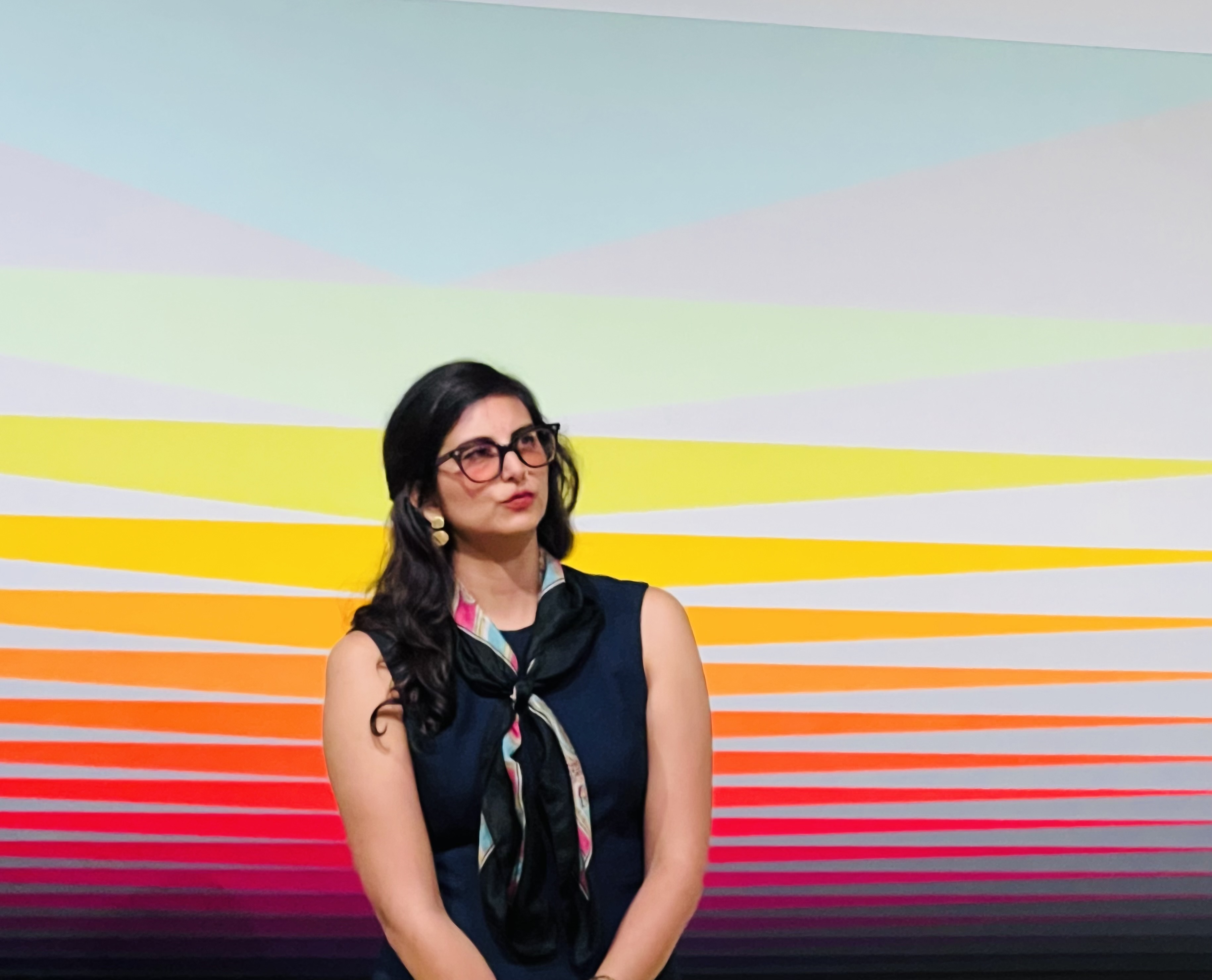
Julio Le Parc
Le Parc shares Vasa's Argentine roots and deep engagement with optical and kinetic art, using reflective and light manipulating materials to create perceptually shifting experiences for the viewer. Collectors drawn to Vasa's luminous geometric work consistently find a compelling parallel in Le Parc's light installations and kinetic sculptures.
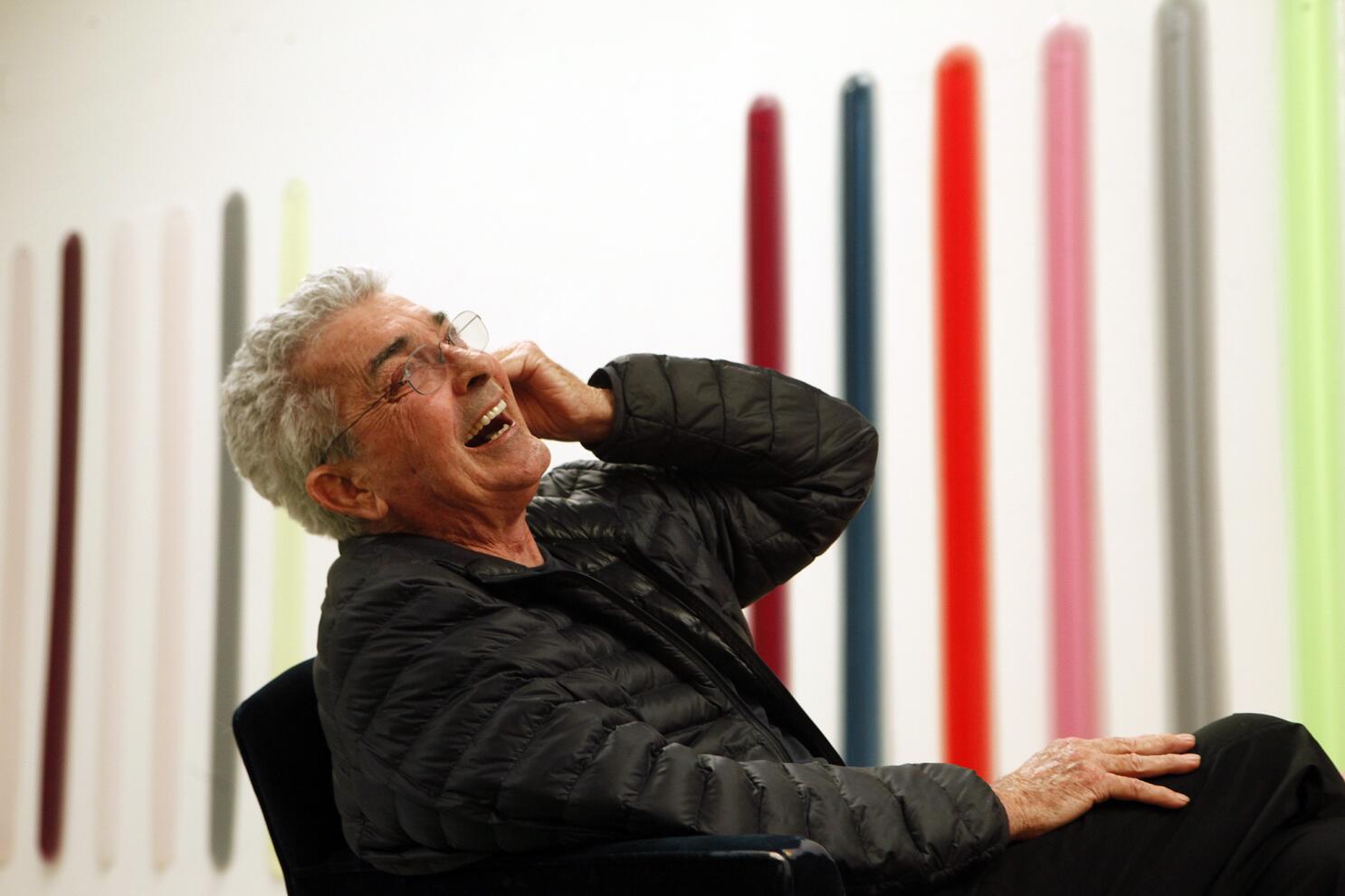
Peter Alexander
Alexander similarly exploited cast polyester resin and acrylic plastics to produce translucent, light saturated geometric objects that reward the viewer with color and luminosity. His Finish Fetish sensibility and preoccupation with light transmission through synthetic materials closely aligns with Vasa's sculptural approach.
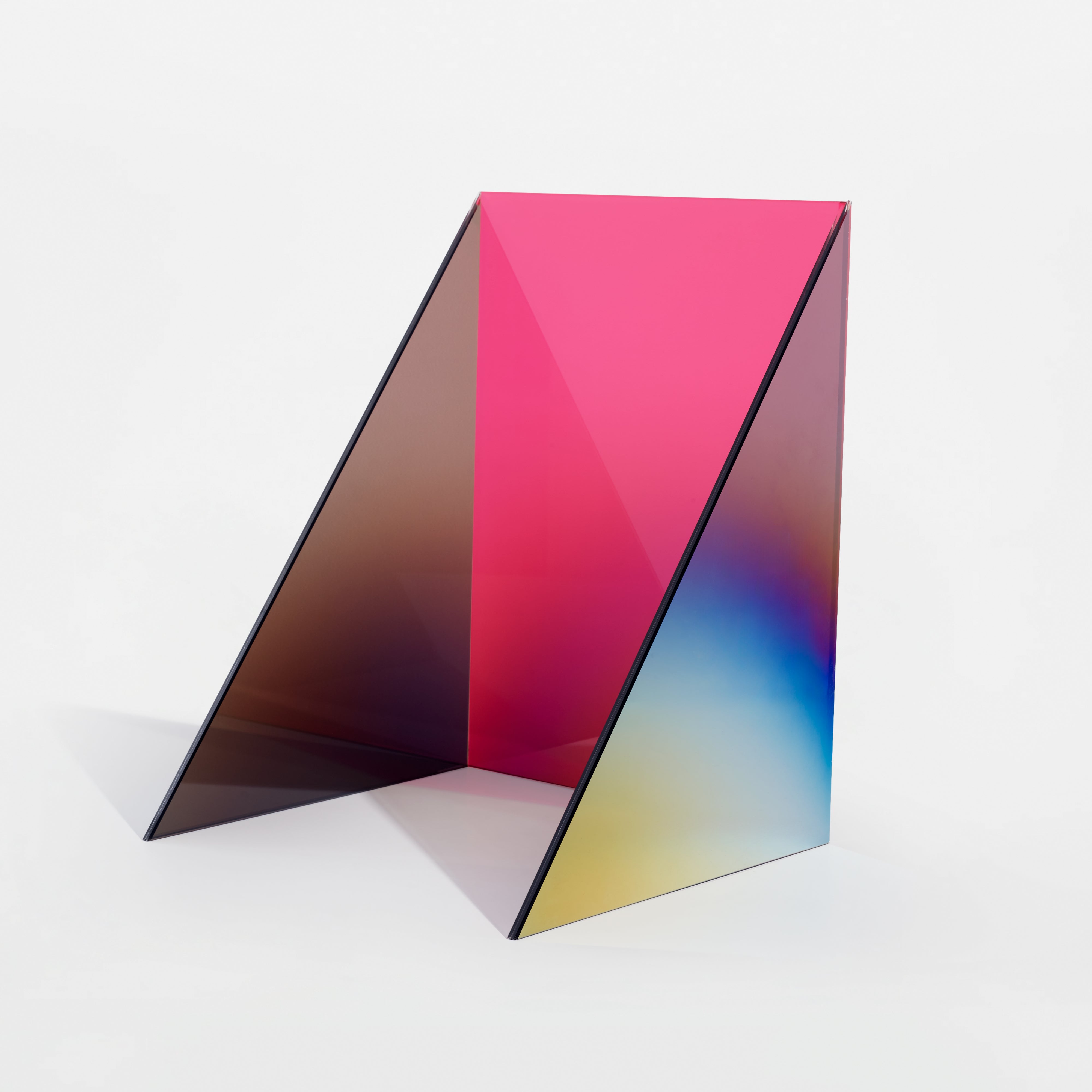
Larry Bell
Bell's coated glass cubes and vapor deposited surfaces produce shifting, iridescent optical effects that parallel Vasa's refraction based acrylic sculptures. Both artists transform industrial transparent materials into meditations on light, color, and perceptual change.
Artists who inspired them
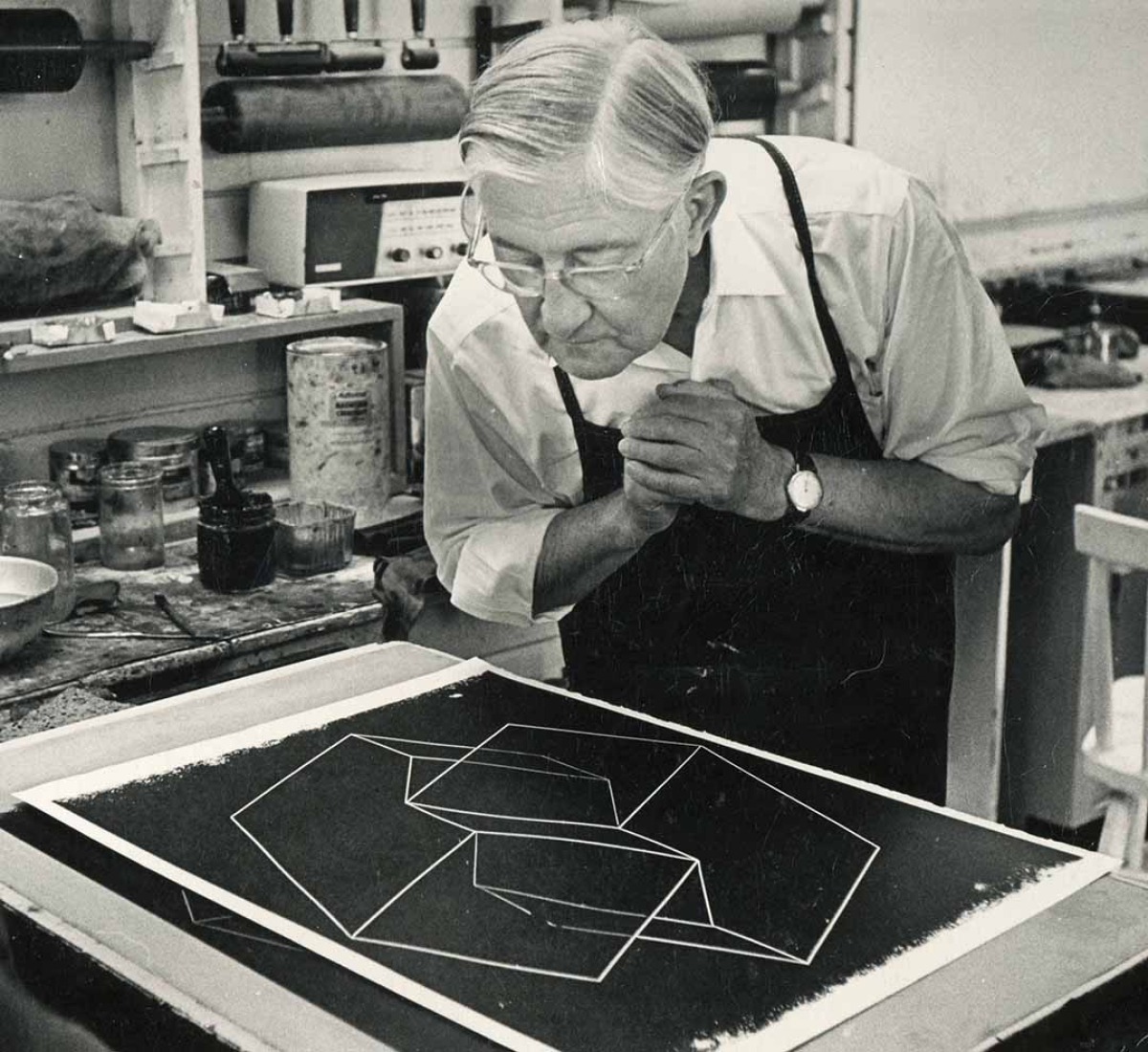
Josef Albers
Albers pioneered the systematic study of color interaction and optical perception through geometric abstraction, laying theoretical groundwork that directly informed Vasa's investigations into how color and form shift under changing viewing conditions. His Bauhaus rooted rigor provided Vasa with a conceptual foundation for exploring viewer dependent color experience.

Victor Vasarely
Vasarely's foundational contributions to Op Art, including his use of geometric forms to generate optical movement and spatial ambiguity, were a key precedent for Vasa's own optical and kinetic explorations. The systematic use of color contrast and shape repetition to animate a static surface echoes throughout Vasa's sculptural practice.

Carlos Cruz-Diez
Cruz-Diez developed rigorous investigations into color autonomy and additive color phenomena using physical structures that modulate light, directly anticipating the optical strategies Vasa employed in his acrylic works. His Latin American kinetic art context provided a regional and conceptual lineage that shaped Vasa's approach to color and light as primary sculptural materials.