Wearable Art
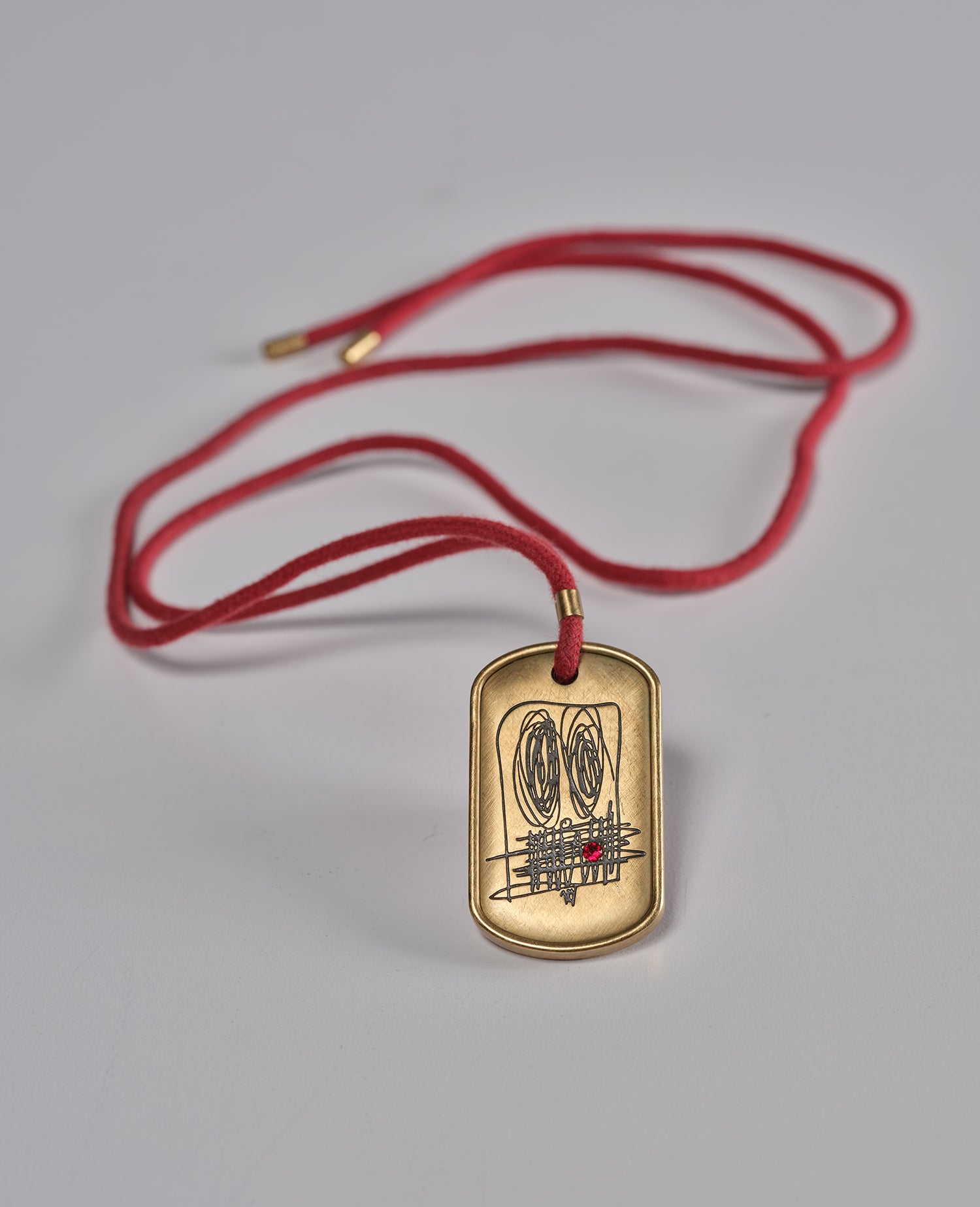
Rashid Johnson
Anxious Men Gold Military Tag






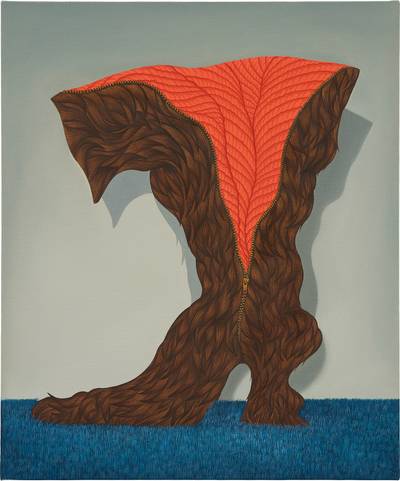
The Body as Canvas, the Canvas as Desire
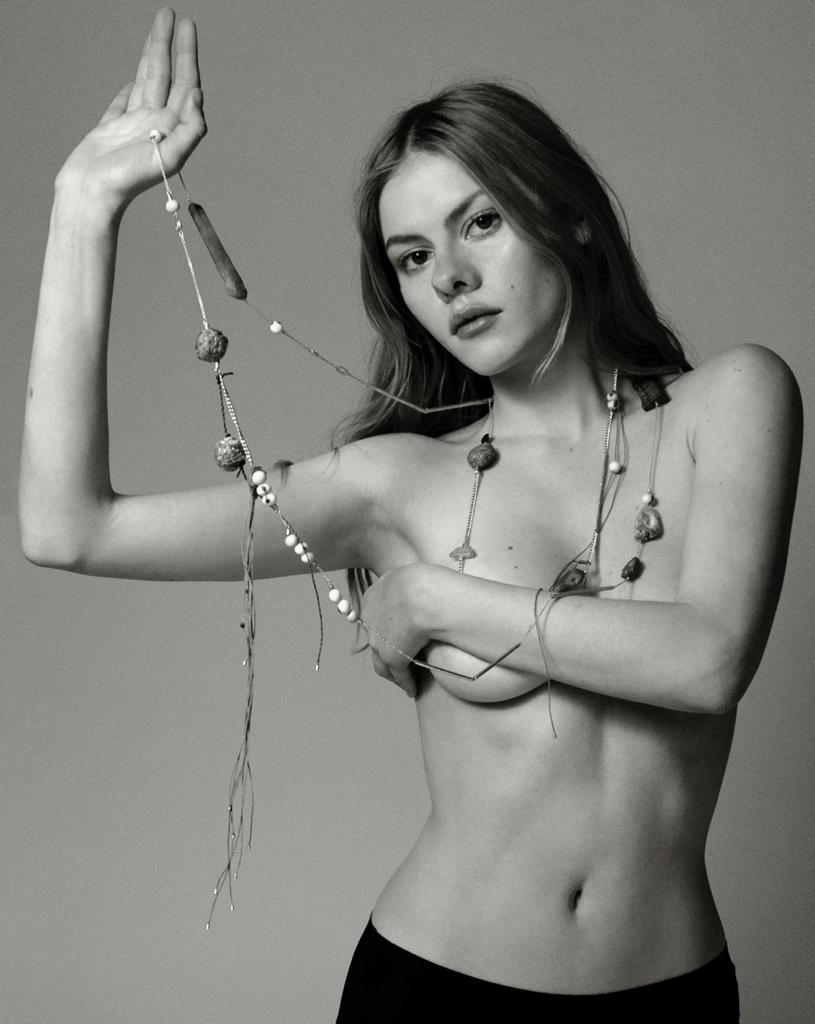
There is a particular intimacy that comes with collecting wearable art, one that separates it from almost every other category in the market. A painting asks you to stand before it. A sculpture asks you to move around it. But a piece of wearable art asks something altogether more personal: it asks to be worn, carried, pressed against skin.
Collectors who find their way into this space often describe a kind of vertigo when they first understand what they are holding. The object is simultaneously autonomous and dependent, complete on its own terms and yet somehow unfinished until it meets a body. What draws serious collectors to wearable art is rarely fashion in the conventional sense. It is the compression of intent that happens when an artist chooses a form that must function, or at least convincingly suggest function, while still communicating something beyond utility.
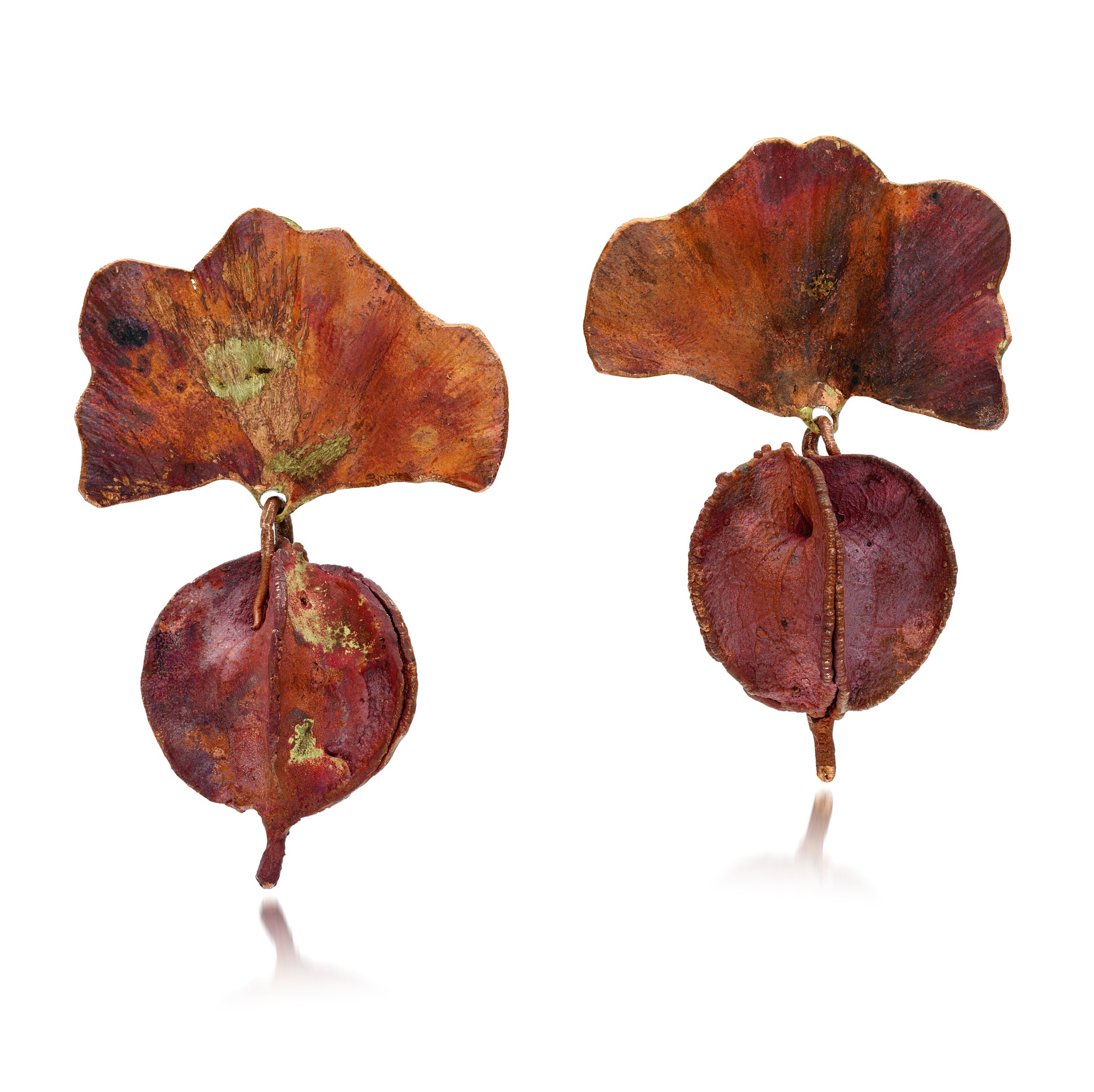
Claude Lalanne
Unique pair of earrings
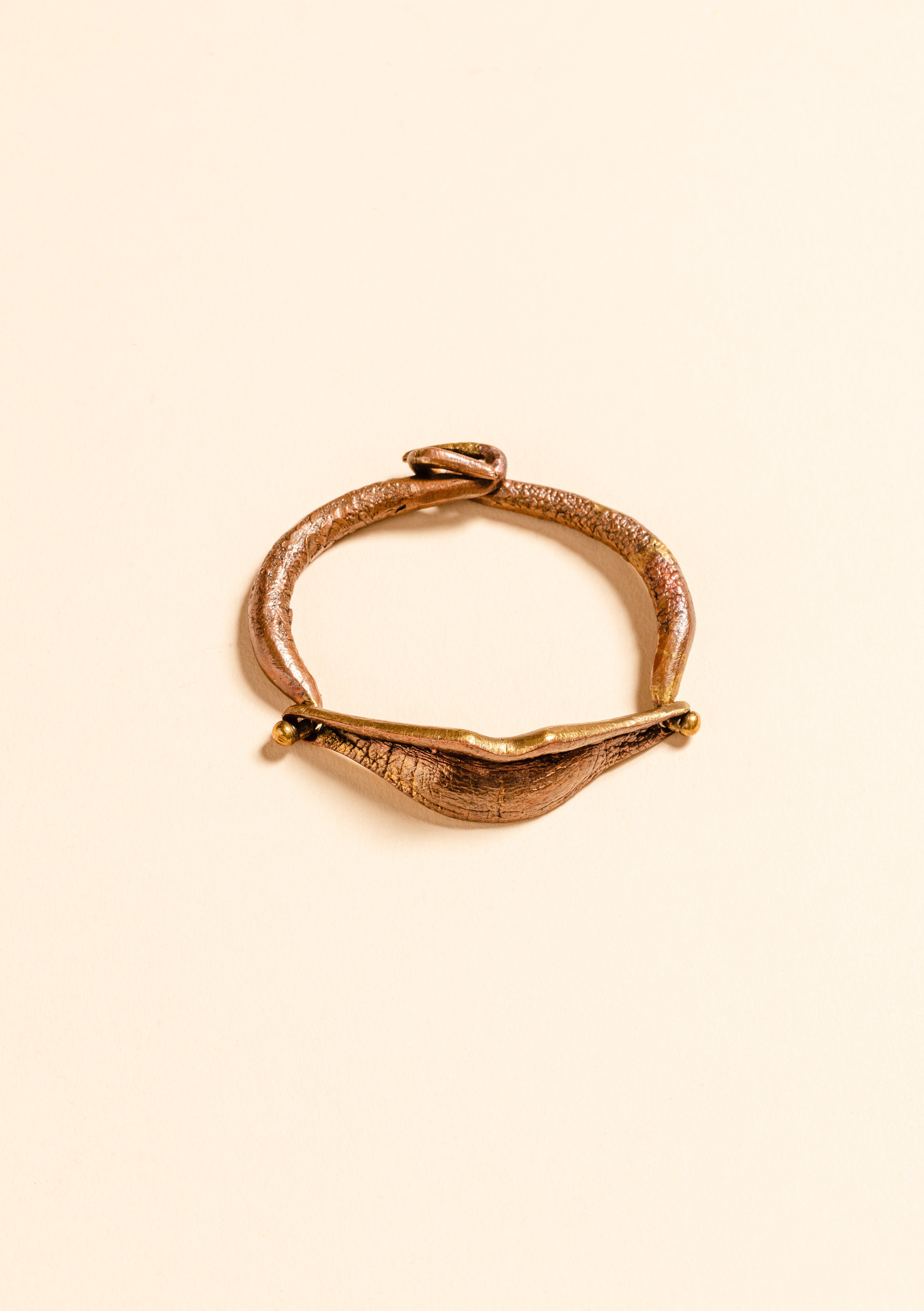
Claude Lalanne, whose extraordinary bronze and copper body casts and jewelry pieces represent some of the most significant work in this category, understood this tension with remarkable precision. Her pieces feel like discoveries, as though the natural world quietly agreed to become adornment. Owning a Lalanne necklace or cuff is not simply owning a jewel. It is owning a position on the border between the body and the garden, between the animate and the inanimate.
Separating a good work from a great one in this category requires attention to a specific set of questions. Concept and craft must reinforce each other rather than compete. Works where the artist's idea feels like a caption attached to a beautiful object rarely achieve the resonance of pieces where form and meaning have genuinely fused. You should ask whether the work could hold its ground in a vitrine, divorced from any body at all, and whether it loses something essential when it is worn.
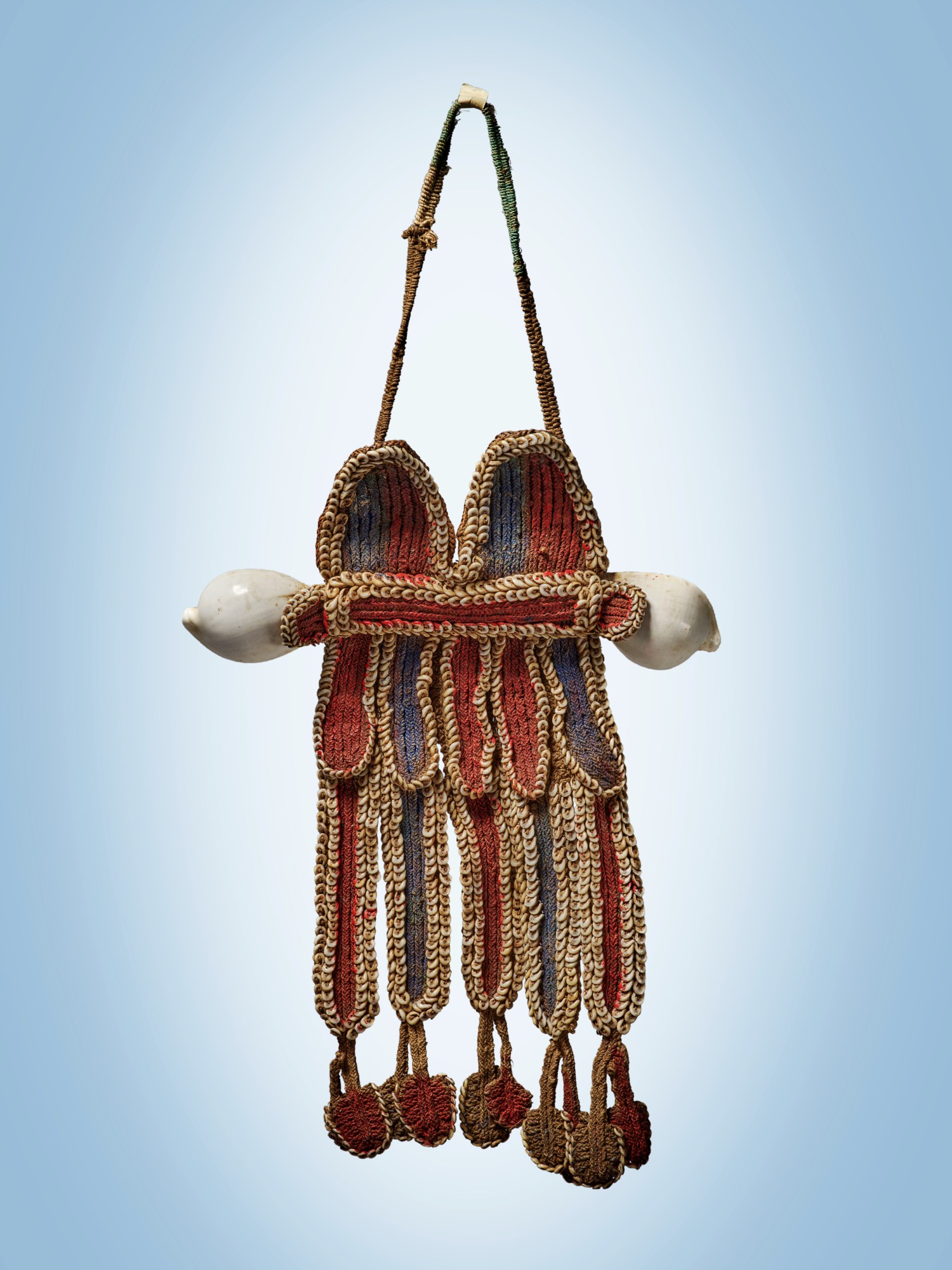
Unknown (Historical)
Bena Bena Pectoral, Eastern Highlands Province, Papua New Guinea
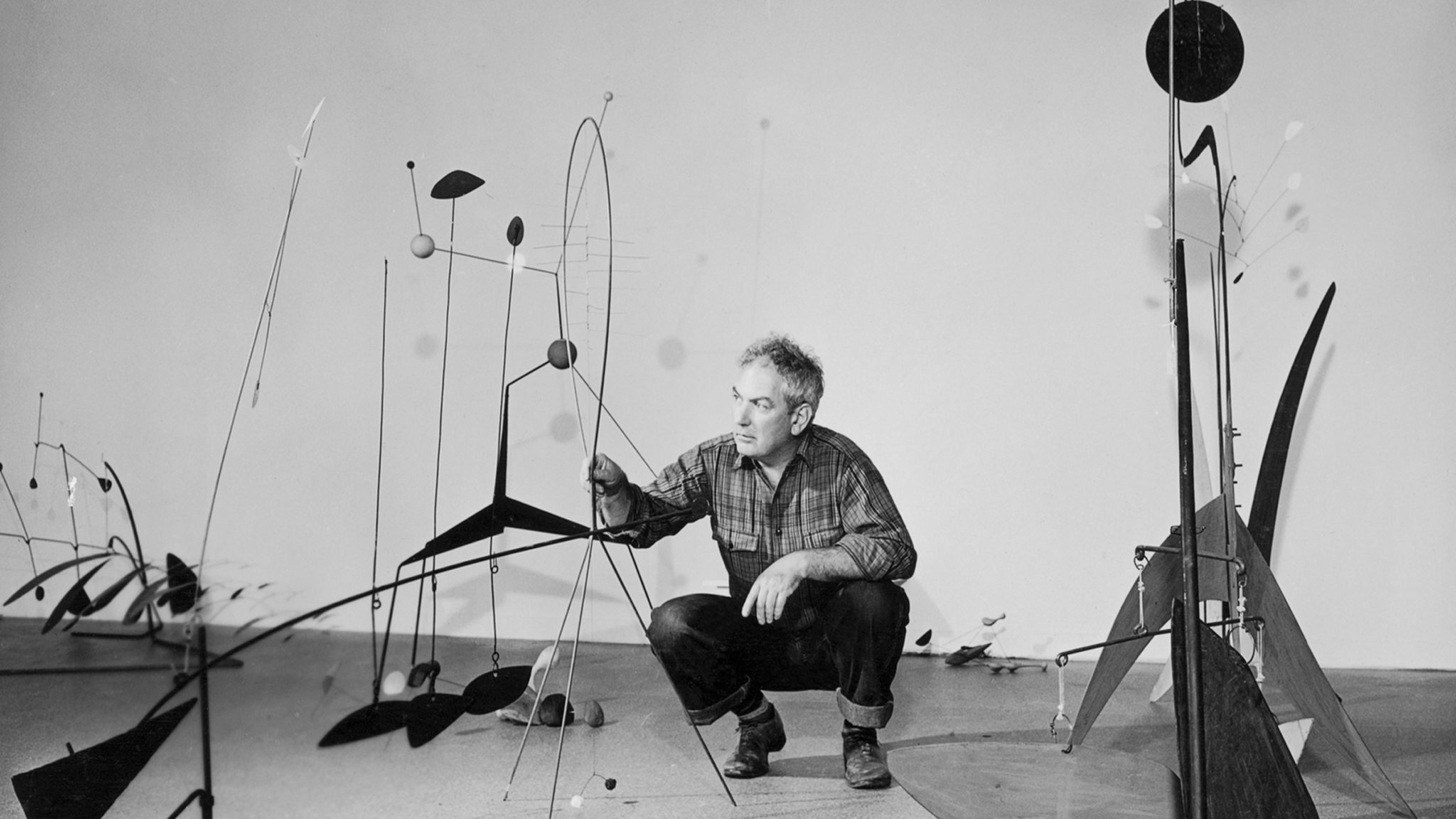
The best works answer both questions affirmatively. They are complete in stillness and transformed in motion. Provenance matters here as it does elsewhere, but condition is especially unforgiving because wearable works are, by nature, vulnerable to the evidence of use. Alexander Calder is perhaps the clearest proof that an artist working at the highest level of sculptural ambition can find in jewelry not a sideline but a genuine extension of a central vision.
His hand hammered wire constructions, made primarily between the 1930s and 1970s, carry all the kinetic logic of his mobiles. Owning one is owning a drawing in three dimensions that happens to close around a wrist. At the opposite end of the temperature dial, artists like Nick Cave transform the body into a site of cultural and political density. His Soundsuits, though not always wearable in any conventional sense, insist on the body's presence as a formal and ethical argument.
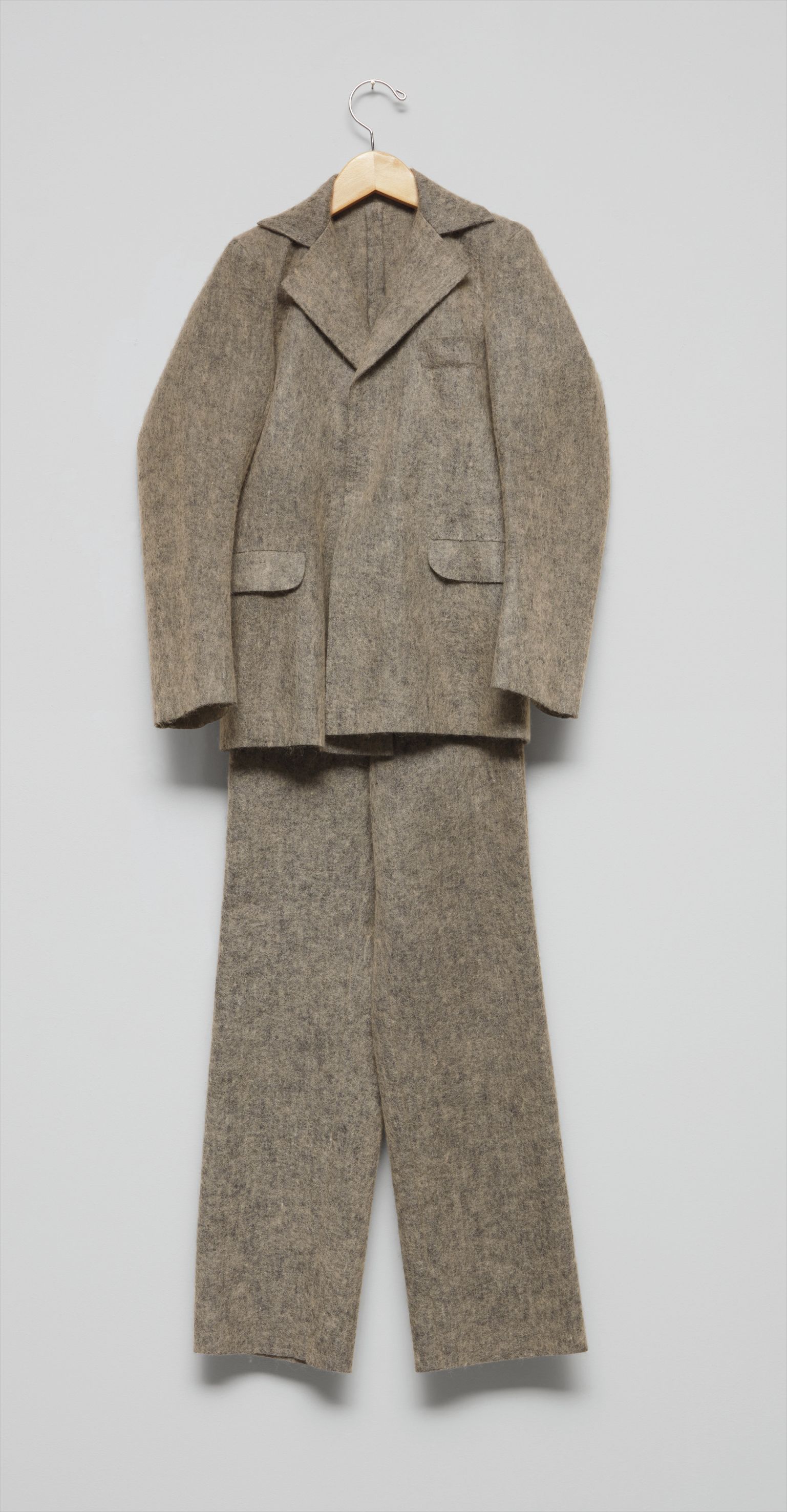
Maurizio Cattelan
felt suit, wood and metal hanger, 2000
The work performs and the performance is the meaning. For collectors with an eye on emerging value, Jeffrey Gibson represents one of the most compelling positions in this space. His integration of Indigenous beadwork, geometric abstraction, and text into garment and object forms has moved rapidly from critical recognition into serious institutional validation. The through line from historical objects like the Great Lakes Pictorial Beaded Cloth Bandolier, a form with its own extraordinary visual intelligence, to Gibson's contemporary practice is not decorative.
It is a sustained argument about who gets to define beauty, ceremony, and cultural authority. Yasmine Dabbous is another artist working in wearable and body proximate forms who rewards close attention, bringing together material research and conceptual rigor in ways that feel genuinely generative rather than trend driven. At auction, wearable art occupies a fascinating and sometimes undervalued position. Lalanne's work performs consistently at the major houses, with exceptional pieces reaching well into the hundreds of thousands, though the category as a whole still sees occasional gaps between critical standing and hammer prices that a patient collector can exploit.
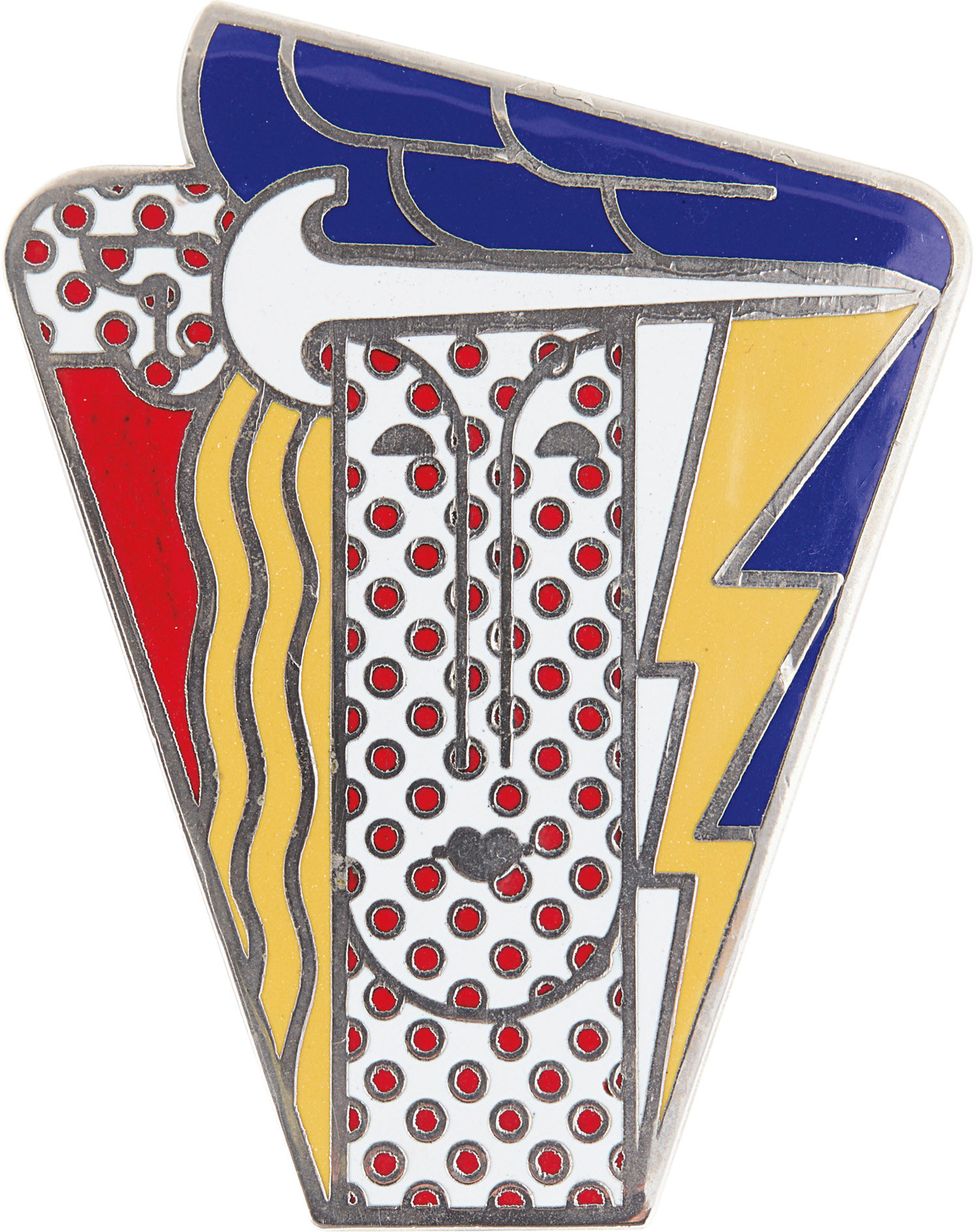
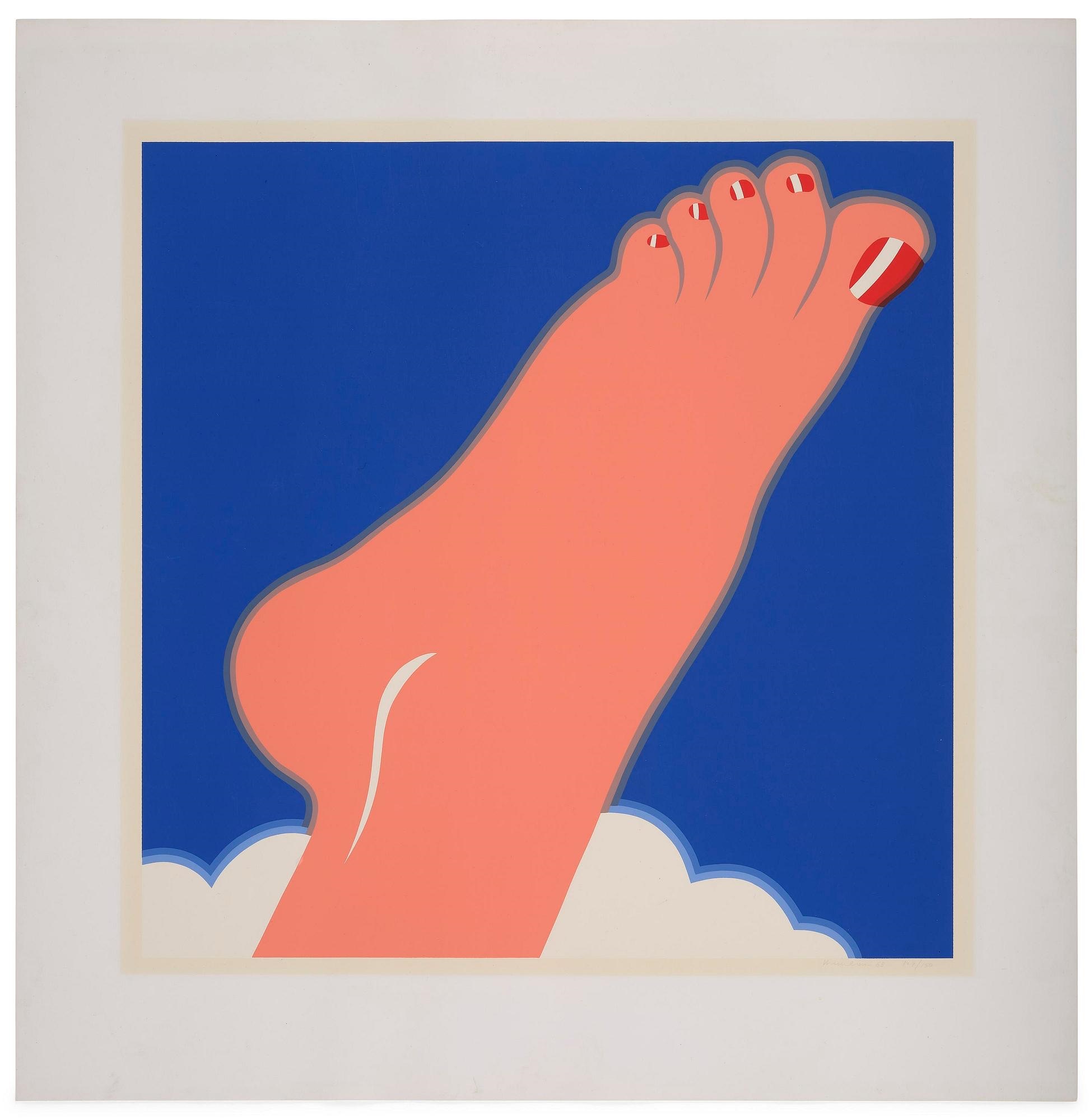
Roy Lichtenstein
Modern Head Brooch
Works by Calder in jewelry form have set records that rival his works on paper, a recognition that took decades to fully arrive. Sneakers as cultural objects, exemplified by something like the Nike Air Jordan 11, have their own distinct secondary market with its own internal logic, driven by edition awareness, condition grading, and a collector base that is younger and more globally distributed than the traditional fine art world. That market is maturing quickly and anyone dismissing it as peripheral to serious collecting is probably not paying attention. Practical matters deserve honest attention.
Storage and display for wearable works require more thought than a flat work on paper. Jewelry and body objects are best displayed either on archival mounts that suggest the human form without overcrowding the object, or presented in cases where lighting can be controlled precisely, since materials like hammered metal, beaded cloth, and patinated bronze all respond very differently to light. When approaching a gallery about a wearable work, ask directly whether the piece is unique or part of an edition, and if it is an edition, ask how the edition size was determined and whether the artist has discussed future casting or production. For works in precious or semi precious materials, ask for any available assay documentation.
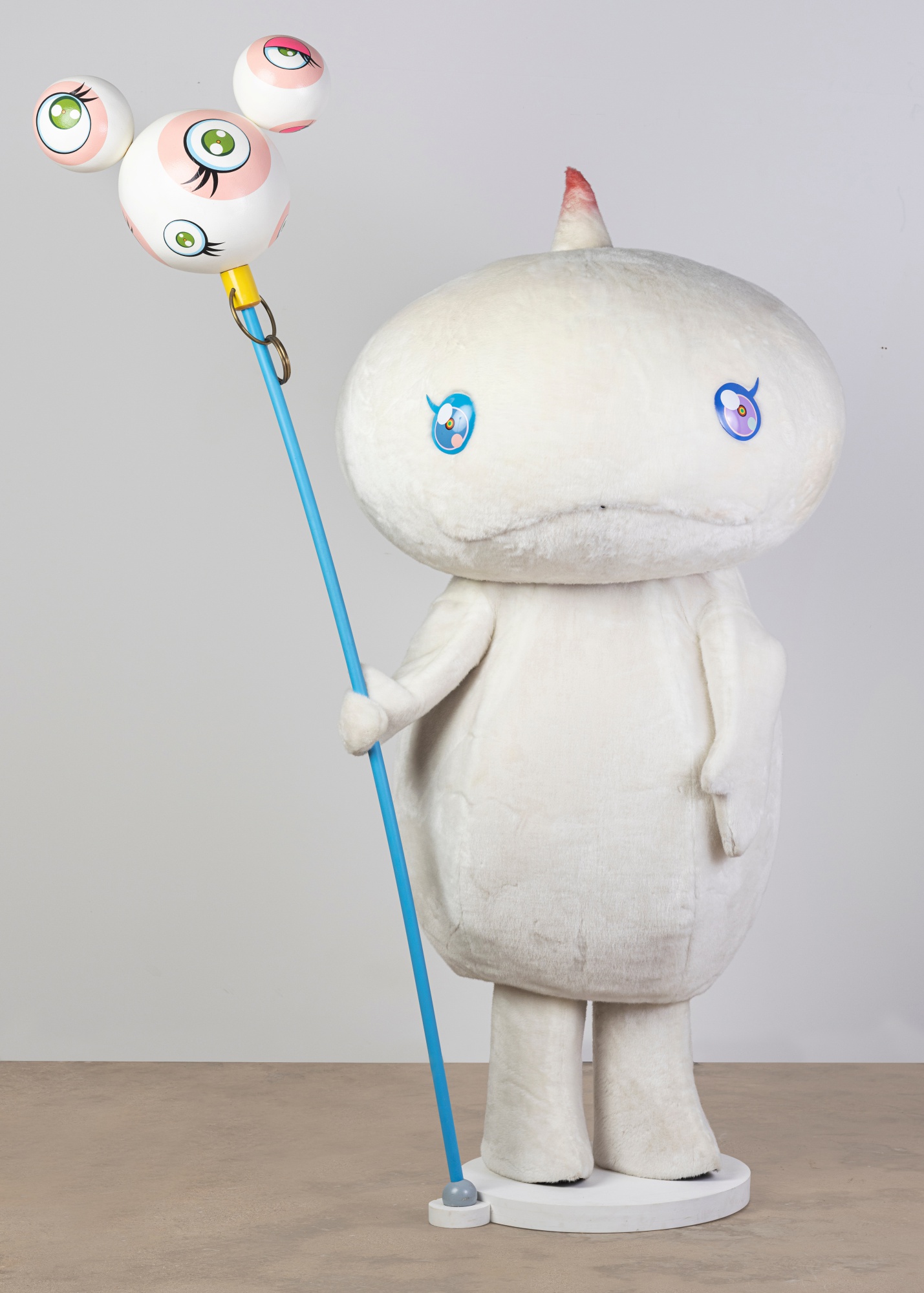
For textile based works, ask about fiber content and any history of conservation treatment. These are not difficult questions and any dealer worth working with will answer them without hesitation. The deeper reason collectors return to wearable art, beyond market logic and material pleasure, is that it makes the question of living with art unusually literal. Sylvie Fleury's engagement with luxury objects and their status codes, or the sardonic elegance that runs through Maurizio Cattelan's object based practice, remind us that everything we choose to put on or near the body is already a statement about desire, identity, and value.
Collecting in this space means accepting that the boundary between the art object and the self is genuinely permeable. For the right collector, that is not a complication. That is exactly the point.