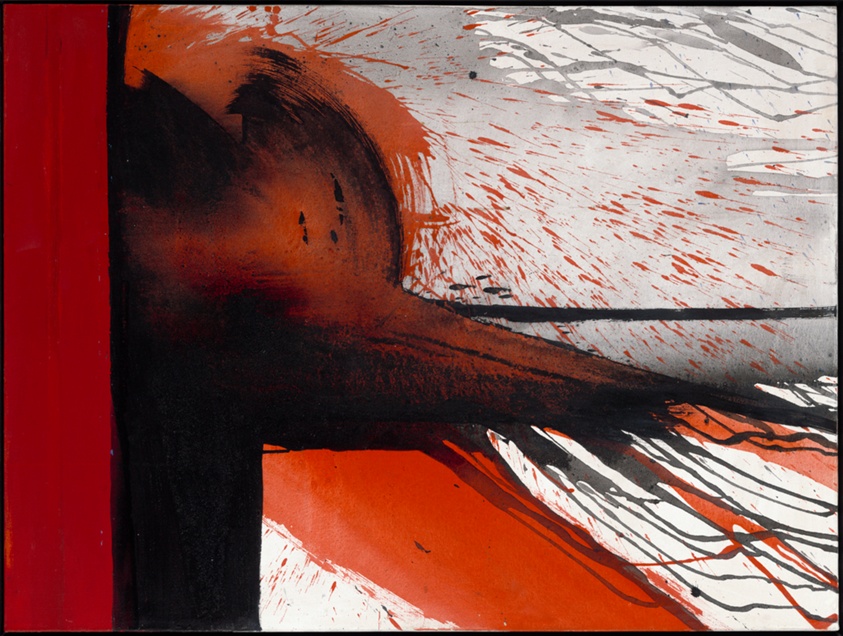
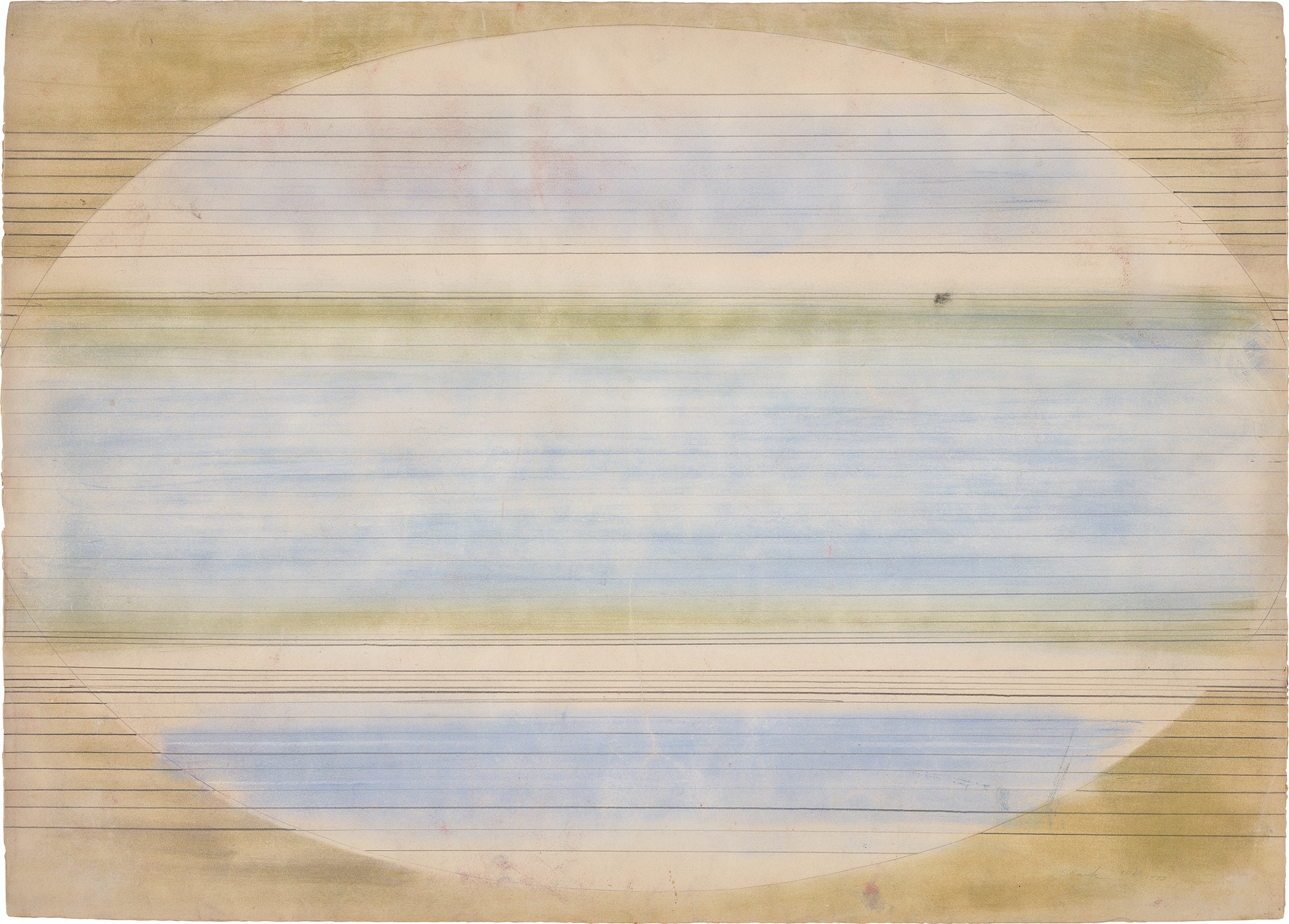
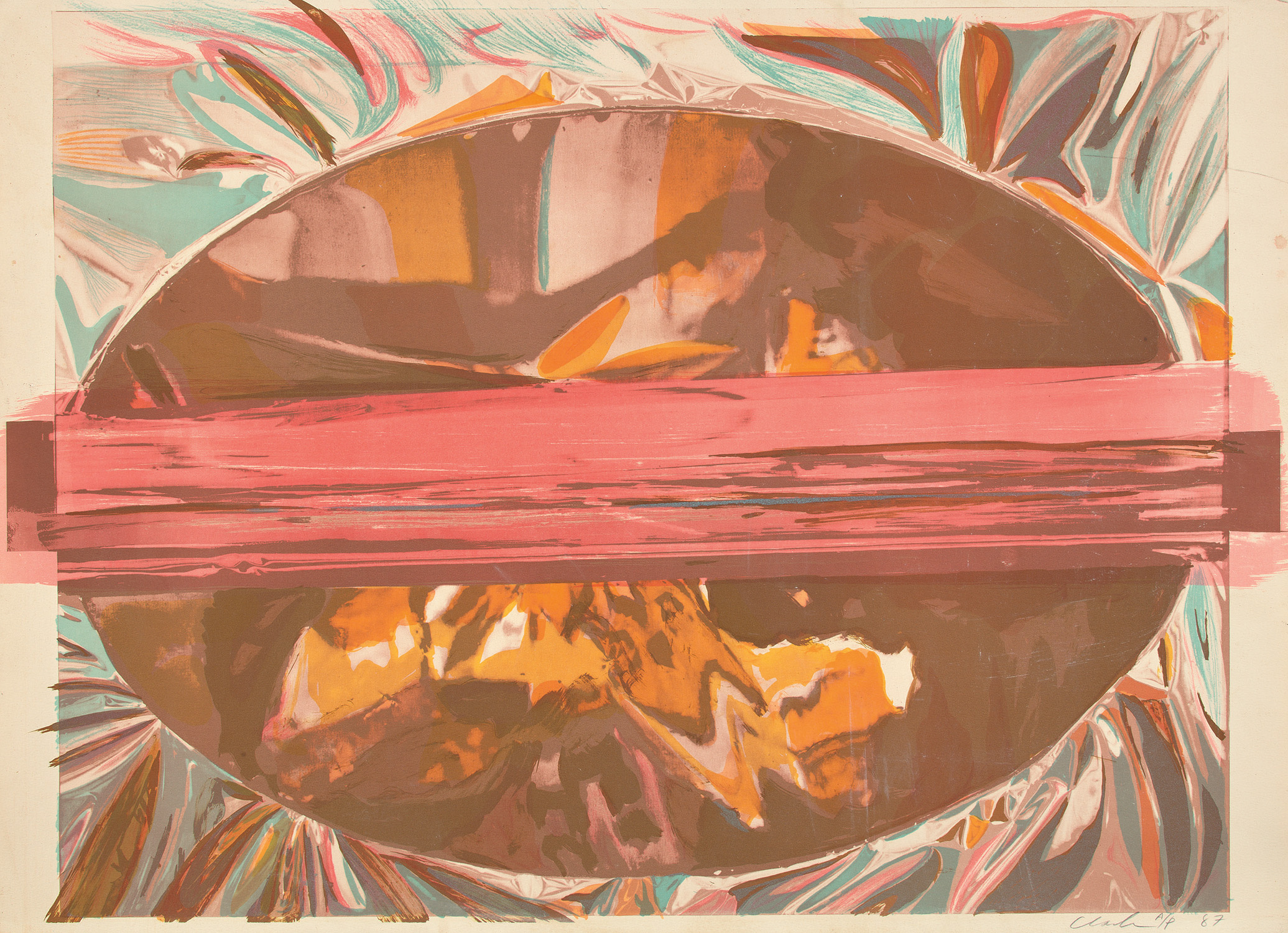
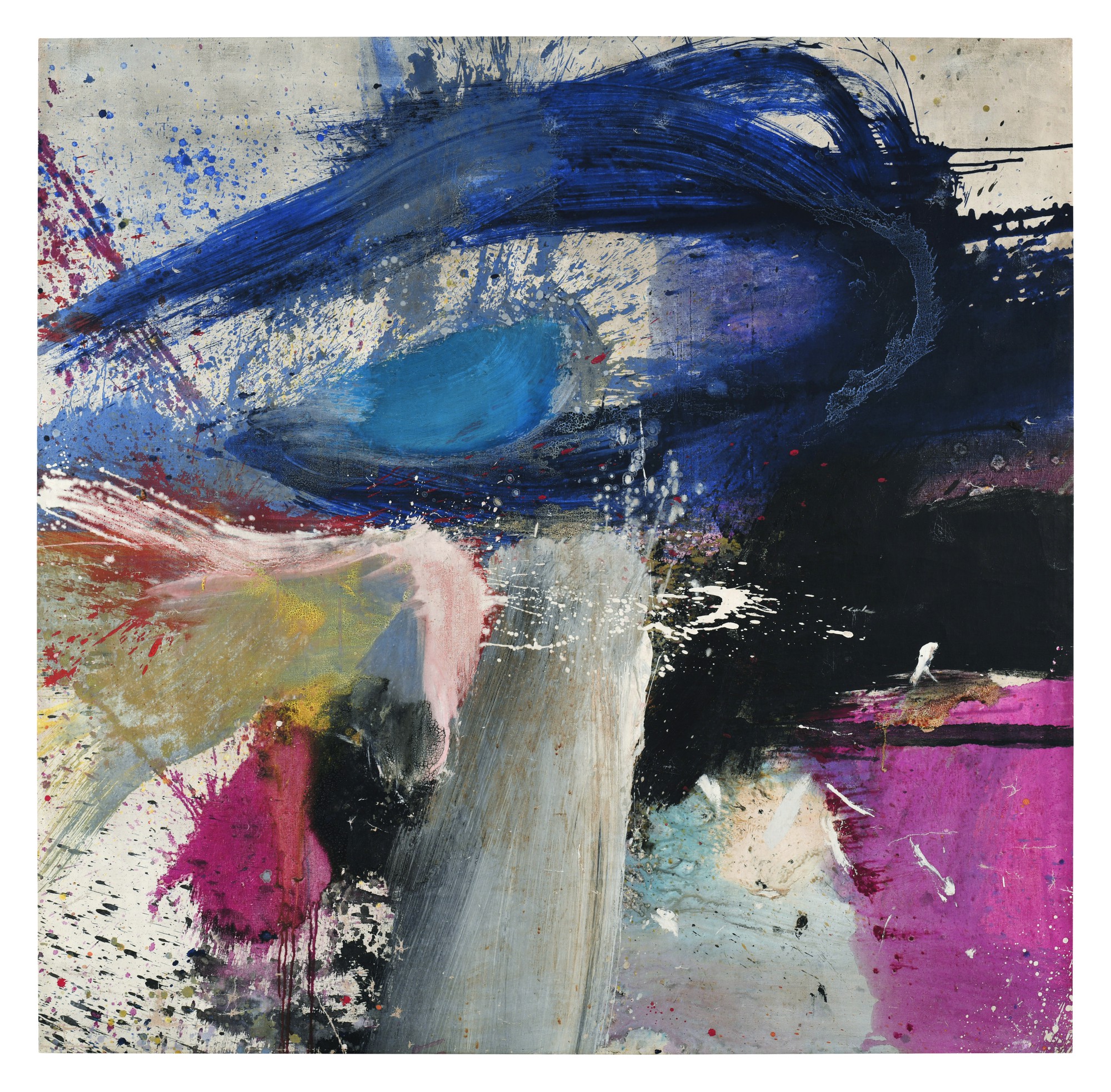
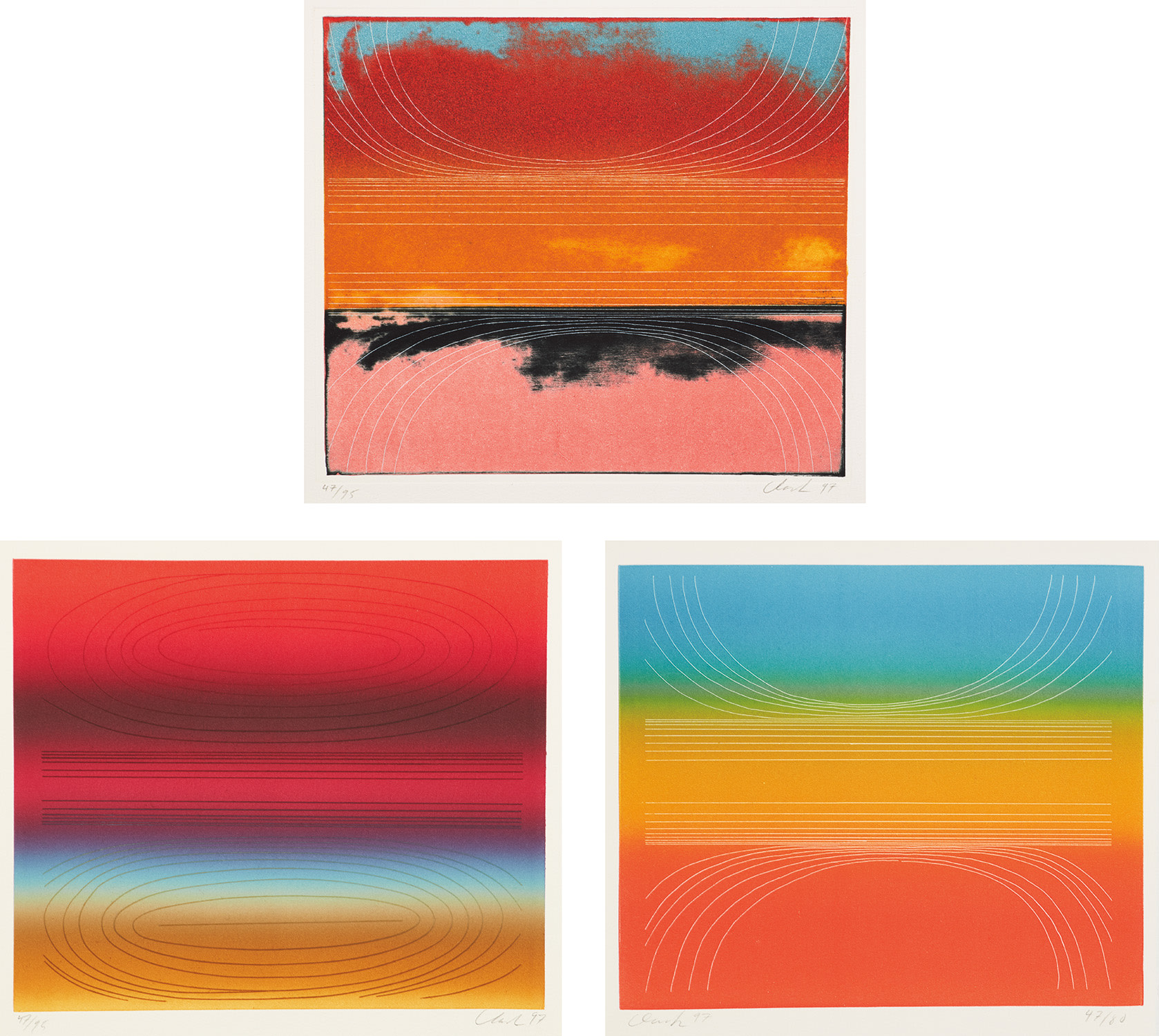
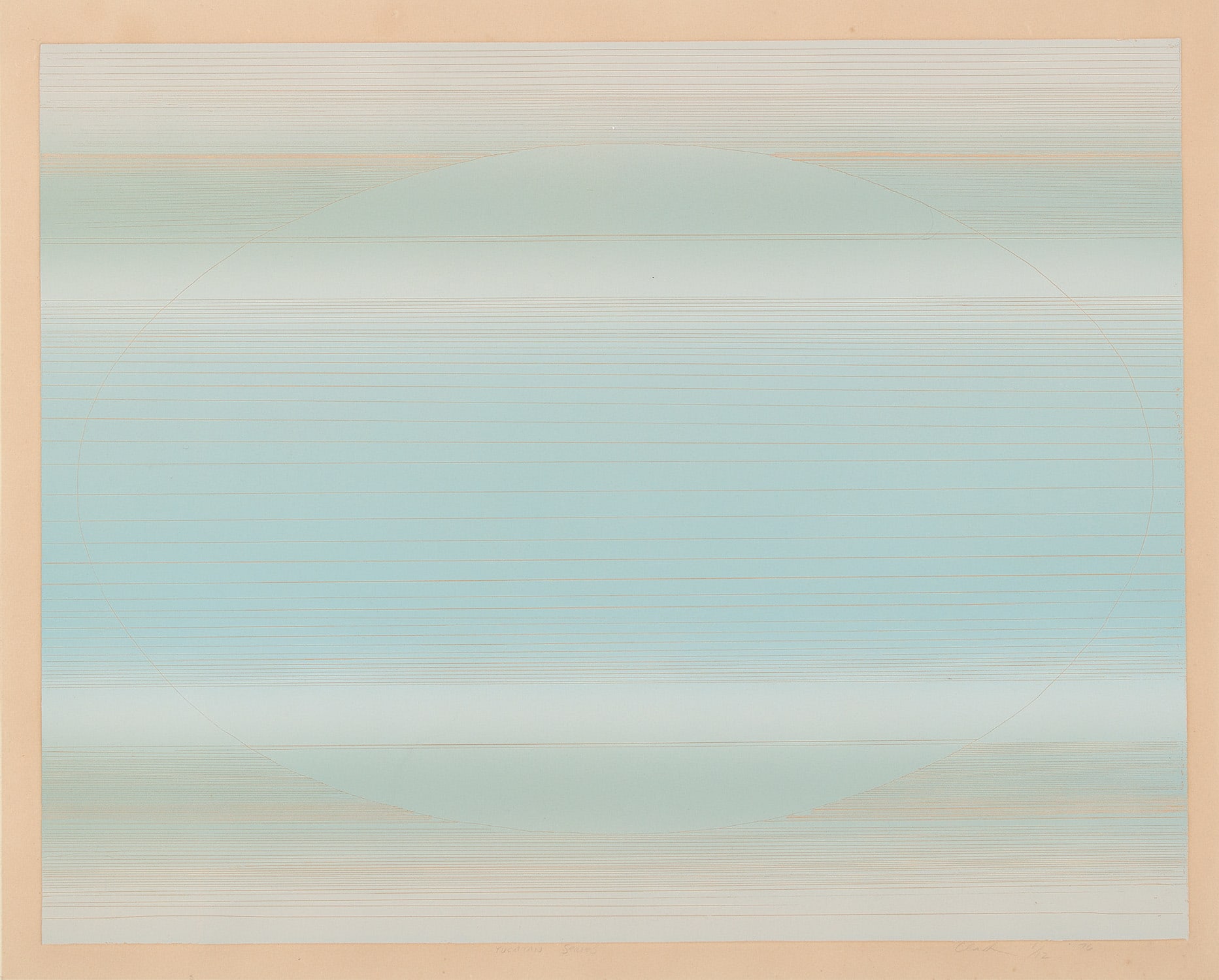
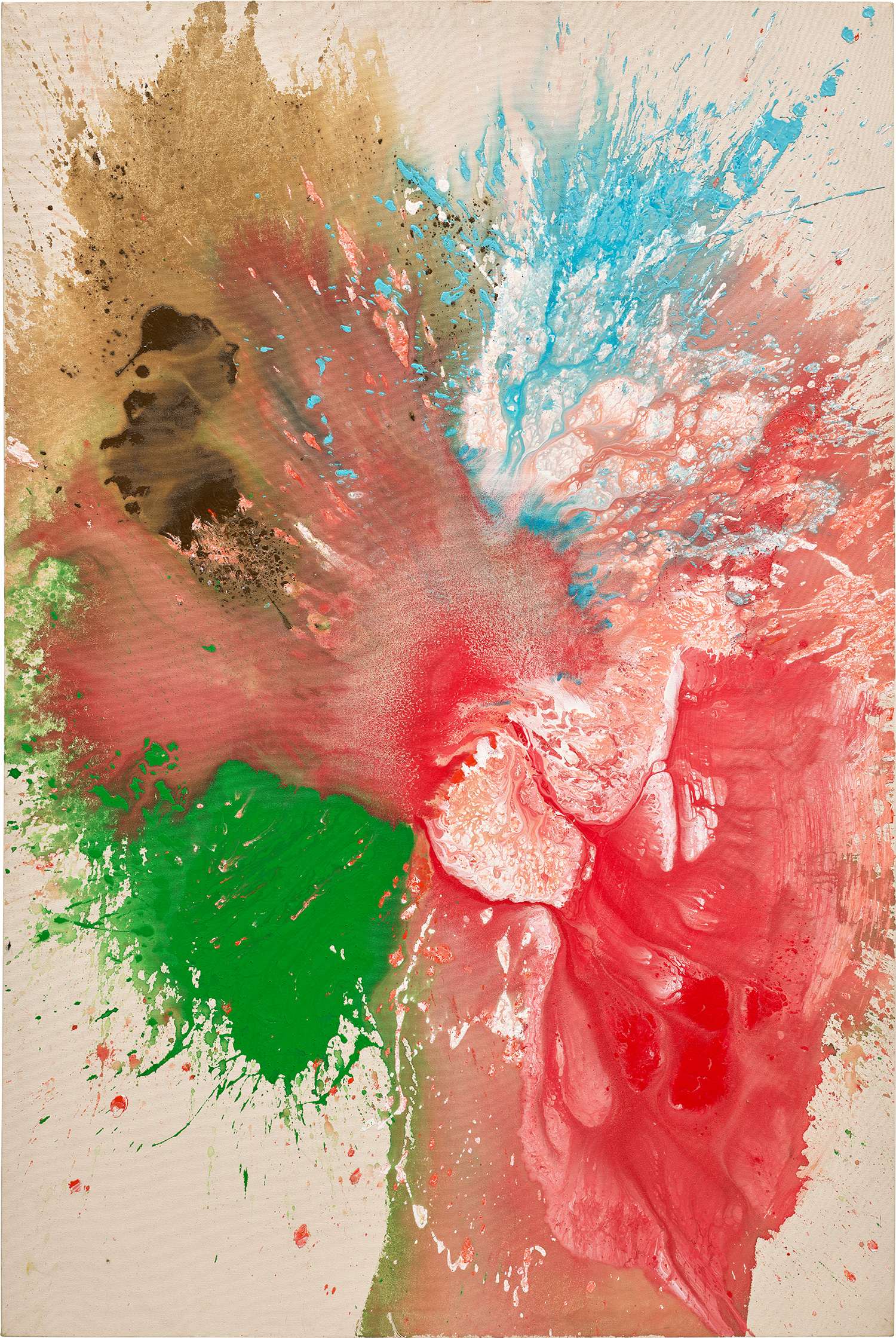
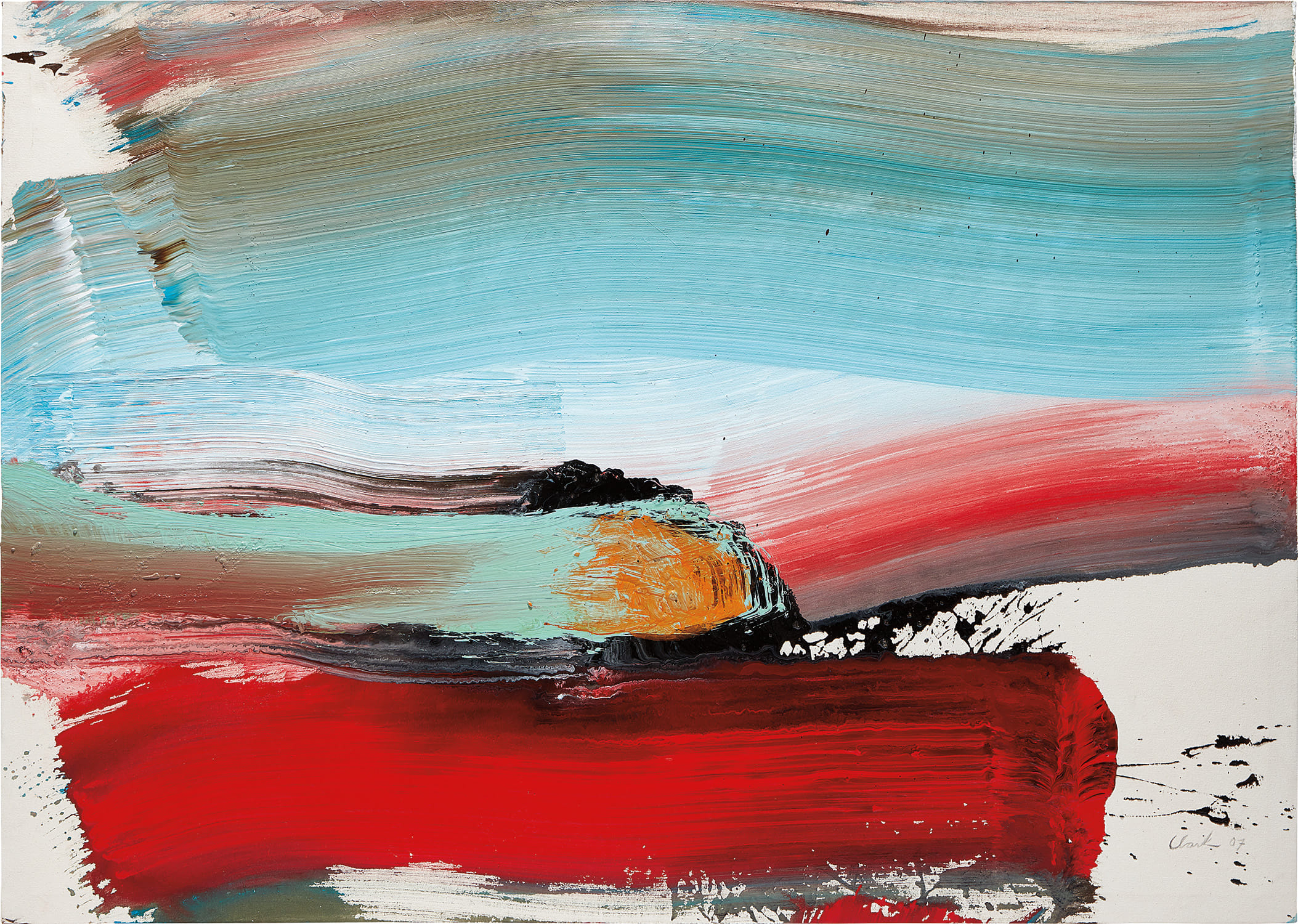
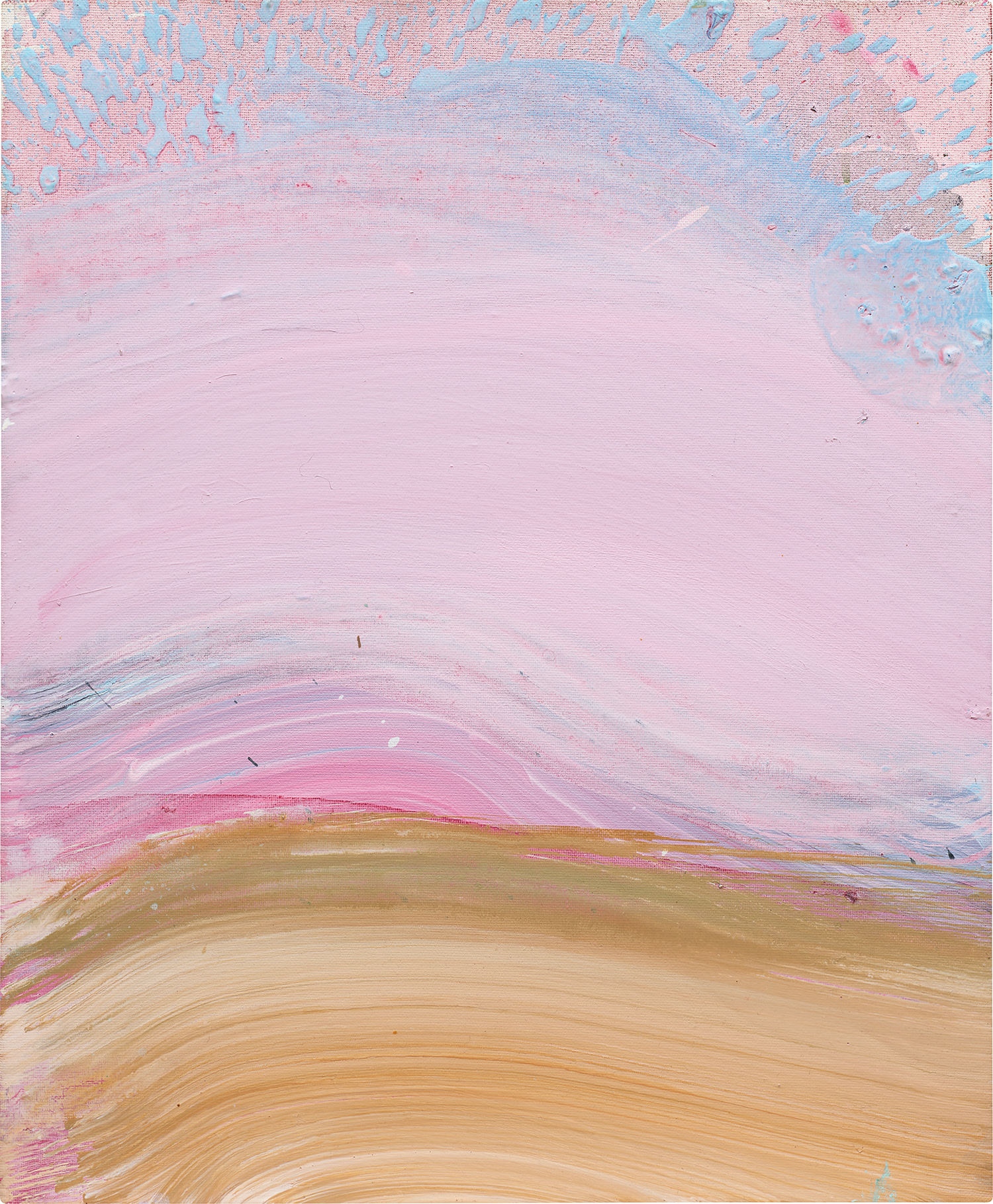
There is a particular kind of artist whose influence spreads quietly through generations, touching the work of peers and successors alike before the full weight of their contribution is finally, properly acknowledged. Ed Clark was that kind of artist. In recent years, the art world has moved with increasing urgency to correct the record, with major retrospectives and institutional reappraisals placing Clark firmly among the defining figures of postwar American abstraction. The Studio Museum in Harlem, the Smithsonian Institution, and the Museum of Modern Art all hold his work in their permanent collections, a trifecta of institutional recognition that speaks not merely to his historical significance but to the enduring vitality of the paintings themselves. Clark was born in New Orleans in 1926, and the sensory richness of that city, its heat, its color, its layered cultural inheritance, left a permanent mark on his imagination. He came of age in an America that placed enormous structural obstacles before Black artists, and yet he moved through those obstacles with a kind of sovereign confidence that defined his entire career. He studied at the School of the Art Institute of Chicago before making the decisive move that would shape everything: he left for Paris in the early 1950s, part of a generation of African American artists and intellectuals who found in that city a freedom of creative and personal expression that their home country still withheld. Paris was not an escape for Clark so much as an expansion, a place where he could encounter European modernism firsthand while developing an artistic voice that was entirely his own. In Paris, Clark threw himself into the ferment of postwar avant garde culture. He became acquainted with the ideas circulating through European abstraction and brought those encounters into direct conversation with the gestural energy of the New York School. He was a participant in the 1956 exhibition at the Galerie Creuze in Paris, a milestone moment that placed him in dialogue with international currents at a time when American abstraction was first asserting itself on the world stage. What set Clark apart, even then, was his refusal to simply adopt the vocabulary of Abstract Expressionism wholesale. He was already searching for something more physically immediate, more kinetically raw. That search led to one of the most distinctive innovations in postwar painting: Clark's use of a push broom to sweep paint across the surface of his canvases. This was not a gimmick or a provocation for its own sake. It was a genuine technical breakthrough that allowed Clark to create marks of a scale and fluency that the human hand and arm simply could not produce alone. The broom became an extension of his body, an instrument capable of depositing vast arcs of color across surfaces in a single gesture. The resulting paintings have a quality that is simultaneously monumental and intimate, as though some enormous natural force has been caught and stilled at the moment of its greatest expressiveness. Works such as "Black Daylight" from 1966 demonstrate this power with particular clarity, the oil surface carrying the evidence of decisive, irreversible action in every passage. Clark worked fluidly across media and across geography throughout his long career, maintaining studios in both New York and Paris and drawing creative energy from an unusually wide range of places and experiences. His series of works connected to Louisiana, including the 1978 "Untitled (Acrylic No. 1)" from that body of work, reflect his lifelong engagement with the landscapes and atmospheres of his origins. Works such as "Summer in Paris No. 8" from 1994, rendered in dry pigment and acrylic on Arches paper, carry the luminous warmth of a city he loved across five decades of return visits. "Gray Force" from 1972 and "The Dome" from 1994 each demonstrate his ability to move between raw gestural urgency and a more meditated compositional authority. In later works such as "Hot and Cold" from 2007, painted well into his eighties, the work shows no diminishment of energy, only a deepening assurance. For collectors, Clark represents something genuinely rare in the market: a figure of unimpeachable art historical significance whose work is still available across a meaningful range of entry points. His paintings on canvas command serious attention and serious prices, but his works on paper, including pastels and the dry pigment works that carry all of the chromatic intensity of his larger compositions, offer collectors a way to engage with one of the great gestural minds of the twentieth century. Works such as the 1976 "Untitled" pastel on paper are exemplary in this regard, intimate in scale but fully present in their artistic ambition. His lithographs, including the Arches paper edition in colors, are accessible points of entry that carry the full authority of his hand and vision. To place Clark properly within art history is to understand the full breadth of postwar American abstraction, a breadth that mainstream accounts have often failed to adequately represent. His peers and points of comparison include artists such as Sam Gilliam, Norman Lewis, and Alma Thomas, all figures whose relationships to Abstract Expressionism were generative and complex rather than merely derivative. Like Franz Kline, Clark understood the expressive potential of the single decisive mark. Like Helen Frankenthaler, he was interested in the way color could be allowed to move through a composition with apparent inevitability. But the broom, and the particular quality of physical commitment it demanded and enabled, gave his work a character that belongs entirely to him. Ed Clark died in 2019 at the age of 93, having witnessed a significant rehabilitation of his reputation in his final years. The art world's ongoing reckoning with the artists it overlooked or undervalued has placed Clark at the center of an important and necessary conversation, but the work itself transcends that conversation. It does not need the context of rediscovery to justify its power. These paintings and works on paper are alive with color, movement, and intelligence. They reward sustained looking and reward it generously. For any collector serious about postwar abstraction and about building a collection that reflects the full story of American modernism, Clark is not merely a desirable name. He is an essential one.