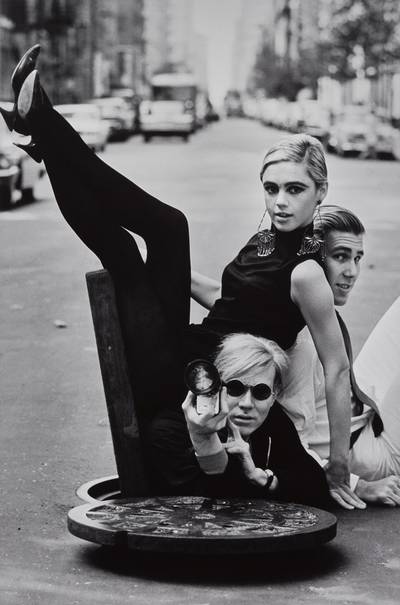
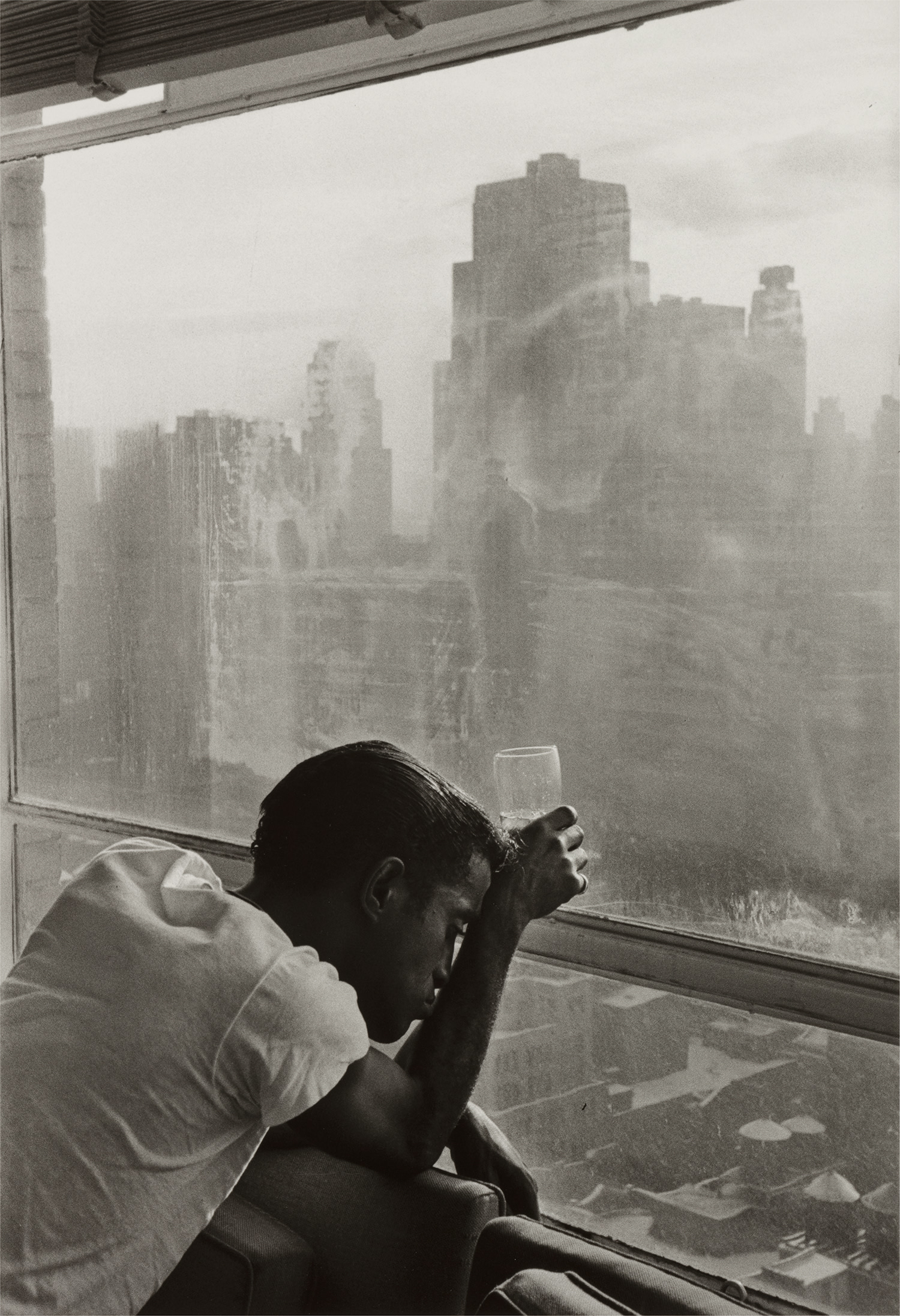
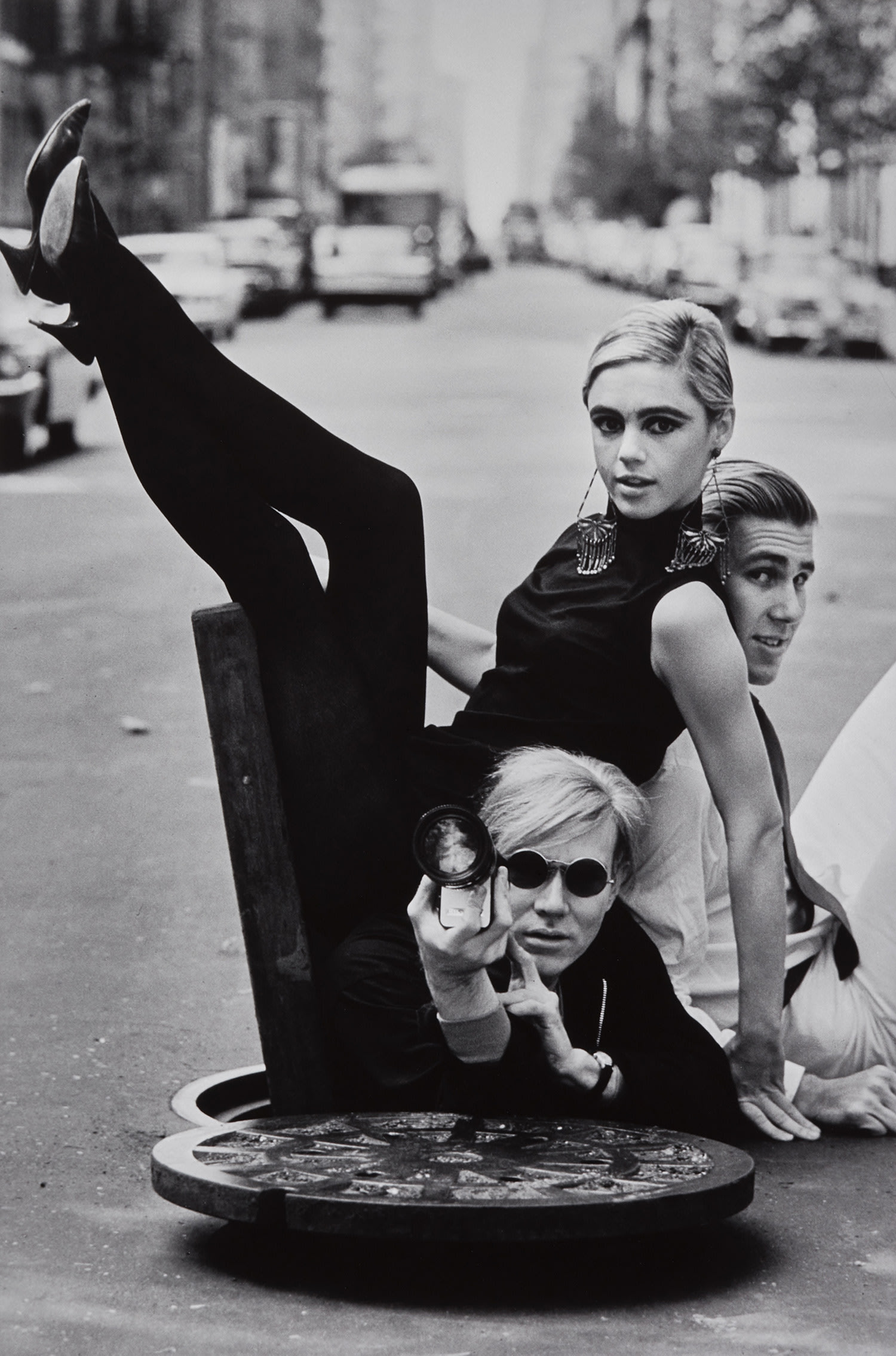
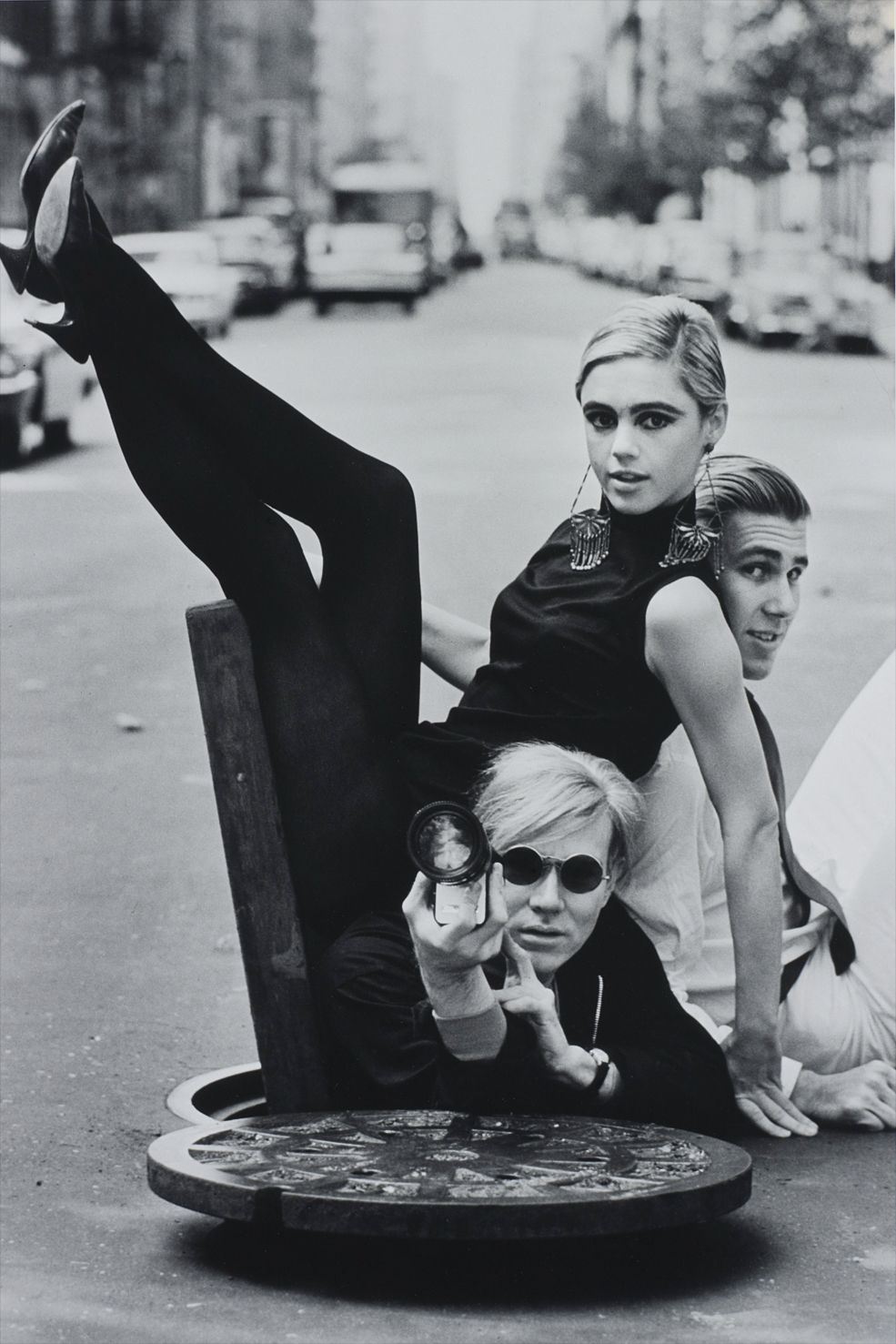
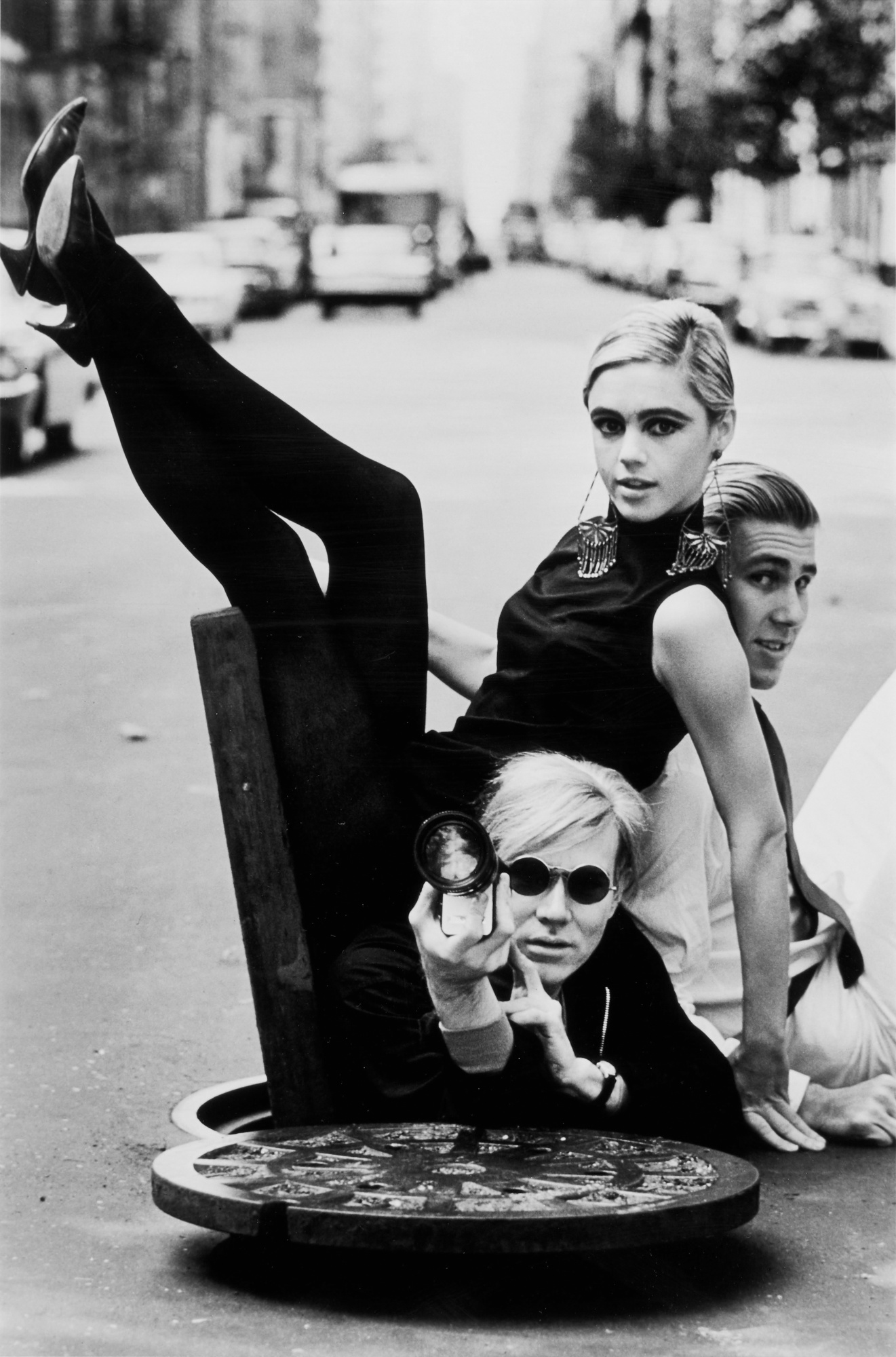
There is a photograph that stops you cold. It was January 1959, and a young Burt Glinn had flown to Cuba on instinct, on the kind of journalistic nerve that defines a career, arriving just in time to witness Fidel Castro's triumphant entry into Havana. The images Glinn made over those extraordinary days remain among the most reproduced and studied documents of the Cuban Revolution, alive with the electricity of a world in the process of remaking itself. That Glinn was there at all, racing ahead of most of the international press corps, tells you everything about the man and the photographer he had become: restless, precise, and possessed of an almost uncanny ability to be exactly where history was about to happen. Burt Glinn was born in Pittsburgh, Pennsylvania, in 1925, and came of age in a America that was itself coming of age on the world stage. He studied at Harvard University, where he edited the Harvard Crimson, and it was there that the twin appetites of storytelling and visual composition began to converge. After graduating in 1949, he joined Life magazine as a staff photographer, entering one of the most storied institutions in the history of American photojournalism at precisely the moment when the picture magazine was reshaping how ordinary people understood the wider world. Life gave Glinn his fluency: the ability to read a room, a crowd, a face, and to compress an entire emotional truth into a single frame. His ascent was swift and purposeful. In 1951, Glinn became a member of Magnum Photos, the legendary cooperative agency founded by Henri Cartier Bresson, Robert Capa, George Rodger, and David Seymour in 1947. Membership in Magnum was and remains a mark of the highest distinction in documentary photography, a signal that a photographer's work carries both artistic seriousness and moral weight. Glinn would go on to serve as president of the agency, and his long association with Magnum shaped not only his career but the agency's identity during some of its most consequential decades. He moved with ease across genres that other photographers kept separate: war and celebrity, travel and portraiture, the intimate and the monumental. What distinguished Glinn from his contemporaries was a quality that is genuinely difficult to teach: compositional grace under pressure. His images never feel snatched or accidental, even when they document scenes of chaos or spontaneity. His coverage of the Cuban Revolution demonstrated this with stunning clarity. Where another photographer might have captured confusion, Glinn found structure, finding within the surging crowds and euphoric soldiers a geometry that made the photographs legible and enduring. The same quality animates his extraordinary body of work in New York City, where he documented the cultural life of midcentury America with a sophistication that places him in direct conversation with the greatest street photographers of his era. Among the works now available on The Collection, his portraits of Andy Warhol with Edie Sedgwick and Chuck Wein stand as particularly compelling documents of a singular cultural moment. These images, gelatin silver prints of exceptional tonal richness, place us inside the orbit of Warhol's Factory world at a time when that world was still forming its own mythology. Sedgwick, luminous and mercurial, and Warhol, already performing the blankness that was itself a kind of genius, are captured by Glinn with neither reverence nor irony but with the clear eyed warmth of a photographer who understood that he was witnessing something that would matter. His portrait of Sammy Davis Jr. in New York City is equally remarkable: a study in charisma and complexity, the kind of image that makes you feel you are standing in the room. For collectors, Glinn's work occupies a fascinating and still underappreciated position in the market for twentieth century photography. His prints, many of them gelatin silver works printed later from his original negatives, offer remarkable quality and historical depth at price points that have not yet fully reflected the importance of his archive. The Warhol and Sedgwick images in particular carry the double weight of being both exceptional photographs in their own right and primary documents of the Pop Art era, placing them in conversation with works by other photographers who orbited that world, including Nat Finkelstein, Billy Name, and Stephen Shore. Collectors who have built serious holdings in postwar American culture have increasingly recognized that Glinn's photographs belong in that conversation. Placing Glinn within the broader arc of photography history clarifies his significance further. He belongs to a generation that includes Gordon Parks, Ernst Haas, and Eve Arnold, photographers formed by the picture magazine tradition who brought genuine artistic ambition to documentary work. Like Parks, Glinn understood that the camera could function simultaneously as a witness and as an instrument of beauty. Like Haas, he was drawn to color and travel, producing work for magazines including Holiday that reframed how Americans imagined the wider world. His peers at Magnum, among them Elliott Erwitt and Inge Morath, shared his belief that rigor and warmth were not in opposition but were in fact mutually sustaining. Burt Glinn died in New York in 2008, leaving behind an archive of extraordinary breadth and humanity. His legacy has been steadily reassessed in the years since, as institutions and collectors have returned to the rich middle decades of American photojournalism with fresh eyes and a deepened appreciation for the craft and courage those decades required. The photographs he made in Havana, in Harlem, at the Factory, and across dozens of countries and cultures are not merely records of the past. They are invitations to look again, to see with greater precision and greater feeling, which is finally what the best photographs have always done. To collect Glinn is to hold a piece of the century itself, handled with uncommon elegance and care.