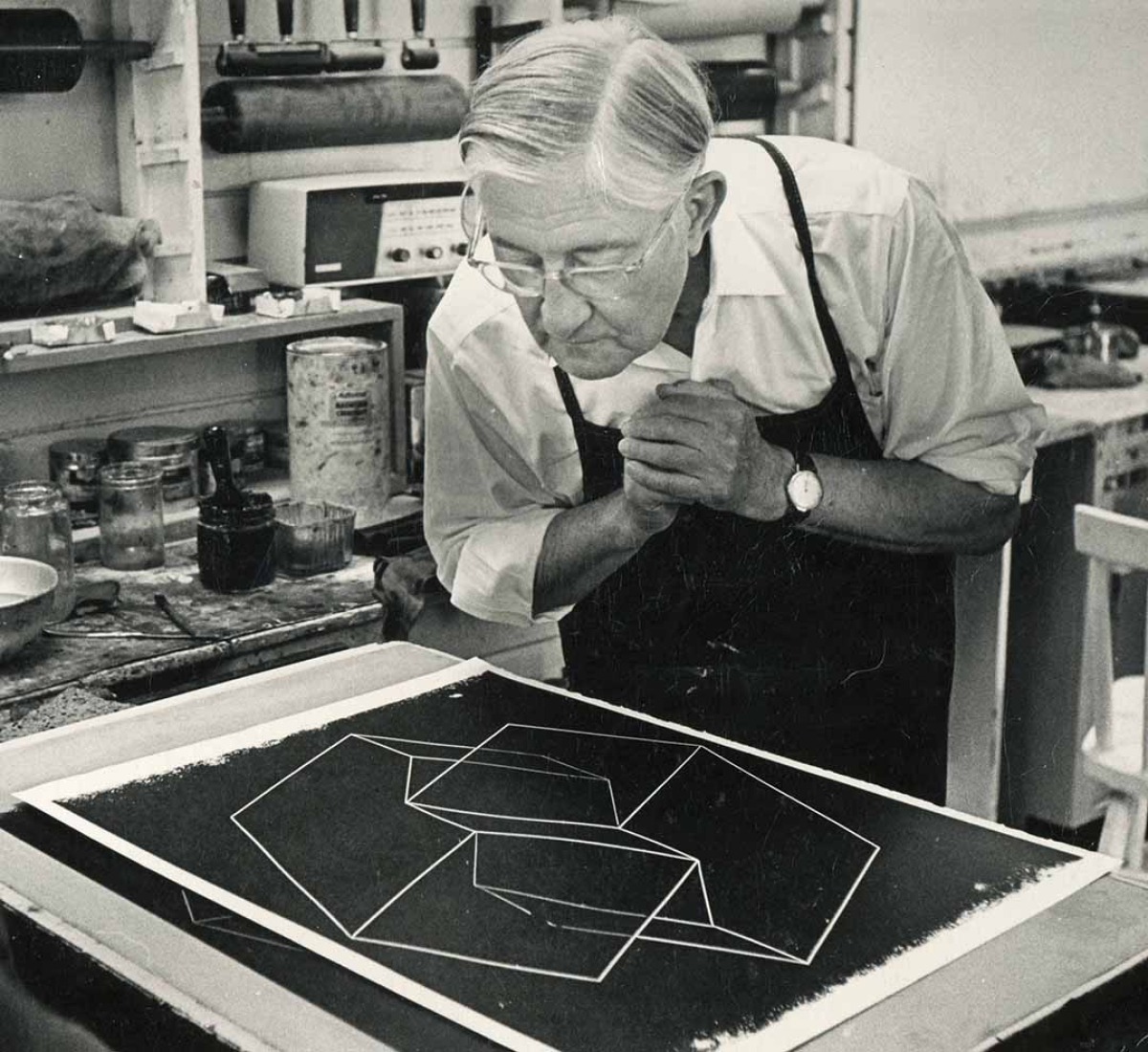
Josef Albers
“
139
Works
6
Followers
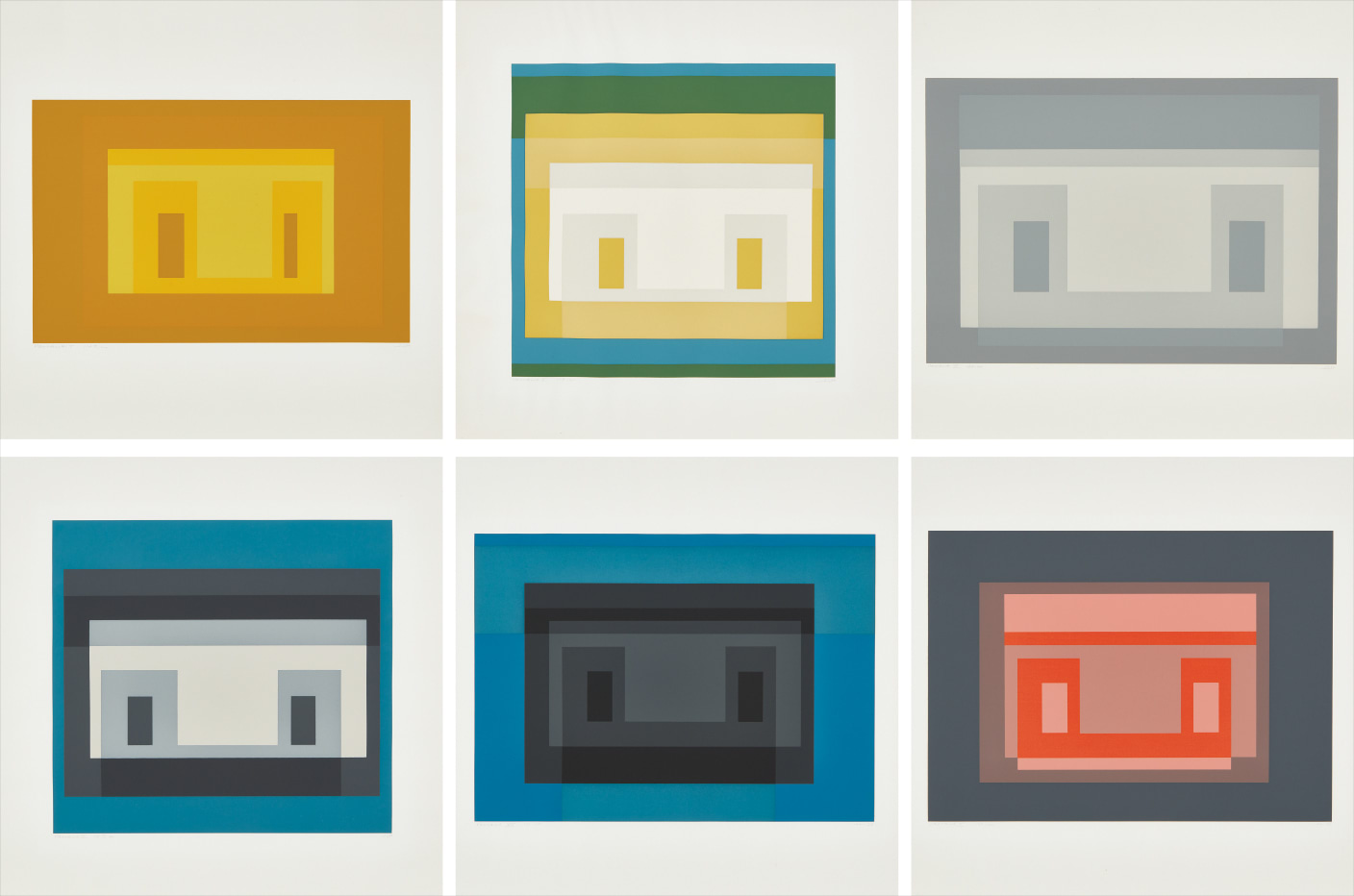
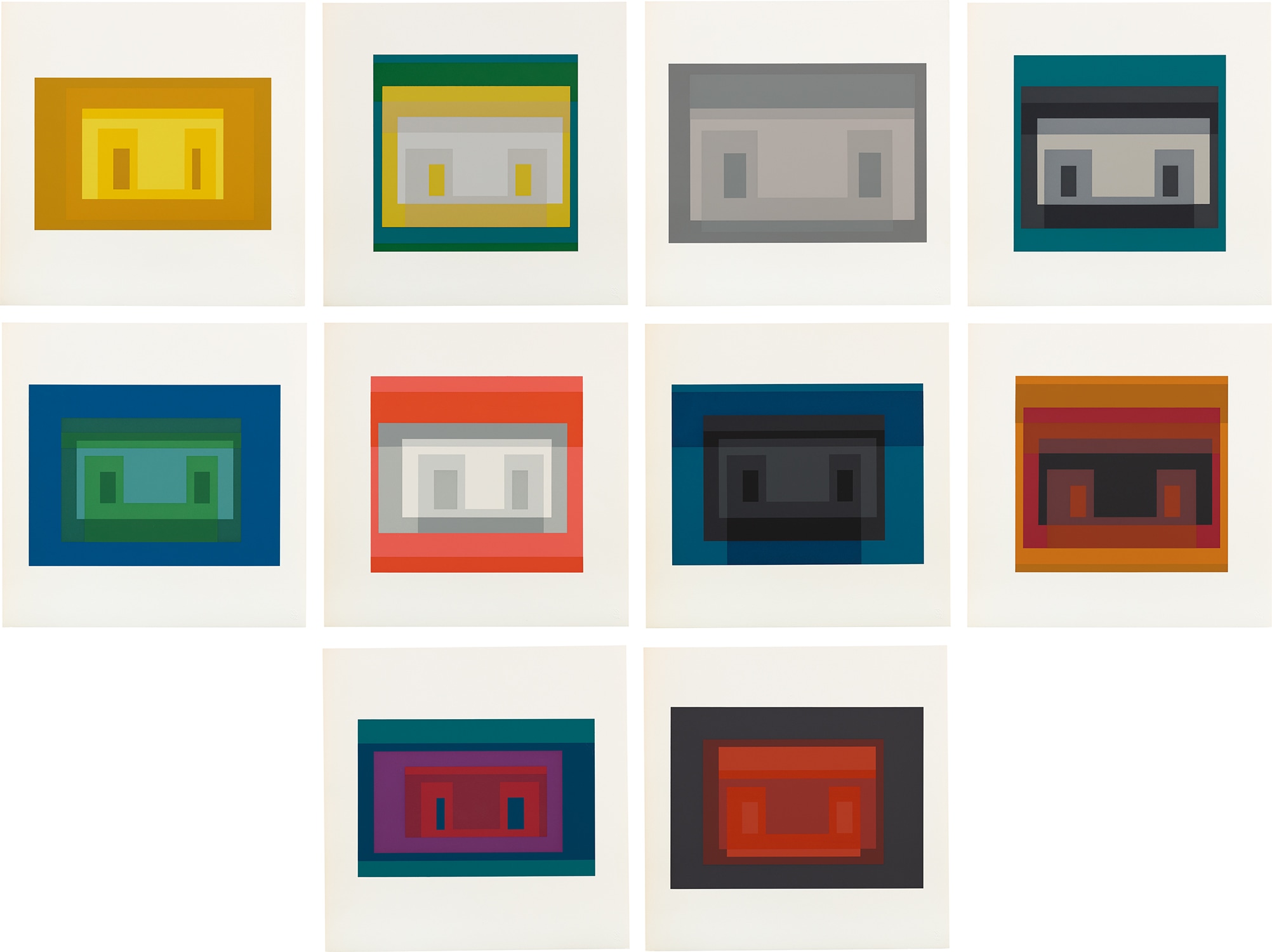
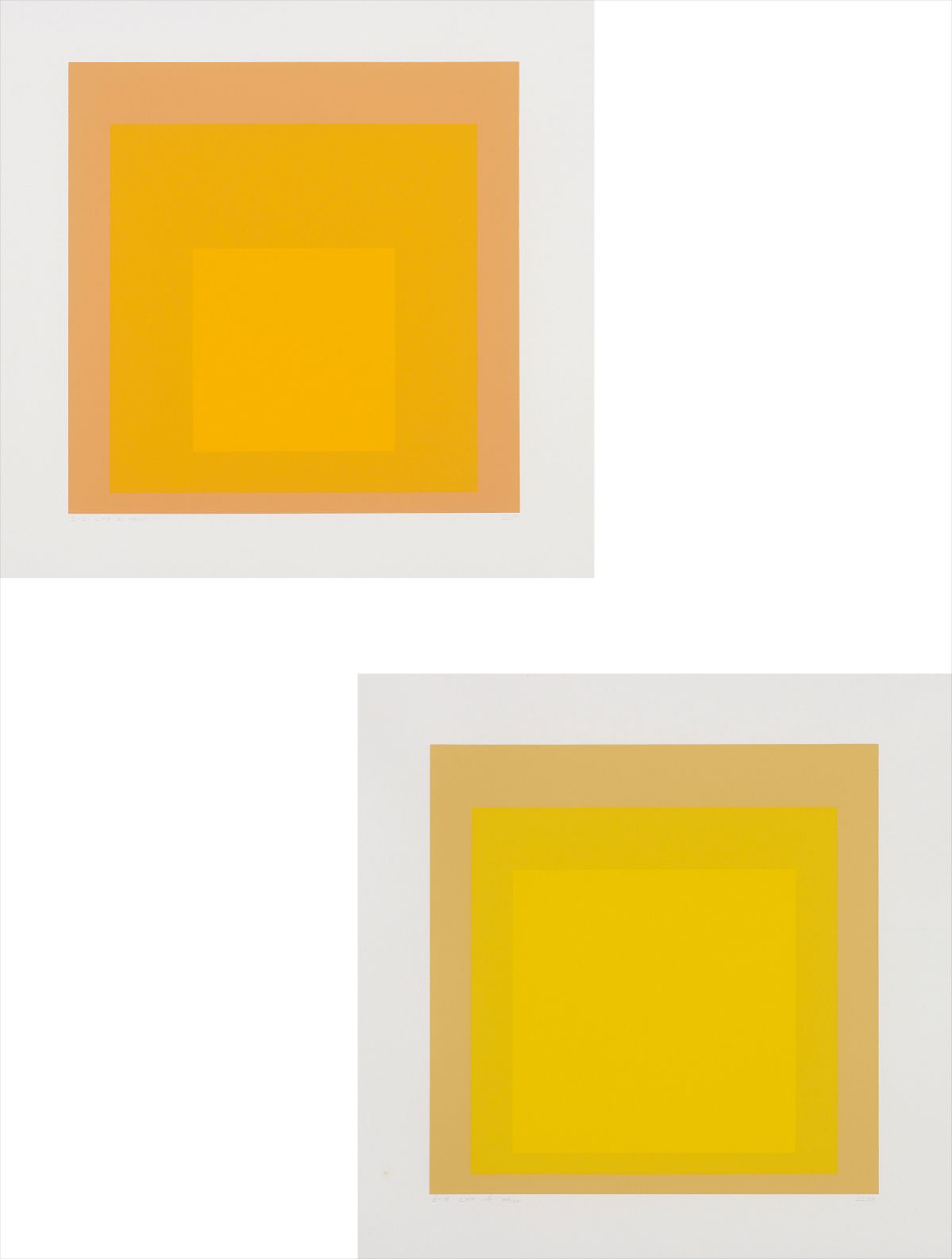
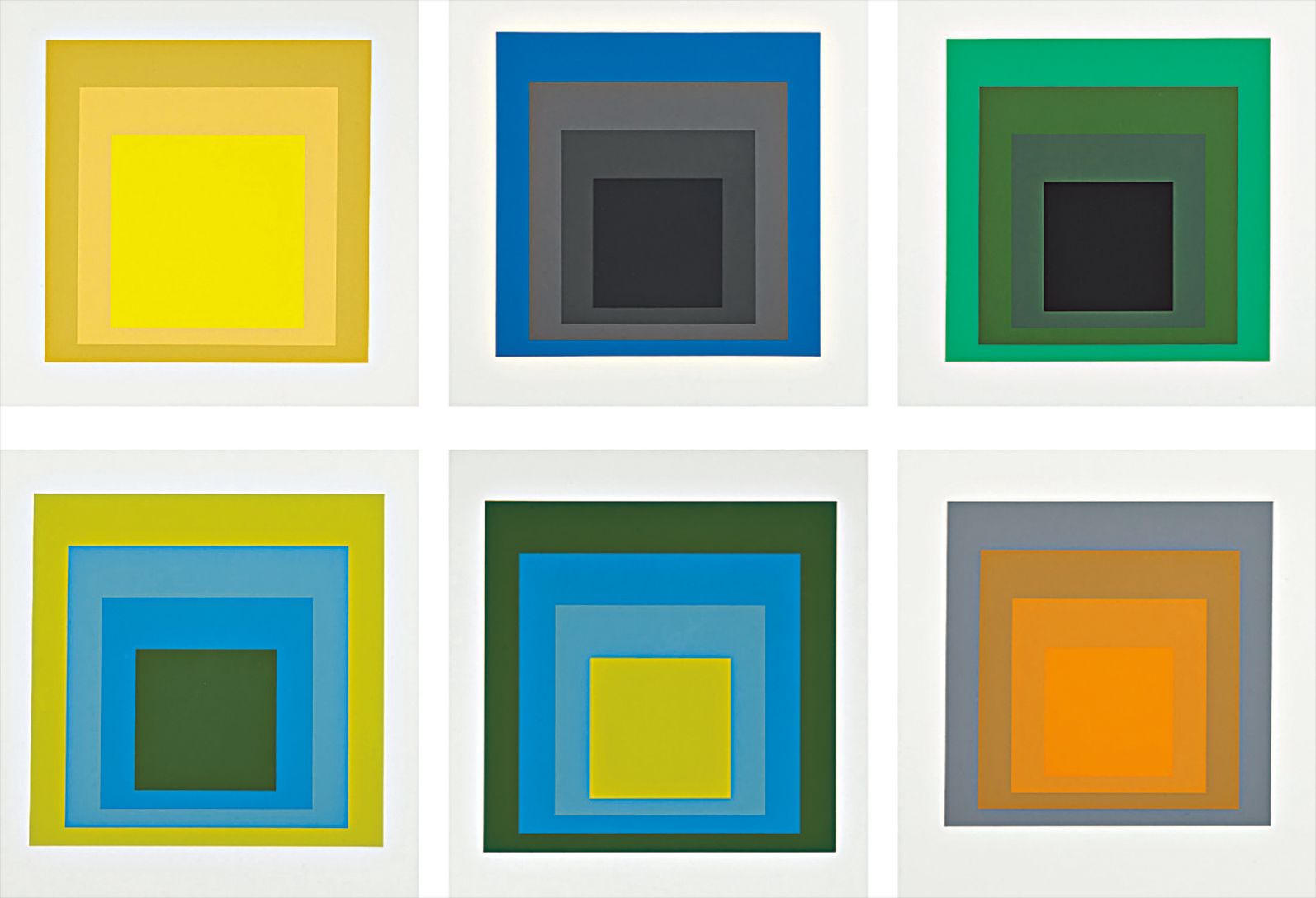
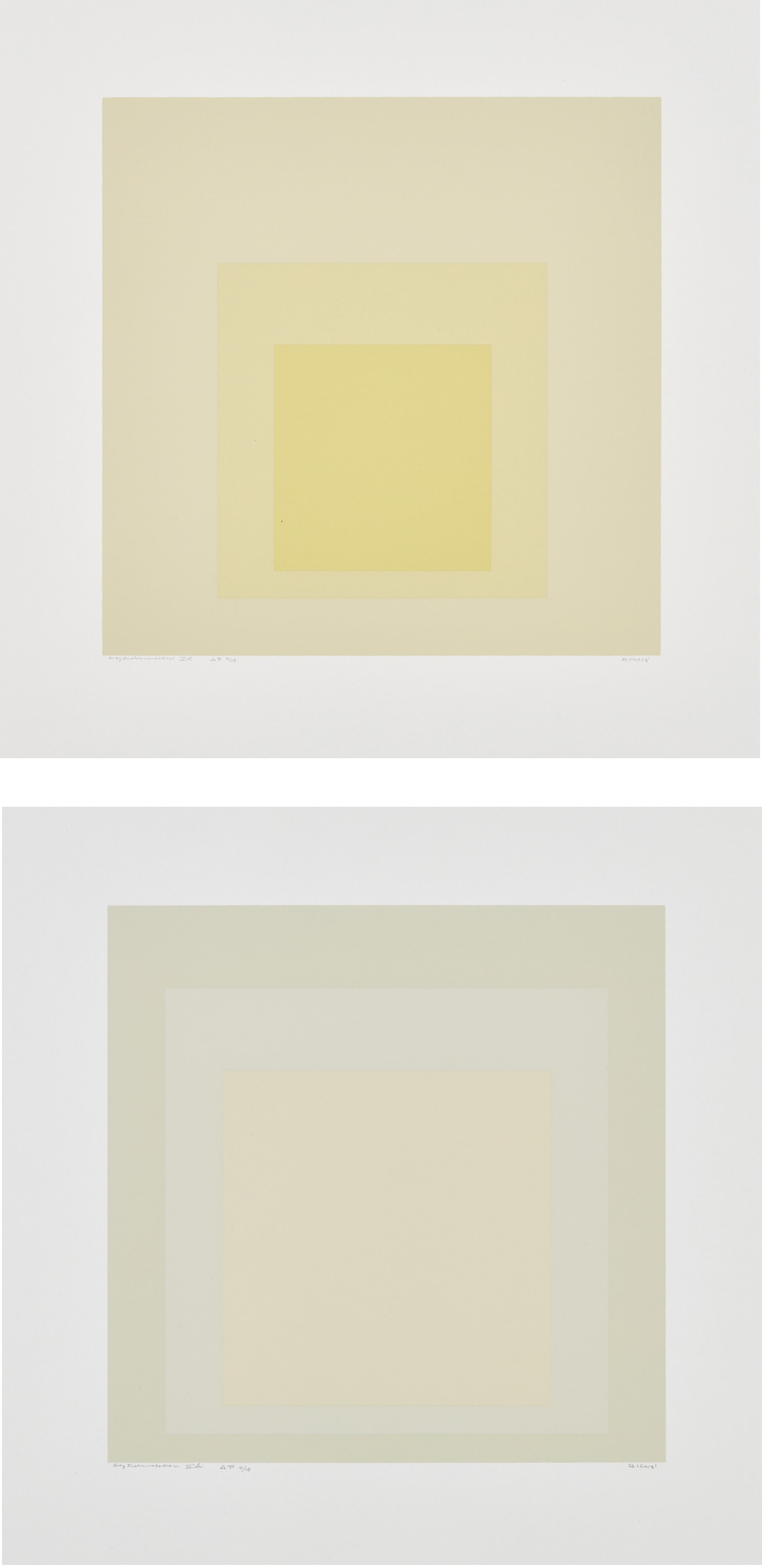
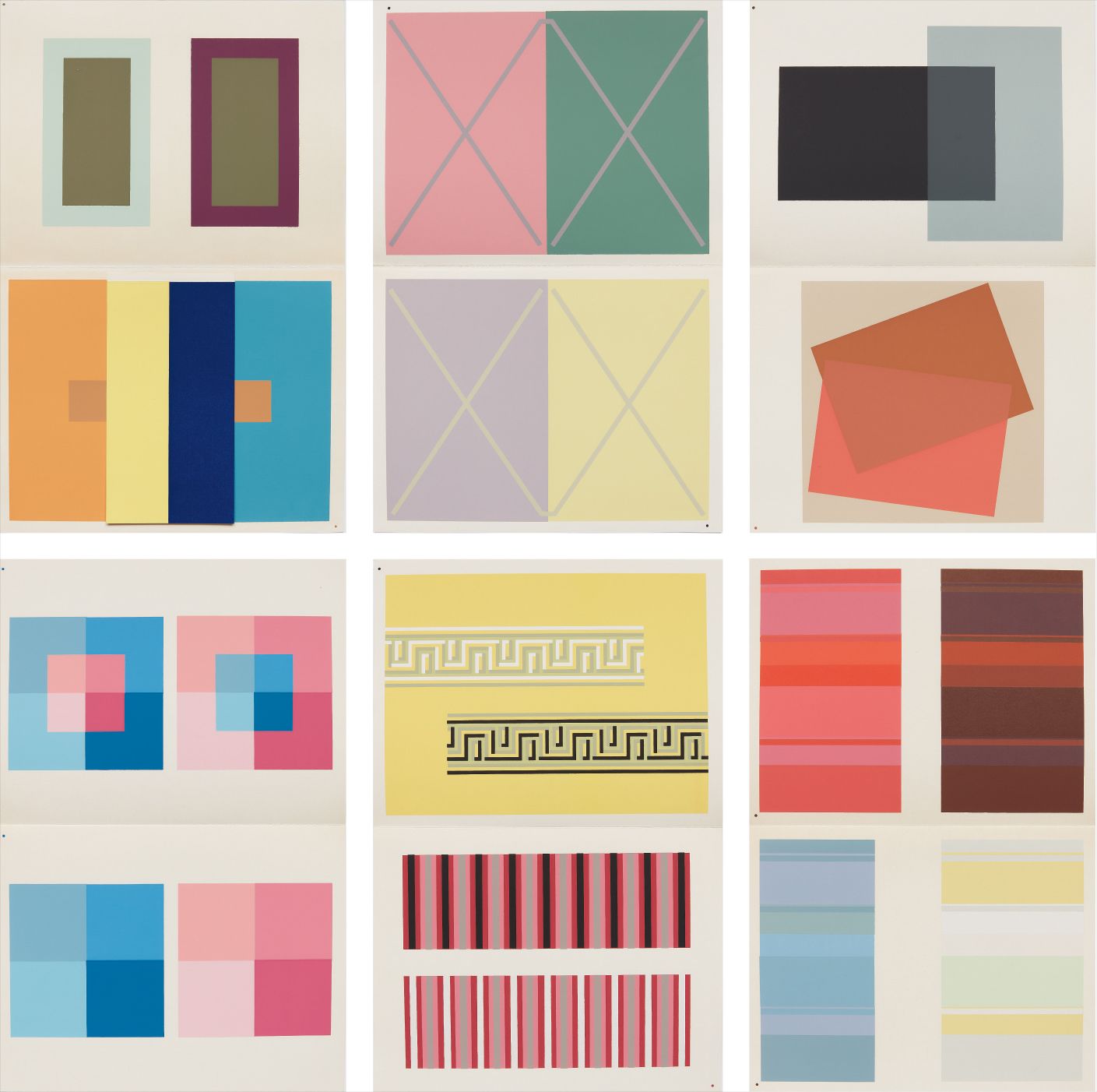
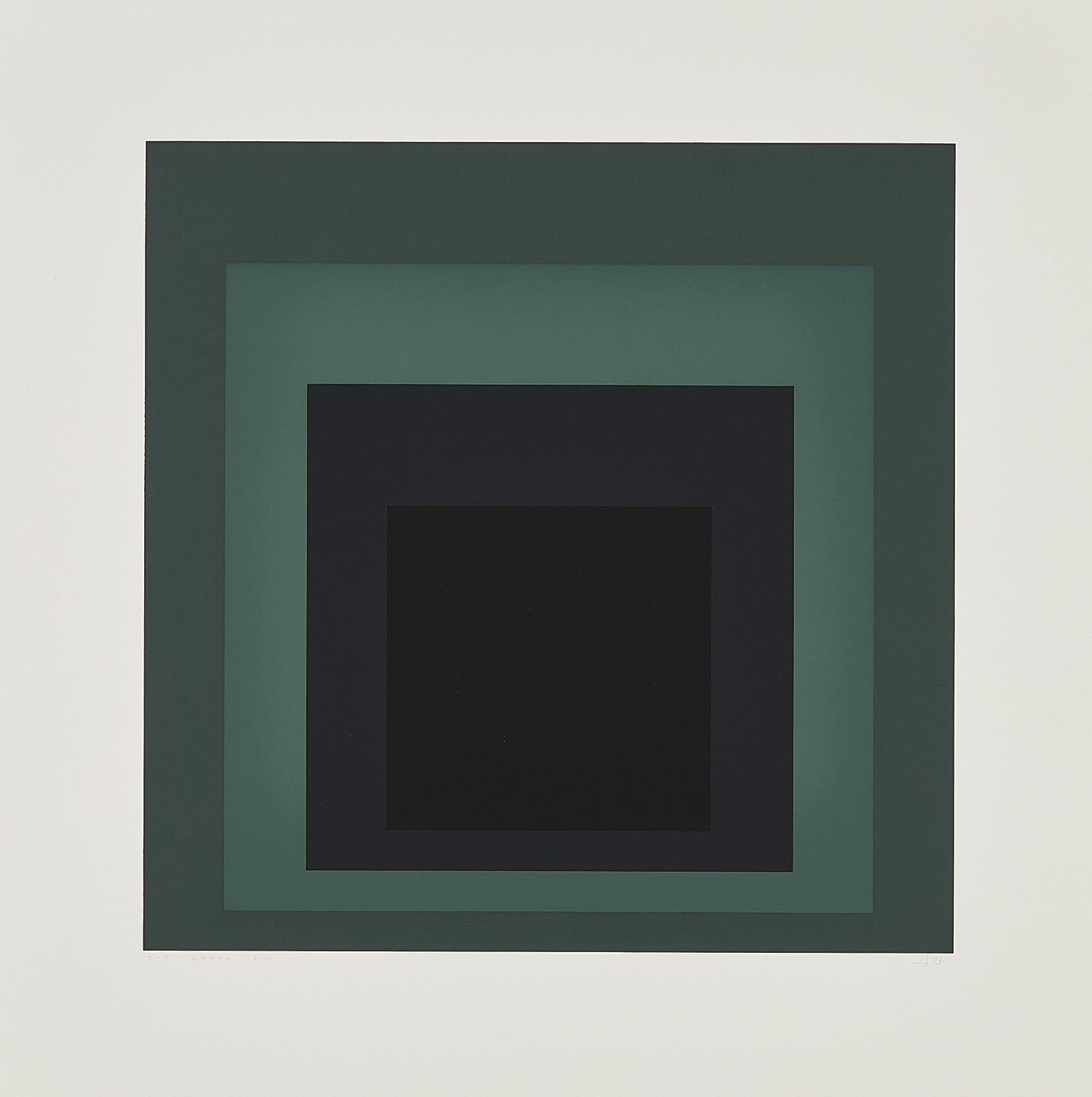
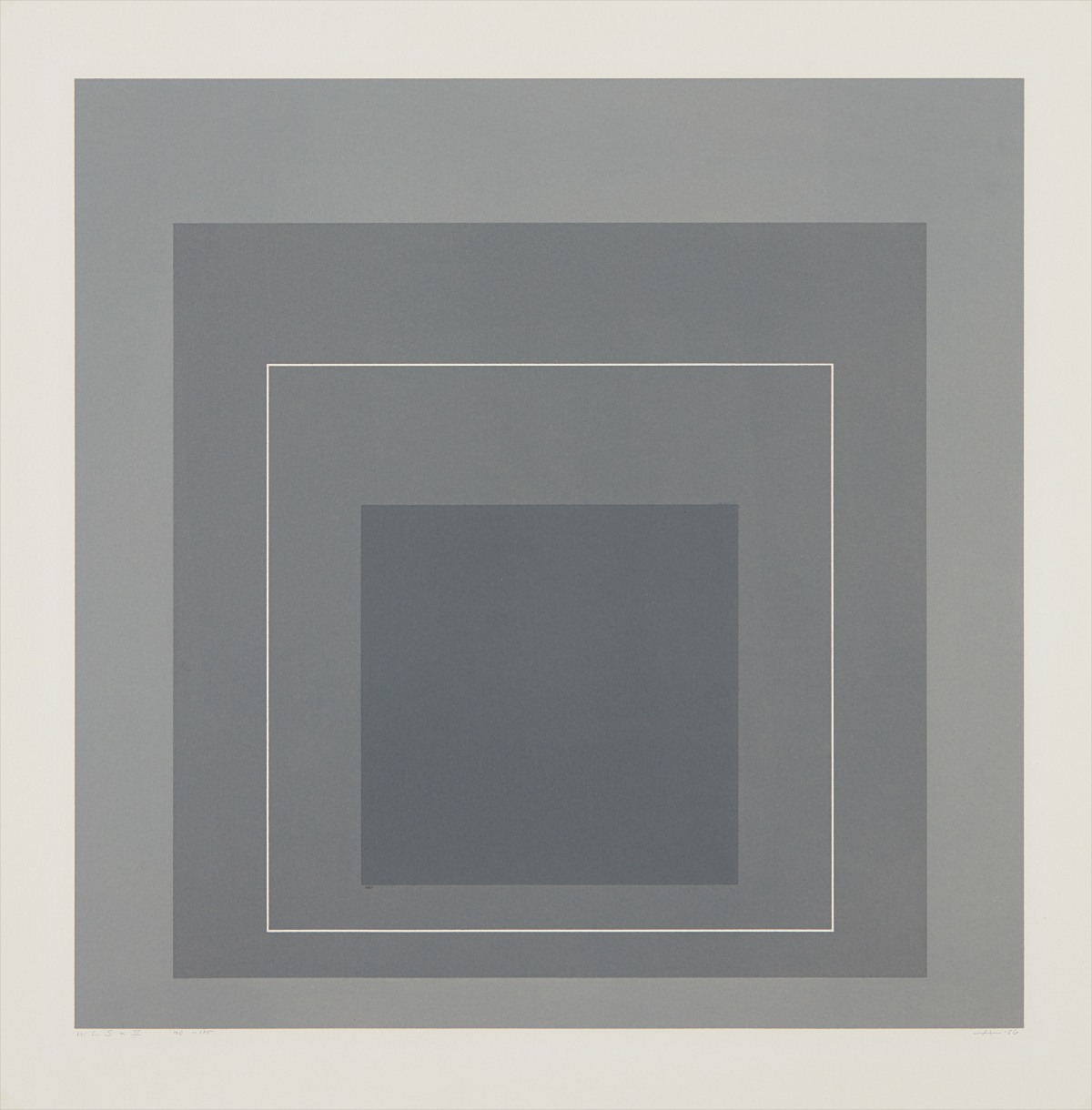
Josef Albers was a German-born American artist and educator who became one of the most influential figures in twentieth-century art, particularly known for his systematic exploration of color theory and geometric abstraction. Born in Bottrop, Germany, Albers initially trained as a schoolteacher before studying art in Berlin, Essen, and Munich. He joined the Bauhaus in Weimar in 1920 as a student and quickly became a master teacher there, teaching the preliminary course and heading the glass workshop. When the Bauhaus closed under Nazi pressure in 1933, Albers emigrated to the United States, where he became the first Bauhaus artist to arrive in America. Albers is best known for his series "Homage to the Square," which he began in 1950 and continued until his death, producing over a thousand variations. These works feature nested squares of flat color that explore the relativity and interaction of colors, demonstrating how colors can appear to change depending on their surrounding hues. His systematic approach to color relationships influenced generations of artists and designers. Beyond his artistic practice, Albers was a highly influential educator, teaching at Black Mountain College in North Carolina from 1933 to 1949 and later as head of the design department at Yale University from 1950 to 1958. His teaching and his seminal book "Interaction of Color" (1963) fundamentally shaped modern art education. Albers' work bridges European modernism and American abstract art, and his influence extends across multiple generations of artists, including Robert Rauschenberg, Cy Twombly, and Richard Serra, who were among his students. His rigorous, experimental approach to understanding visual perception and color theory established him as a pioneer of Op Art and Color Field painting, though his work predated and transcended these movements. His legacy encompasses not only his artistic output but also his profound impact on art pedagogy and his demonstration that systematic investigation could yield profound aesthetic and perceptual insights.
Collectors

Artists in conversation

Victor Vasarely
Vasarely shared Albers's dedication to geometric abstraction and systematic color interaction, using grids and squares to explore optical illusions and perceptual phenomena across flat surfaces.
Ellsworth Kelly
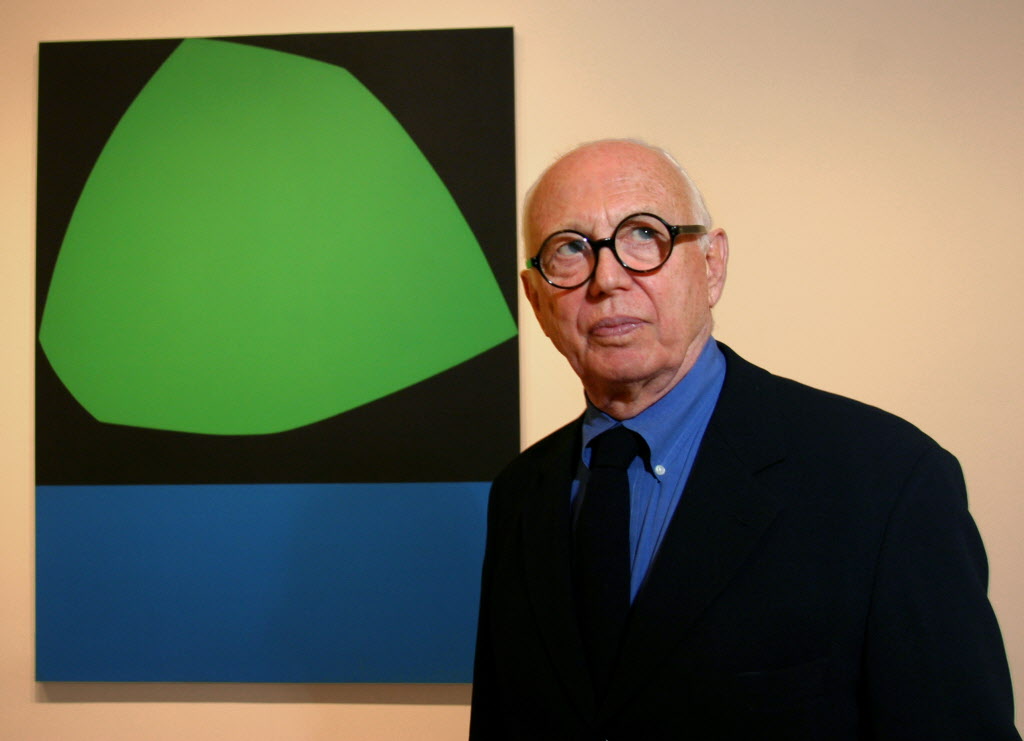
Kelly pursued a similarly rigorous hard edge geometric abstraction with bold color relationships, emphasizing the visual tension between form and chromatic perception in a minimalist vocabulary.

Max Bill
Bill was a former Bauhaus student who, like Albers, developed a mathematically grounded geometric abstraction rooted in Constructivist principles and a systematic approach to color and form.
Artists who inspired them

Paul Klee
As a fellow Bauhaus master, Klee profoundly influenced Albers through his theoretical and poetic investigations of color, form, and visual rhythm that shaped the pedagogical atmosphere Albers absorbed and later taught.
Wassily Kandinsky
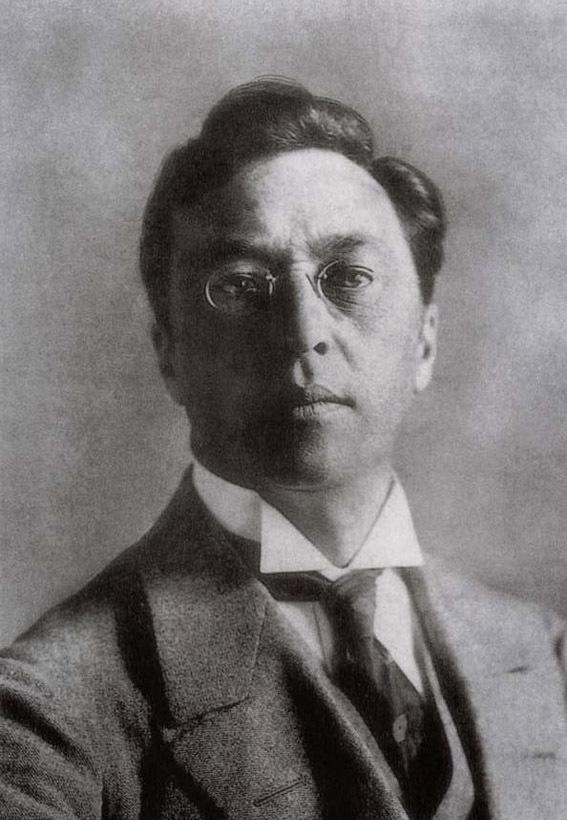
Kandinsky's systematic theorization of color and form at the Bauhaus directly informed Albers's thinking, particularly the idea that color carries independent expressive and structural properties beyond representation.

Johannes Itten
Itten developed the foundational Bauhaus preliminary course and pioneered color contrast theory, laying the groundwork that Albers would later expand and refine in his own legendary teachings and in Interaction of Color.
Artists they inspired
Richard Anuszkiewicz
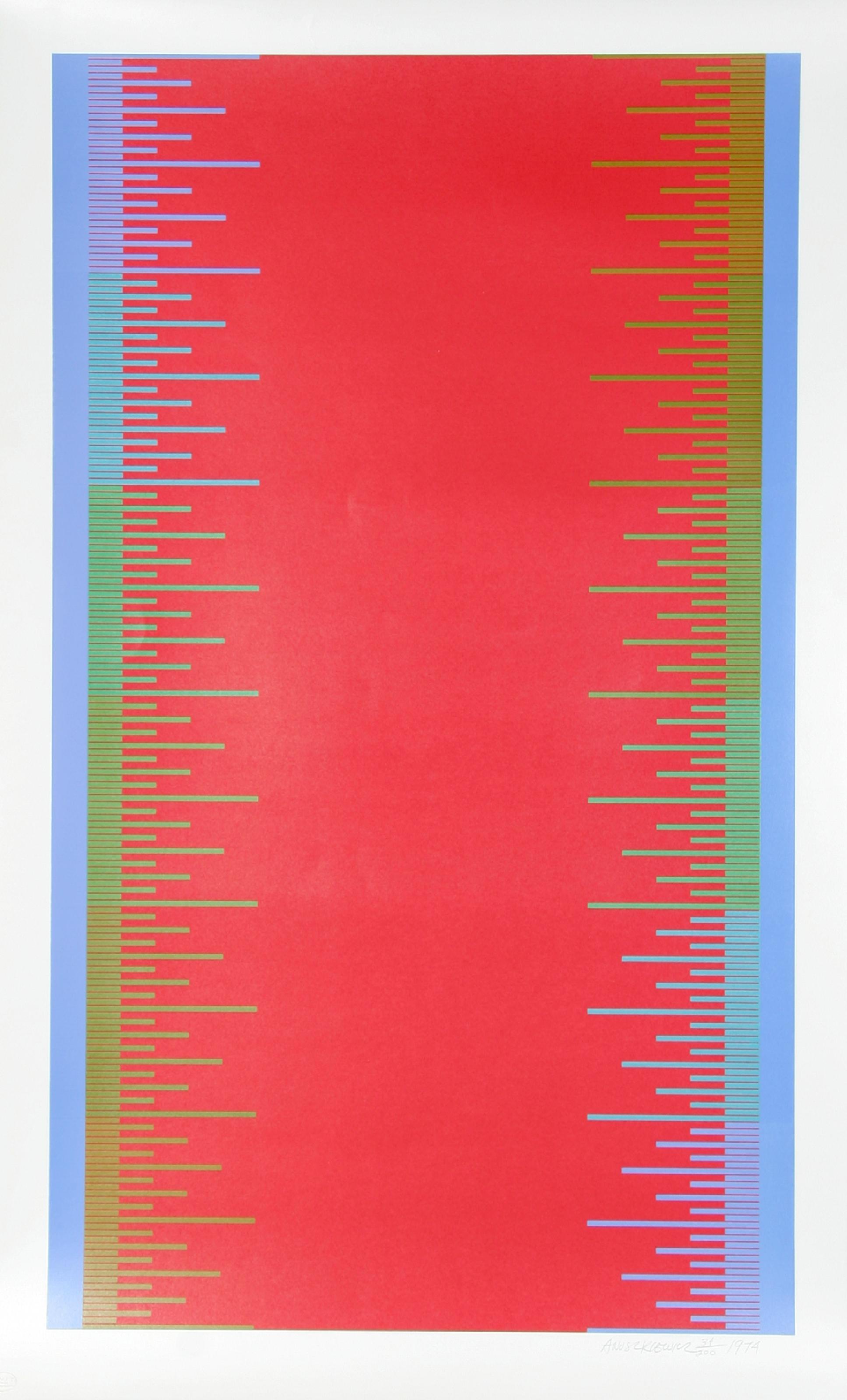
Anuszkiewicz studied directly under Albers at Yale and developed his own Op Art practice around the same systematic color interaction and geometric precision that defined Albers's Homage to the Square series.
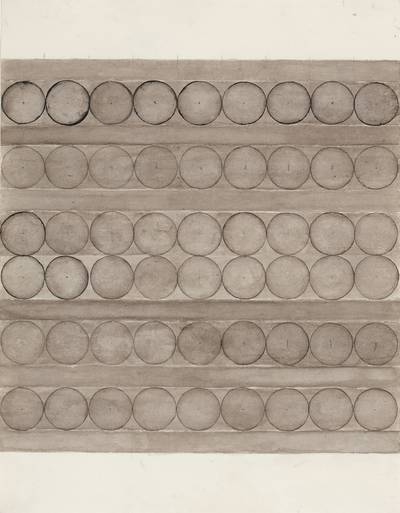
Eva Hesse
Hesse studied under Albers at Yale and credited his rigorous formal thinking as a foundational influence, even as she later moved toward organic and process based sculpture.

Frank Stella
Stella absorbed Albers's emphasis on the internal logic of geometric structure and color relationships, applying those principles to his shaped canvases and stripe paintings that defined American Minimalism.