Juan Genovés
10
Works
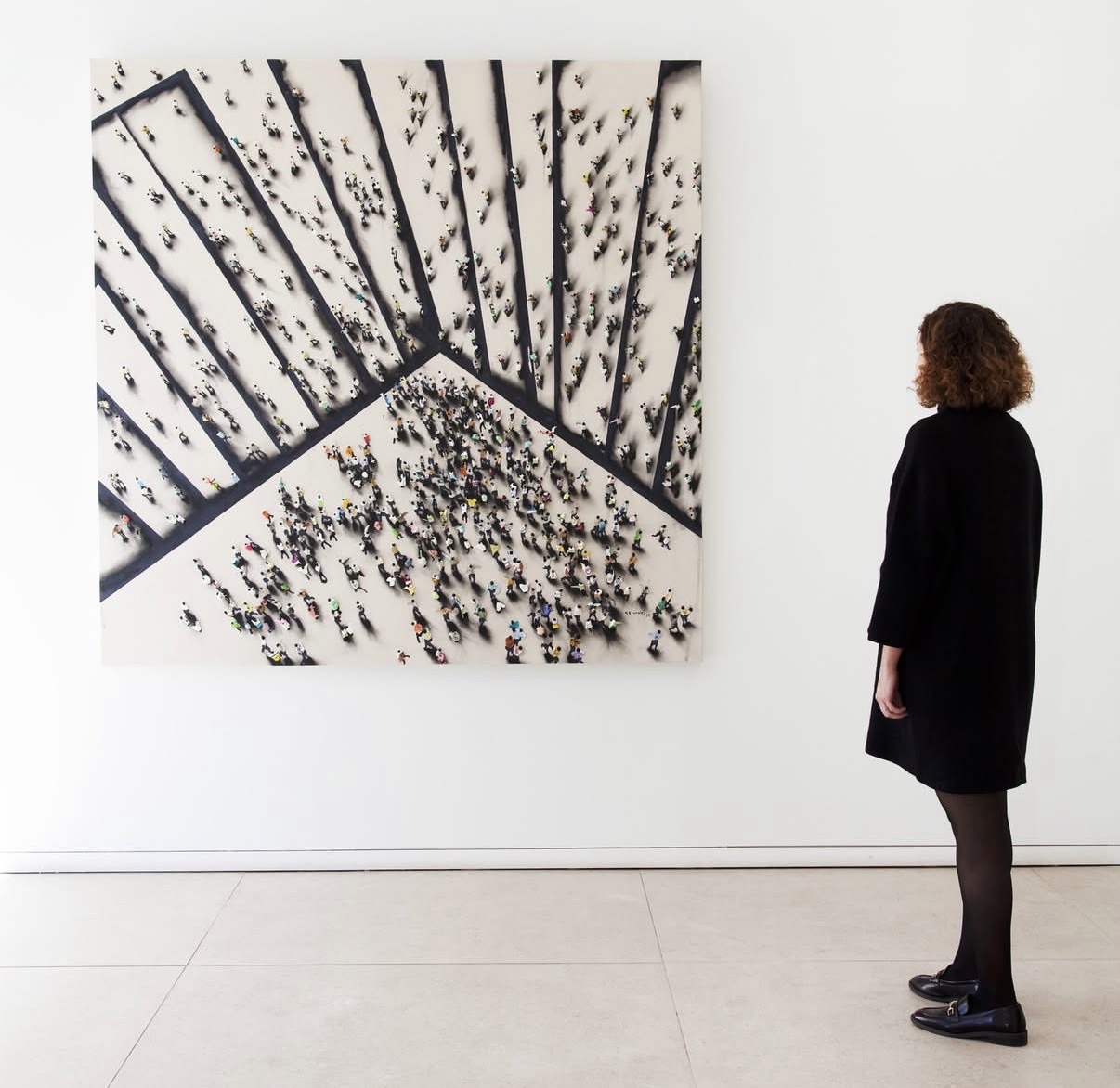
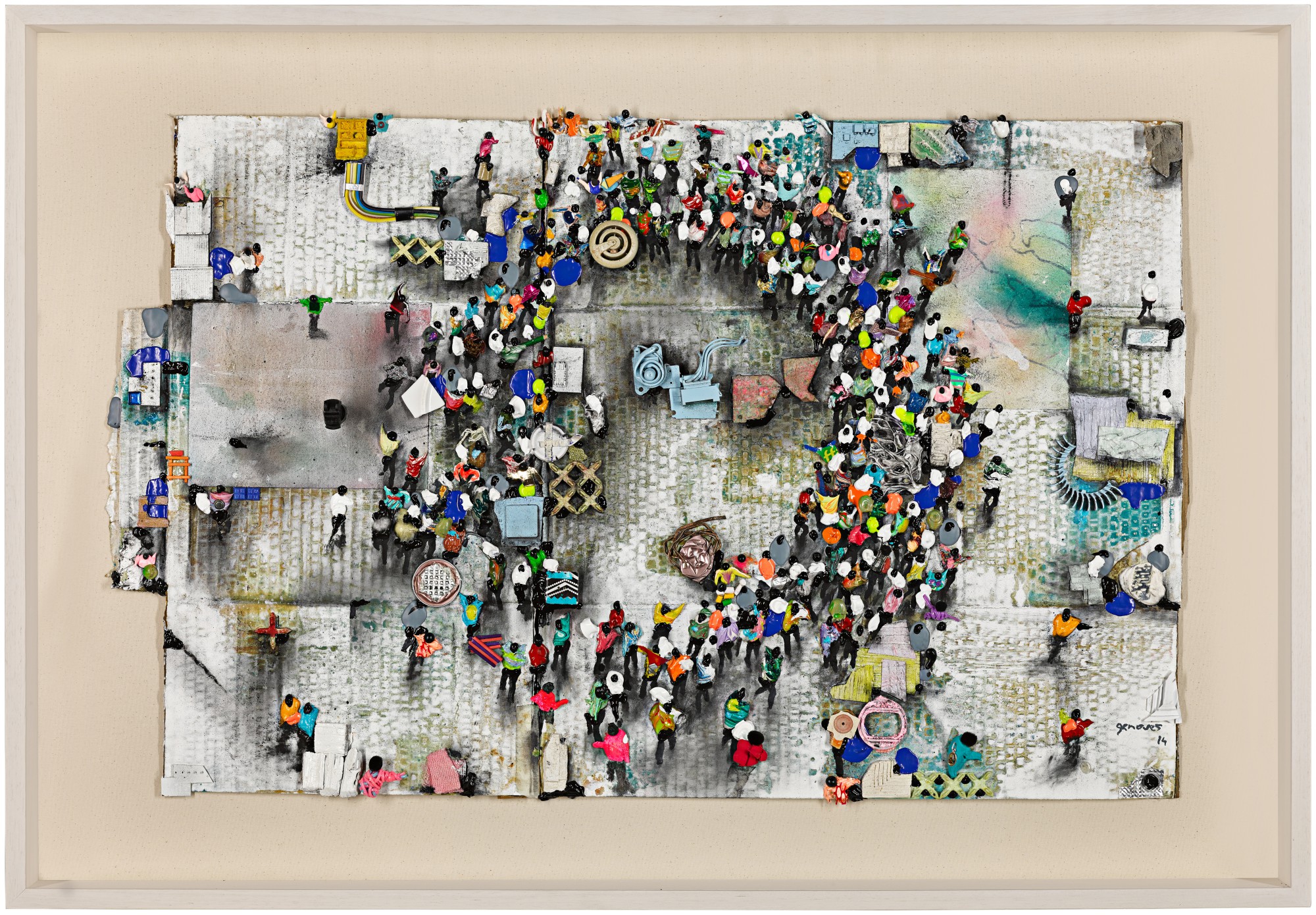
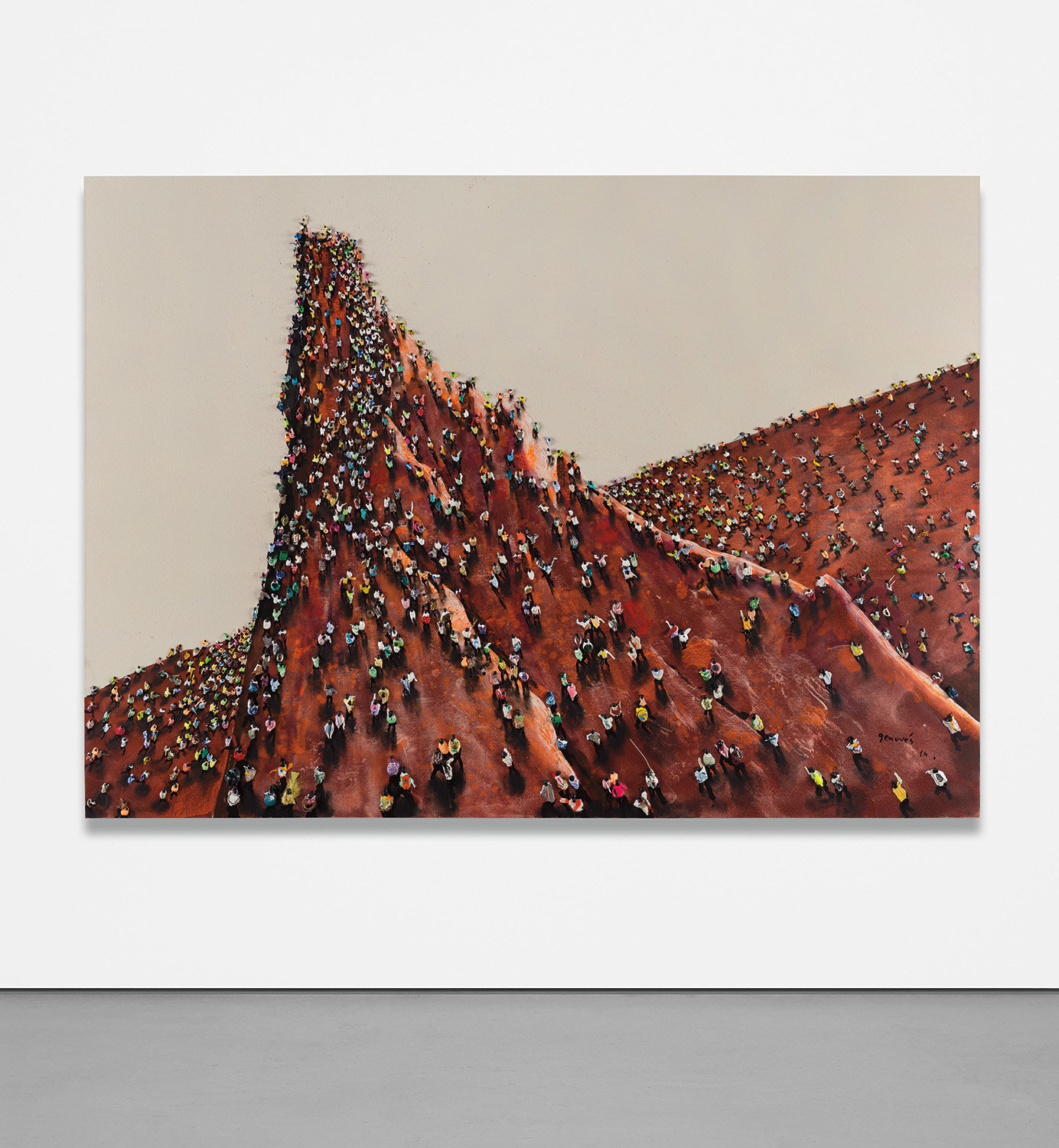
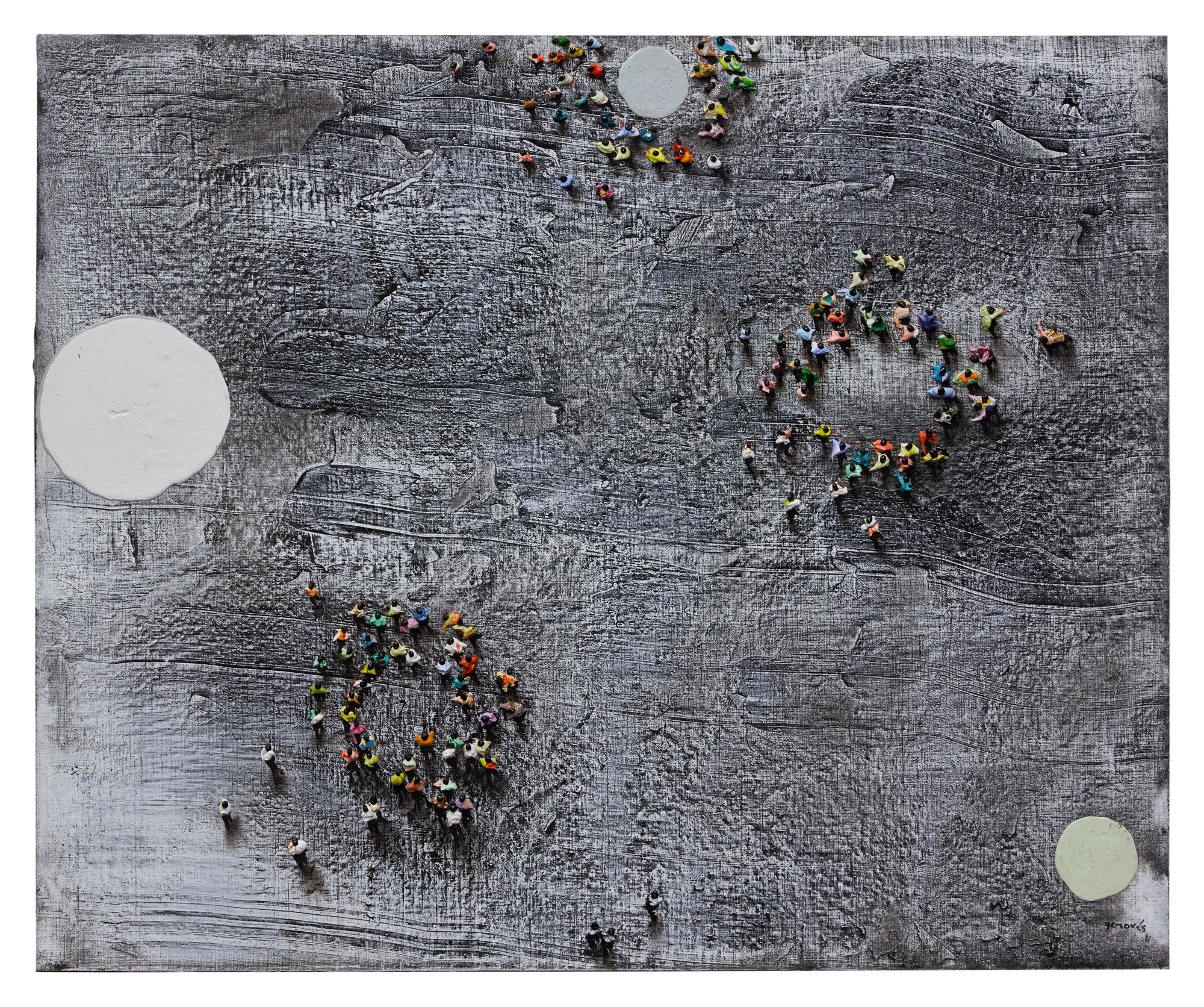
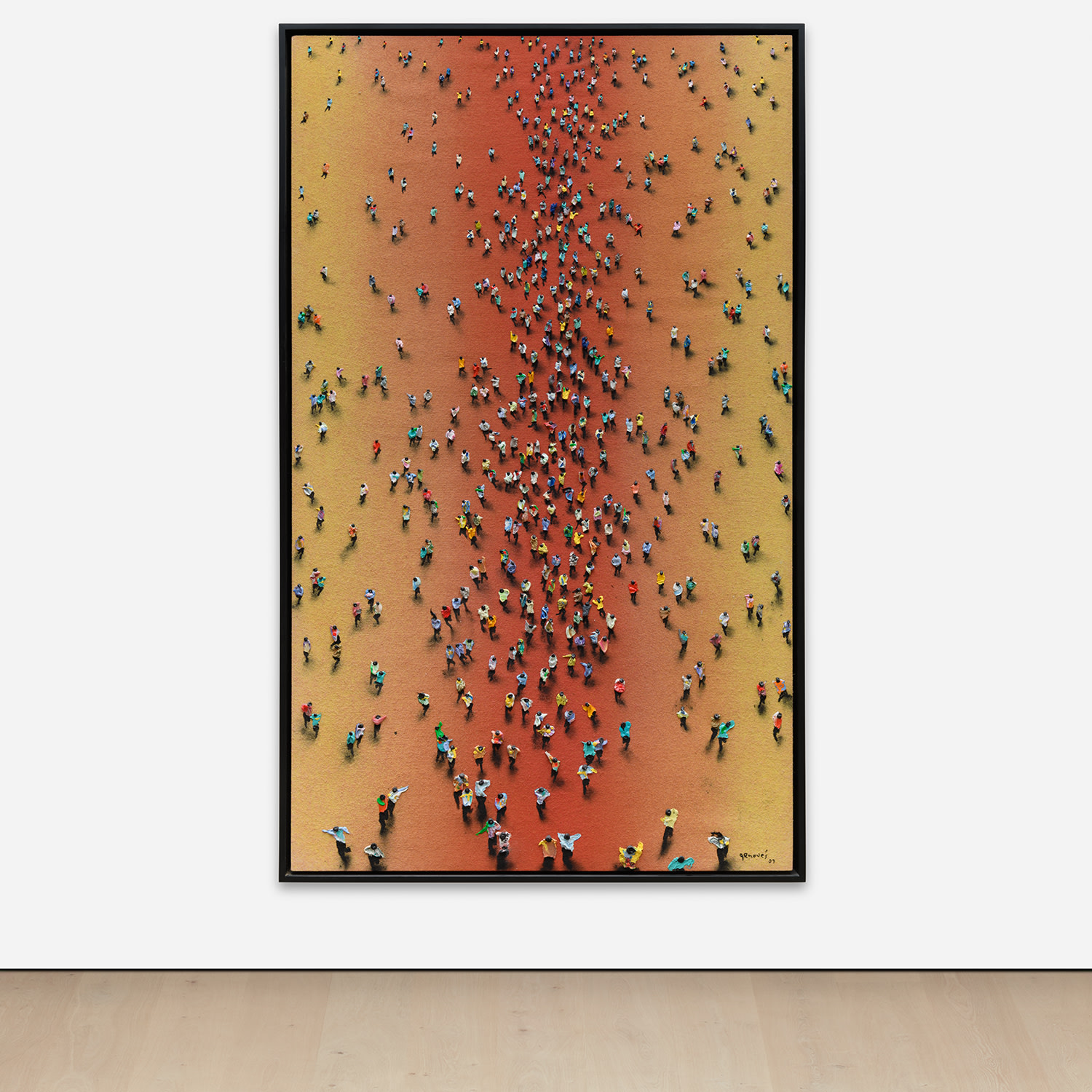
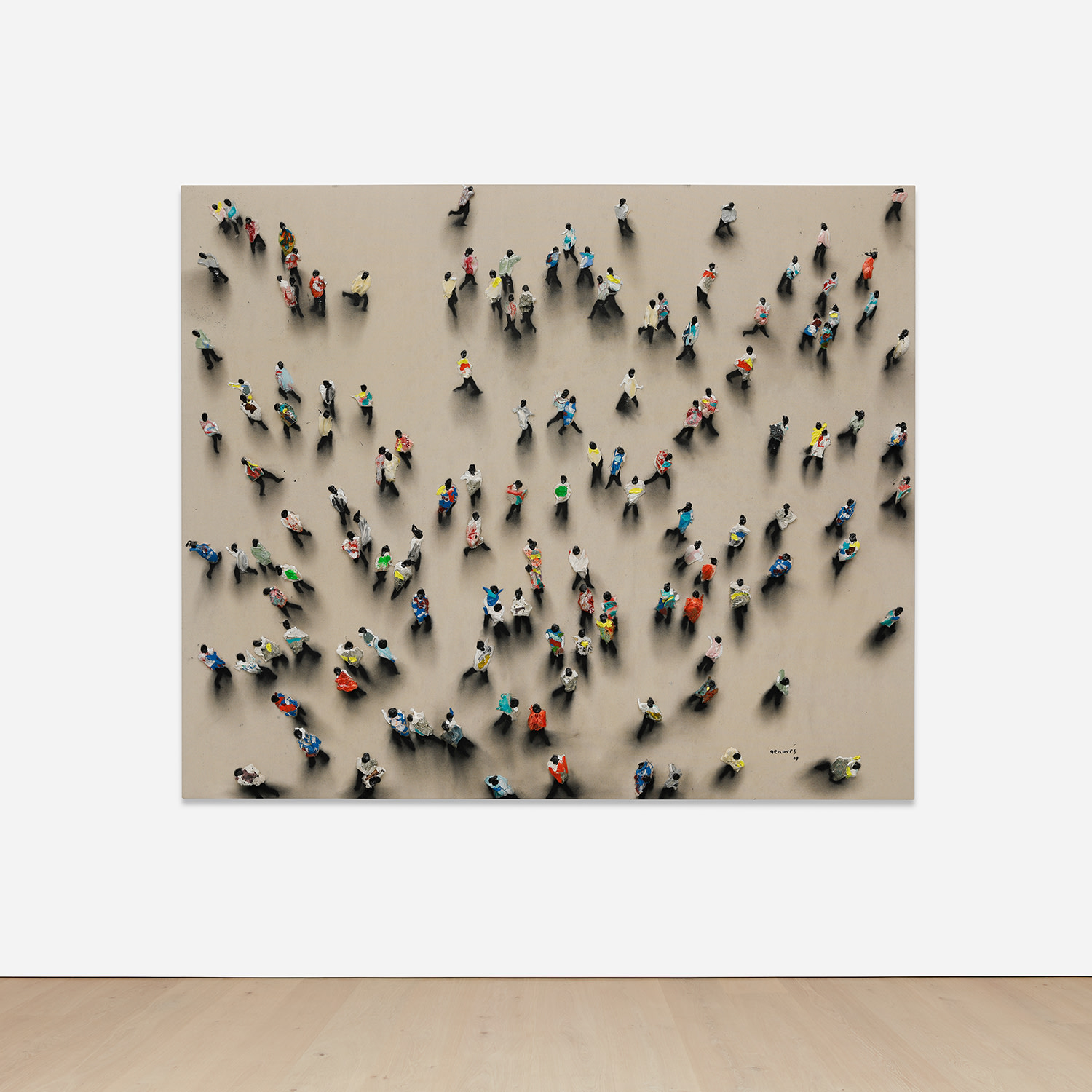
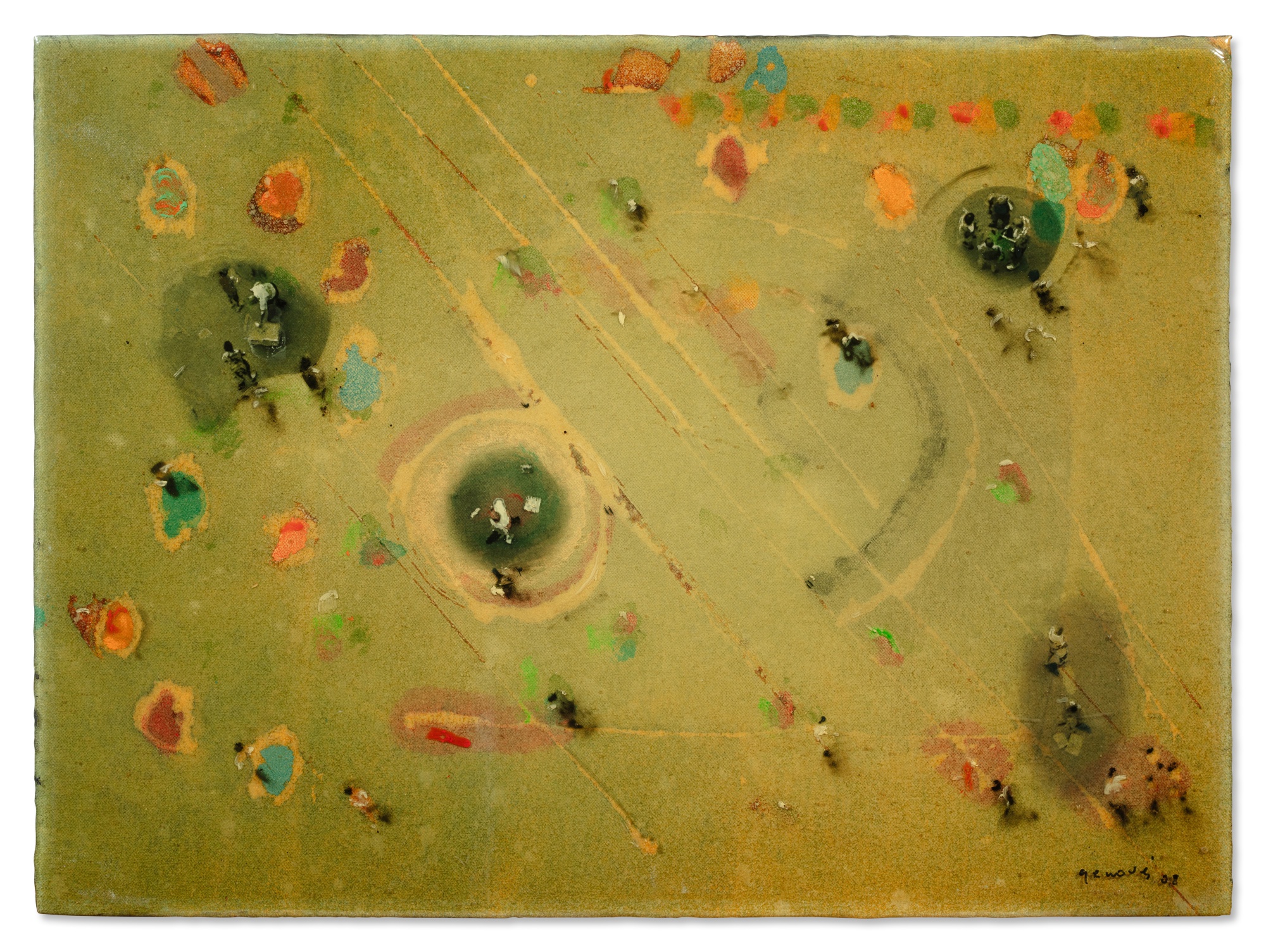
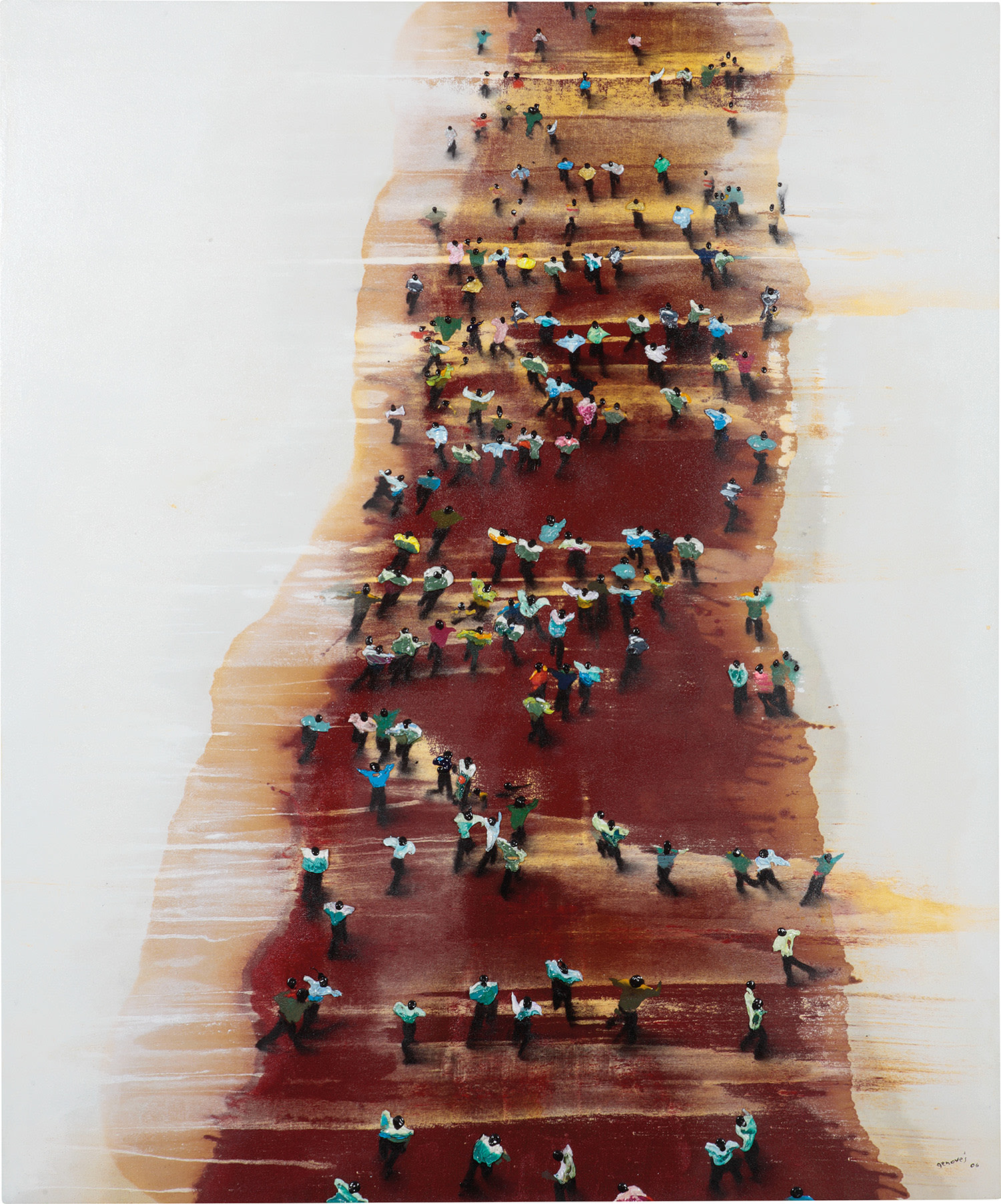
Juan Genovés was a Spanish painter and graphic artist known for his distinctive figurative style that emerged during the Franco dictatorship and continued to evolve throughout his long career. Born in Valencia, he became associated with the Spanish realist movement and later developed a unique visual language characterized by aerial perspectives of crowds and isolated human figures. His work often depicted masses of people viewed from above, rendered in a photographic style that emphasized the relationship between the individual and the collective, creating powerful commentaries on social and political themes. Genovés's artistic approach combined elements of pop art with social realism, using a limited color palette dominated by grays, blacks, and whites, occasionally punctuated by bold reds or other striking colors. His iconic works frequently showed anonymous figures in urban spaces, fleeing crowds, or solitary individuals in vast empty spaces, reflecting themes of repression, freedom, violence, and human vulnerability. These images became symbolic of the political climate in Spain during the Franco era, though their universal themes resonated internationally. His work "El abrazo" (The Embrace) and his series depicting crowds became particularly celebrated examples of his artistic vision. Throughout his career, Genovés exhibited extensively in Spain and internationally, establishing himself as one of the most important Spanish artists of the second half of the 20th century. His work is held in major museum collections including the Museo Reina Sofía in Madrid and other significant Spanish institutions. He received numerous awards and recognition for his contribution to contemporary Spanish art, and his influence extended to younger generations of artists interested in the intersection of political engagement and visual expression.
Spotted by
Artists in conversation