Erwin Olaf
“
21
Works
2
Followers
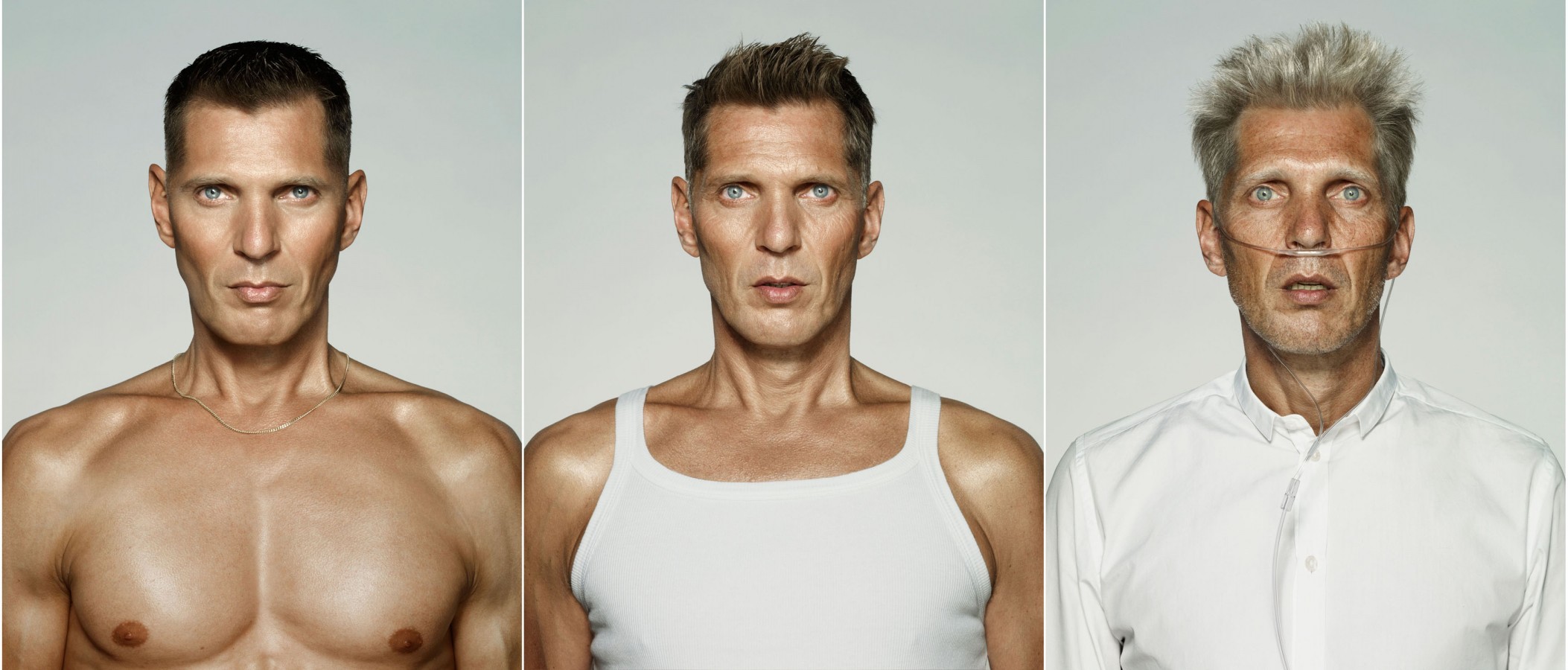
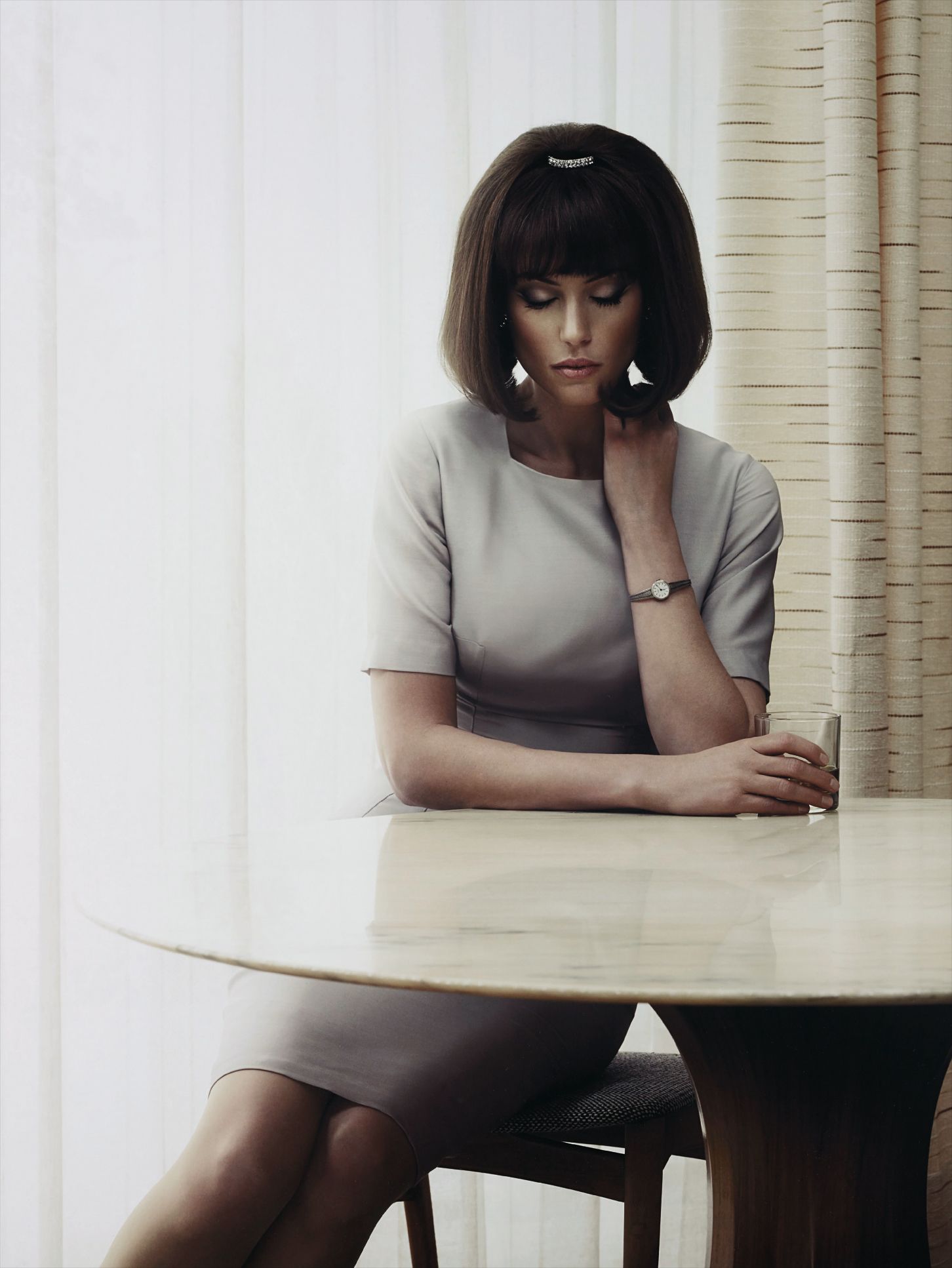
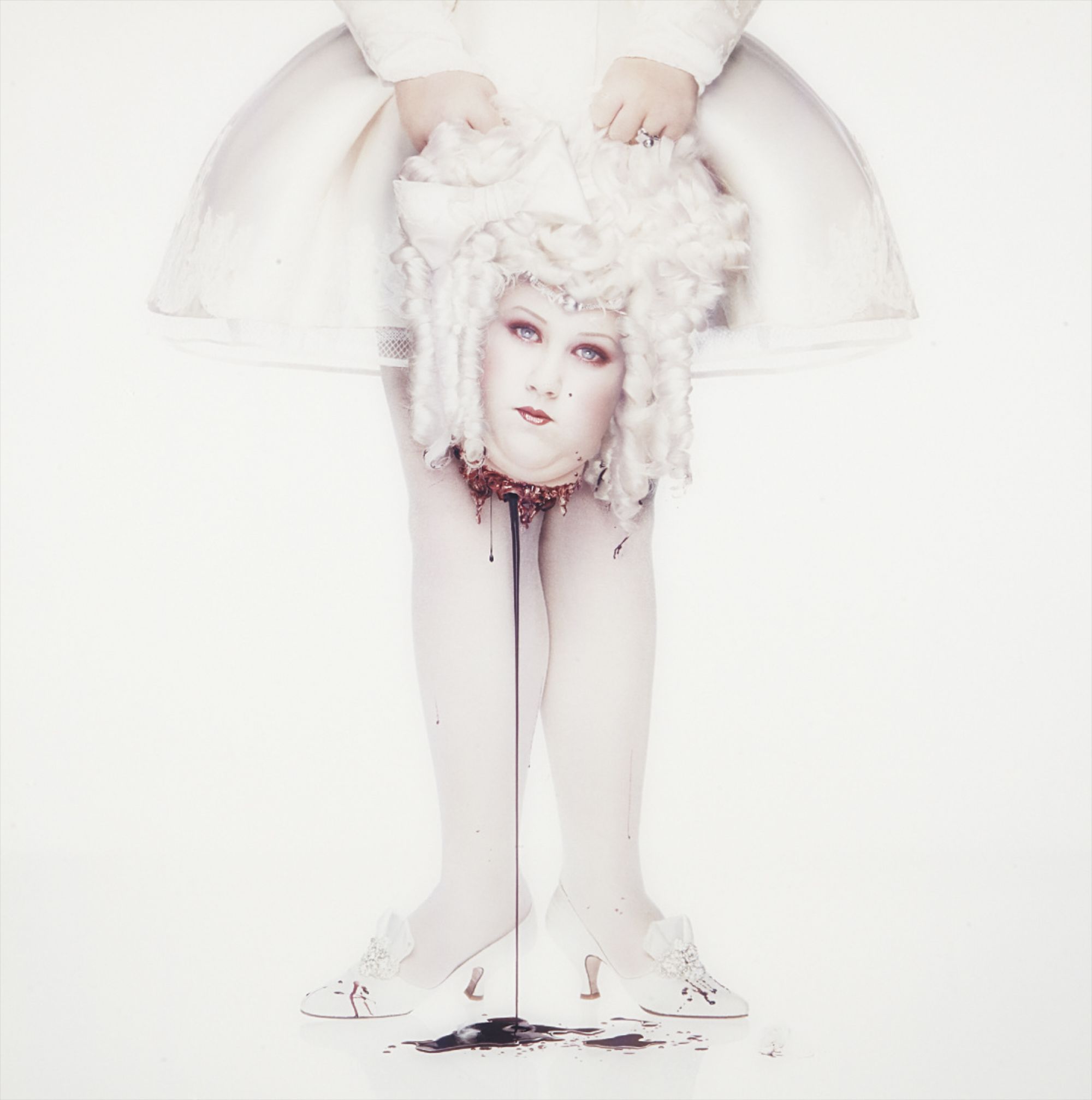
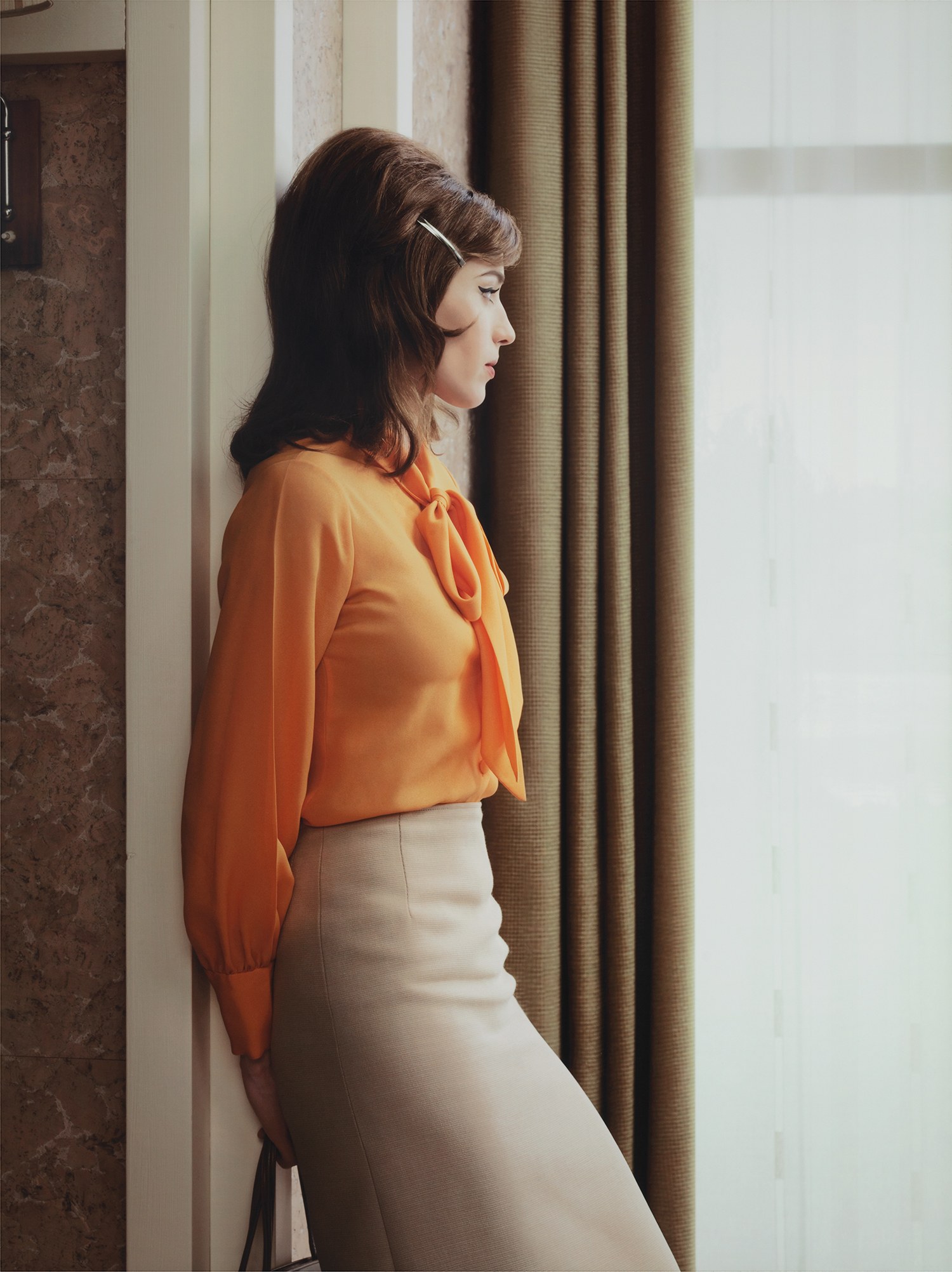
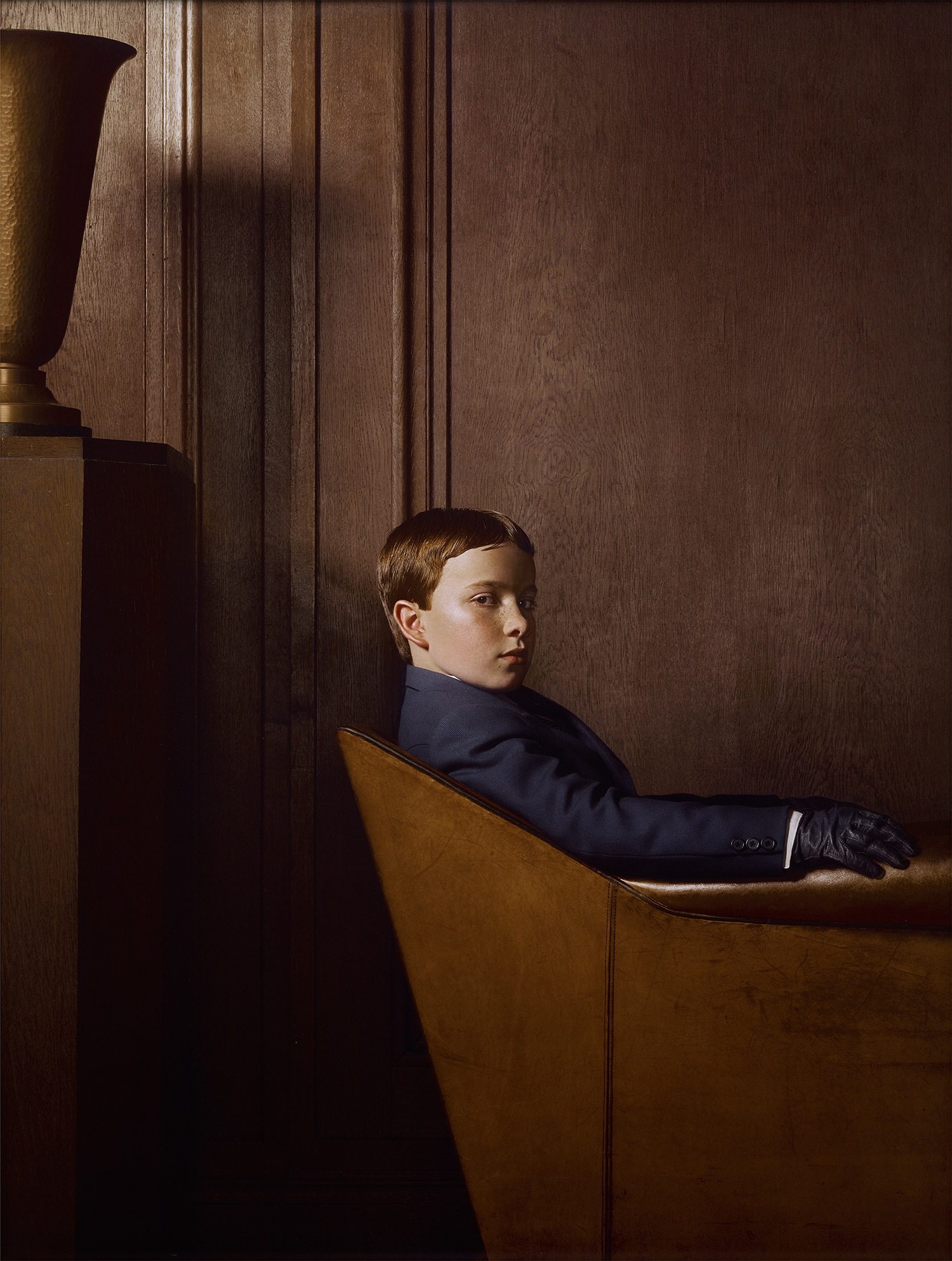
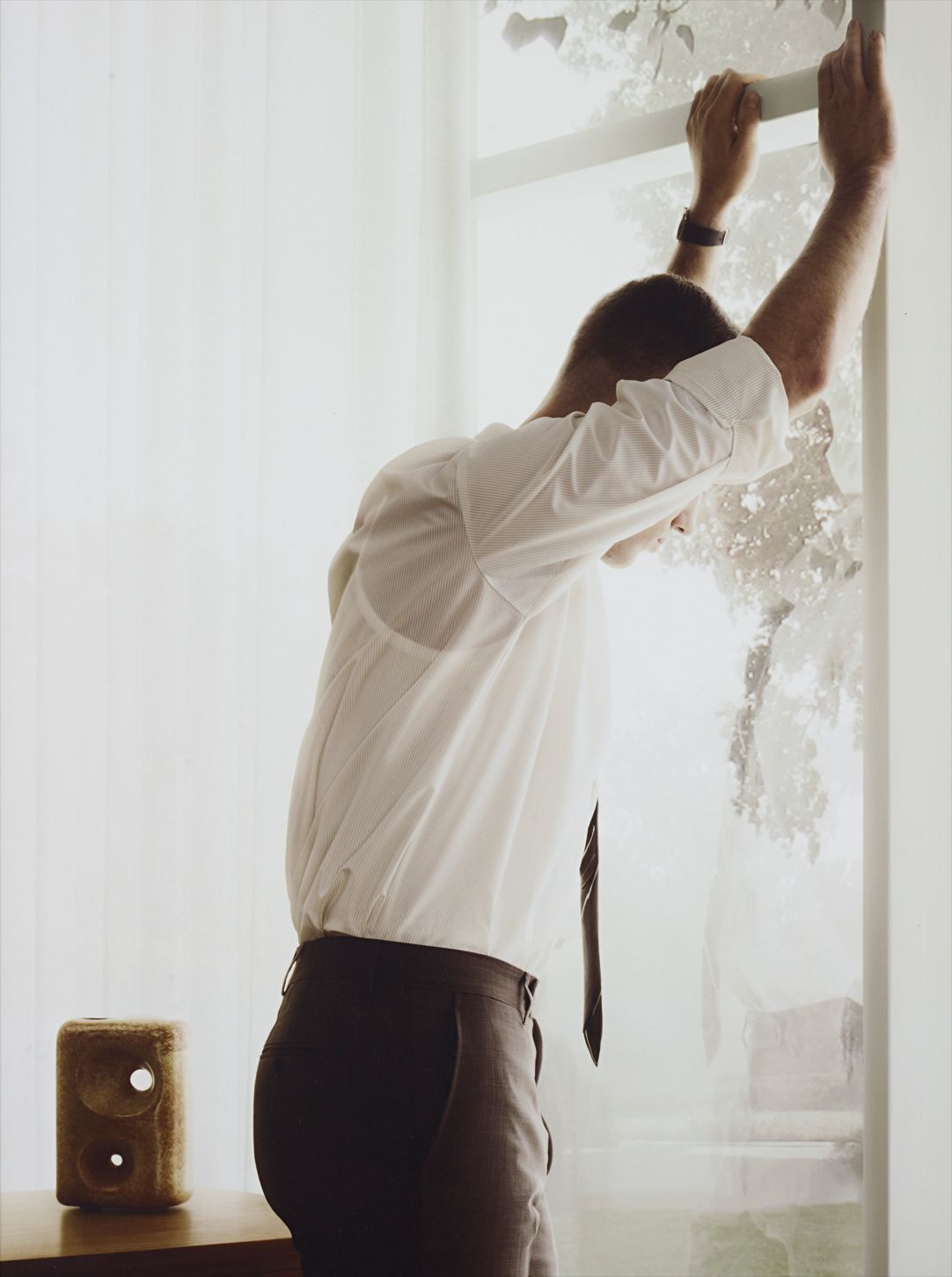
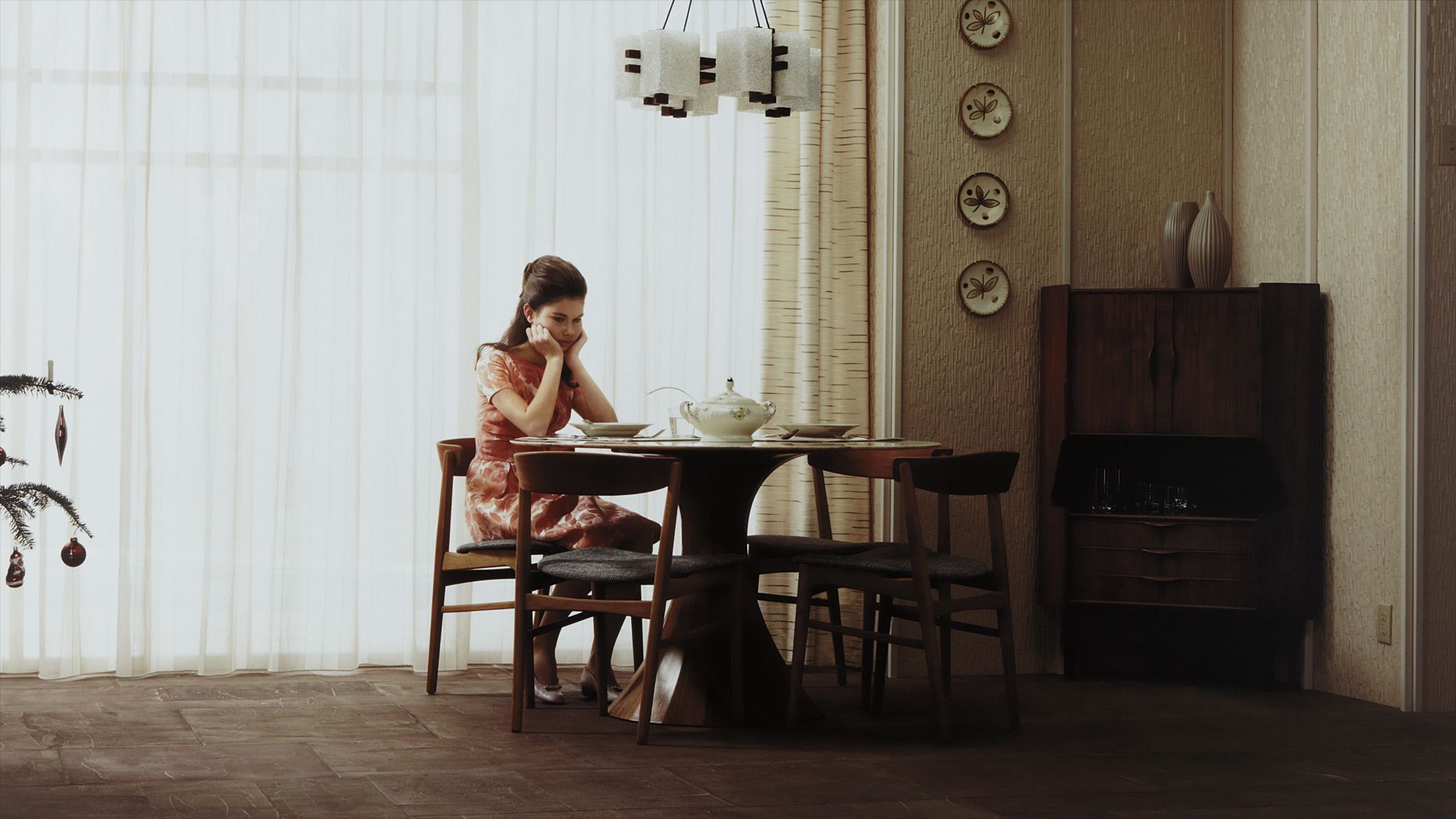
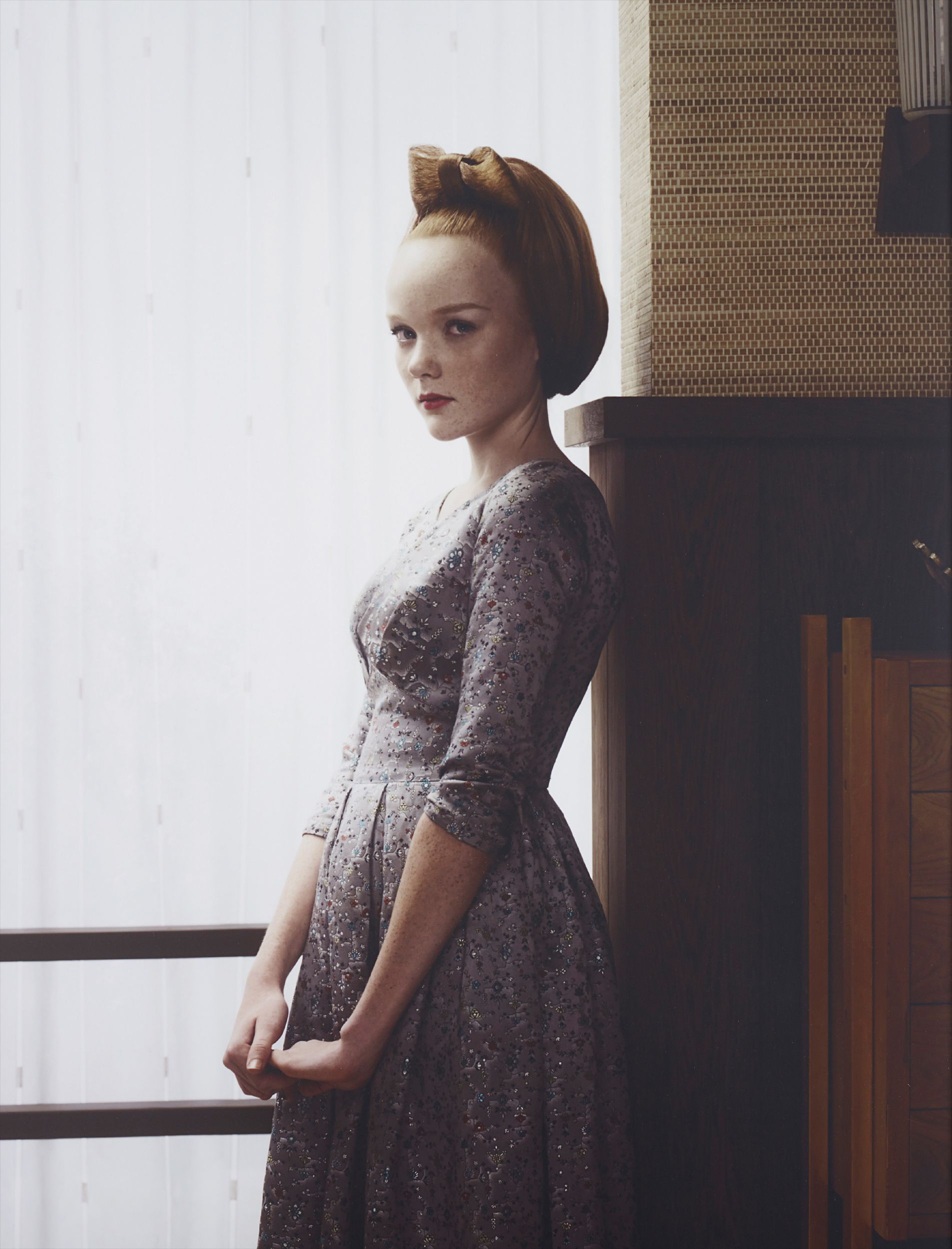
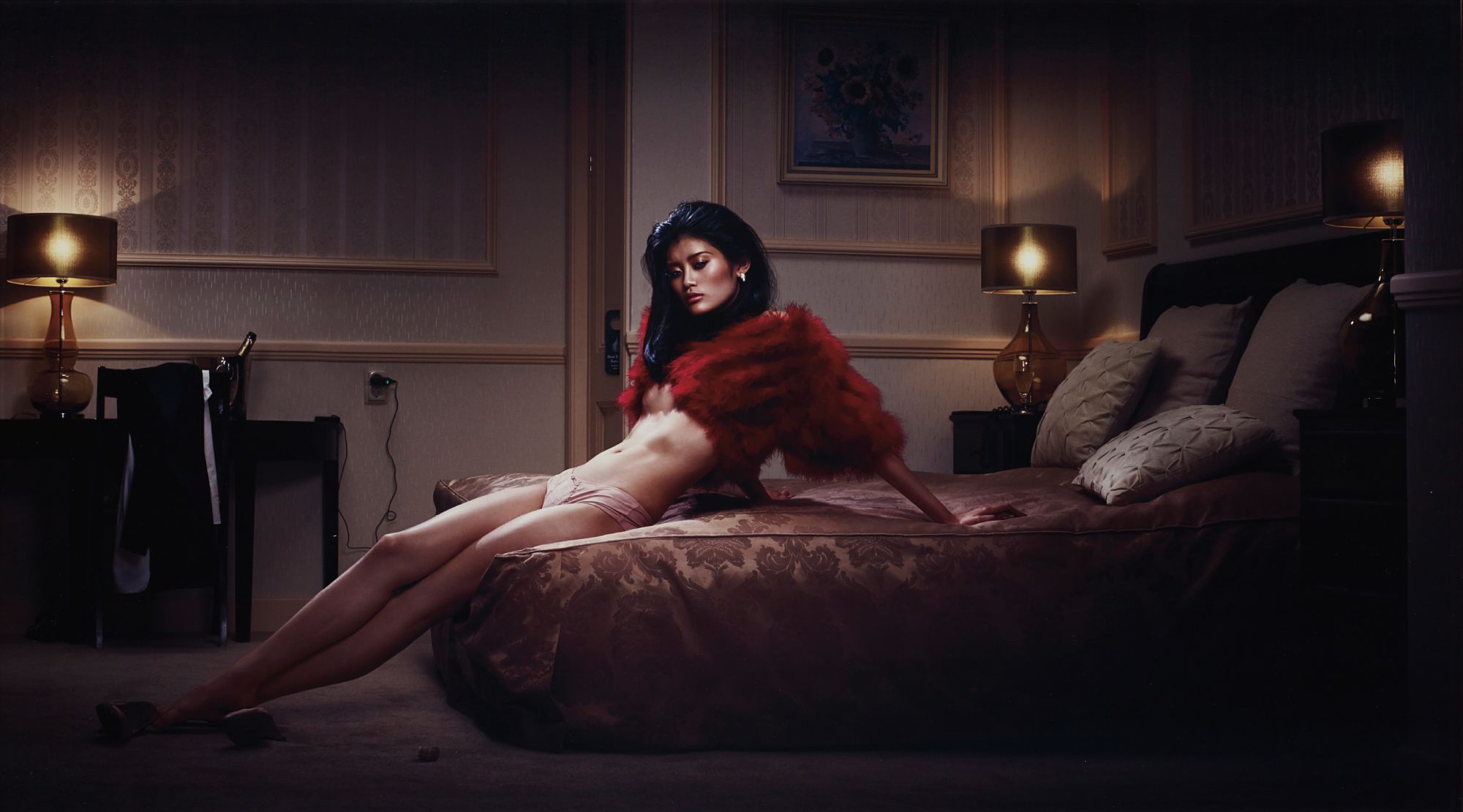
Erwin Olaf is a Dutch visual artist and photographer born in 1959 in Hilversum, Netherlands. He emerged as a prominent figure in contemporary photography during the 1980s and 1990s, initially gaining recognition for his provocative and staged color photographs that challenged conventional representations of identity, sexuality, and human relationships. His early work was characterized by a confrontational aesthetic that explored taboo subjects with technical precision and theatrical composition, often addressing themes of masculinity, intimacy, and the body. Throughout his career, Olaf has evolved his practice to encompass multiple mediums including film, video, and installation art. His work is notable for its meticulous color palettes, hyperrealistic lighting, and carefully constructed narratives that blur the boundaries between documentary and fiction. Key series include his portraits of drag performers, explorations of human vulnerability, and investigations into identity performance. His photographs are distinguished by their formal beauty and emotional depth, combining aesthetic refinement with conceptual rigor. Olaf's influence extends across contemporary art and photography, contributing significantly to discussions around representation, diversity, and the politics of the gaze. His work has been widely exhibited in major museums and international exhibitions including Venice Biennale, documenta, and the Guggenheim. He continues to be recognized as a pioneering voice in contemporary visual culture, known for his humanistic approach and his commitment to creating nuanced, respectful portraits of marginalized and underrepresented communities.
Collectors
Artists in conversation
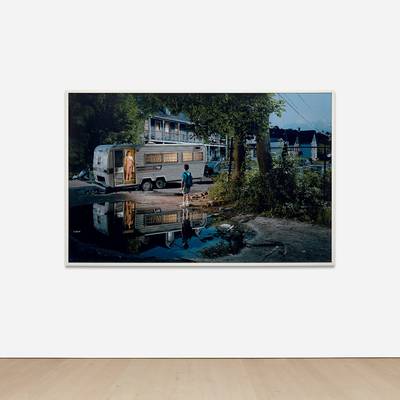
Gregory Crewdson
Crewdson shares Olaf's commitment to elaborately staged, cinematic photography that evokes psychological tension and melancholy through dramatic artificial lighting and meticulous compositional control. Both artists construct narrative tableaux that feel simultaneously familiar and deeply unsettling.
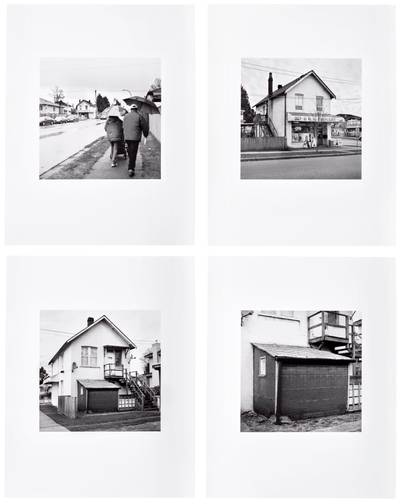
Jeff Wall
Wall pioneered large scale staged photography with rich art historical references and theatrical lighting, a conceptual framework that closely parallels Olaf's approach to figurative photography as a form of constructed visual narrative. Both draw heavily on the traditions of classical painting to elevate the photographic image.
Rineke Dijkstra
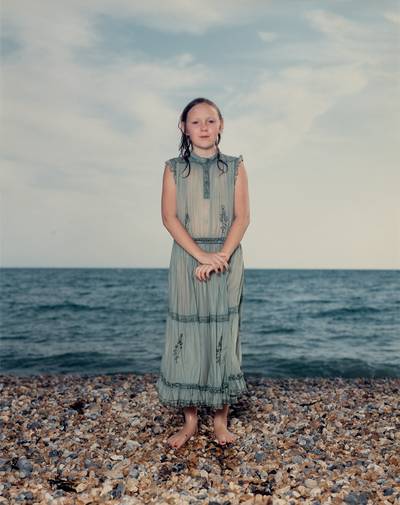
As a fellow Dutch photographer of the same generation, Dijkstra similarly focuses on single figure compositions rendered with psychological depth and technical precision, exploring identity and vulnerability through carefully considered formal structures. Her large format portraiture shares Olaf's interest in the emotional weight carried by the solitary human subject.
Artists who inspired them

Helmut Newton
Newton's provocative and theatrical approach to staged photography, his exploration of power dynamics, sexuality, and glamour, and his mastery of dramatic artificial lighting were formative influences on Olaf's early confrontational aesthetic. Olaf has cited Newton's boldness in challenging social norms through photography as a direct inspiration.

Johannes Vermeer
Vermeer's use of diffused interior light, intimate domestic scenes, and muted yet luminous color palettes is a clear reference point throughout Olaf's work, particularly in his series exploring quiet domestic tension. Olaf frequently channels the Dutch Golden Age tradition of which Vermeer is the supreme example.
Guy Bourdin
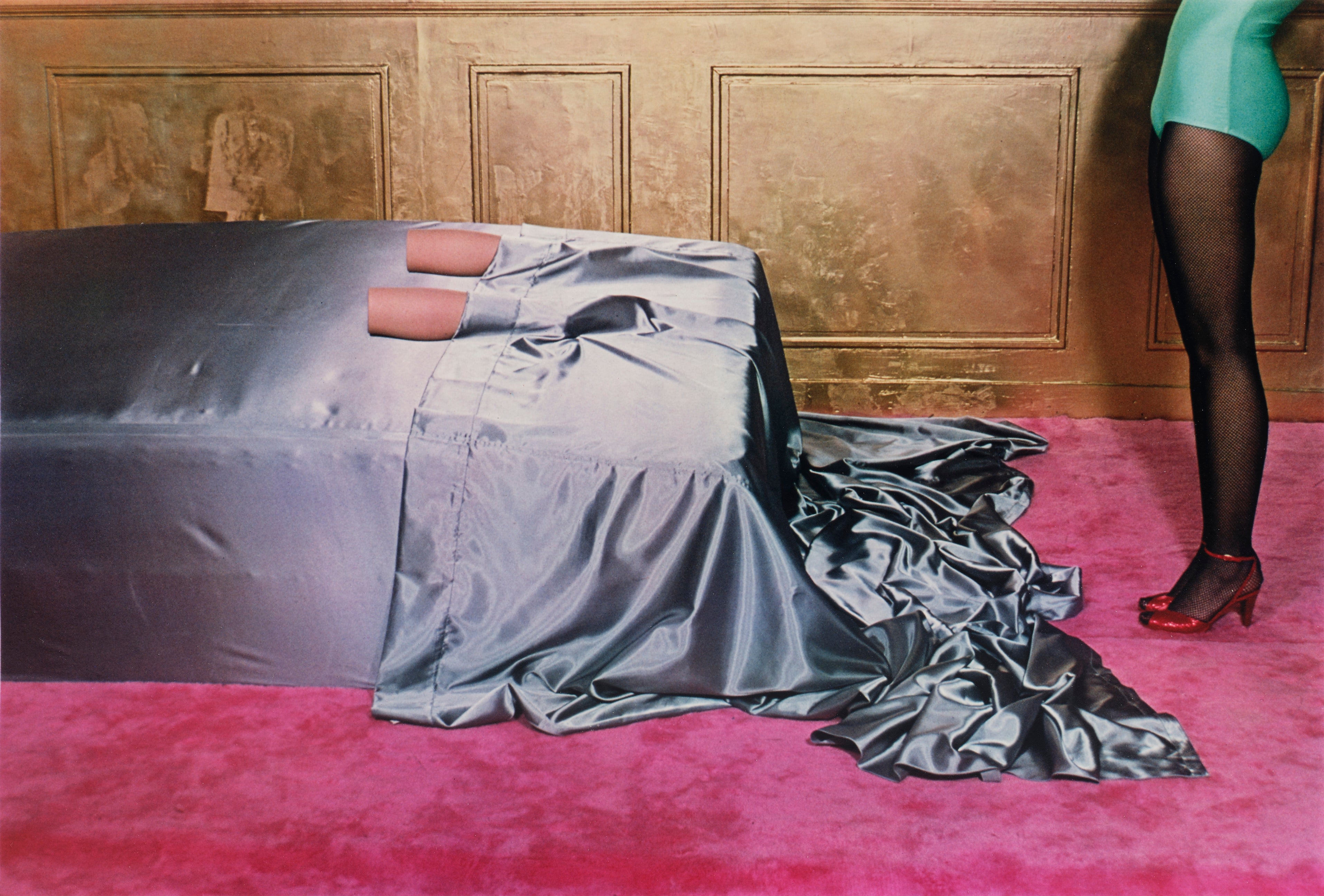
Bourdin's surrealist inflected, visually arresting staged fashion photography with its dark undertones, bold color saturation, and narrative ambiguity laid important groundwork for Olaf's own cinematic and conceptually charged approach. Both artists treat the photographic frame as a stage for psychologically loaded stories.